
Inactive· since May 19, 2026
- 18
- days it ran
- 0
- relaunches
Ad copy
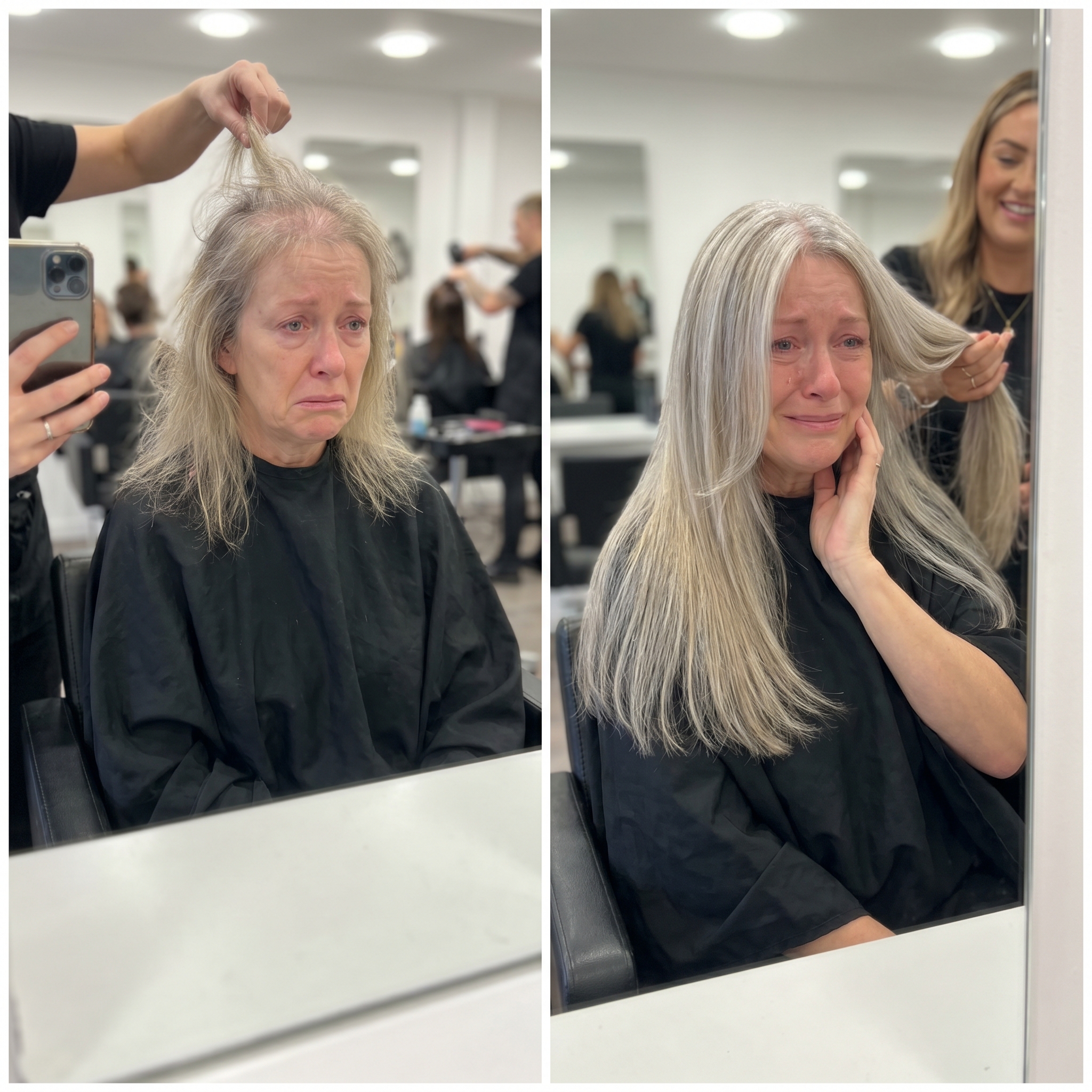
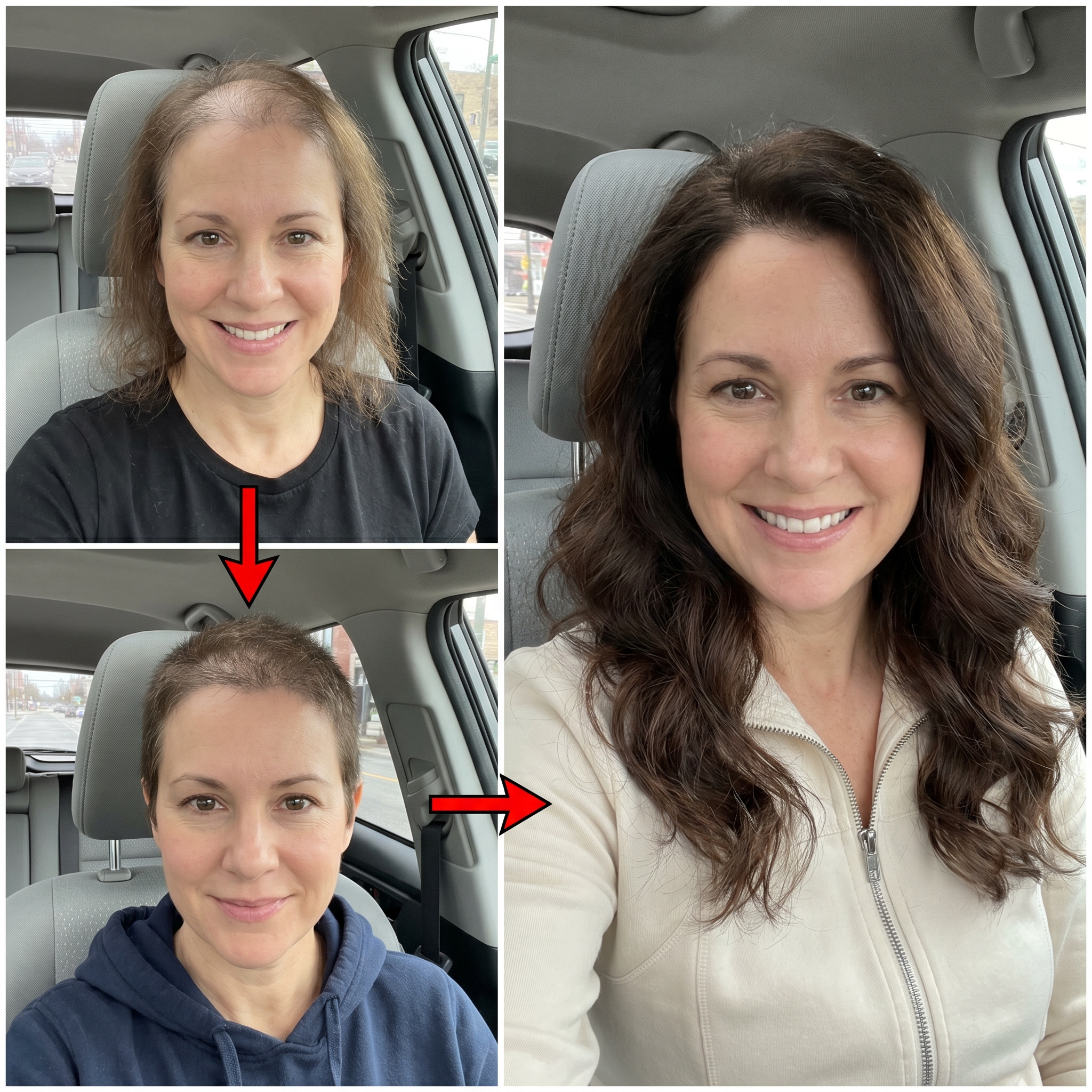
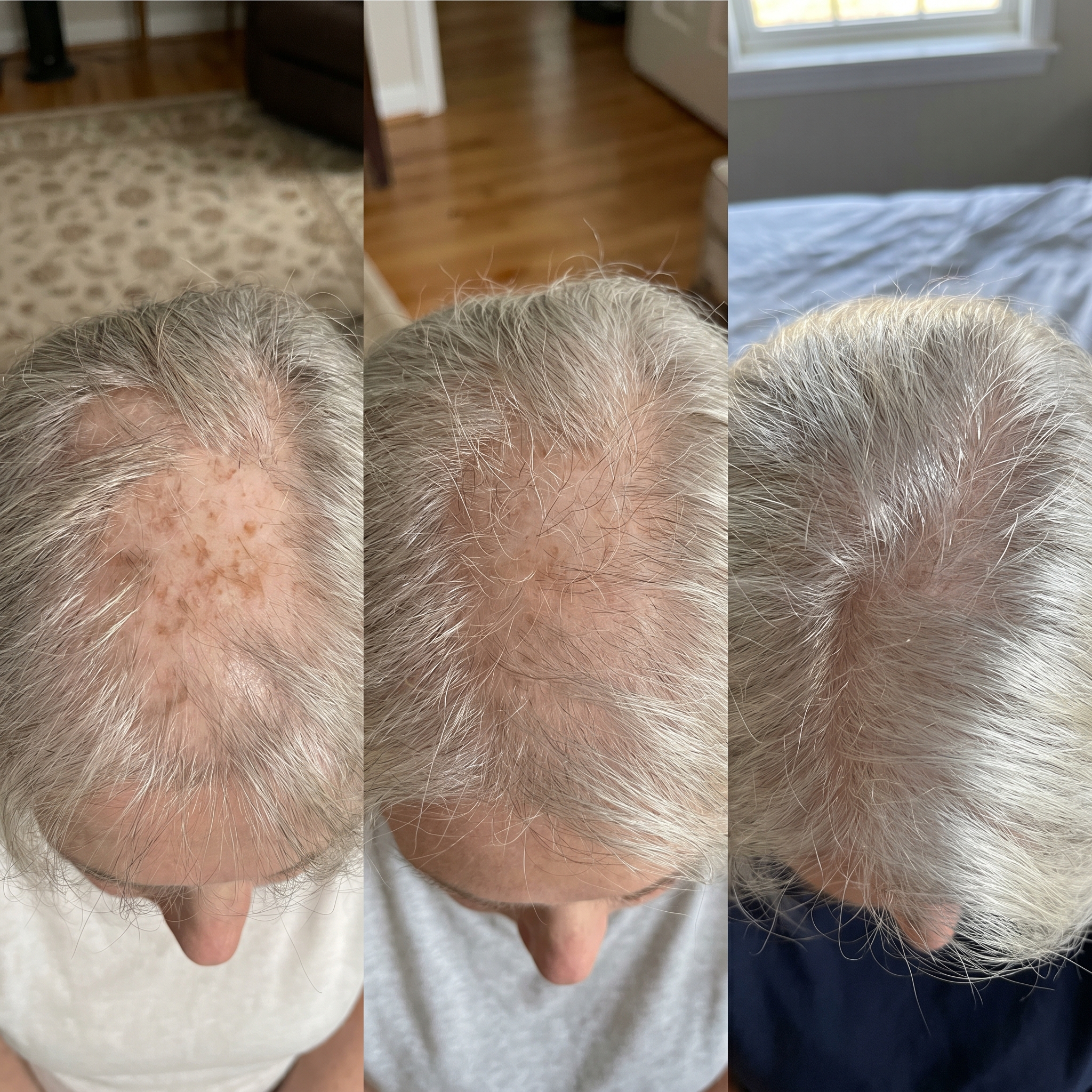
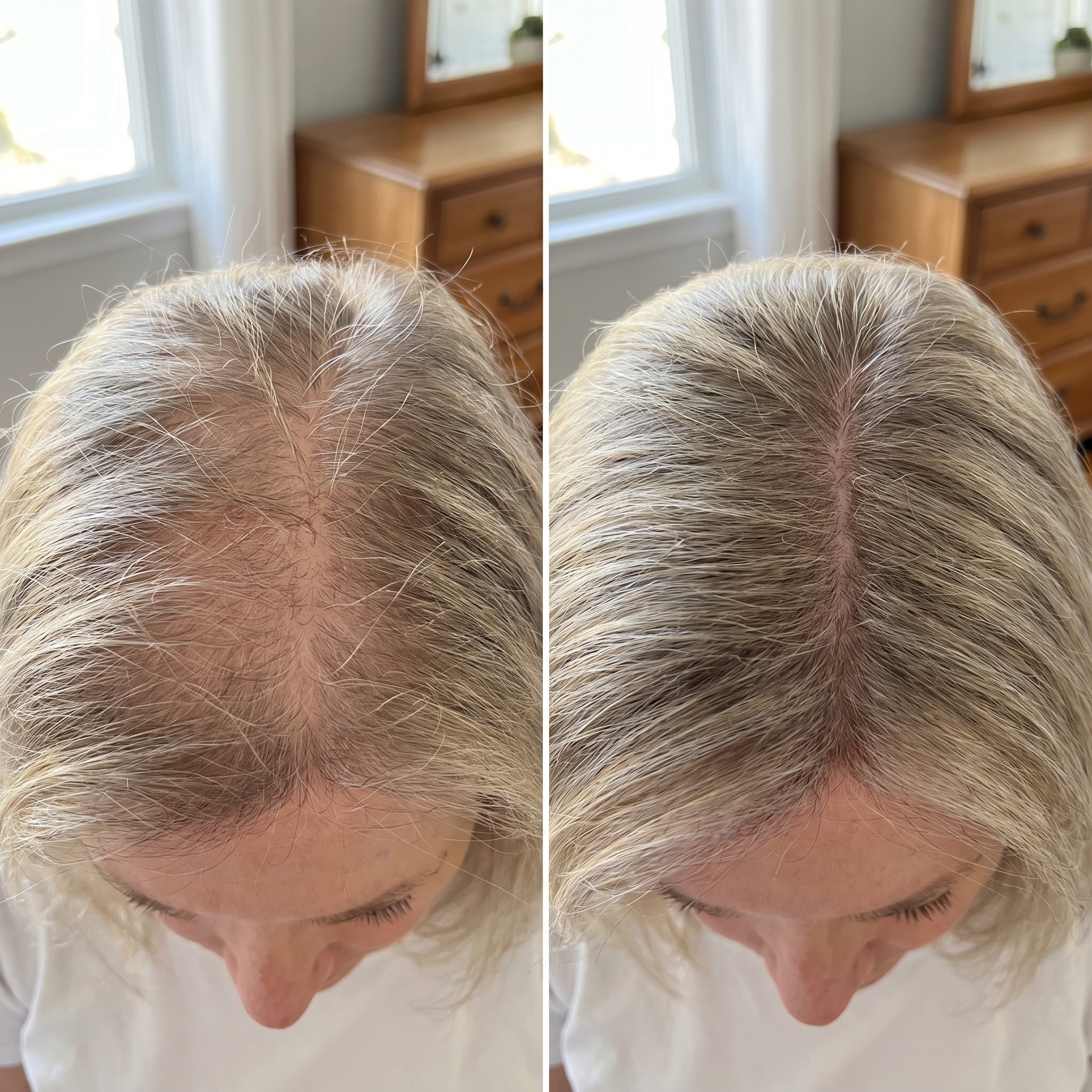
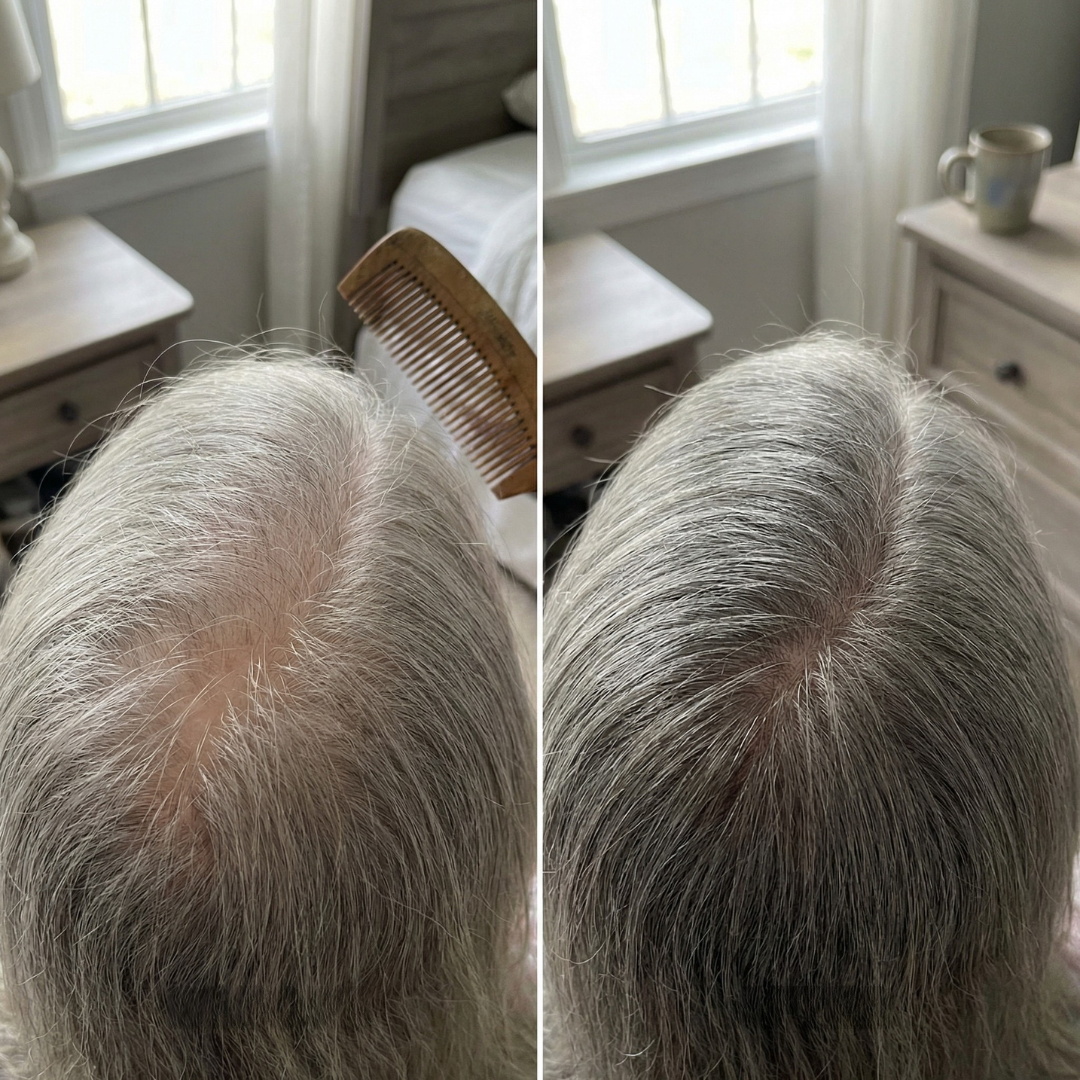
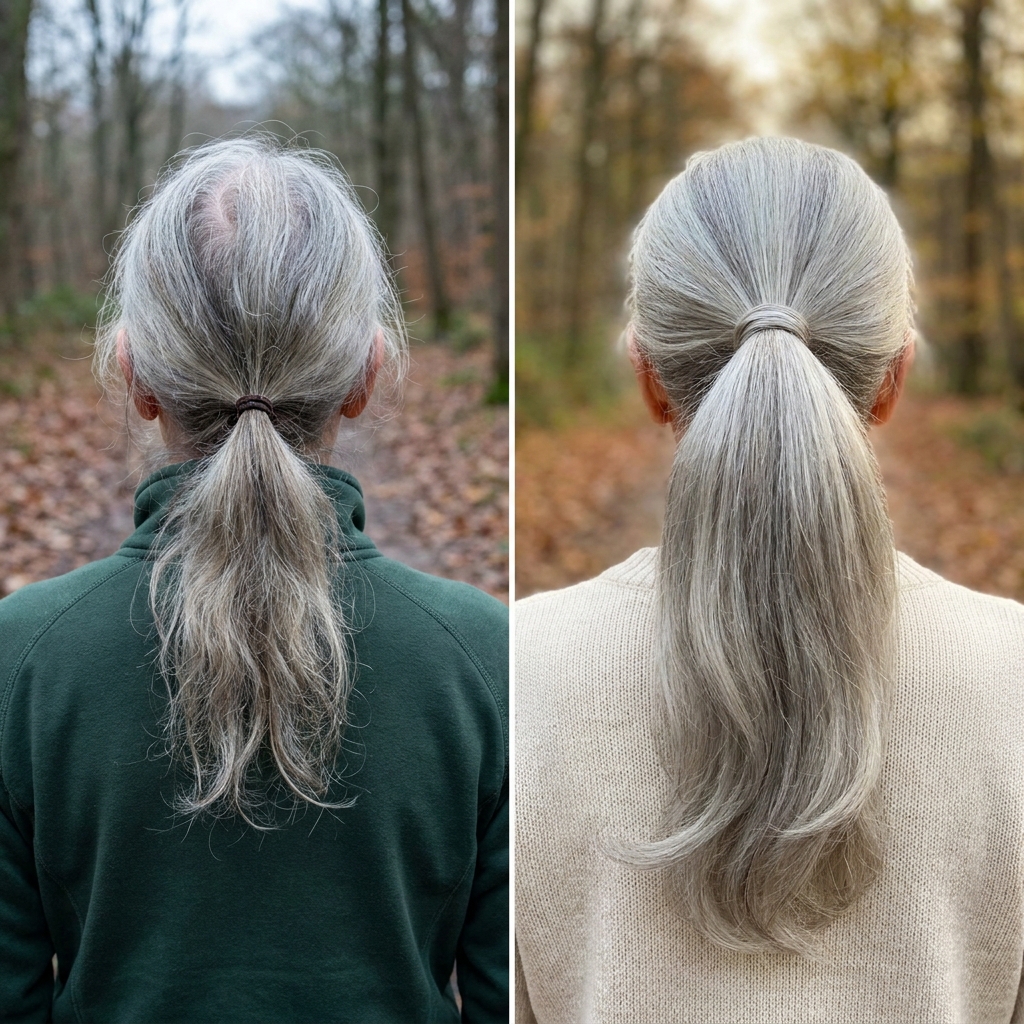
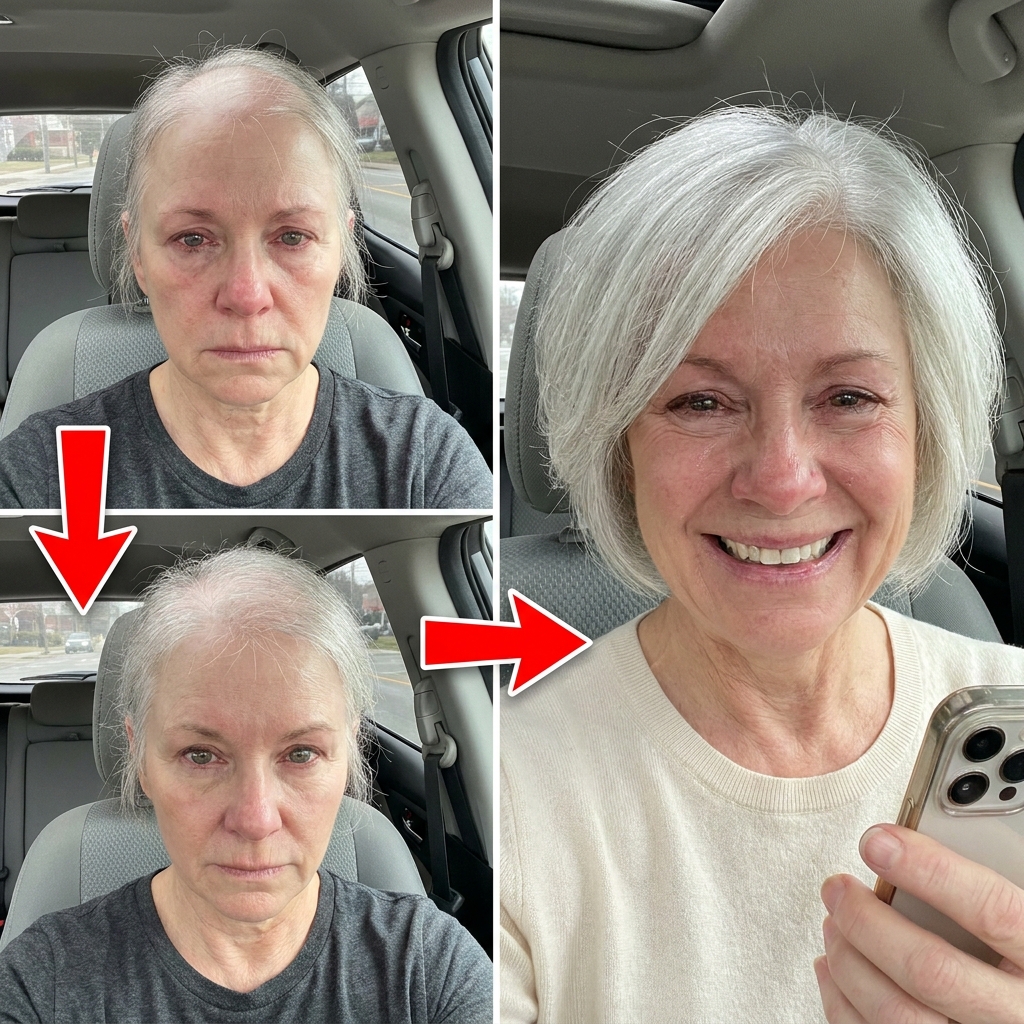
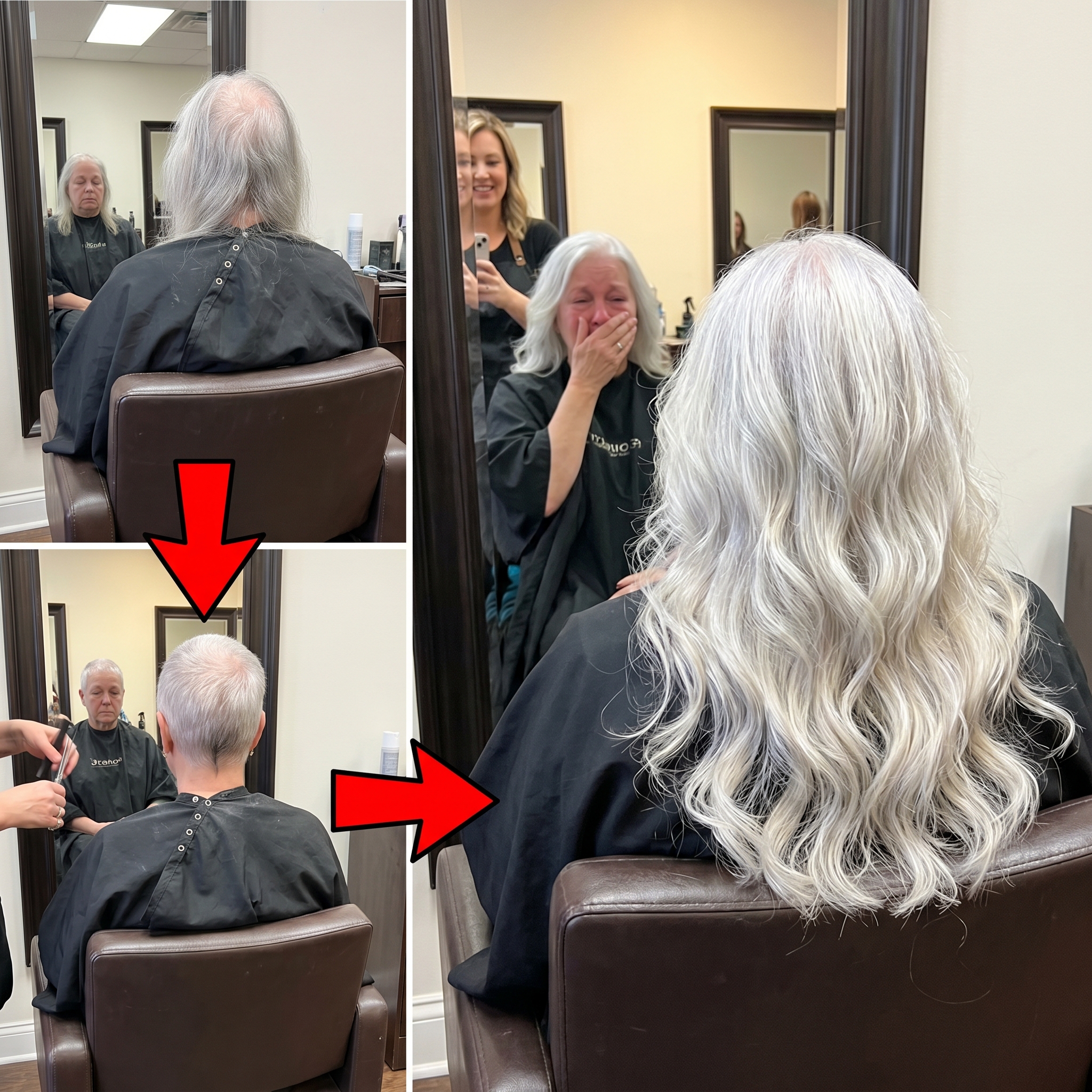
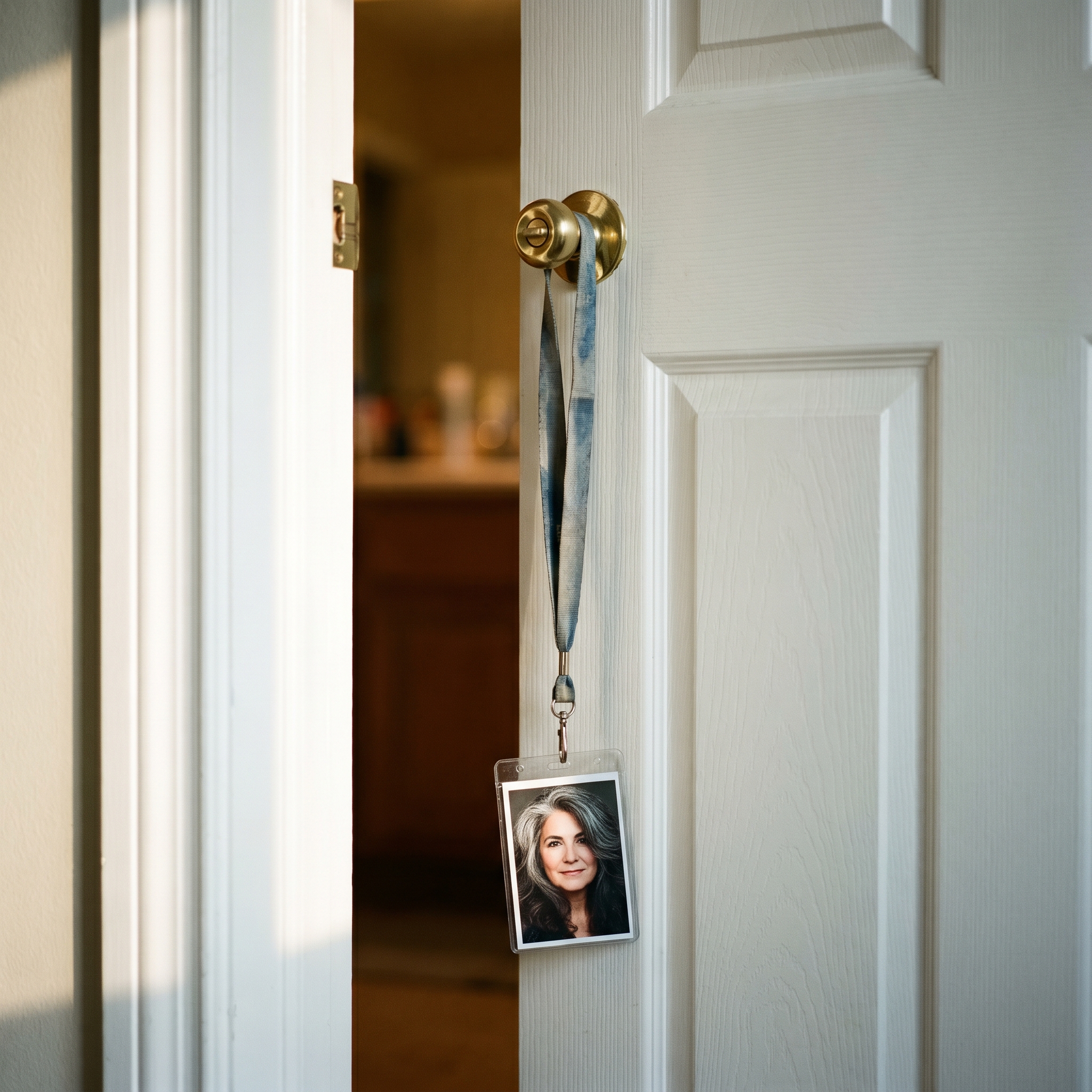
I booked a private trichologist within the hour. £1,323 later, the mechanism she had named was still the mechanism nothing on her shelf acted on. I am 47. I am the HR director of a logistics company in north Manchester. I run the people function of a 320-head business. I do not embarrass easily. I had thick hair through my twenties and thirties. My mother is 73 and still has thick hair, and her mother had thick hair until she died at 89, and I had taken this for granted in the way one takes for granted a roof one has never had to repair. It was a leadership offsite at a hotel in the Peak District in March 2023. The hotel had printed lanyards with our headshots, and a photographer had been brought in for the group portrait at the end of day one. The photograph went up in the boardroom three weeks later. I walked past it on a Tuesday morning on my way to a one-to-one and stopped. I was on the back row, slightly to the left. The overhead chandelier had caught the crown of my head. The parting was the brightest point of the image. I went back to my office, closed the door, and booked a private trichologist in Spinningfields for the following Saturday. I did not bother with the GP at first. I should have, in retrospect, but I did not. The trichologist was excellent. £210 for the consultation. He scoped me, talked me through perimenopausal female-pattern thinning, and prescribed an in-house tonic at £60 a bottle, a 5% minoxidil to be applied twice daily, a course of three low-level laser sessions at £95 each, and a follow-up review at four weeks at £85. I had not paid £210 to be talked through perimenopausal female-pattern thinning. I had paid £210 to know what to do about it on a Monday morning. I ran the minoxidil for seven weeks before the scalp irritation forced me off. £45. The tonic for three months. £180. The laser for the three sessions. £285. The follow-up review I attended. £85. In the same period I had been working through the Boots and Holland & Barrett pages of the internet at speed: Nutrafol at £79 a month for four months — £316. Biotin: £78. Plantur 39 because I had started seeing it on every other Instagram ad — £24. A laser cap from a brand I did not investigate properly: £268. A scalp serum I cannot remember the name of: £42. Before I had had a GP appointment, I had spent £1,323 trying to fix a problem nobody had explained to me. I had not added it up at the time. I added it up afterwards because I am an HR director and that is the sort of thing I do. I had assumed that the cumulative figure, when I got round to confronting it, would be in the low hundreds — three or four hundred pounds at the most — and it was not in the low hundreds, and the order-of-magnitude error in my own estimation of it was the first piece of evidence that I had not been thinking clearly about any of it. Then I had the GP appointment, four months in, because I felt I should. The GP in Didsbury was patient. She ordered bloods. Everything came back unremarkable. The follow-up was a Wednesday lunchtime. She had eight minutes. "It is perimenopause," she said. "There is not much on the NHS for cosmetic thinning. Some women find a caffeine shampoo helps — Plantur — but I gather you have already tried it." I had. The hair I had been losing was not dying. It was being silenced. In perimenopause, estrogen begins to drop. The protective floor it has maintained at the scalp for decades begins to retreat. Local DHT activity rises. DHT shortens the anagen — the growth — phase of the hair cycle. The follicle spends less time producing and more time dormant. The hair it does produce becomes finer and shorter. The follicle is not dead. It is silenced. To interrupt the silencing, the intervention has to occur at the scalp, where the DHT activity is happening. The trichologist in Spinningfields had said all of this in the room. He had named the mechanism. He had then sold me three products that worked on three different mechanisms and not on the one he had just named, and I had paid £810 for the package and felt grateful for the time he had given me. I read the literature afterwards. Not all of it — I am an HR director, not a clinician — but enough. 5-alpha-reductase. The anagen phase. The work on topical caffeine. The way the marketing of menopausal hair products had been organised around the idea of fortifying hair you already had, rather than around the idea of interrupting the chemistry that was telling the follicle to stop. I read the back of every bottle in my own bathroom cabinet and not one of them named the mechanism the trichologist had named. The framing on each was about volume, body, fullness, density — output language for something whose input was unaddressed. Plantur is a shampoo. Ninety seconds of contact is not an intervention. The minoxidil opens vasculature. It is the wrong drug for the right problem; it does not block 5-alpha-reductase. Nutrafol is systemic. You swallow it. It cannot concentrate at the scalp. Biotin builds keratin. Relevant once there is something to build. The laser cap is, at best, an adjunct. None of it was built around the mechanism. The mechanism is local. The intervention has to be local too. I found Mellenza on LinkedIn, of all places. A founder I had been peripherally following posted about it in passing. She is 51 and runs an agency in Leeds. I ordered a bottle the same evening. Not a shampoo. Not a volumiser. Not a supplement. A topical wake-up call for follicles that have been chemically silenced for years. You spray it on the crown, the part, and the temples. Nightly. Caffeine to block 5-alpha-reductase at the follicle. Polygonum multiflorum root extract, drawn from Korean dermatology research on follicle proliferation. Arginine for microcirculation. Biotin to support the integrity of new growth. Ginger extract for anti-inflammatory scalp support. I started in June. Weeks 1 and 2 were unremarkable, which is what the box said they would be. The spray was clear, the scalp tolerated it, the log entries were blank. I had been waiting for a fortnight of nothing for so long that a fortnight of nothing felt familiar. Week 4: less hair on the pillow. Week 6: I towel-dried after a Saturday morning gym shower and noticed the lengths felt different in my hand. Slightly more weight. Texture rather than volume. My husband caught my eye in the mirror in the hall later that morning and asked me, in a tone he uses when he is not sure he is allowed to ask, whether something had changed. I said I did not yet know. Week 9: I took a photograph on the bathroom counter at 6:30 a.m. and held it next to the photograph I had taken in June. The parting was narrower. I had a coffee in the kitchen and went to work and did not tell anyone for two days because I am an HR director and I know what it costs to declare a result early. Month four: I cancelled the trichologist follow-up. Month five: the company gala dinner at the Midland Hotel. The corner of the ballroom where the chandelier sits above the head table is the brightest part of the room. I sat there because the chief executive seated me there. The photographer worked the room before the speeches. I did not turn my head. I did not stand on a particular side of the group. The photograph that went up in the boardroom afterwards was a better one than the one from the Peak District. Nobody mentioned it. They would not have. That is what made it the right photograph. I have not taken the framed Peak District photograph down. It hangs in the boardroom on the opposite wall to the new one, and the two of them together tell me a small private story about a fifteen-month interval that nobody else who walks through the boardroom will read. Two of my direct reports — both women, both in their late forties — have asked me, in passing, what changed. I have told them. I have written it down for them. The note that gets passed at the kitchenette tap, between two women in their late forties at the end of a meeting, is the note that does the work the algorithm has been trying and failing to do for the last two years. Twelve weeks is the cycle the follicle needs to reassert itself once the silencing is interrupted. Mellenza ships from the UK with a 90-day money-back guarantee, a scalp massager, and an ebook with the routine. If you have been buying products that were not built around the mechanism — and that is most of us — try the one that was.
I saw the back of my head on a boardroom photograph.
Women's Health · Updated April 2026 Menopause · Hair Routine 7 Mistakes That Make Menopausal Hair Loss Worse, And the 30 Second Ritual 10,000 Women Used to See Regrowth in 8 Weeks Dr. Sarah Mitchell — Women's Health Writer. If you're standing in front of the mirror doing the 3-elastic ponytail t...
LEARN MORELike this ad? Make it yours.
Crush rebuilds this exact creative around your product — your brand, your colors, your offer — in about a minute.