
Inactive· since Aug 11, 2026
- 3
- days it ran
- 0
- relaunches
- 389
- EU reach
Ad copy
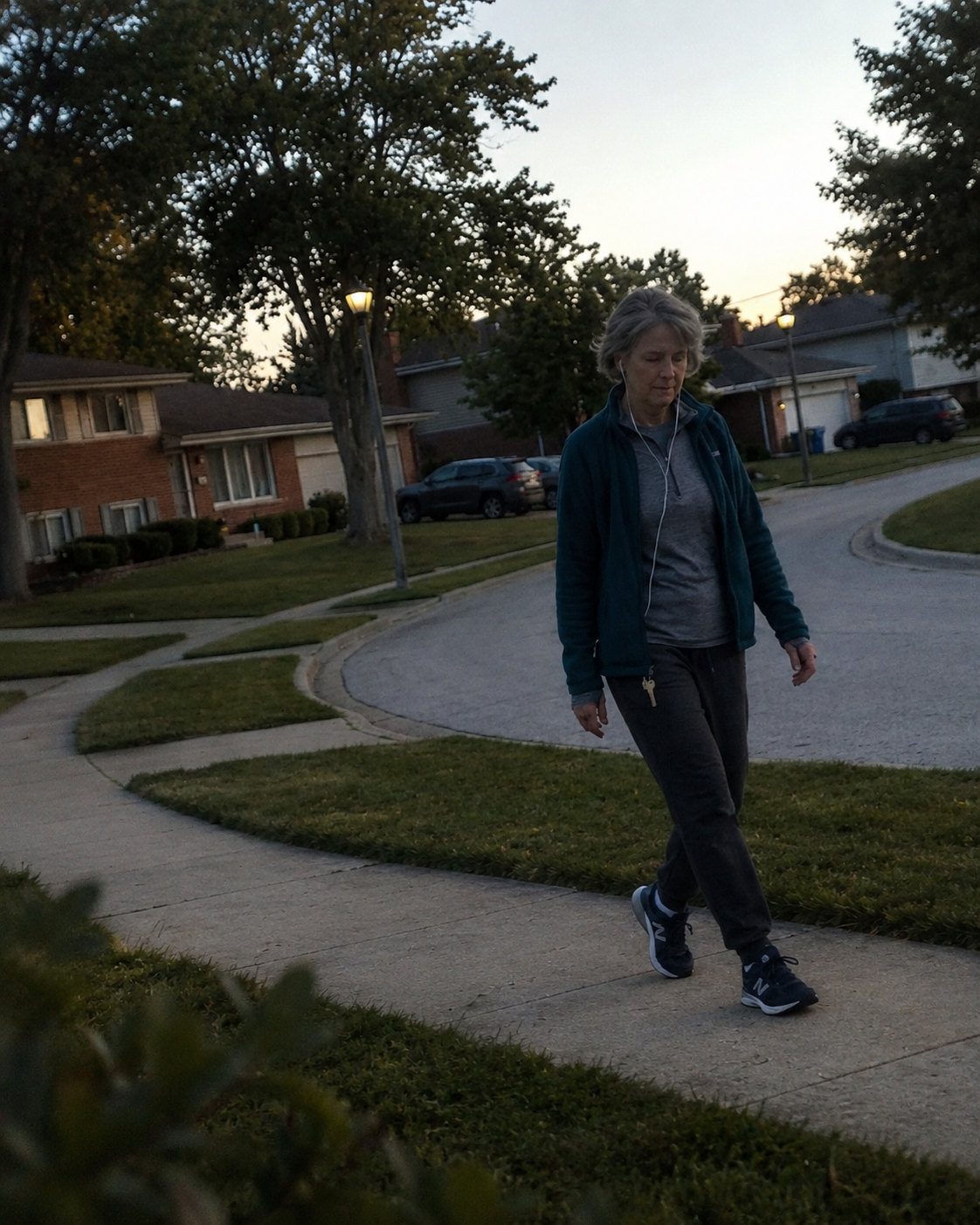
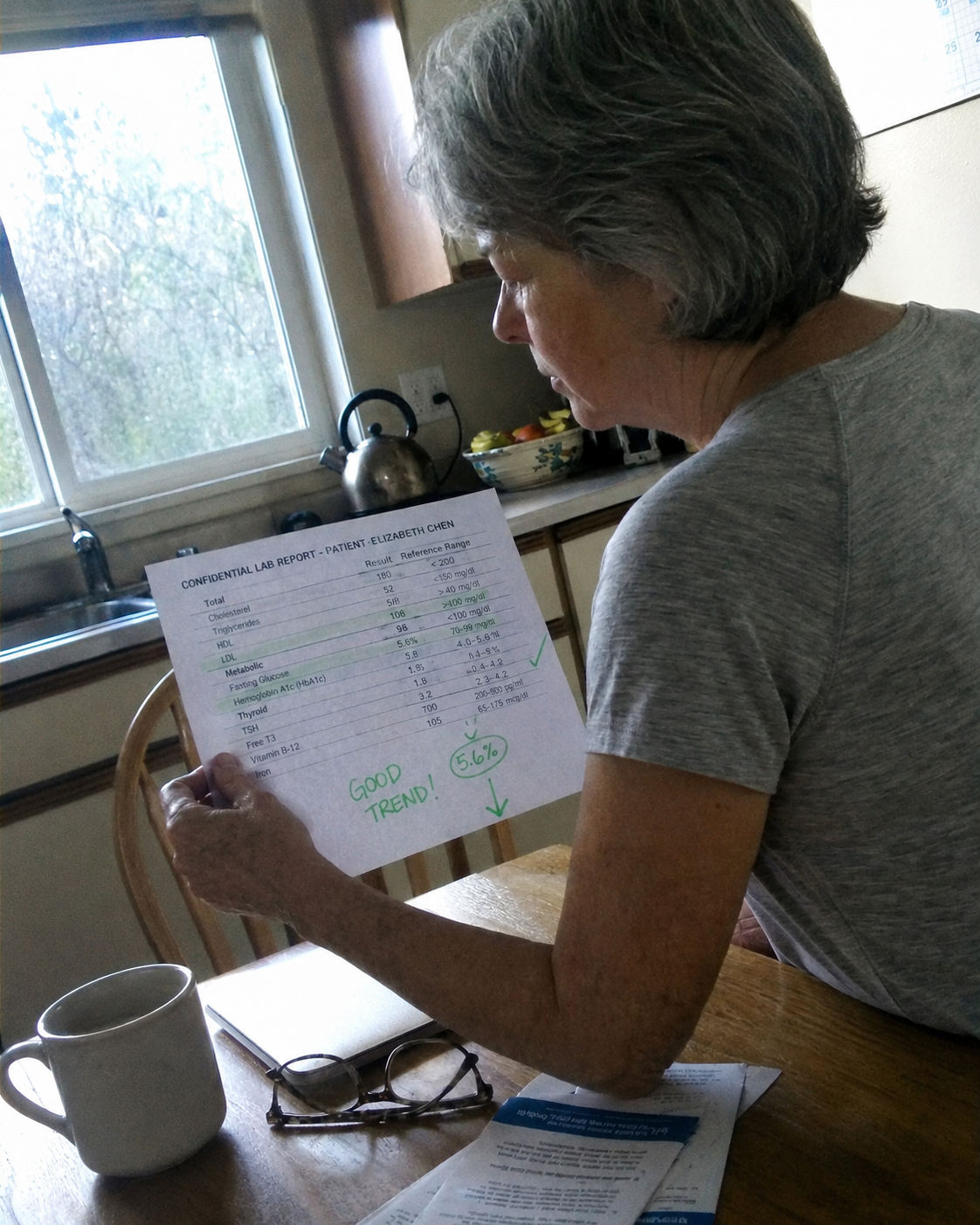
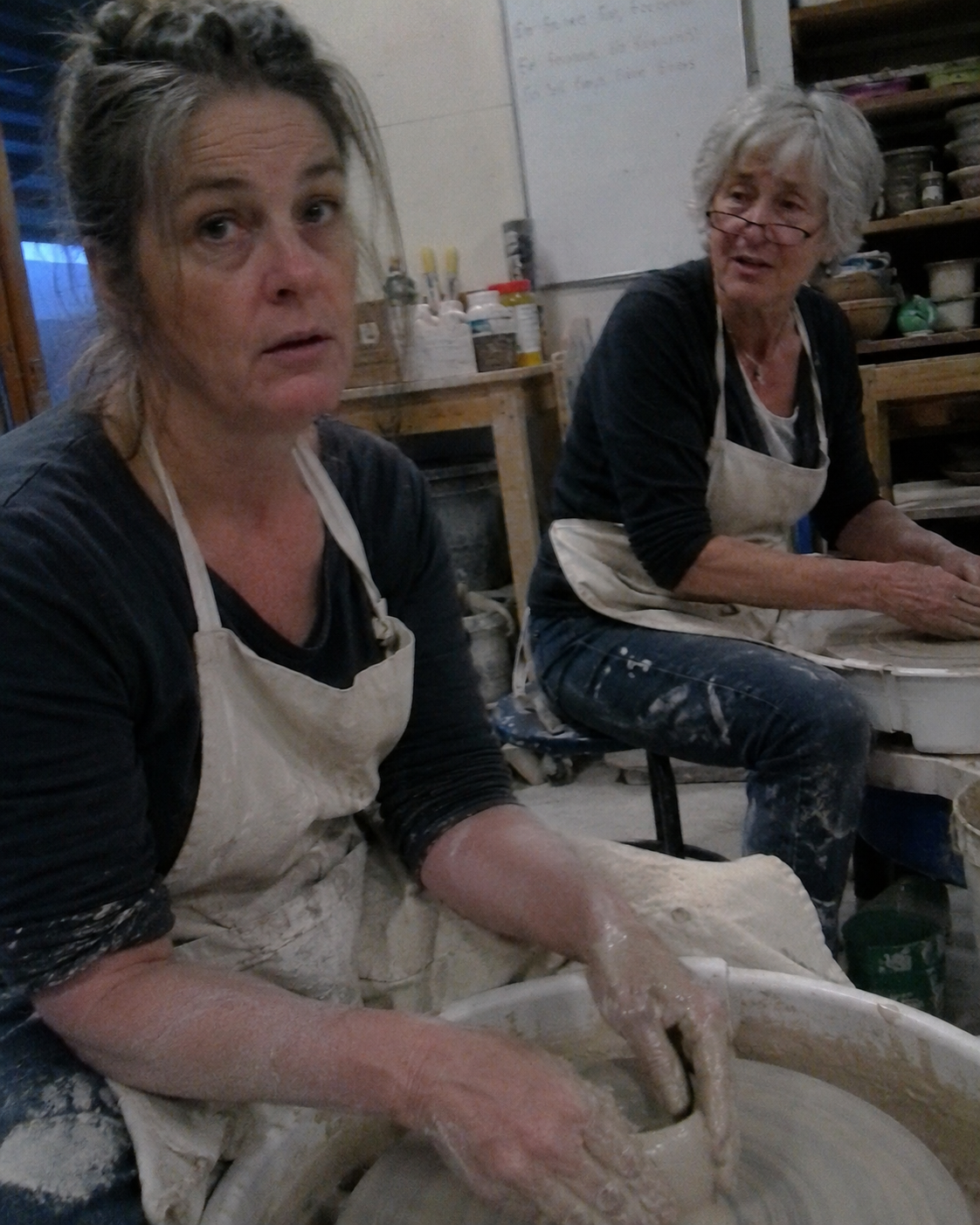
I signed up for a pottery class to feel something again. a woman at the next wheel took one look at me and said, "you're doing all the right things and still feeling like a ghost, aren't you." I almost dropped my clay. Because that was it. That was the exact word I hadn't been able to find for three years. A ghost. Going through the motions of my own life, doing everything right, and feeling like I was haunting it instead of living it. "How could you possibly know that?" I asked. "Because I spent four years being one," she said. "You learn to spot the others." I'm fifty-four. I want to tell you, the way I'd tell a friend over coffee, about the thing I'd been carrying — and the one thing I tried. No miracle. No magic. Just what I tried, what I noticed, and what I honestly can't prove. Here's the part that made it so maddening. I was doing everything right. I mean everything. I walked every morning. I'd cleaned up my eating years ago — the vegetables, the fish, the olive oil, all of it. I slept my eight hours. I'd quit drinking. I meditated. I'd taken up the pottery class precisely because the wellness people say you're supposed to have a creative outlet. By every measure on every list, I was a model of healthy living. And I felt like a ghost in my own life. That's the only word that ever fit. Not depressed — I know depression, I've been close to it, and this wasn't that. I wasn't sad. My life was good. I had nothing to complain about, which somehow made it worse. It was more like the volume had been turned down on everything. The color drained out by a few shades. I'd be at dinner with people I loved, laughing in the right places, and some part of me would be hovering off to the side thinking: why can't I feel this? Why does it feel like I'm watching it through a window? And the tiredness wasn't ordinary tiredness. I slept eight hours and woke up feeling like I hadn't. I'd do my morning walk and instead of the lift everyone promises, I'd just feel spent, like the walk took something and gave nothing back. By mid-afternoon there was a fog. A real one. I'd reread the same page three times. Walk into a room and forget the errand. I was running at maybe seventy percent of myself — and doing every single thing you're supposed to do to be at a hundred. So of course I went to the doctor. More than once. Dr. Whelan is wonderful — thorough, takes you seriously. I brought in my vague little list — the fog, the tiredness, the ghost feeling, though I couldn't say "ghost" out loud — and she did the responsible thing and ran everything. Thyroid. Iron. B12. Vitamin D. Blood sugar. Hormones. The full panel. And it all came back beautiful. "Honestly, you're one of the healthiest patients I have," she said. "Your numbers are excellent. There's nothing here that explains feeling run-down. Some of this might be your fifties, and stress. Keep doing what you're doing." Here's how that landed, and if you've been there you know. It should've been good news. Nothing's wrong with you. But when you feel like a ghost, and every test says you're fine, "nothing's wrong" doesn't feel like relief. It feels like a door closing. It feels like: this is just it now. This grayed-out, seventy-percent, haunting-my-own-life version of me — this is the rest of it, and there's nothing even to fix, because officially nothing's broken. The chart said model of health. I felt like a photocopy of myself. And there's no line on a chart for the ghost feeling. I'd about made my peace with it. This is just my fifties. This is just how it is now. And then I signed up for a pottery class to try to feel something — and a woman at the next wheel named the thing in one sentence, and everything changed. Her name was Marguerite. Early sixties. The kind of person who says the true thing out loud while everyone else is being polite. We got to talking over the wheels — the small talk of a beginners' class, both of us making lopsided bowls. And then she looked over at me, really looked, and said it. "You're doing all the right things and still feeling like a ghost, aren't you." I almost dropped my clay. I asked how she could possibly know, and she told me about her four years of being one. "Same as you, near enough," she said. "I did all of it. The walking, the eating, the supplements that cost more than my groceries. And I felt like somebody had turned me down to half volume. Tired in a way sleep wouldn't touch. Foggy. Going through the motions of a life I was technically still living." "And every doctor said exactly what yours is telling you. 'You're so healthy. Nothing's wrong. Must be stress, must be your age.'" She shook her head. "Loneliest thing in the world to hear, when you know something's off and the bloodwork keeps making a liar out of you by coming back perfect." I think my mouth fell open. She was reading the inside of my own head. "How are you now?" I asked. "Because you don't seem like a ghost." She laughed. "I'm sixty-two and I'm making terrible bowls and loving every minute of it. I got it back. Not all at once — I'm not a young woman. But the volume came back up. The window I'd been living behind lifted. I'm in my life again instead of watching it." "What did you do?" And here's where I trusted her completely. Because instead of leaning in with a secret, she held up two clay-covered hands and got serious. "Before I say one word," she said, "you need to hear me. I'm not a doctor. I'm a retired schoolteacher who makes ugly pottery. I'm not pretending to be a doctor, and nothing I'm about to tell you is medical advice." "Whatever you decide, you take it to your own doctor first, before you do a single thing. Promise me that, or I'll just go back to wrecking this bowl." "I promise." "Mean it." "I promise, Marguerite. Doctor first." She nodded, satisfied. And then she told me. "It wasn't a cure," she said. "There was nothing to cure — that was the whole problem, remember? I wasn't sick. I was just running low on something nobody was measuring." "It was one thing I added. After a lot of reading — and I read like a teacher, I checked my sources. One thing, on top of everything I was already doing right." "Beets," she said. I must have looked skeptical, because she grinned through the clay dust. "I know. I had the same face. The wellness world has ruined every good word. But hear me out." "Beetroot is one of the most researched ingredients in the whole cardiovascular and wellness category," she said. "Decades of real study. It is not a fad and it is not internet folklore." "The reason it gets studied is a group of compounds called betalains. That deep red pigment — the stuff that'd stain this clay if you mixed it in. That's the active part. One of the more potent antioxidants in the food supply." "And what's it supposed to do?" I asked. "It supports things." She leaned on the word, the way a careful person does. "Supports healthy energy. Supports the body's natural antioxidant balance. Supports healthy circulation. Supports the cellular energy that quietly winds down as we get older — the engine-room stuff, underneath everything." "Support. That's the honest word, and the only one I'll use with you. It's not a treatment. There's nothing to treat. It's not a replacement for one single thing you're already doing right — keep all of it, the walking, the eating, all of it." "It's support for the layer underneath the numbers. The exact layer that was running low on me while every test said I was perfect. The layer nobody at the appointment is even looking at, because it doesn't show up on the panel." She told me one practical thing more, lowering her voice over the hum of the wheels. "If you go looking — and only after you've talked to your doctor — how they make it matters. Those betalains are heat-sensitive. The cheap, fast products run them through high heat, and the heat wrecks the good part. The cooked-out stuff goes brown." "You want the kind that's cold-pressed at low temperatures. Keeps the betalains intact. The real thing's a deep, dark crimson." Then the part she said slowest, so I'd keep it. "Talk to your doctor or pharmacist first. Make sure it's fine with anything you take. Then add it — don't change anything else. And don't expect a light switch. It's not a drug that flips on. Bodies are all different. Weeks, not days. Some feel it early, some take a long while, some hardly at all. Go in with your eyes open." At the end of class, while we were washing our hands at the big sink, she wrote a brand name on a paper towel with a pen from her bag and pressed it into my hand, damp and a little smudged. "Doctor first," she said again. "I mean it. I can tell when someone's only half-listening, and you're not, which is why I bothered." "I'm listening. Doctor first. I promise." She squeezed my arm with a clay-dusted hand. "I hope your window lifts too, honey. It's a terrible way to live and nobody can see you doing it." We had two more classes together, made two more sets of ugly bowls, and then the session ended and our lives went their separate ways. But she'd already given me what mattered. I called Dr. Whelan's office that week. I told the nurse exactly what it was — organic beetroot, the dose, cold-pressed — and asked plainly whether it was alright to add to everything I was already doing. She checked, came back, and said it was a sensible thing to add, that she saw no concern, and to mention it at my next visit so it could go in the chart. I wasn't going to guess with my own body, even a healthy one. I asked the people whose job it is to know. They said go ahead. Then I started. Two capsules of cold-pressed beetroot, a tall glass of water, every morning with my coffee. Added on top of everything else. Nothing taken away. Now — here's where I have to be straighter with you than the internet usually is. I can't prove a thing I'm about to tell you. I changed one thing and then I paid attention, and I genuinely cannot swear to you that what I noticed was the beetroot and not the lengthening days, or the pottery itself, or plain hope doing what hope does. I'm a woman who tried something and watched closely. Not a scientist. So I won't dress it up. I'll just tell you what I noticed, in order. The first thing was the afternoon fog. About three weeks in, I had a Tuesday afternoon where I read a page once and understood it. Walked into a room and remembered why. Got to four o'clock without the gray rolling in. It wasn't every day at first. But it started being some days. And "some days" with a clear afternoon was more than I'd had in three years. I didn't say anything to anyone. Didn't want to jinx it. The second thing was the morning walk. A few weeks later I went out and somewhere in the second half of it I felt — good. Not spent. The walk gave something back instead of just taking. I'd forgotten walking was supposed to do that. I'd been doing it on willpower alone so long I'd forgotten it once came with a lift. The lift came back. I stood in my driveway afterward almost suspicious of it. The third thing is the one I can't put into data, and it mattered most. The window lifted. I can't tell you the day. It didn't flip — it seeped. One ordinary evening I was sitting with my husband, some show on, nothing special, and I laughed at something and felt the laugh land. All the way. In color. On my side of the window. And I realized I'd been on the other side of it for three years. I went and stood in the bathroom and looked at myself and thought: there you are. I was starting to think you'd left for good. The small returns kept coming. Quietly. One at a time. I was present at dinner — actually present, not performing it. I picked up a real book again, a hard one, and could hold it in my head. I started wanting things again — wanting to plan a trip, wanting to call a friend, wanting. That low hum of appetite for your own life that you don't notice is gone until it comes back. I kept making bowls, too. They got a little less ugly. I started one I actually liked. I'm not telling you I'm twenty-five, or that beetroot is magic, or that it'll do for you what I think it did for me. I promised Marguerite's honesty and I'm keeping it. I'm telling you I was a fifty-four-year-old woman doing absolutely everything right and feeling like a ghost, with a flawless chart and nowhere to turn — and a stranger at a pottery wheel handed me one well-researched thing to add, with my doctor's okay, and over the following months the volume came back up. That's the whole of what I can honestly claim. I won't pretend to more. I saw Dr. Whelan for a routine follow-up a few months in. She ran the usual. Everything was excellent, the way it had always been. But she looked at me — at me, not the chart — and said, "You seem different. Lighter. More energy. You look like yourself." I told her about the beetroot. Told her I hadn't changed anything else of substance — same walking, same eating, just added the one thing with the office's okay. She smiled and made a note. "That's a sensible thing to add," she said. "There's good research on antioxidant support. No concerns with it at all. Keep doing what's working." I didn't ask her to confirm it was the beetroot. She couldn't have, and she'd have been right not to. But I drove home from that appointment on my own side of the window, and that was confirmation enough. I'm telling you all of this because there's a real chance you're exactly where I was. Doing everything right. Eating clean, moving, sleeping, doing all the things the healthy people do. And still feeling, somehow, off. Tired in a way sleep won't fix. Foggy. Flat. Like you're running at seventy percent and nobody can tell you why. And going to the doctor and getting the loneliest good news there is — nothing's wrong, you're perfectly healthy — while you sit there knowing something's off and having nowhere to put it, because officially there's nothing to fix. If that's you — if you've been a ghost in your own life while every test calls you a model of health — I'd just tell you what a stranger told me at a pottery wheel. Not as a promise. As a "here's what I tried." You're not imagining it. You're not crazy. A perfect chart and a grayed-out life can live in the same person at the same time. I know, because I was that person. I went looking — well, a stranger pointed me — toward one thing to add. Not a cure. There was nothing to cure. Not a replacement for anything I was doing right. One thing, with real research behind it, that might support the layer the perfect chart wasn't measuring — healthy energy, the body's natural antioxidant balance, healthy circulation, the cellular energy that quietly runs low as we age. What I found was beetroot. The brand Marguerite wrote on a damp paper towel for me — the one I added to my mornings — is Rosabella. 1,300 milligrams of organic beetroot per serving, cold-pressed at low temperatures so the betalains stay intact — that deep dark crimson, not the cooked-out brown. Two capsules with a glass of water in the morning. Added to everything I was already doing, in place of none of it. Talk to your doctor or pharmacist before you add any new supplement — especially if you take any medication. That one phone call is what let me do this with a clear conscience. It's the first thing I'd tell anyone to do. It's what Marguerite made me promise before she'd say a word. That's the whole story. A stranger at a pottery wheel saw the window I was living behind when no test could. A nurse said it was fine. And a few months later I laughed at something on an ordinary evening and felt it land in color. P.S. If you're doing everything right and still feeling off, and every test says you're fine while you know you're not — you're not imagining it, you're not being dramatic, and you're not alone. A flawless chart and a grayed-out life can live in the same body. I needed a stranger at a pottery wheel to say it out loud, because not one test and not one doctor could see it. I'm telling you now, plainly, so you don't have to wait for your own stranger. What you're feeling is real, even when it doesn't show up on the panel. P.P.S. Here's the honesty I promised, the kind Marguerite gave me. I can't prove the beetroot lifted the window. I changed one thing and felt better over a few months, and the two might be connected or might not. What I can tell you: it's genuinely well-researched, my doctor had zero concerns, and the downside of trying was small. That's the calculation I made, with clear eyes. I'm laying it out so you can make your own. P.P.P.S. Here's exactly what I'd tell you to do, in order. First: check with your doctor or pharmacist — this matters most if you take any other medication, so don't skip it. Second: once they've said it's a sensible addition, two capsules with a tall glass of water in the morning. Third: don't change anything else you're doing right. Just add this on top. Fourth: give it a couple of weeks, at minimum, before you decide anything. Some people notice something shift early — a clearer afternoon, a little more energy, a walk that gives something back. Others take much longer. Some don't notice much. Bodies are genuinely different, and anyone who promises you a timeline is selling you something. Be patient with yours. P.P.P.P.S. Rosabella has a 90-day money-back guarantee. If you're not satisfied for any reason at all, every penny comes back, no questions asked. It's a sensible policy for a supplement — it means the only thing you're really risking is a few weeks and a little patience. You get plenty of time to see for yourself before you've committed. P.P.P.P.P.S. Rosabella is a small operation. They harvest and bottle on their own schedule, so I keep an extra bottle in the cupboard just in case. I take mine every morning with my coffee — it's just part of the routine now, like the walk. The thing I keep coming back to, the thing Marguerite handed me over a pottery wheel, is that you can be the picture of health on paper and still be running low on the things nobody measures. And the time to support what's still working is while it's still working — not after something finally breaks badly enough to show up on a test. I still have that paper towel. Brand written on it in smudged blue ink, a little clay dust ground into the corner. It's tucked in my kitchen drawer. I think of Marguerite whenever I open it. Wherever she is, I hope her window's still lifted. I hope she's loud and in color and making terrible, wonderful bowls. That's where it starts, sometimes. A stranger at the next wheel. A name on a paper towel. Two capsules and a glass of water beside the morning coffee. Individual experiences vary. These statements have not been evaluated by the FDA. This product is not intended to diagnose, treat, cure, or prevent any disease.
Support stamina and heart health every day
LEARN MORELike this ad? Make it yours.
Crush rebuilds this exact creative around your product — your brand, your colors, your offer — in about a minute.