Dr. Matthew Walker
Dr. Matthew Walker Facebook ad: “Ceylon Cinnamon 7200mg Equivalent with MCT Oil”
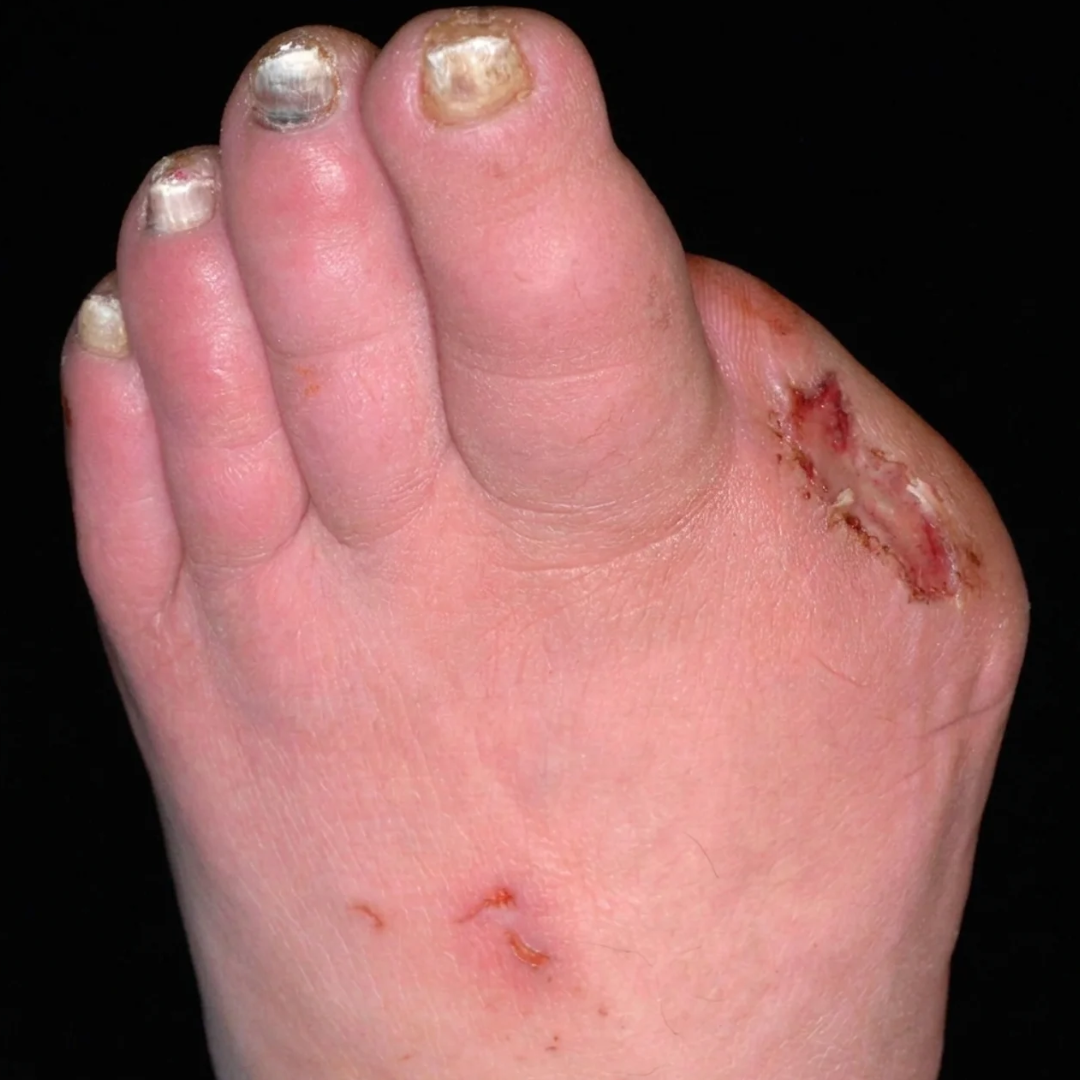
Ran for 23 days, from August 20 to September 12, 2026, the last day Crush saw it.
Run by Dr. Matthew Walker on Facebook. Crush is not the advertiser and does not verify its claims. See this ad in Meta's Ad Library(opens in a new tab)
Want an ad like this for your product?
Crush makes new ad images for your product from this ad: your logo, your product photo, your offer.
Trials from $19.95 USD, then $79.95 USD a month. Cancel anytime.
About this ad
- Meta Ad Library ID
- 1074756551805364
- Platforms
- Facebook, Instagram, Audience Network, Messenger and Threads
- Relaunches
- 0
Ad text
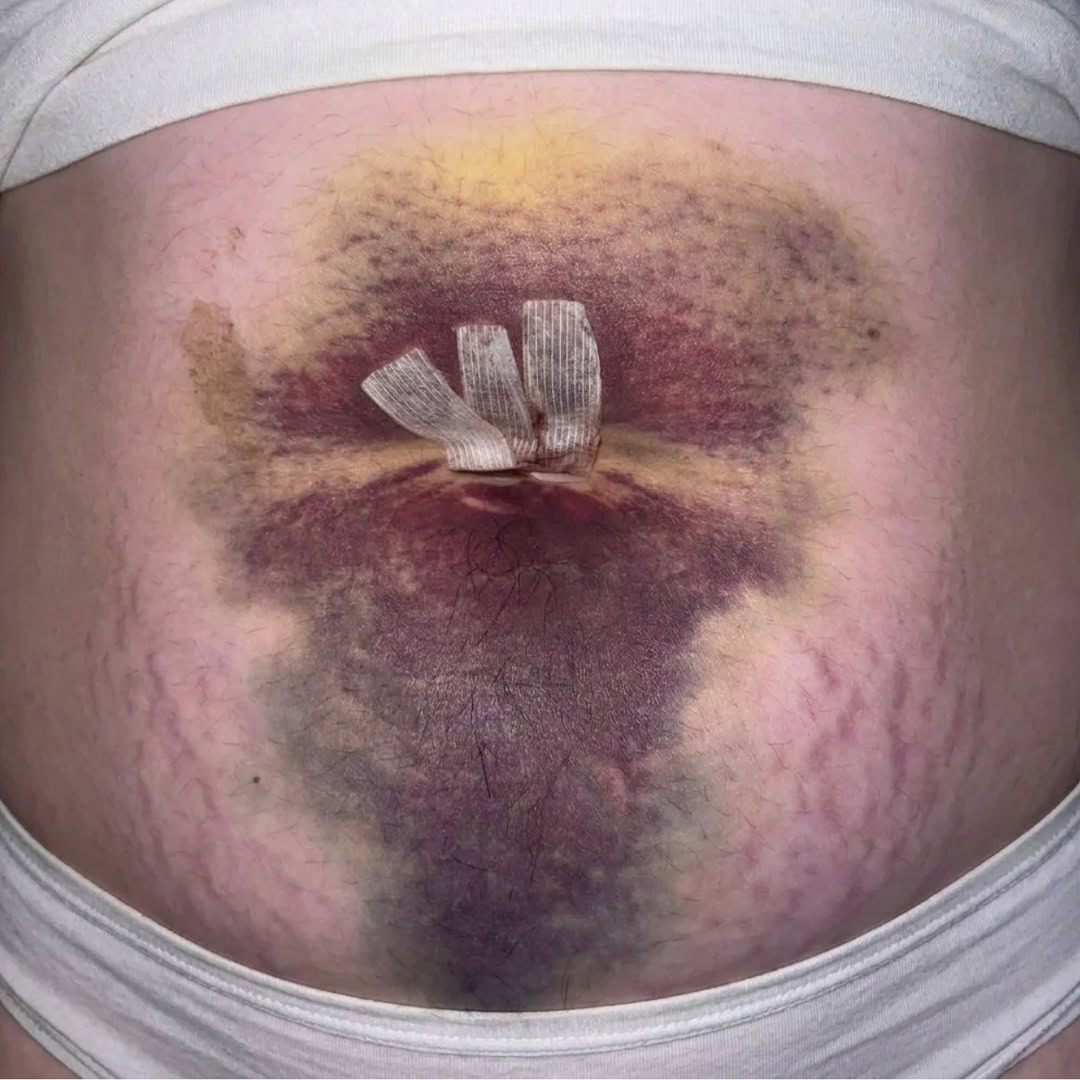
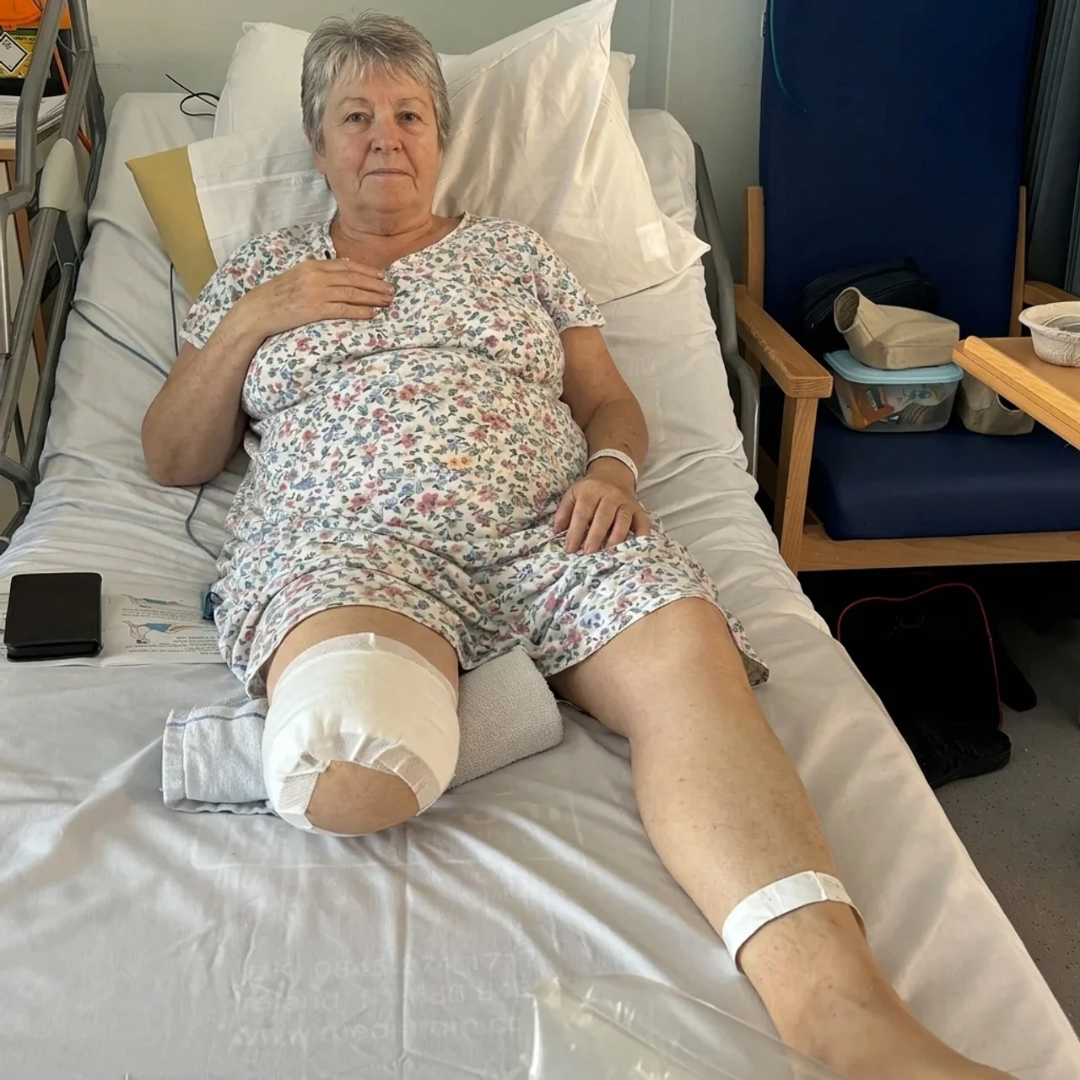
500+ diabetic amputations in 24 years. I have watched grown men break down sobbing on my consultation table the morning I told them the leg had to come off. Not one of them believed they'd ever end up there. Every one of them was "managed." I'm Dr. Matthew Walker. Vascular surgeon. Type 2 diabetic for nine years. I know the look on their faces because eighteen months ago, I saw it looking back at me from the mirror. Let me tell you what happens in the room the morning of an amputation. Because I don't think you know. The patient gets wheeled in at 6 AM. His wife walks beside the gurney. She's not talking. She already cried herself out somewhere between the parking garage and pre-op. He stares at the ceiling tiles because he cannot look at her. He is 61 years old, or 58, or 66, and up until three weeks ago he was mowing his own lawn and driving his granddaughter to school and walking to the mailbox every afternoon. And this morning I am going to take his leg off below the knee, and neither of us can go back and undo the five years of prescriptions that got him here. I have done this over five hundred times. Not one of those men walked into my consultation chair believing this was coming for them. Every single one had been told his A1C was fine. Every single one was on Metformin. Every single one was told the tingling in his feet was "just neuropathy, we can manage it." And every single one of them was on my table anyway. When my own feet started tingling last summer, I understood in about ten seconds exactly where I was standing. I went in for labs the next morning. A1C 7.9. Creatinine climbing. ALT elevated for the third year in a row. And a Doppler on both feet that showed small-vessel flow closing in the same pattern I had seen on hundreds of pre-amputation scans. My endocrinologist called me the next afternoon. "Matthew. We need to talk. Your A1C is climbing. Metformin isn't holding you anymore. I want to start you on insulin." I said I'd think about it. I hung up. I threw the referral in the trash. Not because I'm reckless. Not because I'm in denial. Because insulin doesn't touch what closes the vessels. I have operated on the legs of hundreds of insulin-dependent diabetics. Insulin lowers the number on the chart. It does not repair what the disease is doing to the pipes underneath. I was trying to find something my 24 years of training had never given me. My wife found me in the garage at 11 PM that night. I was sitting on the concrete floor with the Doppler printouts spread out in front of me. She lowered herself down next to me and didn't say anything for a long time. Then she started crying. Not quiet crying. The kind where her whole body shook and she couldn't get the breath to say what she was trying to say. "Matthew." She got the word out. "Please. Please just take what he's giving you. I don't—" She grabbed my hand and held it against her chest. "I don't understand why you won't take it. He's your friend. He wouldn't tell you to take something that wasn't going to help you." I couldn't explain it to her. I tried. My mouth opened and nothing came out. Because how do you tell your wife of 31 years that the prescription your colleague just wrote is the same prescription that had been in the chart of every man whose leg you'd taken off? How do you tell her that "well-managed" is a phrase we use to describe the men who end up on my table five years later? How do you tell her that you would rather sit on a garage floor at midnight trying to figure out a mechanism than take a pill you know is going to fail you the same way it failed them? I pulled her into me and she sobbed into my shoulder. We sat on that concrete floor for an hour and a half. Her hair was wet from her own crying by the time she said anything else. She said, "I need you here. I need you here in ten years. I need you at Sarah's wedding. Do you understand what you're doing to me?" I said yes. I couldn't tell her that what I was doing was the only thing I knew how to do to make sure I was at Sarah's wedding with both my legs. I sat up until 4 AM that night reading everything I could find on diabetic vascular reversal. Most of what I pulled up was what I already knew. Standard-of-care papers. Escalation algorithms. The same drug cascades I had been prescribing to my own patients for two decades. Nothing I hadn't seen a hundred times. Then, around 2 AM, I ended up somewhere I hadn't been in a long time. Reddit. r/diabetes_t2. r/prediabetes. Comment threads going back three, four years. Hundreds of replies. Real people. Real numbers in the post titles. *"A1C 8.1 down to 5.7 in eleven weeks."* *"My endo doesn't believe my Doppler."* *"Kidney panel back to normal after 14 months, no new meds."* The same thing kept coming up in the comments. Over and over. Ceylon cinnamon. I almost closed the browser. I have watched the supplement industry sell hope to diabetic patients for 24 years. Every man I have ever amputated had a shelf full of bottles in his kitchen. Chromium. Berberine. Apple cider vinegar. Magnesium. Moringa. Bitter melon. Half of them had tried cinnamon at some point too. None of it had saved their feet. But something in the pattern was different this time. The people posting weren't chasing a miracle. They were posting *labs.* Photos of their endocrinologist's printouts. Screenshots of Doppler reports. Before-and-after A1C values with dates on them. And when other people in the thread asked what they were taking, the answers were oddly specific. Not "cinnamon" in general. A very particular kind. Concentrated Ceylon. High dose. Suspended in an oil, not a dry capsule. Some of the replies were from people three years into taking it. Still posting updates. Still normal. I opened a second tab and started pulling the actual literature. *Journal of the American College of Nutrition. Diabetes Care. Archives of Biochemistry and Biophysics.* Peer-reviewed. ADA-adjacent. Sitting in databases I had had access to my entire career. I had never read a single one of them. Because my training had never sent me looking. I read for another two hours. And by the time the sun came up, I understood something that undid a decade of how I thought about diabetic vascular disease. Type 2 diabetes is not a blood sugar disease. It is a *vascular* disease. The blood sugar number is the flood gauge. What actually kills you is what the flood does to the pipes. Your A1C measures one thing. The percentage of your red blood cells coated in glucose. A 90-day average of how much sugar is floating in your bloodstream. That is all it measures. It does not see the tiny capillaries threading through the tissue of your feet. It does not see the small vessels in your kidneys, the microvasculature behind your eyes, the coronary vessels feeding your heart. It sees the level of the flood. It does not see where the flood is going. An A1C of 7.9 — "managed," "we'll watch it" — can quietly grind five organ systems apart behind it. Simultaneously. Because the A1C tracks the water. The vessels pay the price of the current underneath. Standard endocrinology doesn't address that current. Metformin quiets your liver's glucose output. Insulin drives glucose out of your blood by force. Gabapentin masks the electrical signal from nerves that are already dying. None of them touch the endothelium the trapped sugar has been grinding through for years. But the Ceylon cinnamon research did. Every cell in your body has tiny doors on its surface. GLUT4 transporters. Their job is to open up, grab glucose from your blood, and pull it inside the cell where it burns as energy. In insulin resistance — the mechanism underneath every diabetic amputation I have ever done — those doors stop responding. They're still there. They just stopped surfacing when insulin tells them to. So the sugar has nowhere to go. It stays in your blood. Circulates. Hour after hour. Year after year. Grinding through your vascular endothelium the entire time. True Ceylon cinnamon — *Cinnamomum verum,* grown in Sri Lanka — contains two active compounds. The papers were built around them. The first is MHCP. It goes directly to the cell and triggers the GLUT4 doors to come back to the surface. It bypasses the broken insulin signal entirely. The *Journal of the American College of Nutrition* paper found MHCP was 20 times more effective at activating that pathway than any other natural compound tested. The *Diabetes Care* trial found an 18 to 29 percent reduction in fasting glucose in diabetic patients on consistent Ceylon. The trapped sugar finally moves. The grinding stops. The second compound is cinnamaldehyde. This is the one my vascular surgery training had zero exposure to. Cinnamaldehyde repairs the endothelial lining of the small vessels the trapped sugar has been damaging for years. The vessels in your feet. The ones in your kidneys. The retinal vessels behind your eyes. The coronary microcirculation. Two compounds. One plant. One stops the disease from progressing. The other rebuilds what it has already broken. I closed the laptop at 6 AM. I was skeptical. But every man whose leg I had ever taken off had trusted the standard of care, and the standard of care had not saved them. And here in front of me was a mechanism, peer-reviewed, sitting in journals I had had access to my entire career — plus three years of Reddit posts from people posting *labs,* not testimonials. I decided I would run the experiment on myself. Worst case, I would have wasted a few weeks. I ordered a bottle the next morning. Generic Ceylon capsules from Amazon. $16.99. 1,000 mg per capsule, dry powder. Two weeks later, my fasting glucose had moved four points. The tingling in my feet was still there every night. I almost threw the bottle out. I had watched hundreds of diabetics waste money on cinnamon exactly like this, and now I was one of them. But the mechanism kept pulling at me. Because the studies that actually moved the needle used *concentrated* Ceylon extract — the equivalent of 6,000 to 7,200 mg of raw bark daily. Mine was 1,000. And the compounds are fat-soluble. A dry powder capsule has no fat carrier. Most of what I was swallowing was passing straight through without ever reaching the tissues that needed it. That's when I remembered a patient — Mrs. Kapoor. I had done a toe amputation on her eight months earlier. She had come in for her post-op six weeks before and her Doppler had looked *better,* not worse. I had assumed lab error at the time. I pulled her chart that night. Her A1C had dropped from 7.9 to 5.8 in eight months. Her small-vessel flow to both feet was normal. I called her the next morning and asked her what she'd done. She told me her daughter-in-law had started ordering her a softgel called Metabolae. Concentrated Ceylon. 7,200 mg equivalent per softgel. 12-to-1 extract. Suspended in MCT oil from coconuts. DNA-verified. Third-party tested. Right species. Right dose. Right delivery format. I ordered it that afternoon. Day three: the tingling at night was quieter. First time in six months. Day five: I stood up out of bed and my feet felt like *my feet* on the tile floor. Not the layer of foam that had been between me and the ground since May. Day seven: I slept from 10:30 PM to 6:15 AM. Straight through. I woke up on my own before my alarm and lay there for a full minute trying to remember the last time that had happened. Day ten: I did a full OR block and drove home without needing coffee. Week four: fasting glucose 94. Down from 156. My ophthalmologist ran a repeat retinal scan two weeks ahead of schedule at my request. The hemorrhages she'd flagged in June were smaller. Three months later I walked into my endocrinologist's office with a stack of new labs and scans. He looked at the panel. Then at me. "Matthew. Your A1C is 5.6." "Yes." "Your fasting glucose is 89. Your eGFR climbed from 66 to 81. Your ALT is normal for the first time in three years. Your Doppler shows small-vessel flow to both feet in the range of a healthy 45-year-old man." "Yes." He set the file down. "What did you do." I told him. He was quiet for a very long time. Then he asked me to write it down. That was six months ago. My A1C is consistently in the mid-5s. My feet feel like my feet. My kidney and liver markers are normal. I sleep through every night. The 3 AM buzzing that I had accepted as my new life — gone. My wife hasn't cried on the garage floor since. I have quietly recommended Metabolae to nine of my post-op diabetic patients. Eight came back with the same story. Better sleep in the first week. Tingling backing off. Fasting glucose dropping in the first month. Their internists asking what they'd changed. One of them was 64. I had done a toe amputation on him ten months earlier. His remaining foot showed vascular flow return four months into taking it. He sat in my office and cried. He had been terrified of losing the other foot within two years — which is the trajectory. His trajectory has changed. But here's what I need you to know before you go look this up. I tried the cheap version first. Generic Ceylon capsules off Amazon. Two weeks in, my glucose had moved four points and my feet were the same. I almost gave up on the whole idea. What I figured out later — after I switched and my Doppler actually moved — is that 90% of what gets sold as "cinnamon" in this country isn't Ceylon at all. It's cassia. A different tree. Up to 250 times more coumarin, which damages the liver at daily doses. And even the products that *are* real Ceylon are almost always underdosed and packed as dry powder, so the fat-soluble compounds pass straight through your gut without ever reaching the vessels they're supposed to repair. That's why every diabetic I have ever talked to who told me "I tried cinnamon, it didn't do anything" was taking the wrong thing. The one that actually worked on me — and on Mrs. Kapoor, and on eight of the nine patients I've recommended it to since — is **Metabolae**. DNA-verified Ceylon from Sri Lanka. 7,200 mg equivalent. Suspended in MCT oil so the compounds actually absorb. It's what matches the peer-reviewed research. There is nothing else on the American market I've found that hits all three. I am not anti-medicine. I am a surgeon. Metformin lowers your liver's glucose output. Insulin drives glucose out of your blood by force. Gabapentin blocks the electrical signal from nerves that are already dying. Every one of those drugs does exactly what it's designed to do. None of them touches what's actually happening to your vessels. They quiet the warning lights. The engine keeps failing. I see what happens five to eight years later when those men come to me for a leg I cannot save. I have watched their wives sit in the waiting room during the operation. I have watched them try to hold it together during the family meeting after and fall apart in the hallway afterward. I have driven home at 8 PM with the image of a wife on her knees in the ICU corridor in my head, and I have poured a drink and I have wondered how the hell we let this keep happening to men whose only crime was trusting the prescriptions their doctor gave them. I almost became that man. I almost let my endocrinologist put me on insulin and wave me out the door with a follow-up in six months. I almost let my wife spend the next five years watching my feet, watching my color, watching for the wound she'd read about, waiting for the phone call from my office saying today was the day. I almost put her on her knees in a corridor. You don't get a second warning. The tingling in your feet was your first. A wound that won't heal is your second — and by the time you're across the desk from a vascular surgeon, we are not talking about your toes anymore. We are talking about your knee. You are still in the window where the vessels can heal. 150,000 Americans get a diabetic amputation every year. 400 every single day. 40% lose the other leg within three years. Mortality is 33% at one year. 65% at four years. Every one of those men had tingling feet first. Every one had "well-controlled" numbers on the chart the entire time. Every one had a wife who would give anything to have that decision back. Eight to twelve weeks. That is how long it took my A1C to drop, my Doppler to normalize, my kidney and liver markers to come back. Eight to twelve weeks of finally letting my body do what it was designed to do. Heal. If you're a Type 2 diabetic and your feet are buzzing at night, or your A1C is being called "managed" while your kidney markers slip and your energy craters — try this for 90 days. If your feet don't quiet down, your glucose doesn't drop, your Doppler doesn't move — you pay nothing. But you cannot undo an amputation once your early warning system tried to save you and you silenced it with prescriptions. And you cannot un-see your wife on the garage floor asking you to please, please just stay here with her. 👉 https://metabolae.com/pages/lp-pd1-cc-wh-nerve-a ~ Dr. Matthew Walker Vascular Surgery, 24 years
Where the ad sends people
metabolae.com
Ceylon Cinnamon 7200mg Equivalent with MCT Oil
Metabolae
Learn more: metabolae.com(opens in a new tab)