
Inactive· since Aug 17, 2026
- 3
- days it ran
- 5
- relaunches
Ad copy
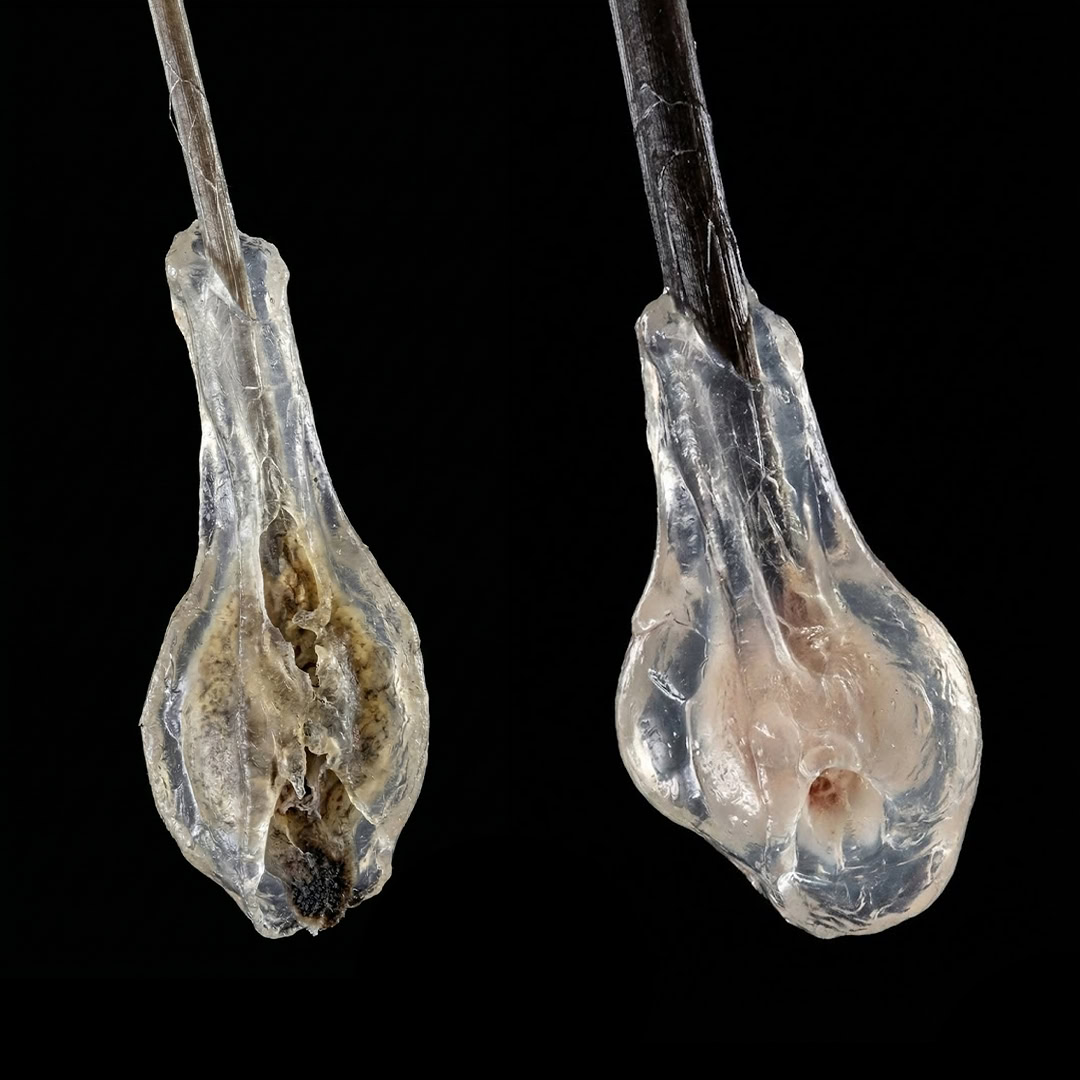
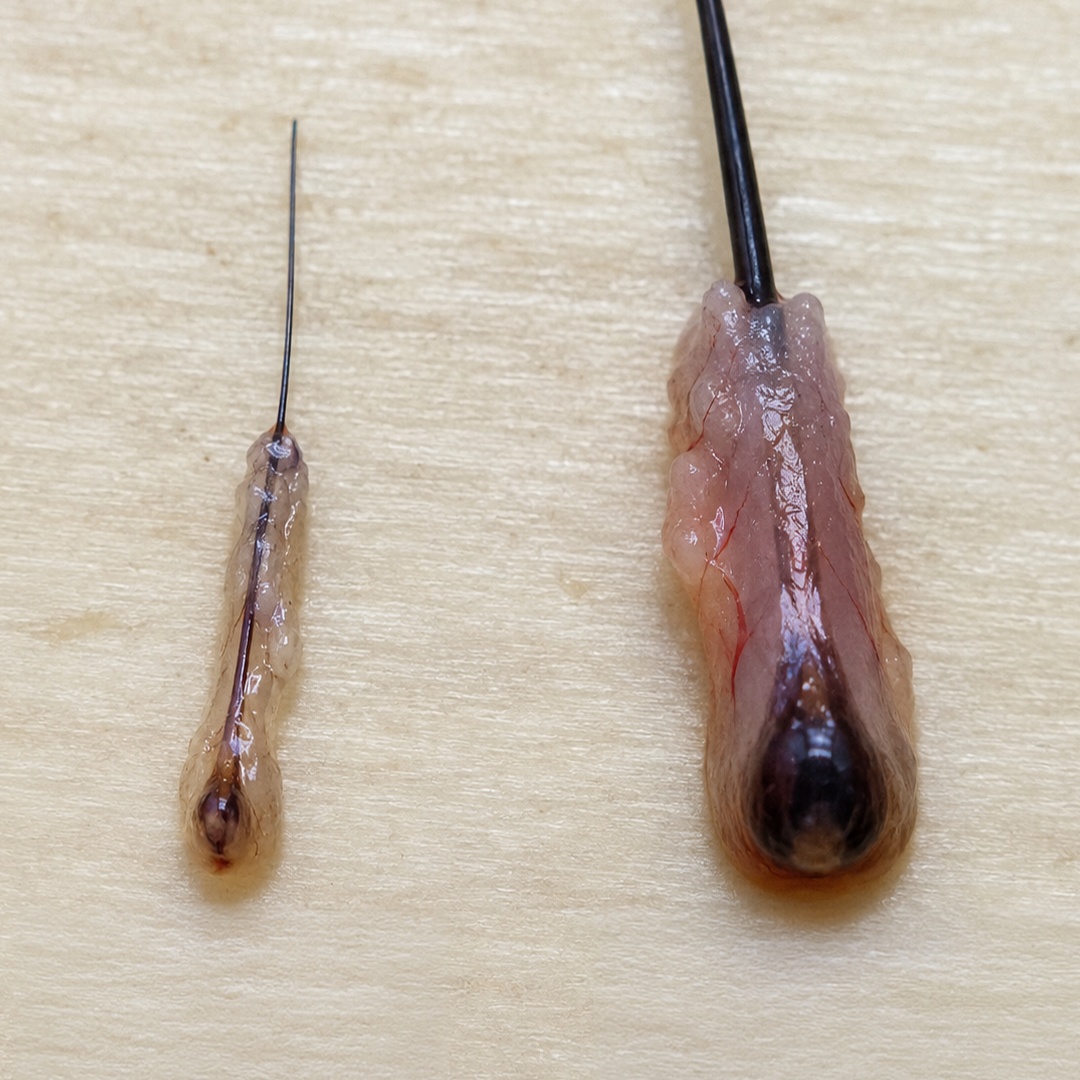
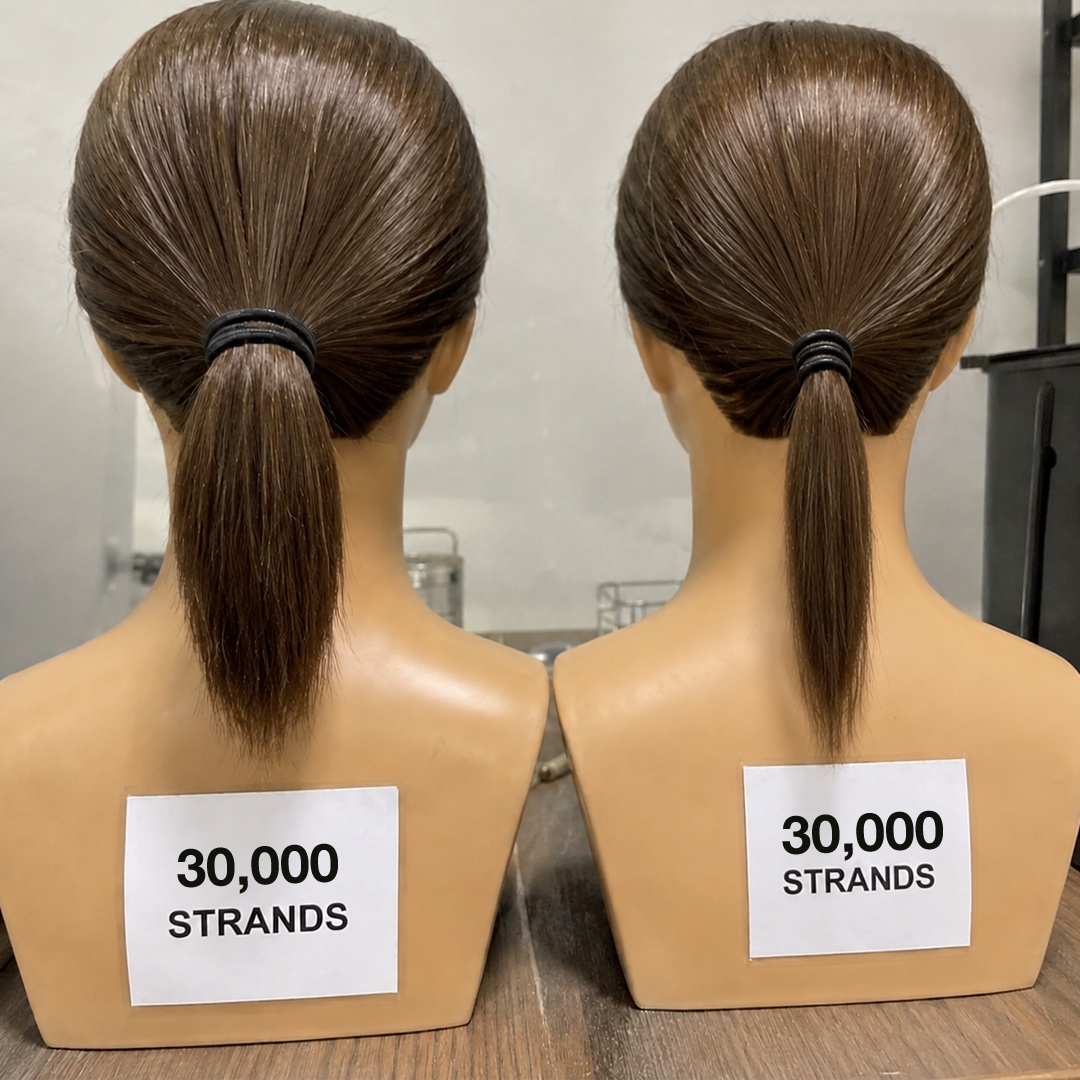
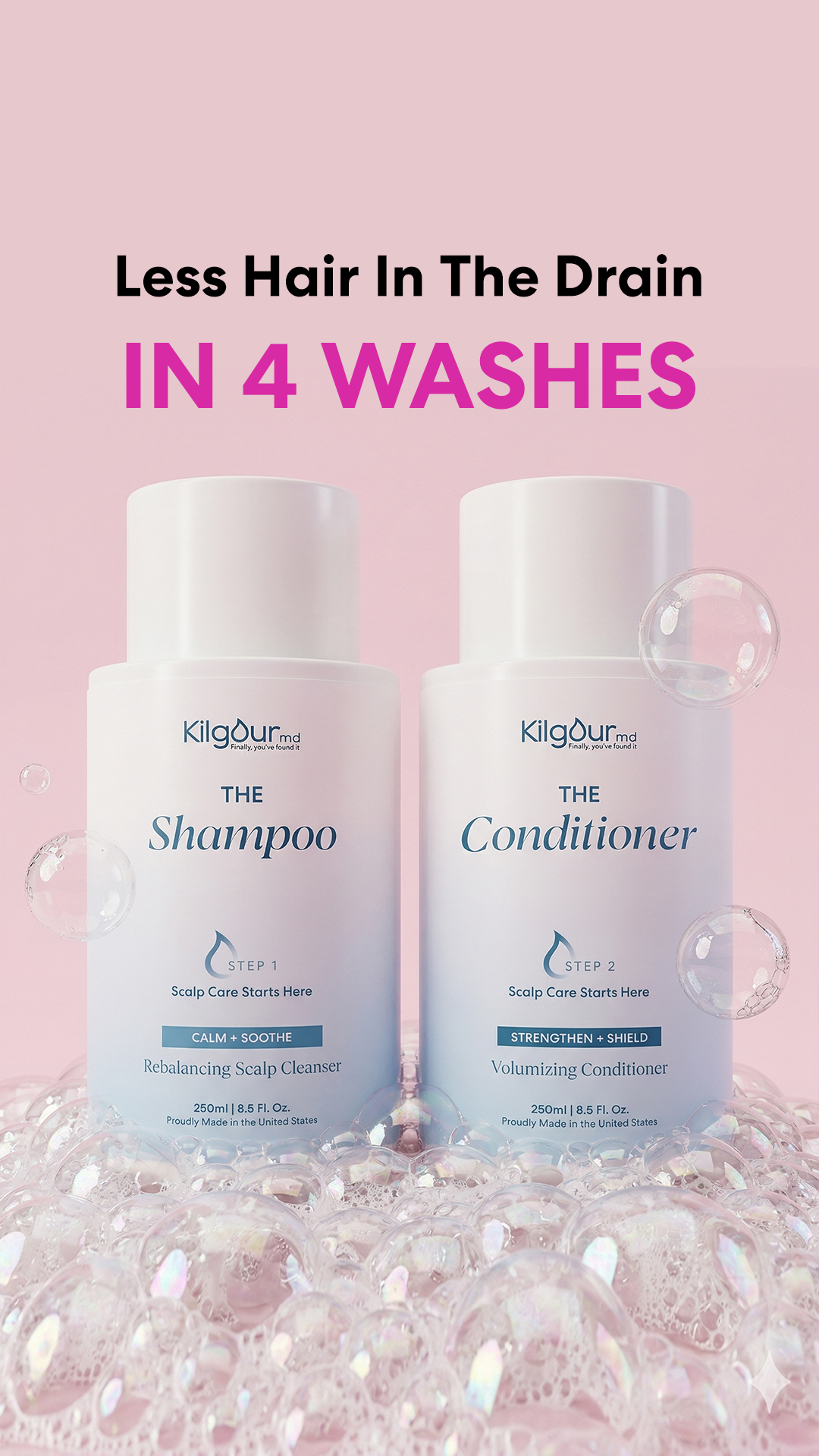
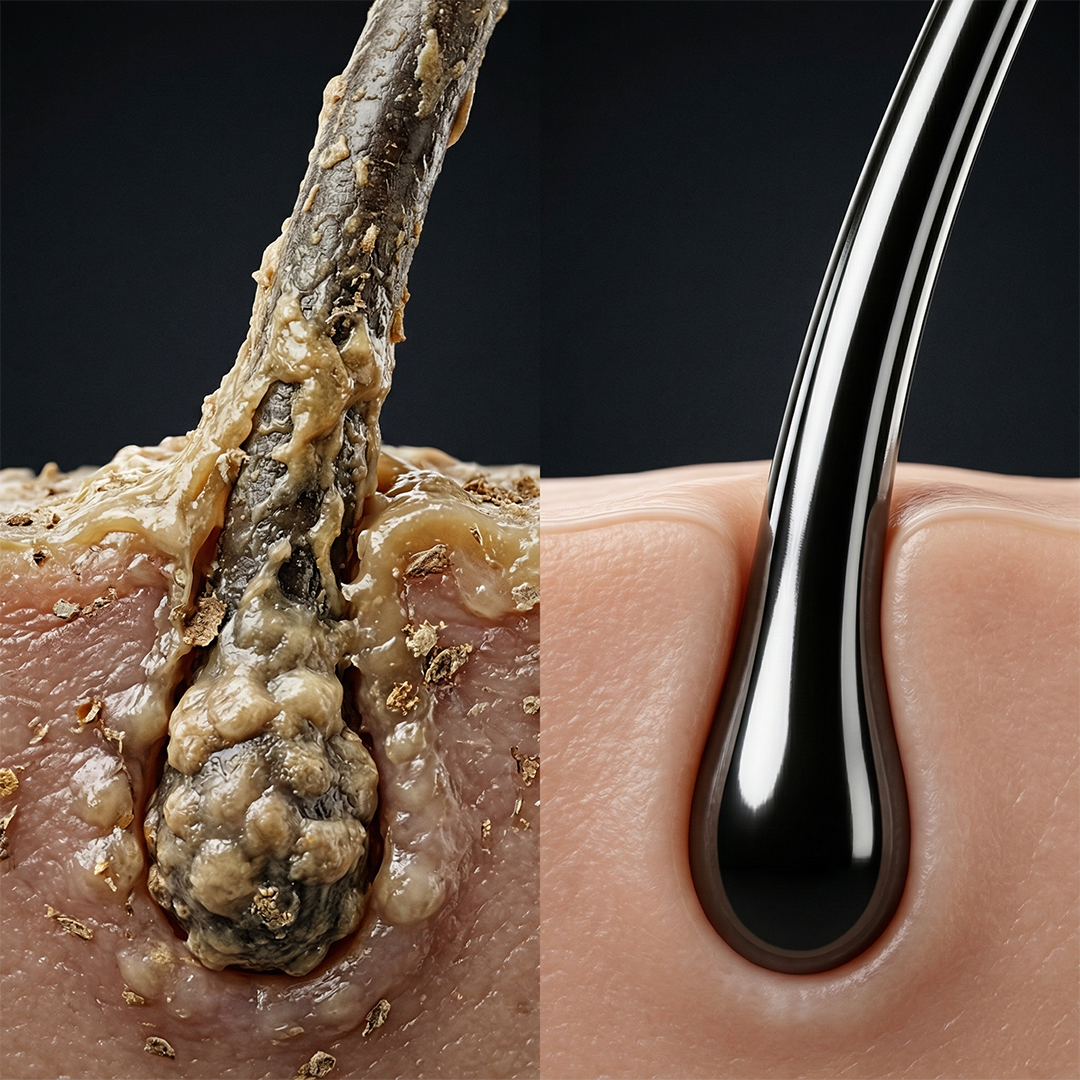
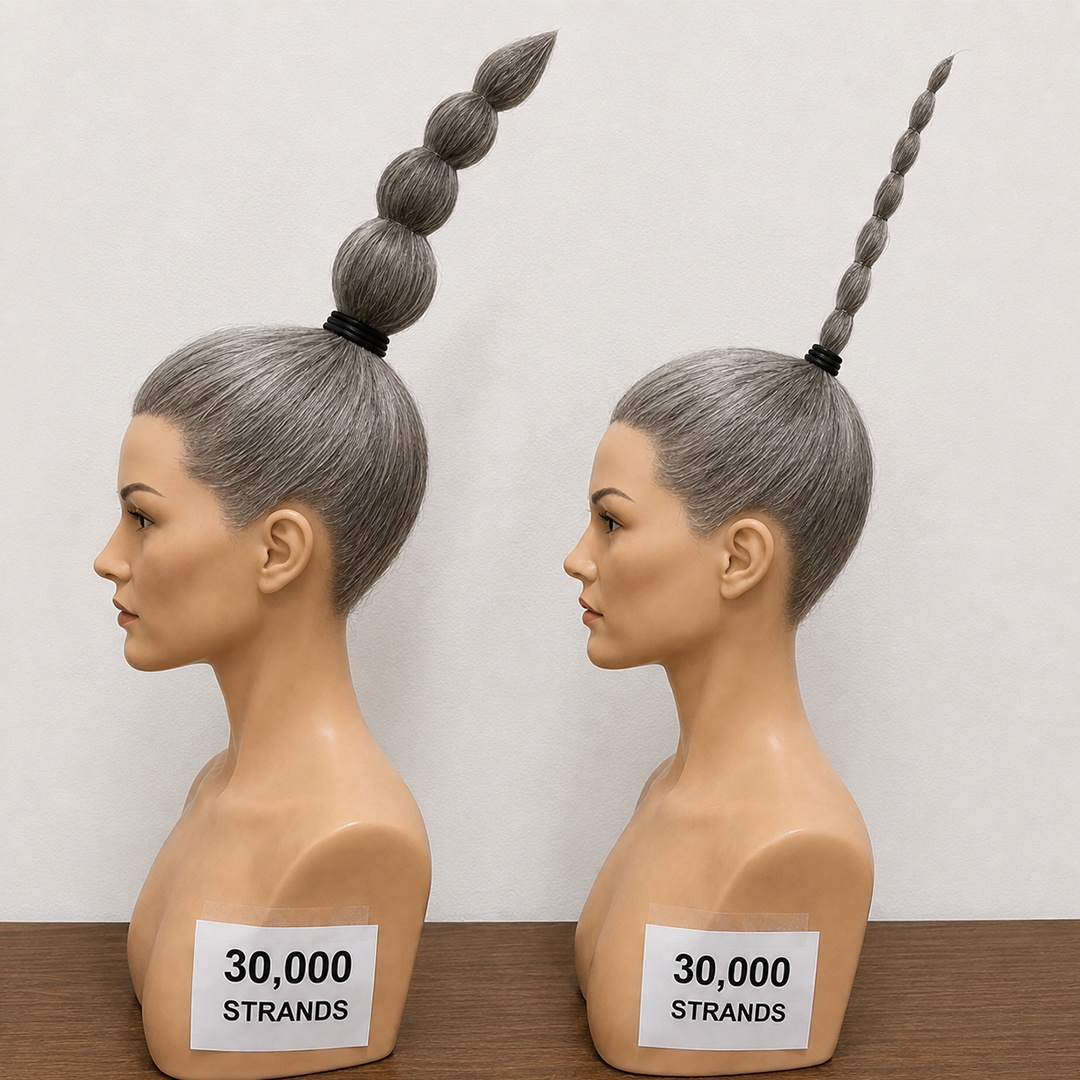
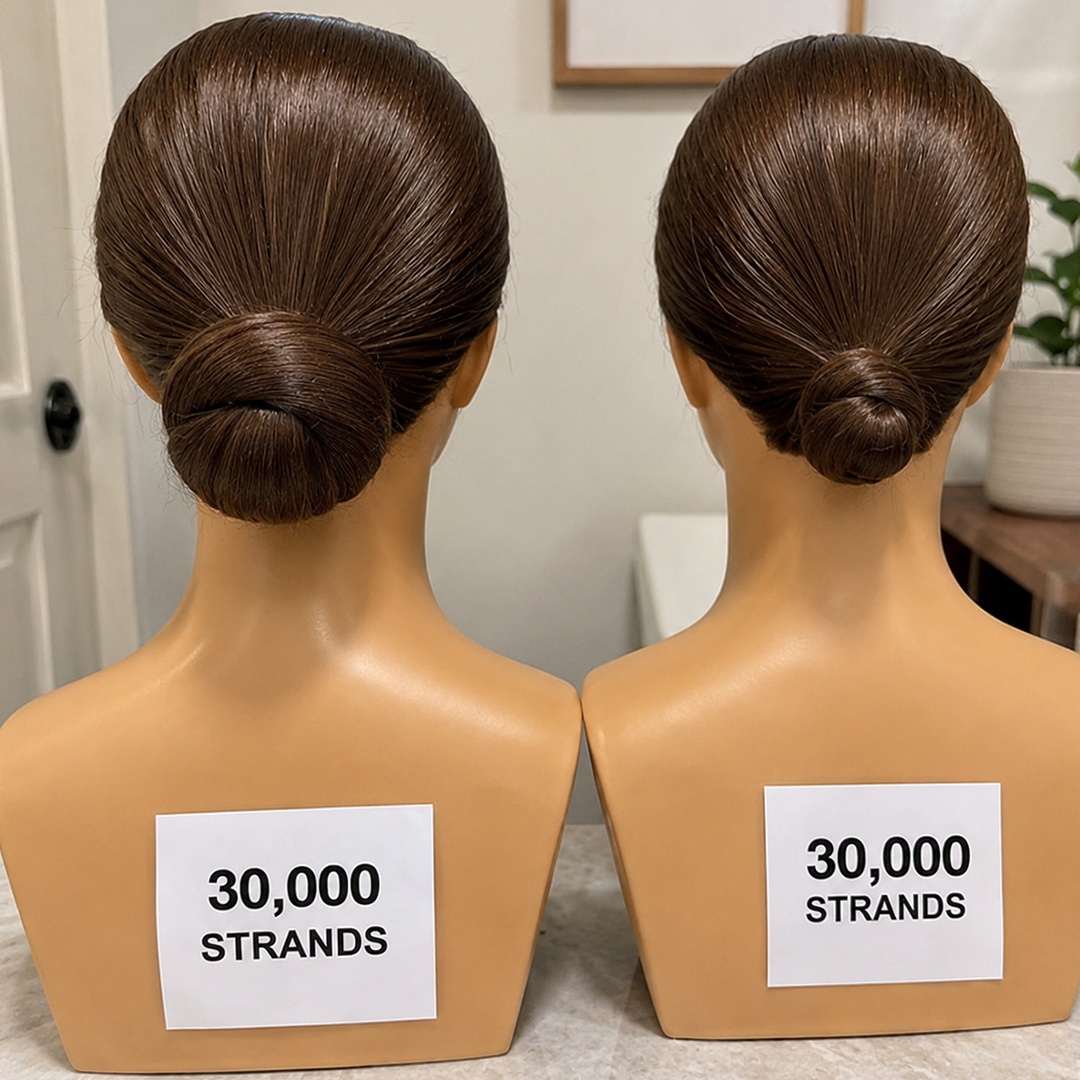
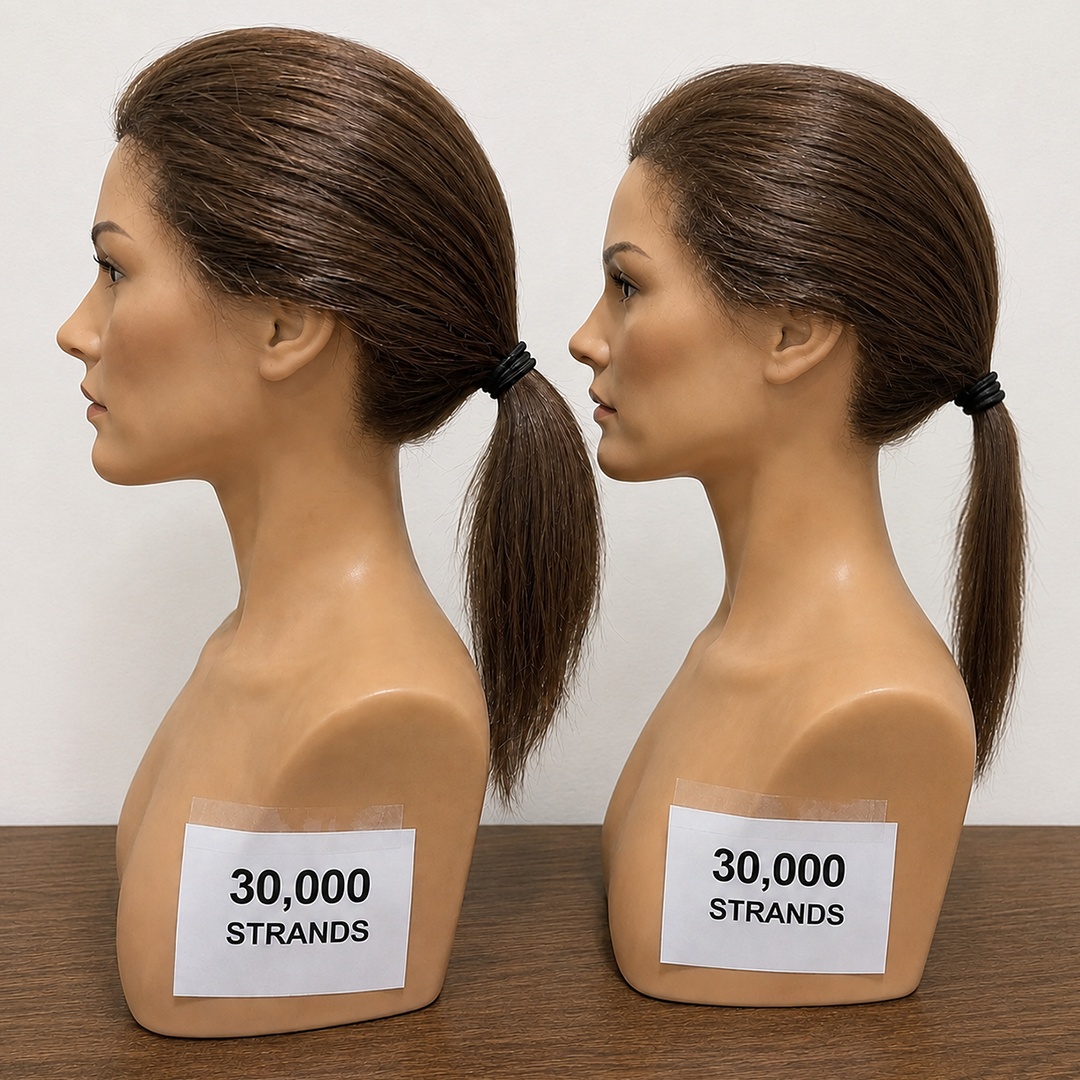
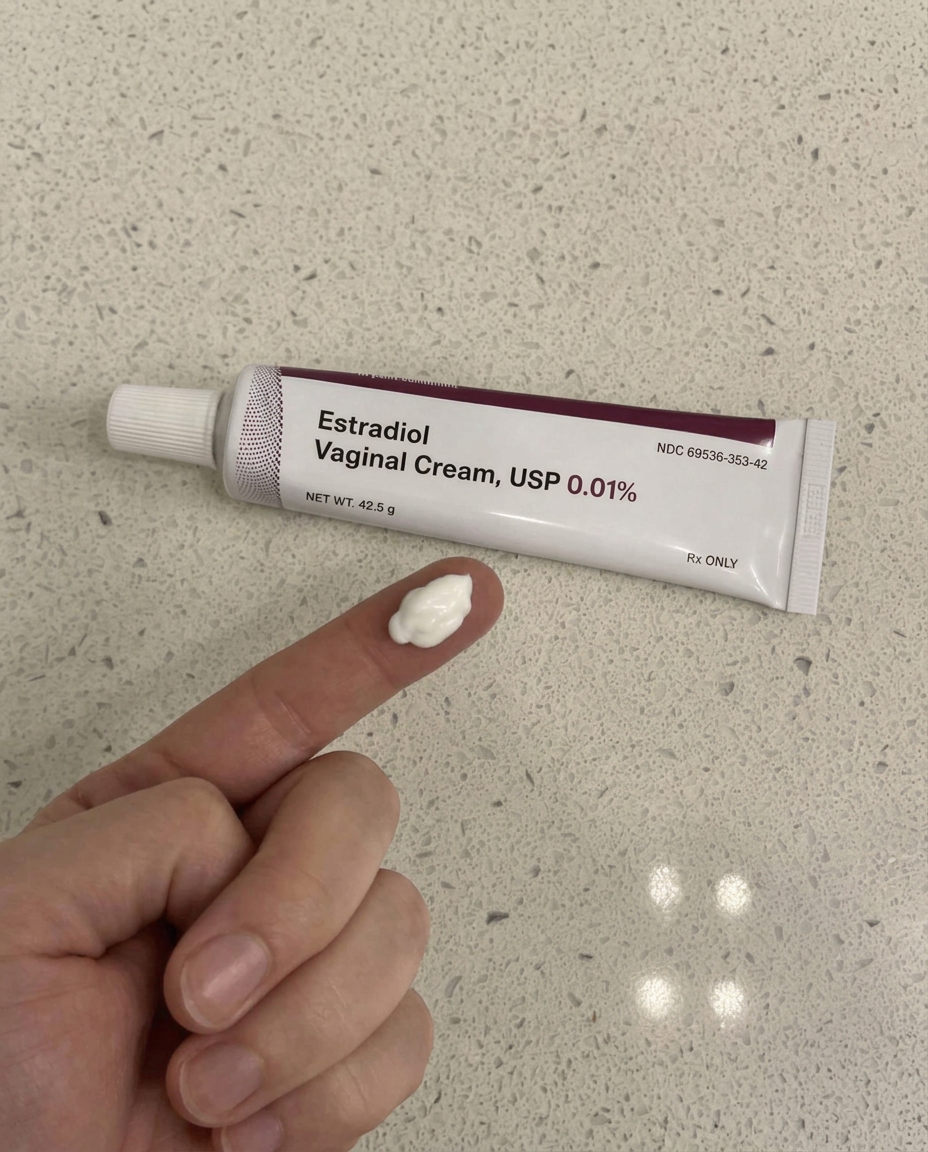
A patient asked me last month whether she could put her estrogen cream on her scalp. And before you decide that's mad — listen to how she got there. She'd found the largest analysis ever done on menopausal hair loss. It was only released last month. 187,016 women, presented by Harth at the World Congress for Hair Research. And what separated the women who ended up badly thinned from the women who didn't wasn't in their bloodwork. It wasn't their age either. It was one thing happening to their scalp that most shampoos make worse. So she read further, and found that what changes that skin at fifty is estrogen leaving it. Then she looked in her bathroom cabinet at the one thing she owned that contained estrogen. And asked the obvious next question. Which is a better piece of reasoning than most of what I hear in clinic. And the answer isn't a simple no. I'm Dr. James Kilgour. I'm a dermatologist — Stanford-trained, board-certified. Skin is what I do, and hair grows out of skin, which is how I ended up here. And here's what she told me when I asked why she'd even considered it. She had a cream for her face, because her skin went dry at fifty-five and never came back. A cream for her hands. Something for her neck. And the estrogen cream, for the thing women aren't supposed to mention. Four preparations, for four pieces of skin that all changed at exactly the same time, for exactly the same reason. And the one piece of skin that was actually losing something got nothing. Because your scalp is skin. The same skin that thinned and dried and started reacting to things it never used to when your hormones changed. It just never gets the cream. It gets shampoo, hot water, and forgetting about — and it's the one piece of skin holding a hundred thousand hairs. So her instinct was right. But I had to stop her. In theory it could do something. In practice it's a bad idea, and there are simpler fixes I teach my patients that start with swapping a couple of things in their wash routine. Here's why not the cream. The dose is uncontrollable. Those creams are measured for a specific site — inner arm, thigh, vaginal tissue. Your scalp has high blood flow and your hair soaks up an unknown fraction of whatever you apply, so you have no idea what blood level you're producing. And it irritates. Alcohol bases dry the scalp, cream bases cause folliculitis. Both make hair look worse. So: right idea, wrong tissue, wrong dose, and no evidence it works. What she actually needed was something that did the same job locally. Calm the skin, so it grips again. And to explain why that's the whole game, I have to show you what's actually holding your hair in. Your hair is not attached to your head. It's held. The way I show it is with a bobby pin. A fresh pin grips whatever you put in it and doesn't let go. You can tug it, rake your fingers through it, towel it rough — it holds. That's what your scalp has been doing for every hair on your head, all day, every day, since you were a child. You never once thought about it, because it always held. Now bend that pin open. Nothing snapped. Nothing broke. It just lost its squeeze. Put a hair in that and it sits there — technically held, until anything at all pulls on it. That is what happens to a scalp after menopause. The grip doesn't fail. It loosens. And the grip runs on estrogen. Not as a nutrient for hair — as the thing keeping that skin calm. Calm skin grips. Inflamed skin lets go. So her instinct was correct in every respect except the route. She had simply reached for the only estrogen she had access to, which happened to be formulated for a completely different tissue at a completely different dose. And here's the part that made me stop and think properly. The only thing that reaches that skin is a wash. About a hundred and fifty times a year. That's more contact than any cream in her cabinet gets with her face. And the entire industry has been using it to clean hair. So I built it, and the honest reason is that my own mother was in the same position and I'd already given her the wrong answer once. The shampoo works on the scalp — the skin, the only living part of any of this. There's an antioxidant in it that calms the inflammation, with a shedding trial behind it: randomized, double-blind, placebo-controlled. Shedding down 61%. Counted hairs, not opinions. It also cleans without sulfates, which matters more than it sounds — because the research says you should be washing more often, not less. It has to be usable on skin that's already dry. When I give this to my patients, they usually start seeing the shedding in the shower drop after about six to eight washes. So depending on how often you wash, that's anywhere from a few weeks to a couple of months. Inflamed skin doesn't calm down overnight — it needs repeated contact, which is exactly what a wash gives it. And the women who'd been using a sulfate shampoo and could feel their scalp was dry usually get there faster — because they're not just adding something that helps, they're removing something that was making it worse. Which matters more than it sounds. In that analysis of 187,016 women, an itching, dry scalp came with more than twice the risk of ending up badly thinned. There's also an ingredient in there I think of as a supplement inside a shampoo. This is the first time outside clinical work that it's been used in a shampoo, and the reason I added it is that it delivers every essential mineral your scalp needs to keep hair growing and stop it letting go. So if you've seen the supplement ads for hair loss — this is the improved version of that idea. You're giving the nutrients locally, instead of sending them through your gut and hoping a few percent arrive at your scalp. Now the conditioner is doing a completely different job, and it matters for both halves — the shedding and the fullness. Every conditioner you've ever used coats the strand. That's why you get four good hours and then it's flat: something is sitting on the hair, and the weight wins. Ours works from the inside. There are plant proteins in it that carry sulfur into the fibre so it can rebuild its own internal bonds. Strands measured 17% thicker after a single wash, and 64% stronger, which is the part that stops it snapping when your brush catches. And then there's a form of hyaluronic acid that doesn't sit on the surface either. Researchers scanned inside the hair, layer by layer, to see where it actually ended up. It reached the cortex — the core of the strand — nearly six times more than the placebo did. And once it was in there, it raised the water content inside the fibre. Which matters, because water inside the strand is exactly what the ageing-hair research says has gone missing. It's what lets a hair bend instead of snap. So it's thicker because it's filled out — not because something's sitting on it. Women tell me they notice the volume almost immediately — as their hair dries after the first wash. And I'll admit I use it myself, even though I formulated it for women. My mother, specifically. I've got fairly thin hair and it does the same thing for me. I could write a book about all eleven actives, but it's a busy world, so my team did something more useful. We built a strand assessment. It works out your strand type, then gives you a detailed breakdown of how each active works for you specifically. It's linked below. About two minutes, and we don't ask for your email. And to reassure you on the obvious: no hormones, no minoxidil, no sulfates, nothing that causes an initial shedding phase, and no side effects were reported in the trial. Cruelty-free and vegan. I hope this was helpful. — Dr. James Kilgour P.S. The first batch sold out in thirteen days. We've just restocked, and there's a “forgive me” discount on it, because a lot of women didn't get to buy it the first time round. P.P.S. If your scalp flakes, don't reach for a medicated dandruff shampoo. Dandruff is a yeast that feeds on oil, and after menopause your scalp produces dramatically less of it — so those shampoos are stripping a scalp that's already run out. Right product, wrong problem, and it makes the flaking worse. What you want instead is something that calms the skin: ours has a patchouli-derived active that reduced flaking by 31%, plus manuka and magnolia for the itching and tightness that usually comes with it. P.P.P.S. If your hair is colour-treated, this is safe with it and it doesn't strip. No sulfates means no accelerated fade, and the conditioner works inside the strand rather than coating it — so it won't build up on the ends or leave colour looking dull after a few weeks. P.P.P.P.S. On hair type. If your hair is fine, the conditioner is the one you'll notice first, because it fills the strand rather than weighing it down. If it's coarse or curly, wash to what your scalp needs rather than a schedule — the actives are on the scalp, and how you handle the lengths is your business. And if your hair is grey, the cuticle is naturally rougher, which is what makes the brush drag — the plant proteins and hyaluronic acid are both aimed at that. P.P.P.P.P.S. For anyone who'd rather read the research than take my word for it. The 187,016-woman analysis is Harth, presented at the World Congress for Hair Research. The estradiol trial is in Clinical and Experimental Dermatology, 2024. The wash-frequency study is Punyani, Tosti and Hordinsky, Skin Appendage Disorders, 2021. All findable by name.
Estrogen and hair loss
Dermatologist-developed, the best hair growth products for thinning hair. Reduce hair fall by 30% in two months, and stimulate hair follicle growth by 200%. No known side effects.
LEARN MORELike this ad? Make it yours.
Crush rebuilds this exact creative around your product — your brand, your colors, your offer — in about a minute.