Cholesterol Relief Community
Cholesterol Relief Community Facebook ad: “Natural Relief in Weeks”

Ran for 9 days, from September 16 to September 25, 2026, the last day Crush saw it.
Run by Cholesterol Relief Community on Facebook. Crush is not the advertiser and does not verify its claims. See this ad in Meta's Ad Library(opens in a new tab)
Want an ad like this for your product?
Crush makes new ad images for your product from this ad: your logo, your product photo, your offer.
Trials from $19.95 USD, then $79.95 USD a month. Cancel anytime.
About this ad
- Meta Ad Library ID
- 1080966047793853
- Platforms
- Facebook, Instagram, Audience Network, WhatsApp and Threads
- Relaunches
- 0
- EU reach
- 2,186
Ad text
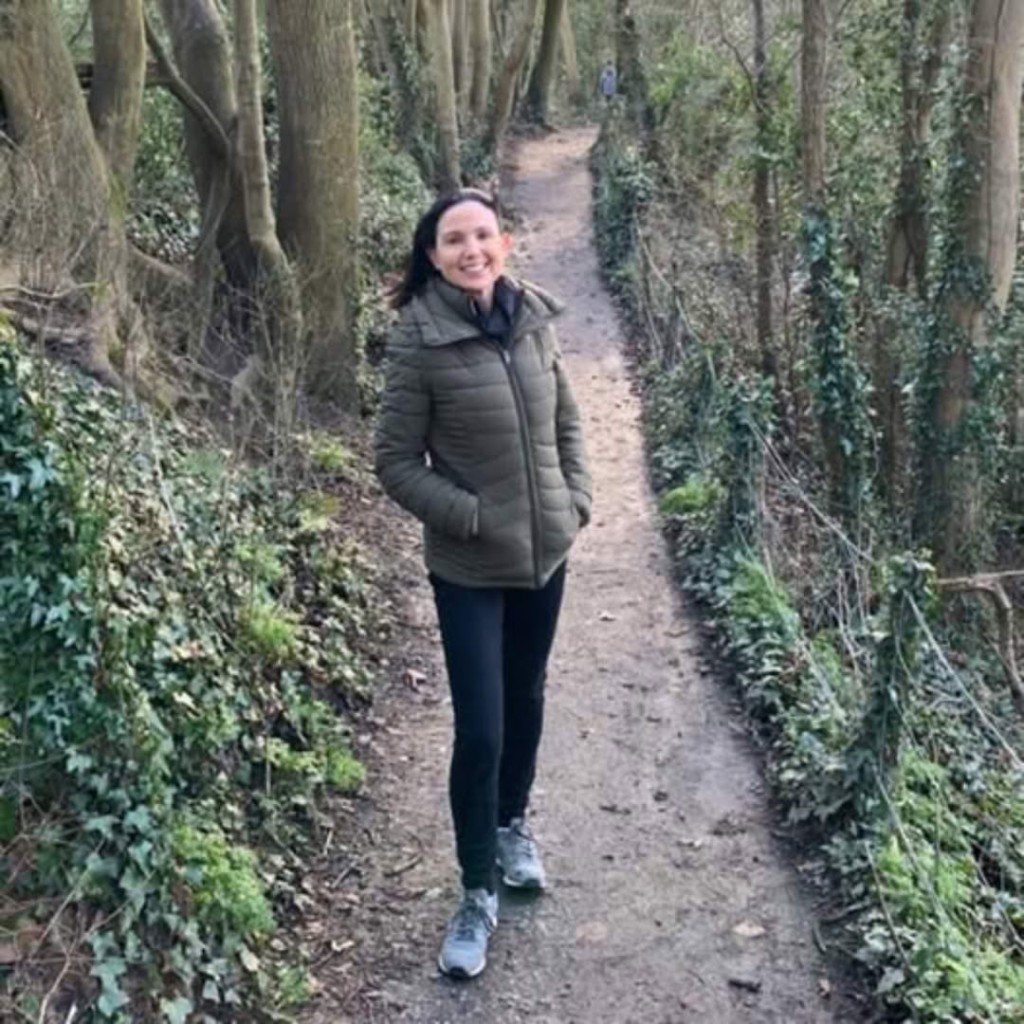
I left the girl I should have married in 1983 and never went back. 43 years later she was the nurse drawing my blood, and she told me I looked exactly like her husband did the year he died. I didn't recognize her when I sat down. I get my blood drawn twice a year. Same clinic, same chair. The girl who usually does it had moved away, so this was somebody new. Older lady. Glasses. She had my vial in her hand and she was reading the label on it. Then she said my name out loud. Chester. Not Chet. Nobody has called me Chester since my mother passed. I looked up. Her hair was gray. Her face was fuller, same as mine is. But the mouth hadn't changed. She still did that thing with it when she was deciding whether or not to say something. I said, "Susie." She didn't say anything. She tied off my arm and got the vein first try. And while the vial filled up she never looked at the vial. She looked at my hands. Then my face. Then my hands again. I know that look. It's the way you check your tires before a long drive. You're not looking for anything. You're looking for what's wrong. "You look like Orin did, Chet. The year he died." I didn't know who Orin was yet. I could tell by the way she said his name that he'd been hers. She pulled the needle out and pressed the cotton down. "What do you mean by that," I said. "Come back in 90 days and we'll draw it again." She picked up the next chart. "I've got a waiting room, Chet." I sat in my truck in the lot for a long time. Cotton ball taped in my elbow. Engine off. Here's how that works, so it makes sense. My doctor, Dr. Boyle, is in Kansas City. But he lets me get my blood drawn at a lab clinic in Sedalia, because it's on my run. The clinic sits out on the highway bypass by the truck plaza. They draw the blood and send the results to Dr. Boyle, and I never have to go into town. That's the only part of Sedalia I have set foot in since 1983. Her dad's house, where I left her, is 2 miles from that parking lot. For 6 years I got my blood drawn there twice a year, and I never once drove those 2 miles. I thought about calling somebody. Then I remembered there hasn't been anybody to call since 2019. So I just sat there. And I'll be honest with you, I wasn't thinking about my blood. I was thinking that in 43 years I had never once let myself picture her getting old. And I was thinking about the way she looked at my hands. Because I'd seen that look before. My mother used to look at my dad's hands like that across the supper table, the last year he was alive. She never said what she was looking for either. I know what it was now. I'll get to it. But first you need to know who I am, and how I left her in 1983. Otherwise this is just a trucker on Facebook complaining about his blood. My name is Chet Sturgill. I'm 63 years old and I drive a truck for a living, same as I have since I was 20. I know what this looks like. Long post. Older guy. Something about his health. I've scrolled past a hundred of these myself, sitting in a truck stop with a cup of coffee. So I'll just say up front that I'm not a man who tells stories. My son will back me up on that. He says getting a story out of me is like getting a cat in a bathtub. I'm typing this at my kitchen table at 11 at night because I can't sleep, and because I promised somebody I would. Here's the short version of me. I drive a semi. I pick up loads at the warehouses around Kansas City and deliver them to stores and factories within a few hundred miles, then I turn around and come home. Most nights I sleep in my own bed. I've got a little over 3 million miles behind me with no accidents, and I'm proud of that, and that's about the only thing I'll brag on in this whole post. My wife Marla passed in 2019. I'm not going to make this about her. She would hate that. I'll just say the house has been quiet for 7 years and I got used to the quiet faster than I should have. We have one son. He's in Tulsa with his wife and 2 kids. He calls on Sundays. He's a good boy and I don't see him enough, and that part is on me, not him. Now the part that matters for this story. 6 years ago my doctor put me on a cholesterol pill. Atorvastatin, 20 milligrams. That's the generic for Lipitor. If you're on one, there's a decent chance it's the same one. Back then my bad cholesterol, the LDL, was 171. Dr. Boyle didn't like that at all. He said at my age and with my job, sitting all day and eating what I eat, he wanted me on something. So I said okay. I'm not one of these guys who argues with his doctor. He went to school for it and I didn't. One white pill, every night, with a glass of water, right before I brush my teeth. It's in the orange bottle on the bathroom sink next to my razor. I get 90 at a time from the Walmart pharmacy and with my insurance it costs me about 4 dollars. I have not missed a night in 6 years. And it worked, as far as the numbers go. My LDL came down to 128 inside the first year, and it's sat right around there ever since. Every time the clinic in Sedalia draws my blood, they send it to Dr. Boyle in Kansas City, and a few days later I get a message on my phone from his office. Everything looks good. Keep doing what you're doing. And every 2 years I have to pass a government physical to keep my license. Every truck driver does. You fail it, you don't drive. I've never failed one. So as far as any paper anywhere was concerned, I was a healthy man being well taken care of. That's what I believed too. Right up until a nurse looked at my hands instead of my blood. I'm going to tell you how I left her. Then about 6 years on that pill, and what those years did to me that no blood test ever picked up. Then what Susie could see from across a counter that a lab can't. If you take a cholesterol pill and your doctor says you're doing fine, and you don't FEEL fine, you'll want to stay for that part. It's the part I would have wanted somebody to tell me. So here's how I left her. Her name was Susie Haverly back then. Her mother named her after the Everly Brothers record, and she'd been hearing that song sung at her since the first grade, mostly by boys who thought they were the first one to think of it. She hated it. The only person she ever let sing it was me. Her dad owned the tire shop on Broadway in Sedalia. Haverly Tire. I started working there the summer I was 16, changing tires and sweeping up, and by the time I was 19 I could look at a tire and tell you what was wrong with it before I touched it. Mr. Haverly taught me that. He was a good man and he was fair to me, and I want that said before I tell you what I did. By the spring of 1983 it was understood. Not said. Understood. I'd marry Susie, I'd run the shop when her dad got old, and that would be my life. Then my Uncle Verl came through town in his truck. Verl drove a red Peterbilt, one of the big ones with the sleeper cab in the back, and he drove loads out to Denver and back. He needed a second driver. He said he'd teach me and I'd be making more in a month than the shop paid in 3. He was leaving Thursday night. I said yes before he finished the sentence. I want to be honest about why. It wasn't the money. It was that I was 20 years old and I could stand on Broadway and see every single day of the rest of my life. The shop. The house 2 blocks over. The church. The same 6 streets until they buried me. Some men look at that and see something good. I looked at it and couldn't breathe. I told Susie on Thursday afternoon. Then I went and got my things. It was hot. Her dad was sitting in his chair on the porch with the paper and he didn't get up. Verl had the truck running at the curb with the door open. Susie was standing on the top step with her arms crossed, and she'd been crying, but she'd stopped before I got there. She'd made sure of that. I said I'd be back at Christmas. I said Denver was 12 hours and I'd be through Sedalia all the time. She said, "No you won't, Chet." Not mean. She just knew me better than I did. Then she said the thing I've carried for 43 years. She looked past me at that truck and said, "You want to climb up in that thing and go, so go. But I'm not climbing up after you. I'm not going to be a girl that waits on a truck." Her dad folded the paper. He came down the steps and shook my hand. He didn't say a word. That was worse than if he'd hit me. I walked to the curb and climbed up into that truck, and I watched her in the mirror on the passenger side until we turned the corner at the Sinclair station. She never moved off that step. I did not come back at Christmas. I could have. That's the part I want you to understand. Nobody told me not to. Nobody was mad at me. The Haverlys would have set a plate for me any Sunday of my life. But to come back I'd have had to walk up those steps and say I was wrong. And I was 20, and then I was 21, and then I had my own truck and a story about myself that I wasn't ready to give up. In 1986 my mother told me on the phone that Susie had married a fellow named Orin Renner. Worked at the rail yard. Good man, she said. Everybody said so. I said, "That's good." And I meant it, mostly. Then I drove for 43 years. I'm not going to walk you through all of it. Most of it was just driving. I married Marla in 1988. I met her at a truck stop in Joplin where she ran the register, which is about the most trucker thing a man can say. She was a good wife to me for 31 years. Our son came in 1991. I bought my own truck in 1994 and I've had one ever since. Here's the part you need, because I think a lot of you are living it. I eat where trucks park. That's not a choice, it's just how the job works. Breakfast is a sausage biscuit from the plaza at 5 in the morning. Lunch is whatever's under the heat lamp wherever I stop for fuel. Supper used to be Marla's. Since 2019 it's a drive-through on the way home or something out of the freezer. I'm not saying that to beat myself up. Nobody sets out to eat like that. It's just the only food there is in the places a truck can park, and it's made to be eaten with one hand at 65 miles an hour. I did that for 43 years, the same as every driver I know. Now, the pill. Dr. Boyle put me on it in 2020, about a year after Marla passed. My number came down, like I said. And that was when things started to slide, slow enough that I never once connected the 2. The first thing was the road going blank. Every driver knows what it's like to look up and not remember the last mile. But this was different. I'd come to and not know the last 10 miles. I'd miss my exit on a run I'd made 500 times. Once I sat at a loading dock in Wichita and could not, for the life of me, remember the name of the man I'd been talking to for 20 years. Then it was my hands. Not shaking. Just weak. I'd go to open a bottle of water and have to hand it to the kid at the dock. I dropped my coffee in my lap twice in one month, on the interstate, at 65. The wheel felt heavier than it used to and I couldn't tell you why. Then the 3 steps up into my cab. There's 3 of them. I've climbed them 20 times a day for 43 years without thinking. Somewhere around 2023 I started thinking about them. Grabbing the handle. Taking a breath at the top like I'd carried something up. And after supper I'd sit down in my chair to watch the news and I'd wake up at midnight with the TV selling knives. Every night. I never made it to the weather. My legs ached like I'd walked all day, and I hadn't walked anywhere. I sit for a living. I told Dr. Boyle about the tired once, at a checkup. He said, "Chet, you're 61 and you sit in a truck 10 hours a day. I'd be tired too." And I couldn't argue with that. He wasn't wrong. He just wasn't looking at the right thing, and neither was I. My son said it on the phone one Sunday. "Dad, you sound old." I said I'm 62, I'm supposed to. Here's what I want you to notice. All through this, my numbers were fine. Every 6 months the message said keep doing what you're doing. I passed my physical in 2024 like I always do. The paper said I was a well taken care of man. And there was nobody in the house to say any different. Marla would have. She'd have looked at me over the supper table and said something. That's what a wife is for. But she was gone, and a man doesn't see himself. He just gets a little smaller every year and calls it getting older. So I called it getting older. I need to tell you about my dad now, because this is where he comes in. My dad drove a truck too. That's how I ended up in one. He never went to a doctor in his life. Not once that I know of. He said doctors were for sick people and he wasn't sick. In 1998 he was found in the sleeper of his truck in a lot outside Amarillo, Texas, on a Tuesday morning. His heart. He was 64. And here's what I'd forgotten until Susie looked at my hands. That last year, my mother watched him. At the supper table. Not his face. His hands. He'd started dropping things. He'd fall asleep in his chair with the news on. He'd take a breath at the top of the steps. And my mother would look at his hands across the table with a look I couldn't name, and she never said what she was looking for. Now I know. She was looking at what I look like right now. My dad never took a pill in his life and died at 64. I've taken one every night for 6 years, and I'm 63, and I was falling asleep in the same chair. I didn't put that together sitting in the clinic lot. I want to be honest. I put it together later, at Susie's kitchen table, and I'll get to that. What I did do, the next Tuesday, was look at my phone when the message came. Tuesday afternoon, 4 days after Susie drew my blood, my phone buzzed while I was fueling up in Emporia. It was the message from Dr. Boyle's office in Kansas City. LDL 128. No change. All results within normal range. No action needed. Next labs in 6 months. That's the whole message. That's what 6 years of doing everything right gets you. I want to tell you exactly what it felt like, because if you're on a pill and your number is good, you know this feeling. You've gotten this message. It feels like being let off. Whatever you were half worried about, a screen just told you it's nothing. Your doctor looked at your paper and moved on to the next one. You are a man being taken care of. I'd gotten that message 12 times in 6 years. 12 times I read it and felt a little lighter and went back to whatever I was doing. This time I stood there holding the pump. Because the number was the same as it had always been. And a woman who'd spent 31 years watching people's blood come out of their arms had looked at me across a counter and seen something in my hands that made her think of a dead man. Both of those things were true at the same time. I didn't know how. And there was something else. She'd told me to come back in 90 days. But the message said 6 months, same as always. A nurse at a lab clinic doesn't get to change an order from a doctor 90 miles away. She'd said it anyway. So either she was wrong, and a woman who'd known me since I was 16 had said the cruelest thing she could think of for no reason. Or the paper was missing something. And she knew what it was. I finished fueling. I got back in the truck. And instead of taking the interstate home, I got off at Sedalia. I drove the 2 miles. You can't park a 70-foot truck on a residential street. So I left my trailer at the truck plaza and drove in with just the cab, and I still took up half the block. The house was the same house. Different color. Same porch. I stood at the bottom of those steps a good 10 seconds. Last time I stood there I was 20 years old and her dad was in that chair. The chair was still there. It was empty. She opened the screen door before I knocked. She looked at me, and then past me at the truck taking up half her block, and something went across her face that I couldn't read. "Took you 4 days," she said. "Come in then." Her kitchen looked like kitchens used to look. We sat at the table and she poured coffee, and for a few minutes we did the catching up part. I'll keep it short. She'd been a nurse 31 years. The hospital in Sedalia, mostly, on the heart floor. She retired 3 years ago and draws blood at the clinic 2 days a week to keep her hands busy. Her dad died in 2004 and left her the house. She and Orin never had kids. She said that part the way you close a door, so I left it closed. Then I asked. "What did you mean about Orin?" She didn't answer right away. She got up, went to the drawer by the stove, the one every kitchen has, with the rubber bands and the dead batteries and the take-out menus. She took out a piece of paper, folded in 3, soft at the creases like it had been folded and unfolded a hundred times. She put it on the table in front of me. It was a lab report. Orin Renner. Dated March of 2021. LDL: 94. "Tell me your number, Chet," she said. "128." She nodded. "I know. I ran your tube." I looked at the paper. 94 is better than 128. A lot better. 94 is the kind of number the messages get sent about. "He was on a pill like yours," she said. "Rosuvastatin. The generic for Crestor. Same family as yours, just stronger. "He took it for 9 years and never missed a night. Ate what I put in front of him. Walked the dog every morning. His doctor told him he was in great shape. "That's the word on his chart, Chet. I've read his chart more times than I've read anything in my life. Great shape." "What happened?" "5 weeks after that paper, he went out to the garage on a Saturday morning to change the oil in his truck. I was making lunch. "I heard the wrench hit the floor. That's all I heard. Just the wrench." She said it flat, the way nurses say things. But her thumb was moving back and forth on the handle of her coffee cup the whole time, like she was rubbing a stain out of it. "He was 64," she said. And I sat there in that warm kitchen and went cold, because I was doing arithmetic I didn't want to do. My dad never saw a doctor in his life. No tests, no pills, nothing. Dead at 64, in a truck lot in Amarillo. Her Orin did every single thing you're supposed to do. Every test, every pill, every checkup. A number better than mine. Dead at 64, on his own garage floor. One of them never counted anything. One of them counted everything. Same ending, one year older than I am right now. I must have been quiet a while, because she reached over and took the paper back and folded it up along its creases. "You see it now," she said. "It's not a test question, Chet. There was nothing wrong with either answer. "That's what took me 2 years and a lot of reading to understand. They both got killed by the same thing, and it isn't on that paper." "Then what is it?" She looked at me for a long moment. Then she looked down at my hands, wrapped around her coffee cup, the same way she'd looked at them across that counter with a needle in my arm. "First," she said, "I'm going to tell you what your last year has been like. And you're going to tell me if I'm wrong." She topped off my coffee like we did this every Tuesday. Then she sat back down and told me about my own year. "You don't trust your hands anymore," she said. "Jar lids. Buttons. You hand things to other people and make it look like manners. "You sit down after supper and you're gone before it's dark out. You wake up at midnight in the chair and go to bed like it didn't happen, and it happens every night. "Your legs ache like you worked all day. You didn't. You sat in a truck. "There's steps somewhere in your day you used to not think about. Now you think about them. You've got a system for them. A handle you grab. "And somewhere in the last year or 2, there's been a minute on the road that scared you. Some stretch you don't remember driving. "You never told anybody, because they'd take your license before they'd take a second look at you." I hadn't said one word to her about any of it. Not one. "How," I said. "Because I watched every line of it happen to Orin at this table. And then I drew blood 2 days a week for 3 years and watched it walk into that clinic over and over. Men your age, on your pill, with your number, moving the way you move." She put her hand flat on the table. "You couldn't work your cuff button loose, Chet. You pushed off the chair with both hands. I put the strap on you and you gave me your arm like it weighed something. "I don't need a machine for that. I just need to have buried it once already." I want to stop here and tell you the thing I'd tell you if we were sitting in a truck stop right now, driver to driver. Nobody had looked at me in 7 years. I don't mean nobody was nice to me. People are nice to me all day. I mean Dr. Boyle looks at my file, and he's good to me, but the file is what he looks at. My son hears my voice on Sundays. The guys at the docks see a man who waves and backs a trailer in straight. Marla looked at me. And Marla was gone. So the last person who'd actually looked at me was gone 7 years, and the first person to do it again did it with a needle in my arm, and she saw a dead man's last year sitting in the chair. That's not a nice feeling. I'm not going to dress it up. It's like getting the results of a test you didn't know you were taking. But here's the strange part. Under the scared, there was something that felt almost like relief. Because I wasn't crazy. The steps, the chair, the blank miles. It was real, all of it, and somebody with 31 years of watching sick people had seen it from across a counter in about 90 seconds. It had a shape. Things with a shape have causes. So I asked her straight. "My number's good, Susie. Orin's number was better. My dad never had a number at all, and you're telling me the same thing got all 3 of us. So what is it? What actually killed him?" She looked at me for a second, deciding something. The mouth thing again. Then she said, "You worked for my dad. So tell me this first. What kills a tire?" "What kills a tire," I said. "Alright. Wearing out. You run it bald." "That's one way. Orin's truck is still in the garage, Chet. It sat 5 years. Go look at the tires and tell me if they're bald." And I didn't have to go look, because I knew. Every man who's ever worked around tires knows. Those tires have plenty of tread and every one of them is ruined. You know the penny test. You stick a penny in the groove, and if you can see the top of Lincoln's head, the tire's worn out. That's the measurement. That's the number. But there's a second way a tire dies, and it's got nothing to do with tread. The rubber itself goes bad. Air and sun get into it, year after year, and the rubber dries out and goes off. Dry rot. Little cracks down in the sidewall. A tire like that can pass the penny test on Monday and come apart on the highway on Friday, and the tread was legal when it blew. Her dad taught me that when I was 16 years old. Tread tells you how much tire is left. It doesn't tell you what the rubber has turned into. I said all of that out loud, at her table, slow, like a man feeling his way down 3 steps in the dark. And when I finished she just nodded, the way a teacher nods. "That's cholesterol," she said. "That's the whole thing. Now I'll tell you what took me 2 years of reading to find, after every doctor in this county told me Orin was just bad luck." Here's what she told me. I'm going to keep it as plain as she kept it. Cholesterol is not poison. Your body makes it on purpose, every day, because it needs it. Having some is like having tires. You don't get down the road without it. The trouble starts when it goes bad. Air gets at it, same as a tire. It goes off, and when it goes off it turns sticky, and the sticky kind grabs onto the walls of your arteries and packs in there, a little more every year. That's the stuff that builds up. That's the stuff that kills. And the blood test, the one I get twice a year, the one Orin got, all it does is count. How much cholesterol have you got. Tread depth. That's it. There is no line on that paper that tells you how much of it has gone off. "So a man can have a low number," I said, "and it can be mostly the bad kind." "Orin was 94," she said. "You can pass the penny test and blow at 70." I sat with that a minute. My dad, who never checked anything, ran his tires bald AND rotten. Orin checked his tread every 6 months, faithful as church, and the rot got him anyway. Nobody ever looked at the rubber. Nobody ever looks at the rubber. "Then what's my pill doing?" I said. "Your atorvastatin. Orin's rosuvastatin. Lipitor, Crestor, all of them, anything that ends in statin. They all do the same one job. "They go into your liver and choke down the line that makes cholesterol. Less made, lower count. That's the whole trick, Chet, and it's honest work as far as it goes. Less tread, less to rot. "But it doesn't stop one bit of the going bad. Whatever cholesterol you've still got, and you've got plenty, it's going off at the same rate it always was. "The statin changes the count. It doesn't change the condition." "And the count is the only thing anybody's watching." "The count is the only line on the paper. You don't fix what you don't measure." Then she looked at my hands again. "Now the part you're not going to like. The part about you." She told me that line in your liver, the one the statin chokes, doesn't make just one thing. It makes 2. It makes cholesterol. And it makes the fuel your muscles burn to do their work. It's got a name, CoQ10. You've walked past it on the shelf at Walmart a hundred times. Your legs run on it. Your grip runs on it. Your brain runs on it. And your heart, which is a muscle, runs on it. One line, 2 products. Choke the line, you choke both. There is no statin that can shut down one without shutting down the other. That's not a side effect. That's the machine doing what the machine does. "That's a belt," I said. "That's one belt running 2 things. The same belt that turns your alternator turns your water pump. "You can't slow one down without slowing the other. There's no cutting a belt halfway." "No," she said. "There isn't." And then it landed on me, all of it at once, sitting in that kitchen. The bottle of water I handed to the kid at the dock. The coffee in my lap at 65. The 3 steps I'd built a system for. The chair taking me down every night before the weather came on. The 10 blank miles. 6 years I'd been calling that getting old. It wasn't old. It was the pill, starving every muscle I've got, while the number on my paper stayed beautiful. And the thing that was actually going to kill me, the rot, the pill never touched at all. "So that's the trap," I said. "Bad number, you rot with no pill. Good number, you rot anyway, and the pill takes your legs out from under you while you do it. "My dad took the first road. Orin took the second one. What's left?" "Now ask me what I tried," she said. "Because you're about to think you've got a smart idea, and I already had all of them." She counted them off on her fingers. "Fish oil. I had Orin on the good kind for years. It does some things. But it doesn't put a measured dose of antioxidant up against the going-bad. Nothing about it does that job. "Vitamin pills. The antioxidant ones, the E, the C, the ones that say they fight all that. Not even close, Chet. "They don't even tell you the dose. The thing I was looking for had to reach the going-bad itself, in a dose somebody had actually measured. "Not another promise. A number on the page, and an outside lab behind it. "And CoQ10 in a capsule, yes, they sell the fuel by itself. The last year, when Orin's legs got bad, I bought it for him. He thought it helped some. "But it's a patch. It puts back a little of what the statin drains, and it stops no rot at all. "My husband died with good numbers and a bottle of CoQ10 on his nightstand. So don't tell me about the shelf. I've been down the shelf." "Then what's left?" I said again. "One thing, that I ever found. And it took me longest to believe, so I'm not asking you to believe it tonight." She told me there are polyphenols in a whole oolong leaf, the kind you can hold between your fingers. One of them has a name, EGCG. And the research says it can do 2 things nothing on that shelf does. It goes after the going-bad itself. Not the count, the condition. She never claimed more than that. She said the honest question was whether the cup carried enough EGCG and polyphenols to matter against oxidation. Fish oil doesn't do that job. The statin doesn't do it. This is the only thing she ever found that tries. And it never goes near that line in your liver. Doesn't touch the count, doesn't touch the fuel. It stops the rubber going off and it leaves the belt alone. "I've taken it 3 years," she said. "I'm 62. My number is 104 with no statin and no pill of any kind. "And you watched my hands all you want, Chet. I hit your vein first try and I'll do it again in 86 days." "Okay," I said. "What do I buy? Write it down for me." "No." I looked at her. "I nursed a man in this house once," she said. "Best nursing I ever did. I cooked right, I counted his pills, I drove him to every appointment, and I was in the kitchen when the wrench hit the floor. "I'm not doing that again. Not for you, not for anybody. I'll answer any question you come back with. But the looking has to be yours. "You go find out what's actually in those tea boxes they sell. Come tell me what you find." She stood up and took my cup, which meant it was time to go. "86 days, Chet." I did the looking. I'll give myself that much. That night at the kitchen table I got on my phone and read until 2 in the morning, which for me is unheard of. And she wasn't wrong about the shape of it. Nobody's run a study on men drinking oolong and measured the going-bad in their blood. The research gave me a threshold. It didn't tell me which tea on a shelf hits it. I sat there reading with my reading glasses on thinking, the nurse did her homework. And then I did the dumbest thing in this whole story, and I want you to watch me do it, because half of you reading this have already done it too. I typed oolong tea into Amazon and bought the first box that came up. Good reviews. 19 dollars. 2-day shipping. Sit with that a minute. I'm the man who sat at her table and explained that a tire can pass the penny test and still blow, because what matters is what the rubber's made of. I know better than any man alive that there's tires and there's tires. And I scrolled past 400 tea boxes that all looked the same and figured tea's tea. I kept taking my atorvastatin, I want that on the record. I'm not a man who quits a prescription over something he read at 2 in the morning, and you shouldn't be either. Hold that thought, because it matters later. The box came on a Thursday. One cup every morning. And here's the devil of it. I felt something. 4 or 5 days in, I had a little more in the tank in the afternoons. The 3 o'clock slump showed up closer to 5. I wasn't springing up any steps, but the day didn't sit on me quite as heavy. So in my head, it was settled. It's working. I'm fixing it. I didn't call her. That was the plan, if you can call it a plan. Show up in 90 days with a good number, lay it on her table like a man who did the looking and found it himself. You'd think 43 years would have taught me something about the cost of proving a point to Susie Haverly. It had not. About 5 weeks in, I couldn't wait anymore. I wanted a sneak preview of my own victory. There's walk-in lab places in Kansas City, 59 dollars, no doctor needed, results in a day or 2. I went on a Saturday morning. LDL: 126. 126. I'd been 128 for 6 years. 5 weeks of cheap oolong had bought me 2 points, which is nothing. That's the same number wearing a different hat. I sat in the truck in that strip mall parking lot for a good while, doing a kind of math I didn't like. I FELT better. That part wasn't imaginary. But the number hadn't moved, and if the number hadn't moved, then whatever was going off in my blood was still going off, every mile, every day, 86 days minus 35 and counting. The pep was real. The fix wasn't. And a man can ride a real-feeling nothing straight into a garage floor. I thought about my dad, who felt fine right up until Amarillo. Orin probably felt fine too, walking out to that garage. So on Monday I did the thing I should have done in week 1. I put the box in my jacket pocket, and the printout with it, and when my run took me past Sedalia I got off the highway and drove the 2 miles and knocked on her door. She opened it, looked at my face, and said, "Something's got your tail. Come in then." I set the box and the printout on her kitchen table. "It's not working," I said. "You want to tell me why?" She picked up the box and turned it around once, and I swear she almost smiled. "Because you bought a tire off the internet without looking at the sidewall, Chet. Sit down. I'm going to show you something." She flattened the label out with her thumb. Then she pushed it across to me. "Find the EGCG number," she said. There wasn't one. "Find the total polyphenols." There wasn't one of those either. "Now find me an outside lab that measured what you bought." I looked. There wasn't one. "This is what you need to know, and it's the thing the front of the box will never tell you," she said. "A tea can say oolong and still be dust. If it won't name the grade, print the EGCG number, and show the lab behind it, you haven't checked the sidewall." "Then why did I feel better?" "Because any oolong, even dust, still has caffeine. About 30-45mg in a cup. That's the part you notice fast. That's the pep you felt. "Caffeine is the fastest thing tea gives you and the cheapest thing to mistake for proof, and it's got nothing to do with oxidation. "That little lift is how the cheap ones fool you. You feel something, so you figure it's working, and the whole time the going-bad never slowed down one mile an hour. "You had real caffeine and dead dust. 126 is what that adds up to." She tapped the label on my box. "And there's a second problem. Read it. It says oolong tea. It doesn't say Whole Leaf. "Most commercial oolong is tea dust. Dust bags fast and cheap, and cheap is what fills a shelf. Independent testing puts it at 6-44mg of EGCG per cup. The research keeps landing on 150mg. Some dust gives you less than 8% of that. "You can steep that dust by the potful and never hit 150mg. "The tea that got my attention came from family farms above 4,500 feet in Pu'er, Yunnan." "What kind?" "Whole Leaf. Not dust. One cup tested at 187mg of EGCG and 340mg total polyphenols. "That's the tea that clears the threshold. That's the difference the page and the lab's number can show. Not this." Then she went back to the drawer. The same drawer Orin's paper lives in. And she came out with a typed sheet, and I could tell by the creases it had been handled about as much as the lab report had. "After the funeral, when I finally understood what I understood, I made this. It's how I bought mine. 4 things, and if a tea misses even 1, it goes back on the shelf." She read them to me, tapping each line. "1. The right leaf. Whole Leaf oolong, not tea dust. If the label just says oolong and never names the grade, it's the same blind purchase you just made. No. "2. The origin. Family farms above 4,500 feet in Pu'er, Yunnan. If they don't tell you where it came from or how high it grew, you don't know what you're buying. No. "3. The dose. 187mg of EGCG per cup, printed plain on the page. That's above the 150mg threshold cited in the research. If the number hides inside some blend, the dose is the secret they're keeping. No. "4. The lab. An outside lab, testing the actual tea in the pack, named on the page with its number where anybody can read it. Light Labs. Reviews are just people talking, Chet. The lab's number is somebody measuring. Trust the measuring." I took the sheet and read it twice. It was like reading a spec for a load. Weight, straps, axle, seal. Check them all or don't roll. "You know one that passes," I said. "You've known this whole time. You take it every morning." "I do." "So say the name." She looked at me a second. Then she took a pen off the counter and wrote 1 word at the bottom of her sheet, under the 4 lines, and slid it across the table, the same way she slid that lab slip across the counter 5 weeks ago. PiPi. "Don't you order it because I wrote it down," she said. "Check it against the 4 things yourself. If I'm wrong, you come back here and tell me I'm wrong." I folded the sheet along her creases and put it in my shirt pocket. "And Chet. You've got 51 days. The tea needs most of them. Go on now." I didn't even drive home first. I sat in my cab in the truck plaza lot with her sheet unfolded on the steering wheel and looked the company up on my phone. PiPi. I checked them against her 4 things the way I check a load sheet. One line at a time, no skipping. The leaf. Theirs is Whole Leaf oolong, 4 grams per bag, not tea dust. Check. The origin. Family farms above 4,500 feet in Pu'er, Yunnan. They name the altitude and the province right on the page. Check. The dose. 187mg of EGCG and 340mg total polyphenols per cup, above the 150mg threshold. No blend, no proprietary mix burying the number. Check. The lab. Independently tested by Light Labs. It says so on their own page, in regular letters, with the number beside it and no little asterisk. I sat in my cab and read their numbers off my phone like it was a manifest. I've hauled loads with less paperwork on them than that tea. Check. 4 for 4. First pack I'd ever seen pass her sheet. I ordered it right there in the lot. It cost more than the 19-dollar box. I'd have paid it twice. A cheap tire is the most expensive thing you can buy. The pack came 3 days later. I brewed the first cup at the truck plaza, hot water off the coffee station, drank it in my cab, and pulled out on my run. 17 minutes later, and I know it was 17 because I clock everything, a warmth came down my shoulders and into my hands. My hands, on the wheel. The 2 things I'd stopped trusting, and they were warm like I'd been holding coffee. And behind my eyes, that static I'd quit noticing because it was always there started thinning out. You know how the inside of your windshield fogs up on a cold morning, and the defroster runs and runs, and then all at once it catches up and the glass just clears? That. I pulled into the rest area outside Concordia and sat there a minute with my hands on the wheel, just taking inventory. Now let me be straight with you, the way she was straight with me, because this is the spot where a fool gets made. That warmth was not my cholesterol getting fixed. Nothing fixes the rot in 17 minutes. That fast feeling was caffeine, the same thing in the cheap box. About 30-45mg in a cup. It was real, and it was not proof of anything about oxidation. It was still just the fast part. The proof I'd bought the real thing was the number on the page and the lab's name behind it. The proof it was stopping the rot would only ever come on paper, in weeks, from a lab. Same as tires. You don't know the rubber held by how the ride feels. You know when you get down and look. I took a picture of the label beside my first cup and sent it to her. First text I ever sent her. She wrote back 1 line. 48 days. Don't miss. I'm not going to tell you every week of it. I kept driving. I kept drinking one cup every morning. And I kept taking my white pill every night, because that's a decision you make with a doctor and not with a Facebook post. We're getting to that part. What I'll tell you is what changed, in the order I noticed it. Day 5 or 6, I woke up before my alarm. Lay there thinking something was wrong before I figured out what it was. Nothing was wrong. I was just awake, at 4:50, like I used to be. Week 2, I was up the 3 steps into my cab and reaching for my logbook before I realized I hadn't thought about the steps. No handle system. No breath at the top. 2 years those steps had been a project, and they quit being one and didn't even tell me. Week 3, I made it to the weather. Sat in my chair after supper, watched the whole news, watched the weather, got up, went to bed like a person. The midnight knife commercials had to sell to somebody else. Somewhere in there I stopped handing my water bottles to the kid at the dock. I didn't notice a day it happened. It's like spring. You never see it move, and then one day you look up and the trees did it. And the miles came back. All of them. I drove Wichita and back and could have told you every town, every merge, every idiot in a Honda. Nothing blank. I hadn't lost a stretch of road since that first cup, and for a man who drives for his living, and who never told anybody how scared he'd been about that, I don't have the words for what that's worth. Day 90, I sat in her chair at the clinic. She tied me off and did the same thing she did the first time. Hands. Face. Hands. She didn't say a word, but the mouth did the thing, and this time I knew how to read it. 4 days later the message came from Dr. Boyle's office. LDL 109. I'd been 128 for 6 years. The pill, doing its best, holding me at 128. 7 weeks of PiPi on top of it, 109. Down 19 points, and I felt like a man 10 years younger while it happened. This time the message wasn't the only thing. The office called. Dr. Boyle wanted to see me. I drove to Kansas City and sat in his office and told him everything. The tea, the research, the 4 things, the lab's numbers. I put the pack on his desk. He turned it around and read the label the way Susie read my Amazon box, except with more frowning. I want to be fair to him here, because he's a good doctor and this is important. He did not cheer. He did not tell me tea cured anything. What he said, more or less, was this. I can't recommend something I haven't studied. But I've got 6 years of your panels in front of me, and this is the best one, and you're sitting there looking better than you've looked in my office in years. So I'm writing down what you're taking, and we're going to keep watching it. He typed it into my chart. Every word. That mattered to me more than a cheer would have. Then I asked him the question I'd been carrying since her kitchen table. What about the pill. And this is the part where you listen to me, if you never listen to me again. He said if the next panel held, we could try walking the dose down. His way. Half a pill for a stretch, then bloodwork. Then off, then bloodwork again. His schedule, his say-so, the whole time. That's the ONLY way you do it. And we haven't walked the dose down. You do not quit a statin cold because a trucker on the internet felt good. The one dumb thing I never did in this story is that one, and it's because a nurse and a doctor were both watching me like a load of eggs. About 3 weeks after that panel, I woke up one morning and my legs were just my legs. Most of that concrete-tired feeling had packed up and left. Can't tell you what did it. I just know what stopped. The orange bottle is still on the bathroom sink, next to my razor. It isn't empty. Every night I pick it up and I think about what 128 costs me. Then the last panel. Same statin. Same dose. Still drinking one cup. LDL 103. Read that slow. 6 years on the pill, the best it ever held me was 128, and it took my hands and my miles for rent. The pill stayed exactly where it was. Same white pill, same dose, 6 years. And the number dropped 25 points past anything that pill ever held me. Boyle said we'd keep watching before he changed a thing. Blood pressure better than it's been in years too, and that's a side gift I didn't even ask for. And before some sharp reader says it, yes. Orin's number was 94, and 94 didn't save him. So no, I'm not sitting here worshiping 103. The count was never the whole story. What I know is the pill held steady and the number dropped 25 points past it, 3 panels running, all in Boyle's chart. Something is doing a job the pill never did. I don't need to name the molecule. The paper names the result. The number coming down is just the part you can see from the road. My physical came due in June. I want to say this carefully, because it matters to the men who hold a license like mine. The tea didn't pass that physical. I passed it, same as I've passed every one for 43 years. But I passed it with a blood pressure that made the examiner nod, and hands that don't drop things, and I walked out with my license in my pocket and no fog between me and the road. There was 1 person on earth I wanted to show that last panel to. I didn't text it. Some papers you deliver. I got to Sedalia about 5 on a Friday, dropped my trailer at the plaza, and drove the cab to her house with the lab paper folded in 3 in my shirt pocket, like a man carrying his own permission slip. She was on the porch. Her dad's old chair sits out there and she doesn't sit in it. She stood at the rail and read the paper the whole way through, twice, the way she reads things. "103," she said. "Same pill that held you at 128 for 6 years." "Still on it. Boyle makes the call. It's all in my chart." She folded the paper along my creases and handed it back. Then she looked at me a second, went inside without a word, and I stood there in her yard like a delivery man who didn't know if he was supposed to wait. The screen door opened again. She had her sweater on and her purse over her arm. And Susie Haverly walked down those porch steps, past me, straight to my truck, opened the passenger door, took the handle, and climbed up into the cab. 3 steps, first try, 62 years old, like she'd been doing it all her life. I stood in the yard looking up at her through the open door. "You told me you'd never climb up after me," I said. "43 years ago, right there on those steps." "I said I wouldn't WAIT on a truck, Chet." She pulled the door shut and set her purse in her lap and looked at me through the window. "Nobody's waiting anymore. Are you buying me supper or not." So I climbed up into my side, and we drove through Sedalia in the evening with the windows down. At the red light on Broadway she looked over at the old tire shop, which is a vape store now, and neither of us said anything about it. We had catfish at the diner out on 65. She ordered like a nurse and let me have pie anyway, on account of the 103. What happened after that is between me and her, and none of Facebook's business. I'll tell you 1 thing and then I'll close this out. 43 years ago I pulled away from that house watching her in the passenger mirror, getting smaller and smaller until the corner took her. Friday night she was IN the passenger seat. Nobody was in the mirror. That's what I was drinking the tea for, whether I knew it or not. At the diner that night, Susie asked me for 1 thing. She said, Orin never got a warning. When she watched HIS hands across this table, she didn't know yet what she was looking at. It took burying him to learn it. He did everything right inside a story that was missing a page, and he never got to know it. You did, Chet. You got Orin's warning, secondhand, off his widow. So write it down. Put it where the men who won't go to a doctor sit and scroll at night. If 1 man reads it in a truck stop and looks down at his own hands, we're square. So that's what this is. This is me being square. Now let me talk to you straight, driver to driver, or driver to whoever you are. Maybe you're on the pill. Atorvastatin, rosuvastatin, whatever yours ends in. You take it every night, faithful, and your number is good, and the message says keep doing what you're doing. And you hand things to other people and make it look like manners. There's steps somewhere in your day you've built a little system for. A handle you grab. A breath at the top. The chair takes you before the weather comes on. Your legs ache like you worked all day and you sat all day. And maybe, once, there was a stretch of road, or a drive home from church, or a minute in a parking lot, that you don't remember. And you never told a living soul, because they take things away from men who tell. If that's you, hear me. You're not crazy, and you're not just old. That's the pill's rent, coming out of every muscle you've got, while it holds a number down and never once touches the rot. And if your number is GOOD, and that number is the reason nobody's looking any closer at you, then you're not being protected by it. You're being hidden behind it. Orin was 94. Or maybe you're the other one at the table. The one doing what my mother did, and what Susie did. Watching a stubborn man's hands across the supper table with a look you've never explained. There's a note further down just for you. Don't skip it. Here's the whole of what I did, in 1 paragraph, so nobody can say I made it complicated. I take PiPi. It's Whole Leaf oolong from family farms above 4,500 feet in Pu'er, Yunnan. It passed all 4 of the nurse's tests. Whole Leaf. The right origin. 187mg EGCG and 340mg total polyphenols per cup. And the outside lab named right on the page with its number, where you can read it yourself, which I did, in my cab, twice. 1 tea bag. 1 cup. Every morning. That's the entire job. And do the thing she taught me before you brew the first cup. Read the page. Whole Leaf. 187mg of EGCG. 340mg total polyphenols. Light Labs. Then brew 1 tea bag in 185-200°F water for 3-5 minutes. About 20 minutes after that first cup, you'll likely feel the warmth come down into your hands and the windshield clear behind your eyes. Enjoy it, but don't be a fool about it. That's the fast part, the caffeine. It is not proof of anything about oxidation. The rot proof comes on paper, in weeks, from a lab, the way mine did. 128 to 109 to 103 with the pill, and every number of it in Dr. Boyle's chart. They guarantee it for 90 days, which is long enough to get your own before and after on paper. That's not an accident, and I'll say more about it below. Here's the link. It goes to the same tea in my cup. https://shop.pipitea.com/ppch/sp-nm Chet Sturgill Sedalia, Missouri, lately P.S. Do the thing she did to me. When you order, look at a calendar, count 90 days out, and write that date somewhere you'll see it. That's your draw date. Walk-in lab, 59 dollars, no doctor needed, or your regular bloodwork if it falls right. PiPi's guarantee runs 90 days, and 90 days is enough to put a before and an after on paper. That's the whole game. If your paper doesn't move, send the pack back within 90 days and get your money, and you're out nothing but the trip to the lab. A nurse gave me a date instead of a pep talk. It's the best thing anybody's done for me in 7 years. I'm passing it to you. P.P.S. About the 20 minutes, one more time, because I got fooled in both directions and you don't need to be. The warmth in your hands that first morning is real, and it is not the cure. It's the caffeine, the fast part of the tea. The cheap box gave me a little of that too, and my rot never slowed a mile an hour. So run it like I run it. The page and the lab's number tell you it's real. The 20 minutes tells you it's in you. Your own lab paper, in weeks, tells you what's changing. Feelings are for the cab. Proof is on paper. P.P.P.S. About the white pill. Dr. Boyle has not taken me off my statin. We talked about a step-down only if the panels held, and every step would be his. Dose, bloodwork, then the next call, all on his schedule, all in my chart. That's what right looks like. Do not quit yours cold because some trucker on Facebook got his hands back. The men these pills are protecting are exactly the men a rebound lands hardest on. Take the pack and the lab's numbers to your doctor, like I did, and let them watch the numbers while you find out what's true for you. If your doctor is anything like Boyle, the numbers will do your arguing. P.P.P.P.S. This one is for the woman at the table. You know who you are. You've been watching his hands across the supper table with a look you've never had a name for, same as my mother watched my dad, same as a nurse in Sedalia watched a man in a blood-draw chair. If you've buried one already, you know the face when it starts. Don't wait to learn it twice. And don't ASK him to look into it, either. I'm a stubborn man and I'll tell you exactly what asking gets you. Set the pack on the bathroom sink, next to his razor, where the orange bottle sits, or beside the coffee pot. Tell him you need him at the table for a long time yet, and that it'd mean something to you. We're weak against that, and it's the good kind of weak. And take it yourself while you're at it. The rot doesn't care which chair you sit in. Susie is 62, her number is 104 with no pill, and her hands are the steadiest thing in Pettis County. P.P.P.P.P.S. Last thing, and it's supply math, not a sales trick. Each pack holds 20 Whole Leaf bags at 4g apiece. One cup a day means one pack runs 20 days, not a month. I keep 2 packs ahead now, same as I keep spare fuses. They run a Buy Two, Get One FREE deal, so 3 packs arrive for the price of 2. If you've got bloodwork coming inside 60 days, that's not a reason to wait, that's the reason to start, so the draw lands after the 4-6 week window when changes typically register. The 90-day guarantee carries the risk either way. P.P.P.P.P.P.S. If this whole thing sounds like an ad, I understand. I told you at the top I've scrolled past a hundred posts like this myself. Don't take my word for the tea, and don't take Susie's. Read the page. Look for Whole Leaf, 187mg of EGCG, 340mg total polyphenols, and Light Labs. Then use your own bloodwork inside the 90-day guarantee. If you still think I'm full of it after that, close this and keep your money. But if any of those hands, steps, chair, or blank-road minutes sounded like your life, click anyway and check the pack for yourself. That's what I did in the truck plaza. A link is not a promise. It's just where you start looking. She wrote a date on my slip once, and it turned out to be the whole rest of my life. Write yours. https://shop.pipitea.com/ppch/sp-nm
Where the ad sends people
shop.pipitea.com
Natural Relief in Weeks
Learn more: shop.pipitea.com(opens in a new tab)