
Inactive· since Jul 13, 2026
- 17
- days it ran
- 1
- relaunches
Ad copy
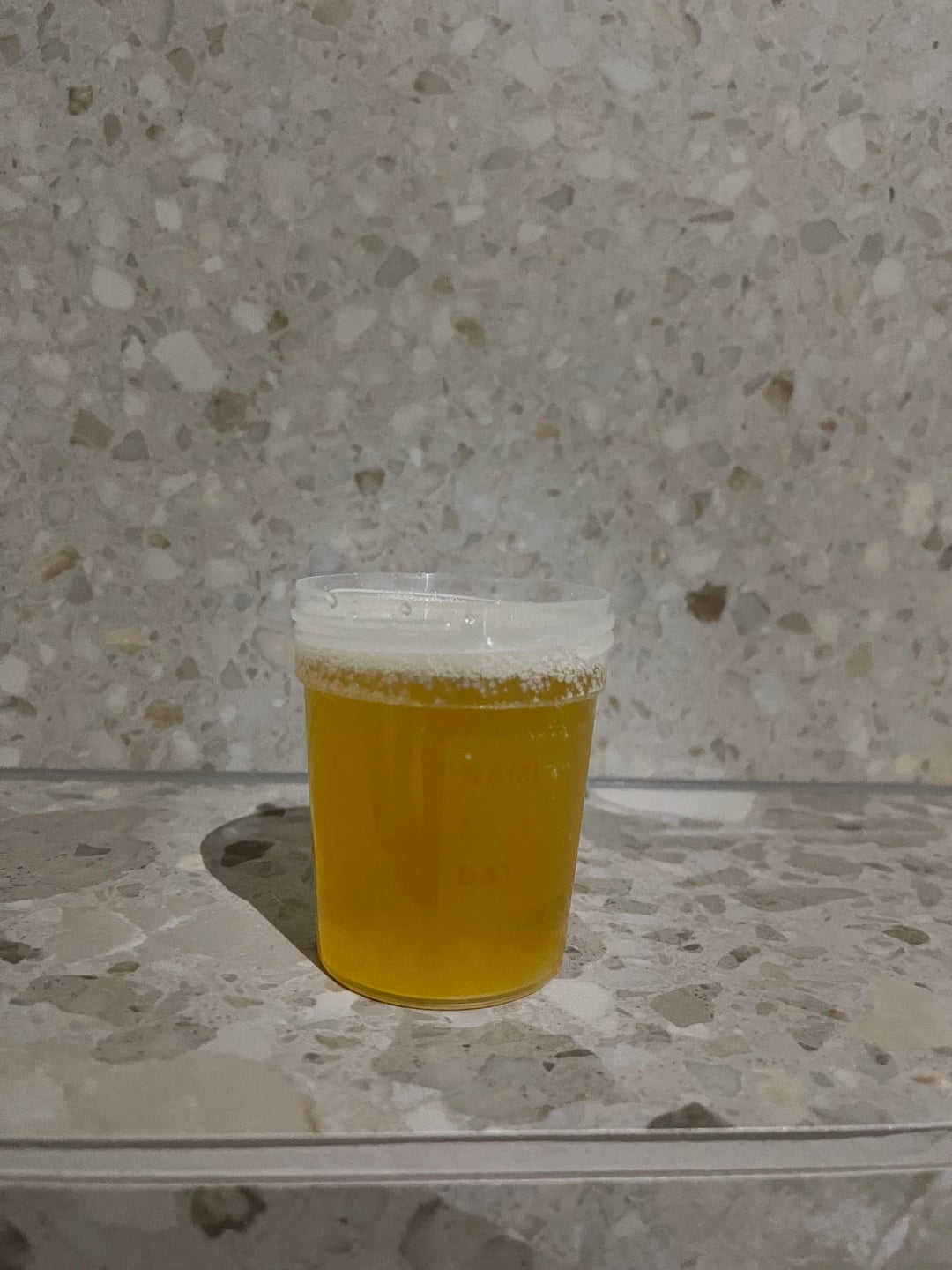
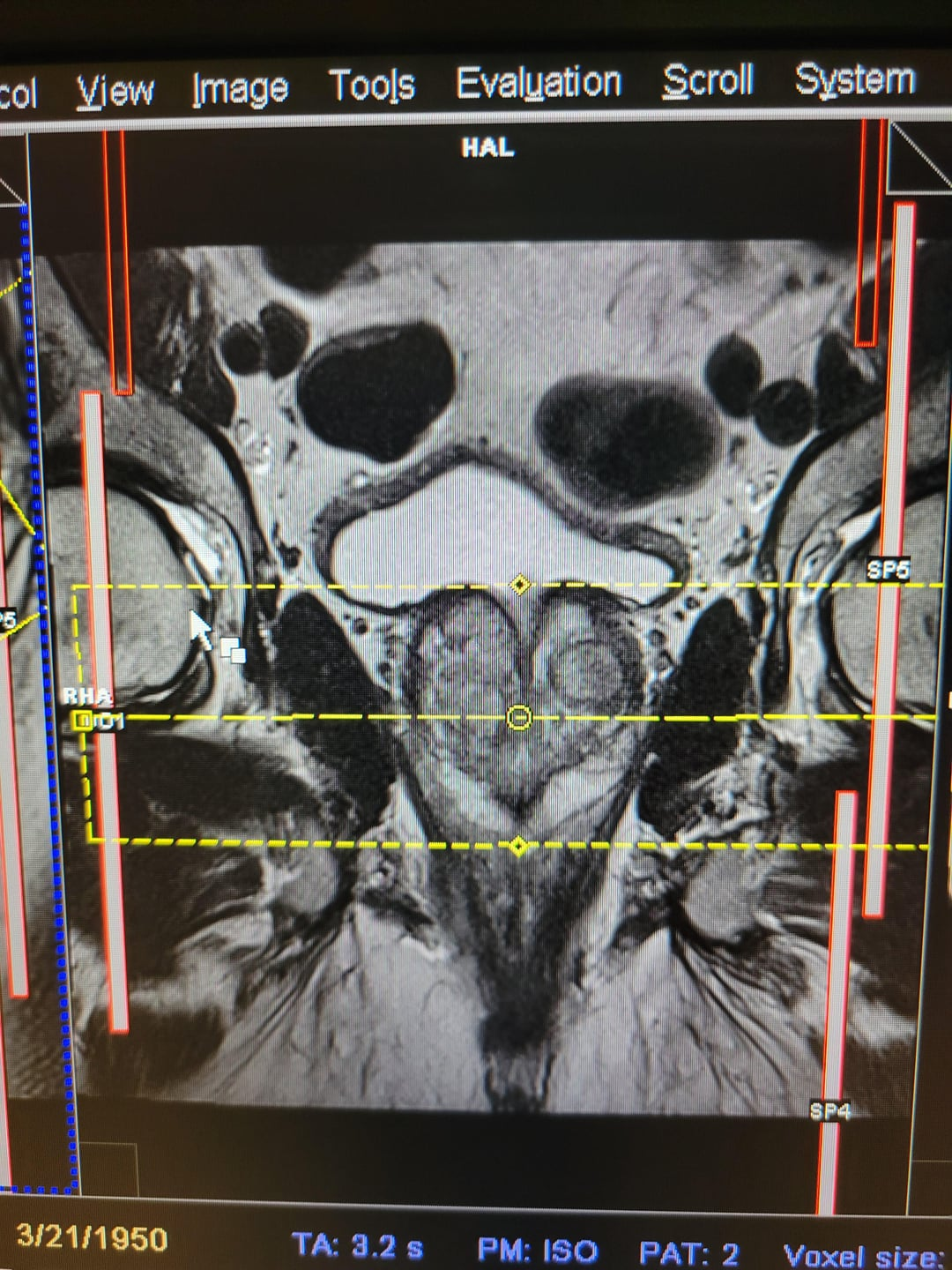
My husband started taking Flomax on March 8th, 2024. Took his 0.4mg tamsulosin every night before bed without fail. Quit caffeine. Quit beer. Started walking two miles a day. Cut sodium. Stopped drinking water after 6 PM like the urologist told him. He still got up five times a night. By August, the doctor doubled him to 0.8mg and added finasteride. Gary took both pills every night at 8 PM on the dot. Set the bottles next to the coffee maker where he'd see them every morning as a reminder that he'd already taken them the night before. He did everything the doctor told him to do. He still got up five times a night. In November, his urologist looked at the ultrasound and said, "Mr. Dunlap, your prostate is 74 grams. That's roughly the size of a plum. Normal is 20 to 25. The medications aren't shrinking it fast enough. We need to talk about surgery." Gary drove home and sat in the driveway for twenty minutes with the truck still running. That night he got up six times. I want to tell you what happened to my husband. Because I'm in the same Facebook groups you're in — "Prostate Support for Men Over 50," "BPH Wives," the men's health threads on Reddit — and every single week I see the same post I would have written eighteen months ago: "My husband's doctor put him on Flomax, does anything actually work?" It makes me physically ill. If your husband is over 50 and he's getting up two, three, four, five times a night — or you're the one lying awake counting his trips to the bathroom — please read this entire thing. I know it's long. I know you're scrolling. I know you have things to do. Fourteen months ago I would have given anything — everything — for someone to tell me what I'm about to tell you. Gary went in for a routine physical on February 14th, 2024. Valentine's Day. We joked about it in the car. "Happy Valentine's, here's some bloodwork." He felt fine. Better than fine. He'd just turned 58. He still hunted whitetail every November up at the cabin with his brother Ed. He still restored the '69 Camaro in the garage on Saturdays. He was the kind of man who carried fifty-pound bags of salt to the water softener without asking for help. He thought he was indestructible and honestly so did I. Two weeks later his doctor called with the labs. PSA of 4.8. Prostate volume estimated at 48 grams on the digital exam. "Gary, your prostate is enlarged. Significantly. This is called benign prostatic hyperplasia. It's pressing on your urethra and that's why you're getting up at night. I'm referring you to a urologist, and in the meantime I'm prescribing tamsulosin — brand name Flomax — 0.4 milligrams, one pill every night before bed." Gary hung up the phone and stared at the kitchen table. "How many times are you getting up?" I asked, even though I already knew. I'd been counting for months. "Three or four." It was five. I knew because I was the one lying next to him, awake every single time, listening to him shuffle down the hall and click the bathroom light on and stand there for four minutes waiting for a stream that came out in stops and starts, like a garden hose with a kink in it. He picked up the Flomax from the CVS on Route 30 that afternoon. Took the first pill at 8 PM with a glass of water. Set the orange bottle on the nightstand next to the alarm clock. For the first two weeks, it seemed like it might be working. He was getting up three times instead of five. I'd lie there counting — 11:40 PM. 2:15 AM. 4:30 AM. Three trips. I told myself that was progress. Then the dizziness started. He stood up from his recliner on a Saturday afternoon and grabbed the doorframe like the floor had tilted. I saw his knuckles go white. He played it off — "stood up too fast" — but I watched him stand up carefully every time after that, one hand on the arm of the chair, waiting for his head to catch up. Two weeks after that, he fell in the garage. He was working under the hood of the Camaro and stepped back from the engine bay and his legs went soft. Went down on one knee on the concrete, caught himself on the fender. I was in the kitchen and heard the wrench hit the floor and came running. He was already back on his feet by the time I got there. "I'm fine." The knee of his jeans was torn. There was a scrape on his palm. He wouldn't look at me. The urologist said dizziness was a "known side effect of alpha-blockers." Said it was "positional" and "manageable." Said to stand up slowly. Said to drink more water during the day, but not after 6 PM. Said the dizziness should improve after a few more weeks. It didn't improve. The nighttime trips went back up to four, then five. The urologist added finasteride — 5mg, a different pill, a different mechanism. "This one actually shrinks the prostate over time. Give it six months." Gary set the second bottle on the nightstand next to the first. Within three weeks of starting the finasteride, he stopped reaching for me at night. I don't mean the bathroom trips. I mean he stopped reaching for me. He rolled onto his side and faced the wall and said goodnight and that was it. For fourteen years of marriage, that man had never not reached for me. Even on his worst days. Even when he was exhausted. Even after a fight. I asked him once — very carefully, very gently, lying in the dark after trip number three — if something was wrong. He was quiet for a long time. "I don't know how to explain it. It's like somebody turned the pilot light off." I stared at the ceiling. I didn't cry. I wanted to. "The doctor said it might do that," he said. "He said it's temporary." It wasn't temporary. The urologist confirmed it at the follow-up. "Finasteride can reduce libido and cause erectile dysfunction in about 5 to 8 percent of patients. Most of the time it resolves when you stop the medication. But we don't want to stop the medication yet — your prostate hasn't responded enough. Give it three more months." So Gary gave it three more months. And I gave it three more months. Our bedroom was quiet for three more months. He stopped going hunting. That hit me harder than anything else. Harder than the bathroom trips. Harder than the bedroom going cold. Because Gary Dunlap had been going to that cabin with his brother Ed every November since they were teenagers. Thirty-one consecutive years. He'd sit in a deer stand from 4:30 AM to dark, and he'd come home with the truck smelling like pine needles and gun oil and he'd be grinning so hard his face would be sore. He told Ed he couldn't make it this year. He told me it was because of his knee. But I knew. He couldn't sit in a deer stand for ten hours when he had to urinate every ninety minutes. He stopped going to Ed's Sunday cookouts because he couldn't stand there with a beer — except he couldn't drink beer anymore — eating a hot dog — except he'd cut sodium — watching the game on the garage TV — except he'd be in the bathroom when the big plays happened. He stopped going to Dale's Thursday night poker game because the last time he went he had to get up from the table three times in two hours and Dale's wife made a joke about it and everybody laughed and Gary didn't go back. He lost his poker game. He lost his hunting trip. He lost his cookouts. He lost the Camaro because he couldn't stand on his feet in the garage for more than an hour without his legs going weak from the Flomax. He lost me. He lost us. Whatever we were in the dark, it was gone. He gained a nightstand covered in pill bottles and an alarm that woke him at 2 AM even on the nights his bladder didn't. The six-month follow-up came back on September 19th. PSA: 4.6. Barely moved. Prostate volume on the new ultrasound: 68 grams. It had grown. Not shrank. Grown. On the medication that was supposed to be shrinking it. I was the one who pulled up the patient portal. I read the numbers twice because I thought the system had loaded the old results. He'd been on both medications for six months and the prostate had gotten bigger. The urologist said, "Some men are resistant to finasteride at this dose. The prostate is continuing to grow because the underlying hormonal driver is still active. We're going to add dutasteride and monitor you. If the growth doesn't stop in the next six months, we need to start talking seriously about a TURP — transurethral resection of the prostate. It's a surgical procedure." Gary came home and sat at the kitchen table. Same table. Same chair. Same look on his face he'd had since February. "I'm taking both pills. I quit coffee. I quit beer. I stopped hunting. I can't — " He stopped. Looked at the ceiling. "The numbers won't budge." I told him to give it time. I told him the doctor said six more months. I told him to trust the process. He nodded. He kept taking the pills. He kept getting up five times a night. He kept falling asleep in his recliner before the eight o'clock news because he hadn't slept more than ninety consecutive minutes in seven months. On November 3rd, I found him in the bathroom at 3 AM. He was sitting on the edge of the bathtub with his head in his hands. He'd been trying to urinate for fifteen minutes. Nothing was coming out. His abdomen was distended — hard, swollen, hot to the touch. He was in so much pain he couldn't straighten up. "I can't go," he said. "Connie, I can't go." I drove him to the ER at 3:22 AM doing 60 in a 35. They catheterized him at 4:10 AM. Drained 900 milliliters of urine out of his bladder — almost a liter. The nurse told me a normal bladder holds 400 to 600. His had been stretched to nearly double. He lay there on the ER bed with a tube running out of him into a bag on the rail and he looked at the ceiling and didn't say a word. His hands were flat at his sides. The same hands that rebuilt a '69 Camaro engine from a pile of parts. The ER doctor — a woman, young, maybe 35 — read his chart and said what the urologist had been circling around for months: "Mr. Dunlap, you're in acute urinary retention. Your prostate has grown to 74 grams despite being on dual medical therapy for eight months. The medications aren't controlling the growth. We're admitting you overnight to manage the catheter and I'm consulting urology for a surgical evaluation." "But I've been doing everything," Gary said. She looked at him. "I know, Mr. Dunlap. I'm sorry." He spent three days in the hospital. I sat in the chair next to his bed and watched the catheter bag fill up with dark amber urine that should have been coming out on its own but couldn't because his prostate — swollen to three times its normal size by a hormone nobody had stopped — was crushing his urethra shut. The urologist came by on day two and talked about the TURP. Talked about the risks. Talked about retrograde ejaculation — "that means semen goes into the bladder instead of out; it's not harmful but it's permanent." Talked about incontinence risk. Talked about the recovery time. Talked about doing it within six weeks before the retention happened again. He talked about it like he was reading a menu. Gary stared at the wall. They sent him home on day three with the catheter still in. He had to wear it for ten days. A tube running from inside his body to a bag strapped to his calf, hidden under his jeans. He couldn't lift anything over ten pounds. He couldn't drive. He couldn't work on the Camaro. He couldn't do anything except sit in his recliner and wait. I emptied the bag for him every four hours. I cleaned the insertion site with saline and gauze pads every morning and every night. I watched this man — this man who used to haul a 200-pound buck out of the woods on a sled by himself — hand me a bag of his own urine because he couldn't bend down far enough to detach it. He wouldn't look at me when I did it. On day six, he said: "Connie, I don't feel like myself anymore." I went into the bathroom and turned on the faucet and cried for eleven minutes. I know because I watched the clock on my phone. After they removed the catheter, the urologist scheduled the TURP for January 9th. Six weeks away. Gary was put back on all three medications and told to "manage" until then. I couldn't sit still. I couldn't watch him sit in that recliner one more night with three pill bottles on his nightstand and a surgery date on the kitchen calendar. I couldn't do it. So I started researching. Not because I wanted to. Because I had to. Because if there was something — anything — that could have changed this, and nobody told us, I couldn't live with that. I read for three weeks. Urology journals. PubMed studies. German research papers I had to run through Google Translate. And one thing kept coming up, over and over, that no doctor had ever explained to us: Everyone watches one number. The PSA. The doctor watches it. You watch it. The entire treatment protocol is built around managing it. Shrink the prostate far enough, the number drops, they call it controlled. But the PSA was never the thing that was growing his prostate. Your body makes a hormone called testosterone. That's the one everyone knows. What most people don't know is that your body has an enzyme called 5-alpha reductase that converts testosterone into something far more powerful — a hormone called DHT. Dihydrotestosterone. DHT is what built your husband's jaw, his shoulders, his voice, his drive, when he was fifteen years old. It's the builder. But after 40, the builder doesn't stop. It keeps building. Except now it's building in the wrong places. It locks onto the receptor sites in the prostate and tells the cells to multiply. Grow. Swell. The prostate inflates like a fist slowly closing around a garden hose. That's your husband's urethra being crushed. That's the five trips a night. That's the weak stream. That's the standing in front of the toilet at 3 AM waiting for something to happen. Same hormone hits the hair follicles. Shrinks them. Chokes the blood supply. That's why his part is wider than it was five years ago. That's why the shower drain catches more hair than it used to. Not aging. Not genetics. Not bad luck. DHT. One hormone. One enzyme. One mechanism. And here's what made me sit up straight in my chair at 1 AM with the laptop open: The pills Gary had been taking for eight months — the finasteride, the dutasteride — were designed to partially block that enzyme. Partially. They slow it down. They don't stop it. The DHT keeps being produced, just at a lower rate. And while it's being partially slowed, the drugs come with a price — they interfere with every other testosterone pathway in the body. The libido. The energy. The drive. The muscle. The clarity. Gary's pilot light didn't go out because he was getting older. It went out because the medication that was supposed to help his prostate was suppressing every hormonal signal his body needed to function as a man. And it was doing it while only partially slowing the one hormone — DHT — that was actually causing the problem. It was like fighting a house fire with a garden hose that also flooded the basement. Read that again. His prostate wasn't growing because of his PSA. His prostate was growing because of DHT — the converted testosterone that the medications could only slow, not stop. And while the drugs slowed the DHT a little, they destroyed everything else. The bedroom. The energy. The strength. The hunting trips. The man. And then I read the part that broke me. There is a compound — found in nature, studied in Germany and Austria for decades — that blocks the 5-alpha reductase enzyme at the root. Not partially. Fully. Stops the conversion of testosterone into DHT at the source. Without touching the testosterone itself. Without touching the libido. Without touching the energy. Without touching the man. It's called beta-sitosterol. It's a plant sterol — a fat-soluble compound found in the highest concentration in one place on earth: the seed oil of the Styrian pumpkin. Not the regular pumpkin you carve at Halloween. A specific heirloom variety grown in the Styrian region of southern Austria, where the farmers have been pressing the seeds for oil by hand for over 300 years. Beta-sitosterol binds to the 5-alpha reductase enzyme and shuts it down. No DHT gets made. No DHT reaches the prostate. No prostate growth. No swelling. No crushed urethra. No five trips a night. And here's the second piece — the one that completed the picture: Once the DHT is blocked at the source, you need something to clear the DHT that's already bound to the prostate receptors. Already docked. Already telling those cells to keep growing. That's saw palmetto. It binds to the same receptor sites DHT uses on the prostate and displaces it. Kicks it off. Prevents it from reattaching. Two compounds. One blocks production. One clears what's already there. Beta-sitosterol from cold-pressed pumpkin seed oil. Saw palmetto extract. Together, they do what finasteride and dutasteride and tamsulosin were trying to do — without flooding the basement. I read it three times. I sat at the kitchen table with the laptop open at 2 AM and read it three times. So I went to CVS the next day. I stood in the supplement aisle for thirty-five minutes. Saw palmetto capsules. Prostate support blends. Pumpkin seed oil softgels. "Men's health" formulas with twelve ingredients at fairy-dust doses. A $14.99 bottle of generic pumpkin seed oil on the bottom shelf. A $22.99 bottle of saw palmetto with a picture of a palm tree on the label. I bought the pumpkin seed oil first. Took it for two weeks. Nothing. Zero change. Gary was still up five times. I bought the saw palmetto. Added it to his morning routine. Nothing. Four weeks. No change. I started Googling and found a paper out of the University of Graz in Austria — the agricultural university in Styria where they've been studying pumpkin seed oil since the 1960s. Then a study from the European Journal of Lipid Science and Technology on what happens to beta-sitosterol during processing. What I found made me throw both bottles in the trash. The pumpkin seed oil in those bottles isn't the pumpkin seed oil the research is on. The supplements on the CVS shelf — the ones in the pale yellow softgels — are made from roasted pumpkin seeds. Roasted. As in heated to 350, 400 degrees to make the oil easier to extract and the flavor nuttier for cooking. Every study I read said the same thing: heat destroys beta-sitosterol. The compound that does the actual work — the one that blocks the 5-alpha reductase enzyme — breaks down at high temperatures. By the time that pale yellow oil is pressed out of roasted seeds and pumped into a softgel, the beta-sitosterol is mostly gone. You're swallowing dead oil. A pale yellow capsule full of nothing. The oil the Austrian research is actually on — the one with twenty to thirty times the beta-sitosterol content — is cold-pressed. Virgin. Never heated. Pressed from raw seeds at low temperature, the way the Styrian farmers have been doing it for three centuries. The oil comes out deep red — not pale yellow. That deep red color is the beta-sitosterol. That's how you know it's alive. Pale yellow = roasted = dead. Deep red = cold-pressed = active. I'd been giving my husband dead oil for six weeks and wondering why nothing changed. I was furious. I'm still furious. The cheap saw palmetto was the same story. Standardized to 45% fatty acids — the industry minimum. Extracted with hexane solvents. Barely enough active compound to matter. I went through every product on that shelf. Not one of them used cold-pressed virgin pumpkin seed oil. Not one of them had the deep red color. Not one of them combined the oil with a saw palmetto extract concentrated enough to actually clear the receptors. Every single one was commodity ingredients in a bottle with a nice label. About a week later I was scrolling a Facebook group for wives of men with BPH — "Prostate Support Partners," full of women exactly like me. "Just got the diagnosis." "Flomax isn't working." "Has anyone's husband avoided the surgery?" "He's up every hour and I can't remember the last time I slept through the night either." A woman posted something that stopped me cold. She said her husband had been on Flomax and finasteride for three years. Up four times a night. Urologist pushing for TURP. He was 62. She found a cold-pressed pumpkin seed oil formula — not the roasted stuff, not the pale yellow capsules — combined with a concentrated saw palmetto at clinical dose. 3,000 milligrams per serving. Deep red softgels, the kind that stain your fingers if you break one open. She gave it to him alongside his existing medications. First two weeks, nothing dramatic. Week three, he went from five trips to three. Week six, he was down to one. One trip a night. At the eight-week follow-up, his prostate volume had dropped from 72 grams to 51. His urologist postponed the surgery. Then cancelled it. His PSA at the twelve-week mark: 2.1. Down from 5.3. He told his wife the pilot light came back on in week four. I read that post eight times. I messaged the woman. She sent me the name. That's when I found Everly. It was the only formula I could find that hit everything the research pointed to. Cold-pressed virgin pumpkin seed oil — the real oil, from Styrian pumpkin seeds, never heated, the deep red kind with the beta-sitosterol intact at twenty to thirty times what's in the pale yellow capsules on the CVS shelf. Combined with concentrated saw palmetto extract — not the 45% commodity stuff, the clinical-grade extraction — to clear the DHT already bound to the prostate receptors. 3,000 milligrams per serving. Two softgels in the morning with a glass of water. Deep red, not pale yellow. Made in an FDA-registered facility. Independent lab tested. 30-day money-back guarantee — if you don't see a difference, you get every penny back, no questions asked. I almost didn't order it. After CVS. After the pale yellow capsules. After the catheter. After watching my husband hand me a bag of his own urine because he couldn't reach it. But I had a husband with a surgery date six weeks away. I had a brother-in-law in Phoenix who'd just been put on Flomax at 56. I had myself — 55, waking up twice a night, hair thinner than it was two years ago, blaming it on menopause. I ordered three pouches. Gary started on December 1st. Two Everly softgels every morning with his coffee. He kept taking the Flomax — I wasn't going to pull him off anything without the doctor knowing. Week one: nothing I could see. He was still up four or five times. I kept counting. Week two: He mentioned one morning that the stream felt "different." Stronger. Less of the stop-and-start. I didn't say anything. I didn't want to jinx it. Week three: I woke up at 4:30 AM and realized I hadn't heard him get up. Not once since midnight. I lay there in the dark and listened to him breathe — a sound I hadn't heard for eight straight months — and I cried so quietly the pillow was wet before I stopped. He got up once that night. Once. Down from five. Week four: He was in the garage on a Saturday. I heard the wrench. I heard the radio. I heard him in there for three and a half hours without coming inside. He hadn't spent more than an hour in the garage in six months. I brought him a glass of water and he was standing over the Camaro's engine bay, hands black with grease, grinning. He said: "I feel like myself." I had to turn around and go back inside because I couldn't let him see my face. Week six: He called his brother Ed. Told him to save him a spot at the cabin next November. Ed said, "I thought you couldn't sit in a stand that long anymore." Gary said, "I think maybe I can." Week eight: Follow-up with the urologist. New ultrasound. Prostate volume: 48 grams. Down from 74. In eight weeks. The urologist pulled up the old imaging and the new imaging side by side on the screen and looked at them for a long time. "What changed?" Gary told him. The urologist didn't say anything for about ten seconds. Then he said: "I'm postponing the TURP. Let's retest in twelve weeks. Keep doing whatever you're doing." PSA at the twelve-week mark: 2.3. Down from 4.8. Nighttime trips: one. Sometimes zero. Gary told me three weeks ago that he woke up at 5:45 AM — his alarm — and realized he hadn't been up once. Not once. Eight hours of sleep for the first time in over a year. He looked at me and said: "Connie, I forgot what this felt like." The surgery was officially cancelled on March 14th. The pilot light came back on in week five. I'll leave it at that. His brother Ed. Same build, same stubborn Dunlap jaw. Turned 56 in January. Started getting up three times a night last fall. His doctor wrote him a script for Flomax. Ed called Gary and said, "Is this what you were on?" Gary said, "Don't fill it. I'm sending you something." He sent him a pouch of Everly with a note that said: "Take two every morning. If you don't take them I'm telling Mom." Ed took them. He kept eating the same food. Kept drinking his two beers on Saturday. Didn't change a thing except the two softgels every morning. He texted Gary six weeks later: "Down to once a night. Also — is it supposed to make your hair thicker? Because Amy keeps saying my hair looks different." My neighbor Tom. 63, retired electrician. I heard him telling his wife over the fence that his doctor wanted to put him on finasteride and he was scared of the side effects. I walked over with a pouch and told him what happened to Gary. He started the next morning. Four weeks later his wife Linda told me he's sleeping through the night for the first time in three years and the thin spot at the crown of his head is filling in. My own mother, 77. She started taking it for the bladder issues she'd been complaining about for years — getting up four times a night, the urgency, the accidents she wouldn't talk about. Three weeks in, she called me crying. "Connie, I slept until 5 AM. I can't remember the last time." I told my sister in Cincinnati. I told the women in my Bible study. I told Gary's poker group when he started going again. I told everyone I could think of. I'm not a doctor. I'm not a scientist. I'm not selling anything and I don't get a penny from any of this. I'm a 55-year-old woman sitting at my kitchen table at 1 in the morning because my brother-in-law Ed just texted me that his buddy Frank — 59, just diagnosed with BPH, urologist pushing Flomax — asked Ed what he's been taking. And Ed sent him the link. And Frank's wife called me tonight to ask if it's real. It's real. Here's what I know because I lived it: The Flomax relaxed the muscle around the prostate. It did nothing about the hormone that was making the prostate grow. And it gave him dizziness so bad he fell in his own garage. The finasteride partially slowed the enzyme. It didn't stop it. The prostate kept growing. And the drug shut down every other testosterone pathway in his body — the bedroom, the energy, the drive, the man I married. Cheap pumpkin seed oil from the supplement aisle is roasted, heat-processed, and the compound that does the actual work — beta-sitosterol — is mostly destroyed before the bottle is sealed. That's why the softgels are pale yellow. That's why they don't work. Cheap saw palmetto is extracted with solvents and standardized to the bare minimum. Not enough active compound to clear the DHT that's already docked on the prostate. Gary gave up his hunting trips. His poker nights. His cookouts. His Saturday mornings under the hood. His bedroom. His dignity. Eight months of pills with side effects that took more than they gave. A catheter bag strapped to his calf. A surgery date on the calendar. Nobody told us what was actually growing his prostate. Nobody told us the medications were only managing a symptom while the root cause kept building. Nobody told us there was a version of pumpkin seed oil that actually worked — and that everything else on the shelf was dead before it was bottled. I wish someone had told us before February 14th, 2024. Before the Flomax. Before the finasteride. Before the catheter. Before the surgery date. Before the night I found him sitting on the edge of the bathtub at 3 AM with his head in his hands saying "Connie, I can't go." I can't go back. Those eight months are gone. The hunting trip is gone. The hours in the garage are gone. The nights are gone. But you can still go forward. Your husband can. Your brother can. Your dad can. Here's where I got it. Not the symptom. The root cause. That's the line that finally made it click for me. I want you to go order a pouch. Not for me. For whoever lies awake counting the trips. https://try.shopeverly.shop/esl Gary told me last week: "You can't un-swell a prostate with a pill that's just opening the door wider. You have to stop what's making it swell." You can stop what's making it swell. — Connie Dunlap, age 55 Youngstown, OH P.S. The two bottles of Flomax and finasteride are still on his nightstand. He hasn't taken either one since March. The urologist knows. The urologist said, "Your numbers are better off the medications than they were on them. I'm not arguing with results." Gary takes two Everly softgels every morning with his coffee. That's it. That's all of it. A pouch of Everly costs less than the copay on a single month of finasteride — and it doesn't come with a list of side effects that reads like a horror movie. Please. Don't let him end up in that ER at 3 AM. Don't let them put a catheter in the man you love. https://try.shopeverly.shop/esl P.P.S. I don't work for Everly. I don't get a penny from this. I'm writing this at 1:14 AM because Gary is asleep — actually asleep, not getting-up-in-forty-minutes asleep — and Ed's buddy Frank's wife just asked me if this is real. It's real. His urologist has the imaging to prove it. Share this with any man you love who's over 50 and getting up at night. Even once. Even if his doctor says it's "normal for his age." It's not normal. It's DHT. And there's a version of pumpkin seed oil that actually stops it — if you know which one to get. P.P.P.S. If your husband is already on Flomax or finasteride and his numbers look "managed," please don't close this page. Gary's prostate was 74 grams on three medications. Managed doesn't mean fixed. Managed means the door is being held open while the fist keeps closing. The Everly works on the fist. It works alongside the medications. It works after the medications. Ed's wife told me the first thing she noticed was that Ed stopped getting up at 2 AM — and he'd only been on Flomax for four months. You haven't missed the window. The window opens the day you start. P.P.P.P.S. If you're reading this and thinking "he'd never take it" — I want you to hear me. I didn't argue with Gary. I put two softgels next to his coffee mug and said "take these." He didn't believe a word of it on day one. He believed it six weeks later when the urologist showed him the imaging. You don't have to win the argument before you ask him to start. You just have to get the pouch in the house. P.P.P.P.P.S. One last thing, because I know what it is to be afraid to hope again. There's a 30-day money-back guarantee. If he doesn't notice a difference — fewer trips, stronger stream, better sleep, more energy — you send it back and they refund every penny. No questions, no fight, no fine print. One month. One pouch. You can know in one month whether this is real for him the way it was real for Gary. That's all I'm asking. One month. Don't let another month go by without it being in the house. https://try.shopeverly.shop/esl P.P.P.P.P.P.S. One more thing. Look at the softgels when they arrive. If they're pale yellow, it's the wrong oil. Everly's softgels are deep red — that's the cold-pressed virgin oil with the beta-sitosterol still alive. Every Everly pouch has that deep red color because they never heat the oil. If you've been buying the pale yellow kind off Amazon or at CVS, now you know why it didn't work. The color tells you everything. https://try.shopeverly.shop/esl
🎃 Natural Support for Your Daily Routine
“I’ve been feeling stronger and more balanced since taking Everly Pumpkin Seed Oil. My bladder feels so much calmer, I’m sleeping through the night again, and my hair feels thicker than it has in years. I love how natural it feels — just pure support for my body.”
LEARN MORELike this ad? Make it yours.
Crush rebuilds this exact creative around your product — your brand, your colors, your offer — in about a minute.