
Inactive· since Jun 19, 2026
- 8
- days it ran
- 1
- relaunches
Ad copy
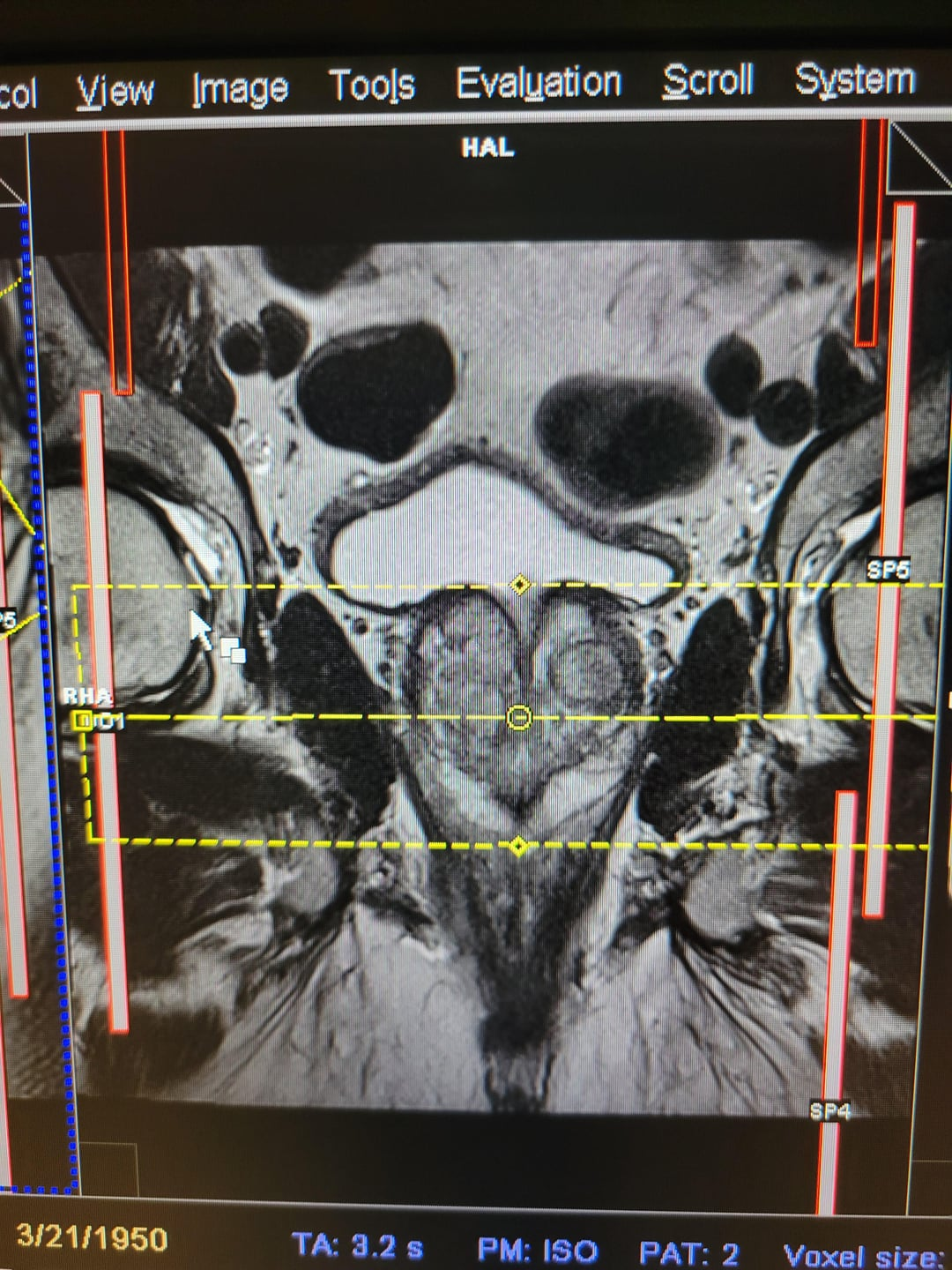
If your prostate has you up every 90 minutes at night — and your doctor's answer is "just drink less water before bed" or a prescription that kills your drive... I'm about to tell you exactly what's happening inside your body and why everything you've tried keeps failing. For THREE YEARS my dad was getting up four, five, sometimes six times a night. And by the end of those three years his kidneys were showing the damage. He was 58 when the nighttime bathroom trips started. Once a night at first. His doctor called it normal aging. Within the first year it was three times a night. Every night. Setting an invisible alarm at 11:30, 1:45, and 4:00 AM whether he wanted to or not. He hadn't slept more than two consecutive hours in eleven months. By year two he was getting up every 90 minutes. His wife — my mom — had moved to the guest bedroom because she couldn't take the mattress shifting and the bathroom light five times a night. They'd been married 34 years. Never slept apart. Now they were in separate rooms because his body was waking them both up all night long. By year three his doctor ordered a kidney panel. GFR at 64. Should be above 90. Creatinine elevated. Protein showing in his urine — the foam he'd been seeing in the toilet for eighteen months that his previous doctor told him was "just how some men's urine hits the water." He noticed his face was puffy in the mornings. His ankles were swollen by 3 PM. His joints ached in ways they hadn't two years earlier. He blamed it on getting older. His doctor looked at the full picture — the nighttime frequency, the declining kidney markers, the facial puffiness, the joint inflammation — and reached for the pad. "I'd like to start you on tamsulosin for the prostate. And we need to talk about your kidneys." My dad called me that night. "I'm 61," he said. "I haven't slept a full night in three years. My kidneys are declining. My face looks like I got stung by bees every morning. My joints are getting worse. And his answer is a pill that might make me dizzy and kill what's left of my drive — and it doesn't even fix anything. It just relaxes the muscle so I pee easier. The prostate is still swelling." I told him: give me two weeks. --- And every doctor he'd seen said the same things. "Prostate growth is normal after 50. That's just BPH." "The nighttime urination is related to the prostate. The tamsulosin will help with the flow." "The kidney numbers are slightly concerning. We'll monitor them." "The puffiness and swelling — could be diet, could be age, could be sodium." One urologist — and this is the part that makes me lose it — looked at his prostate, looked at his kidney numbers, looked at his joint complaints, and treated them as three completely separate problems. A prostate medication for the BPH. A "watch and wait" for the kidneys. An anti-inflammatory for the joints. Three symptoms. Three separate evaluations. Three different waiting rooms. Nobody connecting them to each other. Nobody asking why a man's prostate was swelling, his kidneys were declining, his joints were inflaming, and his face was puffing up — all at the same time. All accelerating in parallel. All in the same three-year window. --- So here's what he tried before I got involved. Every single thing. Pay attention because you've probably done most of this too. Saw palmetto — the one every men's health article recommends — eight months. Nothing changed. Still up every 90 minutes. Kidney markers unchanged. Face still puffy every morning. Cutting fluids after 6 PM — three months of going to bed thirsty — he went from five bathroom trips to four. Four. That was the improvement from dehydrating himself every night. The $85-a-month prostate support formula — beta-sitosterol, zinc, pygeum, lycopene, the full stack — six months. Marginal improvement in flow. Still getting up four times a night. Kidneys still trending down. Cranberry supplements for the kidneys. Eight weeks. The foam in his urine didn't change. His GFR didn't move. A urologist who suggested "behavioral retraining" — basically trying to hold it longer at night through willpower. He lasted two weeks of lying in bed in discomfort at 2 AM before he gave up. Between the saw palmetto, the prostate formulas, the specialist copays, the cranberry supplements, the urologist — he'd spent over $3,800 in three years. Still getting up every 90 minutes. Kidneys still declining. Face still puffy. Joints still aching. Doctor still writing prescriptions that managed symptoms while the prostate kept growing underneath. --- At this point I'm not frustrated anymore. I'm watching my father age ten years in three. Because sleep deprivation doesn't just make you tired. When you haven't had a full sleep cycle in three years — when your body gets jolted awake every 90 minutes by the same urinary signal — everything falls apart. Your cortisol stays permanently elevated because deep sleep is when your body clears it. Without deep sleep the cortisol accumulates night after night after night. That elevated cortisol triggers systemic inflammation — which is why his joints were aching worse each year. Not because of "aging." Because his body hadn't completed a full inflammatory repair cycle in over a thousand nights. That cortisol instructs the kidneys to retain fluid — which is why his face was puffy every morning and his ankles swelled by afternoon. Not sodium. Cortisol-driven fluid retention from chronic sleep destruction. And the declining kidney markers? A prostate pressing on the urinary tract year after year creates back-pressure. Urine that can't empty fully sits in the bladder and backs pressure toward the kidneys. Three years of incomplete emptying. Three years of silent pressure. GFR dropping year by year while the doctors "monitored" it. The prostate swelling was running everything. The sleep destruction. The cortisol elevation. The kidney pressure. The inflammation. The fluid retention. The face puffiness. One organ. Five cascading failures. And every doctor was treating each failure separately while the prostate kept growing underneath all of them. --- So I started asking the question nobody was asking. Why was his prostate growing? Not "what do we do about it." WHY was it happening — and what single mechanism was driving the growth that was destroying everything downstream? And I found the answer in the urology and endocrinology research. Not a wellness blog. Not a TikTok video. Peer-reviewed published research. DHT. Dihydrotestosterone. Here's what's actually happening. Your body has an enzyme called 5-alpha reductase. Its job is to convert regular testosterone into DHT — a more potent form. In your 20s and 30s this is balanced. After 40, the enzyme activity increases. More and more of your testosterone gets converted to DHT. DHT binds to androgen receptors in the prostate tissue and sends one instruction: GROW. Grow more cells. Thicken the tissue. Expand. The prostate wraps around the urethra like a fist around a garden hose. As DHT keeps telling it to grow, the fist tightens. The urethra narrows. Urine can't flow freely. The bladder can't empty completely. That incomplete emptying means the bladder fills up faster because it never fully drained. That's the signal that wakes you up at 1:30 AM. And 3:00 AM. And 4:45 AM. Not because you drank too much water. Because your bladder still had two ounces in it when you went to sleep and it only took 90 minutes to fill the remaining capacity. The residual urine creates back-pressure toward the kidneys. The kidneys work harder to filter against pressure they shouldn't be facing. GFR drops. Creatinine rises. Protein starts leaking into the urine — the foam you've been seeing. Meanwhile the sleep destruction from getting up every 90 minutes elevates cortisol. The cortisol inflames your joints. Retains fluid in your face and ankles. Suppresses your immune function. Ages your cardiovascular system. One enzyme. One hormone. One growing prostate. Five systems failing simultaneously. And the tamsulosin? The most commonly prescribed prostate medication? It relaxes the smooth muscle around the prostate so urine flows easier. It does NOTHING to stop the DHT. Nothing to stop the growth. Nothing to shrink the prostate. The fist stays the same size — it just loosens its grip slightly. And the side effects — dizziness, fatigue, retrograde ejaculation — are the price you pay for symptom management while the prostate keeps growing underneath. Nobody was stopping the DHT. --- So I kept digging. What actually inhibits 5-alpha reductase at the source — not manages the downstream symptoms — actually blocks the enzyme converting testosterone to DHT so the prostate stops receiving the growth signal? There's a pharmaceutical answer. Finasteride. It blocks 5-alpha reductase. But the side effects read like a horror list — depression, sexual dysfunction, brain fog, some of them permanent even after stopping the drug. My dad wasn't touching it. And then I found something in the phytochemistry research that stopped me cold. Pumpkin seed oil. Specifically cold-pressed pumpkin seed oil. Not marketed as a prostate drug. Not marketed as a kidney supplement. Researched specifically for what its active compounds — the phytosterols, particularly beta-sitosterol and delta-7-sterol — do to 5-alpha reductase activity and DHT production in prostate tissue. The beta-sitosterol in cold-pressed pumpkin seed oil competitively binds to 5-alpha reductase. It occupies the enzyme so testosterone can't be converted to DHT. Not by suppressing testosterone — your testosterone stays intact — but by blocking the conversion pathway that produces the DHT driving the growth. Less DHT reaching the prostate means the growth signal weakens. The prostate tissue stops expanding. In published studies the International Prostate Symptom Score dropped significantly. Nighttime urination frequency decreased. Urinary flow rate improved. Residual volume after urination decreased — meaning the bladder was actually emptying. And because the bladder was emptying — the back-pressure on the kidneys released. Because the nighttime trips decreased — sleep cycles completed. Because sleep cycles completed — cortisol normalized. Because cortisol normalized — the inflammation dropped, the fluid retention cleared, the puffiness resolved. One compound blocking one enzyme. Everything downstream resolving because the upstream cause was removed. --- My dad tried to find pumpkin seed oil supplements that matched what the studies described. First — the top-selling one on Amazon. $14 for 120 capsules. Six weeks. Nothing changed. Still up five times a night. Kidneys unchanged. Joints unchanged. Second — a "prostate support" blend with pumpkin seed oil listed fifth on the ingredient label behind zinc, saw palmetto, and filler. Eight weeks. Marginal. Maybe one less bathroom trip some nights. He went back to the research. Read the methodology sections. The studies showing prostate symptom improvement used cold-pressed pumpkin seed oil at specific therapeutic doses — typically 500mg of actual pumpkin seed oil per serving, cold-pressed to preserve the heat-sensitive beta-sitosterol and delta-7-sterol that are the active compounds. He flipped over both bottles. The first one: "Pumpkin seed powder." Not oil. Powder. The phytosterols are in the oil fraction. The powder is mostly fiber and protein. The active compounds that block 5-alpha reductase — barely present. The second: pumpkin seed oil listed at 100mg per capsule buried in a proprietary blend. The studies used 500mg. He was getting one-fifth of the researched dose diluted into a formula designed to put fifteen ingredients on a label rather than deliver one at the level that actually works. Fourteen weeks of products that couldn't reach the mechanism at any dose. --- I'm scrolling through a men's health group on Reddit one night — because my dad's doctor had just told him the kidney conversation was getting serious — and I see a thread about prostate supplements that actually changed someone's numbers. Different guy. Different city. Same story. BPH. Up five times a night. Declining kidney function. Tried saw palmetto. Tried the Amazon pumpkin seed capsules. Nothing worked. He'd found the DHT connection. Found Everly Pumpkin Seed Oil softgels. Posted his three-month results. Nighttime bathroom trips — down from five to one. One. He was sleeping six consecutive hours for the first time in four years. Someone in the thread asked what was different about these softgels. "Cold-pressed oil. Actual therapeutic dose. Not powder. Not a proprietary blend with twelve other things diluting it. Just the oil at the dose the research uses. The cheap ones are pumpkin seed powder or underdosed oil — the beta-sitosterol never reaches the level that actually blocks the enzyme." I went to their site. Ready to be let down again. Everly Pumpkin Seed Oil Softgels. Cold-pressed. Full-dose oil — not powder, not extract, not diluted into a proprietary blend. The phytosterols preserved through cold-pressing. The beta-sitosterol and delta-7-sterol intact at the concentrations that competitively inhibit 5-alpha reductase in the published research. Not a prostate drug. Not a kidney supplement. A DHT-blocking oil that removes the growth signal driving the prostate expansion that's destroying your sleep, pressuring your kidneys, inflaming your joints, and puffing up your face — all from one swelling organ that nobody is actually shrinking. --- My dad started taking Everly. After ten days? He counted his nighttime bathroom trips. Three. Down from five. He wasn't sure it wasn't a coincidence so he didn't tell anyone. But he counted the next night too. Three again. And the next. Two. After three weeks? He woke up and looked at his phone. 5:47 AM. He'd gotten up once. At 2:30. One time. He lay in bed and tried to remember the last time he'd slept for three consecutive hours before that. He couldn't. That same week my mom moved back into their bedroom. After six weeks? The puffiness in his face was gone. Not reduced — gone. He looked in the mirror and saw his actual jawline for the first time in two years. The fluid that cortisol had been holding because his sleep had been destroyed for three years was finally clearing — because he was actually sleeping. His ankles were normal at 5 PM. He noticed it putting on his shoes. His joints. The aching in his knees and shoulders that had gotten progressively worse for three years — noticeably better. Not from an anti-inflammatory. From completing full sleep cycles where the body actually repairs inflammatory damage. After ten weeks? Down to one bathroom trip per night. Consistently. Some nights — zero. He slept straight through. Seven hours. A man who hadn't had more than 90 consecutive minutes of sleep in three years slept seven hours without waking. After twelve weeks? He went back for his kidney panel. GFR — up from 64 to 78. Moving in the right direction for the first time in three years. The back-pressure from incomplete bladder emptying was releasing as the prostate pressure eased. Creatinine — normalizing. The foam in his urine — significantly reduced. The protein leakage that the residual urinary pressure had been forcing through his kidney filters was decreasing as the bladder was actually emptying. His doctor pulled up the previous panel. Looked at the current one. Looked at him. "Your kidney numbers have improved meaningfully. Your symptom score has dropped. What changed?" My dad explained it. The DHT driving the prostate growth. The 5-alpha reductase converting his testosterone to a hormone that was telling his prostate to choke his urethra. The cold-pressed pumpkin seed oil blocking the enzyme at the source so the prostate stops receiving the growth instruction. The downstream resolution — the bladder emptying, the kidney pressure releasing, the sleep returning, the cortisol dropping, the inflammation clearing, the fluid draining. His doctor listened. "The 5-alpha reductase inhibition from phytosterols is documented," he said. "Beta-sitosterol competitive binding is in the literature. These kidney numbers moving in this direction in twelve weeks — with the symptom score improvement — that's consistent with reduced prostatic obstruction." Pause. "I'm not writing the tamsulosin prescription today. I want you back in three months. Whatever you're doing — continue." Not writing the prescription. After three years of being told it was coming. --- Total improvement at five months: nighttime trips down from five to zero-or-one. GFR climbing back toward normal range. Kidney markers improving. Face puffiness gone. Joint aching resolved. Sleeping seven to eight hours consistently. Mom back in the bedroom. Doctor monitoring without prescribing. Not from tamsulosin relaxing the muscle while the prostate kept growing underneath. Not from saw palmetto that never reached the mechanism. Not from cutting fluids and lying in bed thirsty. From blocking the DHT signal that was growing his prostate, which was choking his urethra, which was destroying his sleep, which was elevating his cortisol, which was inflaming his joints and retaining his fluid and pressuring his kidneys. One oil. One enzyme blocked. Everything downstream resolving. --- This is what they're not telling you. Because the second you block the DHT at the enzyme level and the prostate stops growing — you don't need their tamsulosin managing the symptom while the organ keeps expanding. You don't need their "behavioral retraining" lying awake with a full bladder at 3 AM. You don't need their kidney monitoring that watches the numbers decline while the pressure causing the decline keeps building. The growth signal stops. The prostate eases. The bladder empties. The kidneys recover. The sleep returns. Everything reverses — because they were all downstream of one enzyme converting one hormone in one organ that nobody was addressing at the source. --- Now here's what you need to understand. The DHT doesn't stop on its own. 5-alpha reductase activity increases with age, not decreases. Every month you wait is another month of the growth signal running. Another month of the prostate pressing harder on the urethra. Another month of incomplete emptying building pressure toward your kidneys. Another month of destroyed sleep elevating cortisol that inflames your joints and bloats your face and ages your body ten years in three. So if you're dealing with ANY of this — up more than once a night, flow getting weaker, bladder never feeling empty, foam in the toilet, face puffy in the morning, ankles swollen by afternoon, joints aching worse every year, doctor talking about tamsulosin or Flomax or "monitoring" your kidneys — this is the time. Not next month when the GFR drops another four points. Not when the urologist says surgery is on the table. Not when you haven't slept through the night in so long you've forgotten what it feels like. Right now. Everly Pumpkin Seed Oil Softgels. Cold-pressed. Full therapeutic dose. Beta-sitosterol and delta-7-sterol preserved through cold extraction. Not powder. Not a diluted proprietary blend. Not twelve ingredients at one-fifth the researched dose each. The oil. At the dose. Cold-pressed. Because your urologist isn't coming to block the DHT running the growth signal that's destroying your sleep and pressuring your kidneys. There's no protocol for it. There's more revenue in tamsulosin for life, a sleep medication for the insomnia the prostate is causing, and an eventual TURP procedure when the medication stops being enough. The prescriptions manage the outputs. Nobody is blocking the signal. You have to block it yourself. 👉 https://try.shopeverly.shop/esl
🎃 Natural Support for Your Daily Routine
“I’ve been feeling stronger and more balanced since taking Everly Pumpkin Seed Oil. My bladder feels so much calmer, I’m sleeping through the night again, and my hair feels thicker than it has in years. I love how natural it feels — just pure support for my body.”
LEARN MORELike this ad? Make it yours.
Crush rebuilds this exact creative around your product — your brand, your colors, your offer — in about a minute.