Dr. Emily Hartman
Dr. Emily Hartman Facebook ad: “Pure R Form ALA - 600MG”
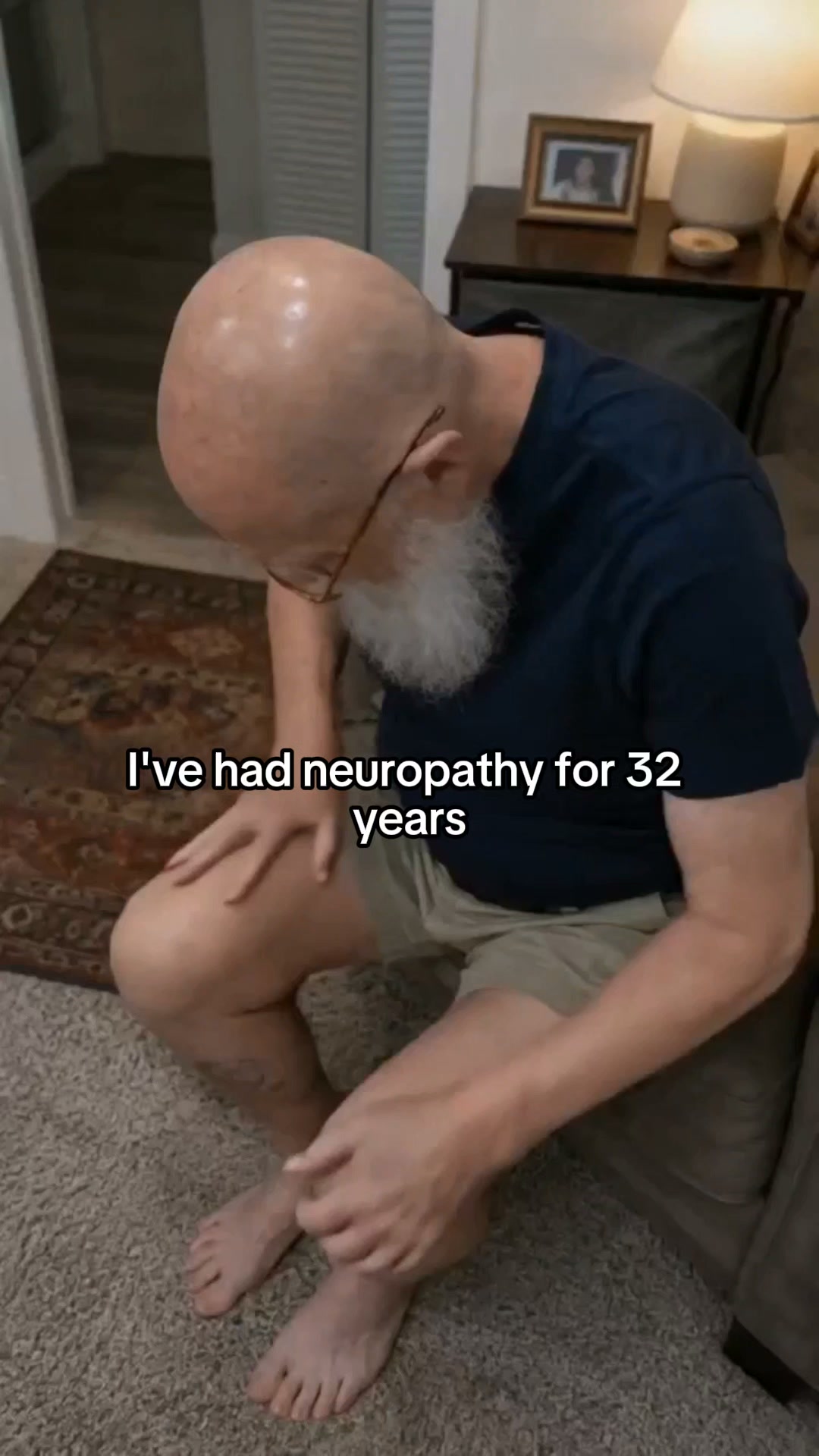
Ran for 17 days, from September 21 to October 8, 2026, the last day Crush saw it.
Run by Dr. Emily Hartman on Facebook. Crush is not the advertiser and does not verify its claims. See this ad in Meta's Ad Library(opens in a new tab)
Want an ad like this for your product?
Crush makes new ad images for your product from this ad: your logo, your product photo, your offer.
Trials from $19.95 USD, then $79.95 USD a month. Cancel anytime.
About this ad
- Meta Ad Library ID
- 1090376120170829
- Platforms
- Facebook, Instagram and Threads
- Relaunches
- 1
Ad text
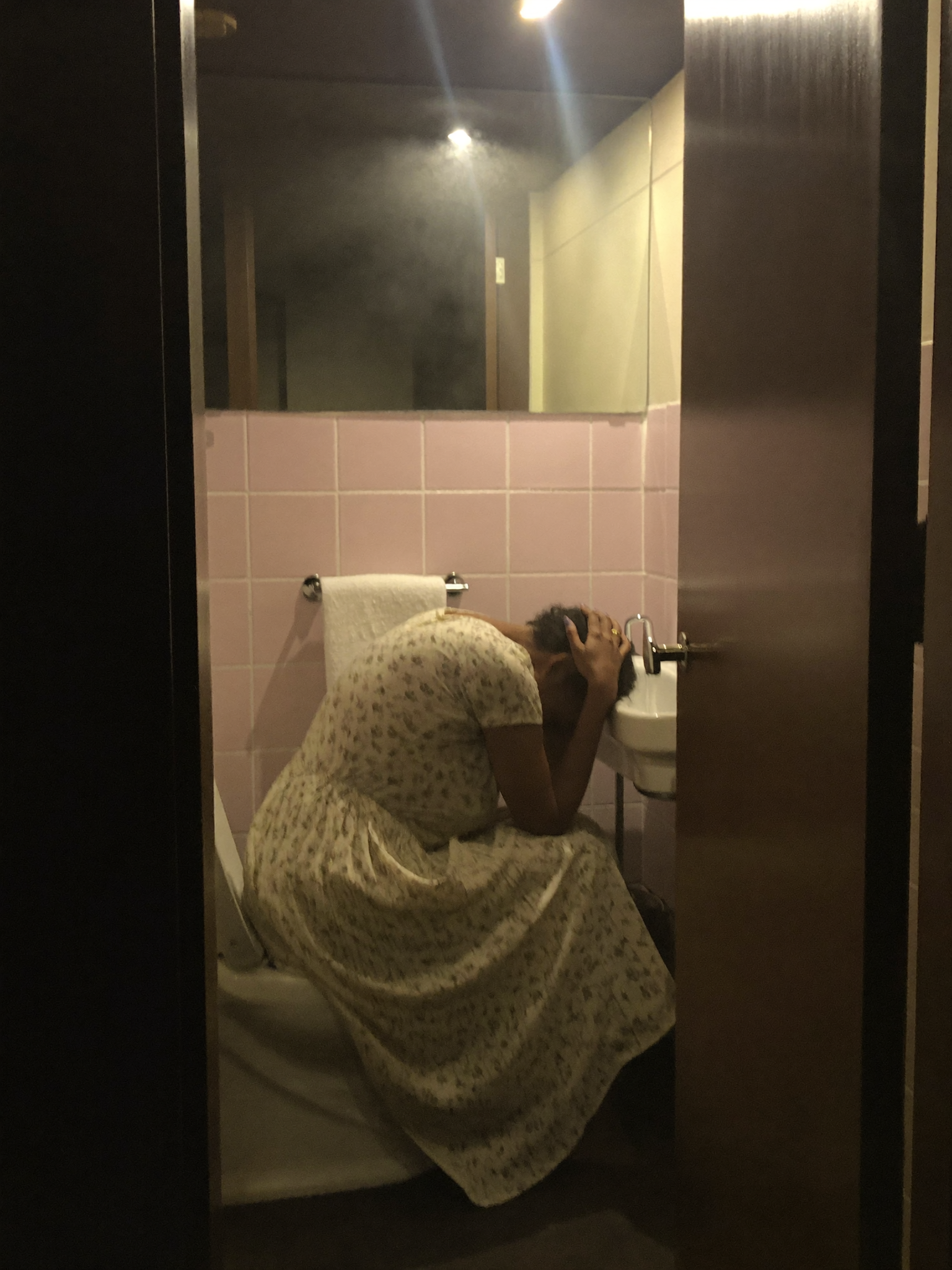
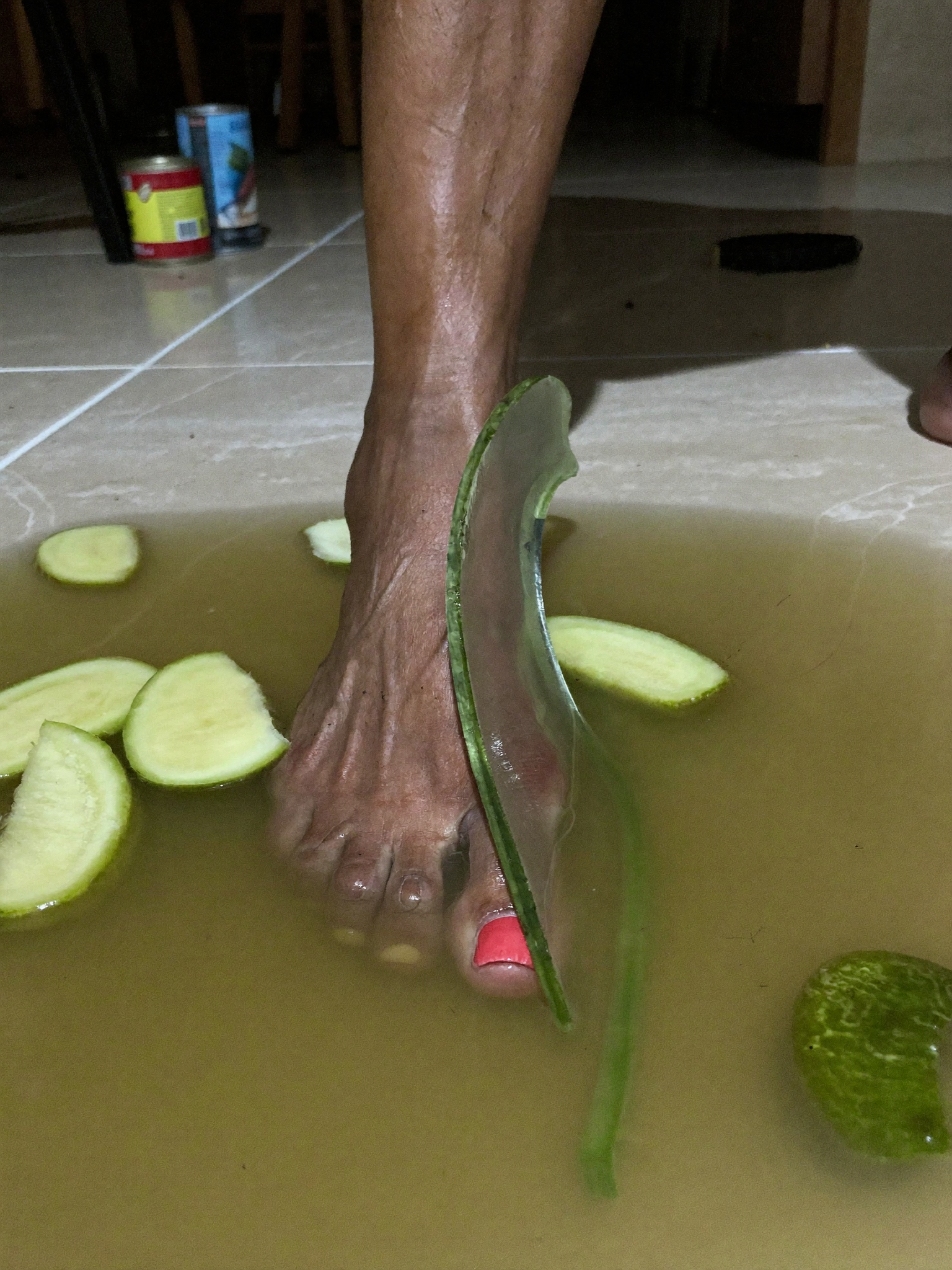
If your feet burn at night and the nerve pill takes the edge off but changes nothing, there is a reason, and it isn't that your case is unusually stubborn. It's that everything you've been given so far comes off the same shelf. Medicine quietly sorts nerve treatments into two categories. It has a name for each. The first is symptomatic — treatments aimed at the pain signal. The second is pathogenetic — treatments aimed at the process doing the damage. Gabapentin is on the first shelf. So is Lyrica. So is the lidocaine patch, the capsaicin cream, the amitriptyline. They are good at what they were built for. What they were built for is turning the volume down on a signal. Nobody has ever shown you the second shelf. Here's the difference in plain English. Gabapentin binds a subunit of the calcium channels in your nerve endings and reduces the chemical messengers they release. That's it. That is the whole action. It works on the last step of the process — the alarm going off. It has no effect whatsoever on the thing that set the alarm ringing. And what set it ringing is this. Your nerves have their own private blood supply — vessels finer than a hair, called the vasa nervorum, that feed the nerve trunk itself. Oxidative stress damages the lining of those vessels. Damaged vessels don't open properly, so less oxygen reaches the nerve. And a nerve running short of oxygen throws off more oxidative stress — which damages the vessels further, which starves it further. That's a loop. It runs on its own. And it's running at the far end of the longest cells in your body, which is exactly why this started in your toes and works upward. Every symptom you have is the output of that loop. Not the loop. So what's on the second shelf? The compound that's been sitting there longest is called alpha lipoic acid. If you've never heard of it, that isn't an accident, and it isn't because it's fringe. In Germany it is not a supplement. It's a prescription medicine — sold as Thioctacid HR, 600mg, covered by German health insurance, prescribed for nerve damage since the 1960s. Sixty years of clinical use. It's the one antioxidant that is both water- and fat-soluble, which means it works inside the watery body of the nerve cell and inside the fatty sheath wrapped around it. And rather than neutralising one free radical and quitting, it helps regenerate your own antioxidants — glutathione, vitamin C, vitamin E — so the nerve's defences get rebuilt rather than borrowed. That is a compound aimed at the loop. Not at the alarm coming out of it. Why has your doctor never said the words? Because you can't patent it. Alpha lipoic acid is a molecule your own mitochondria already make. Nobody can own it, so nobody will spend a billion dollars putting it through FDA approval for something they can't sell exclusively. No patent means no sales rep, no lunch dropped off at the office, no continuing-education module. Gabapentin had all three. In Germany it's a prescription. In America it's on a shelf between the fish oil and the melatonin. Now — before you go buy some, there are two things you need to know, or you'll waste three months. One: the dose is 600mg. That's the figure the German trials were built on, and it's not "more is better." In the trial that compared 600 against 1200, the higher dose wasn't better — just harder on the stomach. In the oral trial that compared 600, 1200 and 1800, 600mg once daily came out with the best balance of benefit to side effects. The German prescription only exists at 600. Two — and this is the one almost nobody knows — check which form it is. Alpha lipoic acid comes in two mirror-image versions, R and S, like a left and a right hand. Only the R form occurs in nature. Only the R form binds the enzymes inside your mitochondria. The S form is a byproduct of cheap manufacturing, and it appears to compete with the R form for the same absorption pathway on the way in. Almost every bottle on the shelf is racemic — a 50/50 blend. So a bottle that says 600mg on the front is delivering roughly 300mg of the half that does the work, with the other half in its way. That is the difference between running the experiment and only thinking you did. Ours is 600mg of pure R. No S-isomer padding the label. One ingredient — not a kitchen-sink blend hiding a token dose at the bottom. Suspended in coconut oil so it survives digestion. Third-party tested, every batch. And one honest thing, because you'll hear otherwise. This is studied for the burning, the tingling and the shooting pain. Numbness is a different animal — it lags, and it may not fully come back. Anyone promising you the feeling returns in your toes is selling you something. We'd rather tell you now. Ninety days. Take it, track your nights, and if nothing changes you pay nothing. German doctors have been reaching for the second shelf since the 1960s. 👉 https://noverly.shop/products/r-alpha-lipoic-acid-600mg-pure-r-form-softgels
Where the ad sends people
noverly.shop
Pure "R" Form ALA - 600MG
Join 10,000+ Happy Customers ❤️
Learn more: noverly.shop(opens in a new tab)