
Inactive· since Aug 24, 2026
- 18
- days it ran
- 0
- relaunches
- 4,790
- EU reach
Ad copy
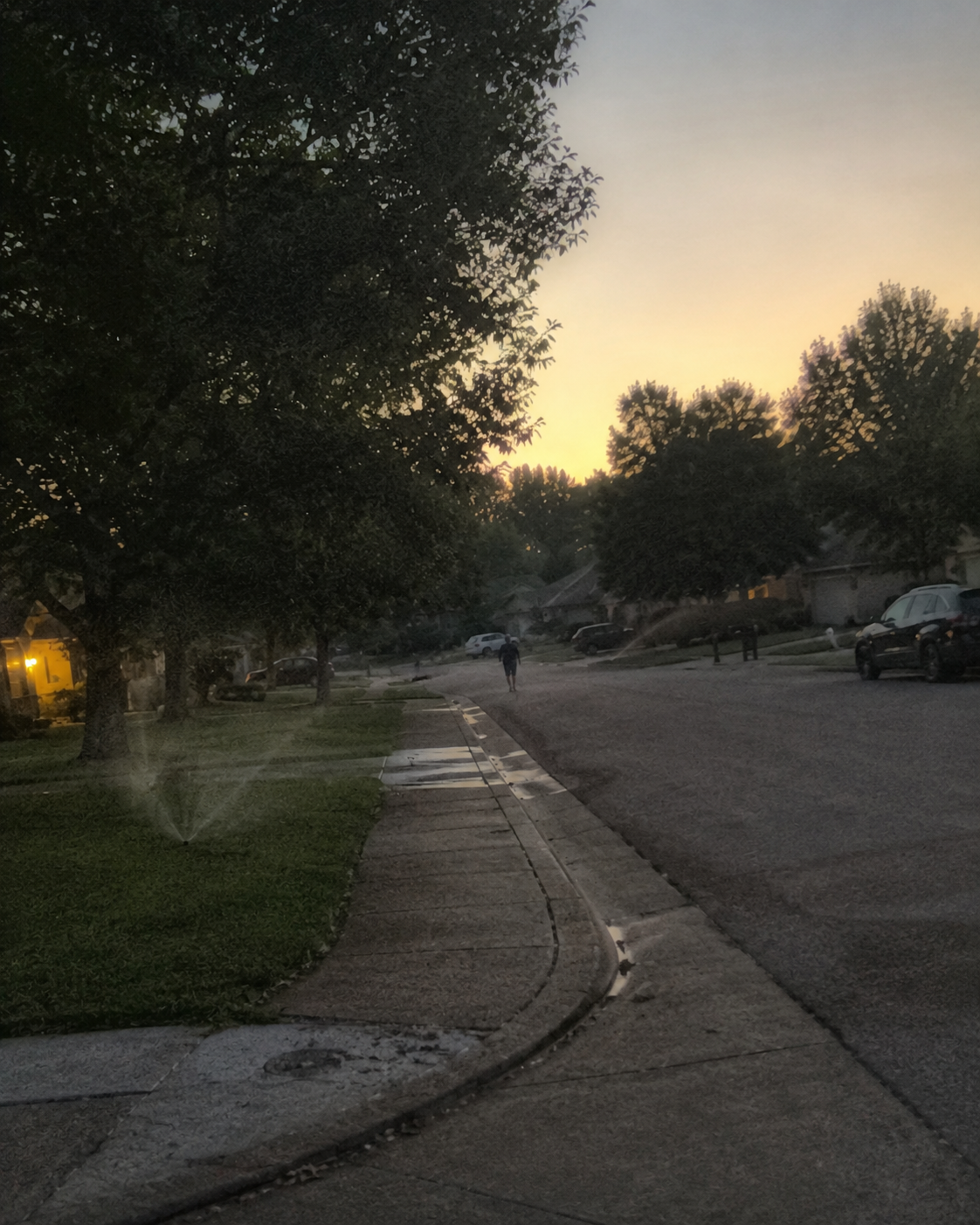
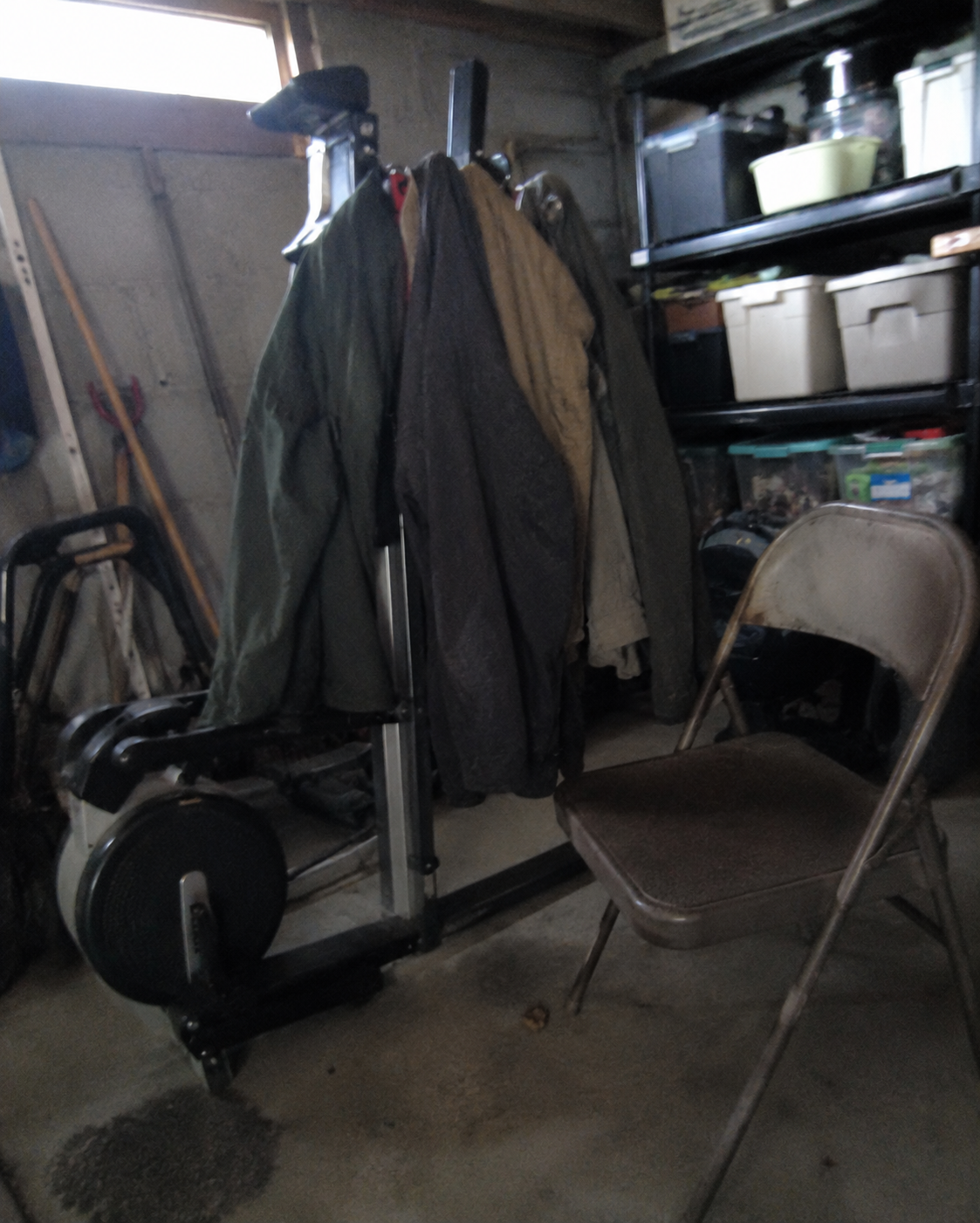
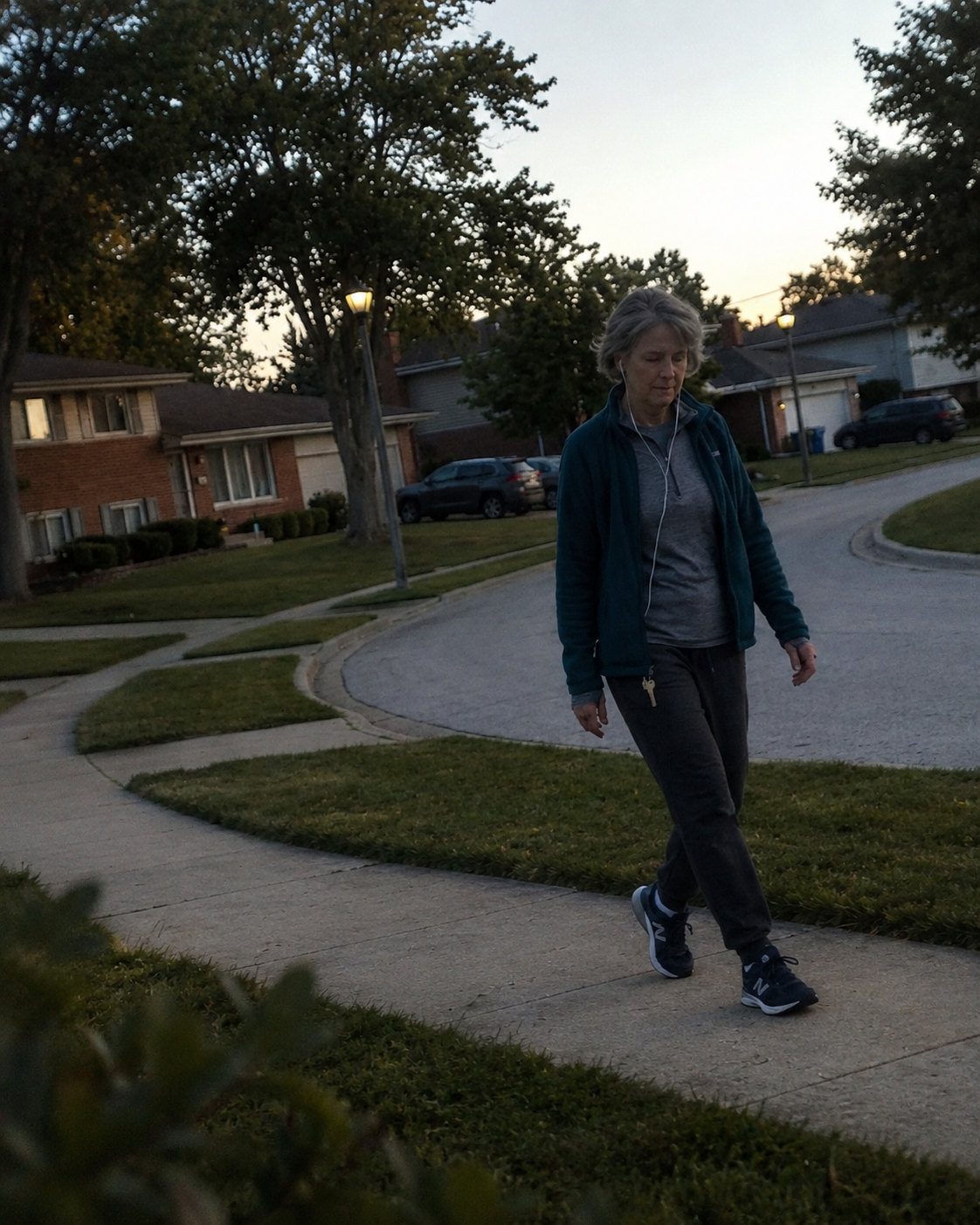
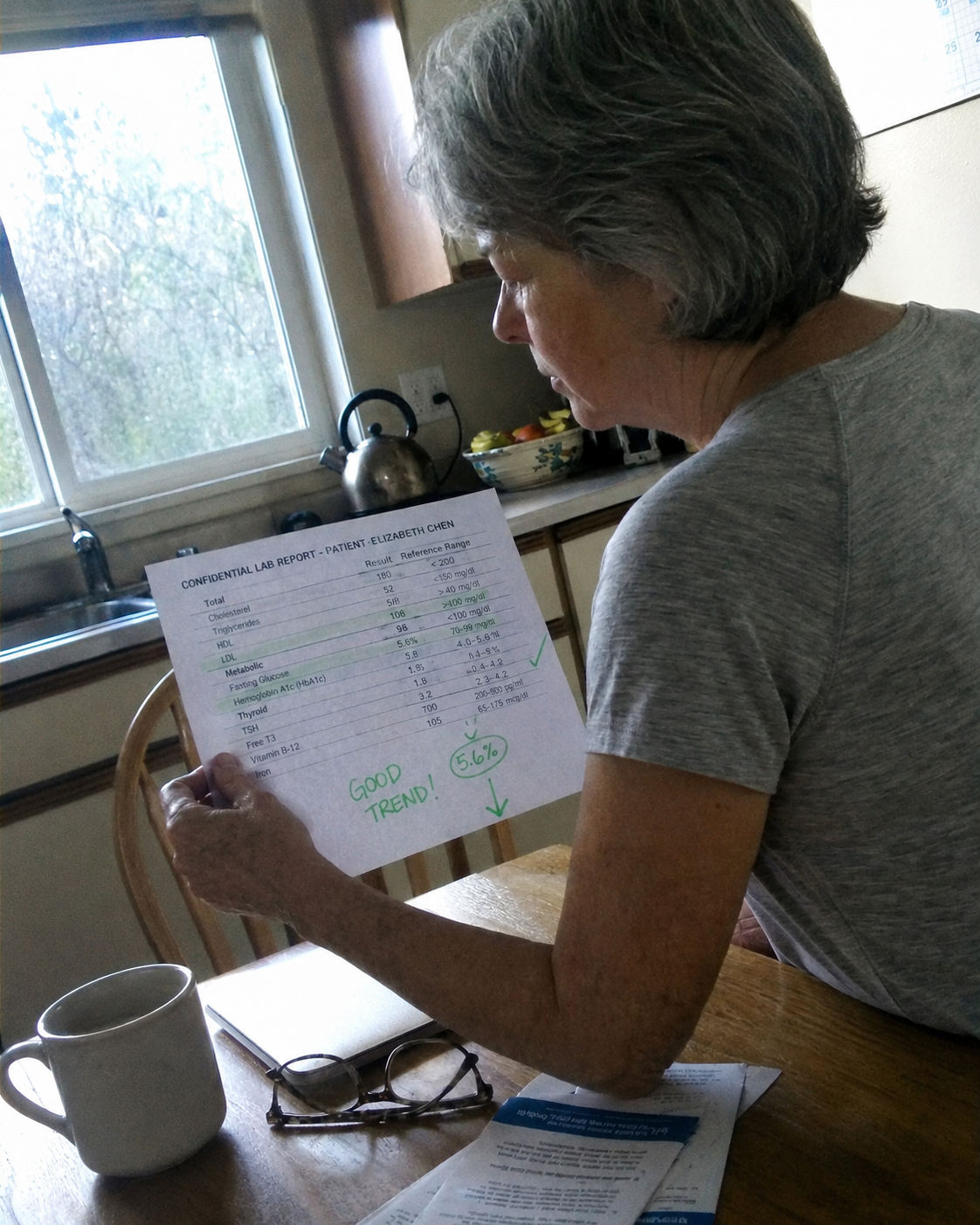
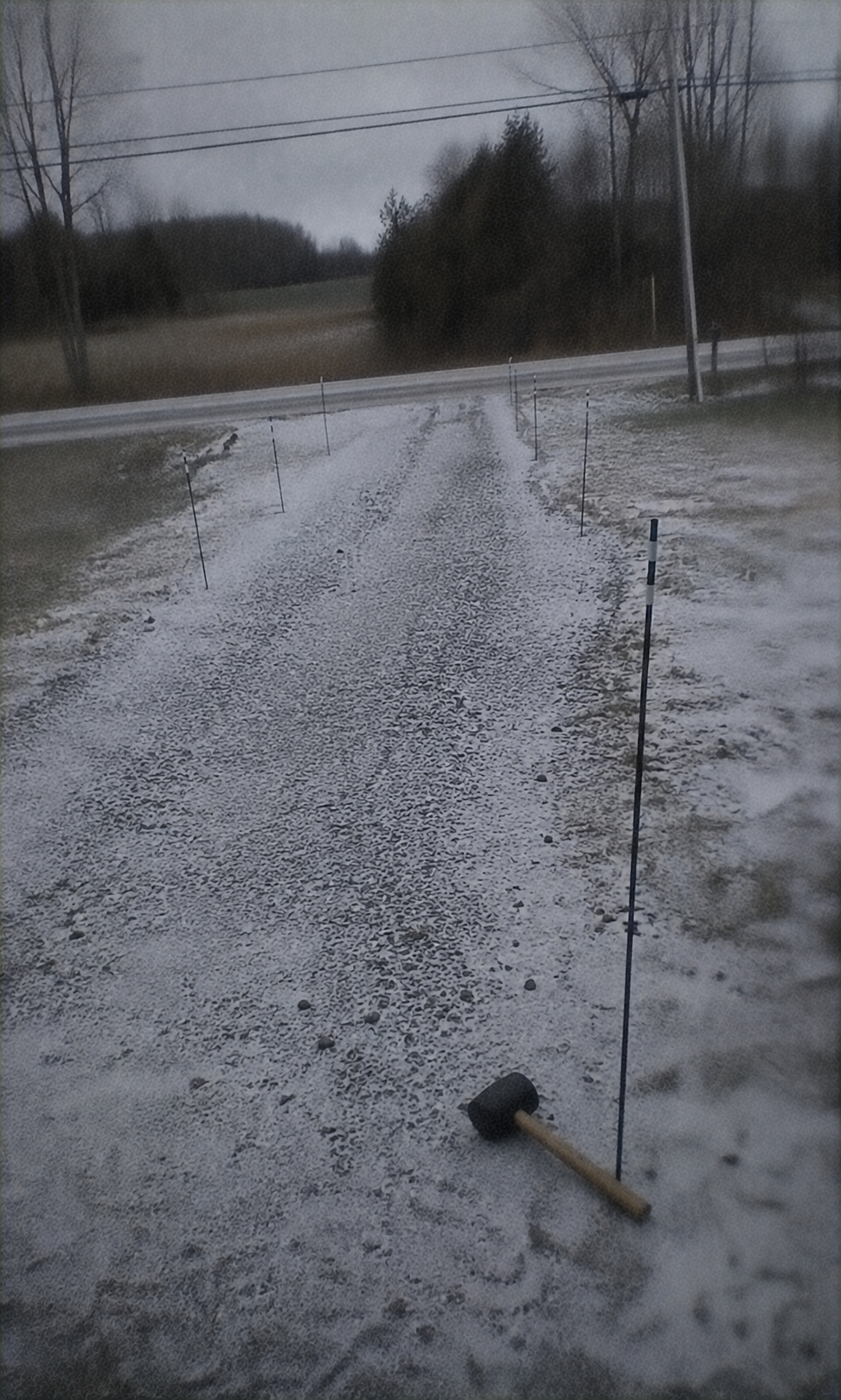
Six Winters, Somebody Plowed Her Driveway Before Dawn and Never Said a Word. When She Finally Caught Him, He Explained It in Nine. Picture a gravel road in a county where the snow means it. Picture a woman at the end of it, at five in the morning, standing at her window with a coffee, looking at a driveway that has already been cleared. Call her Corinne. And picture the truck two properties down with its lights still on and a blade on the front, pulling back onto the road. Call the man in it Herb. This has happened every storm for six years. Corinne has never asked him to. She has never successfully thanked him. And the morning she finally catches him, he's going to explain the whole thing in nine words, and those nine words are going to reorganize her kitchen. Let me back up. You need Corinne first, and you have met her. Corinne is fifty-eight, and for nineteen years she has driven a school bus. Which means her day is not a day. It's three pieces of a day with holes cut between them. She's on the road at five-forty. Route by six-fifteen. Done by eight-thirty, home by nine. Then the hole: the middle of the day, which sounds like freedom and functions like a waiting room, because the afternoon route starts at two-fifteen and everything in her life has to fit around the fact that a bus is going to need her at two-fifteen. Home again by four-thirty. Some nights, an activity run to a ball game two towns over, back at ten. Nineteen years of that. She's good at it — the kids' names, the parents' cars, the one hill that's a problem in February. And here's the thing about Corinne that makes her story worth telling, because it is emphatically not a story about a woman who doesn't try. Corinne does everything right. Look at what she owns. There's a stationary bike in the spare room, bought after real research, the good one that people say lasts. There's a sewing machine — her mother's, rebuilt at a shop two counties over, because Corinne wanted it done properly. There's a bread machine. A stock pot heavy enough to be a family heirloom. A set of good walking boots, broken in, waiting by the closet door. And there's the shelf. Everyone has the shelf. Hers holds the tea with the good intentions, the two canisters, the vitamin sampler her sister sent, all bought carefully, all tried twice. Nothing on that list is a mistake. Every single item was chosen by a competent adult who read about it first. That's what makes the next part strange, and it's the thing Corinne has never once been able to explain to herself. None of it runs. Not from lack of wanting. Not from lack of trying — she starts things constantly, and she starts them well, which is somehow worse. She'd tell you, if you asked her at a church supper and she'd had a glass of wine, that she does everything right and it doesn't take. That she has the equipment of a person with a good life and the calendar of a person who's waiting for one. It isn't a crisis. It's a hum — a low, standing puzzlement about why a woman this prepared has so few things that actually happen. She has decided, privately, that it's a discipline problem, because that's what everyone decides. She's wrong, and it's going to take a man with a plow to prove it. So: the snow. Corinne's road is gravel and the county gets to it when it gets to it. Everyone out there handles their own driveway. And for six winters, hers has handled itself. The first time, she assumed a mistake — somebody with a contract and a wrong address. The second time she watched the tracks and figured out the direction they came from. By the fourth or fifth storm she knew it was Herb, who is somewhere in his seventies, who used to run a road grader for the county for thirty-one years, and who plows the driveways of most of the road before the sun comes up. Not for money. There's no arrangement. There's no note. There has never been a conversation about it. Corinne has tried to thank him three times. Once with a check, which came back in her mailbox torn in half — not unkindly, just decisively. Once with a plate at Christmas, which was accepted with a nod and never discussed. Once by flagging him down on the road, which produced a wave and a truck that kept moving. So it stands: it snows, she wakes up, the driveway is clear, and the world contains one thing she didn't have to solve. Then comes the morning in February, and this is where the story turns. Big storm overnight, and Corinne is up earlier than usual because a storm means the district's phone tree and the phone tree means she's awake at four-thirty regardless. Which is how she comes to be standing at the end of her own driveway with a coffee in each hand when Herb's truck comes up out of the dark. He can't really pretend not to see a woman standing in her own driveway holding two coffees at four-forty in the morning. He rolls the window down. She hands one up. He takes it, because refusing a coffee in that weather would be theater and neither of them has time. And Corinne — nineteen years of talking to sleepy teenagers has made her extremely good at asking direct questions without heat — says the thing she's been saving for six winters. "How do you do this? Not why. How. You do half the road. Every storm. Before dawn." Herb looks at her for a second. Then he looks at his blade, and then back at her, and gives the answer. "Plow's been on since the first week of November." That's it. That's the nine words. Corinne waits for more, the way you do. And Herb, who is not a philosopher and would be offended by the suggestion, elaborates only because the coffee is hot and he's holding it. "It goes on in November. Comes off in April. In between, I don't do anything. I get in the truck." He nods down the road, at the dark shapes of the other places. "Fellas out here have plows. Good ones. Better'n mine, some of 'em. And they take 'em off in between — makes sense, right? Rig's heavy, it's hard on the front end, hard to park. Sensible. So it comes off after every storm." He drinks some of the coffee. "First storm, they all plow. Second storm, most of 'em plow. By the third one, half those trucks are sitting there with the plow leaning against the garage wall, and everybody's shoveling." And then the sentence Corinne is going to think about on the whole morning route, and at two-fifteen, and for a good long while after: "Nobody ever quits the plowing, ma'am. They quit the mounting. Twenty minutes in the cold with a wrench before you can even start — that's what beats a man. Not the snow." He hands the cup back, mostly empty. "I just never take it off. That's the whole trick. Ain't a discipline thing. I'm the laziest man on this road." Then he puts the truck in gear and goes and does two more driveways before it's properly light. Corinne drives her route that morning with the heater cycling and the kids not talking because it's early, and she does the arithmetic. You knew she would. So did she, somewhere around the second stop. Because she is not thinking about snow. She's thinking about the spare room, and the sewing machine, and the good stock pot, and the boots by the door. She's thinking about every single thing she owns that requires mounting the plow. Start with the bike. The bike is in the spare room, and the spare room is also where the laundry lands, so the bike needs twenty minutes of clearing before it needs twenty minutes of riding. Setup: twenty. Teardown: some. The sewing machine lives in its case under the stairs. To sew, she has to haul it up, clear the dining table, find the box with the thread, set the light. An hour before a stitch. And afterward, all of it in reverse, because the table is where they eat. The stock pot means the big cutting board, the two knives, the produce washed and prepped, and then the pot itself, which does not fit in the dishwasher and never will. The bread machine — the bread machine is honest work, but it's a flour canister, a wiped counter, an ingredients hunt, and a bucket to wash by hand. Even the boots. The good broken-in boots by the door require a jacket, a hat, gloves, the dog's leash if she takes him, and a reckoning with the fact that the good walking road is eleven minutes away by car. Every single item on Corinne's list of good intentions has a plow that has to be mounted before it can do anything at all. And her day — the three-pieces day, with a bus at two-fifteen and a phone tree at four-thirty — has almost no window anywhere in it that's big enough for mounting. That's it. That's the whole thing. For years she has believed she was a woman who couldn't stick with anything. What she actually is, and has always been, is a woman whose day cannot accommodate setup. The tasks were never the problem. She has energy for the tasks. She likes the tasks. What she doesn't have is twenty minutes in the cold with a wrench, over and over, forever, before anything begins. And here's the cruelty of it, the part that took a man with a blade to make visible: Nobody sees setup. Setup doesn't look like anything. It has no name in anybody's calendar, and it never shows up in the story people tell about themselves. So when the bike doesn't get ridden, the story is "I don't have the discipline." Never "the room is full and the clearing is the tax." When the sewing machine stays under the stairs, the story is "I let that go." Never "the mounting costs an hour and my day is in three pieces." Corinne has been paying a tax she couldn't see and then blaming her character for the bill. That's the discovery, and it's worth saying plainly: People almost never quit the thing. They quit the setup. And when the setup is expensive enough, quitting looks exactly like a character flaw, from the inside as well as the outside. The fix isn't more willpower. Herb is, by his own cheerful testimony, the laziest man on the road. The fix is picking the version of the thing that's already mounted — the one with nothing between you and it. Which brings this story — through that door, and no other — to beets. Corinne is not new to beets, and this is the part that would be funny if it weren't so familiar. She loves them. Her grandmother's were the pickled kind, in a crock, and Corinne can still taste them, and there's a stoneware jar in her own pantry that came out of that same kitchen. People have been eating beets for thousands of years. They were in the root cellars and soup pots and pickle jars of half the world's grandmothers long before anyone could say why — kept, replanted, and put up every autumn on nothing more than the accumulated verdict of generations. Today the why is better understood: beetroot naturally contains dietary nitrates, and the body converts those into nitric oxide, a molecule that helps support healthy blood flow.* Beets also carry betalains — the deep crimson pigments that give them their color and stain a cutting board for a week. Nature did the formulating a long time ago. But look at what every traditional form of the beet asks for, with Herb's blade in mind. The roasting: oven on, beets scrubbed, foil, an hour, and then the peeling — which stains the board, the towel, and two fingers — and then the cleanup. Mounting and dismounting, around a task that's maybe four minutes of actual work. The juicing: assemble the machine, buy the produce in bulk, feed it, then disassemble, then scrub a fine-mesh screen while the sink turns crimson. The juice takes a minute to drink. The plow takes the rest. The pickling: the canner, the jars, the lids, a whole Saturday, the kitchen out of commission. Her grandmother did this beautifully — in a life that was built around a kitchen, where the plow was, in effect, never off. Every classic form of the beet is a mounting job. That's not a flaw in the beet. It's just what those forms cost. And a woman with a bus at two-fifteen is going to pay that cost roughly never — no matter how much she loves the taste, no matter what's in the pantry, no matter how right she does everything else. Rosabella Beetroot is the beet with the plow left on: two capsules, once a day. Nothing to assemble. Nothing to break down. No room to clear, no table to reclaim, no screen to scrub, no Saturday to spend. It sits by the coffee maker — which is the one thing in Corinne's house that has been mounted, permanently, for nineteen years, because the coffee happens at five-fifteen whether the world is ending or not. What's in it reads in one breath. 1,300mg of organic beetroot powder per serving — a serving being those two capsules. One active ingredient, with the dose printed plainly on the label, nothing to decode. Non-GMO, third-party lab tested, produced under GMP, made in the USA from globally sourced ingredients. It contains no caffeine. Sixty capsules in a bottle; thirty days. One thing before anything goes in a cart: talk to your doctor or pharmacist before adding any supplement, especially if you take any medication. This goes alongside the rest of a routine — the meals, the walks, the sleep — not in place of any of it. Before adding it to the morning routine, Corinne checked with her doctor or pharmacist, then put the bottle beside the coffee. On Amazon, Rosabella Beetroot sits at 4.4 out of 5 across more than 14,000 ratings as of August 2026. The story's ending is small, and it happens in two places, both of them ordinary. The first is at the end of the driveway, the following November. Because Corinne finally figured out how to thank a man who returns checks torn in half — and it isn't a gift, and it isn't a plate. It's the driveway markers. The thin reflective stakes that show where the gravel ends and the lawn begins. Herb has been plowing her place for six years by feel, in the dark, guessing at the edges the way he does at every place on that road. So the first week of November — the same week the plow goes on — Corinne walks her own driveway in the cold with a bundle of stakes and a rubber mallet and puts them in every fifteen feet, both sides, all the way down. Twenty minutes, once a year. And every storm after that, a man in the dark can see exactly where her driveway is. She's taken twenty minutes of guessing out of his work. That's all. It's the only currency he's ever accepted. The second place is the kitchen counter. There's a bottle beside the coffee maker now, in the one spot in that house where things actually happen, because it's the one spot where nothing has to be set up first. The bike is still in the spare room. The laundry still lands there. Corinne has made no promises to the bike. The sewing machine is still under the stairs, and she still means to get to it, and maybe in the summer she will. But the shelf of tried-twice things has one fewer item on it than it did, and the counter has one more, and that one runs — not because she got stricter, but because there's nothing to mount. That's the whole ending. A woman with markers in her driveway, and one small thing in her life that starts already started. And now the last part, and we'll do it the way Herb would — plainly, and then get back in the truck. Nobody here is going to promise you a transformation. We're not going to tell you what you'll feel or when. Bodies are different, and yours doesn't owe an advertisement anything. We're not going to dress it up in a story, either — Corinne and Herb are illustrations, and we said so in the first lines, because that's the only honest way to use them. And we're not going to sell you a program. No regimen, no phases, no system with a name. You have a spare room full of good equipment and a shelf of tried-twice things; the last thing you need from us is another plow to mount. What we sell is the version with nothing in front of it: what's on the label, at the dose on the label, in a form that starts already started. The trick was never discipline. It was never taking it off. P.S. If your own spare room is full of good equipment that doesn't run — the bike, the machine under the stairs, the boots by the door — try the plow test before you blame yourself again. Count the minutes before the thing: the clearing, the hauling, the assembling, the putting-away afterward. That's the tax nobody puts on the calendar, and it's what people actually quit. Then go find the version of the good thing that has no setup at all, and give that one the spot by the coffee. P.P.S. What it is, plainly: organic beetroot powder in capsules — 1,300mg per two-capsule serving, one active ingredient, dose on the label, no caffeine, non-GMO, third-party lab tested. Thirty days a bottle. That's the whole story. P.P.P.S. If you're not satisfied for any reason, return the product within 90 days of delivery for a full refund. Enough time to find out whether it's the one that stays mounted — which is the only test that matters for deciding that. Individual experiences vary. These statements have not been evaluated by the Food and Drug Administration. This product is not intended to diagnose, treat, cure, or prevent any disease.
Support stamina and heart health every day
LEARN MORELike this ad? Make it yours.
Crush rebuilds this exact creative around your product — your brand, your colors, your offer — in about a minute.