Daily Bread
Daily Bread Facebook ad: “DAILY BREAD | INDUCTIVE BIBLE STUDY | FALSE…”
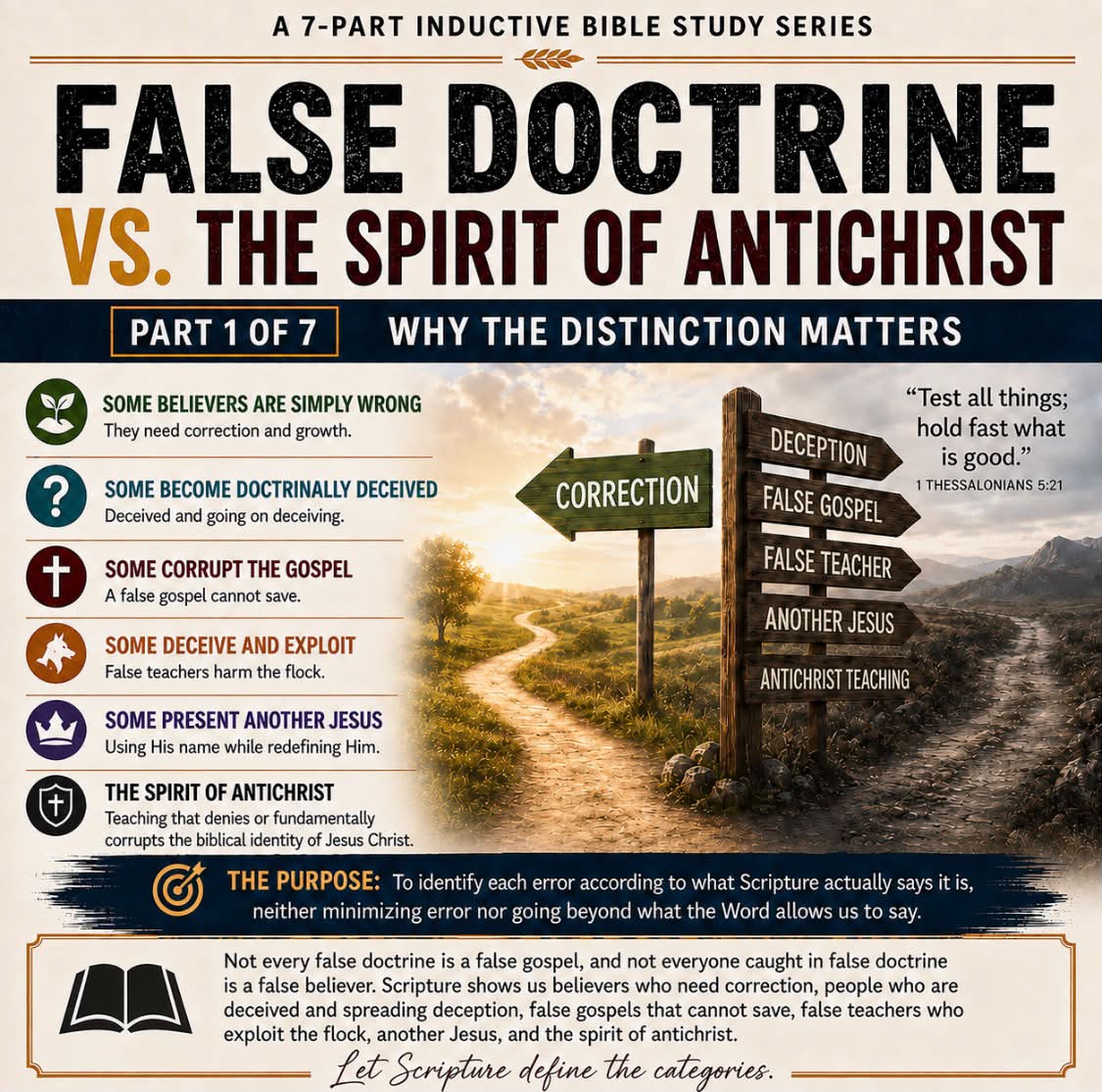
Ran for 6 days, from September 4 to September 10, 2026, the last day Crush saw it.
Run by Daily Bread on Facebook. Crush is not the advertiser and does not verify its claims. See this ad in Meta's Ad Library(opens in a new tab)
Want an ad like this for your product?
Crush makes new ad images for your product from this ad: your logo, your product photo, your offer.
Trials from $19.95 USD, then $79.95 USD a month. Cancel anytime.
About this ad
- Meta Ad Library ID
- 1094960179674146
- Platforms
- Relaunches
- 0
Ad text
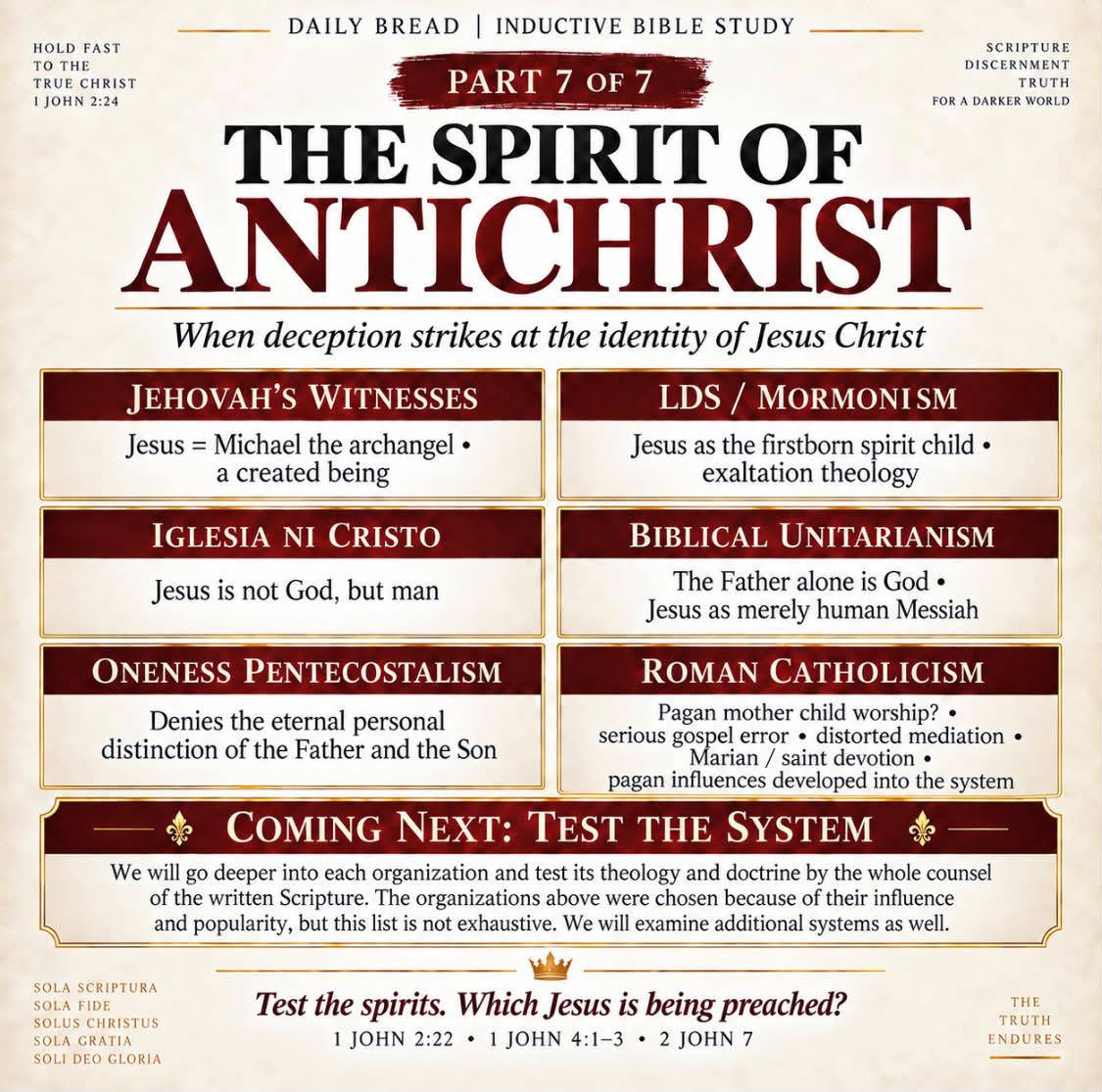
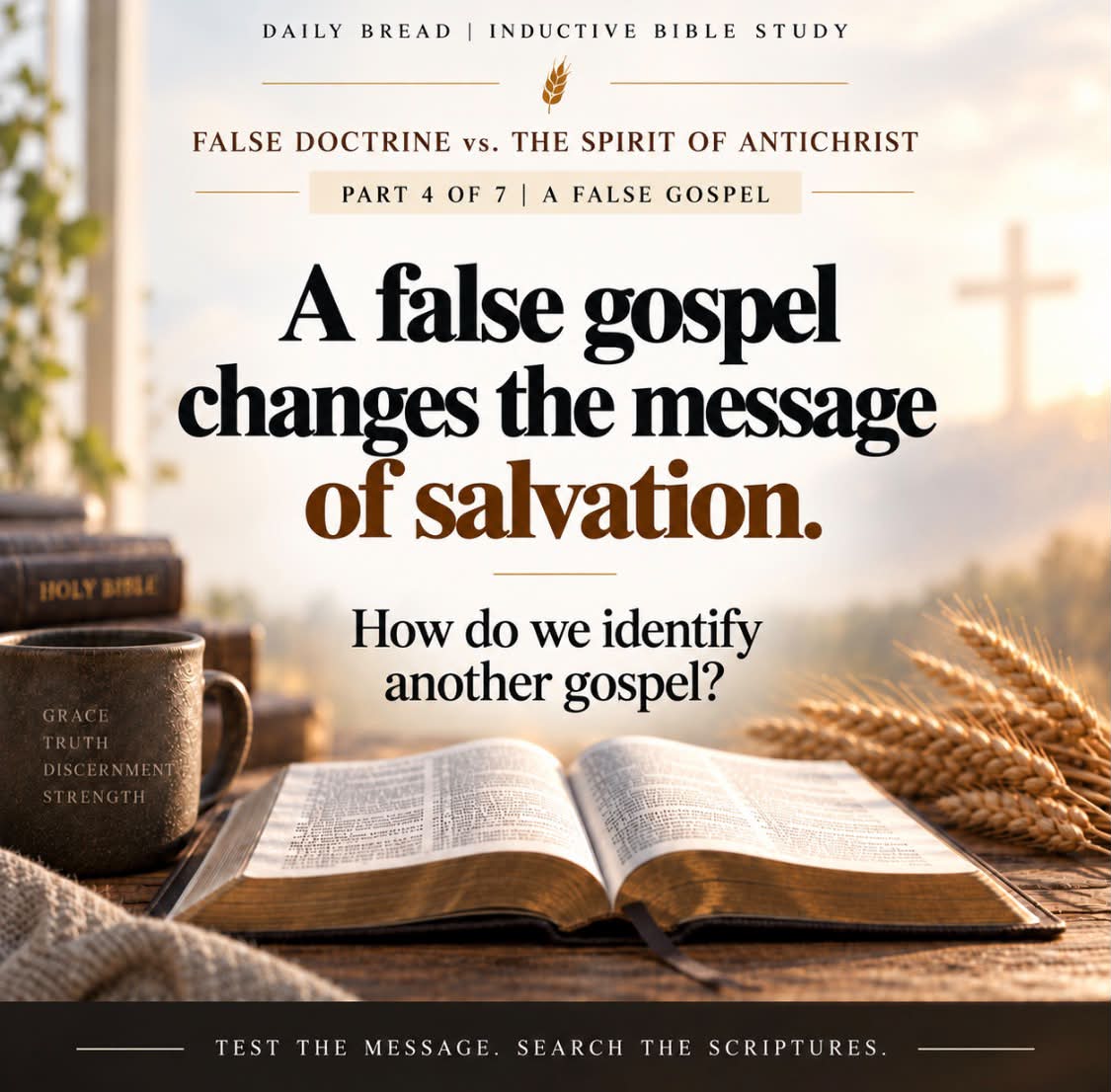
🌾 DAILY BREAD | INDUCTIVE BIBLE STUDY | FALSE DOCTRINE vs. THE SPIRIT OF ANTICHRIST—SERIES PART 1 OF 7 | INTRODUCTION TO THE SERIES AND WHY THE DISTINCTION MATTERS Not every false doctrine is a false gospel. Not everyone caught in false doctrine is a false believer. And not every person teaching something wrong should immediately be labeled a false teacher or antichrist. Scripture gives us more careful distinctions than that. Some believers are simply wrong and need correction. Some become doctrinally deceived and begin spreading the very error they have believed. Some corrupt the Gospel itself. Some deliberately deceive, exploit, and draw disciples after themselves. Some present “another Jesus.” And Scripture specifically identifies the spirit of antichrist with deception that denies or corrupts the biblical identity of Jesus Christ. If we collapse all of those categories into one, we can become either too soft toward serious error or too harsh toward believers who simply need biblical correction. Scripture gives us a better way. OBSERVATION Acts 18 introduces us to Apollos: “This man had been instructed in the way of the Lord; and being fervent in spirit, he spoke and taught accurately the things of the Lord, though he knew only the baptism of John.” Acts 18:25 NKJV Priscilla and Aquila heard him and: “took him aside and explained to him the way of God more accurately.” Acts 18:26 NKJV Apollos was teaching, but his understanding was incomplete. The response was correction. Now compare that with Paul’s warning: “For I know this, that after my departure savage wolves will come in among you, not sparing the flock.” Acts 20:29 NKJV And again: “Also from among yourselves men will rise up, speaking perverse things, to draw away the disciples after themselves.” Acts 20:30 NKJV These are not the same descriptions. One man needed more accurate instruction. The others were drawing disciples after themselves and harming the flock. Scripture distinguishes between them. INTERPRETATION A believer does not become saved because he has achieved perfect theology. We are saved by believing in Jesus Christ. “Believe on the Lord Jesus Christ, and you will be saved.” Acts 16:31 NKJV After salvation, believers still have to grow. “But grow in the grace and knowledge of our Lord and Savior Jesus Christ.” 2 Peter 3:18 NKJV Growth means there are things we may not yet understand correctly. That means a genuinely saved believer can: believe false doctrine, repeat false doctrine, teach something inaccurately, become influenced by a doctrinal system, and seriously damage his own practical sanctification or the growth of others. That does not make the error harmless, and should be corrected. False doctrine matters. Paul warned Timothy: “And their message will spread like cancer.” 2 Timothy 2:17 NKJV But false doctrine affecting Christian living is not automatically the same thing as a false gospel concerning how a sinner is justified before God. Paul treated corruption of the Gospel with far greater severity: “But even if we, or an angel from heaven, preach any other gospel to you than what we have preached to you, let him be accursed.” Galatians 1:8 NKJV There is also a difference between being deceived and deliberately deceiving. Paul describes: “evil men and impostors” who “will grow worse and worse, deceiving and being deceived.” 2 Timothy 3:13 NKJV Those two realities can even exist together. A person may sincerely believe something false and then spread it to others. Still another category appears when Scripture speaks about false teachers who knowingly exploit the flock: “By covetousness they will exploit you with deceptive words.” 2 Peter 2:3 NKJV And then John gives us even more specific language concerning the spirit of antichrist: “He is antichrist who denies the Father and the Son.” 1 John 2:22 NKJV “And every spirit that does not confess that Jesus Christ has come in the flesh is not of God. And this is the spirit of the Antichrist.” 1 John 4:3 NKJV The term “spirit of antichrist” should therefore not become a generic label for every doctrinal mistake. John connects it specifically to deception concerning Jesus Christ Himself. APPLICATION As we begin this series, we are going to slow down and let Scripture define the categories. We will examine: PART 2 | FALSE DOCTRINE When believers believe wrongly about God, His Word, and His ways. PART 3 | DOCTRINAL DECEPTION When someone is deceived and begins spreading deception. PART 4 | A FALSE GOSPEL When error reaches the message of salvation itself. PART 5 | THE FALSE TEACHER When deception becomes exploitation and harm to the flock. PART 6 | ANOTHER JESUS When biblical language is used while Jesus Himself is redefined. PART 7 | THE SPIRIT OF ANTICHRIST When deception denies or fundamentally corrupts the biblical Christ. The purpose is not to minimize doctrinal error. And it is not to declare every mistaken believer unsaved. It is to identify each error according to what Scripture actually says it is. That requires discernment. It requires humility. And it requires being willing to allow Scripture to correct our own thinking too. “Test all things; hold fast what is good.” 1 Thessalonians 5:21 NKJV “Beloved, do not believe every spirit, but test the spirits, whether they are of God.” 1 John 4:1 NKJV Biblical discernment does not make every error equal. It identifies the error according to Scripture. Not softer than Scripture. Not harsher than Scripture. I hope you’ll follow along with this series and allow Scripture to sharpen and increase our discernment as we carefully make these distinctions. In Part 2, we will look at “False Doctrine | When believers believe wrongly about God, His Word, and His ways.” and examine what false doctrine can actually look and sound like, even when it comes from someone who genuinely belongs to Christ. #BiblicalTruth #BiblicalWisdom #discernment #biblestudy #bibleverse #bible #InductiveBibleStudy #dailybread #jesus
Where the ad sends people
facebook.com
Daily Bread
Like page: facebook.com(opens in a new tab)