
Active· since Sep 5, 2026
- 9
- days running
- 0
- relaunches
Ad copy
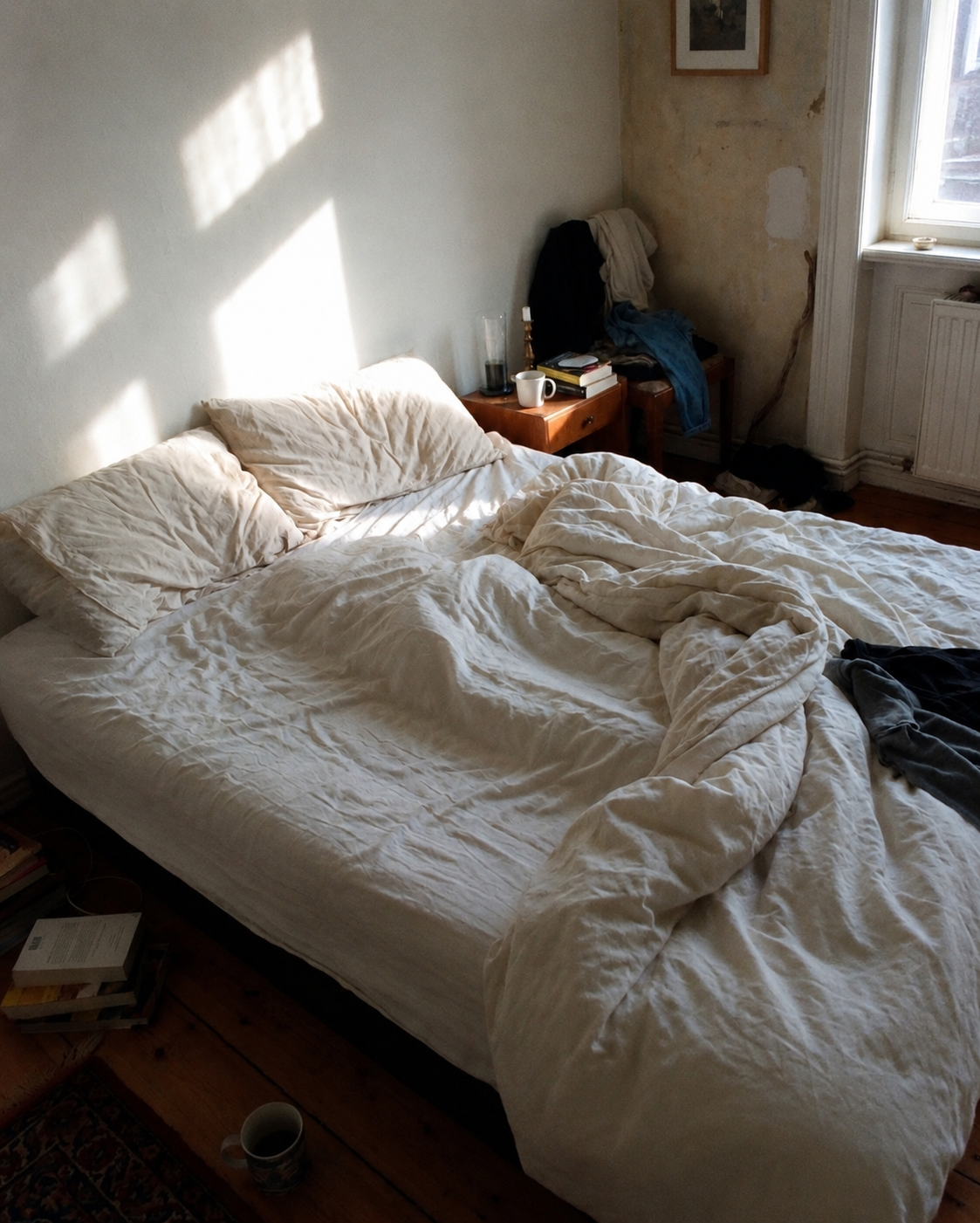
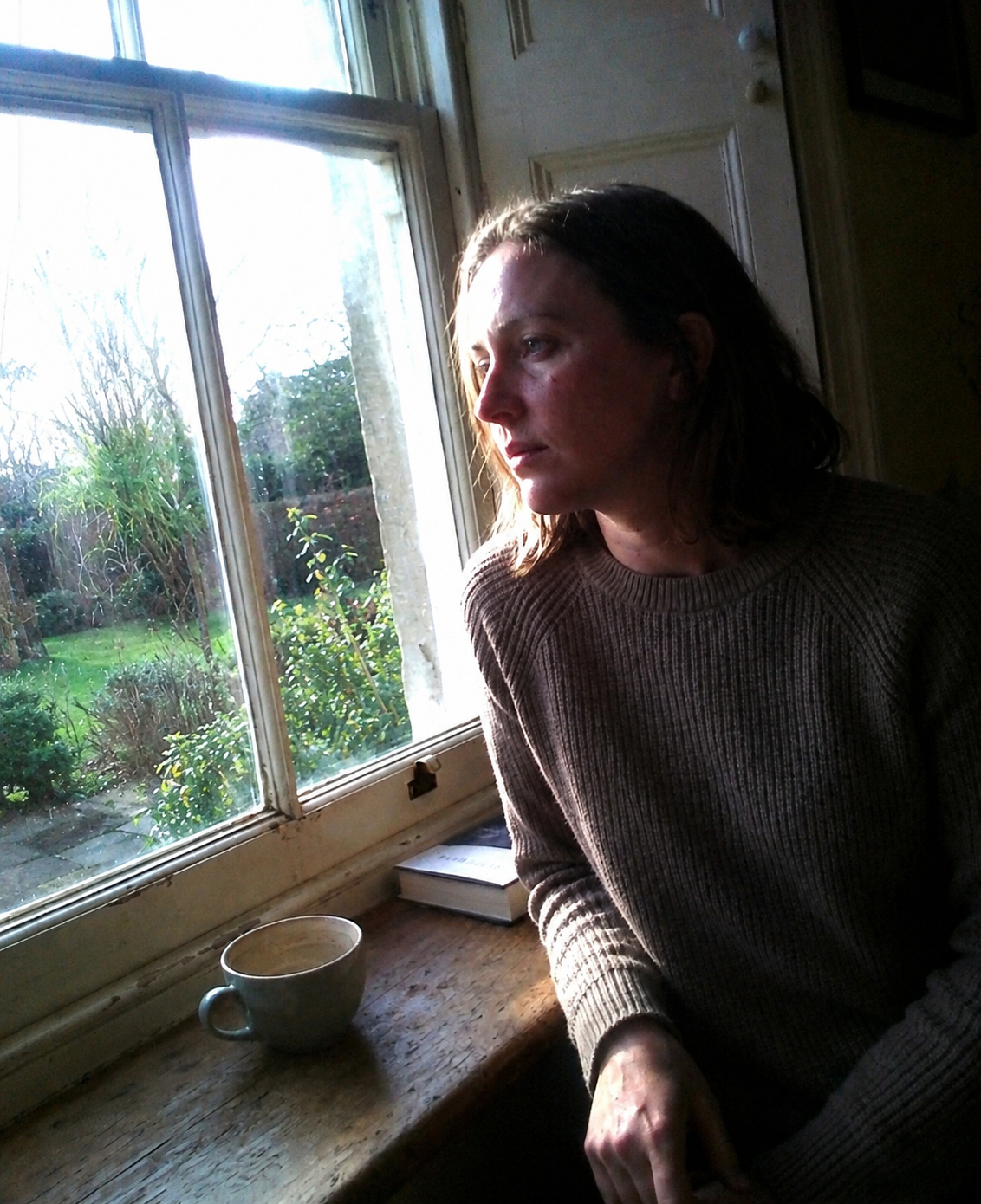
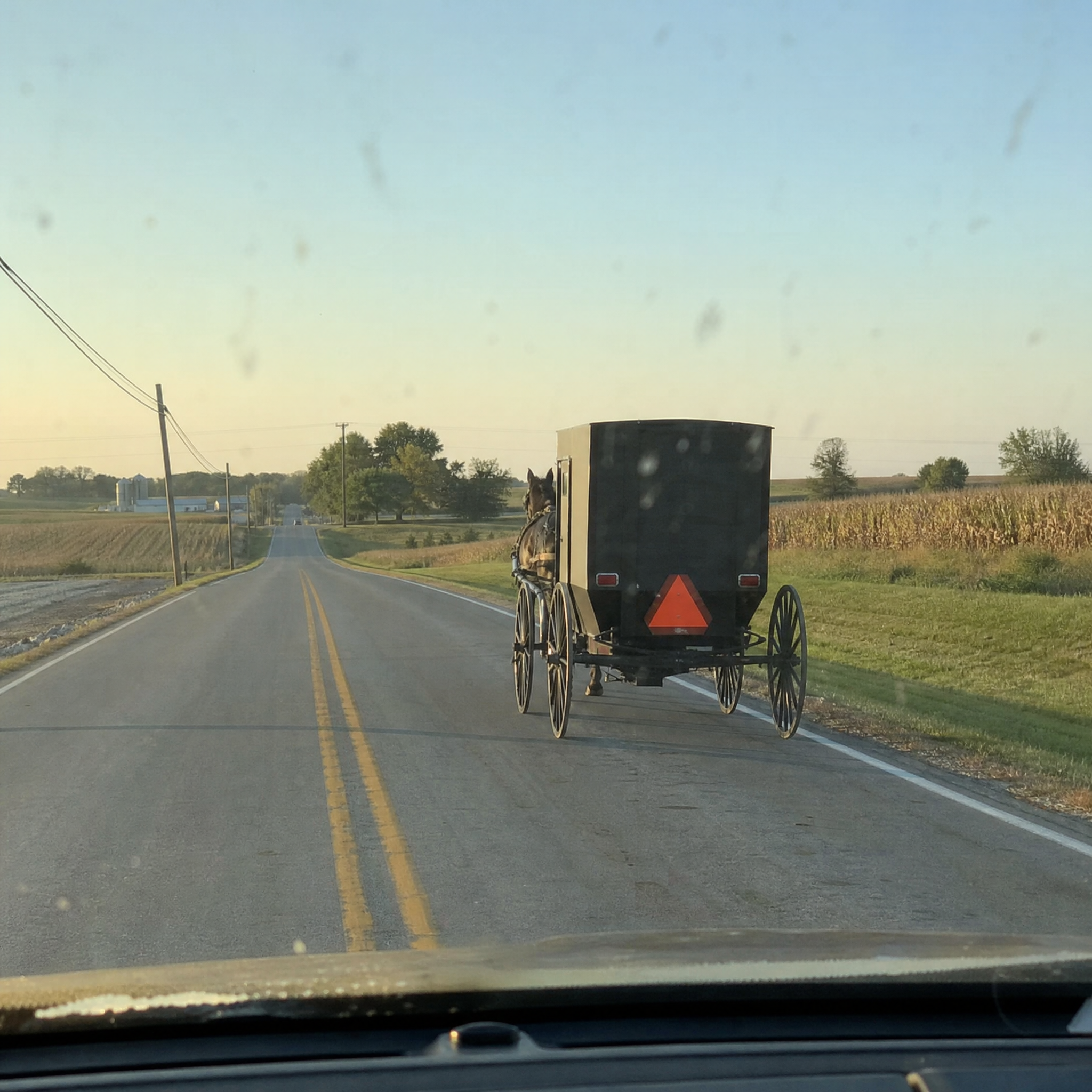
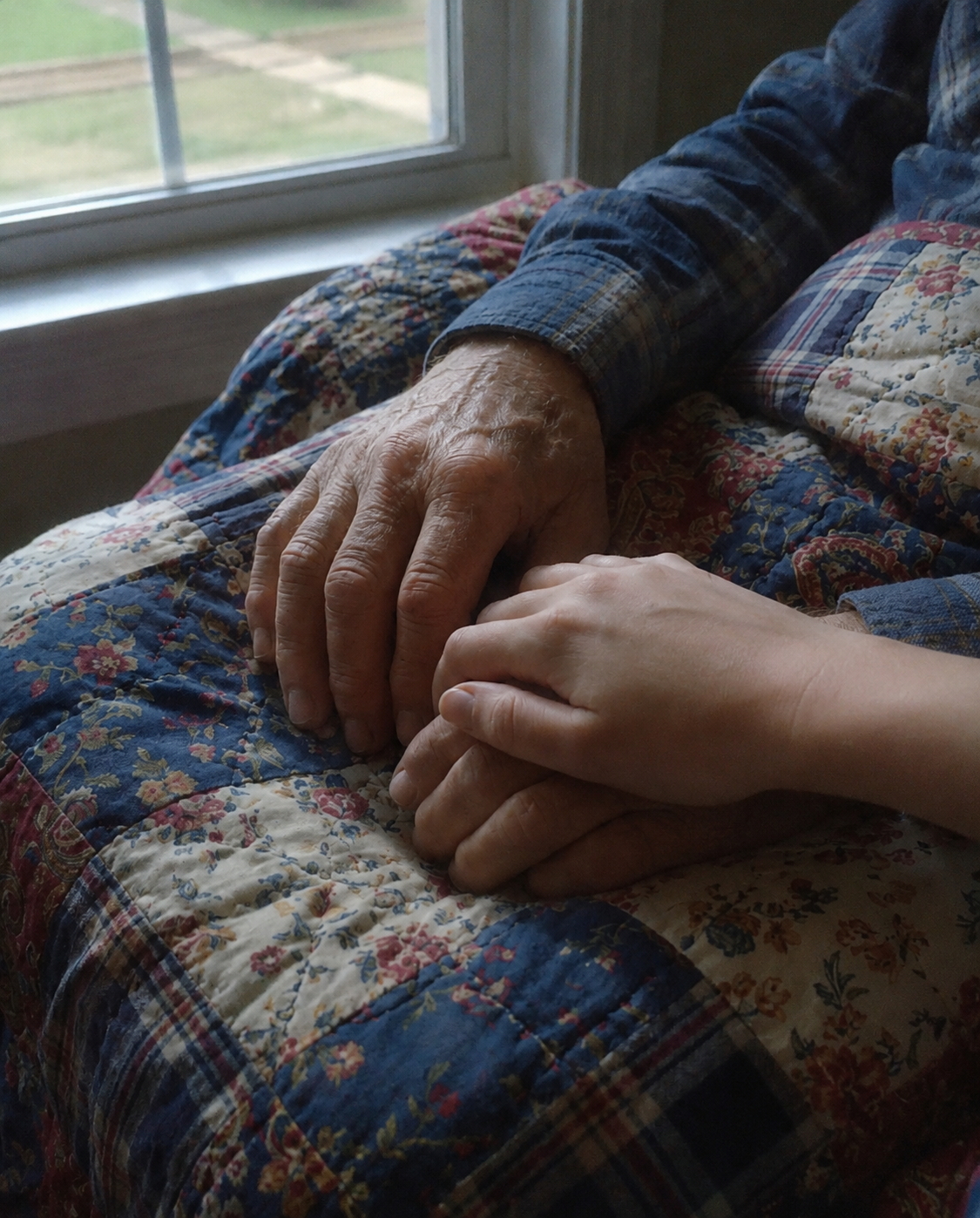
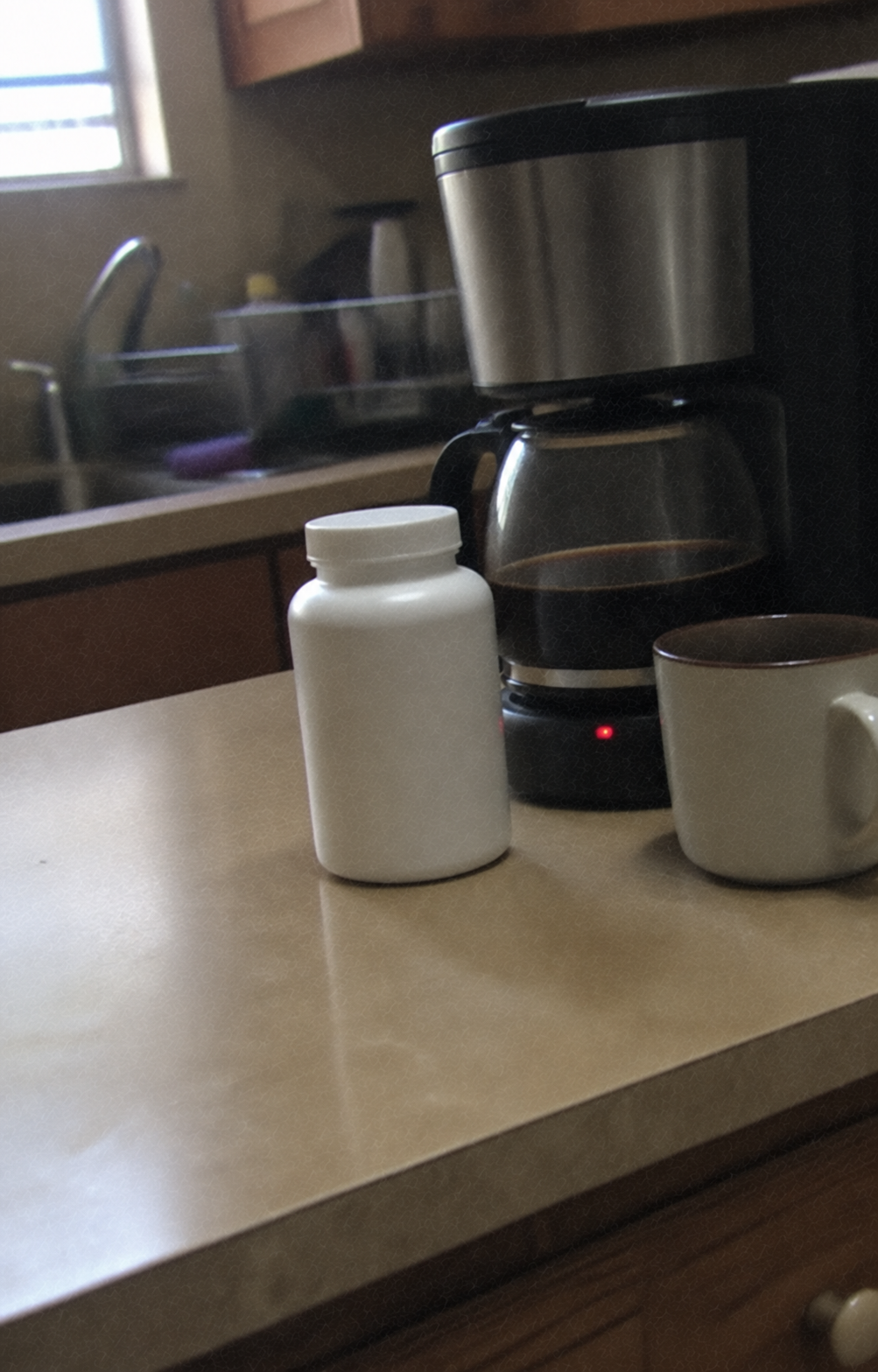
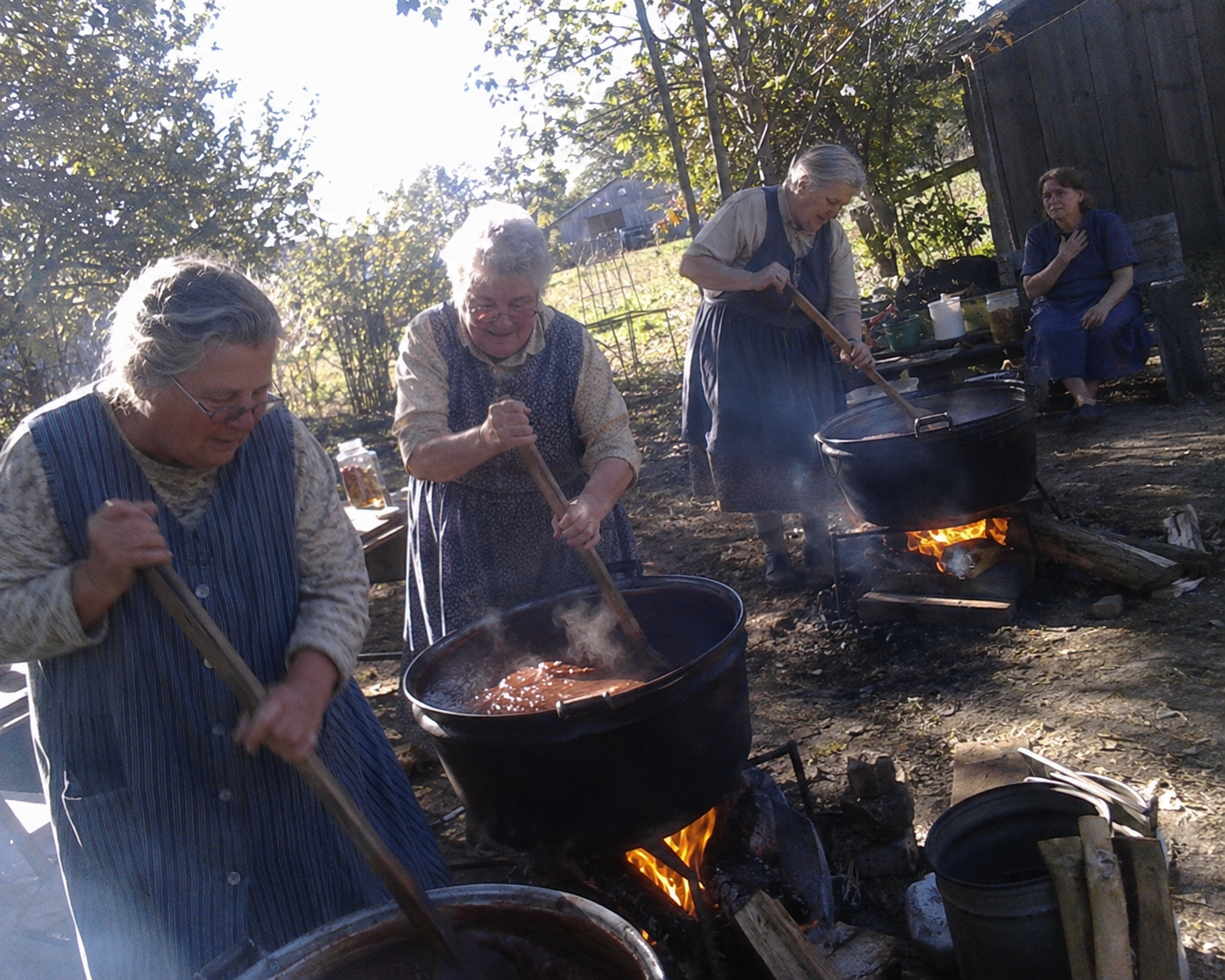
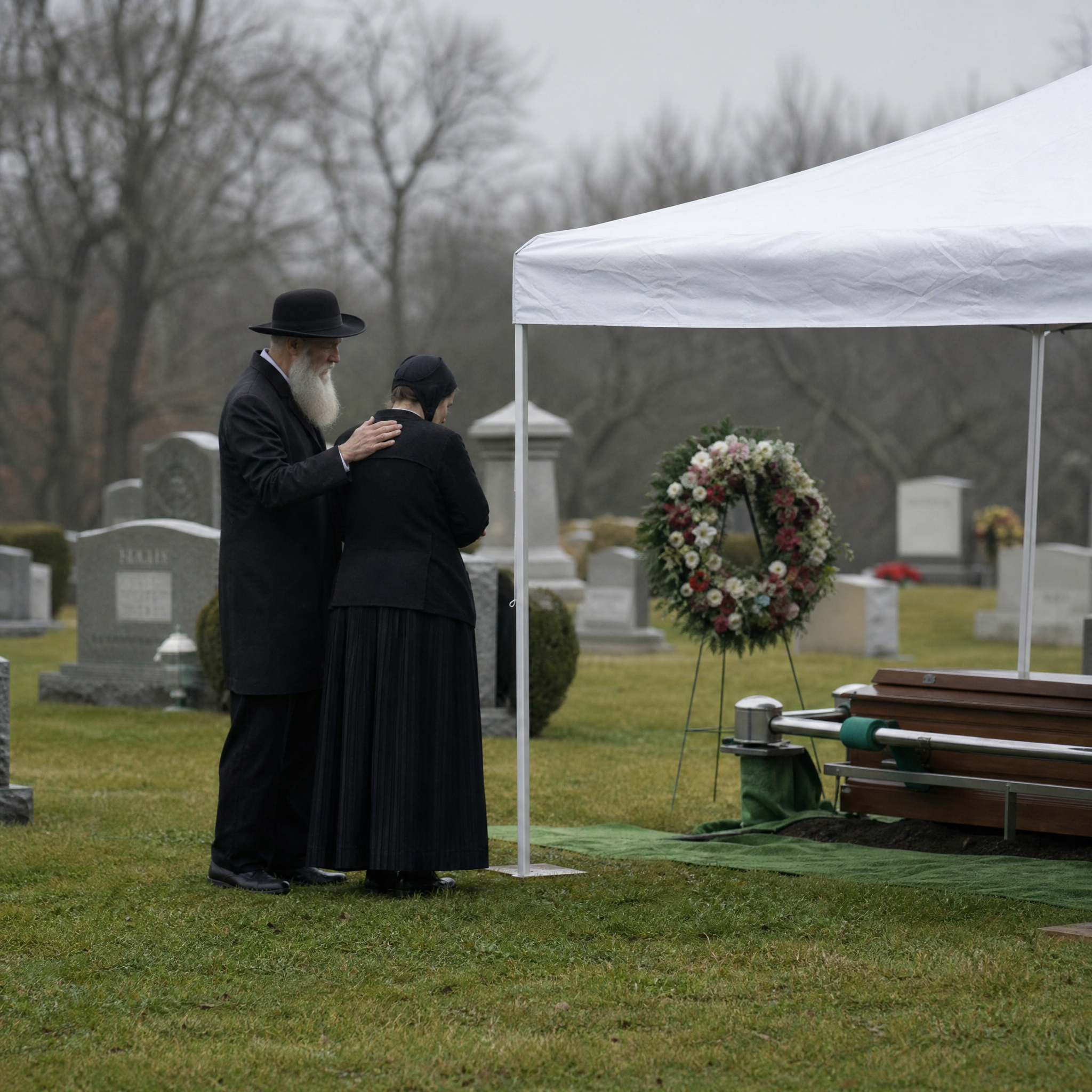
I left the Amish at 18 for an English boy with a Mustang. Last spring I buried him. He was 61. At the funeral, my father — who hadn't spoken to me in forty years — said five words at the grave that sent me back to his farm. I need to start at the funeral, because that's where this story turns, even though it's the worst day of my life and I'd rather start anywhere else. Doyle Brothers Funeral Home, Massillon, Ohio. An April Tuesday. My Tom in a casket at the front of a room with carpet the color of oatmeal, and me in the receiving line doing the thing widows do, which is thank people for coming while your own name floats somewhere above your head where you can't quite reach it. And then the room changed. You could feel it before you could see it — that shift that runs through a crowd when something walks in that doesn't belong to it. Black hats. Five of them, and three women in plain dresses, filing in quiet at the back. My father. My two brothers and their wives. My sister. And my mother, eighty-three years old, in the navy-black of Amish mourning, three hundred and forty miles from a farm she almost never leaves, standing in an English funeral home with her hands folded, looking at me. Forty years. No visits. No letters answered — and that part is mine to carry, not theirs, and we'll get to it. My whole English life, forty years deep, and it had never once occurred to me that they even knew Tom's name. They knew his name. They'd read it in the paper — the Amish read the English obituaries, it turns out, the way you'd check the weather in a country your child moved to. They stayed through the service. They stood at the back at the cemetery. And when it was over — when the English crowd had drifted off to their cars and their casseroles, and it was just me and the tent and the hole in the ground with my husband in it — my father walked up beside me. Eighty-six years old. A beard gone white as paper. He stood next to me looking at the grave, hat held over his chest, and I braced myself, because the last words this man had said to me were in 1985, and they had not been gentle ones. He said five words. Not I'm sorry. Not come home. Five words that made no sense at all standing over a coffin — five words that I turned over in my hands for three weeks like a key with no door, until I got in my car one morning in May and drove east to find the lock. I'm going to hold them a little while, the way I held them, because they won't mean to you now what they meant to me by the end, and this story doesn't work out of order. I learned that the hard way, by living it out of order. He said them, and he put his hat on, and he touched my shoulder — one time, one pat, the first time my father had touched me in forty years — and the vans took them away. Let me back up. All the way back. My name is Ruth Brennan. It was Ruth Esh first, and if you know anything about the Amish you know that name puts me in Lancaster County, Pennsylvania before I ever say it — there are Eshes on mailboxes from Gap to Georgetown, and I was born behind one of them, fourth of eight, on a dairy and produce farm, in a farmhouse with no electricity in the walls. These days — for forty years of days — I've been English, which is what they call everyone who isn't them. Massillon, Ohio. I kept books for a heating-and-cooling company until I retired. I raised two children with a dishwasher and a minivan and a microwave, and I buried my husband last April, at sixty-one years old, of a heart attack, in the kitchen we remodeled in 2019, while the coffee finished brewing. That's the story. Now let me tell it right. I have to show you the farm first — and I especially have to show you my job on it, because my job is the door this whole story walks back through. Every child on an Amish farm has work that belongs to them. My brothers had the milking. My older sister had the henhouse. And I had rows in the garden — my rows, given to me at seven years old the way English children get a bicycle. Two rows of beets, a row of beans, and the beets were the crown of it, because beets were my mother's particular pride: an old, dark, bitter strain grown from seed her own mother handed her, seed that came over the water with the family and never once got crossed with anything the English bred. My grandmother had doubled those beet rows in 1974, after her own father died young — there's a story there, and my mother will tell it to you herself in a root cellar before we're done — and the family had grown them double ever since. I planted them. I thinned them. I pulled them after first frost with cold hands, and every October I helped my mother put up four hundred jars — and the beets stained my fingers that deep crimson that doesn't wash out, it wears out, and I'd go to church with red-rimmed fingernails like every Esh girl before me. I want to be fair to that life the way the others who write these stories are fair to it: it wasn't bad. It was beautiful, and it was endless, and I could stand in my rows at seventeen and see my whole future the way you can see weather coming across a valley — the same garden, a husband from one of three neighboring districts, a kitchen, a cellar, a plot behind the church. Some girls found that beautiful. My sister did. I found it like an apron I couldn't untie. And then in the summer of 1985, Tom Brennan started hauling produce for the auction house. English boy, twenty years old, forearms out the window of a 1978 Mustang the color of a robin's egg, hired to run crates from the Amish farms to the produce auction in Leola. He came up our lane twice a week all summer. I was eighteen, selling at our stand, weighing tomatoes. I'd like to tell you it was complicated. It wasn't. He had a laugh you could hear over the engine, and he thought I was funny — me, the quiet one — and by August I was doing arithmetic no Amish girl is supposed to do: I hadn't been baptized yet. You leave before baptism, you're not shunned — that's the part English people always get wrong. The door stays open. It's just that nobody ever tells you that you'll be too proud to walk back through it. I left on a September night with a pillowcase of clothes, and I'm not going to walk you through every step of it, because this story isn't about the leaving — it's about the forty years of suppers that came after. My mother was the only one who knew I was going. She didn't argue. She stood at the kitchen door — I can see her there now — and she took my hands, my red-stained fingers, in her red-stained fingers, and she said, in Deitsch, "The garden doesn't hold anything against the seed that blows over the fence." Then she let me go. My father found out in the morning, and my father was a different man about it, and the words he said when he finally spoke — weeks later, through my cousin, secondhand — were hard enough that I decided I would never go back, and pride is a crop that comes up every year without planting, and I tended mine for forty years. Tom and I married in 1987. And here is where I need you to slow down and walk with me, because this is the part of the story that turns out to be the whole story, and neither of us saw it while we lived it. I was raised to feed people from dirt I could see from the kitchen window. Four hundred jars a summer. A cellar that looked like a jewelry store in October. And I stepped out of that world into the exact American decades built to erase it — the eighties, the nineties, the drive-thru, the freezer aisle, Hamburger Helper on a Tuesday because we both worked and the kids had practice. I knew better. That's my sentence to carry, the one I'll be explaining at the gates. I am maybe the only widow in Stark County, Ohio who was raised — trained, from age seven, in a garden — knowing better. And I set the English table anyway, three meals a day, forty years, for the man I loved most in the world. Nobody warns the girl who leaves that the table is the religion. The clothes, the buggy, the German — that's the costume of it. The table is the faith. And I converted, all the way, without ever once thinking of it as conversion. Tom ate what I set in front of him, and what drive-thru windows set in front of him on the road — he drove sales routes for thirty years, a cooler of gas station food riding shotgun where I couldn't see it. He was a big, strong, laughing man, and then he was a big, tired man, and the change came the way it comes: one belt notch a decade, the recliner taking him earlier and earlier, the stairs slower, and both of us calling it age, because everyone calls it age. At fifty, his numbers came back bad. Cholesterol 268, the LDL — "the one that matters," his doctor said — at 191. And they did what they do: a statin, twenty milligrams, every night at the bathroom sink. And I want to tell you what the pill did, from the wife's side of the bed, because the wife's side sees things the chart never sees. The number came down. Within a year his LDL read in the 130s and his doctor was pleased, and the word that got used at every appointment for the next decade was "controlled." Controlled, controlled, controlled. And meanwhile the man — the man was dimming. The aches he blamed on the sales miles. The fog — my Tom, who could remember every customer's kid's name from Toledo to Wheeling, standing in our kitchen at fifty-eight holding his keys, trying to remember what the garage was for. Falling asleep at his own birthday dinner, at the table, mid-sentence, while the candles burned. I watched it for eleven years, and here is my confession, the second one: something in me knew. Not from any English source. From the cellar. Because my mother had a saying, and her mother before her — I'd heard it a hundred times as a girl, stirring the canning kettle, and I'd filed it under folk talk, under things quaint old women say: "The count is not the condition. Butter turns. Iron rusts. Blood is no different." My grandmother used to say the English doctor in town had counted her father sound six weeks before his heart quit at fifty-nine. Counted him sound. That was the whole family ghost story, the reason the beet rows got doubled in 1974 — and I sat in English waiting rooms for eleven years hearing the word "controlled," feeling that old kettle-side saying knock on the back door of my mind, and I did not open the door. It was superstition. It was the old country. We had real medicine now. His numbers were good. His numbers were good on the morning he died. April 9th, a little after six. I woke up because the smell of coffee had been in the house too long without the sound of him. I found my husband on the kitchen floor we'd picked out together in 2019, and the mug was still upright on the counter, filled, and the toast had popped, and Tom was gone before I got down to him, gone before the ambulance turned onto our street, gone — the ER doctor was kind about it — probably before he ever set the mug down. Sixty-one years old. Eleven years "controlled." He had taken his pill the night before; I counted the days in the organizer afterward, because that is a thing widows do at 3 AM, we audit, as if finding an error would mean an appeal could be filed. There was no error. Every pill taken. Every number pleasing. The count was perfect, and the condition killed him at the coffee maker. You know what the cardiologist's office said, the one time I called with my 3 AM question — how does a controlled man die of the thing he's controlled for? The nurse was gentle and she was honest: "Sometimes that happens, Mrs. Brennan. Even with good numbers. I'm so sorry." Sometimes that happens. Even with good numbers. My grandmother could have told them why in 1974, stirring a kettle. It took me three more weeks, five words at a graveside, and a drive to Lancaster County to finally hear it. So: the funeral, the black hats, my father at the grave, the five words that made no sense. Three weeks of turning them over. And one more thing that happened in those three weeks, the thing that turned the key in my own chest. I had a physical. My children made me — after their father died standing at a coffee maker, Mark and Katie marched me to a doctor like two deputies, and I let them, because arguing felt like more energy than living had in it just then. My total cholesterol came back at 262. LDL 189. Blood pressure 146 over 91. I sat in that paper gown looking at numbers within shouting distance of the ones on my husband's first bad panel, and the doctor — kind woman, younger than my daughter's mortgage — reached for her pad and offered me the same pill, the exact same one, twenty milligrams, that had been in Tom's blood the morning it didn't save him. I asked her for twelve weeks. I want to be careful and honest here, because there's a right and wrong way to do everything in this story and I've done both: I didn't refuse. I asked — twelve weeks, a plan, and a retest on her calendar, and she agreed the way doctors agree when your numbers are bad-but-not-on-fire and your husband is three weeks in the ground and you ask for a little room to breathe. If she'd said no, take it now, I'd have taken it. Write that down before we go one step further: nobody in this story throws away a prescription, and my Tom's pills never get an ounce of blame from me for what they didn't do. My quarrel was never with the pill. My quarrel was with the half of the story nobody ever told him. And there was exactly one place on earth I might hear that half. Three weeks after we buried Tom, I put my father's five words on the passenger seat where he used to ride, and I drove east. The lane hadn't changed. That's the thing about their world — it's built not to change, that's the entire point of it, and after forty years of English weather it about knocked me flat. Same willows. Same white house. Same porch my pillowcase and I went down in the dark in 1985. My mother came out the kitchen door before the engine was off — they'd known I'd come; my father's five words were a summons and he knew it — and she came across that yard at eighty-three like a woman half her age, and took my hands. My fingers in her fingers. Hers still carried the red, faint, worn into the creases of eighty years of Octobers. Mine were clean. Forty years clean. I stood in that yard and cried about my clean hands, which sounds like a crazy woman's grief, and my mother held them like she knew exactly what I was crying about, because she did. Inside, at the table — my place at it not moved in forty years, fourth from the end, don't tell me that's an accident — I laid it all out. Tom. The eleven controlled years. The aches, the fog, the birthday candles. The coffee maker. The organizer with no pills missed. My own numbers now, and Mark's — my son, thirty-eight years old, whose bloodwork last year already reads like his father's did at fifty, because he eats from his truck the way Tom ate from his, and the doctors are already saying the word "monitor," and I have been quietly coming out of my skin about it since April. My mother listened all the way to the end without a word. Amish women are the best listeners on this earth; they're not waiting for their turn. Then she stood and lit a lamp and said, "Come down cellar, Ruthie." Same stairs. Same cool dirt-and-vinegar smell, and it hit me like a hymn you haven't heard since childhood — the body remembers cellars, it turns out. Same shelves in the same order, my nieces' canning now. And in the corner, the same wall of crimson. Double rows' worth. More than any family eats. She put the lamp on the shelf and put a jar in my hands, and my mother — eighty-three, eighth-grade education, never once in a doctor's office for herself that I know of — gave me the missing half of my husband's story. I'm going to give it to you in her words, as close as I can carry them, because they're better than any English version I've found since. "You remember Grossmammi's saying. You stirred the kettle enough times hearing it." I said it with her, both of us together in the lamplight: the count is not the condition. "Now hear it slow, one time in your life. Butter, left out wrong, turns. Rancid. Nothing was added to the butter, Ruthie. Nothing taken away. Same amount of butter — the counting never changes. The air got at it. The condition changed. A plow left in the weather rusts the same way — same iron by weight, count it all winter. Turned. And the fat in the blood is no different. Having it is not the trouble; a body needs its fat like a farm needs iron. The trouble comes when it turns. Turned fat goes sticky. Sticky builds, the way scale builds in a kettle, quiet, year on year, until the day the pipe won't pass." She let me stand with that a moment. Then she said the part I'd driven three hundred and forty miles for, the part that reorganized my grief into something with a purpose: "Your Tom's pill worked on the count, Ruthie. Eleven years, it kept his count pleasing. It never touched the turning — it was never built to. Nobody ever counted less butter into staying fresh." She took my hand, the way she took it at the kitchen door in 1985. "They watched his amount and called him controlled, and the whole time, the condition ran. You didn't fail him by the numbers. The numbers failed him by the half they never measured. And your grossmammi buried her own father over that exact half, fifty years ago, and doubled the beet rows over it, and this family has not lost a heart since. You know this story. You were raised inside this story. You just moved somewhere they don't tell it." I stood in my mother's cellar and sobbed like the eighteen-year-old who left it, and she let me, and when I was done she put a second jar in my other hand, so I was holding the crimson in both, and she said, "Now. The rows." The rows. My father's five words. We're almost there. First, the part you're here for — why the beets, and why these beets, because my mother is precise about this the way she's precise about everything. The red in the old strain — the English word is betalains; my mother just calls it "the red" — is what stops the turning. Not the way English vitamins scatter through you knocking everything down. The red goes to the one reaction — the turning itself, the butter-going-wrong — and stops it there, riding folded into the very fat it protects, right where the turning starts, where nothing on a pharmacy shelf reaches. It leaves everything else alone. The count-pill minds the amount. The red minds the condition. Grossmammi knew the what of it in 1974 without one day of chemistry: the red keeps the blood from turning. The why took the English scientists another fifty years to catch up to. And catch up they did — this is the part I'd never have believed if my own brother hadn't walked me through it in the barnyard the next morning. Some years back, English men in ties came into the county, looking not for beets but for a beet: they'd been through the research on the red, worked out that the modern sugar-bred beet barely carries it anymore — bred sweeter and paler every year for a hundred years — and that the old uncrossed lines carry it manyfold. They went family to family until they found the seed that had never been mixed. The Kings, two farms over. And the Kings' line and my mother's line are the same line — traded every third year since before I was born, to keep the seed strong. My childhood rows, Ruthie's rows, are under contract to an English company now. My brother says the men in ties stand in the mud every fall and inspect, and lecture about drying temperatures, and pay properly, and the one rule they will not bend is the rule my mother would not bend either: you cannot hurry it. The red dies with heat. It gets dried slow, in shade, cool, weeks not hours, or it isn't worth drying at all. I asked my brother the obvious English question: why capsules, why a company at all — why not just eat from the wall like the family does? And he gave me the farmer's answer: "You'd need to eat like a draft horse, Ruth. The studies the English ran, the doses that moved blood — a supper plate doesn't carry it. The jars are food. The capsules are the dose." My mother's cellar for the soul. The capsules for the arithmetic. They wrote the name down for me — my brother did, in pencil, on the torn-off top of a seed envelope, and my mother watched him do it and nodded like a bishop approving a marriage. I put it in my purse, in the inside pocket, where a woman puts things she is not going to lose. And then I went home to Ohio, and — because I am my father's daughter too, stubborn in the exact way that costs — I did not use it. Not at first. Here's my fool's detour; take it so you don't have to. Standing in a drugstore aisle two days home, grieving and impatient, I saw the wall of English supplements, and there were beetroot capsules right there, $16, red label with a nice photograph of a beet on it, and I thought: a beet is a beet, and Mark needs this NOW, and shipping takes time. I bought three bottles — one for me, one for Mark, one for Tom's brother Doug, who has Tom's build and Tom's habits and Tom's exact laugh, and who I cannot look at across a table without my heart stopping. Six weeks, faithful as communion. I even felt a little something — a small lift in the afternoons — and I let it fool me, the way it's built to fool you. Then I did what my mother told me to do the day I left the farm: "Whatever you buy, Ruthie, open one over a white saucer first. You of all people know the color." I did it late — six weeks late. Twisted a capsule open over my white china saucer at the kitchen table. Brown. Dust brown. Barn-floor brown. Not within a county mile of the color that stained my fingers for eleven childhood Octobers. Heat-dried, sugar-bred, dead as ash — I didn't need a lab to tell me; I am maybe the one widow in Ohio who has spent four hundred hours of her life looking at exactly what living red looks like, and this was not it. I'd been feeding my son ashes for six weeks because a label had a nice photograph on it. The name was still in my purse. Rosabella. That's what my brother's pencil said, on the torn top of a seed envelope, in handwriting I'd know at the bottom of a well. That's the English company the Kings and my mother's people trust with the old line — the same uncrossed seed my grandmother doubled in 1974, grown two farms from my childhood rows, pulled after first frost when the red runs deepest, shade-dried slow because hurrying kills it. Thirteen hundred milligrams to the capsule — the study dose, printed plain, no blends, and my brother's one sentence on that subject is the entire consumer education a person needs: "A blend is where the truth goes to hide." And the lab paper, from an outside laboratory, on the actual batch, posted where anybody can read it — I checked mine against the lot number on the bottle the day it came, because six weeks of ashes buys a woman her suspicion. I did the saucer before anything else. Kitchen table, evening light, Katie on the phone waiting because I'd told her about the first saucer. The powder fell out crimson. Communion-wine dark, violet at the edge, and when I tipped one drop of water onto it, it bled across the white china like a stain — like October, like the kettle-side, like every red-rimmed fingernail in every Esh generation back to the boat. I put my finger in it. I hadn't planned to. Forty years clean, and I sat at my English kitchen table and pressed my fingertip into my mother's color, and it stained, and I cried for the fourth time in this story and not the last. Katie, on the phone, listening to her mother go quiet: "Mom? Is it the right one?" It was the right one. It had been growing in my own rows the whole time. Two capsules the next morning, a tall glass of water, and I sat on my back step with my coffee, paying attention on purpose. Twenty minutes, and it came: warmth down into my hands, and behind my eyes a kind of clearing — like a window washed that you'd stopped noticing was dirty. And I'll tell you plainly what that was and wasn't, because I have now been fooled once and I decline to pass the favor along. That feeling is not your cholesterol fixed by lunch. The turning slows over weeks and proves itself on lab paper, nowhere else. What the twenty minutes tells you is one thing: the red is alive and in you — the thing six weeks of drugstore ashes never once did. It's the saucer's promise, kept in your blood. The beginning of proof. Not the end. The end came on paper, and around my table, and in three other people's bloodwork, and I'm going to take my time with this part because a wise man I never met wrote that the transformation is where these stories earn their keep, and mine has more people in it than me. Me first. Twelve weeks, like I'd asked. LDL 151 at eight weeks — from 189. At the twelve-week recheck, 127, and my kind young doctor looked at the screen, looked at me, scrolled back through the history like the screen might be teasing her, and said, "Whatever you're doing, Mrs. Brennan, keep doing it — these don't need a prescription." No pill for me, her call, off my paper, with the next recheck already on her calendar, which is the only way that decision ever gets made in this family now. The fog I didn't know I had — widows learn their own symptoms late, we're busy learning everyone else's — lifted somewhere in the first month. I sleep through the night. I walk to the cemetery on Saturdays, two miles each way, and I talk to Tom the whole way like a crazy woman, and the hills on Lincoln Way don't take my breath anymore, and I have decided he can hear me and I've further decided nobody gets a vote on that. Now Mark. My son. Thirty-eight, his father's build, his father's truck-cooler habits, his father's laugh — and last year, already, an LDL of 174 and a doctor saying "monitor." You want to know what April did to me? It wasn't only grief. It was watching my boy carry his father's casket with his father's body. Same shoulders. Same walk. A woman shouldn't have to see forty years down her own child's road, but I'd just been shown exactly what's at the end of that road, at a coffee maker, on an April morning. I didn't ask Mark. I learned that from my mother, who never once asked me anything in forty years — she just kept the wall stocked. I drove to his house with a bottle and his grandmother's story, and I put both on his kitchen counter, and I said five words of my own: "Take it. For your kids." Ten weeks later my son called me from his truck, and he was quiet in the way he gets when something's landed, and he said, "One fifty-one, Mom. Down twenty-three." And then — and this is the whole transformation, right here, the entire reason this story exists — he said: "Tell me about Grossmammi's rows again. Wyatt's asking. He wants to plant some." Wyatt is my grandson. He is nine. He wants to plant beets. Doug next — Tom's brother, sixty-four, Tom's build, Tom's laugh across a Thanksgiving table like an echo that could stop your heart. Doug's been on a statin for nine years, "controlled," aching, foggy, the whole eleven-year rerun starting again one chair over from where Tom used to sit. I gave Doug the bottle and the story, and Doug — who misses his brother the way you miss a limb — did it exactly right, and I want it on the record because this is the part that matters most for half the people reading: he changed nothing on his own. He took the bottle AND the lab paper to his own doctor, told him everything, kept taking his pill as written, retested at ten weeks — and his doctor, looking at the new numbers and the deeper panel, walked his dose down himself. His call. Off Doug's paper. On his schedule. Doug's hands don't ache on his steering wheel anymore, and at Christmas he told a forty-five-minute story without once losing the thread, and I sat there watching Tom's laugh come out of Tom's brother's unclouded eyes, and I excused myself to the kitchen and stood over the sink awhile, and that's allowed. And then, in September, I went back to Lancaster County — and this time I didn't go alone. Two cars. Mark, his wife, Wyatt and little June. Katie and her husband. Doug came too — "I want to see where it grows," is all he said. Three hundred and forty miles east, up the lane, under the willows, and my whole English family spilled out into my mother's yard, and my mother stood on the porch she's stood on for sixty years and watched forty years of her arithmetic finally come up the drive. We stayed two days. My grandchildren gathered eggs. Wyatt followed my brothers around like a barn cat. And on the second evening we all sat down at the long table — twenty-two of us, plain and English, gas lamps coming on as the light went, my place fourth from the end where it had waited forty years — and my father sat at the head, and prayed the silent prayer, and the whole table went still the old way. And there were beets on that table. Of course there were. Pickled, crimson, in a cut-glass dish that I remembered from my girlhood, and I watched my nine-year-old English grandson spear one on his fork — his mother telling him quietly what it was — and eat it, and consider, and take another. My mother watched him too. Her fingers, folded on the table, red in the creases. His, brand new, about to be. The seed made it to the fifth generation at that table, in that dish, on that evening. Whatever else I've done with my forty years, I carried the seed over the fence and it landed, and it grew. After supper, my father asked me to walk to the garden. He's slower now. We went down the rows in the last light, past the beans, past the late corn, to the far side — and there they were. Two rows of beets, standing dark and proud, ready for first frost. My rows. The ones I was given at seven. In the exact place they'd always been. "Your mother kept your rows." That's what he said at the graveside. Those are the five words. My father stood over my husband's coffin, after forty years of silence, and the thing he chose to tell me — the only thing — was that every spring since 1985, my mother had planted my two rows. Not the family's double rows; those are on the other side of the garden. Mine. A separate two rows, in a child's plot, planted and tended and harvested by an old woman for forty consecutive springs, for a daughter who might never come back to pull them. Standing at the grave, three weeks ruined, I'd heard it as nonsense. Kind, maybe. Old-man strange. It took the cellar, and the saucer, and the whole summer to hear it right, and in the garden, in the last light, my father said the rest of it — the most words I've heard him say at one time in my life: "She said a garden holds nothing against the seed that blows over the fence. But I want you to know it was not only your mother." He looked at the rows, not at me. "Forty springs, Ruth. Some years she was poorly and I plowed them myself. We did not know if you would come. That was never the question. The rows are not for whether you come." He put his hat back on. "The rows are so there is something here when you do." That's the whole religion of my people, and the whole mechanism of this story, and the whole reason you're reading an ad that doesn't feel like one, in one sentence from an eighty-six-year-old man in a garden: the rows are not for whether you come. The rows are so there's something here when you do. They kept the seed a hundred and fifty years. They kept my rows forty. It was all still there when I finally came up the lane — and here is the strange mercy I drove home with: it's still there for you, too, and you don't need the lane, or the forty years, or the grave that it cost me to learn it. The same families grow the same uncrossed line right now — my rows and the Kings' rows, the same seed my grandmother doubled in 1974 over her own father's grave. Rosabella is the English company they trust it to, because Rosabella dries it the way my mother would — slow, cool, in shade, weeks not hours, because the red is tender and hurrying kills it. Thirteen hundred milligrams to the capsule, the study dose, printed plain, no blends. The lab paper posted, batch by batch, where anybody can read it. Two capsules, one glass of water, every morning — me, Mark, Doug, and Katie too now, and yes, we order for the house. If you're a wife reading this at the end of a long day, and there's a man in your recliner right now whose numbers are "controlled" and whose light is dimming anyway — the aches, the fog, the birthday-candle sleep — hear me, one table-setter to another: the count is not the condition. Butter turns. Iron rusts. Blood is no different. The pill he takes minds his amount, and he should keep taking it exactly as written — that sentence is not negotiable in my house or yours. But nothing on that pharmacy receipt minds the turning. The red does. It's the only thing on either of our tables that ever did. And if you're the one in the recliner: I watched a man do everything the chart asked for eleven years, and the chart praised him right up to the coffee maker. Don't make your wife write one of these. Do the saucer first. Twist one open over white china. Crimson is alive — you'll feel the truth of that in your hands within the half hour. Brown is ashes, no matter what the photograph on the label promises. And the proof that matters comes on paper, at a lab, in weeks — put the retest on the calendar the same day the bottle comes. That's how we do it in this family now. Both of them. Both families. It's one family, is what I finally learned. It just took the seed forty years to teach me. https://track.tryrosabella.com/e73e2b82-57e8-45b3-b98f-f257632c842b — Ruth Brennan (born Esh), Massillon, Ohio P.S. — The guarantee, plainly, kitchen-table style: you try it for ninety days. You get your bloodwork done — you should anyway; a coffee maker taught me that. If your numbers don't come down, you send back the bottles, empty is fine, and they return every dollar. That's the whole arrangement. Tom filled eleven years of prescriptions and not one of them ever came with those terms. The only outfit that ever offered to carry the risk themselves is the one my mother's seed vouches for — and my mother's seed has never once lied to me. P.P.S. — The twenty minutes, so nobody fools you in either direction the way the drugstore fooled me. First morning: warmth into the hands, a clearing behind the eyes, inside the half hour. That's blood moving easier — it means the red is alive and in you. It is NOT your cholesterol fixed by lunch; the turning slows over weeks and shows up at the lab. I felt a false little lift for six weeks on ashes while nothing underneath changed. The saucer is proof. The paper is proof. Feelings are for back steps and coffee. P.P.P.S. — The medication steps, numbered, because vagueness gets people hurt and I'm a bookkeeper's bookkeeper about this now. One: change nothing today — not one pill, not one dose, and I mean you, the man skimming this. Two: add the capsules alongside; they don't quarrel — the pill works the count, the red works the turning. Three: tell your doctor, and bring the bottle and the lab paper with you; Doug's rode to his appointment in a Ziploc, label out. Four: retest at eight to twelve weeks — on the calendar, in ink, the same morning you start. Five: if the paper is good, your DOCTOR walks the dose down. His call. Your numbers. His schedule. That's how Doug did it, that's the only way anyone in this family does it, and nobody in this story ever quits anything alone — my Tom took his pill faithfully to his last night, and his pills were never the villain. The missing half was. P.P.P.P.S. — To the women, from the woman who set the table. We decide what's on it. That's not guilt — I've carried enough guilt for both of us this year and I'm putting it down now — that's power, and I'm asking you to use yours faster than I used mine. Don't ask him if he'd consider it. I asked nothing of Mark: I put the bottle and his grandmother's story on his counter and said "Take it. For your kids," and my son's LDL is down twenty-three points and my grandson wants to plant beets. Put it in his hands. Five words work on stubborn men; I come from the stubbornest people in America and I married into the second stubbornest, so trust me on the arithmetic. And the red doesn't check whose name is on the bloodwork — mine came down first in this family. Order for the house. And if this story put a name in your head from the first paragraph — a widow you know, a man whose numbers are "controlled" — send it to them. I wrote it at my kitchen table for exactly that reason. P.P.P.P.P.S. — Last thing, and it's garden arithmetic, not marketing. One seed line, kept by hand by a handful of Plain families in one county. One harvest a year, after first frost, when the red runs deepest — I pulled my own childhood rows this October, forty years late, with my grandson beside me, so I can tell you firsthand there is no hurrying any of it, and nobody is going to try, because hurrying kills the very thing you're buying. When a season's harvest sells through, it's gone until the frost comes again. I keep bottles ahead now the way my mother keeps jars — you don't run a cellar down to bare shelves and call it planning. They run a buy-3-get-3-free: three months for you, and three for whoever you thought of when I told you about the coffee maker. Somebody came to mind. If there's bloodwork on your calendar inside sixty days, order while the season's supply is standing. The 90-day guarantee carries the risk either way. My mother planted rows for forty years for a daughter who might never come. You only have to plant once. Come to the table sooner than I did. https://track.tryrosabella.com/e73e2b82-57e8-45b3-b98f-f257632c842b
Support stamina and heart health every day
LEARN MORELike this ad? Make it yours.
Crush rebuilds this exact creative around your product — your brand, your colors, your offer — in about a minute.