Diane Foster
Diane Foster Facebook ad: “Support Your Body's Natural Wellness Systems”
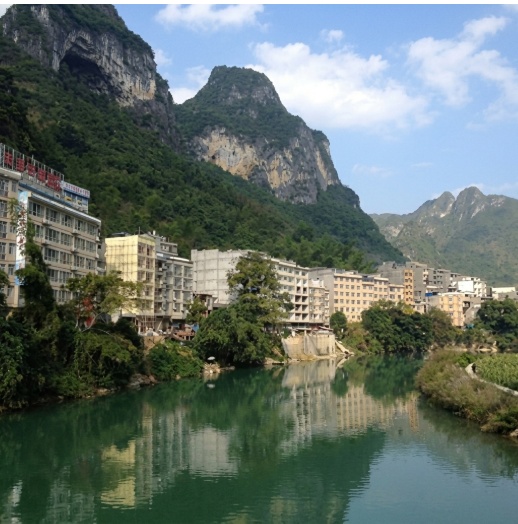
Ran for 14 days, from August 1 to August 15, 2026, the last day Crush saw it.
Run by Diane Foster on Facebook. Crush is not the advertiser and does not verify its claims. See this ad in Meta's Ad Library(opens in a new tab)
Want an ad like this for your product?
Crush makes new ad images for your product from this ad: your logo, your product photo, your offer.
Trials from $19.95 USD, then $79.95 USD a month. Cancel anytime.
About this ad
- Meta Ad Library ID
- 1102420152352478
- Platforms
- Facebook, Instagram, Audience Network, Messenger and Threads
- Relaunches
- 0
Ad text
Two million people a year fly to Bama, China chasing the secret to living past 100. They line up for the cave, the river, the magic soup. When I finally asked a 101-year-old woman her real secret, she told me they were all chasing the wrong thing. I study the places where people live longest. For years I've been chasing a question no Western textbook answers cleanly: why do a few corners of the world produce women who stay lean, sharp, and undamaged into their 90s while the rest of us come apart at 50? Bama is one of those corners — a rural county in the Guangxi region of southern China, home to the Yao and Zhuang people, where the share of people who reach 100 is nearly six times the global standard. It's so famous for it that the county has become a machine. Two million health tourists pour in every single year. They come by the busload. And the women there, into their 90s and past 100, don't carry the bloating, the exhaustion, the thickening middle that every woman I know back home has quietly accepted as the toll of age. I went in as one of those two million. I want to tell you what I saw them chasing, and then what an old woman finally told me was real. Every time I came home from a place like this, people said the same thing. "Sure, but that's an isolated village. Different food. Different water. Different genetics. That doesn't apply here." So let me tell you about the woman I stayed with. Because what she told me had nothing to do with the cave, or the river, or genetics. Her name was Lan. She's 101 years old. Lives in a wooden house on a green hillside above the Panyang River, with a garden that wraps around the whole property. Still tends it every morning. Still walks down to the water and back. Threads a needle without glasses. She's outlived two of her own doctors. She's 101 and hasn't taken a pill of any kind in longer than she can remember. — The first thing you notice in Bama is the industry that's grown up around the secret. They line up outside a cave called Baimo to breathe the air — the "healing air," thick with negative ions, that's supposed to be the reason people live so long. They drink bottled water from the Panyang River. They buy hemp-seed soup and fragrant local pork sold as "longevity food." They pay for magnetic-therapy sessions. Whole hotels, whole villages, have been rebuilt to sell it. Cancer patients and exhausted city people stay for months, waiting for their second life to begin. I watched thousands of them do it. And on my third day, sitting with Lan on her porch above the river, I asked her which of it mattered most. The cave? The water? The soup? She laughed — a real laugh, the kind that comes from somewhere deep. "Everyone who comes here asks me about the cave," she said, through her granddaughter. "The tourists. The reporters. The doctors from the cities. Two million of them a year, and they all ask an old woman about the air in a cave." She shook her head. "You know how many people drink our water now? Breathe our air, eat our soup, buy the pills made from our hemp? And still they are swollen by night. Still tired. Still fog in the head. Still awake at three in the morning with no reason for it." She leaned toward me. "The cave is nothing. The river is nothing. The soup is good food, but it is not why I am 101. It is not why my mother reached 99. It is not why the old women I sit with by the water are all past 85 and still sharp enough to argue with me until dark." "Then what is it?" I asked. "It is what I do every night. What my mother taught me. What her mother taught her. What the women here have done quietly for as long as there have been women here — while the visitors line up for the cave." — She got up and went to a wooden cabinet and brought down a clay bowl and a stack of soft cotton cloths, folded neatly. The cloths were worn thin from years of use. The bowl held a faint golden film. "Every night before I sleep, I warm the oil. I soak the cloth. I lay it here." She put her hand flat on her belly. "Snug. Warm. And I sleep with it there until morning." She held up a cloth. "My mother gave me the first of these when I married. She told me: care for your husband, respect the old ones, and clean your body from the outside every night of your life. She lived to 99. Never once lay in a hospital bed." "Clean from the outside?" I asked. "What does that mean?" She looked at me the way an old grandmother looks at a child who's asked something obvious. "You cannot clean the inside by swallowing things. The stomach destroys everything you put in it. The pill dissolves, and what is left is spread so thin across the body that it reaches nothing. All those people out there spend fortunes on the cave, the water, the soup, the pills — and only grow sicker. You know why?" She tapped her stomach. "Because what is making them sick is not floating loose, waiting to be washed away. It is buried in the walls. Deep in the flesh. Behind shields so thick that nothing you swallow — and no cave air — will ever touch it." "The only way to reach it is through the skin. Directly. With warmth and a little weight on top. While you sleep. While the things inside you are awake, and moving, and feeding." I sat there staring at her. "They take their medicine in the morning," she said, nodding down toward the tourist crowds by the river, "for the trouble that comes at midnight. That is why they are all still tired, even here." — I need to explain why that sentence went through me like a current. Because I'd heard it before. Nearly word for word. A woman on a Mediterranean coast had said almost the same thing to me a year earlier. An elder in a village on another continent had said it too, in her own language, through her own grandchild. Every long-lived culture I'd ever sat with had reached the same conclusion, separately, without ever meeting: oil on the belly, cloth, gentle compression, overnight. None of them said cave, or river, or soup. I'd always filed it under folk practice. A charming detail for the notes. Not the finding. Then I sat above the Panyang River, watching two million people chase the wrong secret, and heard a 101-year-old woman describe, in her own plain words, the exact thing two doctors back home had shrugged at when I described my own symptoms. That's when I stopped calling it folklore. She told me the oil. Castor oil. It had been in these hills for as long as anyone could remember — the oil you never cook with, the one you wear. The ancient world far to the west called it the Palma Christi, the palm of Christ. In India the healers had wrapped bellies with it for over four thousand years. Lan's grandmother simply called it the night cleaning. "You cannot drink it," she said. "It must go through the skin, over the stomach, with warmth, and a little weight, all night. That is the whole secret. There is no other. The cave, the river, the soup —" she waved toward the crowds — "that is nothing. This is the thing." — Lan walked me through her village over the next several days — the real village, up the hill, away from the tourist stalls. Her neighbor is 90 and has done the wraps every night since she was a girl. A retired farmer down the lane is 96; his wife started him on it in his forties, when he complained of a stomach that swelled and a tiredness sleep wouldn't touch, and the doctor in the town called it a weak stomach and gave him tablets that did nothing. The wraps did. He put the tablets away within two months and never touched them again. The woman who sells vegetables by the old bridge is 88. She told me she'd watched the tourists come for decades. "They line up for the cave. They photograph our river. Nobody asks what we do at night. And we don't tell them. It sounds strange if you weren't raised with it. And besides —" she smiled — "they didn't come to hear it." Then she said almost exactly what Lan had said. "The soup fills you. The night cleaning keeps you here." — I turned the contrast over the whole flight home. Back home, women in their 40s and 50s are barely getting through the day. Swollen by every afternoon. Wiped out by 2pm on a full night's sleep. Fog so thick they lose the end of a sentence. Awake at 3am, heart going, staring at the ceiling until the alarm. Their doctors say IBS. Stress. Hormones. Age. The bloodwork always reads normal. They swallow probiotics. Try elimination diets. Buy the hemp-seed powders and the "longevity" supplements sold in Bama's own gift shops — and nothing holds. The bloating returns. The fatigue deepens. The 3am wake-ups keep their schedule. And on a green hillside above the Panyang River, a 101-year-old woman with a flat stomach and a clear mind has more life before sunrise than most of those women — or most of the two million tourists below her — have all week. She takes no supplements. Counts nothing. Cleanses nothing. She doesn't even go to the cave. She wraps her belly every night and sleeps. — When I got home I pulled every study I could find on what Lan's oil actually was and why the delivery mattered. The compound is ricinoleic acid. About 90% of castor oil. One of the only natural compounds shown to break down biofilm matrices. Biofilm. The word Lan never used but described exactly. Parasites don't float loose in your gut waiting to be flushed. They burrow into the intestinal wall. They anchor into the tissue. Then they build biofilm — a dense shield that hides them from your immune system, from lab tests, and from anything you swallow. Lan called them "shields so thick nothing you swallow will ever touch." She was right. Biofilm is why standard parasite tests miss the majority of infections. The stool test catches only what's floating loose. What's dug in behind biofilm is invisible. You can be riddled with them and every result says you're fine. That's why millions of women are bloated, exhausted, foggy, and told nothing is wrong — while Lan's hills stay sharp and lean past 90. — And parasites are nocturnal. Most active between midnight and 4am. That's when they feed, reproduce, and release the toxins that trip your nervous system and snap you awake at 3am. "They take their medicine in the morning for the trouble that comes at midnight." She was describing basic parasitology without a single medical word. The pills pass through in the daytime while the organisms are dormant. By midnight there's nothing left in you to fight them. You're hunting nocturnal creatures at noon. Every oral protocol shares the same four fatal flaws. They can't break biofilm. Nothing swallowed gets through the walls. What's loose dies; what's protected survives and repopulates the moment you stop. They don't reach the eggs. Thousands sit embedded behind biofilm. The adults die; the eggs hatch two to three weeks later. That's the crash — two good weeks, then it all comes back. They don't drain the dead ones. Dead parasites release more toxins than live ones, and no pill turns on lymphatic drainage, so the debris piles up and poisons you. That's the "die-off" people mistake for healing. And they work in the wrong hours. The pill's gone by midnight; the organisms emerge to an empty house. Lan's hills bypassed all four without reading a word of it — and without any of the cave, the river, or the soup the tourists were paying for. — When castor oil is applied over the abdomen with compression and body heat, the ricinoleic acid absorbs through the skin. It bypasses the digestive system entirely. No stomach acid to destroy it. No dilution across twenty feet of intestine. Full concentration, directly into the tissue around the gut. Lan was right — you can't clean the inside by swallowing things. Body heat activates the ricinoleic acid and opens the blood vessels, pulling it deeper. The compression drives it inches into the tissue — right to where the biofilm fortresses sit. Worn overnight, it works during the exact window Lan named. Six to eight hours. Midnight to 4am. When the organisms are feeding and reproducing and releasing the toxins that wake you. The compression also turns on the lymphatic system. Dead parasites, dissolved biofilm, eggs, toxins — actually flushed. Not left rotting inside you. That's what "clean from the outside" always meant. The oil dissolves the walls; the compression drives it deep and turns on drainage; the overnight timing catches them exposed. The biofilm doesn't stand a chance. Every ancient culture near the earth found this alone. Bama. Kerala. Okinawa. Sardinia. The healers of India, four thousand years back. Grandmothers in the American South with their yearly "spring cleaning" on the inside. Different cloths, different oils, same method, same result, same long lives. — I started the night I got home. The first attempt was a disaster. Store-bought castor oil. An old t-shirt. Plastic wrap around my middle like a fool. Oil through the shirt and into the sheets within the hour. Woke at 1am with the cloth bunched under my ribs and a stain that never came out. Lan's cloths were handed down from her mother, worn soft over decades of nightly use. They held the oil and stayed put all night. I had nothing like that. Nobody does, unless it came down through three generations of women who did this every single night. Then I found Tavio. Organic cotton and bamboo that holds the oil at full concentration without leaking. Adjustable compression that stays put all night — side sleepers, back sleepers, people who never stop moving. No mess. No stained sheets. Reusable for months. Here's what I didn't know until I went looking: most of the castor oil sold cheap online comes in plastic bottles. And castor oil pulls microplastics right out of the plastic — so you'd be absorbing plastic through your skin all night, while trying to clean yourself out. The cheap packs are worse: synthetic fabric that sheds its own plastic against your skin for eight hours straight. I wasn't about to trade one problem for another. Tavio comes in amber glass, never plastic. The oil is organic and hexane-free, 90% ricinoleic acid — the strength you actually need to break down that shield. And the pack is organic cotton and bamboo, nothing synthetic against your skin all night. It's the modern version of the cloth Lan's mother pressed into her hands the day she married. On before bed. Off in the morning. — Week one. More activity in the bathroom than usual. Quiet, steady. No headache, no crash. Just the sense that something was finally moving. Week two. The bloating that had been part of my life for years started disappearing. Flat stomach after dinner for the first time I could remember. I'd unbuttoned my jeans after eating for so long I'd stopped noticing — until the pressure just wasn't there. Week three. The week that always broke me. Every cleanse I'd ever tried crashed here — two good weeks, then the eggs hatch and it all comes back worse. Nothing came back. Bloating stayed down. Sleep stayed solid. The biofilm was dissolving, the eggs were being reached, the cycle was finally breaking. Week four. The 3am wake-ups stopped completely. Two years of waking between 2 and 4 — doctors called it stress and told me to meditate. It wasn't stress. It was something feeding in my gut during the hours I should have been asleep. Gone, they stopped. Not gradually. Just stopped. The fog lifted. The chemical sugar cravings that used to pull me to the kitchen at night disappeared. A friend looked at me across a table and asked if I'd lost weight. I hadn't lost weight. I'd lost what was feeding on me. By week six every symptom I'd carried for years was gone. Bloating. Fatigue. Fog. The 3am wake-ups. The cravings. I hadn't changed my diet. I hadn't added exercise. I hadn't gone back to any cave. I'd done exactly one thing — what Lan has done every night for eighty years. What her mother did. What the oldest women of those hills have done quietly while two million people a year line up for the wrong secret. — If you're dealing with bloating that worsens through the day, fog you can't explain, fatigue sleep won't fix, sugar cravings that feel like something else is steering, or 3am wake-ups no doctor can explain — those aren't separate problems. They're warnings. Something is living inside you. Building walls. Taking your nutrients. Releasing toxins into your blood every night. Your doctor won't find it. The tests can't see what hides behind biofilm dug inches into the intestinal wall. The supplements won't reach it — the stomach destroys them and what's left is diluted to nothing before it arrives. And every night you sleep without addressing it is another night they feed. Another night they reproduce. Another night the fortress thickens. Lan learned this from her mother, who learned it from hers. The hills learned it generations ago and have lived lean and sharp past 90 ever since — long before the first tour bus ever arrived. You don't need to fly to Bama. You don't need the cave. The practice is four thousand years old and it fits in a drawer. — Tavio. One purchase. Reusable for months. No subscription. No monthly capsules that crash after two weeks. 30-day money-back guarantee. If nothing changes, every penny back. They're a small company and they sell out constantly. If you click and they're out of stock, sign up for the restock notification. It's worth the wait. Stop feeding what's feeding on you. Almost forgot the link. Here it is: https://buytavio.com/pages/gut-health-reveal
Where the ad sends people
buytavio.com
Support Your Body's Natural Wellness Systems 🌿
Tavio
Learn more: buytavio.com(opens in a new tab)