Dr. Cornelius Carter
 Facebook ad: “Ceylon Cinnamon 7200mg Equivalent with MCT Oil”
Running for 41 days since September 29, 2026. Crush last saw it on November 8, 2026.
Run by Dr. Cornelius Carter on Facebook. Crush is not the advertiser and does not verify its claims. See this ad in Meta's Ad Library(opens in a new tab)
Make your own version of this ad
Crush makes it, launches it in your own Meta ad account, scales the winners and pauses the losers.
About this ad
- Meta Ad Library ID
- 1123383816883840
- Platforms
- Facebook, Instagram, Audience Network and Threads
- Relaunches
- 0
Ad text
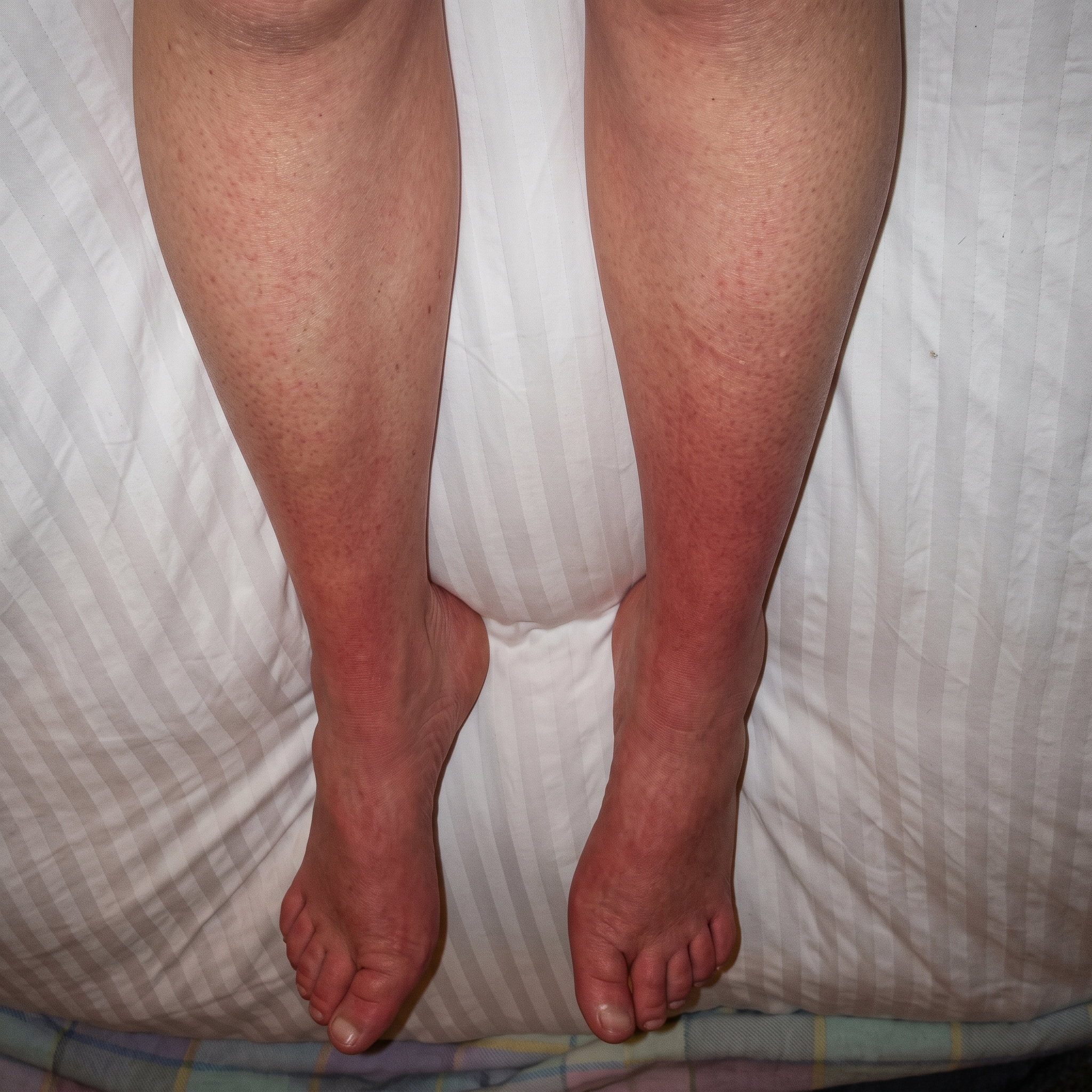
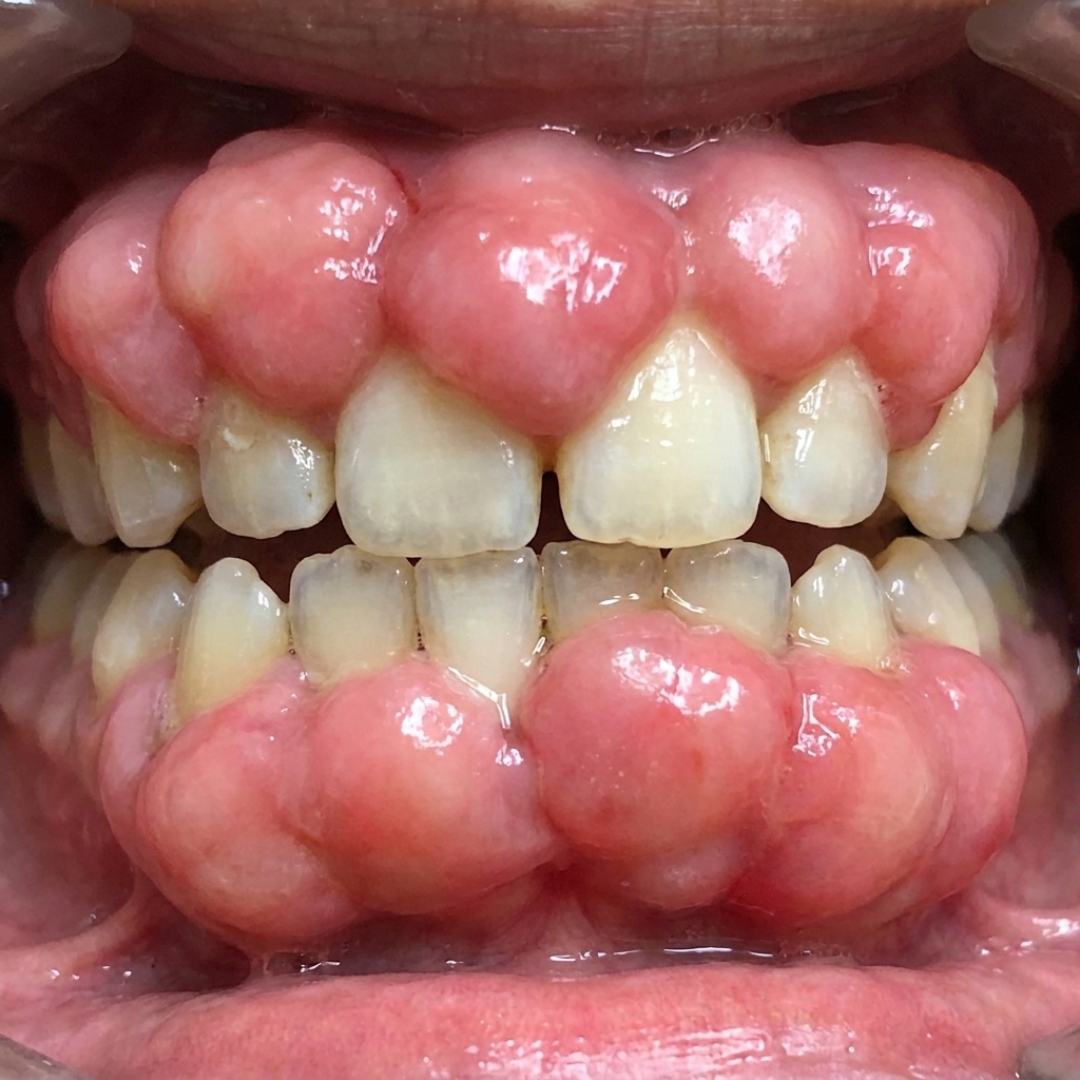
I'm a kidney specialist. The most dangerous sign of kidney damage in Type 2 diabetes isn't foamy urine. It's not swollen legs. It's not even your blood sugar and kidney numbers. It's your own gums and teeth that you didn't think twice about. My name is Dr. Cornelius Carter. I have been a nephrologist for 18 years. Thousands of Type 2 patients across three hospitals. I have delivered the dialysis conversation more times than I can count. I have watched patients do everything their doctors told them to do and still arrive at my door with kidney numbers that had been falling for years behind blood sugar readings everyone called managed. And in 18 years of nephrology, I never once asked a new patient about their gums. Until Harold. --- Harold was 64 years old. A retired electrician from Conroe, Texas. Type 2 for nine years. He had been referred to me when his kidney number dropped to 52 and his creatinine climbed to 1.8 across three consecutive panels. Harold was not a non-compliant patient. He took his Metformin every morning. He walked. He had cut the sweet tea he had been drinking since childhood. He went to every appointment. His blood sugar number had never responded the way the medication predicted it should. His dietary compliance was real. His medication adherence was real. His numbers kept running higher than they should have for someone doing what he was doing. I pulled his dental records as part of a full chart review I had started doing on patients whose kidney numbers kept declining despite reasonably managed blood sugar. I wanted to understand what was running between the appointments. Harold had gum disease that had been present and actively infected for six years. Treated repeatedly with cleanings and antibiotics that resolved the immediate infection and then failed to hold. Documented in a dental chart that had never touched his nephrology chart. He had never mentioned it to me. I had never asked. Because in 18 years of training and practice, nobody had taught me to connect the two. That chart review changed what I ask at every new patient intake. --- Let me explain what I mean by connection. Because I want to be precise here, and the precision matters. Gum disease does not directly destroy kidney tissue. That is not the claim. The claim is more specific. And once you understand it, the reason a nephrologist now asks about your gums becomes clear. Severe gum disease, periodontitis, involves chronic infection and inflammation in gum tissue. That inflammation does not stay local. The immune response mounted against a persistent oral infection produces systemic inflammatory signals that circulate throughout the body. That sustained inflammatory environment can contribute to poorer glucose regulation, because the stress hormones and inflammatory signals released during an active infection interfere with how efficiently cells respond to insulin. In a Type 2 diabetic, that matters enormously. Because the primary mechanism driving kidney damage in diabetes is already about impaired glucose handling. Anything that makes that harder to control is relevant to the kidney picture. And an active oral infection is one of those things. Harold's blood sugar was running higher than his medication and his diet should have produced. Part of that may have been because a chronic infection in his mouth was placing additional metabolic stress on a system that was already struggling. Nobody had asked about the infection. Nobody had connected it to the metabolic chart. That is the mouth's role in this story. Not a direct cause of kidney disease. An overlooked variable that may have been making the underlying metabolic problem harder to control. --- Now let me explain the underlying metabolic problem. Because this is what was actually destroying Harold's kidneys. And if your doctor has not explained it in these terms, you are missing the most important conversation in diabetic kidney care. Every cell in your body contains glucose transporters, proteins that move sugar from the bloodstream into the cell where it gets burned for energy. The most important of these is called GLUT4. GLUT4 is activated by insulin. When you eat and blood sugar rises, insulin signals GLUT4 to move to the cell surface and begin pulling glucose out of the blood. In Type 2 diabetes, that signaling process is impaired. Insulin arrives. The signal does not translate properly into GLUT4 activation. The glucose transporters do not mobilize the way they should. Glucose stays in the blood. That is insulin resistance at the cellular level. Not simply a number on a panel. A failure in the transport mechanism that is supposed to clear glucose out of circulation after every meal. And that trapped glucose does not sit still. Your kidneys filter your entire blood supply approximately every thirty minutes, through tiny clusters of capillaries so delicate that cells pass through them single file. When glucose-heavy blood keeps cycling through those structures continuously, hour after hour, year after year, it inflames the capillary walls. It thickens them. It damages the cells regulating blood flow through them. Over time the filters leak. Protein gets through where it should not. The foam in the toilet is protein that compromised filters can no longer hold back. The kidney number starts dropping. Creatinine climbs. The blood sugar number read managed the whole time. The filtration system was paying the price underneath. Metformin tells the liver to produce less new glucose. It reduces the incoming flood. It does not restore GLUT4 signaling. The glucose remaining in circulation keeps cycling through the kidney filters regardless of what the quarterly number says. The blood pressure medication manages the force pushing through damaged vessels. It does not address what is degrading the vessel walls. The standard protocol manages the measurements the impaired glucose transport produces. It does not address the transport failure itself. Harold's kidney filters had been absorbing chronic glucose exposure for years. His dental infection may have been making his glucose harder to control during all of that time. Two problems. One chart. No conversation connecting them. --- After Harold I started asking every new patient about their dental history at intake. And I kept finding the same pattern. Patients with declining kidney numbers who had chronic gum disease documented in dental records nobody in nephrology had ever requested. Patients whose blood sugar numbers ran persistently higher than their medication compliance should have produced. Patients whose gum infections had been treated and retreated for years without anyone asking why they kept returning. A nephrologist for the kidney number. An endocrinologist for the blood sugar. A dentist for the gum disease. Three specialists. Three co-pays. Three separate sets of notes in three separate systems. Three treatment plans aimed at three measurements. No conversation about the mechanism running behind all three. The metabolic environment that impairs GLUT4 function and allows glucose to accumulate is the same environment that makes gum tissue more vulnerable to infection and harder to heal. The infection that keeps returning is not separate from the glucose problem. It is living inside it. And the kidney damage accumulating behind managed lab numbers is the downstream cost of a cellular transport failure that none of the standard treatments was designed to address at its root. --- What I began recommending alongside the standard nephrology protocol, to patients who came to me while there was still meaningful kidney function to protect, was something aimed directly at the upstream transport mechanism. True Ceylon cinnamon. Not the cinnamon in the spice rack. Not the capsules in supplement aisles. A specific compound found only in Cinnamomum verum, real Ceylon grown in Sri Lanka, that the research suggests does something no standard prescription does. It supports the insulin signaling pathway that activates GLUT4. The compound is called MHCP. Research published in the American Diabetes Association's own journal and replicated across multiple subsequent trials suggests MHCP supports the intracellular signaling cascade that insulin is supposed to trigger. When that signaling improves, GLUT4 transporters may mobilize more efficiently. Glucose that had been staying in circulation may begin clearing into the cells where it becomes energy. I want to be precise about what that means and what it does not mean. The research on MHCP addresses its proposed effect on insulin signaling and glucose handling. That is what the evidence speaks to. Whether improved glucose handling over time translates into measurable kidney benefit, or changes in periodontal inflammation, is a separate question that requires separate evidence. I am not presenting MHCP as a treatment for kidney disease or gum disease. I am presenting it as something that may address the upstream cellular transport problem that neither Metformin nor a dental cleaning was designed to reach. The same plant contains cinnamaldehyde, the compound that gives cinnamon its smell. Research suggests it may support the lining of blood vessels under chronic metabolic stress. I raise this carefully and only as a plausible supporting mechanism, not as an established clinical outcome. --- Before I tell you which product I recommend, you need to understand why most cinnamon supplements cannot deliver what the research was conducted on. Most products fail at one of three points. Wrong species. The majority of products labeled cinnamon, including most of what is sold on Amazon and in supplement aisles, are Cassia, a completely different plant largely sourced from China. Cassia contains little to none of the active compound the research identified. It also contains up to 250 times more coumarin than true Ceylon, a compound that can stress the liver at daily doses. For a patient whose metabolic system is already under pressure, that is worth understanding before choosing a product. The mislabeling in this category is not occasional. It is the standard. Wrong dose. The research showing measurable effects used doses equivalent to 7,200 milligrams of raw Ceylon bark daily. Most capsules contain 500 to 1,500 milligrams. That is not a close miss. That is the difference between a therapeutic concentration and one that will not move any marker in any measurable direction. Wrong delivery. MHCP is fat-soluble. Without a fat carrier it cannot cross the gut wall and reach the bloodstream in meaningful amounts. A dry powder capsule has no carrier. The compounds arrive at the gut wall and pass through without absorbing. This is why every patient who told me they had tried cinnamon and nothing happened was almost certainly telling the truth. The product I recommend is Metabolae. True Ceylon, DNA-verified from Sri Lanka by third-party analysis per batch. Concentrated twelve to one, equivalent to 7,200 milligrams of raw bark per serving. Suspended in MCT oil, which gives the active compounds the fat carrier they need to cross the gut wall and enter the bloodstream. One softgel per day with breakfast. Third-party tested per batch. Metabolae is not sold on Amazon. It is not at Walmart. It is not on any third-party marketplace. The only way to confirm you are getting authentic Ceylon from Sri Lanka, at clinical concentration, in a softgel with the MCT oil carrier, with third-party testing behind each batch, is to order from the company directly. --- Here is what I have observed in the patients I directed to Metabolae alongside standard nephrology care. This is my clinical observation, not a controlled trial. In the early weeks, changes tend to be felt before they appear on paper. Energy improves. Sleep deepens. Blood sugar readings begin moving before the next scheduled panel. Then fasting blood sugar numbers that had been running persistently above where medication predicted they should begin to ease. The floor the meter had been stuck at for months starts to give. Further out, some patients have seen their kidney markers hold or shift in the right direction. Creatinine stabilizing. Protein spillage reducing. Kidney numbers holding in patients who had watched them fall at every consecutive panel for years. I am describing what I have observed in some patients, not a guaranteed outcome for any individual. Harold was one of them. At his next nephrology appointment after starting Metabolae, his creatinine had held stable for the first time in two years. His blood sugar was running lower on the same medication doses. His dentist, whom I had called directly, noted that his gum tissue looked less inflamed at a follow-up cleaning and moved him from three-month to four-month recall. I am not presenting Harold as proof that Metabolae caused each of those changes. I am presenting him as the patient who made me start asking the question that led me to look more carefully at both the dental chart and the upstream glucose transport mechanism. The pattern I observed in Harold, and then in other patients, was consistent enough that I kept paying attention. Harold looked at me across my desk after that appointment and said, doc, why didn't anyone tell me about the gum thing. I did not have a good answer. Except that I had not known to ask. And now I do. --- I am writing this as a nephrologist. Not as a supplement company. I have spent 18 years watching the endpoint of what happens when the upstream glucose transport failure goes unaddressed. Blood sugar managed. Kidney number dropping behind it. The dental chart sitting in a separate system, never connecting to the nephrology chart, while the metabolic environment enabling both problems ran uninterrupted behind all of them. If you are a Type 2 diabetic with a declining kidney number, and you have bleeding gums when you brush, persistent bad breath, tooth sensitivity that has been present for months, or a dental infection that keeps returning despite treatment, please do not treat those as problems that are separate from your kidney situation. Bring them into the same conversation. Ask your physicians to look at the full picture. And address the upstream cellular transport failure that neither the dental treatment nor the standard kidney medications were designed to reach. One softgel per day with breakfast. That is the entire protocol. There is a 90-day money-back guarantee. If your blood sugar number does not move, if your kidney markers do not respond, send back what you have left and receive a full refund. No conditions. No restocking fee. The gum infection that keeps coming back and the blood sugar number that keeps running higher than it should and the kidney number that keeps slipping are not three separate problems requiring three separate specialists to manage in three separate rooms. They share an upstream source. And the window to address that source at the level of mechanism rather than measurement is still open. Do not wait for the kidney number to tell you it has closed. I have been watching windows close for 18 years. Do not let yours be one of them. -- Dr. Cornelius Carter, MD Nephrologist, 18 Years P.S. Do not stop any prescription the day Metabolae arrives. Add it to your existing protocol, track your numbers, and let your physician adjust your medications as the numbers move. Your nephrologist noting that the trajectory has changed at your next appointment is the outcome. Not you making that call yourself. P.P.S. If you have tried cinnamon before and nothing happened, there is a specific reason. Most products labeled cinnamon are Cassia from China, not Ceylon from Sri Lanka. Cassia contains almost none of the active compound. Even the products that are real Ceylon are almost always dry powder in a capsule with no fat carrier, which means the compounds pass through without absorbing. The only way to get what the research used is the correct species, at the correct dose, in MCT oil delivery, verified by third-party documentation. That is what Metabolae provides. Order from the official website directly.
Where the ad sends people
metabolae.com
Ceylon Cinnamon 7200mg Equivalent with MCT Oil
Metabolae
Learn more: metabolae.com(opens in a new tab)