Dr. Cornelius Carter
 Facebook ad: “Keep an Eye on It”
Ran for 21 days, from September 29 to October 20, 2026, the last day Crush saw it.
Run by Dr. Cornelius Carter on Facebook. Crush is not the advertiser and does not verify its claims. See this ad in Meta's Ad Library(opens in a new tab)
Make your own version of this ad
Crush makes it, launches it in your own Meta ad account, scales the winners and pauses the losers.
About this ad
- Meta Ad Library ID
- 1813994349639874
- Platforms
- Facebook, Instagram, Audience Network and Threads
- Relaunches
- 2
Ad text
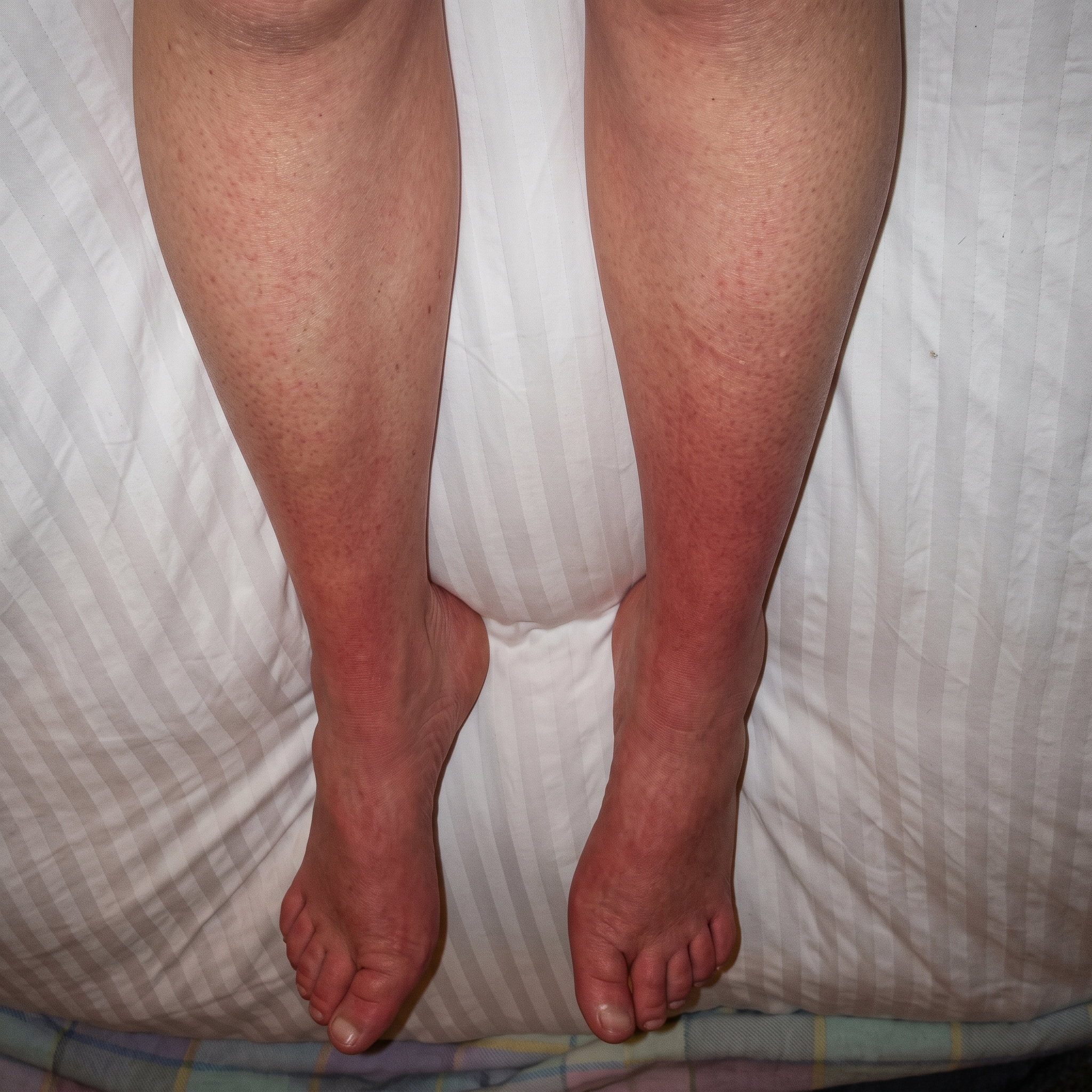
The most dangerous sign of diabetic nervous system failure is not back pain. It is not swelling in your legs. Diabetic neuropathy is called the silent killer for a reason — by the time you feel anything, you have already lost mobility and independence and ended up facing amputation. I have spent 18 years watching patients find out too late. I'm Dr. Victoria Caldwell. I've been a neurologist for 18 years. I've watched diabetic patients lose their feet to preventable amputations. I've sat across from families and had to explain why physical therapy could no longer save their balance. I've watched a grown man weep when I told him he had crossed the line into losing his mobility and independence forever. Every single one of them had missed the real warning. Not because they weren't paying attention. Because nobody had ever told them what to look for. Here are the signs most people dismiss until it is too late. Rubbery numbness under your feet. Microscopic blood vessels suffocating, cutting off vital oxygen to peripheral nerves. You step onto the floor and feel like you're walking on cardboard or folded socks because the nerve endings are quietly starving from the inside. Pins and needles that never quiet down. High circulating glucose stripping away the protective coating along each nerve fiber. Healthy nerves transmit clear signals—not static, buzzing, or sudden sharp stabs. When the tingling keeps you up at night, the sensory wiring is already short-circuiting. Subtle loss of balance. Damaged position sensors in your feet failing to tell your brain where the floor is. A sudden hesitation on the stairs or a wobble turning a corner that should not be there. Burning soles without explanation. Dying nerve fibers firing false distress signals because the tiny capillaries that should nourish them are no longer delivering blood. Any one of these is your nervous system screaming for help. Most people blame age. They blame bad shoes. They keep an eye on it. I know what keeping an eye on it looks like from the other end. It looks like quarterly labs documenting a managed A1C in neat little rows while the peripheral nerves quietly die and wither away between appointments. Here is what is driving all of it. Chronically elevated blood sugar damages the microscopic vessels feeding your peripheral nerves — the vasa nervorum. The finest capillary network you can imagine. Millions of tiny pipelines, each one responsible for delivering oxygen and nutrients while keeping the delicate nerve fibers alive. Elevated blood sugar is like fine sand being forced through that mesh under sustained pressure. Hour after hour. Day after day. Month after month. The inner walls start to break down. First, the vessel narrows and chokes off oxygen. That is the tingling. Then the starvation spreads. The nerve coating wears away. The rubbery numbness sets in. The loss of balance. The burning soles. Signs that show up only after years of quiet damage you never felt coming. And here is the part that stops most of my patients cold. Your A1C can look managed the entire time this is happening. The A1C measures one thing — the percentage of your red blood cells coated in glucose. A 90-day average of how much sugar is floating in your blood. That is all it measures. It does not see the tiny capillaries threading through the nerve tissue in your feet. It does not see the protective coating slowly peeling off the nerve fibers. It does not see your balance and sensation dropping another percentage point every quarter. It sees the level of the flood. Not where the flood is going. A 6.8 can be called managed while your peripheral nerves quietly wither away behind it. The A1C is tracking the water level. Your feet and sensory pathways are paying the price of the current underneath. Targeting the number is not enough. You have to target the mechanism. The key cells in your body rely on GLUT4 transporters to pull glucose from the blood into the cell where it becomes energy. In a healthy body, insulin gives the signal and the doors open to the surface. In insulin resistance — the thing underneath type 2 diabetes — those doors stop responding. Insulin gives the signal. Nothing happens. Glucose stays in your blood and keeps circulating. Keeps passing through the microscopic vessels feeding your peripheral nerves. Hour after hour. Grinding the delicate nerve pathways down from the inside. Metformin tells your liver to produce less glucose. It reduces the flood. Your doctor is not wrong to prescribe it. But it does not touch the doors. The GLUT4 transporters are still not responding. The remaining glucose, even at a managed level, keeps circulating. Keeps starving the microcapillaries feeding your peripheral nerves. Because the drug that reduced the flood did not open the drain. The research on how to open those doors exists. Published. Peer-reviewed. Cited by the ADA's own journals. Sitting in databases that a 15-minute appointment leaves no time to read. The number one thing I now recommend for protecting peripheral nerve function in my type 2 patients is something communities in Sri Lanka have been using for centuries. True Ceylon cinnamon. Not the cinnamon in your spice cabinet. That is Cassia. A different species. At the doses required to move blood sugar, Cassia silently burdens your liver. The European Food Safety Authority found that as little as a quarter teaspoon per day pushes coumarin intake past safe limits. You were not taking the wrong amount. You were taking the wrong plant. True Ceylon cinnamon — Cinnamomum verum — contains active compounds that go directly to the cell, speak to the machinery inside it, and reactivate the GLUT4 transporters that went dormant. It bypasses the broken insulin signal. It helps your cells pull glucose inside again so sugar stops lingering in your bloodstream, quietly suffocating your peripheral nerves from the inside. When the doors open, glucose clears from the blood into the cells. The pressure on your kidney filters drops. The protein spillage falls. The foam disappears. The drain opens. Your medications manage the flood. This opens the drain. Both together is the full answer. Most patients have only ever had half of it. But here is what I need you to understand about why most people try cinnamon and feel nothing. Wrong plant. Cassia mislabeled as Ceylon is the industry standard, not the exception. Without DNA verification you have no way of knowing what you are taking. Wrong dose. Clinical trials used concentrated extract equivalent to 6,000 to 7,200mg daily. Most capsules contain 500 to 1,500mg of raw powder. That is not a small gap. That is the difference between a therapeutic dose and a decorative amount. Wrong delivery. The active compounds in Ceylon are fat-soluble. A dry powder capsule has no fat. So the compounds reach your gut, find no fat carrier, and pass straight through without ever reaching the cells that need them. Your cinnamon did not fail because cinnamon does not work. It failed because it was never delivered. The brand I recommend is Metabolae. True Ceylon cinnamon. Cinnamomum verum, sourced from Sri Lanka. DNA-verified — not a label claim, an actual Certificate of Analysis. Dosed at 7,200mg equivalent per softgel. A 12:1 concentrated extract. Suspended in MCT oil — the fat carrier that delivers cinnamaldehyde through your cell wall to the GLUT4 transporters waiting to be told to surface. Third-party tested. GMP-certified. Every batch verified. Comes in a sealed bag. One softgel a day with breakfast. A patient came to my clinic six months ago. Type 2 for eleven years. A1C sitting at 6.8. On metformin and a blood pressure pill. Following every instruction to the letter. His peripheral nerve sensitivity had dropped by more than half. He had lost deep sensation in both big toes. Burning pain kept him awake every night. A heavy, rubbery numbness had crept past his ankles that made stepping off a curb feel dangerous. His numbers were managed. His nerves were not. Three months later he came back. He reached into his jacket and set a bag on my desk. Metabolae. His pinprick sensation was returning. The nerve conduction in his feet was steadying. Fasting glucose down from 138 to 104. The burning pain was gone. The rubbery numbness was lifting. I sat across from him and told him the truth. This time it was different news. Your nerve function is recovering. He smiled. The drain opened. I have recommended Metabolae to nine patients now. Every single one has come back and reported the same pattern. Better sleep within the first week. Steady energy through the day. Lower fasting glucose within the first month. And at the 90-day mark, the fire in their soles that had kept them up every night begins to quiet down. The numbness recedes. The balance holds. In some patients, the sensation in their toes returns completely. If you have noticed pins and needles in your toes, burning soles keeping you awake, unsteady balance, or rubbery numbness creeping past your ankles — do not ignore them. Do not wait for the next quarterly lab to confirm what is already happening to your feet. Try Metabolae risk-free. Ninety-day money-back guarantee. No questions asked. If your fasting glucose does not come down, if your nerve sensation does not improve, if you see no difference in 90 days, you pay nothing. Most patients who see real recovery in peripheral nerve function commit to at least three months. That is how long it takes to clear the microvascular pathways, restore blood flow, and give starving nerve fibers a real chance to regenerate. The 90-day guarantee means those three months cost you nothing if your feet do not respond. Here is what happens when they do. Your fasting glucose starts dropping between weeks 2 and 4. Sleep improves within the first week because the burning settles down. Energy levels out through the day. And at your next sensory check — the one where your doctor has been tapping your feet and saying let's keep an eye on it for two years — she pauses. Looks at the numbers. Looks at you. Asks what you changed. Then she uses a word you have not heard in years of appointments. "Improving." Not managed. Improving. One softgel daily with breakfast. That is the whole protocol. Metabolae is a small company sourcing verified Ceylon from Sri Lanka, testing every batch, using a fat-based delivery system that costs more to produce. When a bag sells out it waits on the next harvest. If you see out of stock, sign up for the notification. If it is available, order now. Your nerves have been warning you. Now you know what they have been saying. And you know what to do about it. ~ Dr. Victoria Caldwell, Neurology, 18 years
Where the ad sends people
metabolae.com
Keep an Eye on It
Supports healthy blood sugar levels and metabolism with premium Ceylon cinnamon. Shop Metabolae's science-backed supplements. Free shipping available.
Learn more: metabolae.com(opens in a new tab)