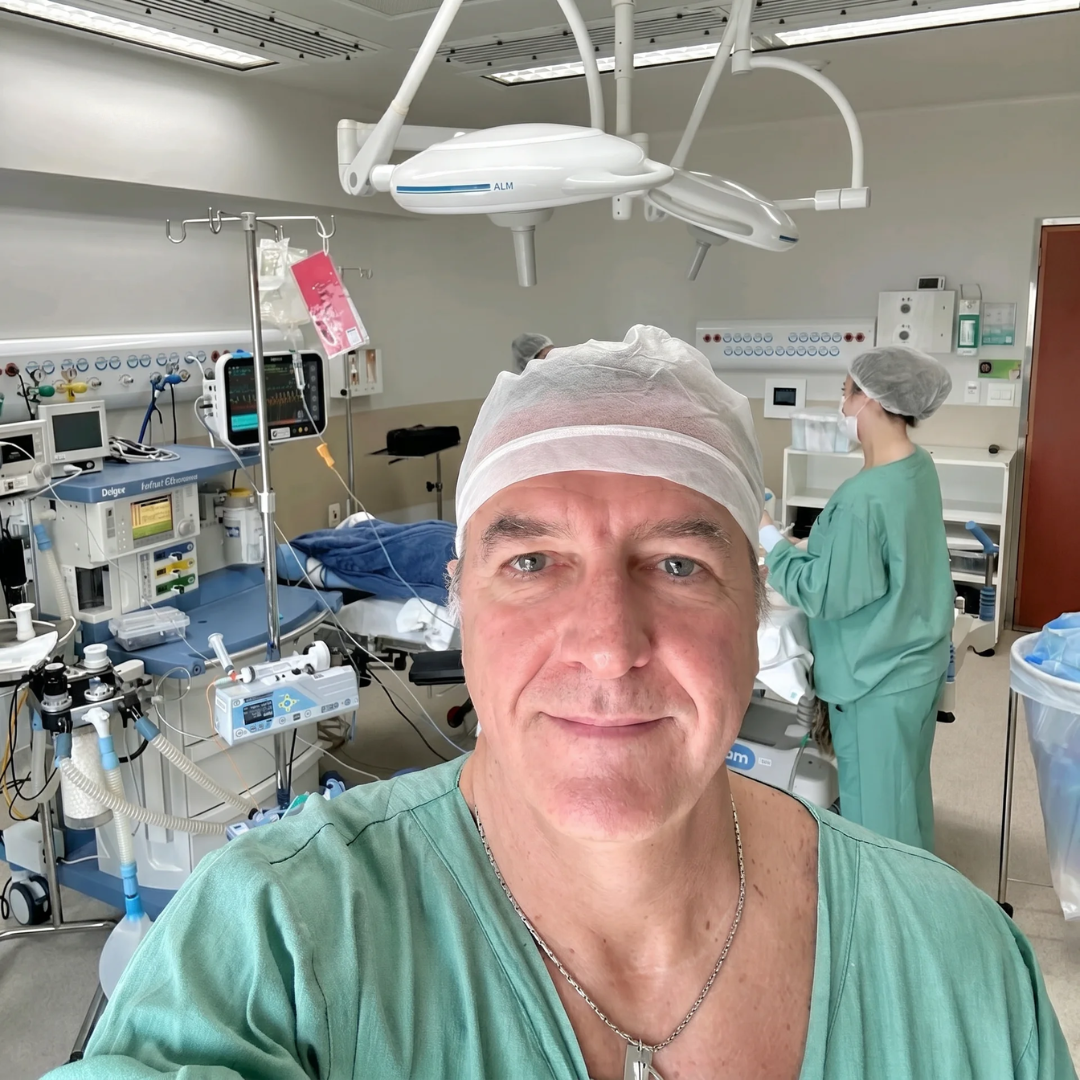
Dr. Cornelius Carter
 Facebook ad: “Ceylon Cinnamon 7200mg Equivalent with MCT Oil”
Running for 38 days since September 29, 2026. Crush last saw it on November 6, 2026.
Run by Dr. Cornelius Carter on Facebook. Crush is not the advertiser and does not verify its claims. See this ad in Meta's Ad Library(opens in a new tab)
Make your own version of this ad
Crush makes it, launches it in your own Meta ad account, scales the winners and pauses the losers.
About this ad
- Meta Ad Library ID
- 2323355841740480
- Platforms
- Facebook, Instagram, Audience Network and Threads
- Relaunches
- 0
Ad text
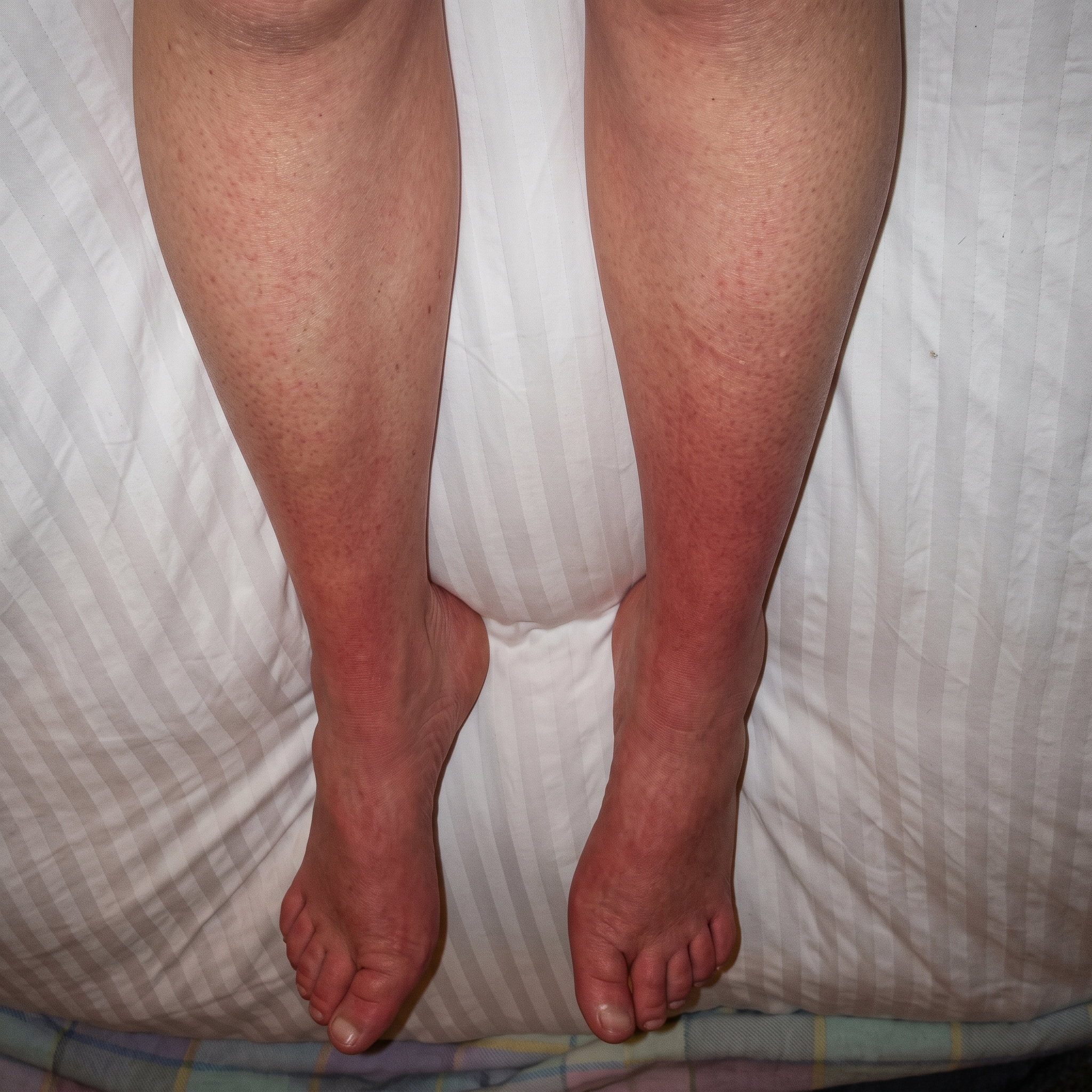
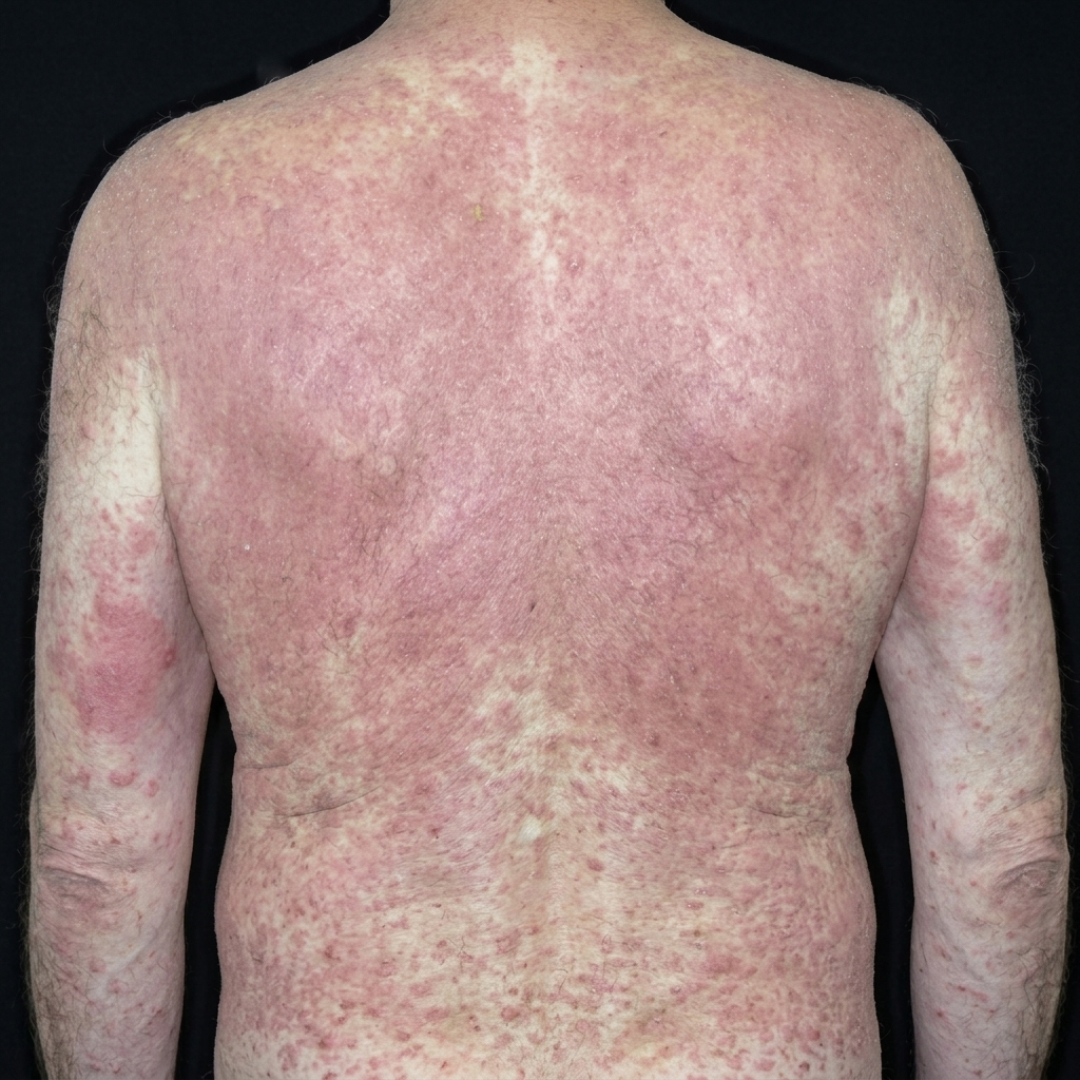
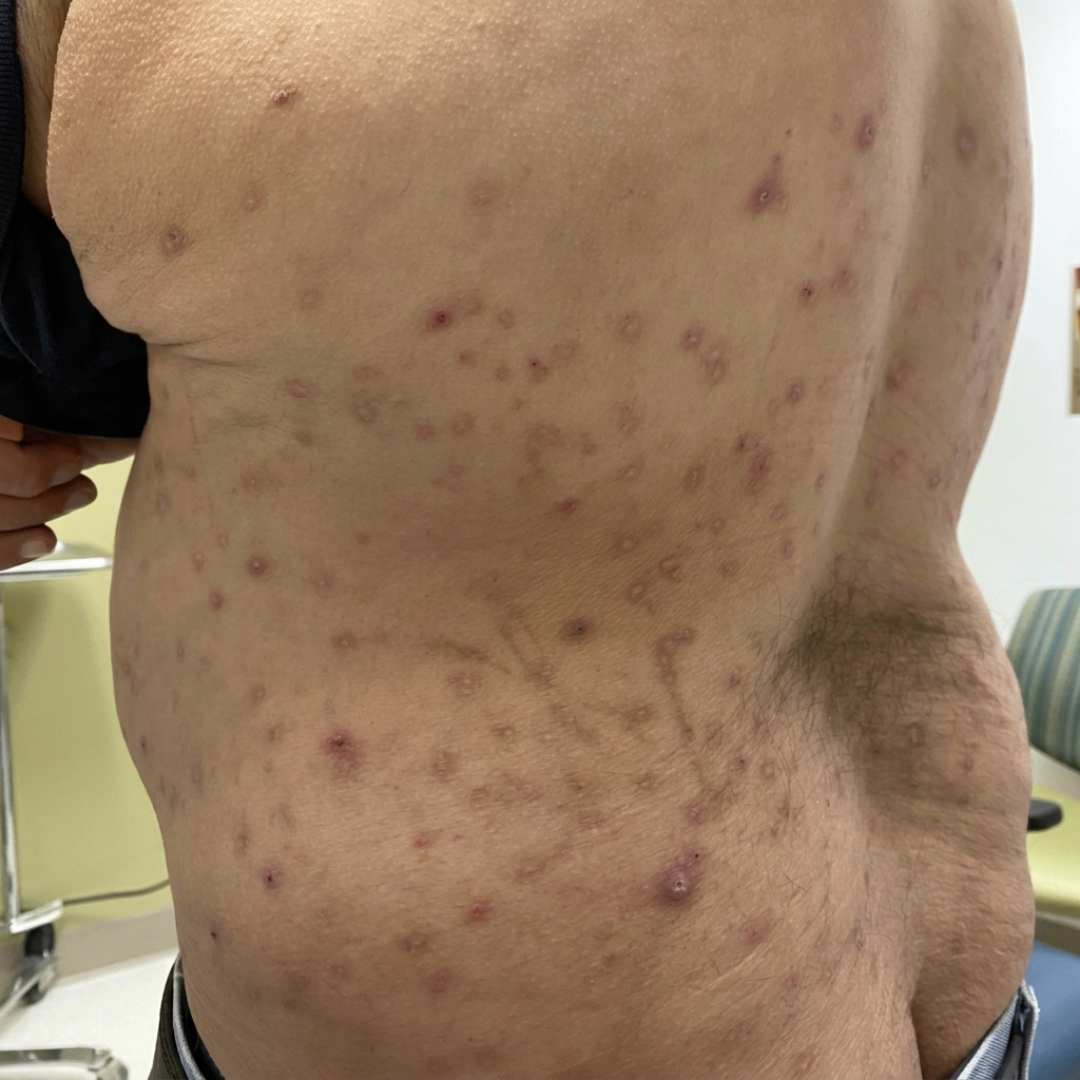
Since I got my A1C from 7.6 to 5.4, the itching that used to keep me awake every night is completely gone. Here is what I did. I am Dr. Cornelius Carter. I have been a nephrologist, a kidney specialist, for 18 years. And I need to tell you something that took me almost two years to admit to myself. I was the patient. Not metaphorically. I mean I was sitting in my own office, reviewing my own labs, watching the same numbers I had been explaining to patients for nearly two decades, and telling myself what I tell everyone else. Managed. Under control. We will keep an eye on it. My A1C was 7.6. My fasting glucose was climbing in a direction I recognized immediately from the other side of the desk. My arms itched at night. I told myself it was dry skin. I told my wife it was the soap. I am a nephrologist. I know exactly what itching from elevated blood sugar feels like in a patient. I had seen it hundreds of times. I still told myself it was the soap. There is something that happens when a doctor becomes the patient. You know too much to be comforted by the things you say to other people. And you know exactly how to avoid confronting what the numbers mean. I put myself on blood pressure medication to protect my kidneys. I told myself we would recheck in six months. What I did not tell myself, what I had never told my patients either, was that the medication was managing the flood. It was not opening the drain. Here is what I mean by that. Your kidneys contain roughly one million tiny filters, structures so precise they can separate what belongs in your blood from what needs to leave, thousands of times per minute, every hour of every day. They were built for precision. They were not built to absorb sustained pressure from glucose circulating through them year after year. Every cell in your body has surface transporters, loading dock doors, whose only job is to pull glucose out of your bloodstream and convert it into energy. In a body working correctly, insulin gives the signal, the doors open, glucose moves in, blood sugar drops. In insulin resistance, the doors stop responding. They are still there. They just stopped surfacing when insulin knocks. The glucose has nowhere to go. So it stays in your blood. Keeps circulating. Keeps grinding through filters that were never designed for that kind of sustained pressure. Think of it like fine sand moving through a water pipe. It makes no sound. It leaves no warning you can feel until something is already wrong. It just wears the walls thinner, grain by grain, day after day. The itch is what comes next. When the filters have been under that pressure long enough, the toxic load your kidneys can no longer fully clear starts expressing itself through the skin. By the time you feel it, the deterioration has already been running quietly for years. I knew this. I had explained this exact progression to patients in this exact office. I still used a different soap. Six months into managing my own numbers, I reviewed my labs. Creatinine holding. GFR stable. A1C still 7.6. Everything, in the clinical language I had been using for 18 years, was managed. I sat with that word for a long time. Managed. I thought about every patient I had sent home with that word. I thought about what it actually means. It means the flood is not getting worse. It does not mean the drain is open. It does not mean the pipe walls are recovering. It means we have slowed something we have not stopped and have not reversed, and we have called that success because we do not have a better word for it. I started sleeping worse. The itching was worse at three in the morning than at any other time. I would lie there, arms crossed, telling myself I was going to address it at my next appointment with myself, which is a sentence that does not make sense and which I kept using anyway. Then something happened that I did not expect. A patient came in for her three-month follow-up. I had been watching her numbers trend in the same direction mine were. Creatinine climbing slowly. A1C stubbornly elevated. Itching she had been treating with creams that did nothing. I opened her chart expecting the same trajectory I had watched for two years. Her creatinine had dropped. Her A1C had moved to 5.4. Her fasting glucose was the lowest it had been in four years. I looked at those numbers for a long time before I said anything. Kidney function does not improve. That is not pessimism. That is 18 years of watching what happens to patients when the damage accumulates. The clinical standard is to slow the decline. We do not expect reversal. But her numbers had reversed. She pulled a bag from her purse before I could ask. Metabolae. Ceylon cinnamon. Concentrated extract. 7,200mg equivalent suspended in MCT oil. I took it back to my desk. That night, at 11:30, I started reading. And I kept reading until I found the thing that had been sitting in peer-reviewed journals while I was prescribing blood pressure medication and telling people their numbers were managed. True Ceylon cinnamon, Cinnamomum verum, grown in Sri Lanka, contains cinnamaldehyde. What cinnamaldehyde does is something I had never prescribed and never recommended in 18 years of nephrology. It bypasses the broken insulin signal entirely. It activates a separate pathway, the same one exercise activates, directly triggering those loading dock doors to open. Not by forcing more insulin into a system that has already stopped responding to it. By going around the broken signal and telling the doors to surface anyway. When they open, glucose clears. The pressure on your kidney filters drops. The toxic load that was expressing through your skin finally finds somewhere to go. The flood was being managed. This opens the drain. I ordered it that night. Not for a patient. For myself. I want to be honest about what happened next, because I think the honest version is more useful than the clean version. The first two weeks, I was skeptical of my own results. I am a physician. I know what a placebo feels like when you want something to work. The itching had reduced but I told myself that was sleep improvement, stress reduction, something else. The fasting numbers were moving but the sample size was too small for me to say anything meaningful about it in a clinical context. By week six, I stopped arguing with the data. My fasting glucose had dropped from the range I had been watching for two years into territory I had not seen since before this started. The itching was gone. Not reduced. Gone. At my three-month labs, my A1C had moved from 7.6 to 5.4. I sat with my own results the same way I had sat with my patient's. For a long time. Without saying anything. Then I thought about every patient I had sent home with managed. Every patient who had left my office with blood pressure medication and a six-month recheck and half of the answer. Every patient who had been to a dermatologist, had a drawer full of creams, had no idea their kidneys were involved. I was one of those patients. For nearly two years, I was one of those patients. And I am a nephrologist. Now let me tell you why the cinnamon in your cabinet will not produce these results. Because it will not, and the reason matters. First: species. What you have at home is almost certainly Cassia, a completely different plant from true Ceylon. It contains up to 250 times more coumarin, a compound that, at the doses required to affect blood sugar daily, puts a sustained burden on your liver. Your liver controls how much glucose releases into your blood every time you eat. Under that burden, it releases more than it should. Your fasting number in the morning is partly telling you what your liver did overnight under a strain you were unknowingly giving it. You were not taking the wrong amount. You were taking the wrong plant. Second: dose. The clinical research used extract equivalent to 6,000 to 7,200 milligrams of true Ceylon daily. Most capsules on the market contain 500 to 1,500 milligrams of powder of the wrong plant. That gap is not a refinement issue. That is the difference between a therapeutic dose and a trace amount. Third: delivery. Cinnamaldehyde is fat-soluble. It needs fat to cross from your gut into your bloodstream. A dry powder capsule has no fat. The compound arrives, finds no carrier, and passes through. You absorbed almost nothing. Wrong species. Wrong dose. Wrong delivery. That is why the itching continued. That is why the labs kept moving in the wrong direction. I know, because I made those same assessments on myself before I found the version that was actually built to work. Metabolae is Cinnamomum verum, DNA-verified at the species level and confirmed on a Certificate of Analysis. Concentrated 12-to-1, delivering 7,200 milligrams equivalent per softgel. The dose the clinical research actually studied. Suspended in MCT oil from coconuts, the fat carrier that delivers cinnamaldehyde through the gut wall and into the cells where the transporters have been waiting, sometimes for years, to be told to surface. Third-party tested. GMP-certified. Every batch verified for purity, potency, and coumarin levels. One softgel with breakfast. I recommended Metabolae to seven patients after I saw my own results. All seven came back with the same pattern. The itching reduced or stopped within two weeks. Fasting glucose dropping within the first month. One patient's creatinine dropped from 1.7 to 1.5 in three months. I ordered repeat labs because I did not believe the first result. I understand what it means to sit across from your own labs and hear yourself say managed, and know, somewhere underneath that word, that you have been given half of the answer. The medication protects the filters. It does not fix what is overwhelming them. Metabolae comes with a 90-day money-back guarantee. If your fasting glucose does not come down, if your kidney markers do not move, if the itching does not stop, you pay nothing. I am a nephrologist. I have been practicing for 18 years. I was the patient who used the wrong soap for two years while his own labs moved in the direction he spent his career watching in other people. The drain was never opened. That is why everything else had a ceiling. Give your cells the other half of the answer. ~ Dr. Cornelius Carter, Nephrologist, 18 years
Where the ad sends people
metabolae.com
Ceylon Cinnamon 7200mg Equivalent with MCT Oil
Metabolae
Learn more: metabolae.com(opens in a new tab)