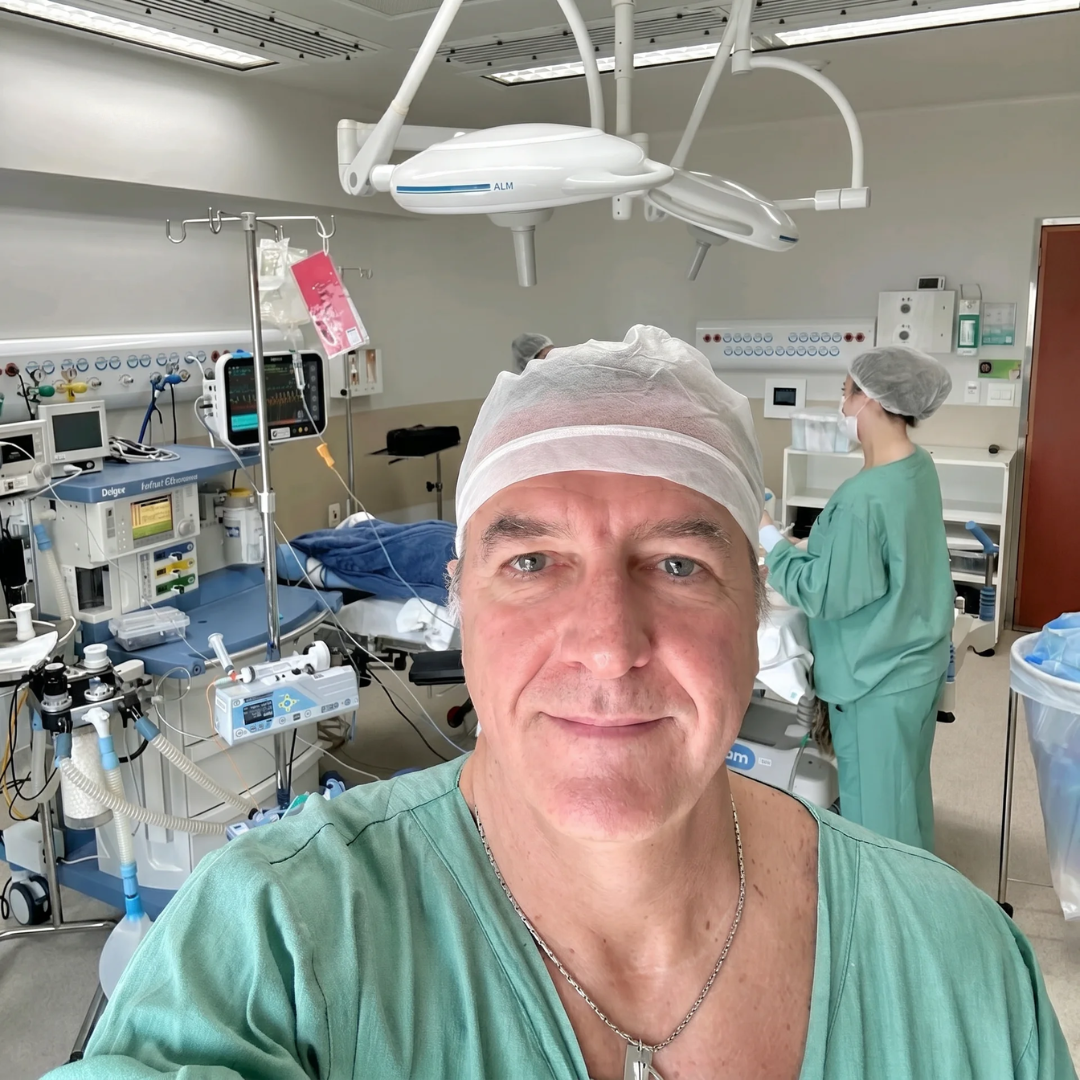
Dr. Cornelius Carter
 Facebook ad: “Ceylon Cinnamon 7200mg Equivalent with MCT Oil”
Ran for 11 days, from September 30 to October 11, 2026, the last day Crush saw it.
Run by Dr. Cornelius Carter on Facebook. Crush is not the advertiser and does not verify its claims. See this ad in Meta's Ad Library(opens in a new tab)
Make your own version of this ad
Crush makes it, launches it in your own Meta ad account, scales the winners and pauses the losers.
About this ad
- Meta Ad Library ID
- 1617418933361981
- Platforms
- Facebook, Instagram, Audience Network and Threads
- Relaunches
- 0
Ad text
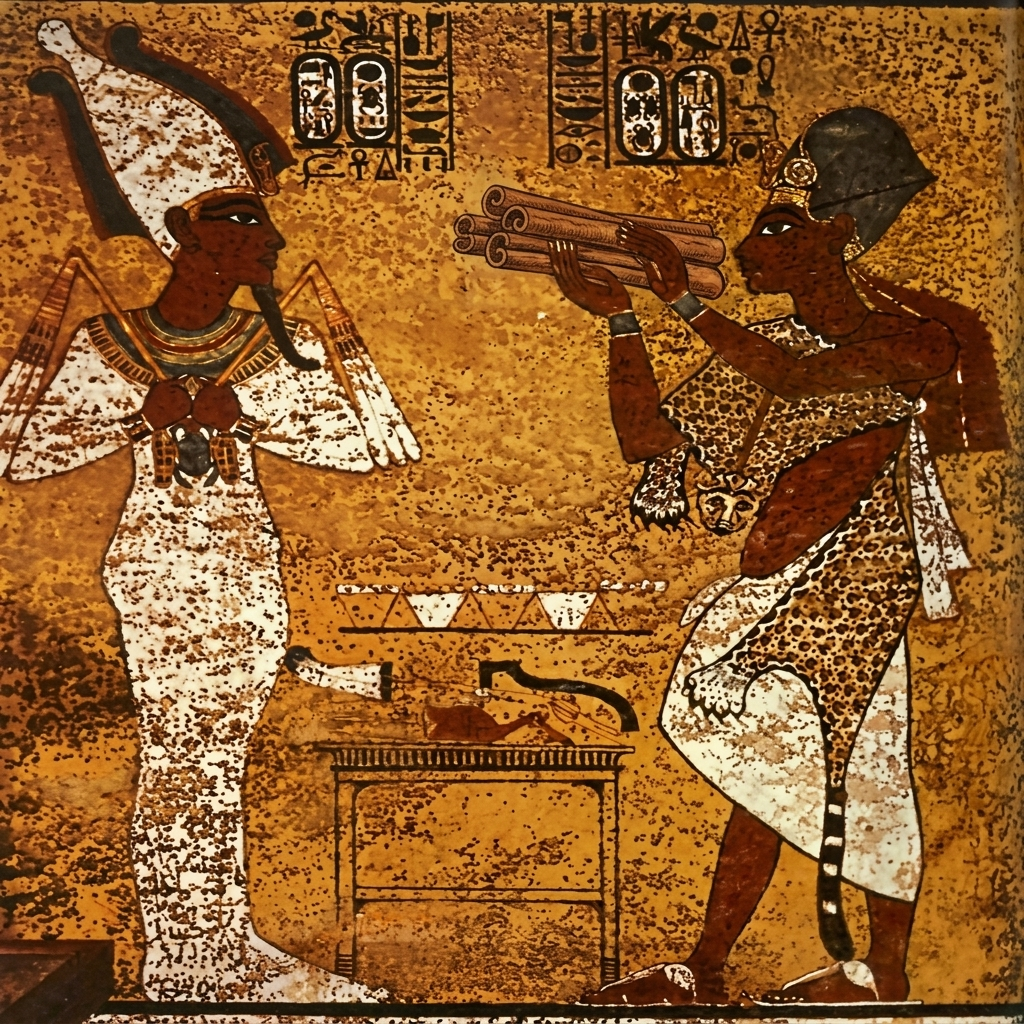
4,000 years ago, ancient Egyptian doctors were already treating recurring urinary tract infections in patients with elevated blood sugar. They didn't have antibiotics. They didn't have modern pharmaceuticals. They didn't have urine cultures. But they understood why the infections kept coming back. I'm Dr. Cornelius Carter. I spent 34 years as a medical historian at Johns Hopkins, specializing in ancient pharmacology — the systematic study of remedies documented in primary historical sources before modern pharmaceutical classification existed. Ancient Egypt is perhaps best known for its pyramids, mummies and hieroglyphics. But its medical doctors might have had the most lasting influence on humanity. From surgery and dentistry to prosthetics and obstetrics, the ancient Egyptians made numerous medical advances over the course of their roughly 3,000-year-long civilization. They even understood the connection between blood sugar dysregulation and recurring urinary infections — a connection modern medicine is still learning to fully understand. When I first read that line, I stopped. The researchers had examined ancient Egyptian medical texts and archaeological evidence. Over 4,000 years old. They found descriptions of urinary problems, including excessive urination and thirst, that showed ancient Egyptian physicians were paying close attention to changes in the urinary system. They hadn't just ignored the symptoms. They'd intervened and treated them. The ancient Egyptians were treating urinary problems and studying changes in urine more than 4,000 years ago. The medical papyri confirmed what the historical evidence suggested. The Egyptian physicians had noticed a pattern in their patients: ants were attracted to the urine of certain people. They also documented frequent urination and other urinary problems. They understood that something was happening. The sweetness in the urine — so concentrated that ants came — was a clue that we now recognize as associated with elevated blood glucose. The recurring urinary symptoms were another sign that something was wrong. But they didn't simply accept the symptoms as inevitable. The ancient Egyptians understood the connection between metabolic problems and urinary health thousands of years ago. And they understood how to stop it. Two years ago, I stopped being a historian and became a patient watching my UTIs keep coming back. My urologist showed me the numbers: six confirmed infections in twelve months. You're looking at recurrent infections,: she said. We need to start preparing you for another round of antibiotics. My doctor said the words I was fearful to hear. But here's what she didn't say. She didn't mention that my recurring infections might not be explained by bad luck alone. My blood glucose had been running higher than it should for months. I'd ignored the warning signs — the constant thirst, the nighttime bathroom trips, the urgency to pee, the exhaustion. I'd been treating each UTI as an isolated infection instead of asking what might be contributing to my vulnerability to the next one. I left that office knowing something most urologists don't. I didn't leave planning to fill that prescription. The Egyptians saw it in the urine. They saw it in the frequent urination. They understood that changes in the urine could reveal something happening elsewhere in the body. Not because I'm reckless. Not because I'm in denial about what my tests showed. But because I'd spent my entire career studying what medicine looked like before we industrialized it — and I knew there were answers buried in history that modern urology had stopped looking for. And I knew something most doctors don't. If ancient Egyptians were paying attention to urinary symptoms and metabolic signs thousands of years ago, they must have known how to stop it before it's too late. So I did what I've done for 34 years. I went back to the sources. Not medical journals. Historical records. The Edwin Smith Papyrus — one of the oldest medical documents ever discovered — described detailed protocols for managing what they called 'the failing waters.' The physicians documented specific plants, specific minerals, specific preparations that restored what they called the flow of life' — steady urinary function, clear urine, the return of the body's ability to filter and cleanse itself. They understood that urinary problems weren't just about the urinary tract. It was about blood sugar. About metabolic control. About the cascade of changes that begins when glucose dysregulation goes unchecked. The Egyptians developed specific protocols because they understood that urinary health could improve if the blood sugar was controlled. They could stop the cycle. They could even reverse early decline. But more importantly, they understood the delivery mechanism. The ancient Egyptians made pharmaceuticals the way the most advanced modern herbalists do today. They identified the active ingredient. Then they combined it with ancillary compounds — flavors, binders, fat carriers — that made the compound absorbable. The vehicle mattered as much as the substance. They knew that certain compounds needed fat to cross the gut barrier. They knew that certain minerals enhanced absorption. They knew that timing and consistency determined outcomes. This wasn't guesswork. This was systematic observation over centuries. I sat in my office until 3 AM reading these texts, looking at my lab results, and realizing that the answer to my recurring UTIs had been documented 4,000 years ago. The ancient Egyptians had identified specific plant compounds that restored blood glucose control. Not through magic. Through observation and repetition. One compound appeared consistently in their protocols for restoring kidney function and halting diabetic decline. A bark preparation. Suspended in fat. Taken consistently. It was Ceylon cinnamon. The Egyptians didn't call it a spice. They called it medicine. One of the most valuable compounds in their pharmacopeia for restoring what they called the cleansing waters — healthy kidneys, stable blood sugar, the return of the body's ability to heal itself. Kings didn't use it for decoration. They locked it in vaults. I have a 16th-century Dutch trade manifest in my office that references Egyptian medical texts. Ceylon cinnamon was listed above silver. Above silk. Above everything except gold itself. The reason was simple. It worked. The ancient Egyptians documented a specific protocol: Ceylon cinnamon bark, ground into powder, suspended in fat — coconut oil or sesame oil — and taken daily. For blood sugar dysregulation that was contributing to recurring infections. For the exhaustion that comes from metabolic chaos. For the constant thirst and nighttime bathroom trips that can accompany elevated blood sugar and urinary problems. The mechanism was the same then as it is now. Ceylon cinnamon contains a compound called Methyl Hydroxychalcone Polymer — MHCP. It mimics insulin at the receptor level. Same lock, same key, same door opening. Your cells can't tell the difference between MHCP and insulin. Glucose enters without your pancreas working overtime. When blood sugar stabilizes, the urinary tract is exposed to less excess glucose. The environment changes. The cycle can slow. Recurring infections can become less frequent. But there was a problem. The Egyptians understood this 4,000 years ago. Modern urology forgot it in the last 50 years. Demand outgrew supply. Ceylon cinnamon — Cinnamomum verum — only grows in Sri Lanka. Limited land. Slow cultivation. Expensive to harvest. Traders found a shortcut: a cousin species from Southeast Asia. Cassia. Cinnamomum cassia. Looked the same. Smelled close enough. Cost almost nothing to grow. They called it cinnamon and shipped it by the ton. Nobody asked questions. The chemistry wasn't the same — not even close. True Ceylon cinnamon contains MHCP. Cassia contains almost none of it. What Cassia does contain is coumarin — up to 250 times more than Ceylon. Coumarin is hepatotoxic. It damages your liver with daily use. So we replaced a medicine that ancient Egypt kept in royal vaults with a toxin, called them the same thing, and filed cinnamon under 'spice.' The Egyptians knew the difference. The trade companies know the difference. We just stopped paying attention. The next morning, I ordered Ceylon cinnamon capsules from Amazon. The dry powder kind. $16.99. I took two capsules every morning for three weeks. My fasting glucose dropped from 187 to 178. Nine points. Almost nothing. My urinary urgency was still there. The burning feeling was still there. I wasn't surprised. The ancient texts were explicit: the bark was prepared in fat. Coconut oil. Sesame oil. Always fat. I'd ignored that detail. I assumed it was ceremonial. It wasn't. It was biochemistry. Cinnamon's active compounds — cinnamaldehyde and MHCP — are fat-soluble. Without a lipid carrier, they pass through the gut largely unabsorbed. The ancient Egyptian physicians understood bioavailability 4,000 years before we invented the word. So I did what they did. I bought MCT oil — medium-chain triglycerides derived from coconut oil. I opened the capsules, mixed the Ceylon powder into a tablespoon of MCT oil, and took it every morning. The taste was terrible. Gritty. Oily. But I was committed. Day three: I noticed something I hadn't expected. The constant nighttime bathroom trips were less noticeable. The brain fog that made it difficult to focus was beginning to lift. Day five: I checked my fasting glucose. It had moved from 187 to 180. Seven points. Not a dramatic change, but enough to make me pay closer attention. I checked my urinary symptom tracker that morning. The urgency was still there. But it wasn't dominating my entire day. I called my husband into the kitchen. Look at this, my tracker. That's good? The ancient Egyptians knew about this. And we forgot. Week two: My fasting glucose was 168. Week three: 154. Week four: 141. I checked my symptoms again. The nighttime bathroom trips were becoming less disruptive. The burning hadn't returned. And I still hadn't had another confirmed UTI. I hadn't seen that kind of stretch between infections in a long time. But I knew better than to assume that one good week meant the problem was solved. I needed to keep tracking. Week six: My fasting glucose was 132. Week eight: 118. Three months later, I walked into my urologist's office with a glucose log, a urinary symptom tracker, and a folder of research papers. She looked at my numbers for a long time. Your fasting glucose is averaging 112, she said quietly. Yes. 'And you haven't had another confirmed UTI in twelve weeks.' Yes. She looked up. What did you do? I didn't take the antibiotics. Her face tightened. I took Ceylon cinnamon. The real species — Cinnamomum verum — dissolved in MCT oil. The same preparation documented in Egyptian medical papyri from 4,000 years ago. The mechanism has been validated in clinical trials for 40 years. I brought the studies. I handed her a folder with eight published papers and my translation of the Edwin Smith protocols. She read for ten minutes. Closed the folder. Your urinary symptoms seem less disruptive, she said. And the time between infections has increased. I know. She sat back in her chair. Keep doing whatever you're doing. That was six months ago. My fasting glucose is consistently between 105 and 115. My A1C has continued moving in the direction my doctor and I have been trying to achieve. And I haven't had another confirmed UTI. I sleep through most nights. The constant urgency to pee is much less disruptive. The burning that used to make me panic hasn't returned. And the fear of the next infection isn't controlling every decision I make anymore. I found what the ancient Egyptians knew. What they documented in papyri. What we lost when we replaced medicine with cheap substitutes and called it the same thing. And then I found something better than mixing powder into oil every morning. A company called Metabolae had already figured it out. True Ceylon cinnamon. Cinnamomum verum, sourced from Sri Lanka — DNA verified, not just labeled. 7,200mg equivalent per softgel. A 12:1 concentrated extract. The clinical dose that corresponds to the ancient Egyptian preparations — not a token amount. Suspended in MCT oil. The fat-soluble delivery that Egyptian physicians understood 4,000 years ago. Third-party tested. Every batch verified for purity and coumarin levels — because Cassia, the impostor that replaced Ceylon, contains up to 250 times more coumarin and can damage your liver with daily use. One softgel. Once a day. No gritty oil mixture. No guessing. The same compound. The same mechanism. The same medicine that ancient Egypt kept in royal vaults and built an empire on — but optimized for modern delivery. In a bag. Discreet. Portable. One month at a time. I've told five colleagues about this. One was dealing with recurring UTIs alongside elevated blood glucose. Two had Type 2 diabetes and a history of recurrent urinary infections. Two more were pre-diabetic and had started noticing urinary symptoms becoming more frequent. All five came back with the same story. Better sleep within the first week. Steadier energy by week two. More consistent fasting glucose readings within the first month. And for some, the urinary symptoms became less disruptive. One colleague — a fellow historian, 58 years old, with fasting glucose that had been consistently elevated and six UTIs in the previous twelve months — told me something I'll never forget. She'd gone six weeks without another confirmed infection. For her, that was the longest stretch she'd had in years. She called me and said, 'Why doesn't anyone know about this?' I told her the truth. Because we forgot. Because we substituted. Because we filed one of the most powerful medicines for preventing kidney failure under 'spice' and stopped paying attention. The ancient Egyptians documented this. The clinical trials confirmed the mechanism. MHCP mimics insulin at the receptor level. Cinnamaldehyde activates AMPK — the same pathway exercise uses to move glucose into cells. When blood sugar stabilizes, the kidneys stop drowning. It works. But you have to get it right. True Ceylon — not Cassia. Clinical dose — not 500mg token amounts. Fat-soluble delivery — not dry powder that passes through you. Third-party tested — not mystery capsules from unknown sources. That's Metabolae. The ancient Egyptians kept Ceylon cinnamon in their royal vaults because they understood what it could do. Then we forgot. Then we faked it. Then we filed it under spice and moved on. The original still grows in Sri Lanka. Still carries the compound your insulin receptors respond to. Still does what it did when Egyptian physicians used it to halt kidney decline and restore metabolic balance. You just can't find it at Costco. But you can find it in Metabolae. Try it for 90 days risk-free. See what happens when you stop settling for sawdust and start taking the bark that was worth more than gold to the civilization that understood how to save kidneys. ~ Dr. Cornelius Carter, PhD, Medical History, Johns Hopkins University, 34 years P.S. A few things I wish I'd known before I started: 1. Don't waste money on cheap cinnamon capsules. I tried them first. Nine points in three weeks. The powder doesn't absorb without fat. The ancient Egyptian physicians documented this 4,000 years ago — I just had to learn it myself. 2. Most 'cinnamon' supplements are Cassia, not Ceylon. Different species. Up to 250 times more coumarin. Linked to liver damage with daily use. If the label doesn't specify Ceylon (Cinnamomum verum), it's almost certainly Cassia. If you have declining kidney function, Cassia's coumarin burden could accelerate your decline. 3. Timeline for recurring UTIs: Urinary symptoms improve first — usually within a week as the metabolic side starts to change. Energy stabilizes around week two as your blood sugar becomes more consistent. Urinary urgency and nighttime bathroom trips become less disruptive between weeks three and eight. A change in your recurrence pattern takes eight to twelve weeks. 4. Metabolae offers a money-back guarantee. If your kidney function doesn't stabilize, you pay nothing. 5. They sell out regularly. Small company, growing fast. If it's in stock, I'd order now. People with Stage 3-4 CKD are ordering as soon as they see their creatinine starting to climb. If you're dealing with: UTIs that keep coming back no matter what you change in your routine. Burning that never fully goes away. Urinary urgency that takes over your day. Nighttime bathroom trips that keep waking you up. Brain fog and midday crashes that make long days feel impossible. A recurrence pattern that keeps getting worse despite every change you've made. A blood sugar level your doctor calls 'managed' while the infections keep coming back. Fasting glucose stuck in the 120s no matter what you cut out. Fear that another UTI will eventually become a kidney infection. The medicine that ancient Egypt kept in royal vaults still exists. The compound your insulin receptors respond to is still there. The preparation the Egyptian physicians documented still works. We just forgot. Then we faked it. Then we moved on. Metabolae is the original. The one they fought wars over. The one your urinary tract still recognizes. Try it for 90 days. See what happens when you stop settling for sawdust and start taking the bark that saved urinary tract for 4,000 years.
Where the ad sends people
metabolae.com
Ceylon Cinnamon 7200mg Equivalent with MCT Oil
Metabolae
Learn more: metabolae.com(opens in a new tab)