Amphea Audio
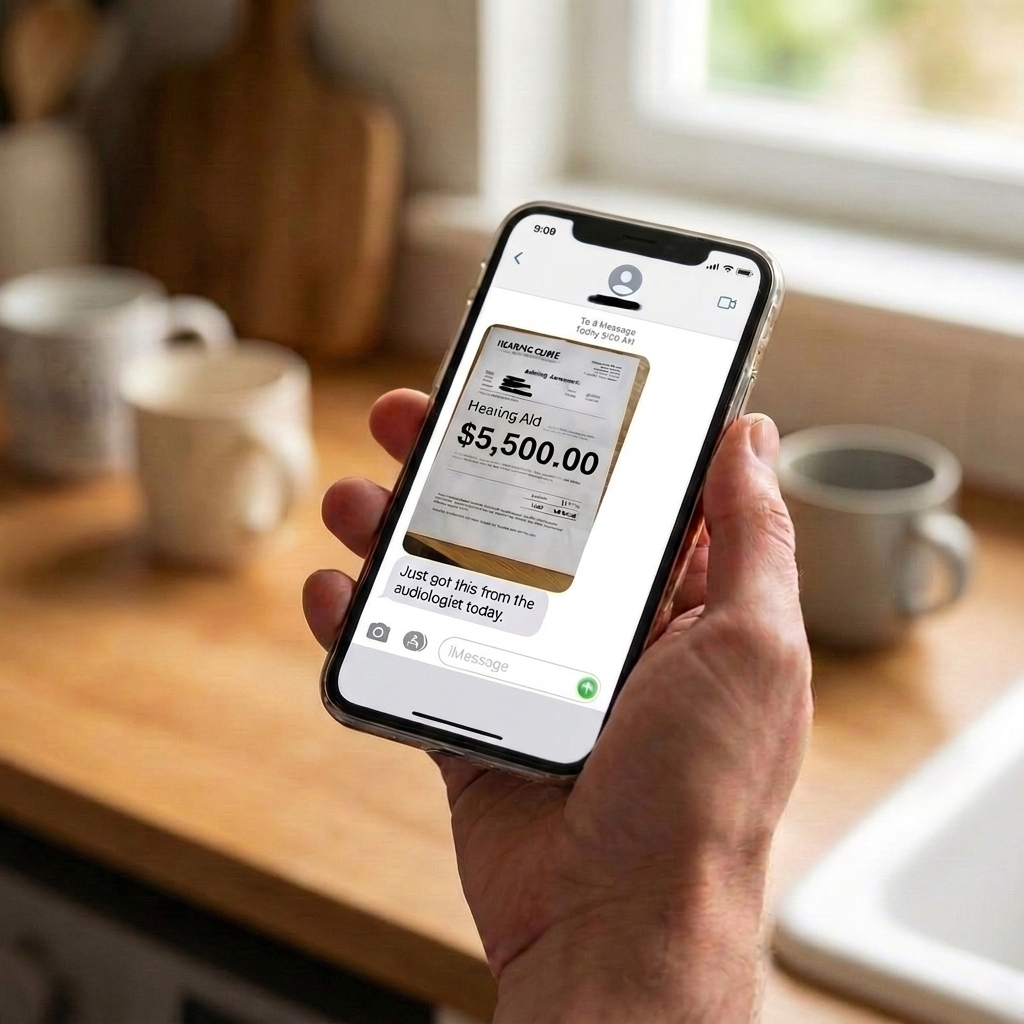
Amphea Audio Facebook ad: “Why Does a Hearing Aid Cost More Than a Holiday?”
Ran for 23 days, from April 15 to May 7, 2026, the last day Crush saw it.
Run by Amphea Audio on Facebook. Crush is not the advertiser and does not verify its claims. See this ad in Meta's Ad Library(opens in a new tab)
Want an ad like this for your product?
Crush makes new ad images for your product from this ad: your logo, your product photo, your offer.
Trials from $19.95 USD, then $79.95 USD a month. Cancel anytime.
About this ad
- Meta Ad Library ID
- 1171323911693710
- Platforms
- Facebook, Instagram, Audience Network, Messenger and Threads
- Relaunches
- 0
- Niche
- Fitness & Gyms
Ad text
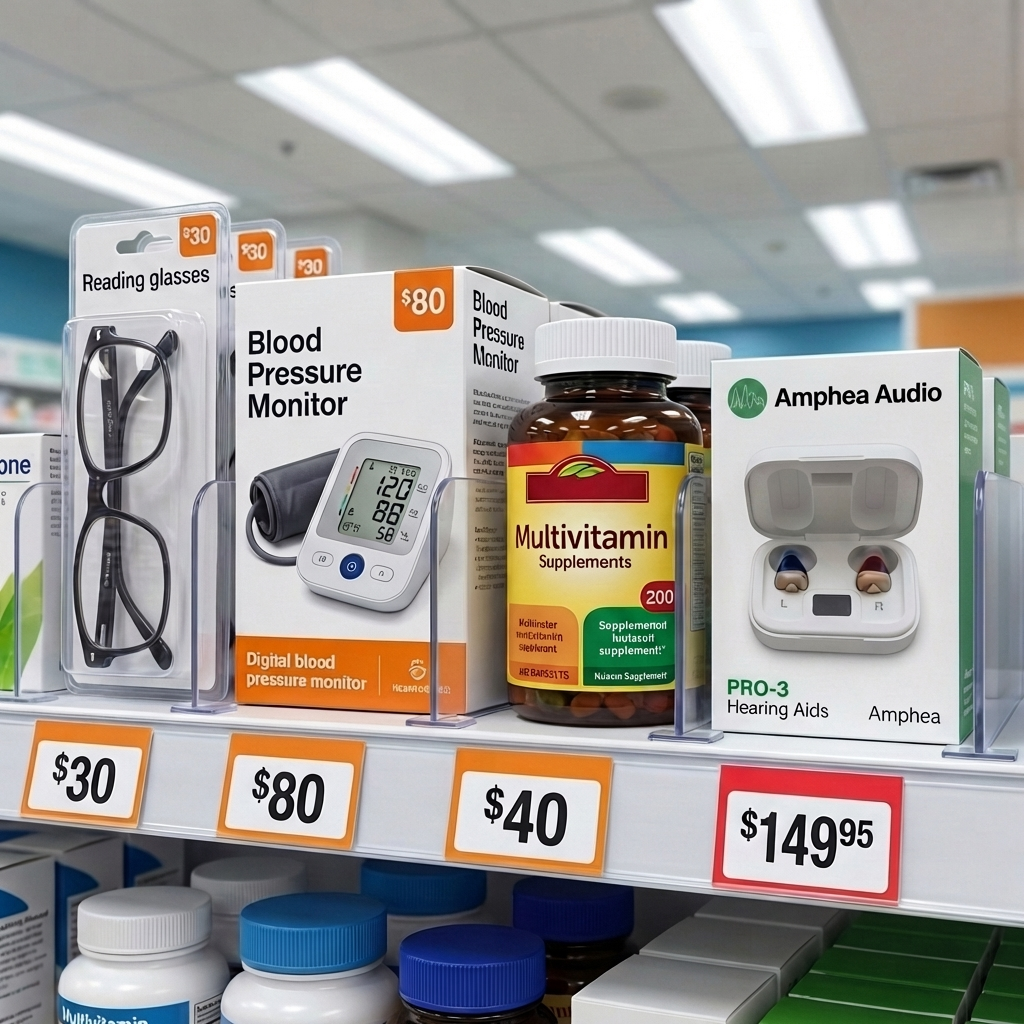
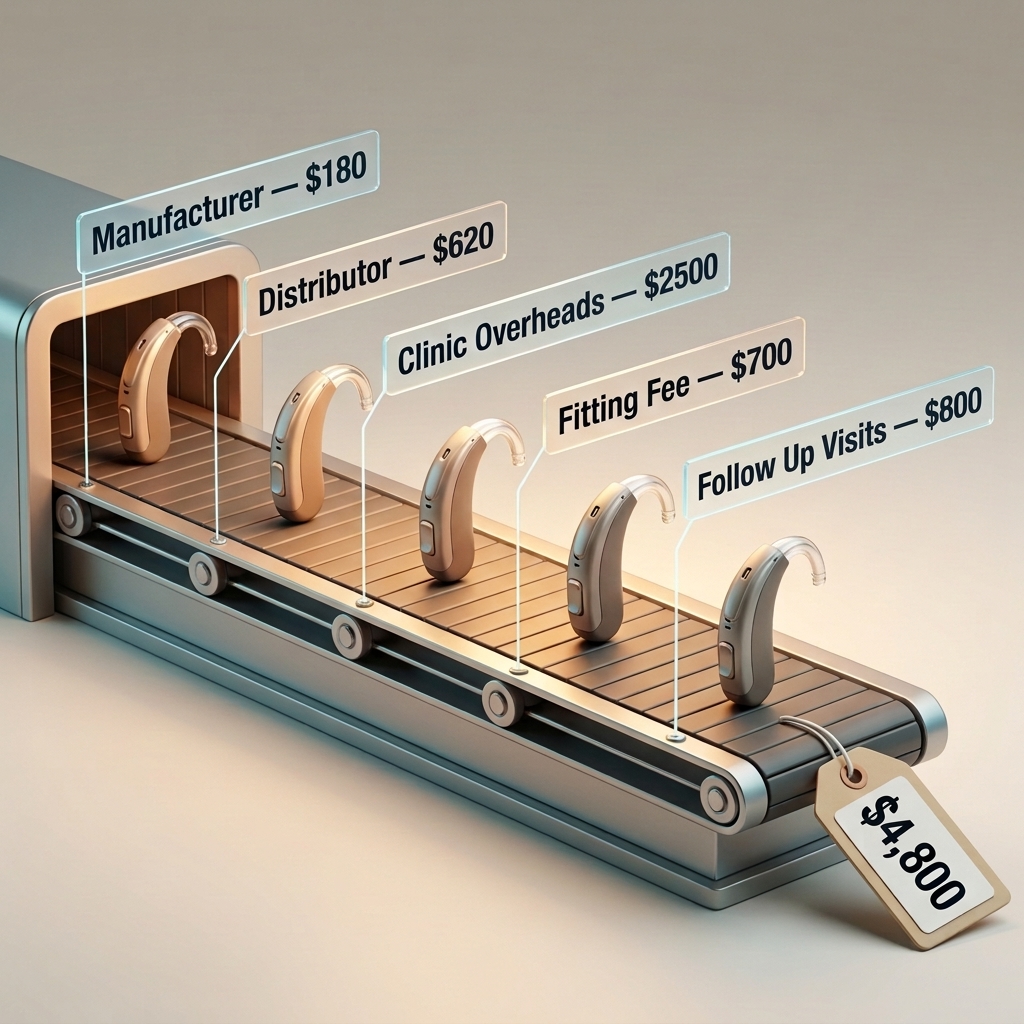
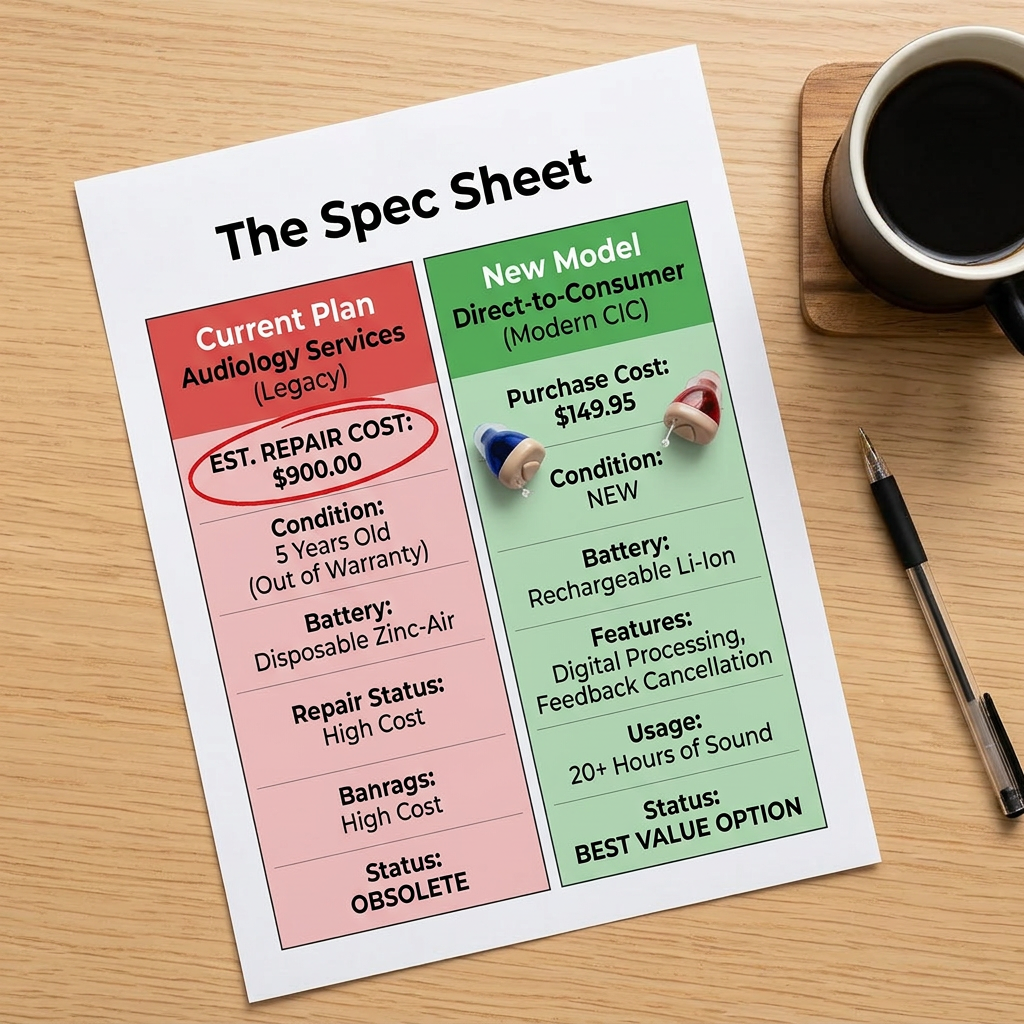
If you've been quoted $5,500 or more for hearing aids and walked out of the clinic feeling like the numbers didn't add up — you were right. They didn't. I'm a retired engineer. I spent 35 years costing out electronics for a living. I know what components cost and I know what markup looks like. When my $5,500 hearing aids died last year — no warning, fine on Tuesday, dead on Wednesday — I didn't hand over the $900 repair quote. I went home and opened them up instead. Inside was a microphone, a processor chip, a speaker, and a battery. Quality components. I won't argue that. But I've spent my career in electronics. What I was looking at was not $5,500 worth of parts. Not even in the same suburb. So I started asking a question I should have asked three years earlier: where did the money actually go? The hearing aid industry is built on a service model that made sense 40 years ago, when fitting a hearing aid genuinely required multiple specialist appointments and expensive custom equipment. That model created a structure — clinics, audiologists, reception staff, shopping centre leases, manufacturer margins, distributor margins — and that structure became the price. It didn't become the price because that's what the technology costs. It became the price because that's what the system costs. For people with severe hearing loss or complex conditions, that system delivers real value. The audiologist earns their fee. But for the millions of Australians with mild to moderate hearing loss? The ones who need clearer conversations, a TV at normal volume, voices in the same room? You're paying for the whole system when you only need the device. That's not a scandal. It's just a mismatch. And it's the reason most people see a price, feel the gap between what they need and what they're being asked to spend, and quietly walk out. The average Australian waits seven years before doing anything about hearing loss. Seven years. That's not denial. That's the price of a $5,500 ticket to a problem that feels like it should cost a few hundred dollars to solve. After I opened up my hearing aids, I spent three weeks doing what I do — researching. Processor chips. Microphone specs. Battery technology. The actual cost of the components inside a modern digital hearing aid. Then I started looking at what was happening in markets where the clinic model had been disrupted. In 2022, the FDA in the United States opened up over-the-counter hearing aids. The audiology lobby fought it hard. They're still fighting it. Because once you remove the mandatory clinical pathway, the price of a working digital hearing instrument drops significantly. Not because the technology gets worse. Because the system costs disappear. That's when I found Amphea. Australian company. No clinics. No mandatory appointments. No bundled services I'd never use. Just a direct-to-consumer hearing aid at a price that actually reflects what the technology costs — not what the system around it costs. Their PRO-3 is $149.95 for a pair. I read that three times. Then I pulled up the spec sheet like the engineer I am. 16-channel digital processor. Active noise reduction. Whistle management. 18-hour battery life with 110+ hours backup charge in the case. Completely-in-canal form factor — sits inside the ear canal, effectively invisible. USB-C charging. Smart chip that handles sound mode selection automatically. This wasn't an amplifier. I know the difference. The $29 amplifiers you see advertised make everything louder — the fridge, the traffic, the background noise, all of it equally amplified. That's not how hearing works and it's not how a hearing aid should work. A real digital hearing instrument shapes sound across the frequency range, emphasising the bands where speech lives. That's what the PRO-3 does. The only things missing from the spec sheet were the audiologist's commission, the clinic's lease, and the four follow-up appointments I never used anyway. I ordered them to test the argument. I kept them because the argument was correct. One thing worth being straight about: these are not identical to a $4,800 clinical pair. They don't have Bluetooth or app control. They're not customised to an individual audiogram. If you have severe or complex hearing loss, see a professional — that's the right call. But for mild to moderate loss — everyday conversations, TV at normal volume, voices in the same room, not asking people to repeat themselves — the PRO-3 delivers exactly what matters most: more sound to your brain, shaped correctly, at a price that doesn't require you to spend a year's holiday budget. There's something else worth knowing. When you first put in any hearing aid, everything sounds loud and wrong. The fridge is too loud. Your own footsteps are distracting. You'll think something's wrong with the device. Nothing is wrong. Your brain has been running on reduced input for years. It's forgotten what full sound feels like, and the first few days with hearing aids is your brain recalibrating — sorting through input it hasn't processed properly in years. By week two, something shifts. Voices separate from background. The TV volume comes down. You stop leaning forward in conversations. Neuroscientists call this neuroplasticity — your brain rewiring its auditory pathways to process the extra signal. It happens whether your hearing aid cost $150 or $5,000. The hearing aid is the gym membership. Your brain is the one doing the workout. That's why Amphea give you 60 days to decide. Not 30. Sixty. Because the adjustment takes time, and they'd rather give you more of it than less. If they're not right for you after two months — full refund, no restocking fee, no complicated process. Compare that to the clinic model, where you're paying thousands upfront before you've worn the device for a single day. That money does not come back. It's not a premium clinical device with Bluetooth and a smartphone app. If that's what you need, look at the PRO-2. I'm an engineer. I don't do feelings — I do maths. And the maths on this one has been settled for me. $149.95. 60-day money-back guarantee. Free shipping. Australian company with local support. If you've been quoted thousands and quietly thought the number didn't add up — it didn't. See the PRO-3 and make up your own mind →
Where the ad sends people
amphea.com
Why Does a Hearing Aid Cost More Than a Holiday?
At Amphea Audio, we believe that better hearing should never be a luxury—it should be accessible to everyone. We specialise in delivering high-quality hearing aids that combine performance, comfort, and modern design at a fraction of the price of traditional brands.
Learn more: amphea.com(opens in a new tab)