Amphea Audio
Amphea Audio Facebook ad: “Improve Your Hearing For A Fraction of the Price”
Ran for 59 days, from March 9 to May 7, 2026, the last day Crush saw it.
Run by Amphea Audio on Facebook. Crush is not the advertiser and does not verify its claims. See this ad in Meta's Ad Library(opens in a new tab)
Want an ad like this for your product?
Crush makes new ad images for your product from this ad: your logo, your product photo, your offer.
Trials from $19.95 USD, then $79.95 USD a month. Cancel anytime.
About this ad
- Meta Ad Library ID
- 1833918143900481
- Platforms
- Facebook, Instagram, Audience Network, Messenger and Threads
- Relaunches
- 0
- Niche
- Fitness & Gyms
Ad text
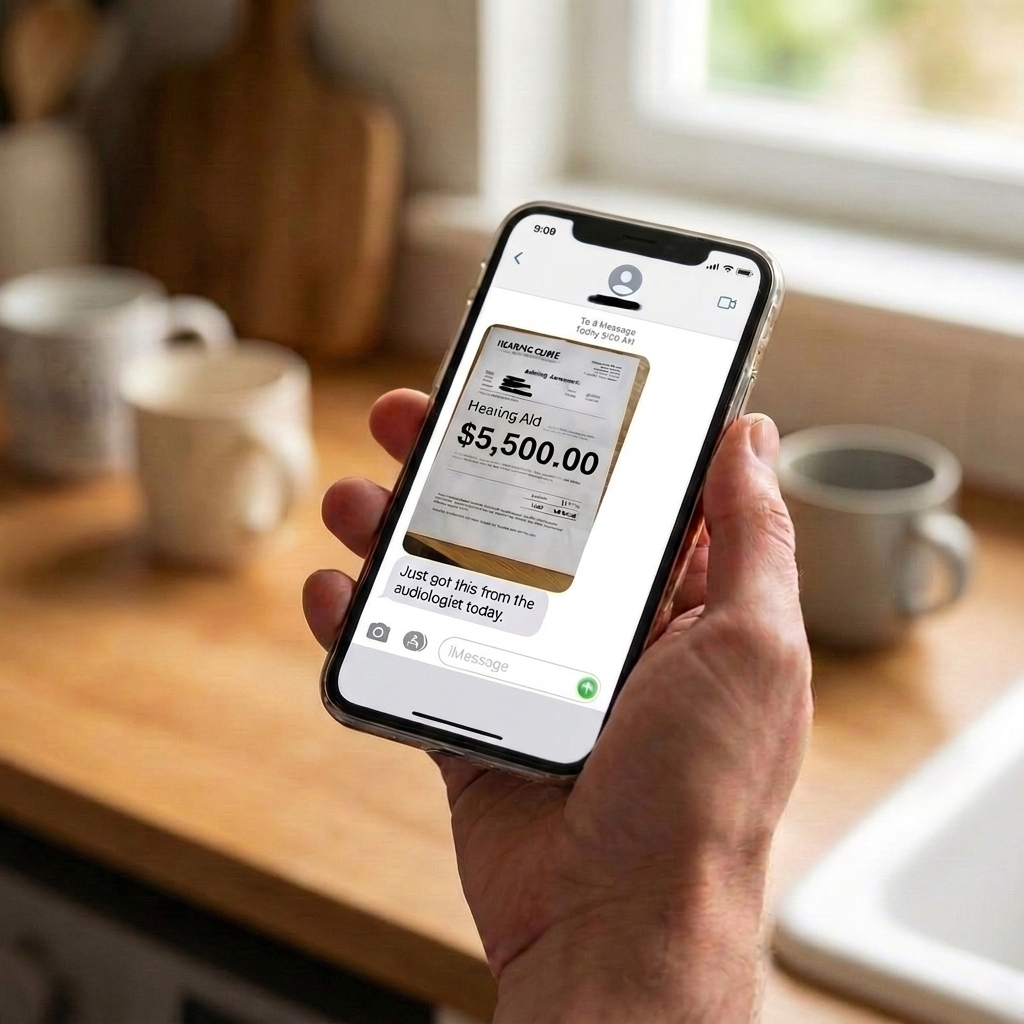
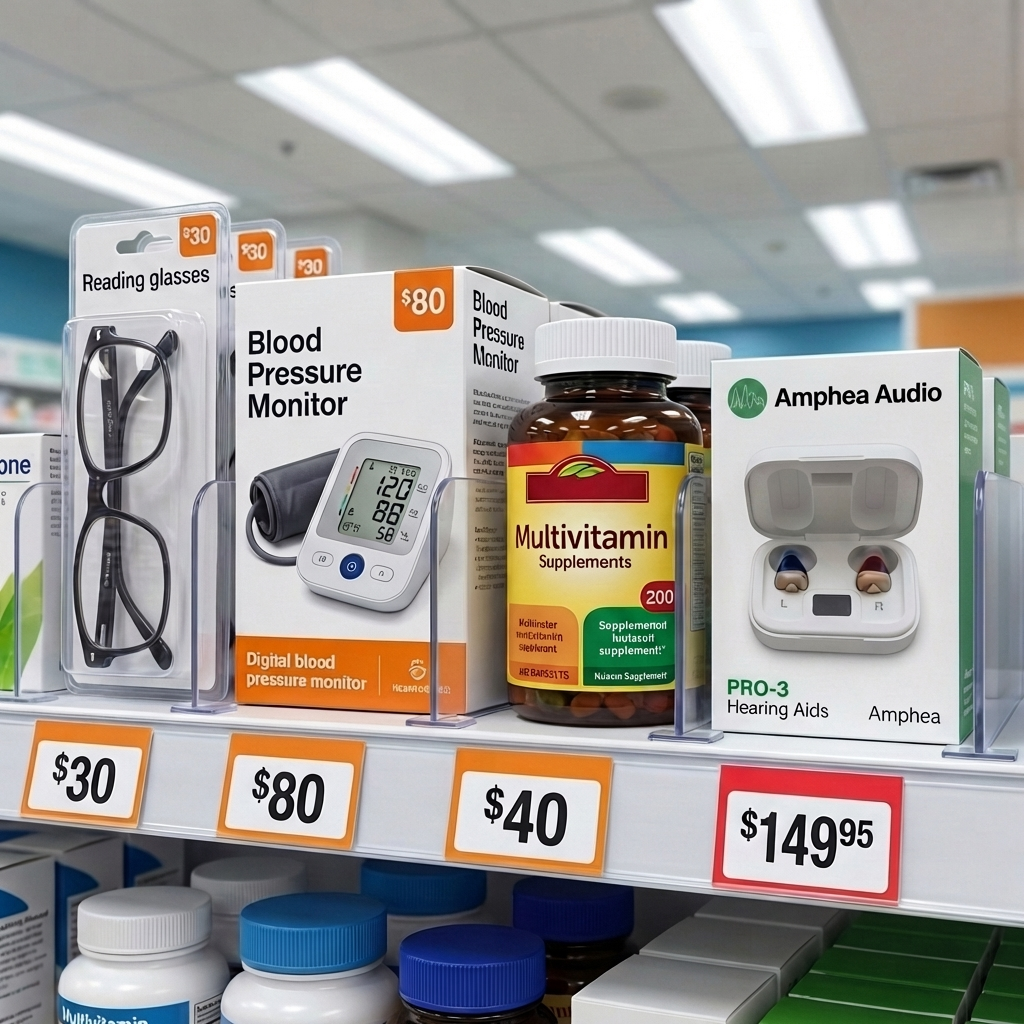
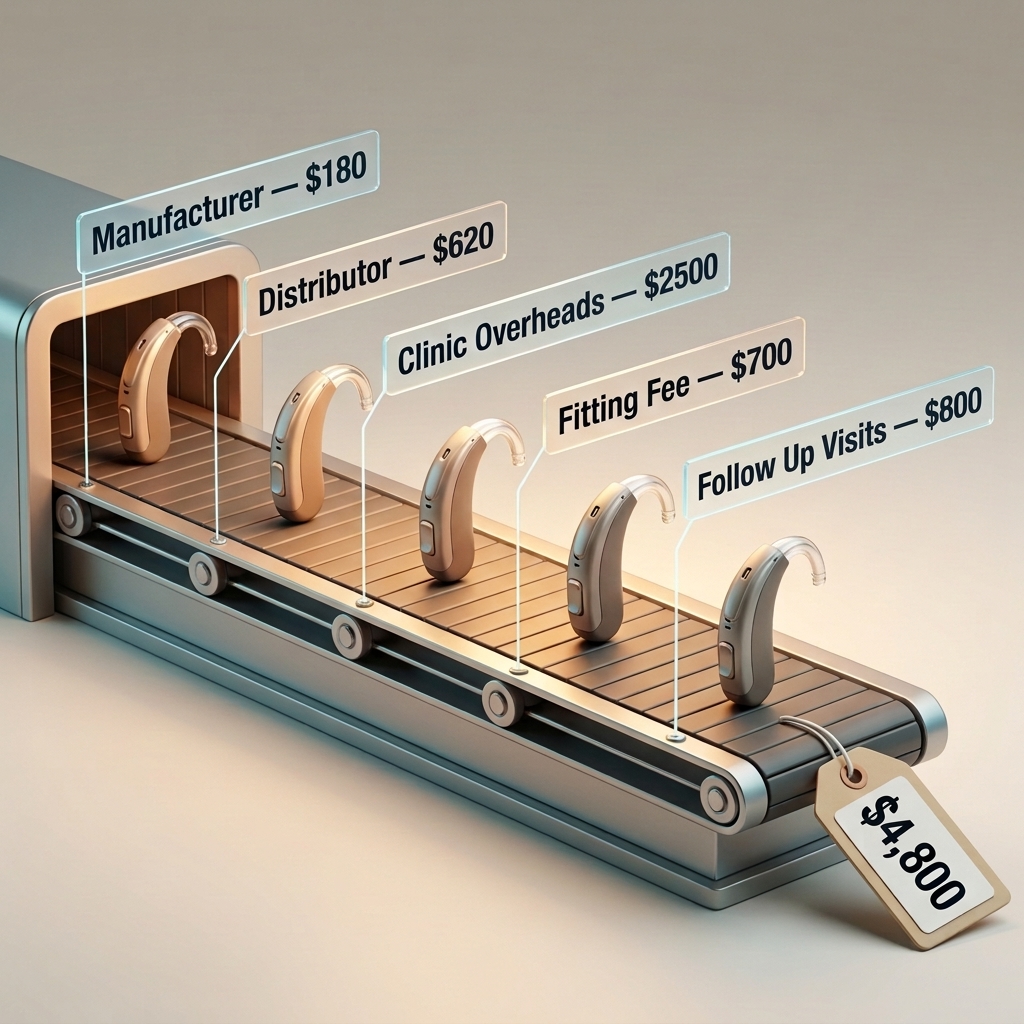
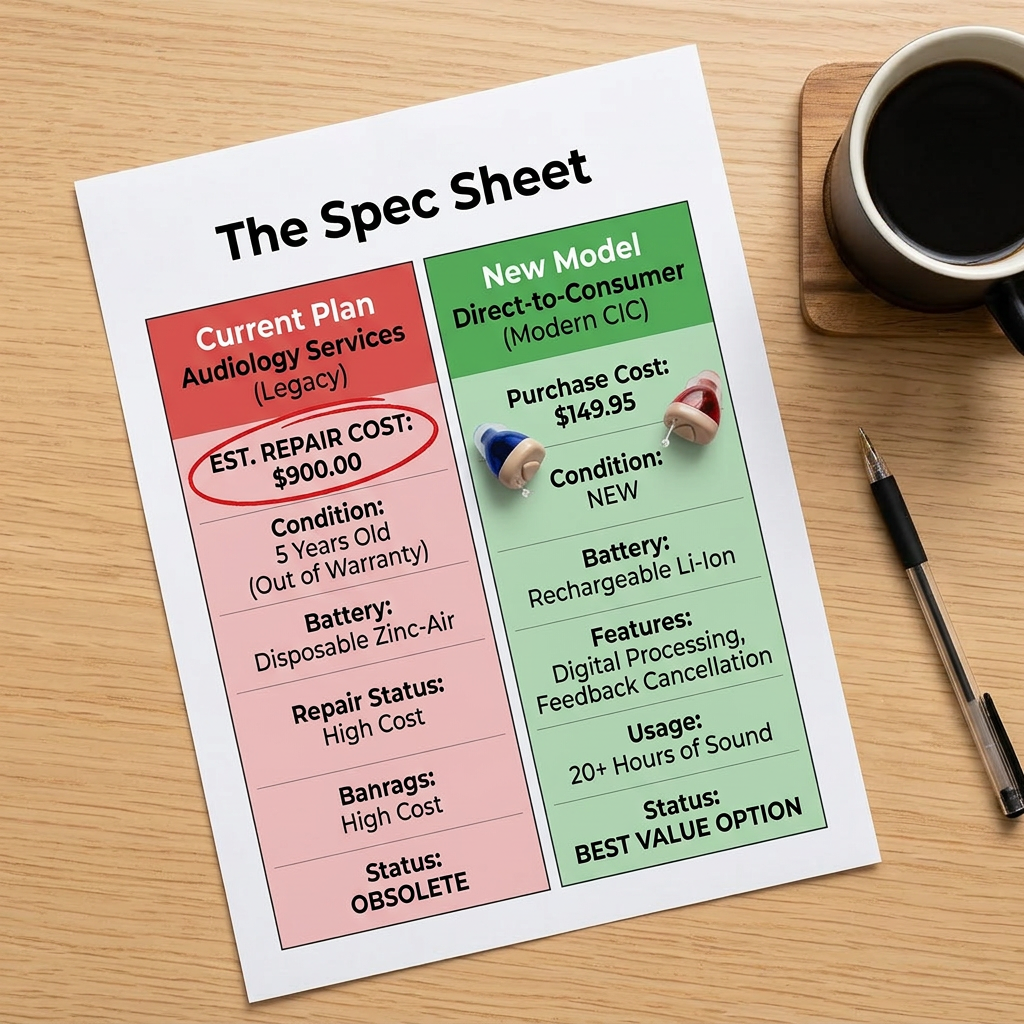
My $4,800 hearing aid stopped working. When I opened it up, I started asking questions I should have asked three years ago. It just died one morning. No warning. Worked fine on Tuesday, dead on Wednesday. I took it back to the clinic expecting a simple repair. Instead they quoted me $900 to fix it — or $4,200 for a "discounted upgrade" to the newer model. $900. To fix something smaller than my thumbnail. I'm an engineer. Retired now, but I still think like one. So instead of handing over another cash, I went home and did something I should have done before I bought them in the first place. I opened it up. Inside my $4,800 hearing aid was a microphone, a processor chip, a speaker, and a battery. That's it. Quality components, sure. But I've spent my career costing out electronics. What I was looking at was not $4,800 worth of parts. Not even in the same postcode. So I started digging. I pulled up component specs. I researched the processor chips used in hearing aids — most are manufactured by a handful of companies. The microphones are standard MEMS microphones, the same type used in smartphones. The speakers are balanced armature receivers. All available off the shelf. I couldn't put an exact figure on the total component cost. But I could see the gap between what was in my hand and what I'd paid for it. And that gap was enormous. So where did the money go? 🏢 Into the system. The clinic's rent in a nice shopping centre. The receptionist. The audiologist's time — not just for my appointment, but for all the appointments that didn't result in a sale. The marketing that got me through the door. The manufacturer's margin. The distributor's margin. The clinic's margin. And the "bundled professional services" that covered four follow-up appointments, two of which I never used. Layer after layer of cost that had nothing to do with the device in my ear. Now look — I'm not saying audiologists aren't valuable. They are. If you have severe hearing loss, or a complex condition, or you need custom moulds, a professional is worth the money. But for the millions of us with mild to moderate hearing loss? The clinic model is like paying a mechanic $5,000 to change your oil. When the FDA in the US opened up over-the-counter hearing aids in 2022, it proved what the industry had been hiding for decades: you don't need a $5,000 system to hear better. You just need a partner who isn’t in it for the marble offices and the overpriced tech. The audiology lobby fought it. They're still fighting it. Good. That's how I found Amphea. An Australian company. No clinic. No appointments. No marble waiting room. Just a hearing aid, shipped to your door. Their PRO-3 is $149.95 for a pair. I read that three times. Then I pulled up the spec sheet. 16-channel digital processor. Active noise reduction. Whistle Management. 18-hour battery life. 110+hr back up chrage in the case. CIC form factor — sits completely inside the ear canal. Smart chip control over sound modes. USB-C charging. This wasn't a toy. It wasn't one of those $29 amplifiers that makes everything louder and whistles every time you move your head. It was a legitimate digital hearing instrument. The only things missing from the spec sheet? The audiologist's commission. The clinic's rent. The branded waiting room with watercolour prints and a reception desk that costs more than a used car. I ordered them to prove a point. I kept them because they work. Are they identical to my $4,800 pair? No but that's the whole point. You don't need to spend $4,800 to get your hearing back. They don't have Bluetooth nor an app, but thats done on purpose to make them more user friendly. Other than selecting your ear tip size and picking the volume the idea is that our new AI Chip™ makes them even easier to use. It does the thinking, all you need to do is wear them. When you first put in hearing aids — any hearing aids — everything will sound loud and strange. That's because your brain has been running on reduced input for years. It's forgotten what full sound is like. It’s like someone turned the volume of the world up, but in reality if you are new to hearing aids, the lower levels are usually the best place to start until your ears adapt. Over the first two weeks, your brain will recalibrate. It starts prioritising voices, filtering noise, filling in gaps. This process is called neuroplasticity, and it works the same whether your hearing aid cost $200 or $5,000. The hearing aid is the gym membership. Your brain is the one doing the workout. I wore my clinic supplied pair for three years. I've been wearing the Amphea PRO-3 for four months now. For everyday conversations — at home, on the phone, watching TV, talking to family — they do exactly what I need. Voices are clearer. The TV is back to a normal volume. My wife has stopped repeating herself. And the best part? They cost me less than the repair quote on my old pair. Amphea gives you 60 days to try them. Not 30. Sixty. Because they know you need time to adjust. If they're not working for you after two months, send them back. Full refund. No restocking fees. No complicated process. Compare that to the clinic, where you're paying thousands upfront before you've worn the device for a single day. That money is never returned back. I'm an engineer. I don't do feelings. I do maths. And the maths on this one is simple. If you've been quoted thousands and walked out feeling like something didn't add up — trust that instinct. Do your own research. Look at what you're actually paying for versus what you're getting. The hearing aid industry spent 50 years making sure you never did that. It takes about 10 minutes to see through it. Try Amphea PRO-3. $149.95 a pair. Free shipping. 60-day money-back guarantee. Australian company, local support. Don't let an overpriced industry be the reason you keep putting off hearing your family clearly. That was my mistake. I don't recommend it.
Where the ad sends people
amphea.com
Improve Your Hearing For A Fraction of the Price
At Amphea Audio, we believe that better hearing should never be a luxury—it should be accessible to everyone. We specialise in delivering high-quality hearing aids that combine performance, comfort, and modern design at a fraction of the price of traditional brands.
Learn more: amphea.com(opens in a new tab)