
Active· since Mar 21, 2026
- 178
- days running
- 0
- relaunches
Ad copy
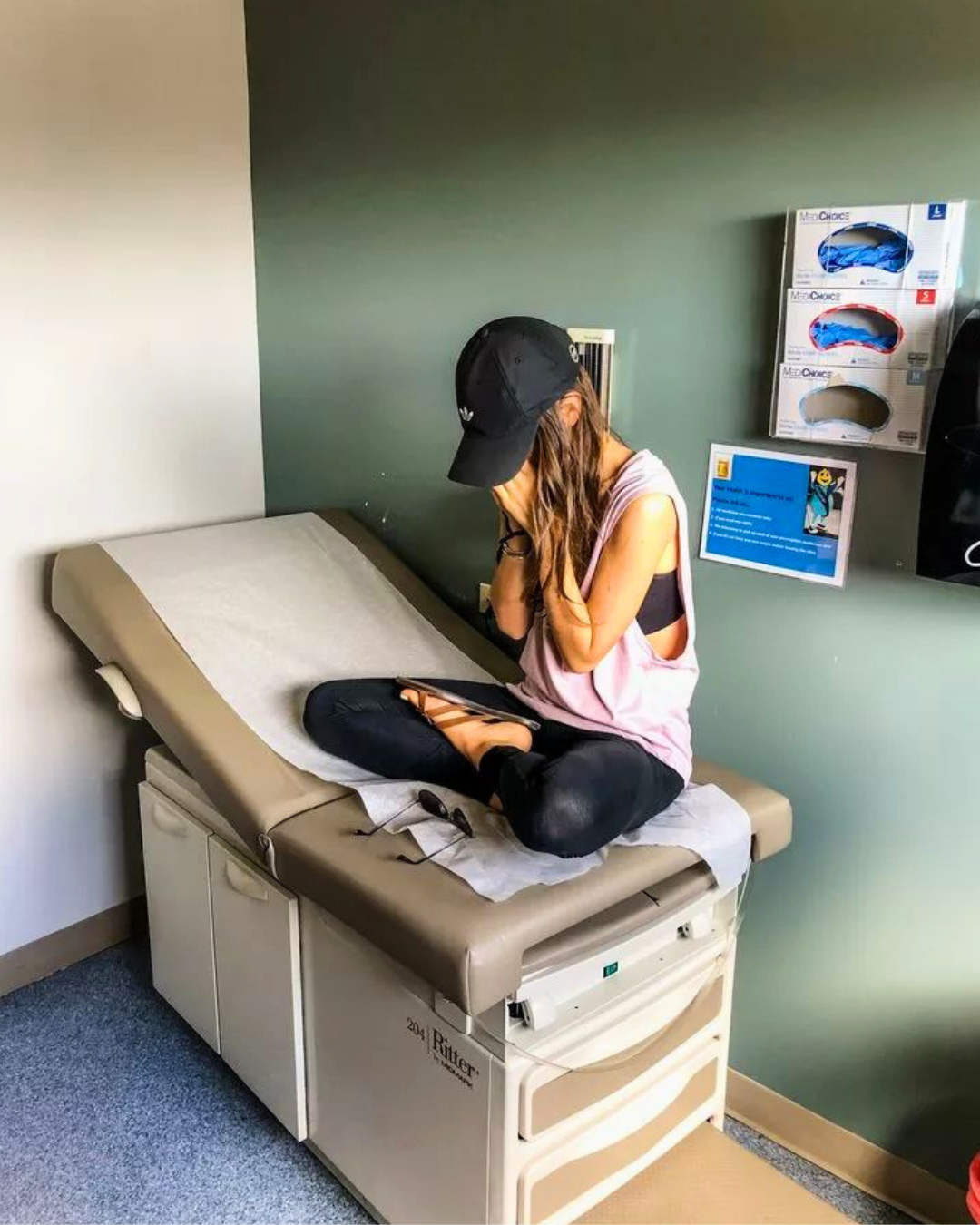
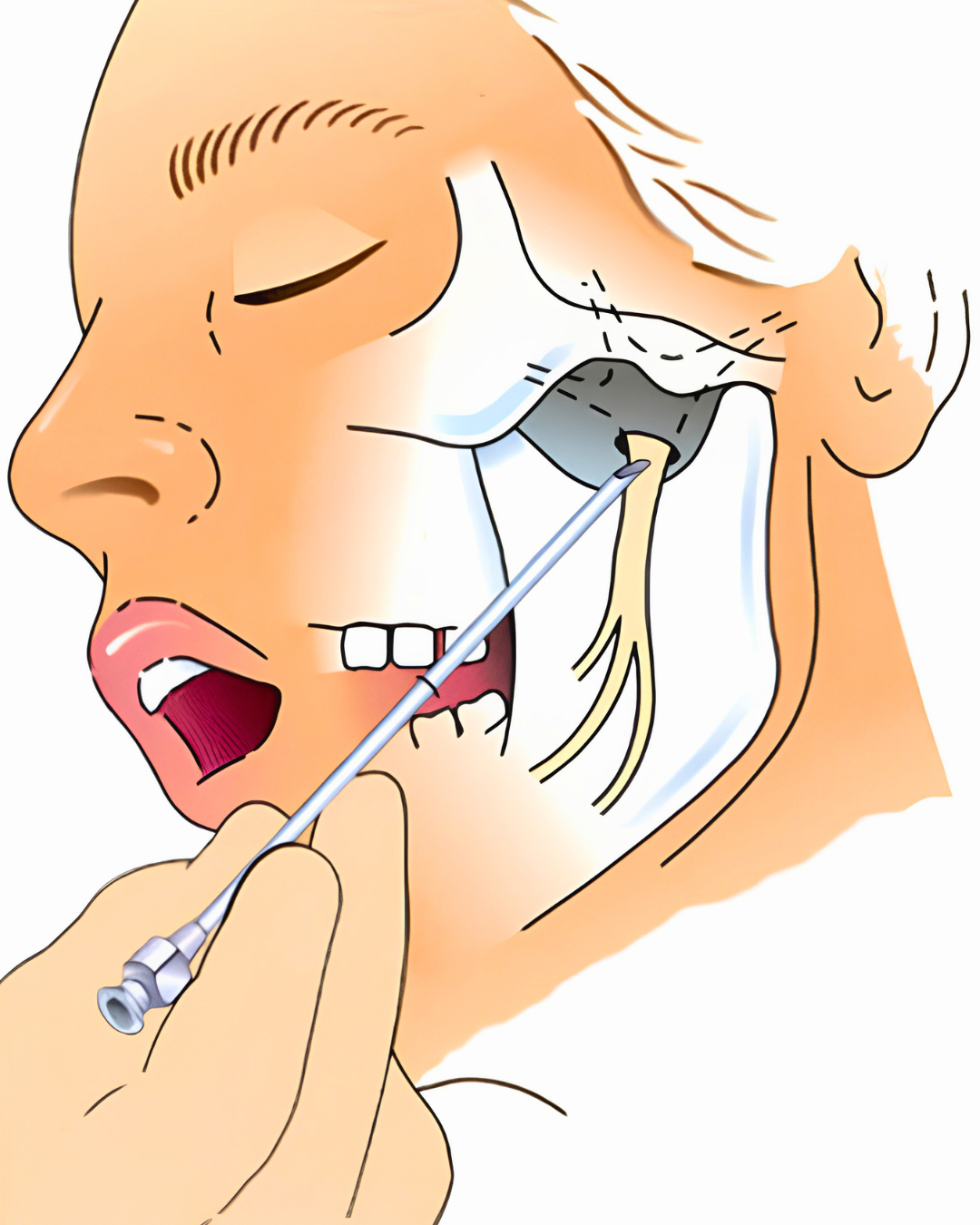
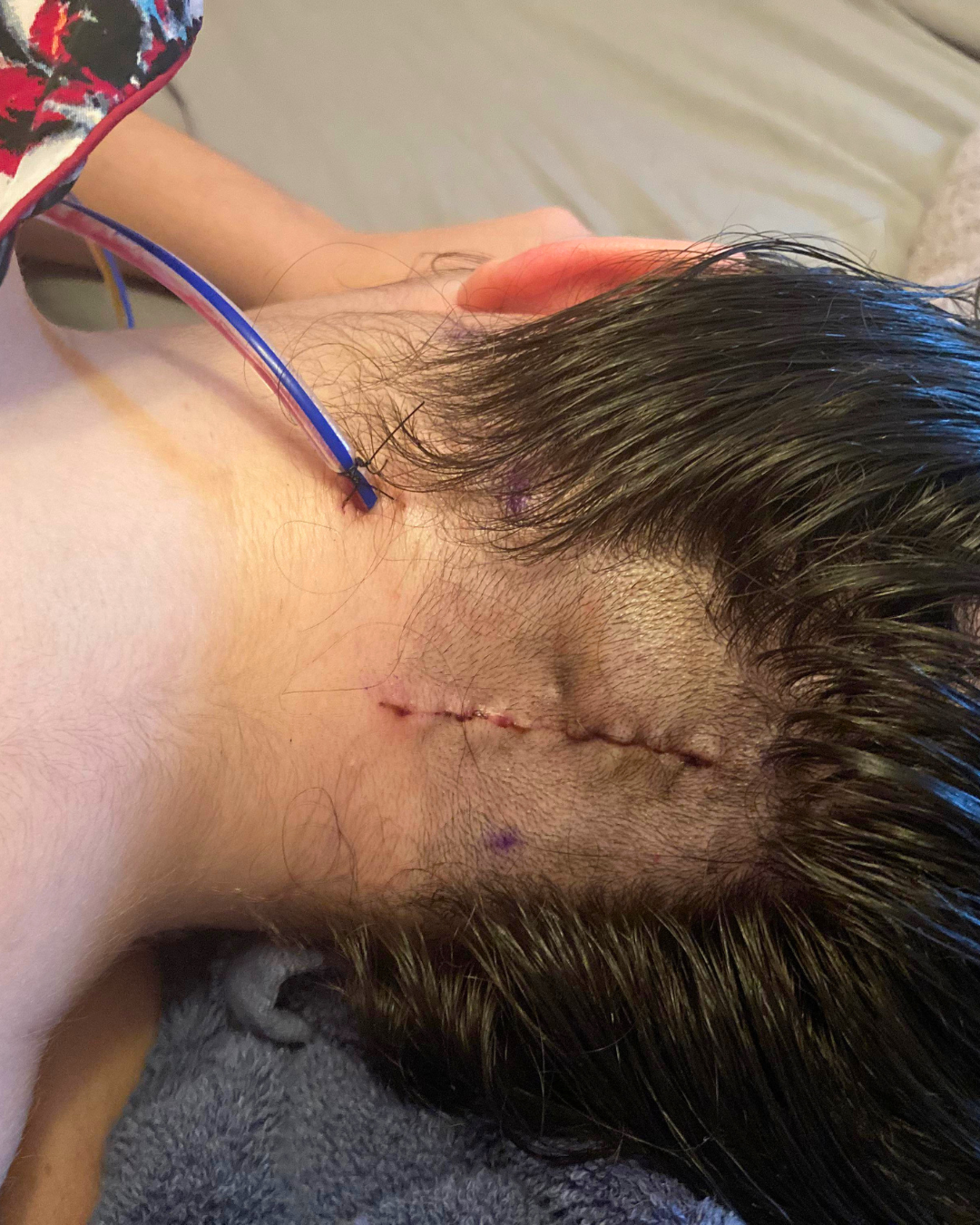
I tracked my migraines for 2,190 days. It took me six years to realize I was treating the pain, not the source. Every morning, same ritual. Eyes still closed. Is it there? The pressure behind my right eye. The tightness wrapping around my temple. The dull throb at the base of my skull that tells me today is already ruined. Day 2,190. Level 7. Again. My daughter stopped asking if I'm coming to her games. She just assumes I'm not. I stopped promising years ago because breaking a promise to your child is worse than just being absent. The doctors called me a "chronic, treatment-resistant migraine patient." Like I'm the problem. Like my body is doing this on purpose. I lay there one morning staring at six years of data in my migraine app. Every single day logged. Pain levels, triggers, medications, sleep quality, barometric pressure, hormone cycles, food diaries. Everything documented. And I still wake up exactly the same. The first neurologist put me on Topamax. It made me forget words mid-sentence. My coworkers thought I was having a stroke. Still had the migraines. Then Propranolol. Blood pressure dropped so low I fainted in a grocery store. Then Amitriptyline. Gained 30 pounds and slept 14 hours a day. Then combinations of all three at once. Triptans were supposed to be the rescue. They worked for the first few months. Then I needed them more often. Then I needed them every other day. Nobody told me that taking them more than three times a week could actually cause MORE migraines. I found out later it has a name: Medication Overuse Headache. I was taking the thing that was supposed to save me, and it was making me worse. Botox was next. Thirty-one injection sites across my forehead, temples, and neck every twelve weeks. I sat in that chair with needles in my face thinking: this is what my life has become. Five rounds later, nothing changed. But I kept going back because what else was I going to do? The three-day inpatient stay at the headache center cost me my savings. IV infusions. Nerve blocks that made me sob in the recovery room. Medication combinations I can't pronounce. They tried everything in their protocol. On day two, the attending came in and said they'd "exhausted their acute options." I went home and added it to my spreadsheet. Treatment #34: Failed. My husband thinks I'm not trying hard enough. My friends stopped inviting me out around year two. How do you explain to someone that you've done everything, literally everything, and you're still in the same bed, curtains drawn, ice pack on your face, at 2pm on a Saturday? I keep tracking because I don't know what else to do. Maybe if I log enough data, someone will finally see what I can't. It wasn't until month 73 that someone finally explained what was actually happening. Not the neurologist. Not the headache specialist. Not the ER doctor who'd seen me four times that year. It was a migraine coach I almost didn't call because I thought it was a waste of money. She listened to me for twenty minutes. Didn't interrupt once. Then she asked me one question: "When do you take your medication?" I told her I wait. Like everyone does. I wait until it's a 6 or 7, until I can't push through anymore, and then I take a Triptan or Excedrin. She went quiet for a moment. "That's the problem. Every single treatment you've tried: the pills, the injections, the infusions, they're all trying to stop a migraine that's already fully activated. But a migraine doesn't start with pain. Pain is the last stage." I stared at my phone. "Your migraine starts 20 to 40 minutes before you ever feel the headache. It starts with nerve sensitization. The trigeminal nerve, it runs from the base of your skull up through your temples and behind your eyes. When it gets activated, it sends pain signals cascading through your head. By the time you feel the throbbing, the nerve has been firing for almost an hour." "Every medication you've taken has been trying to put out a fire that's been burning for 40 minutes before you even smell the smoke." She told me about a topical formula developed by a neurologist who suffers from migraines herself. Dr. Flora Laurent. She'd spent years researching the trigeminal nerve pathway and found that specific compounds: Magnesium Glycinate, Wild Peppermint, Menthol Crystals, Chamomile, and Feverfew Extract, could be combined into a roll-on applied directly to the temples, neck, and behind the ears. Exactly where the trigeminal nerve surfaces closest to the skin. It was called Florus Relief. "It's not like anything you've tried," she said. "It doesn't enter your bloodstream. It doesn't pass through your liver. It works topically, right at the nerve pathway. The cooling sensation interrupts the pain signal at the surface while the magnesium and feverfew calm the nerve over time." I almost laughed. A roll-on? After Botox? After nerve blocks? After thirty-four failed treatments? But she explained it differently than anyone ever had. "You don't have a medication problem. You have a timing and delivery problem. You've been swallowing pills that take 30 to 45 minutes to reach your bloodstream, by which point the migraine is fully established. And you've been doing it so often that your brain adapted to the medication and started producing rebound headaches. You need something that works in seconds, directly at the source, that you can use at the very first warning sign, without worrying about overuse." I ordered it that night. Not because I believed it would work. I'd stopped believing anything would work around year three. But they had a 90-day guarantee and I was out of ideas. It arrived two days later. Small green bottle. Metal roller ball. I held it in my hand and thought: how can something this simple fix what Botox couldn't? The first migraine came three days later. I felt it starting the way it always does. The faint pressure behind my right eye. The slight neck stiffness. The beginning. Instead of waiting. Instead of pushing through. Instead of reaching for the pill bottle. I rolled it across my temples. Behind my ears. Down the back of my neck. The cooling hit immediately. Not like an ice pack, gentler. Deeper. Like the tension was being drawn out of the nerve itself. Within minutes, the pressure eased. My shoulders dropped. The tightness behind my eye softened. I sat there waiting for it to come back. Five minutes. Ten. Twenty. It didn't fully disappear. But for the first time in six years, it didn't escalate. The migraine that usually pins me to the bed for 8 hours peaked at a 3 and faded by lunch. I opened my app. Day 2,194. Level 3. For the first time in years, I typed a number that didn't ruin my day. That was five months ago. I still track. But the numbers look different now. Most days are 0s and 1s. I catch it early, the second I feel the first whisper of pressure, I reach for the green bottle. Temples. Neck. Behind the ears. Ten seconds. And most of the time, that's it. I took my daughter to her soccer game last Saturday. Sat in the sun for two hours. Cheered until my voice cracked. Didn't need the dark room after. Didn't cancel dinner. She looked at me on the drive home and said, "Mom, you came to both games this week." I had to pull over because I couldn't see through the tears. I'm not "treatment-resistant." I never was. I was just delivering the wrong treatment, to the wrong place, at the wrong time. If you've been tracking your migraines for months or years. If doctors have called you "chronic" or "resistant" or said "we've tried everything." If you wake up every morning doing the same check I do, scanning for the pain before you even open your eyes. I need you to consider something. What if you're not broken? What if every pill failed because it was arriving 45 minutes too late to a nerve that needed relief in seconds? What if every injection failed because it was targeting the wrong layer? What if you've been treating a nerve problem with blood-level medications that never reach the nerve? You can't swallow your way to relief from a nerve that fires at the surface of your skin. You can't wait until level 7 to treat something that started at level 1 forty minutes ago. Florus Relief Roll-On was built for the moment the migraine begins, not the moment it's unbearable. Applied directly where the trigeminal nerve lives. Cooling relief in seconds, not 45 minutes. 7,405 migraine sufferers have rated it five stars. Developed by a Neurologist who gets migraines herself. And backed by a 90-day guarantee, feel relief or it's free. You've spent years trying everything else. Try the thing that works where the pain actually lives. You deserve to stop checking every morning. You deserve to just wake up. → If this sounds anything like you, click the link below this post to learn more
The Real Reason Your Migraines Keep Coming Back (It’s Not What You Think)
If you're still getting migraines after trying everything, a Neurologist explains what's actually happening and why pills can't fix it.
LEARN MORELike this ad? Make it yours.
Crush rebuilds this exact creative around your product — your brand, your colors, your offer — in about a minute.