The National Home Laundry Association
The National Home Laundry Association Facebook ad: “Why Grandma's Old Washer Never Smelled Musty”
Ran for 2 days, from June 5 to June 7, 2026, the last day Crush saw it.
Run by The National Home Laundry Association on Facebook. Crush is not the advertiser and does not verify its claims. See this ad in Meta's Ad Library(opens in a new tab)
Want an ad like this for your product?
Crush makes new ad images for your product from this ad: your logo, your product photo, your offer.
Trials from $19.95 USD, then $79.95 USD a month. Cancel anytime.
About this ad
- Meta Ad Library ID
- 1186328286918608
- Platforms
- Facebook, Instagram and Messenger
- Relaunches
- 0
- Niche
- Pets
Ad text
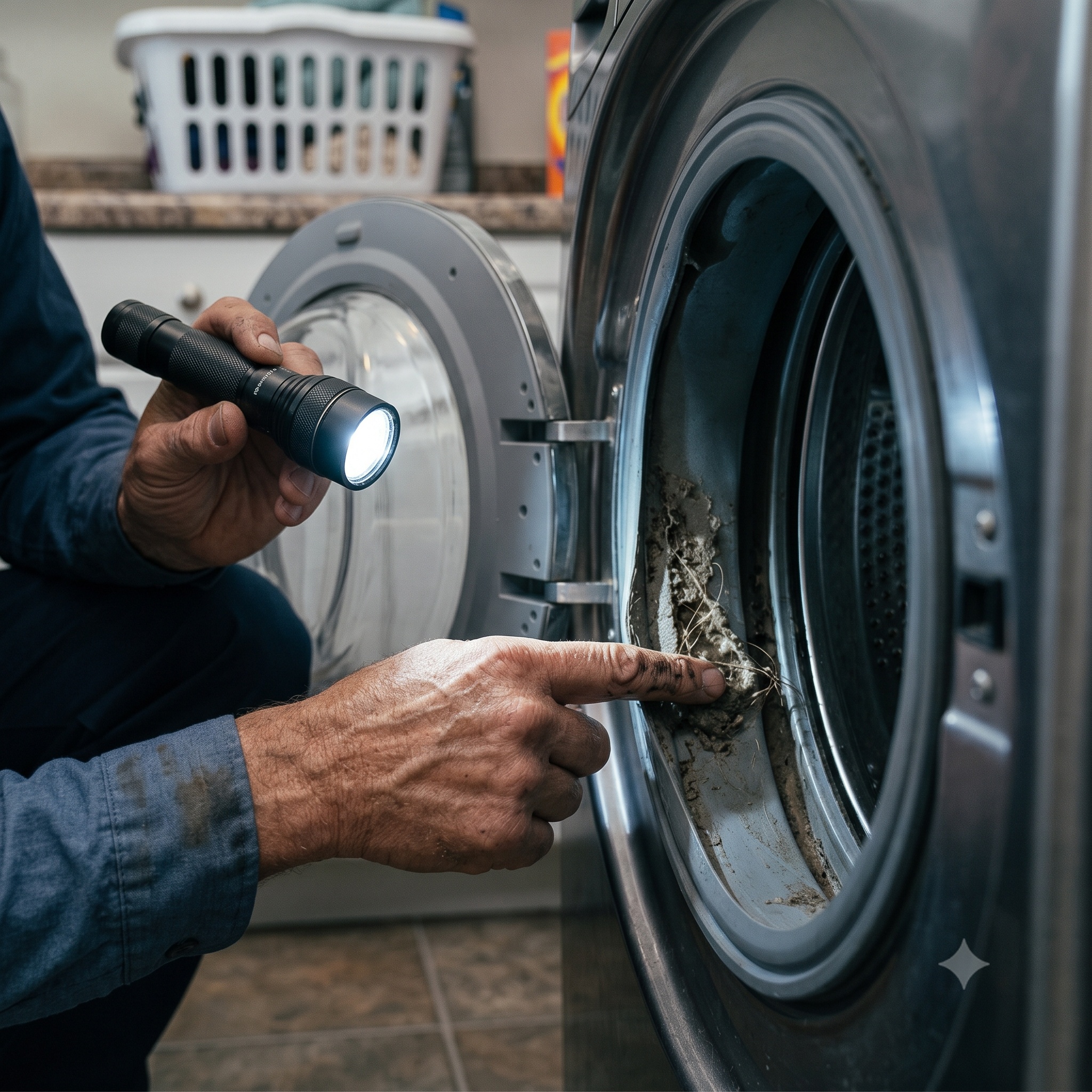
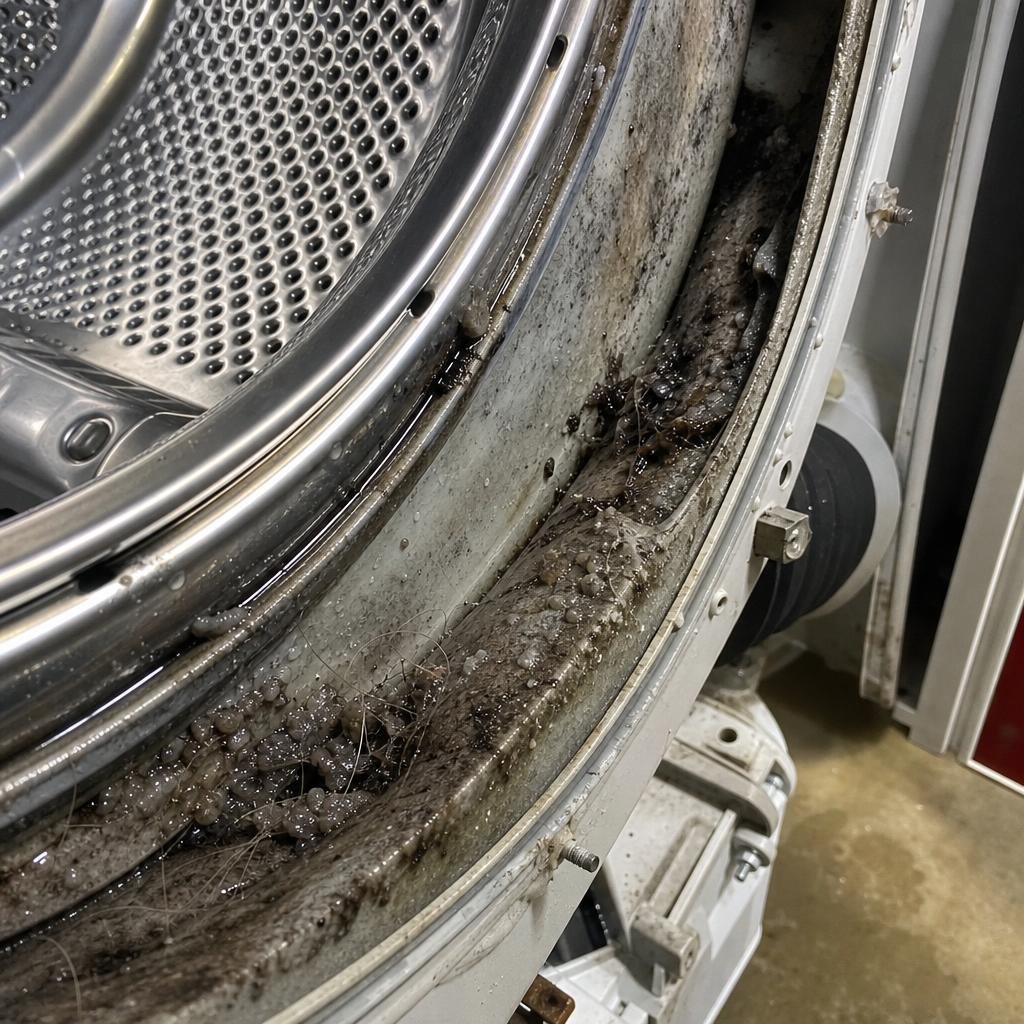
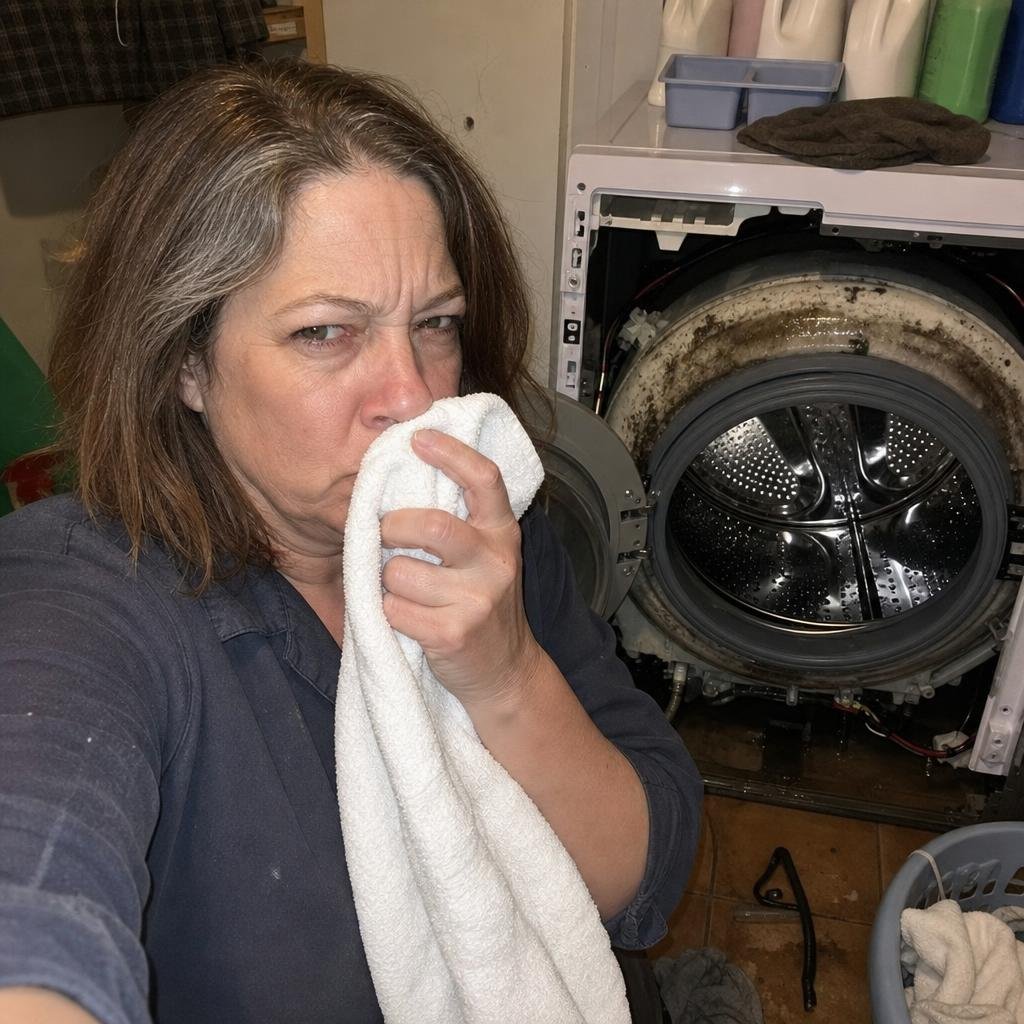
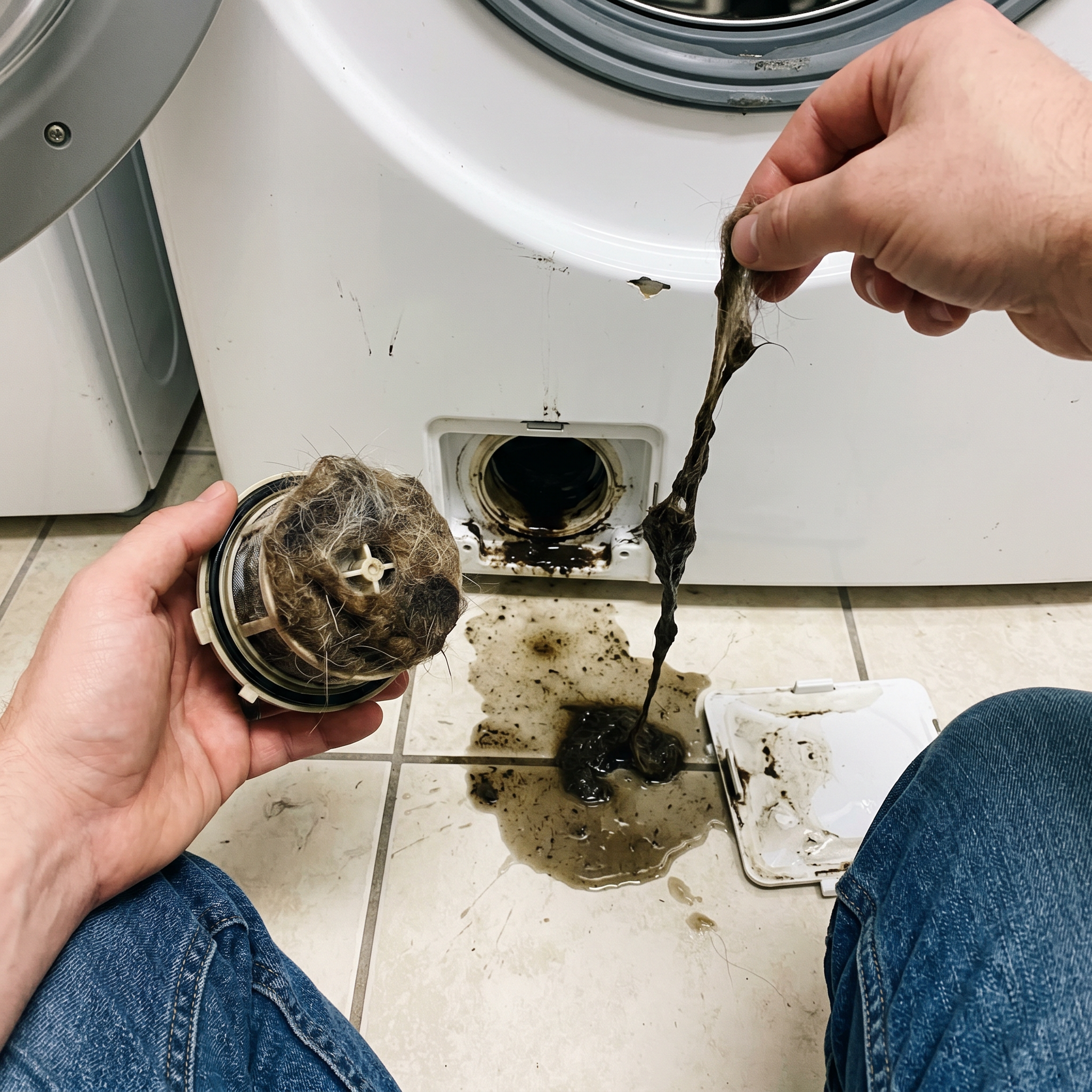
Your grandmother had the same top-loader for 30 years, and her laundry room never smelled like anything but soap. You spent 1,200 dollars on a new front-loader, and your laundry room smells like a wet dog within 18 months. I'm a 19-year repair tech, and the difference between those two washers explains every service call on my schedule Name's Danny. I fix washers for a living. 19 years. Mostly front-loaders, mostly the same three brands, mostly the same conversation at the kitchen table afterward. A customer of mine, a woman over in Edison Park, said something I haven't been able to shake. I was packing up my tools, and she was writing the check, and she stopped halfway through and said, "Danny, can I ask you something that's going to sound stupid? My grandmother had a Maytag in her basement for 30 years, and her laundry room never smelled like anything but soap. I've had this washer for four years, and it already smells like a kennel. What am I doing wrong?” The answer is, you're not doing anything wrong. Your washer is different from your grandmother's washer in one specific way that nobody told you about when you bought it. And that one difference is the reason your laundry room smells the way it does. Let me walk you through it. Your grandmother's washer, the old Maytag, the old Kenmore, the old Whirlpool top-loader with the agitator in the middle, used somewhere between 40 and 45 gallons of water per cycle. Hot wash. Warm rinse. Sometimes two rinses if she was washing the church linens. The agitator beat the laundry against itself in a full tub of water. The contamination, the dirt, the dander, the skin oil, the trace anything, got suspended in 40 gallons of water and flushed out the drain. Then the rinse. Another 30 plus gallons. Anything left got carried out with it. Your front-loader uses 11 gallons total. Wash and rinse combined. Cold or room temperature on most cycles, because the energy rating depends on it. The drum tumbles your laundry through a shallow puddle at the bottom of the basket. The contamination gets loosened, but most of it doesn't get rinsed out, because there isn't enough water to physically carry it away. It stays. On the drum. Under the gasket. In the recirculation hose. In the pump. That's not a flaw in your specific washer. That's the design of every modern front-loader on the market. The federal Department of Energy mandated the water reduction. The manufacturers complied. The smell came along for the ride, and nobody put it on the sales tag. Now, in your grandmother's house, with kids and grass-stained jeans and dish towels, 40 gallons of hot water was enough to rinse everything out every single load. The washer didn't need a cleaning tablet because the washer was, every cycle, cleaning itself. Hot water, full tub, full rinse. The machine was self-flushing by design. Your front-loader is not self-flushing. It can't be. The DOE doesn't allow it to be. So the brands sell you a tablet to do the flushing manually, once a month, and they call it maintenance. Here's where it gets worse for pet households. Your grandmother probably didn't wash the dog blanket in the house washer. The dog stayed outside or slept in the mudroom. If she did wash a pet item, it went through 40 gallons of hot water and got fully rinsed. The protein, the dander, the saliva, the trace urine, the sebum off the dog's coat, all of it got carried out with the water. You wash the dog blanket in 11 gallons of cold water in a front-loader. Then you wash the kids' clothes in the same drum the next morning. Then the towels that night. The protein, the starch-bound hair, the sebum from the dog's skin, most of that didn't leave the machine when you washed the blanket. It stayed in the gasket and the pump. Now it's in the towel load. And the towel load adds its own organic residue on top. Three weeks of that and you have a biofilm growing in the gasket. Six weeks and the smell is in every load. Six months and I'm at your house with a 300 dollar invoice. This is the part the brands won't say out loud. The new washer needs a cleaning protocol your grandmother's washer never needed. The tablet on the shelf is the brand's answer to that protocol. And the tablet on the shelf does not work on the contamination a pet household actually produces. Affresh. Tide Washing Machine Cleaner. OxiClean. Every one of them is sodium percarbonate, which is basically oxygen bleach. It bleaches color. It does not dissolve protein. It does not break starch bonds. It does not emulsify fat. It runs through the drum, foams a little, drains, and leaves the biofilm in place with the color bleached out of it for a few days. The film comes back tan. The smell comes back. You buy another tablet, and the cycle repeats. And Affresh, the most recommended one, the one that comes in the sample packet with your new washer, is owned by Whirlpool. The same corporation that built the low-water washer is selling you the tablet that doesn't clean it and recommending you run it every month forever. That isn't an accusation. That's a corporate ownership chart you can look up in 30 seconds. Your grandmother never ran a cleaning tablet because she didn't need one. The machine flushed itself. You need one because your machine can't. And the one the manufacturer hands you doesn't do the job. Here is the chemistry that does. A pet household produces three contaminants the old top-loader used to rinse out automatically. Protein, from dander, saliva, skin cells, and trace urine. Starch, from the carbohydrate matrix that binds pet hair to fabric. And sebum, the oily skin secretion that coats every mammal. Those three contaminants need three specific enzymes to break down without 40 gallons of hot water doing the work mechanically. Protease dissolves protein. Amylase cuts starch bonds. Lipase emulsifies fat. One enzyme per contaminant. The same three-enzyme blend that commercial laundries, veterinary clinics, and dog groomers have been running for decades, because those facilities can't rely on 40 gallons of hot water either. They need the chemistry to do the work the water used to do. What I recommend to my customers is called the Uproot Washing Machine Cleaner. It's the first retail tablet I've found with all three enzymes, Protease, Alpha Amylase, and Lipase, on the ingredient panel, where you can read it for yourself. I'm not paid to recommend it. I'm a repair tech who got tired of writing 300 dollar invoices for problems the wrong tablet caused. A woman over in Avondale, Husky and a toddler, called me a month after I'd quoted her a pump replacement. The pump was packed with felted Husky undercoat and biofilm I could pull out in strings. Here's the part that stuck with me. She told me her brother came over every Sunday for dinner. Big guy, fireman, doesn't sugarcoat anything. About six months back, he'd dried his hands on one of her guest bathroom hand towels and walked into the kitchen holding it out and said, "Sis, what is this. This smells like a wet dog rolled in it." She'd been mortified. She'd washed those towels three times that week. She started swapping them out before he came over. Every Sunday, she'd pull the "good" towels from the back of the linen closet and put the regular ones in the laundry pile she didn't want him touching. She ran one Uproot tablet on a hot cycle, then a second one the following weekend, then a third. By the fourth Sunday, she stopped swapping the towels. Her brother walked in, washed his hands in the guest bath, dried off, sat down for pot roast, and said nothing. That was her test. Not the lab result. Not the gasket color. Her brother drying his hands on a regular towel and not saying a word. Your grandmother's washer is not coming back. The DOE isn't reversing the water mandate. Front-loaders aren't being redesigned. The brands aren't reformulating Affresh. None of that is changing. What can change is the chemistry in the box you run through the machine. You can keep using the oxygen bleach tablet that didn't exist in your grandmother's day and doesn't work in yours… Or you can use the enzyme chemistry that does the job the 40 gallons of hot water used to do. So here's where the story lands. The old washer is gone. The 40 gallons of hot water are gone. The self-flushing cycle is gone. None of it is coming back, no matter how many service calls I write or how many tablets you buy off the grocery store shelf. What's still here is the chemistry. Protease for the protein. Amylase for the starch. Lipase for the oil. Three enzymes in a twenty-dollar box, doing the job that 40 gallons of hot water used to do for free. Your grandmother had hot water on her side. You have enzymes on yours. Use them. Here’s the link to check them out https://uprootclean.com/products/uproot-washing-machine-cleaner-pro Run one tablet on hot, and let the smell walk out of your laundry room for the first time since you bought the washer.
Where the ad sends people
uprootclean.com
Why Grandma's Old Washer Never Smelled Musty
Uproot Washing Machine Cleaner Pro
Shop now: uprootclean.com(opens in a new tab)