Éveil Africain
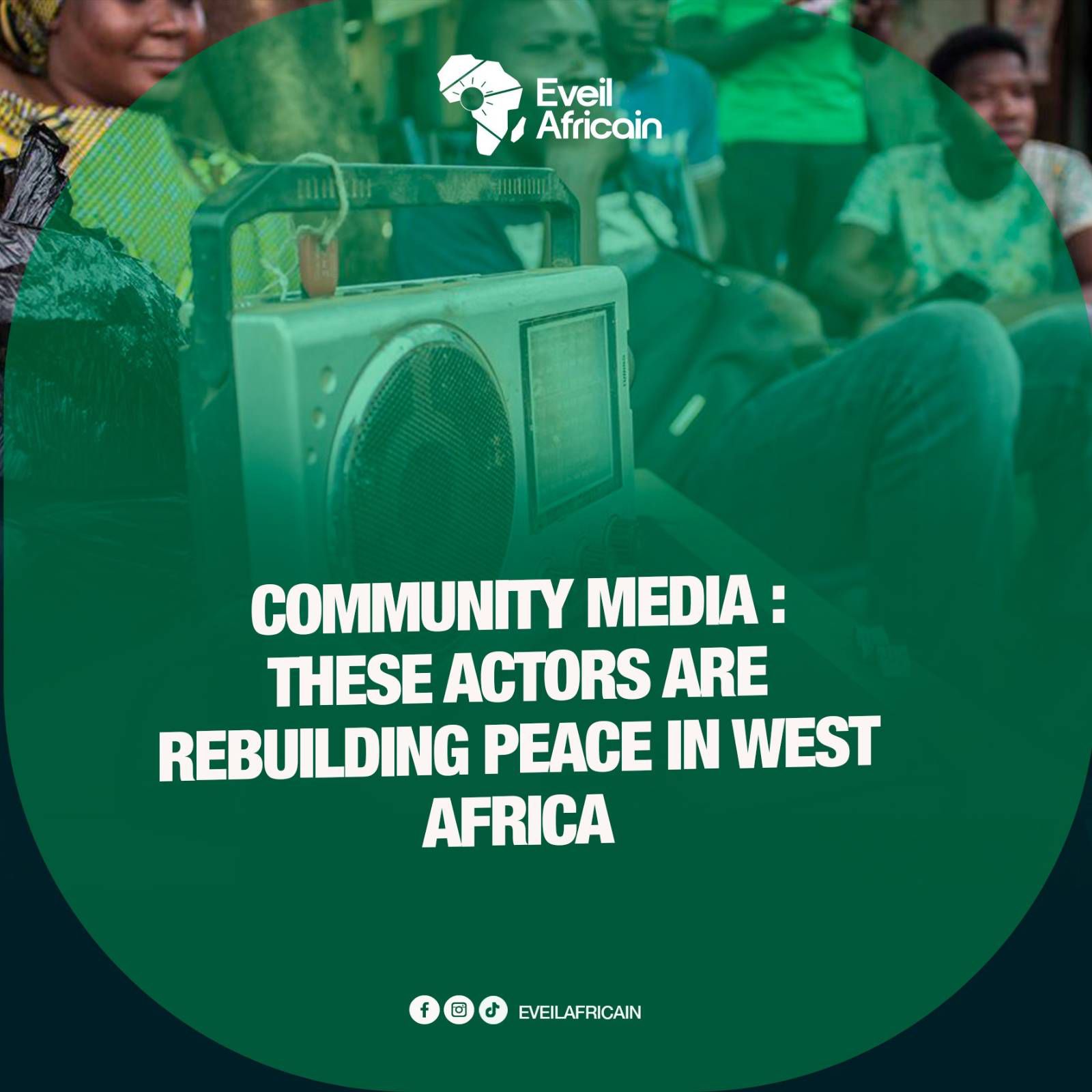
Éveil Africain Facebook ad: “𝐂𝐨𝐦𝐦𝐮𝐧𝐢𝐭𝐲 𝐌𝐞𝐝𝐢𝐚: 𝐓𝐡𝐞 𝐀𝐜𝐭𝐨𝐫𝐬…”
Ran for 1 day, from February 10 to February 11, 2026, the last day Crush saw it.
Run by Éveil Africain on Facebook. Crush is not the advertiser and does not verify its claims. See this ad in Meta's Ad Library(opens in a new tab)
Want an ad like this for your product?
Crush makes new ad images for your product from this ad: your logo, your product photo, your offer.
Trials from $19.95 USD, then $79.95 USD a month. Cancel anytime.
About this ad
- Meta Ad Library ID
- 1193390662542116
- Platforms
- Facebook, Instagram, Audience Network and Threads
- Relaunches
- 0
- Niche
- Business & Money
Ad text
𝐂𝐨𝐦𝐦𝐮𝐧𝐢𝐭𝐲 𝐌𝐞𝐝𝐢𝐚: 𝐓𝐡𝐞 𝐀𝐜𝐭𝐨𝐫𝐬 𝐑𝐞𝐛𝐮𝐢𝐥𝐝𝐢𝐧𝐠 𝐏𝐞𝐚𝐜𝐞 𝐢𝐧 𝐖𝐞𝐬𝐭 𝐀𝐟𝐫𝐢𝐜𝐚 In West Africa, a profound movement is underway: a journalism that deconstructs prejudices, amplifies marginalized voices, and shapes new narratives of coexistence. From community radio stations in Burkina Faso to mobile journalists in northern Ghana, local actors are working to put peace back at the heart of the collective narrative in a region too often portrayed through the lens of tension. In an article published on its official website on November 10, 2025, the United Nations Development Programme (UNDP) shared an inside look at the work of these peacebuilding actors. In Burkina Faso, Radio Flambeau 102.6 FM plays a vital role in communities weakened by insecurity. Under the leadership of Mathias Segda, trained by the UNDP in preventing radicalization, the station has expanded its mission to become a space for dialogue and solidarity. Its programs dedicated to social cohesion (short segments, series on living together, and personal stories) have helped to ease tensions between communities and combat hate speech. Residents now recount how the station has facilitated the reception of displaced people and even helped overcome religious taboos, demonstrating the tangible impact of these stories. Further south, in Ghana, several journalists are helping to transform the way the Fulani community is viewed, a community too often subjected to media stigmatization. After realizing how prejudice can shape journalistic practices, Suala Abdul Wahab, a reporter for the Ghana Broadcasting Corporation, decided to change his approach to covering these issues. Through training in conflict-sensitive journalism, he produced a balanced report highlighting the contributions of the Fulani to Ghanaian society. Widely broadcast, this work has begun to shift perceptions, including among his own colleagues. In the north of the country, freelance journalist Rafiq Nungor Adam uses a simple smartphone to document peace initiatives. Its rigorous yet accessible coverage of community meetings gives visibility to those seeking to reduce tensions. Its factual and inclusive content is appreciated by several local groups, particularly the Fulani, who finally see it as a fair and humane representation. These numerous but converging initiatives demonstrate that local media can become powerful catalysts for social cohesion. By prioritizing listening, accuracy, and empathy, these journalists are redefining narratives of peace in West Africa and showing that telling stories differently can contribute to lasting societal transformation. #panafricanism #BurkinaFaso #ghana #media #sovereignty #eveilafricain