
Inactive· since May 14, 2026
- 96
- days it ran
- 4
- relaunches
- 33,409
- EU reach
Ad copy
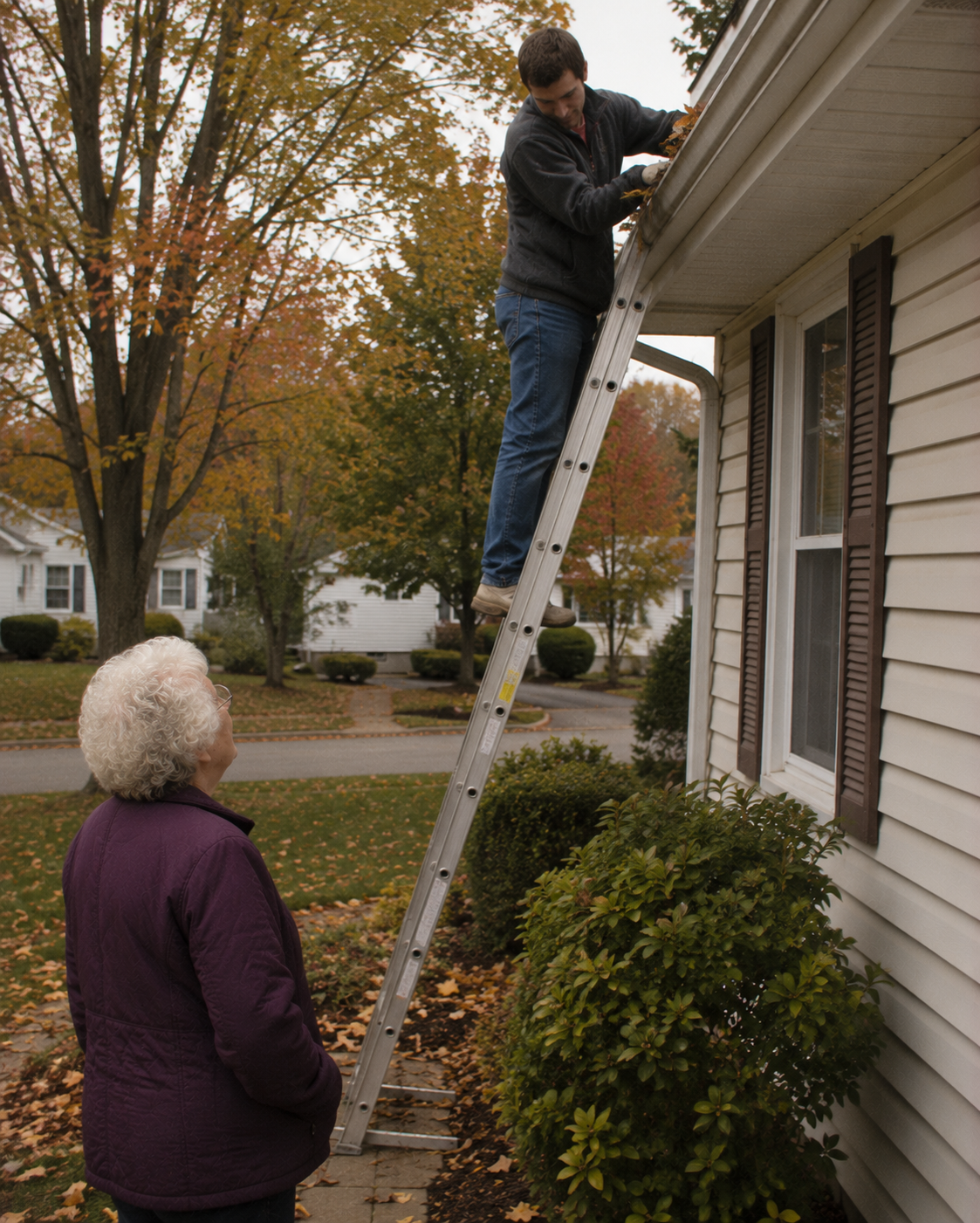
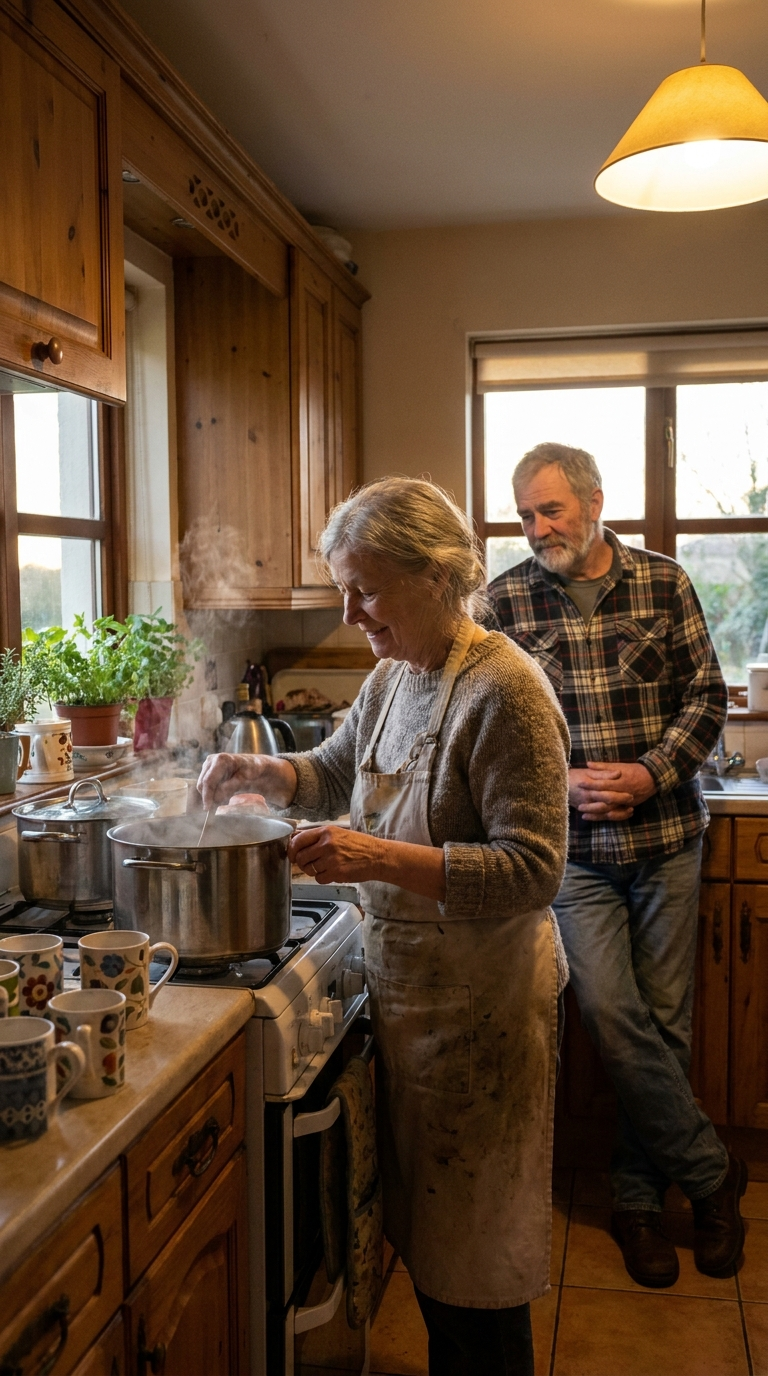
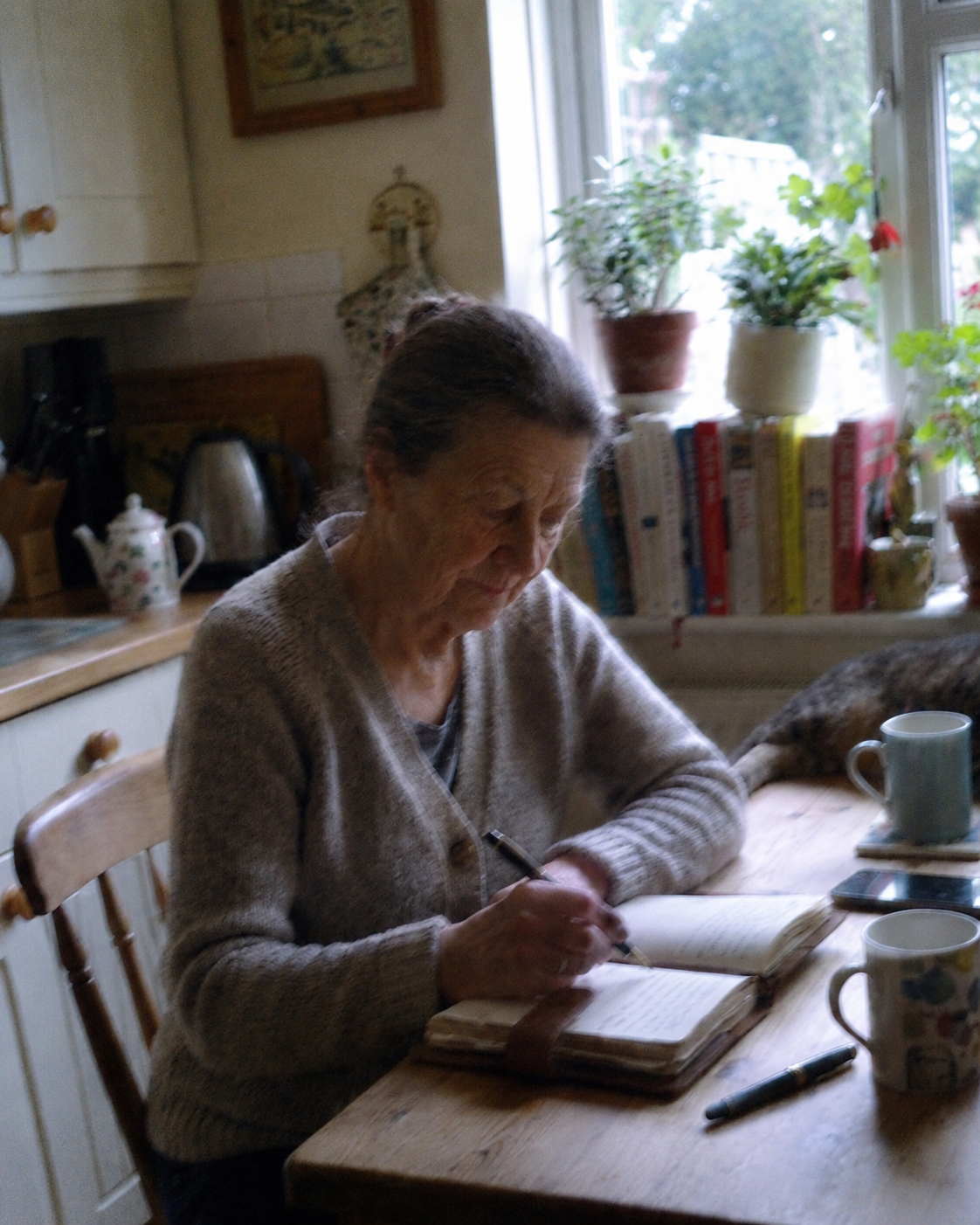
I turned sixty last month. My mother had her first heart attack at sixty-two. I have been thinking about that for a year. I'm a woman, and I'm sixty. I went through menopause at fifty-three. It wasn't dramatic. It happened the way most things have happened in my life — slowly, on its own schedule, without making a fuss. For the seven years after that, I mostly didn't think about my heart. I should have. My mother is eighty-five now. She still lives in her own house. She still drives to her bridge group on Wednesdays. She also had a heart attack at sixty-two and has been on a careful regimen of cardiovascular medications for years since. She is, by every measure, a survivor. I am her only daughter. She has been telling me, in one form or another, for the last fifteen years, that I am going to have to pay attention to my heart sooner than I think. I have been waving her off. I am a journalist by training and a freelance editor by trade. I work from a small office in the back of our house, here on the Oregon coast, about forty minutes south of Astoria. My husband, Mark, is sixty-three. He retired two years ago from a long career in software. We have two grown sons in their late twenties, one in Seattle and one in Denver. We have, between us, almost no health complaints. We are, on paper, doing fine. But last spring, somewhere in the middle of my fifty-ninth year, I started thinking about my mother differently. I was on the phone with her one Sunday afternoon — we talk on Sundays — and she mentioned, in passing, that her cardiologist had told her at her last appointment that she was doing well. She said it the way she says things now. Which is with a quiet awareness that she has, at eighty-five, used more of her life than she has left. She said it without performance. She said: I have been doing this for a long time, sweetheart. I want you to take it more seriously than I did at your age. And then she went on to ask about the boys. I sat with that sentence for the rest of the afternoon. I sat with it for the rest of the week. I sat with it for most of the spring. What I had been waving my mother off about for fifteen years had finally, at fifty-nine, landed. I went in for my annual physical in June, the week after my fifty-ninth birthday. I had not paid particular attention to my heart at any annual physical for the previous fifteen years. This one, I paid attention. I told my doctor — a woman in her early fifties whom I have been seeing for eleven years — that my mother's history had been on my mind. I told her I wanted to know where my own numbers actually were, in a serious way, with the family history in front of us. She nodded the way she nods when she is happy with a patient. She said: I have been hoping you would bring this up. I was going to bring it up myself this year if you didn't. She ran the bloodwork she wanted to run. She ran more of it than she had run the year before. She took her time with the results. A week later, she called me. She told me my numbers were, by her measure, in the ranges she wanted to see them in. Not perfect. Not borderline. In the ranges. She told me that given my family history, in the ranges was not the same conversation it would be for a woman without my family history. She told me that the post-menopausal cardiovascular conversation is a different conversation than the pre-menopausal one. She told me to keep doing what I was doing on the lifestyle side. I walk most mornings. I eat the way someone whose mother had a heart attack at sixty-two eats. I drink less than I used to. I sleep about seven hours a night. She told me she did not want to add a medication at this point. She told me she wanted to monitor. She told me to come back in six months instead of twelve. She told me, before she got off the phone, that the most important thing I could do in the next six months was take this seriously the way my mother took it seriously twenty-three years ago. I hung up the phone and sat at my kitchen table for a long time. I called my mother that night. I told her about the appointment. She was quiet for a moment. Then she said, in the voice she has used with me for sixty years: good. Good for you. Now let me tell you the things I wish I had done sooner. We talked for an hour and a half. I am not going to give you the whole conversation. Because most of it was about her — her cardiologist, her medications, her recovery, the things she had learned over the years. But near the end of it, she mentioned something that I had never heard her mention before. She said: I started taking a beetroot capsule about four years ago, after a friend of mine in my heart group mentioned it. I asked my cardiologist about it. He told me to bring him the bottle, he looked at it, he told me to go ahead and add it on top of what I was already on. I have been adding it ever since. I asked her what brand. She told me. It was Rosabella. She told me she had picked it because the small company that made it cold-pressed the beetroot rather than processing it with heat. And because her cardiologist had specifically said that the way the supplement was processed mattered for what made it into the capsule. She told me she had never made a thing of it. Because she had never wanted to be the kind of woman who told other women what supplements to take. She told me she wished, now, that she had told me about it years earlier. I went into my office the next morning and I started reading. I read for almost three weeks. I am a journalist. I know how to evaluate sources. I read research papers. I read the careful, slowly built body of evidence the cardiovascular research community has been accumulating on beetroot for decades. In the context of supporting healthy circulation, supporting cardiovascular wellness, and supporting the body's own cellular energy. None of what I read was a fireworks story. It was the opposite of one. It was a vegetable that has been quietly studied for a long time by careful people who were not making outlandish claims. I read about the deep crimson pigment — it is called betalain, the color that stains your cutting board. I read about the chemistry of why cold-pressing matters. The betalain is heat-sensitive. Process the root with heat and you lose some of the compound. Cold-press it at low temperatures and more of the compound survives the trip from the field into the capsule. I read about Rosabella specifically — the small company, the cold-press process, the simplicity of the protocol. Two capsules in the morning with a glass of water. I have a small office, a working life, a husband, two sons, a mother on the other side of the country who I want to make sure I outlive. I am not interested in a protocol that requires its own shelf. Now — and this is the most important part of this letter, and I want you to read it carefully — before I added it to anything, I called my pharmacist. His name is Daniel. He has been the pharmacist at the independent pharmacy in our small coastal town for sixteen years. I told him what I was thinking about adding. I told him about my mother's history. I asked him whether the supplement would play safely with the small things I take — a thyroid medication I have been on for eight years, and a vitamin D my doctor put me on three years ago because of where I live. He pulled up my profile. He confirmed there was nothing on it that would conflict. He told me to go ahead. He told me that if my doctor decided to add a cardiovascular medication at any point in the future, to call him again, because the conversation would be different at that point. He told me to keep doing what I was doing. I want to say something now that I am going to say several times before this letter is over. Because it is the only thing in this letter that matters more than anything else. If you are on any medication — prescription or over-the-counter — please call your pharmacist or your doctor's office before you add anything new to what you are already taking. Especially if you are on anything cardiovascular. Do not, under any circumstances, change a prescription on your own on the strength of what some freelance editor on the Oregon coast wrote in a letter you read on the internet. The people who know your chart will tell you in two minutes whether what you are thinking about adding makes sense for you. I called Daniel. I would call him again tomorrow if I were adding anything else. The two minutes it takes to ask are worth every second. I was adding it to what I was already doing. I was not stopping the thyroid medication. I was not stopping the vitamin D. I was not changing anything else. I started on a Tuesday. The first two weeks I felt nothing in particular. I want to tell you that honestly, because the temptation in a letter like this one is to compress the timeline and pretend something dramatic happened on day three. Nothing dramatic happened on day three. I had read enough to know that bodies are different. Some women notice something within the first week or two. Some women take much longer. Some women don't notice much at all. I was prepared to land in any of those camps. What I noticed, I noticed slowly. The first thing I noticed, around week four, was that my morning walks felt a little different. I have been walking the same loop near our house for six years. It runs about two miles, mostly flat, with one hill near the end that I have, for the last two years, been slowing down for. Around week four, I did the whole loop without slowing for the hill. I did not notice I had done it until I was on the porch taking my shoes off and I realized my breathing was about where it usually is at the end of the flat stretch. Not at the end of the hill. I went inside and didn't say anything to my husband. I did not want to make a thing of it. The second thing I noticed, around week six or seven, was that I was finishing my workday with more in the tank. I work for clients in publishing, mostly editing manuscripts on deadline. The work is mental, not physical, but it draws on the same reserves that everything draws on. For the last year or two I had been finishing my workday at five o'clock and being more or less done. Around week six, I was making it to six. Then to six-thirty. Then I was making dinner some evenings instead of asking Mark to make it. The third thing I noticed was the conversation with my mother. We talk on Sundays. About four months in, she said, near the end of one of our calls: You sound like yourself again. I asked her what she meant. She said: You have been sounding tired for a year. You don't sound tired today. I had not realized I had been sounding tired for a year. I had also not realized I had stopped sounding tired. I want to be careful with what I am telling you here. I am not telling you Rosabella did any of those things on its own. I had been walking. I had been eating carefully. I had been protecting my sleep more carefully after my doctor's call — I had started getting to bed at the same time every night, even on weekends, on her instruction. I had been doing the small things a sixty-year-old woman with my mother's history should be doing. I had been doing all of that more deliberately in the six months after my mother's sentence about taking it more seriously than she did. There were several things changing at once, the way there are when a person decides, finally, to pay attention to something they had been waving off for fifteen years. All I am telling you is that I added one small thing to a long list of things I was already doing. I kept everything else exactly the same. And a stretch of months followed that was qualitatively different from the year that had preceded it. That is the honest version. I would not trust anyone who gave you a cleaner one. I went back to my doctor at the six-month check she had scheduled for me. She ran the same bloodwork. The numbers were where she wanted them, in the same ranges they had been the visit before. Not perfect. Not borderline. In the ranges. She told me to keep doing what I was doing. She told me to come back in six months. I called my mother that night. I told her the bloodwork was where my doctor wanted it. She was quiet for a moment, the way she gets quiet when something matters. Then she said: I am glad. I am glad you took it seriously. That is the whole story. If you are a post-menopausal woman with a family history of cardiovascular conditions — or even without one — and you have been doing what I was doing for fifteen years, which is waving the conversation off, I want to say a few things to you carefully. I do not know you. I do not know your bloodwork, or your mother's history, or what your doctor has said to you at your last appointment. Bodies are different. Some women notice something within the first week or two of adding something like this. Some women take much longer. Some women don't notice much at all. That is the honest version. Anyone offering you a cleaner one is selling you harder than I am. Here is how I think about Rosabella now, in the words I would actually use. It is something the body uses. The research community talks about it in the context of supporting healthy circulation, cardiovascular wellness, and the body's own cellular energy. In women whose numbers are already in the range their doctors want them in. It is not a fix for anything. It is one small thing you add to the long list of things you are already doing for your heart and for the rest of you. Please call your pharmacist or your doctor's office before you add it. If you are on any medication for blood pressure, or cholesterol, or anything cardiovascular at all, this is non-negotiable. The people who know your chart will tell you in two minutes whether it makes sense for you. I am a freelance editor in Oregon whose mother is the actual authority on this. I am not the person to ask. Your pharmacist or your doctor is. The company has a ninety-day satisfaction guarantee. If you are not satisfied — for any reason at all, including just changing your mind — they refund you. It is not tied to your bloodwork. It is not tied to anything you have to prove to anybody. If you are not satisfied, you are not satisfied. That is the whole policy. The beets are grown on a small operation that harvests on its own schedule. Which means there are stretches when they are in stock and stretches when they are not. I mention that not to push you — please do not let anybody push you into a health decision — but so that if you go to the site and they are out, you know why. That is all I have. Thank you for reading this far. I hope something here was useful to you. And I hope, somewhere in the country today, your own mother — or the woman in your life who has been telling you to pay attention to your heart for fifteen years — is having a quiet good morning. — Ellen P.S. I want to come back to the cold-press, because I rushed past it. The betalain pigment — the deep red, the part the research community keeps circling back to — is heat-sensitive. Process beetroot the standard way, with heat, and you lose some of the compound to the heat. Rosabella chose the slow way. Cold-press. Low temperatures. More of the compound through to the capsule. It costs them money and time. They made the choice anyway. At sixty, I have started to pay attention to the small decisions companies make when no one is watching. Those decisions tell you everything. P.P.S. Two capsules. In the morning. With a glass of water. That is the entire protocol. No powder to mix. No afternoon dose. No schedule taped to the inside of the cupboard. I keep the bottle on the counter next to the coffee. Mark keeps the coffee pot full. We have earned a simple morning at this point. P.P.P.S. I am going to say it one more time, because I have to. Please. Call your pharmacist or your doctor's office before you add anything new to what you are already taking. Especially if you are on anything cardiovascular. They have your whole picture. I have written you a letter. There is a difference, and the difference matters. The two minutes it takes to ask are worth every second. P.P.P.P.S. The guarantee, again, in case you skimmed. Ninety days. Any reason at all. You do not have to prove a single thing — not to them, not about your numbers, not about how you feel. If you tried it and you are not satisfied, you are not satisfied, and they send the money back. That is the whole policy. A small-company policy. The kind of thing companies used to do when companies still answered the phone. P.P.P.P.P.S. The thing my mother said to me on the phone that Sunday — I want you to take it more seriously than I did at your age — has been with me every day since. She had a heart attack at sixty-two. I am sixty. I do not get to wave the conversation off anymore. I do not know what your equivalent of my mother is, or whether you have one, or whether you have one and have been waving her off the way I had been waving mine off. But I hope you stop waving her off. I hope you call your doctor. I hope you take the bloodwork seriously. I hope, in a year from now, you find yourself on a phone call with the person who has been trying to tell you, and you tell her you finally listened, and she tells you she is glad. I hope that for you. That is the whole reason I wrote this. — E. https://track.tryrosabella.com/4a8944d3-6841-4daa-bcd5-c063901eeae6 DISCLAIMER Individual experiences vary. These statements have not been evaluated by the FDA. This product is not intended to diagnose, treat, cure, or prevent any disease.
Support stamina and heart health every day
"Best customer support ever. My issue was resolved quickly and professionally. I so love how the beetroot capsules are helping manage my blood pressure."
SEE DETAILSLike this ad? Make it yours.
Crush rebuilds this exact creative around your product — your brand, your colors, your offer — in about a minute.