Matthew Smith
Matthew Smith Facebook ad: “My hepatologist took the transplant workup off the table”
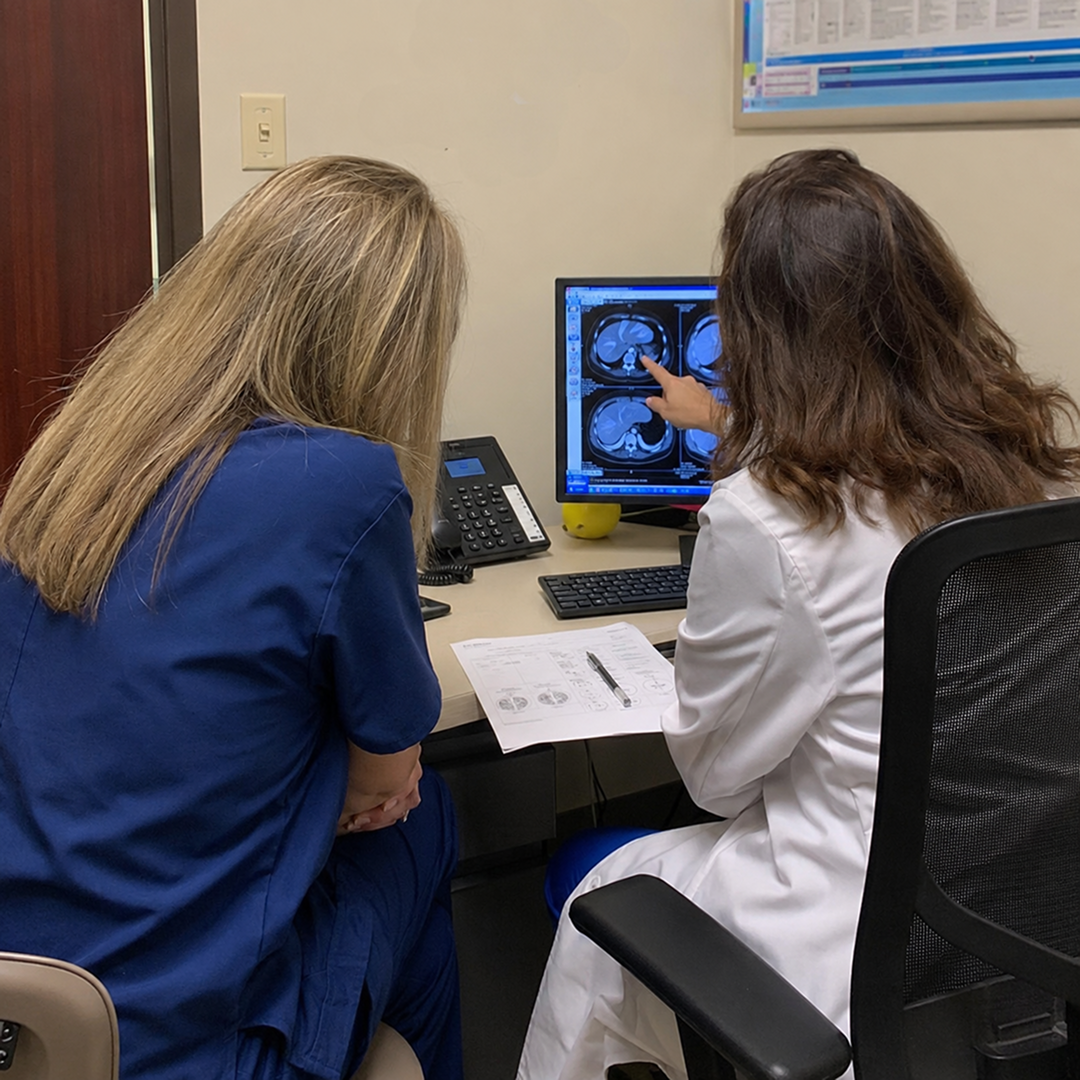
Ran for 3 days, from June 30 to July 2, 2026, the last day Crush saw it.
Run by Matthew Smith on Facebook. Crush is not the advertiser and does not verify its claims. See this ad in Meta's Ad Library(opens in a new tab)
Want an ad like this for your product?
Crush makes new ad images for your product from this ad: your logo, your product photo, your offer.
Trials from $19.95 USD, then $79.95 USD a month. Cancel anytime.
About this ad
- Meta Ad Library ID
- 1220042293507731
- Platforms
- Facebook, Instagram, Audience Network, Messenger, WhatsApp and Threads
- Relaunches
- 2
Ad text
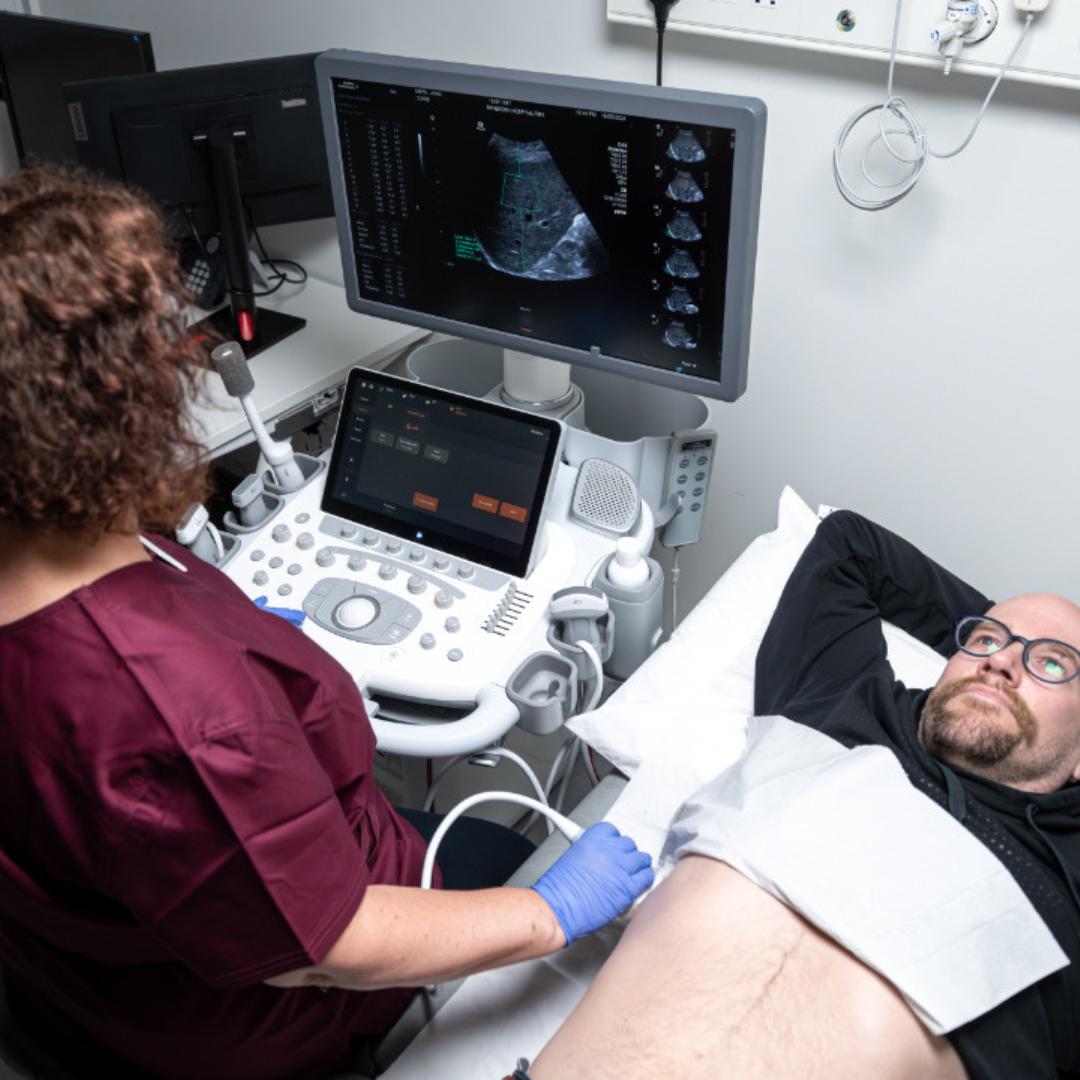
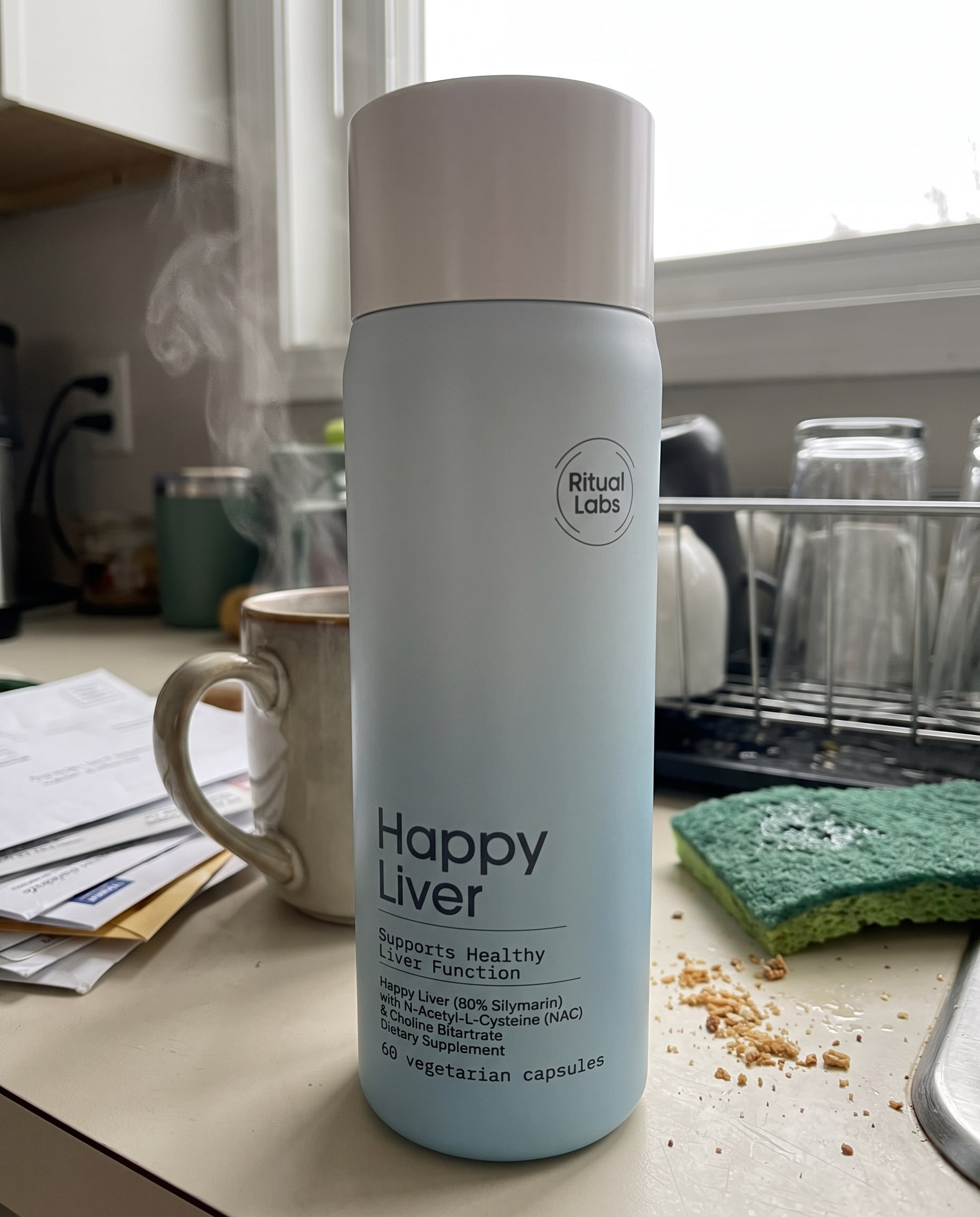
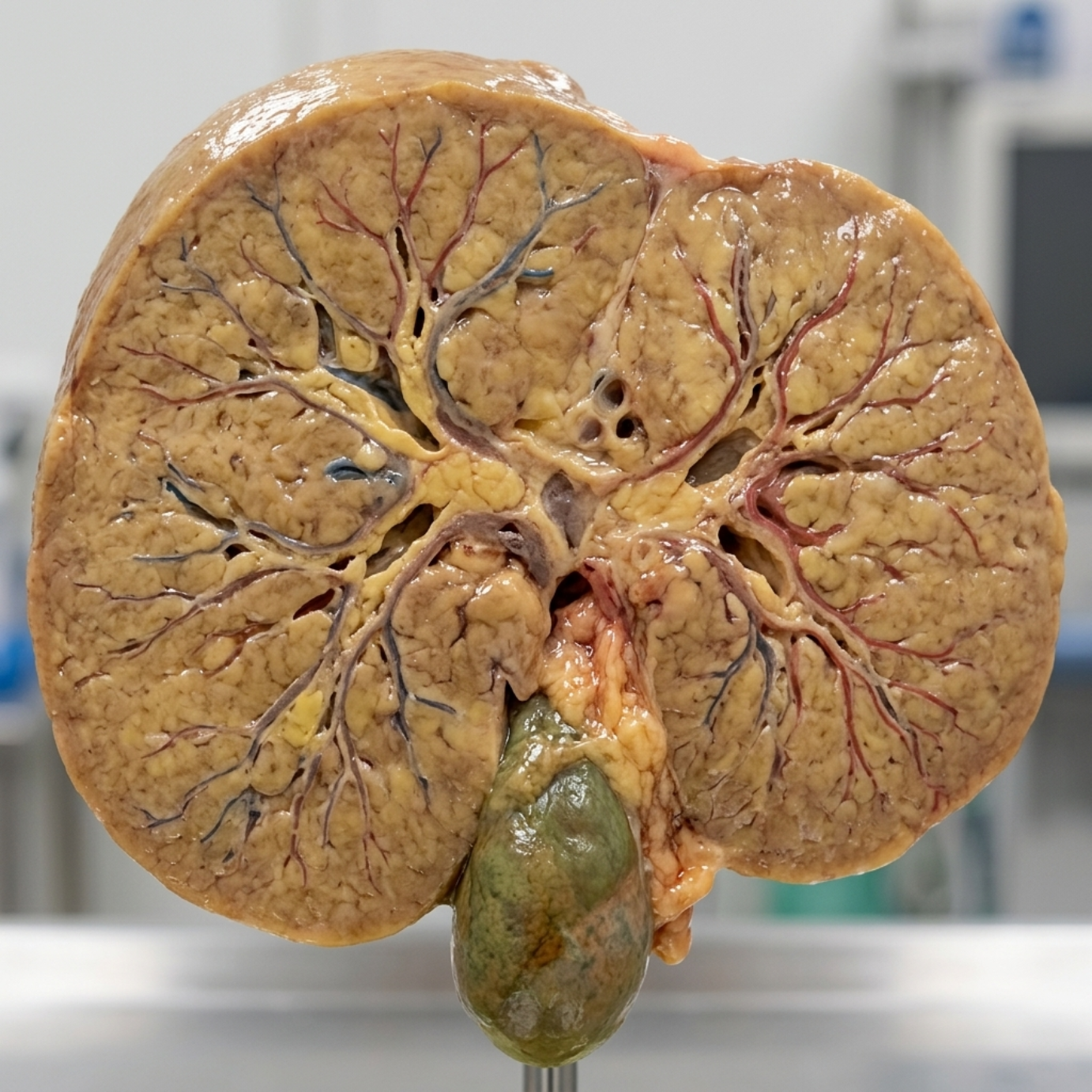
I've held the hands of patients in the ICU waking up with yellow eyes. I've watched them on the dialysis machines after their liver gave out. I've stood at the bedside while families decided whether to put their mother on the transplant list. After 27 years on the other side of that bed, my hepatologist told me last week it was my turn to start the conversation. After 27 years as a nurse, my hepatologist told me it was my turn to face it. "Your fibroscan is showing F2 and trending toward F3," he said, turning the screen toward me. "I think it's time we start talking about a transplant workup. Just to have you on the radar." My throat tightened. Because I knew exactly what that conversation leads to. Not from a pamphlet. Not from a website. From the ICU. From the family rooms outside the OR. From the faces of patients who got the call that a liver had come in, and from the faces of the ones who never got that call at all. The waitlists that stretch for years. The MELD scores that have to keep climbing before you qualify. The rejection episodes. The lifetime of immunosuppressants. The transplants that fail and the ones that work but never give the patient their old life back. The ones who quietly told me, when no one else was listening, that they wished they'd taken their liver seriously twenty years earlier. I knew all of that. And now it was happening to me. It had been building for years. All those 12-hour shifts. Hospital cafeteria food. Coffee at 6 AM and coffee at 6 PM. A glass of wine when I finally sat down at night. It finally caught up. At first it was just bloating in the evening. That heavy, distended feeling after dinner that I wrote off as getting older. Then it was the ache under my right ribs. Then it was waking up at 2 AM with my mouth dry and my heart racing. Then it was the 2 PM crash that hit so hard I'd hide in the supply closet for ten minutes just to close my eyes. I went from working the floor, twelve hours, on my feet, with my patients, to requesting shorter shifts. Then asking off the night rotation. Then getting moved to a desk role doing intake while younger nurses did the work I used to do. I became a nurse to be with patients. Now I was sitting behind a desk watching other people do my job. And now my hepatologist was turning the screen toward me, telling me it was time to start the workup. The same workup my mother started eight years ago. My mother was the kind of woman who never sat down. She hosted every holiday. Cooked for the entire family. Walked three miles every morning. She was always moving. Her labs started coming back elevated in her early sixties. She did what everyone does. Ignored it. Took the milk thistle her doctor "wasn't against." Kept going. But it got worse. Year after year, a little higher on the bloodwork, a little more bloating, a little more of the symptoms she pretended weren't there. Eventually her doctor told her the same thing mine just told me. Fibrosis. F3. Time to start the workup. The hepatologist was reassuring. "Lots of people live with this for years. We have good monitoring protocols. Don't panic." Her friends said the same thing. Everyone made it sound manageable. So she agreed to the workup. The repeat fibroscans. The quarterly labs. The diet they put her on. The bloodwork itself was fine. No surprise crash. It was the slow decline where everything fell apart. The bloating got worse, not better. Her belly started swelling in a way that wasn't fat. The ache under her ribs became constant. Her skin started looking gray. The whites of her eyes started looking off in certain light. The encephalopathy episodes came next. I was a nurse, I knew what I was looking at the first time it happened. She forgot my brother's wife's name. Then forgot what day it was. Then asked me three times in twenty minutes if I'd remembered to feed the dog. There was no dog. Then an ascites tap that drained three liters from her abdomen and bought her six weeks of breathing room. Then the call about the MELD score climbing fast enough to put her on the active list. She never made it to a transplant. She died on the waitlist at 67. She was not the woman who never sat down by then. She'd stopped hosting holidays the year before. Stopped cooking. Stopped walking. Spent most of her last year in a chair near the window with a blanket over her legs, watching the birds because doing anything more was too much. She went from the woman who never sat down to someone who calculated every step. Who avoided stairs. Who said "no, you go ahead" to things she used to love. The last thing she said to me about her liver, six months before she died, and I have never forgotten it: "Jessica. If I'd known what was actually happening in there. I would have started fighting it twenty years sooner." So when my hepatologist looked at my fibroscan and said "workup," I heard my mother's voice. I smiled politely. Told him I'd think about it. But I knew. I wasn't going to follow her path. So I tried everything else. A liver-friendly diet from a functional medicine clinic. Helped a little, temporarily. The bloodwork barely moved. Milk thistle from the health food store. The girl behind the counter swore by it. I took it for three months. No change. Switched to a different milk thistle brand. The "premium" one with the gold label. Another three months. Nothing. I cut alcohol entirely. Lost twelve pounds. Did a Mediterranean meal plan. Started walking 45 minutes every morning before my shift. And the milk thistle. So much milk thistle. Morning and night. For nearly two years. My ALT? Still climbing. Still behind that desk. The hepatology office called. "We'd like to schedule your transplant evaluation intake. Dr. Patel has an opening on the 14th." I told them I needed more time. But the truth was, I didn't know what else to do. Then about eight months ago, a patient came in for her regular appointment. Margaret. Sharp woman, late sixties. Long history of NAFLD. I'd watched her struggle through her own decline every time she came in. Last visit she'd been pale and puffy, lowering herself into the chair like every joint hurt. But this time, something was different. Her face had color. Her eyes were bright. She walked in and sat down like it was nothing. I looked at her. "What happened?" "My hepatologist pulled my fibroscan numbers back," she said. "Said my fibrosis score had actually regressed. He told me to keep doing whatever I was doing." I almost dropped her chart. "What are you doing?" She told me she'd found a liver supplement. But she was very specific about that. She'd tried milk thistle before. Three brands. Those did nothing. This one was different. "I felt it working within the first two weeks," she said. "And by the second month my labs had moved more than they had in five years." I'll be honest. I was skeptical. After 27 years as a nurse, I've heard every miracle story you can imagine. Especially for the liver. Cleanses, detox teas, dandelion root, turmeric tinctures. I've watched patients try every single one and come back the same. But Margaret wasn't like that. She was sharp. Skeptical herself. Not the type to fall for marketing. And she seemed so genuinely relieved. Like she'd finally found something that actually worked after years of nothing working at all. So that night, I looked it up. What I found changed the way I understood my own liver. My doctor told me it was a slow accumulation. Fat building up. Fibrosis progressing. And he wasn't wrong. But that was only half the picture. Because here's what I couldn't figure out for years. If it's just fat in the liver, why did my symptoms vary so much day to day? The fat doesn't disappear overnight. Monday it's the same liver as Thursday. But Monday I could barely make it down the hallway, and Thursday it was manageable. What was changing day to day wasn't the fat. It was inflammation. And rupture. Here is what no one had ever explained to me in 27 years on a medical floor. ALT is the abbreviation for an enzyme that lives inside the liver cell. Inside. When you see ALT on bloodwork, it means that enzyme has leaked into your bloodstream. Which means the cell membrane has been breached. Which means the cell has either ruptured or died. Every single point of ALT on your lab report represents a count of liver cells that ruptured this week. A healthy liver repairs itself automatically. It is the only organ in the body that does. The reason mine wasn't healing, the reason my mother's hadn't healed, was that the cells were rupturing faster than the regeneration could keep up. And the rupture is driven by a cycle. Fat infiltration weakens the membrane. Toxins and inflammatory compounds breach the weakened membrane. The cell leaks its contents. Those contents trigger more inflammation. The inflammation weakens the next cell. The cycle accelerates year after year. That is why my labs got worse every year even though I was doing everything right. It wasn't just the fat. My liver was tearing itself apart from the inside, one ruptured cell at a time, while every supplement I took protected nothing. And that is exactly why milk thistle is supposed to help. The active compound, silymarin, has one job above all others. It stabilizes the hepatocyte membrane. It reinforces the wall. It is the only natural compound with documented data on stopping the rupture itself. But I'd been taking milk thistle for two years. That was when I figured out what was actually wrong with everything I'd been swallowing. Almost every milk thistle product on the American shelves uses degraded silymarin. The active compound oxidizes fast after harvest. Sits in warehouses for months. Then sits in distributors. Then sits on shelves under fluorescent lights. By the time you swallow it, the molecule that was supposed to stabilize your hepatocyte membrane is mostly inactive plant material. The European pharmaceutical-grade extract, fresh-harvested and standardized to the active compound, is a different molecule entirely. That is the version that runs in the clinical trials. That is the one the journals reference. That is not what's on any CVS shelf I'd ever seen. I had been doing the right thing in the wrong form for two years. Same with the NAC I'd added six months earlier. Most combination liver capsules list NAC on the label, then bury a sub-clinical dose inside. A fraction of what the research uses for actual glutathione restoration. Just enough to print the word on the front. The right compounds in the wrong form or dose were never going to stop the rupture. My cells kept tearing while I kept paying for protection that never reached them. I went back to Margaret. Asked her exactly what she'd been taking. She'd been specific about it. Said most milk thistle products didn't move her numbers. But this one had. Happy Liver. By Ritual Labs. I looked them up, expecting to be disappointed again. But it was different. European pharmaceutical-grade silymarin, fresh-harvested. Standardized to the active compound percentage that the clinical research actually uses. The version that stabilizes the membrane and stops the rupture. NAC at hospital-IV strength. The same compound the ICU pushes through a line when a liver is in acute failure. Not the sub-clinical sprinkle. The dose research shows actually rebuilds glutathione from inside the cell. Choline. The raw material the liver uses to package and export the fat that's been sitting inside hepatocytes weakening the membranes. Without choline the fat doesn't leave. With it, the fat that's been driving the rupture cycle starts moving out. Three compounds. All three at clinical doses. Working on the same cycle from three different angles. The silymarin reinforcing the membrane. The NAC restoring the antioxidant defense behind the membrane. The choline removing the fat that was weakening the membrane in the first place. 2 capsules in the morning. 60-day money-back guarantee tied to your actual labs. If the numbers don't move, you get every dollar back. Buy two get one free was running at the time. After 27 years in healthcare, that guarantee was the first promise anyone had made me about my liver. My transplant evaluation intake was five weeks away. If my labs weren't better by then, Dr. Patel was going to push hard. I'd watched that exact conversation a hundred times. The imaging on the screen. The hepatologist's calm voice. The gentle but firm pressure to start the workup. The waitlist. The same path my mother walked. I ordered it. When it arrived I took the first dose that morning. Didn't expect much. I'd already been burned by three brands of milk thistle. By the end of the first week something was different. It wasn't dramatic. The morning bloating wasn't as heavy. I stood up from my desk chair and realized I hadn't pressed my hand to my side out of habit. The constant low-grade ache under my right ribs that I'd stopped noticing because it was always there, was quieter. Like someone turned the volume down from a 6 to a 4. I didn't mention it to anyone. Didn't want to jinx it. Second week. I walked the full length of the hospital corridor to check on something for a colleague. Got to the other end and realized I hadn't slowed down halfway. Hadn't done that in months. Third week. I took the stairs instead of the elevator at the end of my shift. Not because I was testing myself. Because I forgot to think about it. My colleague in the elevator asked why I was smiling. Fourth week. I volunteered for a floor shift. My supervisor looked at me like I'd lost my mind. I did the full shift. Twelve hours on my feet. I sat down in the break room at the end and realized something else. The 2 PM crash hadn't come. I had ridden through the afternoon on real energy. Not coffee energy. Real energy. I drove home and realized I hadn't woken up at 2 AM in twelve nights. The transplant evaluation intake. Dr. Patel pulled up my labs. ALT had dropped 84 points. AST had dropped 71. My fibroscan was due to be repeated in two months but he was already shaking his head at the bloodwork on the screen. "I want to hold off on the workup." I blinked. "Your numbers have improved more in six weeks than they have in five years," he said. "Whatever you're doing, I want to give it more time before we put you in the system." He closed the folder. The workup was off the table. I walked to my car. Sat there for a moment. Then called my husband. "He took the workup off the table." I heard the exhale on the other end. Long. Slow. Then a silence. "Thank God, Jessica. Thank God." That was seven months ago. My labs this morning? ALT in the normal range for the fifth month in a row. Repeat fibroscan in two weeks. I'll be honest with you. I'm nervous about it. But I'm not the kind of nervous I was a year ago. I'm the kind of nervous where I think I might actually be okay. I'm back on the floor full-time. Not behind a desk. On my feet, with my patients, doing what I became a nurse to do. I'm 58. I'm realistic about that. My liver isn't 25 anymore. But I'm not pressing my hand to my side out of habit anymore. I'm not waking up at 2 AM. I'm not running my entire schedule around when the bloating peaks. I'm not dreading the walk from the parking lot. No transplant workup. No waitlist. No MELD score climbing. Not following my mother's path. Last Saturday my grandson asked me to take him to the park. Not the one across the street. The one with the big trail around the lake. The one I'd been avoiding for two years. A year ago I would have said no. Would have suggested something else. Would have made up an excuse and hoped he didn't notice the disappointment on his face. But I said yes. And I did it. The whole trail. A mile and a half around the lake. Over the wooden bridges. Up the hill by the playground. My grandson held my hand on the last stretch, chattering about the ducks and asking if we could come back next weekend. My eyes burned. Because the answer was yes. My mother told me if she'd known what was actually happening inside her liver, she would have started fighting it twenty years sooner. I started fighting it. And I didn't need a transplant to do it. I'm sharing this because I hope it helps someone the way Margaret helped me. If your hepatologist is starting to use words like "evaluation" and "workup." If you've watched someone you love progress from fatty liver to cirrhosis to the waitlist. If you've tried three brands of milk thistle and none of them moved your numbers. If you've been told "just monitor it" for the tenth year in a row. There is something else. Your doctor probably hasn't been told about it yet. Mine wasn't. Most milk thistle on American shelves is degraded silymarin. The active compound that stabilizes your hepatocyte membrane, the one that actually stops the rupture cycle, has oxidized before it ever reached the bottle. You're paying for a label that says "milk thistle" with almost none of the molecule that matters for your liver. Happy Liver is different. European pharmaceutical-grade silymarin, fresh-harvested. NAC at the dose the research actually uses. Choline to clear the fat that drives the cycle. 2 capsules a day. Alongside your hepatologist appointments. Not instead of them. After 27 years as a nurse, I thought I knew every option out there. Turns out, my patient knew something I didn't. Here's where I got mine: https://rituallabs.shop/products/happy-liver (They're running a buy two get one free promotion right now, and I just ordered six more bottles.) Jessica Mitchell, RN P.S. A few things I wish I'd known before ordering. Happy Liver has a 60-day money-back guarantee tied to your actual lab numbers. If your bloodwork doesn't improve, you get your money back. No questions asked. I wish I'd known that before I wasted two years on milk thistle brands that did nothing. Most people pay full price, but right now they're running the buy two get one free promotion. That's how I was able to stock up. The only issue is Ritual Labs is a small company. They've been getting a lot of attention lately, probably because nurses like me keep telling patients about it, and they can't always keep up with demand. I want to apologize in advance because when you click the link, you might see they're sold out. I've had patients wait weeks for it to come back in stock. But I'd still suggest checking. If you're dealing with elevated liver enzymes and your hepatologist is starting to use the word "workup." If you've watched someone you love progress to cirrhosis and you refuse to follow that path. I'd grab some before they're gone. I went from being told I needed a transplant workup to having my hepatologist take it off the table. Back on the floor full-time. No workup. No waitlist. No following my mother's path. My mother told me if she'd known, she would have started fighting twenty years sooner. I started fighting. And I didn't need a transplant to find out it was working. If there's even a chance this could help you, it's worth trying. 👉 Check if Happy Liver is in stock here: https://rituallabs.shop/products/happy-liver
Where the ad sends people
rituallabs.shop
My hepatologist took the transplant workup off the table
Ritual Labs
Learn more: rituallabs.shop(opens in a new tab)