
Active· since Jan 28, 2026
- 233
- days running
- 0
- relaunches
- 113
- EU reach
Ad copy
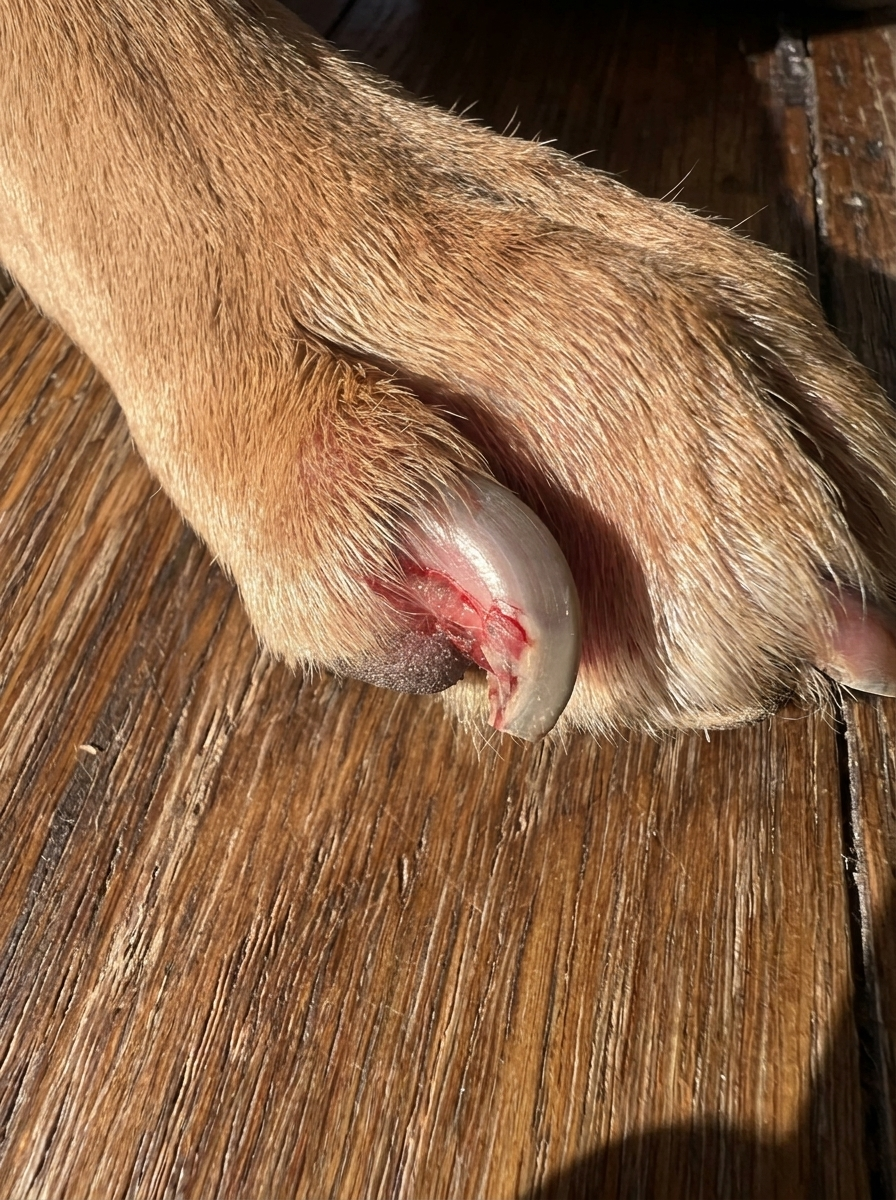
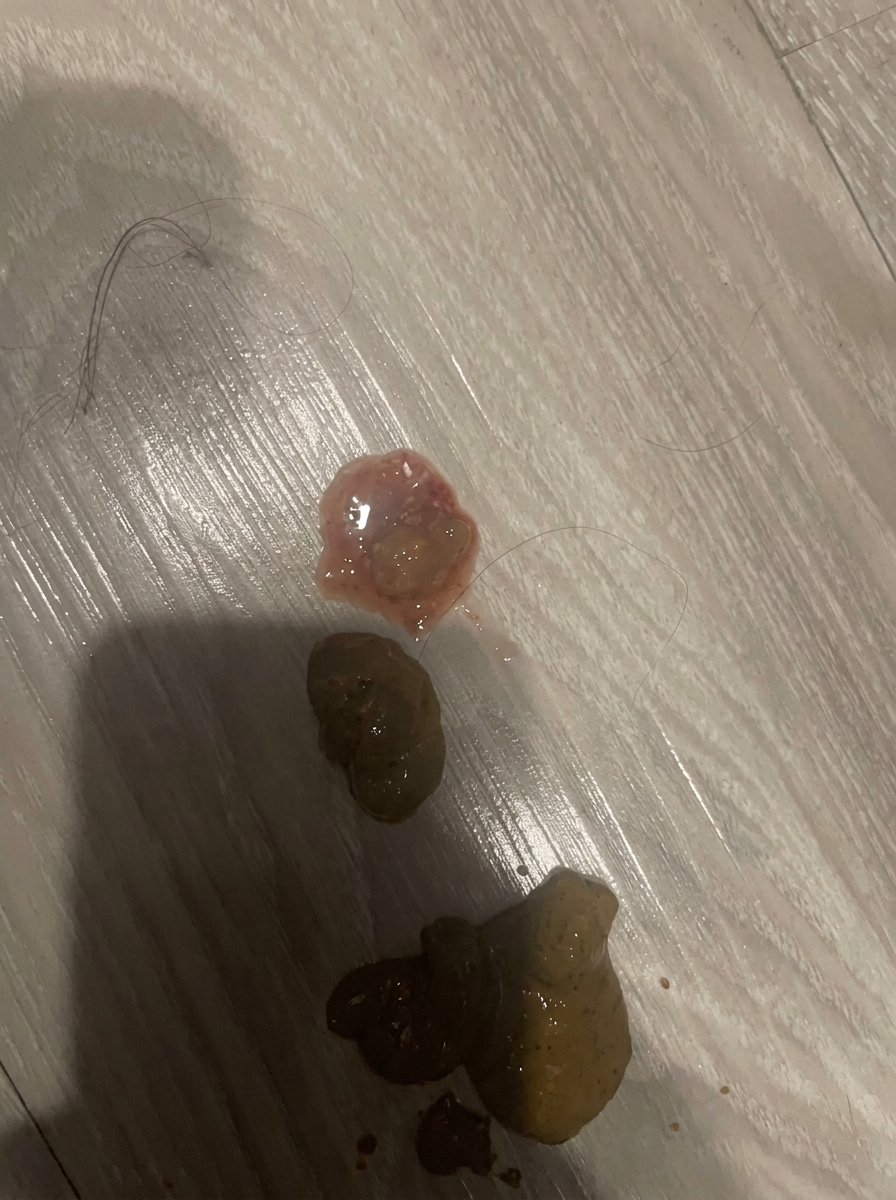
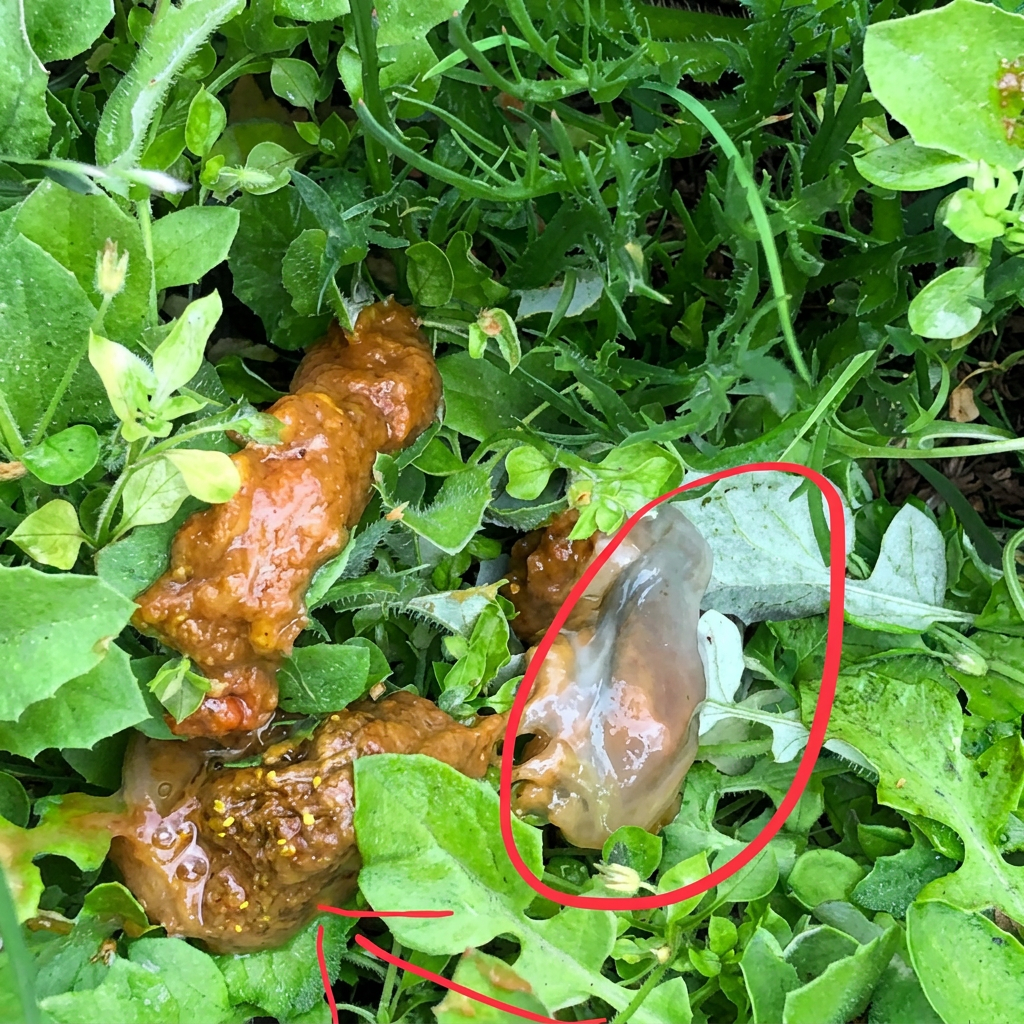
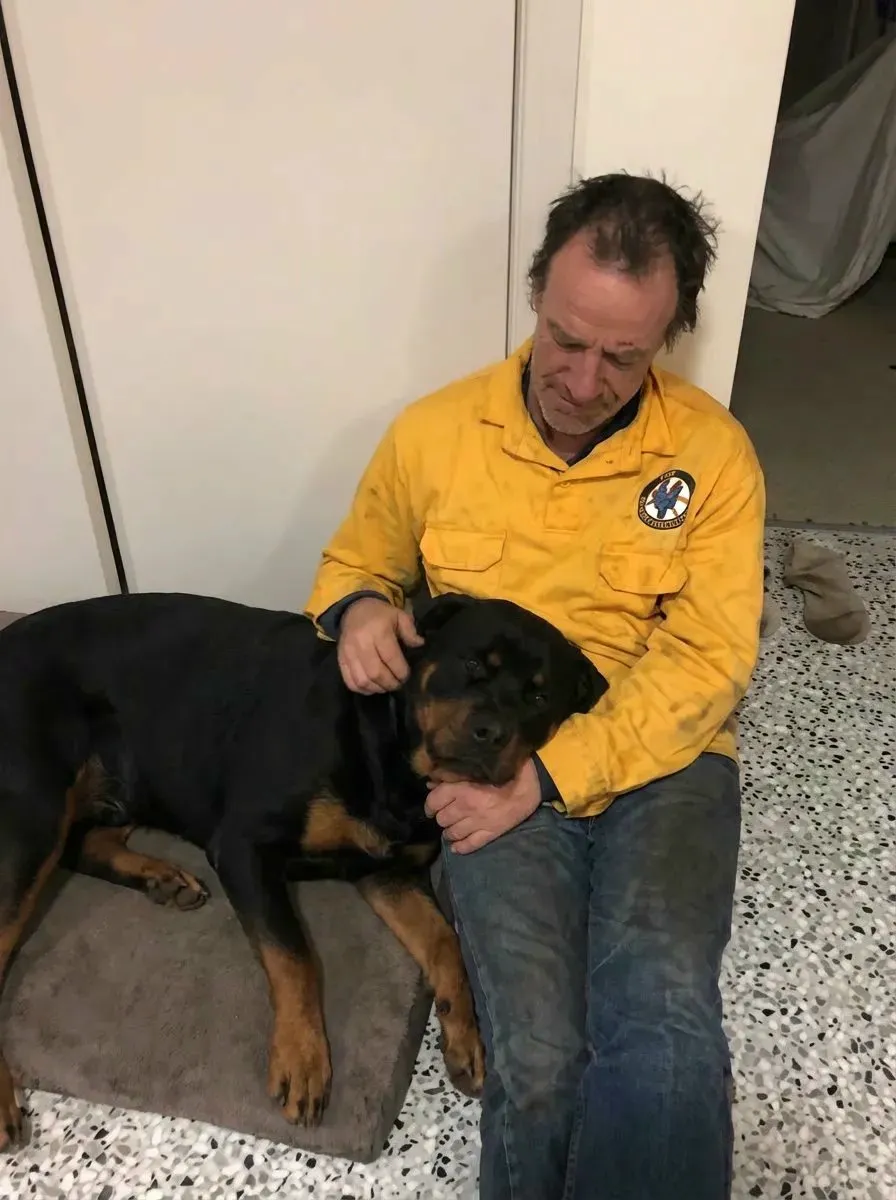
After 9 years at Riverside Animal Behavior Center, I watched Lisa fill out the euthanasia consent form for her 5-year-old Rottweiler. She'd spent $2,800 on specialists. Tried seven different medications. Watched him become more aggressive for six months. Everything had come back normal. But Thor kept getting worse. She couldn't risk another incident. And she couldn't live with the guilt if he hurt someone else. So she started filling out the euthanasia form. That's when I finally asked her the one question nobody else had: "When did the loose stool start?" She looked at me like I was speaking another language. My name is Dr. Jennifer Martinez, CAAB. I've worked with over 1,800 dogs at Riverside Animal Behavior Center over 9 years. And here's what the pet food industry doesn't want you to know about behavioral euthanasia. Thor was five. Healthy weight. No medical history. Fed Taste of the Wild - the exact $75-per-bag grain-free food I'd been recommending for years as premium nutrition. But he was having diarrhea 4-6 times per day. Always loose. Sometimes just mucus. Lisa had tried every "digestive health" formula on the market. Spent $2,800 on behavioral consultations, veterinary behaviorists, prescription anxiety medication. Everyone told her it was dominance issues. But Thor kept deteriorating. That's when I did something I'd never done in 9 years of practice. I stopped focusing on behavior training and started asking about his gut. Four months before the second bite incident, Thor's digestive system had started breaking down. And nobody had made the connection. I sat alone in my office that night, looking at Thor's timeline, feeling physically sick. Because I finally understood what was happening. And suddenly, everything made sense. In 2018, researchers discovered that gut health directly impacts behavioral regulation in dogs. Thousands of trainers like me did the "responsible thing" - we added probiotic recommendations, adjusted training protocols, read the latest studies obsessively. But here's what the research didn't tell you: The problem was never about adding probiotics. It was about what commercial kibble had already destroyed. When manufacturers heat-process dog food at temperatures exceeding 300°F, they destroy every single postbiotic compound that exists naturally in raw meat. These postbiotic compounds aren't optional. They're critical for: Maintaining gut barrier function, which prevents systemic inflammation. Producing short-chain fatty acids, which regulate immune response. Supporting the vagus nerve, which controls the gut-brain communication pathway. Without these compounds, your dog's nervous system can't regulate properly. And here's the part that changed everything for me: 90% of your dog's vagus nerve fibers run from the gut to the brain - not the other way around. The gut is sending signals up. Constantly. When a dog's gut is chronically inflamed from postbiotic depletion, it sends danger signals to the brain 24/7. The gut lining deteriorates. Inflammation becomes systemic. The brain receives constant threat messages. And your dog's behavior spirals. So what happens? First, digestive changes. 4-6 times per day instead of the normal 1-2. Loose, urgent, irregular. Then, hypervigilance. Can't relax. Always scanning. The nervous system on permanent alert. Then, reactivity. Lunging at triggers. Barking at nothing. The stress response stuck in the "on" position. Then, aggression. Resource guarding escalates. A warning bite. Then a real bite. Animal control. Behavioral euthanasia. But the first sign showed up four months earlier. And everyone dismissed it as "just a sensitive stomach." After Thor was put down, I started asking every aggressive dog owner one question: "How long has your dog had digestive issues?" Over eight months, I asked 47 owners. 39 said their dog had chronic loose stool. 83%. These weren't dogs eating grocery store brands. These were dogs on: Orijen Original, premium high-protein formula. Taste of the Wild High Prairie, best-selling grain-free. Fromm Gold, family-owned "quality" brand. Victor Hi-Pro Plus, performance formula. Merrick Grain-Free, marketed for sensitive digestion. It didn't matter. Across the board: dogs eating "premium" foods had chronic digestive dysfunction that owners had been told was "normal for active dogs." Because here's the cruel irony: Most high-protein foods are designed to be "nutrient-dense" with concentrated ingredients. Which often means: Higher processing temperatures, destroying more natural compounds. More synthetic additives, replacing what heat destroyed. Less bioavailable nutrition, requiring higher feeding amounts. You're spending $70-$90 per bag on food specifically designed for "optimal health." But it's actually starving your dog's gut of what it needs most. I started asking aggressive dog owners a specific set of questions: "When did the aggression start?" "When did the digestive issues start?" "Did you notice any pattern to when symptoms got worse?" The pattern was undeniable: 71% of aggression cases had digestive dysfunction that started 3-6 months before the first incident. These dogs weren't aggressive because they were "dominant." They were aggressive because their gut couldn't support normal brain function. Over the next fourteen months, I tracked dogs eating what I considered "the best" foods on the market. Here's what I found: Taste of the Wild High Prairie, popular grain-free brand, $72 per bag: Tracked 21 dogs eating this exclusively. 16 had chronic loose stool (4-7 times per day). 14 showed behavioral deterioration - reactivity, guarding, or aggression. Average timeline: 5 months after switching to this food. Orijen Original, premium high-protein formula, $95 per bag: Tracked 17 dogs on this food. 14 had ongoing digestive issues. 11 had developed anxiety or aggressive behavior. Owners had been told "it's the best food you can buy." Fromm Gold, "family recipe" formula, $68 per bag: Tracked 13 dogs. 11 had loose stool multiple times daily. 9 showed escalating behavioral problems. Two had already bitten and were on management protocols. Victor Hi-Pro Plus, performance formula, $78 per bag: Tracked 15 dogs. 13 had chronic digestive dysfunction despite eating "performance" nutrition. 10 had behavioral issues - hypervigilance, reactivity, or aggression. Merrick Grain-Free, marketed for digestive health, $81 per bag: Tracked 19 dogs. 17 had loose stool. 14 showed behavioral deterioration that started months after switching to this food. The dogs eating "premium" and "high-performance" foods had some of the worst gut symptoms and the highest rates of behavioral collapse. The very food designed to optimize health was depleting the one thing their brain needed most. If your dog shows ANY of these signs, their gut is already postbiotic-depleted: Poops 3 or more times per day, loose or urgent. Poops within 30-60 minutes after eating. "Sensitive stomach" - you've tried multiple premium foods. Can't settle - pacing, restlessness, hypervigilance. Reactivity to triggers - barking, lunging, or fixating. Resource guarding - food, toys, space, or people. Stress signals - yawning, lip licking, whale eye. Sleep disruption - wakes frequently, can't stay asleep. The behavioral problems aren't the disease. They're the warning sign that your dog's gut-brain axis is failing. After discovering how widespread the problem was, I went online and ordered every postbiotic supplement I could find. 10 different brands. All claiming to be "clinically proven" and "veterinarian approved." I sent them all to an independent lab for testing. What came back made me furious. AlphaPaws Complete, popular on Amazon, 12,000+ reviews: Contained only 310mg of actual postbiotic compounds per chew. Label claimed 500mg. 38% less than advertised. CanineWellness Plus, sold at specialty pet stores: Contaminated with corn starch and soy protein. Fillers that actually block postbiotic absorption. The "pure formula" was 45% cheap filler. TailWaggers Premium, "Veterinarian Formulated": So oxidized from improper storage it was nearly inert. No temperature control, likely sitting in distribution centers for months. PawsFirst Digestive Support, "All Natural": Mixed with titanium dioxide and silicon dioxide. Additives that interfere with gut lining repair. ProCanine Advanced, subscription model: Sourced from facilities with no third-party verification. Zero batch testing documentation. Refused to provide current Certificates of Analysis. PureBreed Postbiotics, premium priced at $95: Mislabeled dosing. Recommended amount was 55% below therapeutic threshold. Even if pure, dosage would never reach clinical effect. OptimalK9 Complex, marketed to performance dog owners: Tested positive for heavy metal contamination. Arsenic levels 3.2x safe limits. Manufacturing facility had no GMP certification. HealthyHound Digestive, cheapest option: The postbiotic compounds were so degraded they were essentially inactive. Shelf stability completely compromised. EliteCanine Postbiotics, "Professional Grade": Mixed with maltodextrin and dextrose. Sugar compounds that actually feed pathogenic bacteria. VitalDog Support, holistic marketing: Bacterial contamination in manufacturing. Tested positive for salmonella in batch sampling. I was recommending supplements to clients that were either ineffective, contaminated, or actually making things worse. One client's dog regressed significantly on a top-rated brand. When I tested that bottle, it contained 52% of the postbiotics claimed and had yeast contamination. I felt like I'd failed every dog I'd ever worked with. The supplement industry operates with minimal oversight. Companies can claim anything on labels, and nobody verifies unless forced. They know desperate owners will buy anything promising to help. And they're profiting off that desperation. I spent three months calling manufacturers, demanding Certificates of Analysis, third-party testing documentation, stability studies. Most never responded. The ones who did sent outdated certificates or refused batch-specific data. I was ready to quit behavioral work entirely. Then I found CalmAxis. At first, I assumed it was another company making empty promises. But when I called them, everything was different. Someone answered. First ring. I asked for their Certificate of Analysis. They sent it within 45 minutes, from an ISO-accredited independent lab, complete testing for purity, potency, and contamination. I asked about sourcing. They provided full chain-of-custody documentation: pharmaceutical-grade postbiotic complex from European facilities, manufactured in FDA-registered, cGMP-certified production. I asked for batch testing records. They provide it for every production run - not selective testing, but comprehensive verification. I asked about stability and degradation prevention. They use pharmaceutical-grade amber glass containers with oxygen scavengers and desiccant packets. Every bottle has batch traceability and expiration dating. They were the only company that answered every technical question without hesitation. So I ordered a bottle and sent it to the same independent lab that failed all the others. The results: 508mg of postbiotic complex per chew. Label claims 500mg - they over-deliver. Zero heavy metal contamination. No fillers, no binders, no flow agents. Pharmaceutical-grade purity: 99.4%. Dosing verified for therapeutic effect. I'd finally found it. The only postbiotic supplement I could trust. And here's what makes it revolutionary: CalmAxis works with ANY food you're currently feeding. Premium grain-free? Add it. High-protein performance food? Mix it in. Sensitive stomach formula? Sprinkle it on top. Raw, cooked, kibble, combination? Works with everything. You don't need to change your dog's food. Because the issue isn't food quality. It's that heat processing destroys the postbiotics that every dog's gut desperately needs. The pure postbiotic chews bypass the entire problem. They're absorbed immediately in the gut and go straight to work repairing barrier function, reducing inflammation, and restoring gut-brain communication. I called Lisa that same evening. "Don't put Thor down yet. I found something." But I was twelve hours too late. The county had already carried out the euthanasia order. Thor was gone. But I wasn't going to let another dog die from something preventable. I started putting every dog with early gut symptoms on CalmAxis immediately. Week 1-2: Stool frequency starts decreasing. Week 3-4: Consistency firms up, reactivity softens. Week 5-6: Behavioral regulation improves, stress response normalizes. These dogs were still eating the same food. But their gut finally had what it needed to function. I've now put over 290 dogs on this exact protocol. 88% show measurable improvement within 4 weeks. Karen's dog Zeus, 4-year-old German Shepherd, on Orijen: "Zeus had been having diarrhea 5-7 times a day for three months. Started showing aggression toward visitors. Lunging at the door. My trainer said it was territorial behavior and recommended e-collar training. I started CalmAxis instead. Four weeks later, he's pooping twice a day. And he greeted my mother-in-law at the door without a single bark. I can't believe the difference." Mike's dog Ranger, 6-year-old Belgian Malinois, on Taste of the Wild: "My vet said he had IBS and put him on prescription food. He still had loose stool 4 times a day and started resource guarding his food bowl - bit me twice. I was told I needed a behaviorist and possibly medication. Started CalmAxis. Within five weeks, normal stools. The guarding stopped completely. He's a different dog." Amanda's dog Bella, 3-year-old Pit Bull, on Fromm: "She'd had digestive issues for four months. Everyone said it was stress. Started showing reactivity on walks - lunging at every dog we passed. I was afraid to walk her. I started CalmAxis. Week four: down to 2 poops per day. Week six: we walked past three dogs without a single reaction. I have my dog back." Chris's dog Duke, 7-year-old Rottweiler, on Victor: "Diarrhea 6 times daily for months. Vet said sensitive stomach. Started showing aggression in the house - snapping at my kids when they walked past his bed. I was considering rehoming him. Started CalmAxis. Within a month, normal digestion. The aggression completely disappeared. My kids can walk past him sleeping now." Rachel's dog Scout, 2-year-old Australian Shepherd, on Merrick: "Scout had been pooping 5+ times a day since we got him at 8 months old. Constant pacing. Couldn't settle. The trainer said he needed more mental stimulation - we were already doing 3 hours of training daily. Started CalmAxis. Three weeks later, normal digestion. The pacing stopped. He can actually relax now." These aren't miracles. This is simply what happens when you give a dog's gut what it actually needs, in a form it can actually use, and it's actually in the bottle. Next time you're at your vet, ask this exact question: "Could my dog's behavioral problems be caused by gut dysfunction?" If they say "it's just behavioral" or "dogs are naturally reactive," ask them: "When was the last time you treated behavior by addressing gut health first?" Most won't have an answer. Not because they don't care, but because the system wasn't built to look there. I wasn't either, until Thor. Here's the truth: You don't need to wait for vet approval. You don't need more behavioral consultations first. You don't need to wait for a bite incident. You don't need to change your dog's food. Postbiotics aren't a medication. They're essential compounds. Water-soluble. Your dog's body uses what it needs, eliminates what it doesn't. No toxicity risk. You can start today. One chew per day mixed into whatever food you're currently feeding. That's it. But please, don't buy random postbiotic supplements without knowing what's actually inside. I tested them. Most are contaminated, under-dosed, or completely worthless. Some are actually dangerous. If your dog is showing signs right now - loose stool for weeks, hypervigilance, early reactivity - their gut-brain axis is already compromised. Each week you wait, more damage accumulates. Chronic inflammation worsens. Gut barrier function deteriorates. The behavioral problems escalate. The window for prevention closes. But if you catch it early, if you start now, before the reactivity becomes aggression, you can stop the cascade before it's too late. I could have stayed quiet. I could have kept doing behavior modification training, running the same protocols, recommending the same anxiety medications that don't address root causes. But I became a behaviorist to help dogs. Not to watch them get euthanized from something that could have been prevented. If you're reading this, you already know something is wrong. Your instincts are correct. The solution isn't another trainer. It isn't switching to raw food. It isn't more medication. It isn't "waiting to see if they mature out of it." And it's definitely not buying the first postbiotic supplement you find online. It's giving your dog pharmaceutical-grade, third-party tested, actually pure postbiotics that restore what commercial processing destroyed. The only brand I trust after testing them all: CalmAxis. Get the same pharmaceutical-grade postbiotics I recommend to clients at Riverside Animal Behavior Center. Most dogs show measurable improvement within 3-4 weeks: https://trycanislabs.com/products/calmaxis-chews P.S. If your dog has had loose stool for more than three weeks - even if behavior seems manageable - their gut is already postbiotic-depleted. That's not "normal for dogs" - that's the first sign of gut-brain dysfunction from eating heat-processed food their entire life. Most dogs show improvement within 3-4 weeks of starting postbiotics. Every week you wait, the inflammation worsens. P.P.S. I don't get paid by CalmAxis to recommend this. I recommend it because after testing every major postbiotic brand on the market, they're the only ones who passed independent third-party testing with 99.4% purity. After 9 years and 1,800+ dogs at Riverside Animal Behavior Center, I've finally found something that's both safe and actually works. Your dog deserves that.
The $45 Mistake That Costs Dog Owners $3,200
Animal behaviorist reveals what separates a $45 supplement from a $3,200 euthanasia, and why most vets dismiss the early warning signs.
ORDER NOWLike this ad? Make it yours.
Crush rebuilds this exact creative around your product — your brand, your colors, your offer — in about a minute.