
Inactive· since Aug 11, 2026
- 11
- days it ran
- 0
- relaunches
- 41
- EU reach
Ad copy
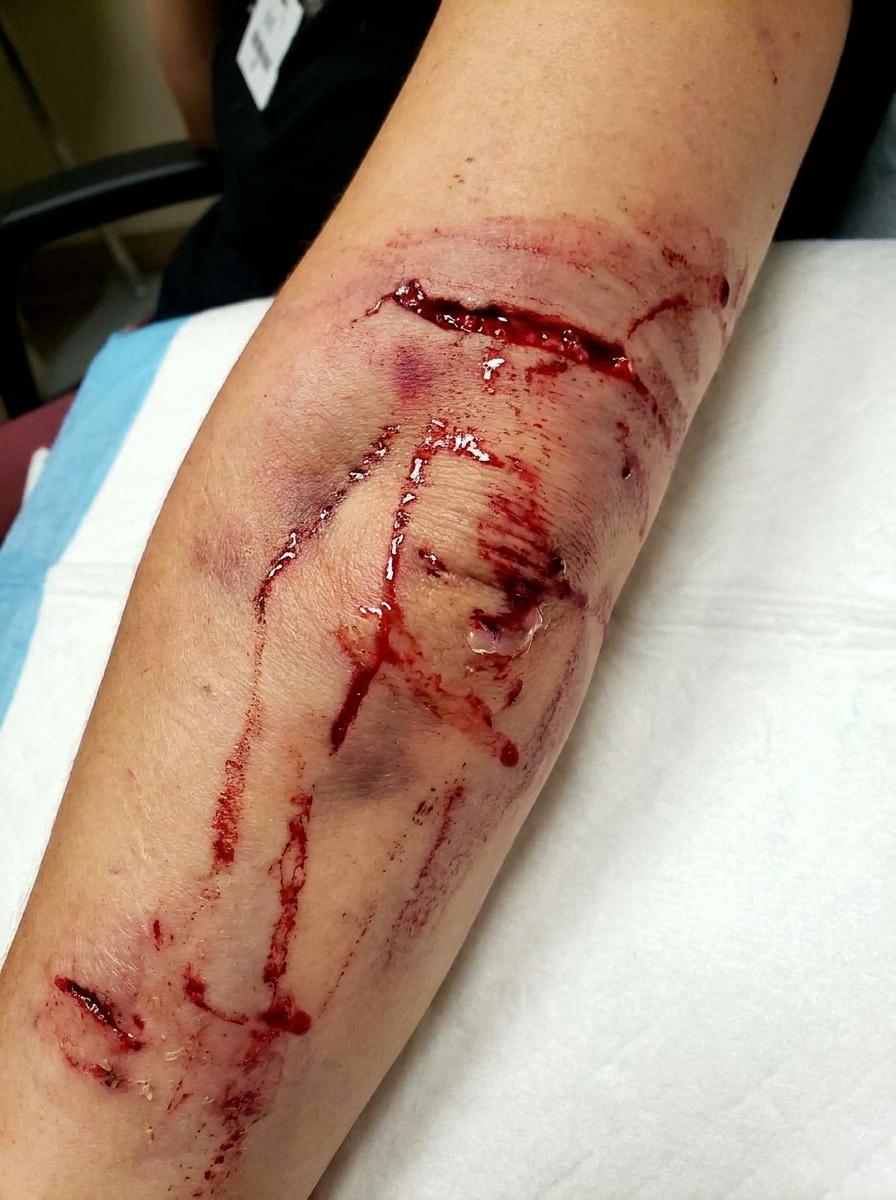
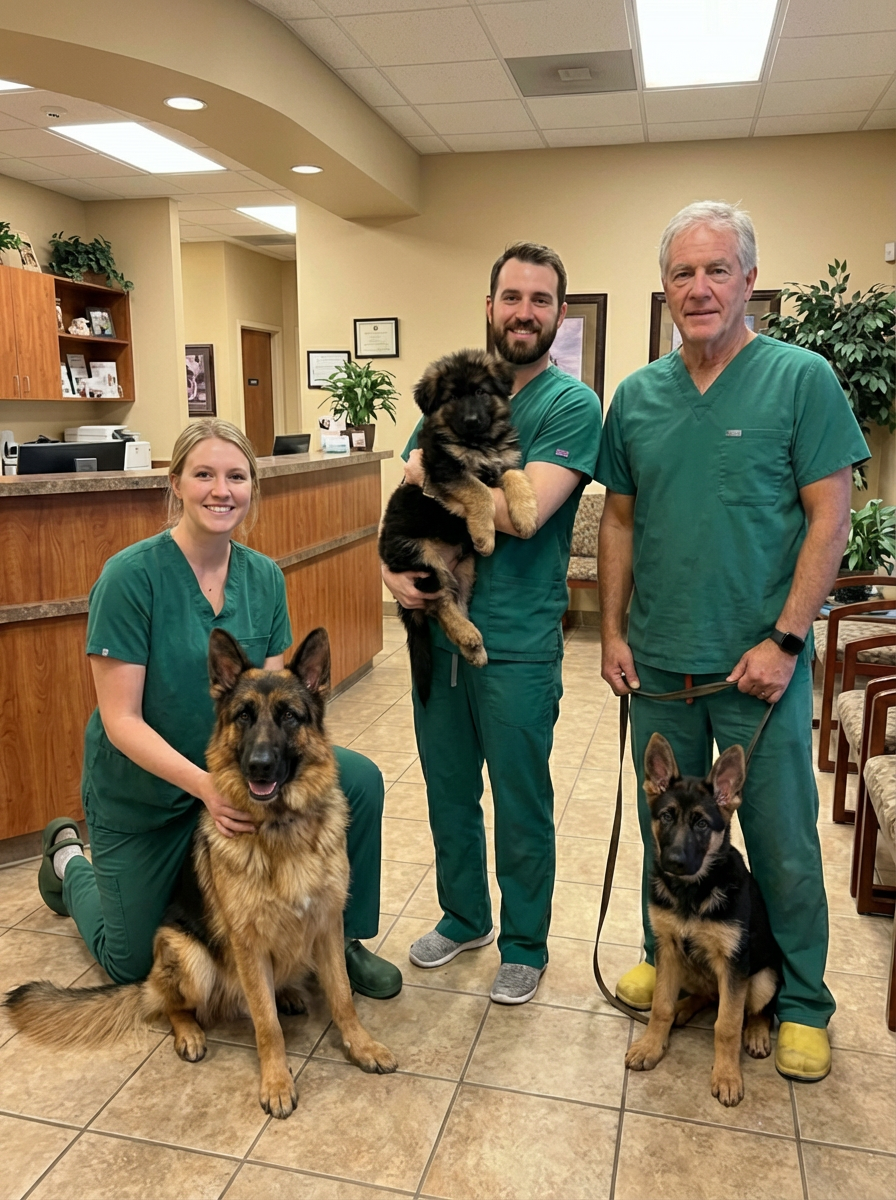
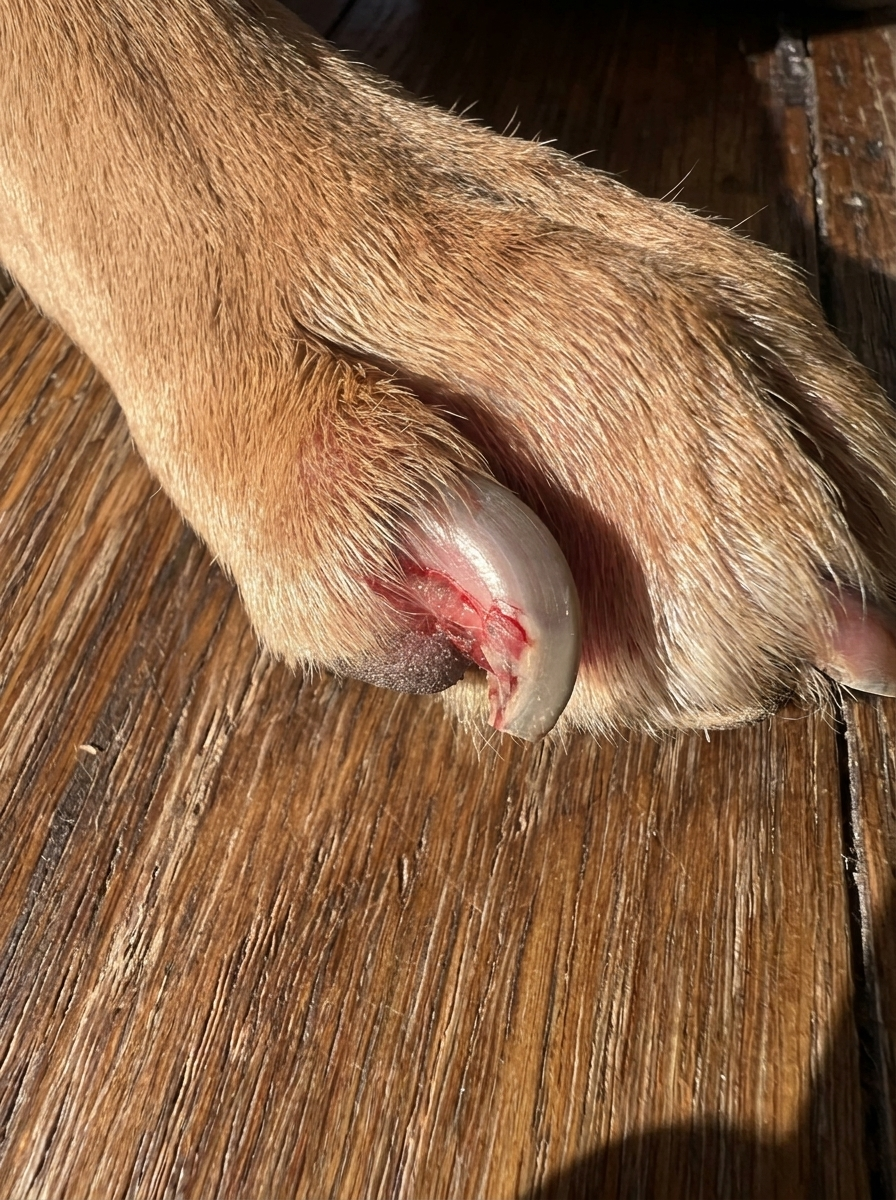
Three dogs were surrendered to shelters last month. Two of them were never adopted out. Same behavioural progression. Same failed interventions. Same outcome. And all three owners had spent over $5,000 trying to prevent it. Dr. Rachel Okafor noticed it first. She pulled me and Dr. Devon Wu into her office and spread out three files on her desk. "Look at the timeline." Every single dog: panic when left alone, escalating from whining to destruction to self-injury. Every single dog: tried crate training, gradual desensitization, calming collars, Trazodone, Clomicalm, a camera to watch it happen. Every single dog: physical exam came back normal — but the panic never stopped getting worse. Dr. Wu leaned back in his chair. "What if we've been treating the wrong system?" That question led to a six-month investigation that uncovered something the pet supplement industry has been hiding from veterinarians and dog owners for years. My name is Dr. Simon Vance, DVM. Along with Dr. Rachel Okafor and Dr. Devon Wu, we've collectively treated over 24,000 dogs at Pet Behavioral Health Associates. And here's what we found. It started with a dog named Charlie. His owner, Maya, had spent $5,400 on a certified separation anxiety trainer, two behaviourists, medication trials and a rebuilt door frame. Tried every desensitization protocol on the market. Couldn't leave the apartment for eleven minutes. Everything came back normal. But Charlie kept getting worse. Charlie was a 3-year-old rescue, some kind of hound mix. Perfect weight. Fully house-trained. Adored people. Walked beautifully on a leash. But the moment the door closed, he came apart. Maya had the camera footage. She showed it to us because she wanted us to understand she wasn't exaggerating. Minute one: pacing. Minute three: whining that climbs into a howl. Minute six: scratching at the door. Minute eleven: throwing his full body at it. She had tried everything: eight weeks with a certified separation anxiety trainer at $180 a session, gradual absence protocols measured in seconds, a Thundershirt, three calming collars, pheromone diffusers in every room, Trazodone, then Clomicalm, then both. Nothing worked for more than a few days. Charlie still panicked. Still howled for hours. Still couldn't be left. Maya started working from home permanently. Turned down a promotion because it required being in an office. Stopped seeing friends in the evening. Then it got worse. He broke a canine tooth on the door frame. Then tore two nails down to the quick trying to dig through the floor. The neighbour below filed a formal noise complaint. Then a second. Maya increased the medication. Added a second crate setup. Paid $2,200 for an intensive in-home behavioural program. For two weeks, it seemed better. Then her building management sent the letter. Resolve the noise within thirty days or the lease would not be renewed. Maya spent three weeks trying to find someone to take him. A dog who screams for four hours when left alone is a dog nobody wants. She surrendered Charlie to the county shelter on a Saturday morning. He was returned twice in six weeks. Both adopters cited the same thing. Dogs who come back twice with a behavioural note do not get a third chance in most shelters. Maya sat in our office two months later. "I did everything they told me. Every protocol. Every medication. I gave up a job for him. Why didn't it work?" That's when Dr. Okafor suggested something none of us had done consistently in our combined 31 years of practice. We pulled Charlie's stored bloodwork from four months before the surrender. And we ran a gut microbiome analysis alongside it. The result came back: severely depleted postbiotic metabolites. Gut dysbiosis index: 9.2 out of 10. Baseline cortisol at the top of the reference range, at rest, in a dog sitting quietly in an exam room. The three of us sat in the break room that night, staring at those numbers. Dr. Wu spoke first: "How many dogs have we missed?" Because we finally understood what was happening. Here's what they don't teach you in vet school: The system that ends a stress response is not the same system that starts it. Starting it is easy — a door closes, adrenaline goes up. Ending it is the hard part, and that job belongs to a feedback loop between the gut, the adrenal glands and the brain. When the gut microbiome is depleted, that loop stops closing properly. Cortisol goes up on cue and then doesn't come back down. Which means the dog doesn't have an anxiety problem. The dog has a recovery problem. It's not separation anxiety in the way you've been told to think about it. It's a body that can no longer switch off an alarm it has already sounded. And that is why every protocol built on repetition fails. And here's the nightmare part: Standard exams don't test gut health. Most vets never check it. And by the time the destruction starts, the system has been dysregulated for months or years. But it gets worse. Even if your dog is working with a certified specialist — even on prescription anxiety medication — it still might not be working because: Desensitization protocols assume the dog can come back down. The entire method rests on leaving for a duration below panic threshold, letting the dog settle, and building from there. If the cortisol never clears, there is no settling to build on. You are not desensitizing. You are rehearsing panic in shorter intervals. Medication sedates the response. It doesn't restore the off-switch. Trazodone, Clomicalm, gabapentin — they lower the ceiling on how bad it gets. They do nothing for the feedback loop that's supposed to end the episode on its own. Crates, collars and pheromones manage the environment. Sometimes they help a little. None of them touch the biology. Probiotics aren't enough. Probiotics are live bacteria. If the gut lining is already damaged by months of elevated cortisol, those bacteria can't colonize properly. They pass through without creating lasting change. And chronic panic destroys gut health further. Sustained cortisol thins the gut lining and kills off the beneficial bacteria that produce the compounds regulating the stress response. Every episode makes the next one harder to end. Your dog's panic doesn't start when you pick up your keys. It starts in a gut that can't turn the alarm off. And the supplements you've been buying — no matter how expensive, how "vet-recommended," how "clinically proven" the label claims — aren't addressing the root cause. After Charlie's case, we made a decision as a team. For the next six months, we would test the gut health of every single dog that came through our clinic for separation-related behaviour. Dr. Okafor handled the testing protocols. Dr. Wu compiled the data. I followed up with every case. We tested 106 dogs. 91 had severely compromised gut health and low postbiotic metabolite production. That's 86%. These weren't neglected dogs. These were dogs with certified trainers, structured protocols, daily enrichment, prescription medication and owners who had reorganised their entire lives around them. It didn't matter. Across the board: the dogs who had been in behavioural programs the longest had some of the worst gut health we had ever measured. Because here's the cruel irony: Every week of failed protocol is another week of sustained cortisol. The treatment, repeated without the biology in place, deepens the exact dysfunction it's trying to fix. You're spending $200–$600 a month on trainers, medication and daycare specifically because of this. But it's not fixing the system that's actually broken. If your dog shows ANY of these signs, they likely have compromised gut health right now: → Panics within minutes of you leaving, not hours → Whining, howling or barking that continues the entire time you're gone → Scratched door frames, chewed thresholds, damaged blinds by the window → Drooling or a soaked bed on your return → Accidents indoors only when alone → Follows you room to room, including the bathroom → Starts pacing when you pick up keys or put on shoes → Won't eat a stuffed Kong or any food while you're out → Still frantic when you return after hours, not just briefly excited The panic isn't the disease. It's the warning sign that the recovery system is broken. And if you don't address it, it escalates. Whining becomes destruction. Destruction becomes self-injury. Self-injury becomes a complaint, a landlord, and a decision no owner wants to make. After discovering how widespread this was, we thought the hard part was over. Just give probiotics, right? We were wrong. Dr. Okafor took the lead on this. She ordered every gut health supplement she could find for dogs. Twelve different brands. All claiming to be "science-backed" and "clinically proven." She sent them all to an independent lab. What came back made all three of us furious. One of the best-selling calming supplements on Amazon contained a fraction of the active content its label claimed. A second, marketed as "veterinarian recommended," was cut heavily with filler that provides no benefit whatsoever. A third — stocked in major pet retail chains — tested positive for inactive strains. The cultures were dead before the bottle was ever sealed. We had been recommending supplements to clients that were either mislabeled, adulterated, or completely inert. We felt like we had failed them all over again. The supplement industry is largely unregulated. Companies can claim almost anything on a label, and nobody verifies it. Dr. Wu spent two months calling manufacturers, demanding Certificates of Analysis, third-party testing, postbiotic content documentation. Most wouldn't return his calls. The ones who did sent generic certificates or refused to provide batch-specific testing. We were about to give up. Then we found CalmAxis. At first, we were all skeptical. Another supplement company making big promises. But when Dr. Wu called them, something was different. They answered. Immediately. He asked for their Certificate of Analysis. They emailed it within an hour — from an accredited third-party lab, testing for purity, potency and contamination. He asked about their formulation. They explained: postbiotics, not just probiotics. The actual beneficial metabolites that healthy gut bacteria produce — delivered directly, bypassing the need for colonization in a gut lining that's already damaged. He asked for batch testing. They provide it for every single batch — not once a year for show. He asked how they prevent degradation. Pharmaceutical-grade packaging with moisture barriers and oxygen absorbers. Every jar sealed and dated. They were the only company that could answer every single question. So we ordered a jar and Dr. Okafor sent it to the same independent lab. The results: ✅ Postbiotic content matched label claims ✅ Zero heavy metal contamination ✅ No fillers, no binders, no artificial ingredients ✅ Pharmaceutical-grade purity ✅ Proper dosing for therapeutic gut-brain support We had finally found one we could trust. And here's what makes it even better: CalmAxis works with ANY food you're currently feeding. Prescription diet? Add it. Grain-free formula? Mix it in. Raw, kibble, wet food? Works perfectly. You don't need to change your dog's food. Because the issue isn't the food quality — it's that a dog with compromised gut health can't produce enough postbiotic metabolites from ANY food source. I called Maya three months after Charlie was surrendered. It was the hardest call I have made in this job, because there was nothing to offer her except an explanation. She came into the office. I showed her his results. "His body couldn't end the stress response. That's why the protocol never progressed. That's why the medication only took the edge off." Maya stared at the paper for a long time. "So he wasn't broken. He was sick, and I gave him away for it." We've now worked with Daniel, whose dog Willow was on the exact progression Charlie had been. Howling within four minutes of the door closing. Two chewed door frames. A neighbour who had started leaving notes. Week 1 on CalmAxis: still panicking within minutes Week 2: quiet for the first eleven minutes on camera Week 4: settled on her bed twenty minutes in, then slept Week 6: two hours alone, no vocalizing, no damage By week nine, he sent me a message: "Dr. Vance, I went out for dinner. A whole dinner. I watched the camera in the car park and she was asleep by the door the entire time. I haven't done that in two years." Her follow-up gut panel three months later: normal range. Resting cortisol mid-reference. Still on the same training plan — which finally started progressing, because there was finally something to build on. The only thing that changed? Her body could finally end what it started. We've now put over 690 dogs on this exact protocol across our practices. 87% show measurable improvement within 30 days. Nadia's dog Penny, 5-year-old Spaniel mix: "Two behaviourists, Clomicalm, a $1,400 program. She still screamed the second I left. Five weeks on CalmAxis and I got a camera clip of her yawning and lying down. I cried at my desk." Rob's dog Koda, 4-year-old Husky mix: "We were three weeks from having to rehome him because of the noise complaints. I genuinely didn't think anything would change. Month two and the downstairs neighbour asked if we'd gotten rid of him. He's asleep on the sofa." These aren't miracles. This is simply what happens when you restore the system that ends a stress response. Here's what we want you to do: Next time you're at your vet, ask this exact question: "Can you test my dog's gut microbiome?" If they say "it's not necessary" or "separation anxiety is behavioural," ask them: "When was the last time you actually tested a dog's gut health for anxiety?" Most won't have an answer. Not because they don't care — but because the system doesn't prioritize it. You don't need another trainer first. You don't need to escalate the medication. You don't need to change your dog's food. Postbiotics aren't a drug. They're the beneficial compounds a healthy gut naturally produces. You can start today. If your dog comes apart when you leave, their body is already telling you something is wrong. Every episode floods the system again. Sustained cortisol damages the gut lining further. The cycle gets worse, not better. Whining escalates to destruction. Destruction escalates to injury. Injury escalates to a complaint you can't answer. Charlie went from "struggles when left alone" to surrendered in under two years. Maya spent $5,400 and gave up a promotion trying to stop it. It didn't matter. Because nobody checked his gut health until he was already gone. If you catch it early — while it's still noise and not yet damage — you don't have to find out how this ends. The only brand the three of us trust after testing them all: CalmAxis. Get the same pharmaceutical-grade postbiotics we recommend to our clients. Most dogs show noticeable changes within 2–4 weeks. 👉 https://trycanislabs.com/products/calmaxis-chews P.S. If your dog panics when you leave, the risk isn't just a chewed door frame. It's the noise complaint, the landlord letter, and the conversation nobody plans for. Owners don't surrender dogs because they stopped loving them. They surrender them because the housing runs out, the money runs out, or the specialist says there's nothing left to try. Charlie's owner spent $5,400 and turned down a promotion. He was still returned twice. Don't wait until the decision is made for you. P.P.S. We tested every major calming and gut health supplement on the market before we recommended a single one. CalmAxis was the only brand that passed every test we ran. After our combined 31 years and 24,000+ dogs at Pet Behavioral Health Associates, we've finally found something that's both safe and actually works. Your dog deserves that chance.
86% of dogs who panic alone had this gut dysfunction
Three veterinarians found what training and medication were never going to reach
ORDER NOWLike this ad? Make it yours.
Crush rebuilds this exact creative around your product — your brand, your colors, your offer — in about a minute.