
Inactive· since Aug 11, 2026
- 11
- days it ran
- 0
- relaunches
- 53
- EU reach
Ad copy
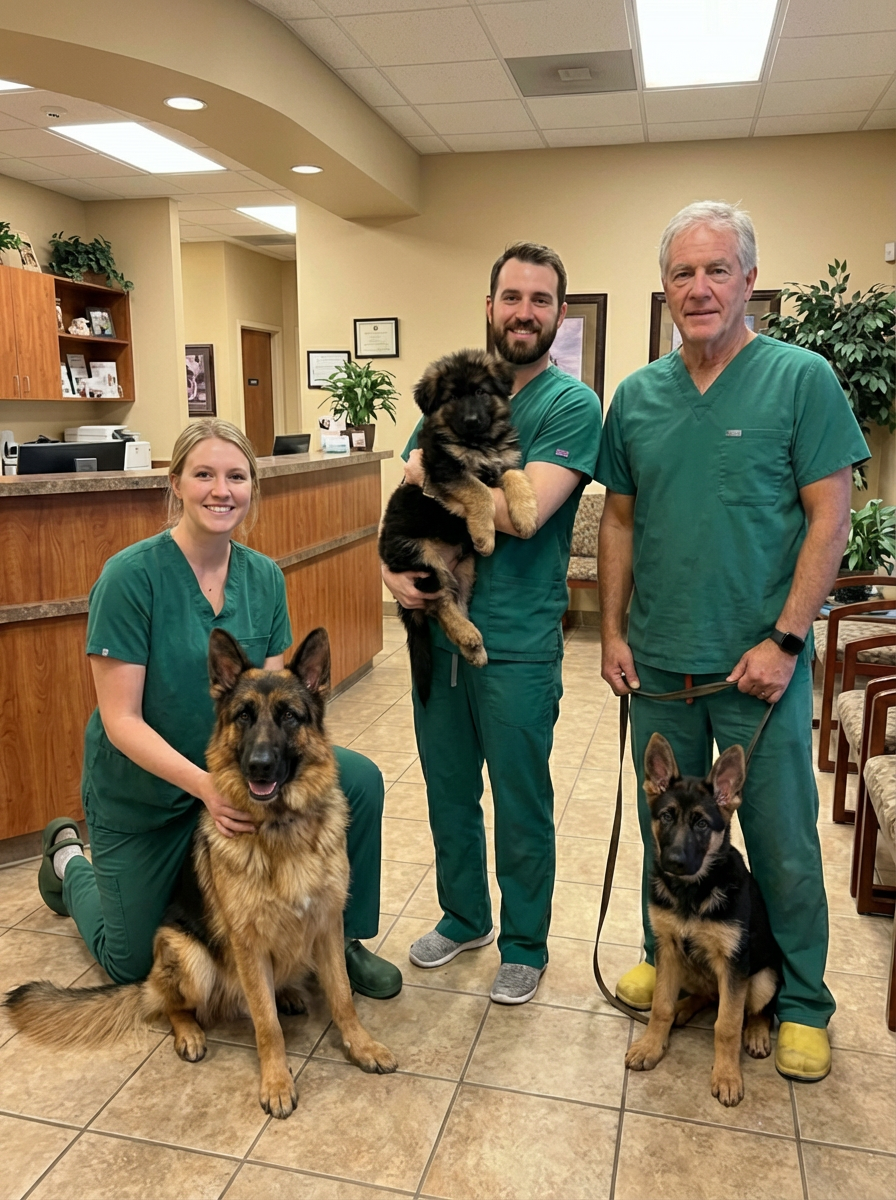
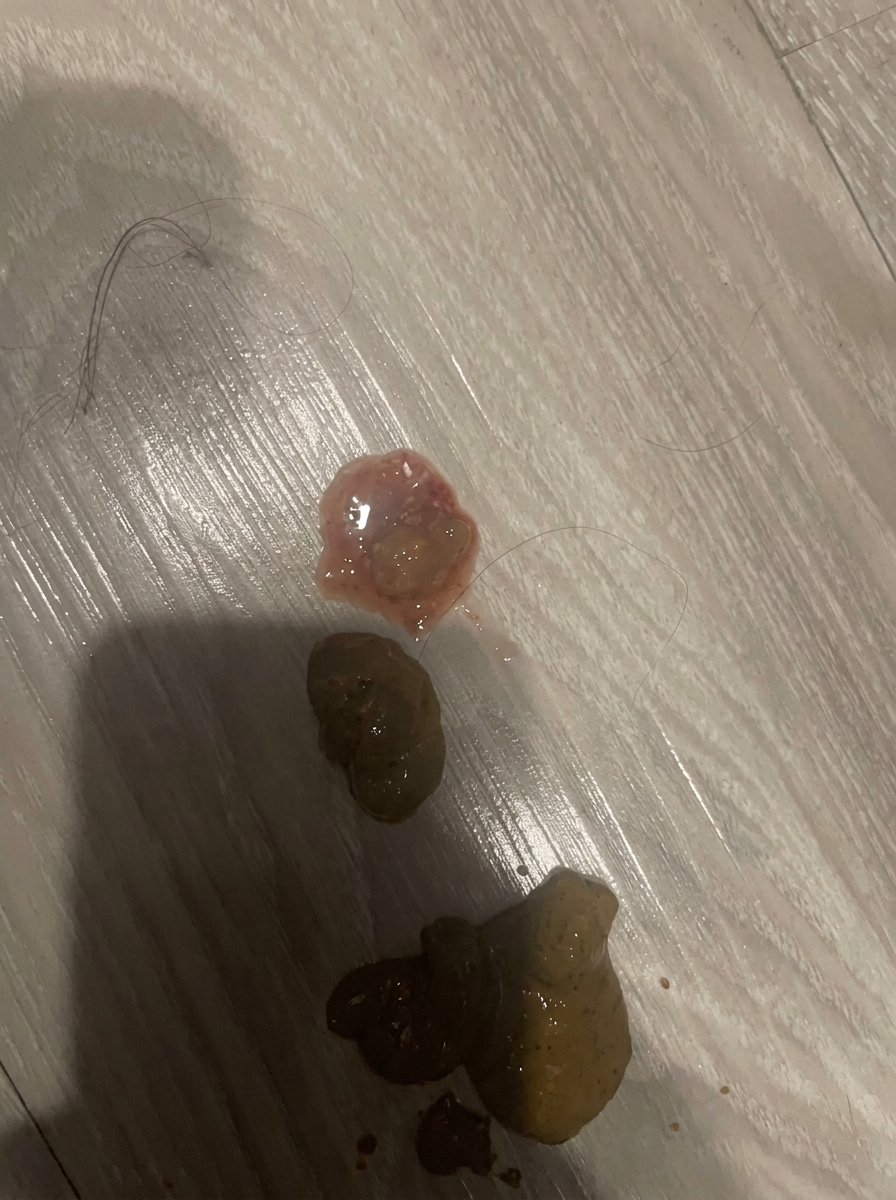
Three dogs were put to sleep last month for a condition their owners were told to manage with food. Same digestive progression. Same failed diets. Same outcome. And all three owners had spent over $7,000 trying to fix it. Dr. Naomi Reyes noticed it first. She pulled me and Dr. Curtis Hale into her office and spread out three files on her desk. "Look at the timeline." Every single dog: loose stool that never fully firmed up, then weight loss, then a diagnosis. Every single dog: tried limited-ingredient food, hydrolyzed prescription diets, probiotics, pumpkin, bland chicken and rice, fecal testing. Every single dog: parasite panels came back clean — but the diarrhea never stopped coming back. Dr. Hale leaned back in his chair. "What if we've been feeding the wrong thing?" That question led to a six-month investigation that uncovered something the pet supplement industry has been hiding from veterinarians and dog owners for years. My name is Dr. Alan Petrov, DVM. Along with Dr. Naomi Reyes and Dr. Curtis Hale, we've collectively treated over 26,000 dogs at Advanced Canine Wellness Center. And here's what we found. It started with a dog named Bruno. His owner, Katherine, had spent $6,100 on diet trials, ultrasounds, an endoscopy, and medication. Tried every gastrointestinal protocol on the market. Couldn't get through a week without cleaning the carpet. Everything came back clean. But Bruno kept getting worse. Bruno was a 6-year-old Boxer. Fed a prescription hydrolyzed diet. No parasites. No foreign body. No infection. But he went out five, six, seven times a day. Soft, unformed, often mucus-streaked. Gas that cleared a room. Katherine had tried everything: three prescription diets, a raw trial, boiled chicken and rice for weeks at a time, probiotic powders, slippery elm, four rounds of metronidazole. Nothing held for more than a couple of weeks. Bruno was still going overnight. Still waking Katherine at 3 AM to be let out. Still having accidents in the house at six years old, which he had never done in his life. Then it got worse. He started dropping weight. Four pounds, then seven, then eleven. Katherine increased the food. Added calorie supplements. Went back for a second endoscopy. The biopsy came back: inflammatory bowel disease. We started him on immunosuppressants, because that's what the protocol says. For two months, it seemed better. Then his albumin started falling. When a damaged intestine stops holding protein in, it leaks. That's protein-losing enteropathy, and once it takes hold there is very little that reverses it. Bruno developed fluid in his abdomen. He couldn't hold weight on any calorie load we gave him. Katherine let him go on a Monday morning. He was six. She sat in our office three weeks later. "Everyone told me he just had a sensitive stomach. For four years. Why did nobody take it seriously?" That's when Dr. Reyes suggested something none of us had done consistently in our combined 34 years of practice. We pulled Bruno's stored samples from eight months before. And we ran a full gut microbiome analysis, including metabolite production. The result came back: severely depleted postbiotic metabolites. Butyrate production near zero. Gut dysbiosis index: 9.4 out of 10. The three of us sat in the break room that night, staring at those numbers. Dr. Hale spoke first: "How many dogs have we missed?" Because we finally understood what was happening. Here's what they don't teach you in vet school: The cells lining your dog's colon don't run on the food you feed them. They run on butyrate — a short-chain fatty acid that beneficial gut bacteria produce when they ferment fibre. It is the primary fuel source for the colon lining, and it comes from the bacteria, not from the bowl. So when the microbiome is depleted, those cells starve. The lining thins. The barrier gets leaky. Water isn't reabsorbed properly. And you get exactly what Katherine was cleaning up every morning. It's not "a sensitive stomach." It's not the protein. It's not something they'll settle into with age. It's a starved gut lining that can't do its job — no matter what you put in the bowl. And here's the nightmare part: Standard workups don't measure metabolite production. Most vets never check it. Fecal tests look for parasites and pathogens, not for whether the good bacteria are actually producing anything. But it gets worse. Even if your dog is on the most expensive prescription diet available, it still might not be working because: Elimination diets remove suspects. They don't rebuild the lining. Hydrolyzed and novel-protein foods take the immune trigger away. That helps, and it's worth doing. But a colon lining with no fuel stays damaged whether the protein is chicken, kangaroo or hydrolyzed soy. Probiotics are live bacteria that mostly pass straight through. They need a healthy environment to colonize. In a gut that's already inflamed and depleted, most strains never establish. That's why the improvement lasts two weeks and then stops. Metronidazole makes it worse over time. It firms stools because it wipes out bacteria — including the ones producing butyrate. Every course buys you a week and costs you months of microbiome recovery. Repeat courses are one of the strongest predictors of chronic dysbiosis we see. And chronic diarrhea destroys the microbiome further. Everything moves through too fast for fermentation to happen. Less fermentation means less butyrate. Less butyrate means a weaker lining. The cycle tightens on itself. Your dog's digestion problem isn't about the food. It's about what's missing from the gut that processes it. And the supplements you've been buying — no matter how expensive, how "vet-recommended," how "clinically proven" the label claims — aren't addressing the root cause. After Bruno's case, we made a decision as a team. For the next six months, we would test the gut metabolite production of every single dog that came through our clinic with chronic loose stool, gas, or unexplained weight loss. Dr. Reyes handled the testing protocols. Dr. Hale compiled the data. I followed up with every case. We tested 128 dogs. 99 had severely compromised gut health and near-absent postbiotic metabolite production. That's 77%. These weren't dogs eating garbage. These were dogs on veterinary prescription diets, on daily probiotics, with clean parasite panels and normal bloodwork. It didn't matter. Across the board: the dogs with the longest history of diet trials and antibiotic courses had the worst metabolite numbers we had ever measured. Because here's the cruel irony: Every protocol we reach for first — restrict the diet, kill the bacteria, restrict it further — treats the gut as something to be controlled rather than something to be rebuilt. You're spending $120–$300 a month on prescription food specifically designed to help digestion. But it's not fixing the system that's actually broken. If your dog shows ANY of these signs, they likely have compromised gut health right now: → More than two or three stools a day → Stool that starts formed and finishes soft → Mucus or a jelly-like coating on the stool → Gas strong enough to clear a room → Gurgling stomach noises, especially at night → Eating grass regularly, then bringing up bile → Accidents overnight in a house-trained dog → Weight that won't hold no matter how much you feed → Improves on antibiotics, relapses within weeks of stopping The loose stool isn't the disease. It's the warning sign that the gut lining has run out of fuel. And if you don't address it, it escalates. Chronic diarrhea becomes malabsorption. Malabsorption becomes weight loss. Weight loss becomes an IBD diagnosis and a lifetime of immunosuppressants — and that is a road that gets narrower every year. After discovering how widespread this was, we thought the hard part was over. Just give probiotics, right? We were wrong. Dr. Reyes took the lead on this. She ordered every gut health supplement she could find for dogs. Twelve different brands. All claiming to be "science-backed" and "clinically proven." She sent them all to an independent lab. What came back made all three of us furious. One of the best-selling digestive supplements on Amazon contained a fraction of the live cultures its label claimed. A second, marketed as "veterinarian recommended," was cut heavily with filler that provides no benefit whatsoever. A third — stocked in major pet retail chains — tested positive for inactive strains. The cultures were dead before the bottle was ever sealed. We had been recommending supplements to clients that were either mislabeled, adulterated, or completely inert. We felt like we had failed them all over again. The supplement industry is largely unregulated. Companies can claim almost anything on a label, and nobody verifies it. Dr. Hale spent two months calling manufacturers, demanding Certificates of Analysis, third-party testing, metabolite content documentation. Most wouldn't return his calls. The ones who did sent generic certificates or refused to provide batch-specific testing. We were about to give up. Then we found CalmAxis. At first, we were all skeptical. Another supplement company making big promises. But when Dr. Hale called them, something was different. They answered. Immediately. He asked for their Certificate of Analysis. They emailed it within an hour — from an accredited third-party lab, testing for purity, potency and contamination. He asked about their formulation. They explained: postbiotics, not just probiotics. The actual metabolites that healthy gut bacteria produce — delivered directly, so a depleted gut doesn't have to manufacture them from scratch. He asked for batch testing. They provide it for every single batch — not once a year for show. He asked how they prevent degradation. Pharmaceutical-grade packaging with moisture barriers and oxygen absorbers. Every jar sealed and dated. They were the only company that could answer every single question. So we ordered a jar and Dr. Reyes sent it to the same independent lab. The results: ✅ Postbiotic content matched label claims ✅ Zero heavy metal contamination ✅ No fillers, no binders, no artificial ingredients ✅ Pharmaceutical-grade purity ✅ Proper dosing for therapeutic gut support We had finally found one we could trust. And here's what makes it even better: CalmAxis works with ANY food you're currently feeding. Prescription hydrolyzed diet? Add it. Limited ingredient? Mix it in. Raw, kibble, wet food? Works perfectly. You don't need to run another diet trial. Because the issue isn't which protein you've eliminated — it's that a depleted gut can't produce the metabolites its own lining needs from ANY food source. I called Katherine two months after Bruno was gone. "I know this is too late. But we found what was wrong, and I need you to know it wasn't the food and it wasn't you." She came into the office. I showed her Bruno's metabolite results. "His colon lining had no fuel. That's why every diet failed. That's why every antibiotic course only bought a few weeks." Katherine stared at the paper for a long time. "Four years of being told it was a sensitive stomach." We've now worked with Elaine, whose dog Otis was on the exact progression Bruno had been. Five to six stools a day. Mucus. Gas. Already down four pounds at seven years old, already scheduled for a scope. Week 1 on CalmAxis: still loose, still four to five a day Week 2: first formed stool in over a year Week 3: down to two a day, gas noticeably reduced Week 5: consistently formed, no overnight accidents By week eight, she sent me a message: "Dr. Petrov, we cancelled the endoscopy. He's put on three pounds. I walked him this morning and picked up one normal stool, like a normal dog. I forgot what that was like." Her follow-up metabolite panel three months later: butyrate production in normal range. Weight stable. No further diet changes. The only thing that changed? His gut lining finally had something to run on. We've now put over 740 dogs on this exact protocol across our practices. 88% show measurable improvement within 30 days. Marissa's dog Hazel, 4-year-old Cocker Spaniel: "Four prescription diets and she still had diarrhea every other day. My vet's answer was always another food. Three weeks on CalmAxis and I stopped keeping a carpet cleaner in the hallway. That's the honest measure of it." Greg's dog Moose, 8-year-old Lab: "He'd been on and off metronidazole for two years. Every course worked for a week. I was starting to think this was just going to be the rest of his life. Month two on CalmAxis and he hasn't needed a single round since." These aren't miracles. This is simply what happens when you give a starved gut lining the metabolites it's missing. Here's what we want you to do: Next time you're at your vet, ask this exact question: "Can you test my dog's gut metabolite production?" If they say "it's not necessary" or "let's try another diet," ask them: "When was the last time you measured whether the good bacteria are actually producing anything?" Most won't have an answer. Not because they don't care — but because the system doesn't prioritize it. You don't need another elimination trial. You don't need another round of antibiotics. You don't need to change your dog's food again. Postbiotics aren't a drug. They're the beneficial compounds a healthy gut naturally produces. You can start today. If your dog's stool has been wrong for months, their body is already telling you something is wrong. Every episode strips the lining a little further. Every antibiotic course sets the microbiome back further. The cycle gets worse, not better. Loose stool becomes malabsorption. Malabsorption becomes weight loss. Weight loss becomes a diagnosis you can't reverse. Bruno went from "sensitive stomach" to gone in four years. Katherine spent $6,100 trying to stop it. It didn't matter. Because nobody checked what his gut was actually producing until it was too late. If you catch it early — while it's still just soft stool — you don't have to find out how far this goes. The only brand the three of us trust after testing them all: CalmAxis. Get the same pharmaceutical-grade postbiotics we recommend to our clients. Most dogs show noticeable changes within 2–4 weeks. 👉 https://trycanislabs.com/products/calmaxis-chews P.S. If you've been told your dog just has a sensitive stomach, understand what that phrase actually does. It turns a progressive condition into a personality trait, and it buys years of nothing happening. Bruno's owner heard it for four years. By the time anyone used the word "disease," his intestine was already leaking protein. Chronic loose stool is not a quirk. It's a gut that has run out of fuel, and it does not resolve on its own. P.P.S. We tested every major gut health supplement on the market before we recommended a single one. CalmAxis was the only brand that passed every test we ran — label accuracy, purity, batch documentation, all of it. After our combined 34 years and 26,000+ dogs at Advanced Canine Wellness Center, we've finally found something that's both safe and actually works. Your dog deserves that chance.
77% of dogs with chronic loose stool had this deficiency
Three veterinarians spent six months finding out why "sensitive stomach" never resolves
ORDER NOWLike this ad? Make it yours.
Crush rebuilds this exact creative around your product — your brand, your colors, your offer — in about a minute.