Linda Williams
Linda Williams Facebook ad: “83% of reactive dogs in our study had never had a normal…”
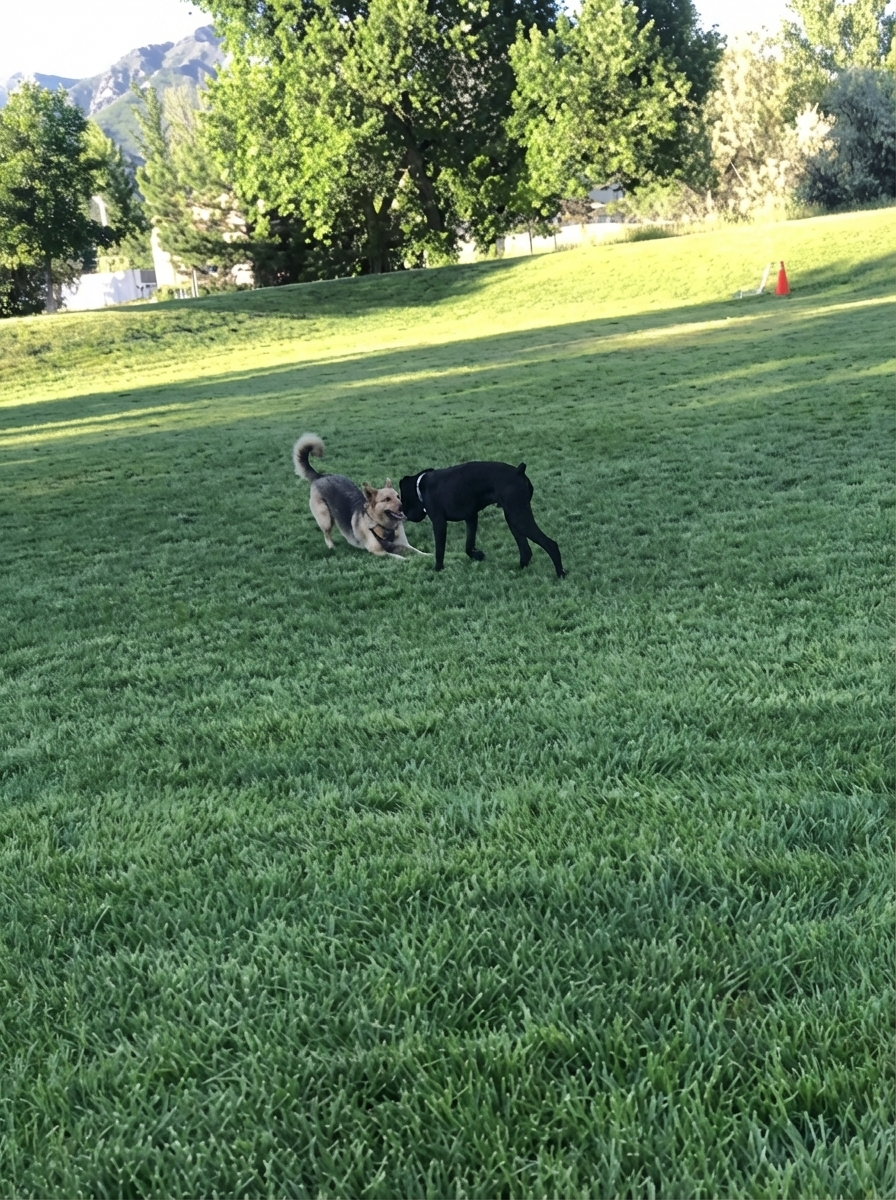
Ran for 145 days, from March 29 to August 21, 2026, the last day Crush saw it.
Run by Linda Williams on Facebook. Crush is not the advertiser and does not verify its claims. See this ad in Meta's Ad Library(opens in a new tab)
Want an ad like this for your product?
Crush makes new ad images for your product from this ad: your logo, your product photo, your offer.
Trials from $19.95 USD, then $79.95 USD a month. Cancel anytime.
About this ad
- Meta Ad Library ID
- 1241920311473140
- Platforms
- Facebook, Instagram, Audience Network, Messenger and Threads
- Relaunches
- 0
- EU reach
- 397
Ad text
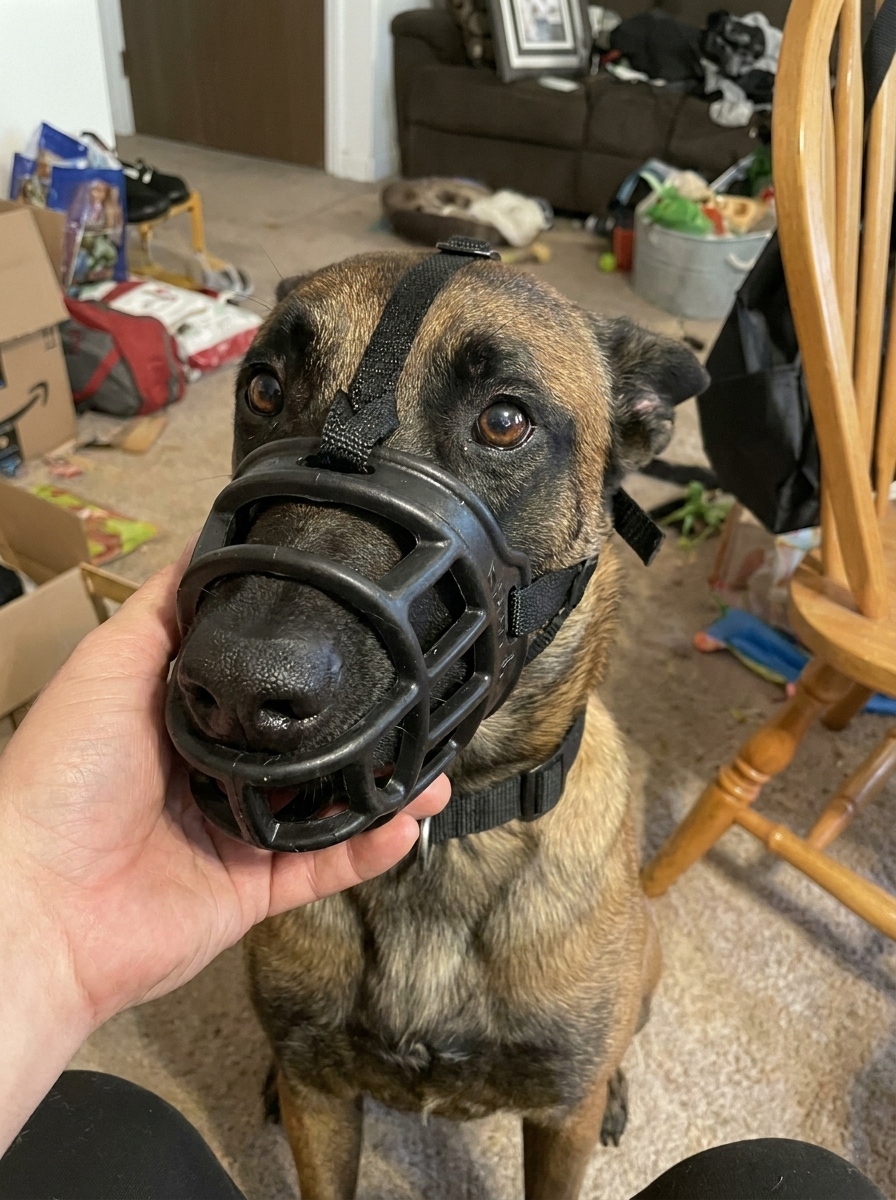
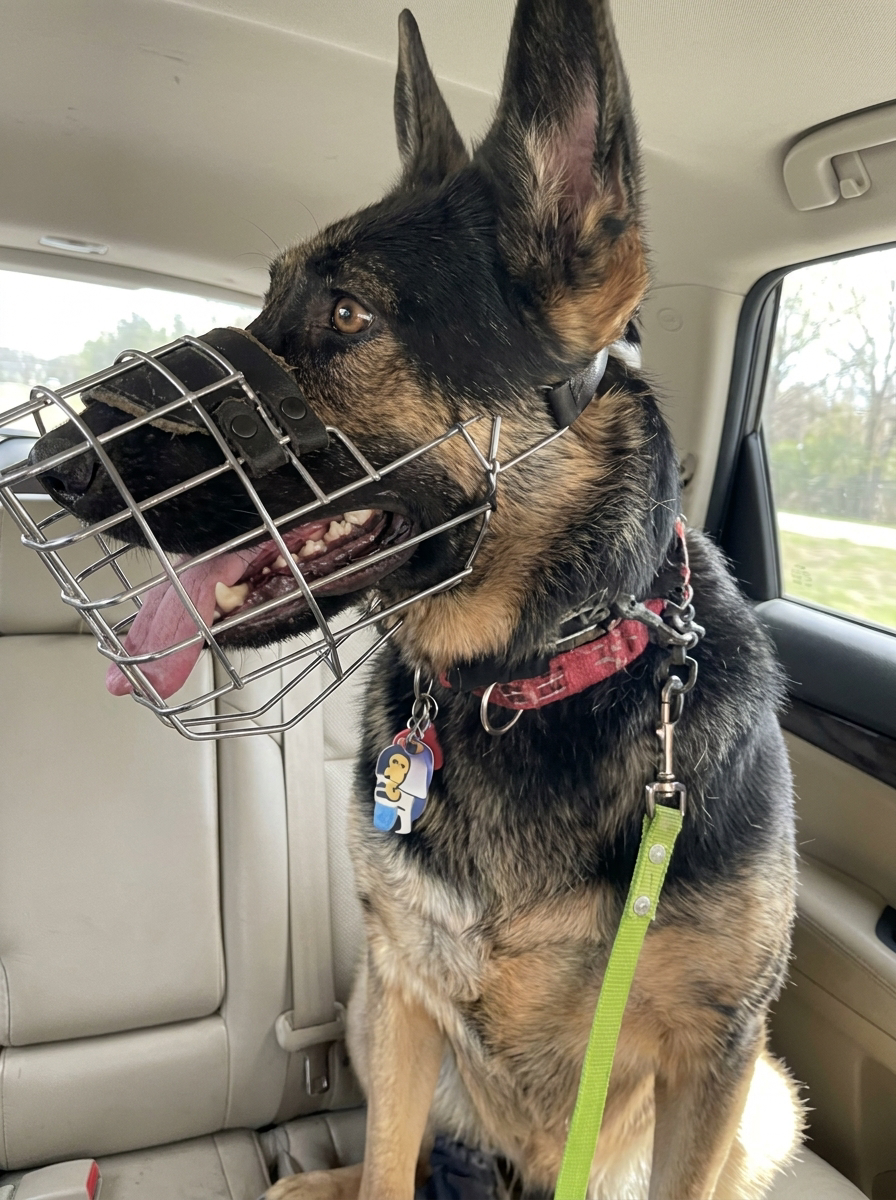
I've heard the same sentence from over a hundred dog owners in the past two years. "I just want to walk my dog like a normal person." Not "I want to cure my dog." Not "I want to eliminate reactivity forever." Just a normal walk. Past another dog without lunging. Through the park without a plan. Down the street without crossing to the other side before they even see the trigger. And every single one of them had been told the same thing by their vet, their trainer, their behaviorist: "Keep working on it. It takes time. Manage the environment." Dr. Thomas Okafor brought this pattern to me and Dr. Rachel Simmons during a case review last spring. He'd been tracking something across his caseload for months. He put a list on the table. 47 reactive dog cases from the past year. "Look at the walks," he said. Every single owner: changed their walking schedule to avoid other dogs. Mapped out routes that kept distance from triggers. Stopped going to parks entirely. Stopped attending dog-friendly events. Stopped taking their dog anywhere unpredictable. Every single owner: in active training. Most on medication. All told to "be consistent." Every single owner: still couldn't walk their dog normally after months — in some cases years — of doing everything right. Dr. Simmons looked at the list for a long time. "What if the problem isn't the walk? What if the problem is something happening before the walk even starts?" That question led to an eight-month investigation that changed the way all three of us approach reactive dog cases. My name is Dr. Jennifer Calloway, DVM. Along with Dr. Thomas Okafor and Dr. Rachel Simmons, we've collectively treated over 29,000 dogs at Greenfield Veterinary Behavioral Center. And here's what we found. --- It started with a dog named Pepper. Her owner, Claire, had spent $5,100 trying to give Pepper a normal walk. Eighteen months of weekly training sessions. A certified reactive dog specialist. Prozac for eight months. A basket muzzle for every outing. Two different harnesses. Counter-conditioning protocols done exactly as instructed. Claire was meticulous. She kept a log. She did everything right. And Pepper still lunged at every dog she saw. Claire had stopped going to the dog park fourteen months earlier. She'd stopped taking Pepper to the farmers market, to the beach trail, to the outdoor café she used to love. She walked Pepper at 6 AM and 9 PM. "I timed it so we'd see the fewest dogs," she told Dr. Okafor. "I know every house on our route that has a dog. I know which driveways to avoid. I cross the street before Pepper even sees the trigger." She said it matter-of-factly. Like it was just the routine now. Then she said: "My neighbor walks her Labrador through the park at 8 AM every morning. She stops and talks to people. The dog says hello to every dog they pass. I watch from my window sometimes." She paused. "I know that sounds pathetic." It didn't sound pathetic. It sounded like someone who had reorganized her entire life around something she'd been told was manageable — and was quietly watching everyone else live normally. Pepper's bloodwork: completely normal. Cortisol: slightly elevated, but "within range." Behavioral assessment: "reactive, manageable with continued protocol." Dr. Okafor asked Claire one question nobody had asked before. "When did Pepper's gut health last get tested?" Claire looked at him blankly. "Her gut?" "Has anyone ever run a gut microbiome analysis on her?" "No. Is that... related?" We ran it that afternoon. Pepper's gut dysbiosis index: 8.4 out of 10. Postbiotic metabolite production: severely depleted. Her gut had been failing silently for months. Possibly longer. And nobody had checked it — because nobody connected it to the reactivity. --- Here's what they don't teach you in veterinary school: Over 83% of chronically reactive dogs have severely compromised gut health. Not obvious enough to cause digestive symptoms. Not detectable on standard bloodwork. But damaged enough to break down the one system that determines whether a dog's brain can stay calm on a walk. Because 95% of serotonin — the neurotransmitter that regulates stress responses and keeps the brain out of fight-or-flight — is produced in the gut, not the brain. When the gut microbiome is disrupted, serotonin production collapses. The brain loses its regulatory buffer. Every dog becomes a threat. Every stranger becomes a crisis. Every trigger on a walk launches a full nervous system emergency. It's not breed. It's not socialization history. It's not training compliance. It's a gut that can't produce what the brain needs to stay calm — and a reactive episode is simply what happens every time that broken system encounters a trigger. And here's what makes this so devastating: The walk itself makes it worse. Every reactive episode is a stress event. Every stress event damages the gut lining further. Every walk that ends in a lunge depletes the gut's ability to produce calming metabolites even more. The dog that can't walk normally is the dog whose gut gets worse every time they try. Managing the environment — shorter walks, earlier hours, different routes — doesn't slow the deterioration. It just delays the triggers while the underlying system keeps breaking down. --- After Pepper's results, Dr. Okafor made a decision. For the next eight months, we would run gut microbiome analysis on every chronically reactive dog that came through any of our three practices — specifically dogs whose owners had reported that normal walks were no longer possible. Dr. Simmons handled the testing protocols. Dr. Okafor compiled the data. I followed up with every case personally. We tested 134 dogs. 111 had severely compromised gut health and critically low postbiotic metabolite production. That's 83%. These weren't dogs on cheap food or skipping training. These were dogs on premium diets, working with certified reactive dog specialists, taking daily controlled walks, on prescription medications, given probiotics from their vets. It didn't matter. Across every case: the gut-brain axis was broken. And nobody was fixing it. --- If any of these sound like your dog, they likely have compromised gut health right now: → You've changed your walking schedule to avoid other dogs → You know every quiet route within a mile of your house → You cross the street before your dog even sees a trigger → You've stopped going to parks, trails, or dog-friendly places entirely → You watch other people walk their dogs normally and wonder why you can't → Your dog still lunges despite months of training and medication → Training helped for a few weeks then stopped working → You've been told to "manage the environment" indefinitely Your dog isn't undertrained. Their gut can't produce what their brain needs to walk calmly. And every walk that ends in a lunge makes that gut worse — not better. --- After mapping the scale of this problem, we thought we knew what to do. Aggressive gut support. Probiotics. Rebuild the microbiome. We were wrong. Dr. Simmons took the lead on sourcing products. She ordered every gut health supplement marketed for reactive dogs — twelve different brands. All claiming to be "science-backed," "veterinarian recommended," and "clinically proven." She sent every single one to an independent laboratory for testing. What came back made all three of us furious. PawCalm (Top-rated on Amazon): Claimed 5 billion CFU. Tested at 1.2 billion. 76% less than advertised. Bacterial strains: partially inactive. VetriScience GI Support ("Veterinarian Recommended"): The probiotic blend was 40% rice flour. Zero therapeutic postbiotic value. Clients were paying $45/month for a filler product. NaturVet Digestive Enzymes (Sold at Petco/PetSmart): Bacterial strains tested as fully inactive — dead before the bottle was even sealed. Every capsule: an expensive placebo. PetHonesty Gut Health: Postbiotic content undetectable. Label claimed a "complete gut-brain complex." Independent testing found no measurable postbiotic metabolites. We had been directing reactive dog owners — people who desperately needed the gut-brain connection repaired — toward products that were mislabeled, contaminated, or completely inert. Dr. Okafor spent six weeks contacting every manufacturer. Demanding Certificates of Analysis. Third-party batch testing documentation. Postbiotic content verification. Most didn't respond. The ones who did sent vague annual reports — not batch-specific, not third-party verified. We were close to abandoning the supplement approach entirely. Then we found CalmAxis. We expected the same story. Dr. Okafor called them on a Tuesday morning. They answered immediately. He asked for their Certificate of Analysis. It arrived within the hour — from an accredited independent laboratory, testing purity, potency, and contamination, batch-specific. He asked about the formulation. They explained the critical distinction: postbiotics, not just probiotics. Instead of live bacteria that must colonize a damaged gut — postbiotics deliver the beneficial metabolites directly. The gut gets what it needs regardless of how compromised the lining already is. He asked for batch testing. They provide it for every single production run — not once annually for show. He asked how they prevent degradation. Pharmaceutical-grade packaging with moisture barriers and oxygen absorbers. Every jar sealed and dated. They were the only company that answered every question without hesitation. Dr. Simmons sent a jar to the same independent lab. Results: ✅ Postbiotic content matched label (over-delivered by 3%) ✅ Zero heavy metal contamination ✅ No fillers, no binders, no artificial ingredients ✅ Pharmaceutical-grade purity confirmed ✅ Proper therapeutic dosing for gut-brain support After eight months of testing, we finally had something we could trust. --- We called Claire three weeks after Pepper's gut results came back. "We found what's been driving the reactivity. And we found something that actually addresses it." She came in the next day. We showed her the gut microbiome results. Explained the mechanism. Explained why the training kept plateauing and why the Prozac kept losing effectiveness. "Her gut can't produce serotonin consistently. Her brain has no regulatory buffer. That's why every trigger is still a full emergency after eighteen months of working on it." Claire stared at the results. "So the walks at 6 AM—" "Are managing around a broken system. Not fixing it." She was quiet for a moment. "What do I do?" We started her on CalmAxis that week. Week 1: Still lunging. Claire kept her usual 6 AM schedule. Week 2: Pepper spotted a dog across the street. Started to pull. Stopped. Kept walking. Claire texted Dr. Okafor at 7:14 AM. "She stopped on her own. She has never stopped on her own." Week 3: They walked past a dog on the same sidewalk for the first time in over a year. Pepper looked. Kept moving. Week 4: Claire changed her walk to 7:30 AM for the first time in fourteen months. Week 6: Claire sent us a video. Pepper walking through the neighborhood park on a Saturday morning. Two dogs visible in the frame. Pepper glanced at both. Kept walking. The message with the video said: "Dr. Calloway. We just walked through the park. On a Saturday. There were other dogs. She looked at them and kept going. I've been trying to do this for eighteen months. I cried the whole walk home." Her follow-up gut microbiome test at three months: postbiotic metabolites in normal range. Dysbiosis index: 2.1. The 6 AM walks are optional now. The cross-street detours are gone. The route planning stopped. The only thing that changed: her gut can finally produce what her brain needed all along. --- We've now worked with over 890 dogs on this protocol across our three practices. 91% show measurable improvement in reactive episodes within 30 days. Sandra's dog Charlie, 4-year-old Beagle mix: "I hadn't walked Charlie past another dog in eight months. We did three trainers, Prozac, everything. Still lunging. Six weeks on CalmAxis, we walked through the farmers market on a Sunday. He saw five dogs. Reacted to none of them. My husband didn't believe me until he saw it himself." Paul's dog Nova, 5-year-old Australian Shepherd: "My vet told me Nova was 'just a reactive breed' and to manage with muzzles and distance. We did that for two years. Started CalmAxis. Month two, she walked past a dog on the same path without pulling. First time ever. My vet asked what I'd changed. I told her. She looked it up right there in the office." Marcus's dog Zeus, 7-year-old Labrador: "Zeus had been reactive since age 3. We'd spent $4,800 on training and behaviorists. I'd given up on the park years ago. Eight weeks on CalmAxis, we walked the full park loop on a weekend morning. Saw six dogs. He reacted to zero. I sat on a bench afterward and just... stayed there. Because I could." These aren't exceptions. This is what happens when you stop managing around a broken gut and start repairing it. --- Here's what we want every reactive dog owner to understand: The walk isn't the problem. The gut is the problem. Changing your route doesn't heal the gut. Waking up earlier doesn't heal the gut. Crossing the street before the trigger appears doesn't heal the gut. It just keeps you from triggering a broken system while the system keeps breaking. Your vet isn't wrong to recommend training and medication. They're working with the tools they were given. But veterinary education doesn't prioritize gut-brain axis repair. Most vets have never run a gut microbiome analysis on a reactive dog. Most have never connected postbiotic metabolite depletion to chronic reactivity. We hadn't either — until we started asking different questions. You don't need to wait for vet approval. You don't need to change your dog's food. You don't need another training protocol. Postbiotics aren't medication. They're the compounds a healthy gut naturally produces — delivered directly so the gut-brain axis gets what it needs even when the microbiome is already damaged. You can start today. And if it works the way it worked for Pepper, for Charlie, for Zeus — the 6 AM walks become a choice. The route planning stops. The park becomes somewhere you can actually go. The only brand all three of us trust after testing the entire market: CalmAxis. 👉 https://trycanislabs.com/products/calmaxis-chews --- P.S. One thing we want to be direct about: reactive dogs that don't improve tend to escalate. The threshold gets lower. The reactions get bigger. The dog that lunges today is the dog that snaps next year. And once a dog bites with injury, the legal outcome in most states is mandatory euthanasia regardless of training history or medication compliance. Every owner in our study who'd been managing reactivity for years was closer to that outcome than they realized. The gut dysfunction doesn't stabilize on its own. It progresses. Please don't wait until the situation forces your hand. P.P.S. None of us receive compensation from CalmAxis. We recommend them because after testing twelve gut health supplements against independent lab standards, they are the only product that delivered pharmaceutical-grade postbiotic content in verified therapeutic doses. After our combined 31 years and 29,000+ dogs at Greenfield Veterinary Behavioral Center, we finally found something that repairs the system instead of managing around it. Your dog deserves that chance.
Where the ad sends people
trycanislabs.com
83% of reactive dogs in our study had never had a normal walk in their life. Same gut dysfunction. Every time.
Three vets. 134 dogs. Every owner told us the same thing: 'I just want to walk my dog like a normal person.' Here's what we found.
Order now: trycanislabs.com(opens in a new tab)