
Inactive· since Apr 18, 2026
- 3
- days it ran
- 0
- relaunches
Ad copy
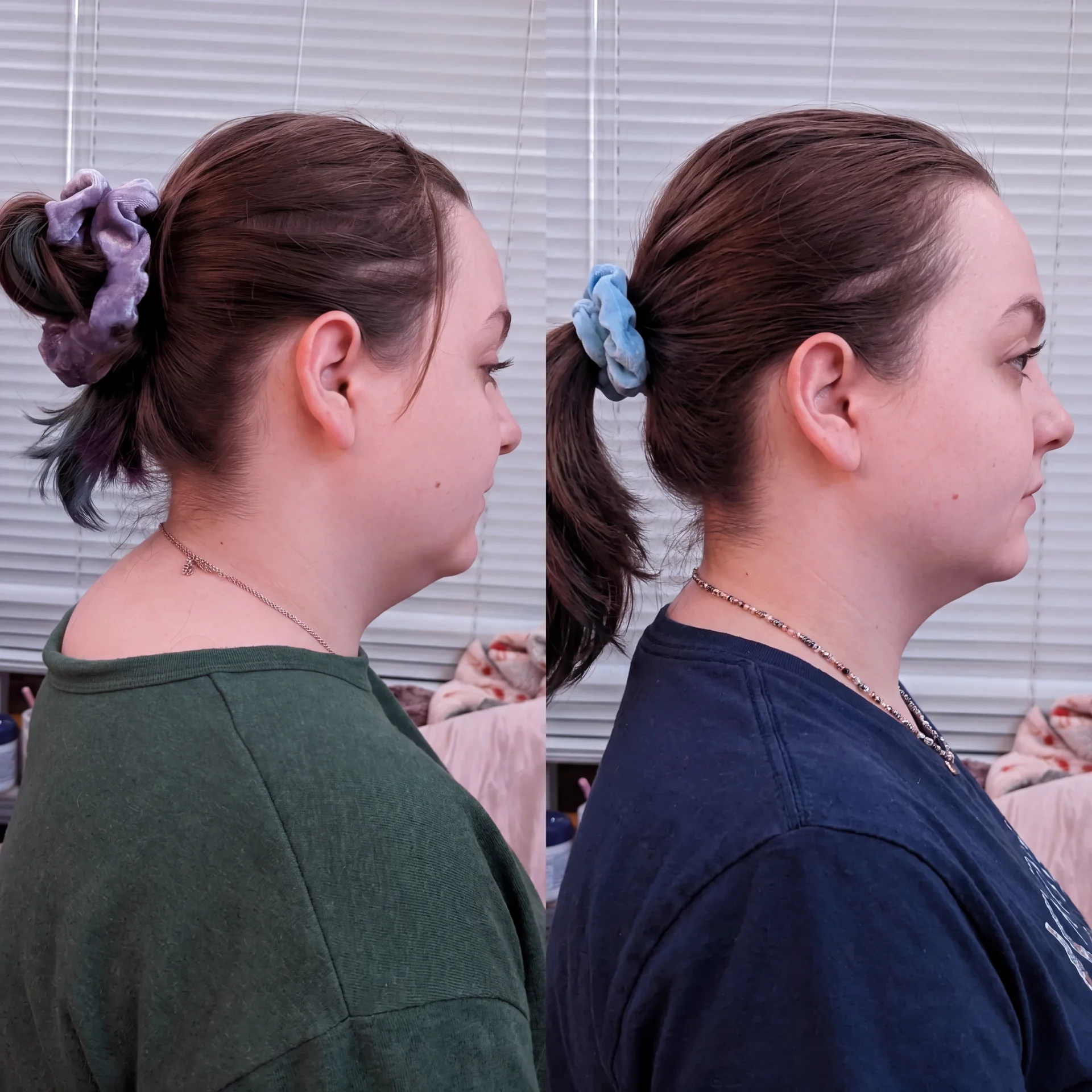
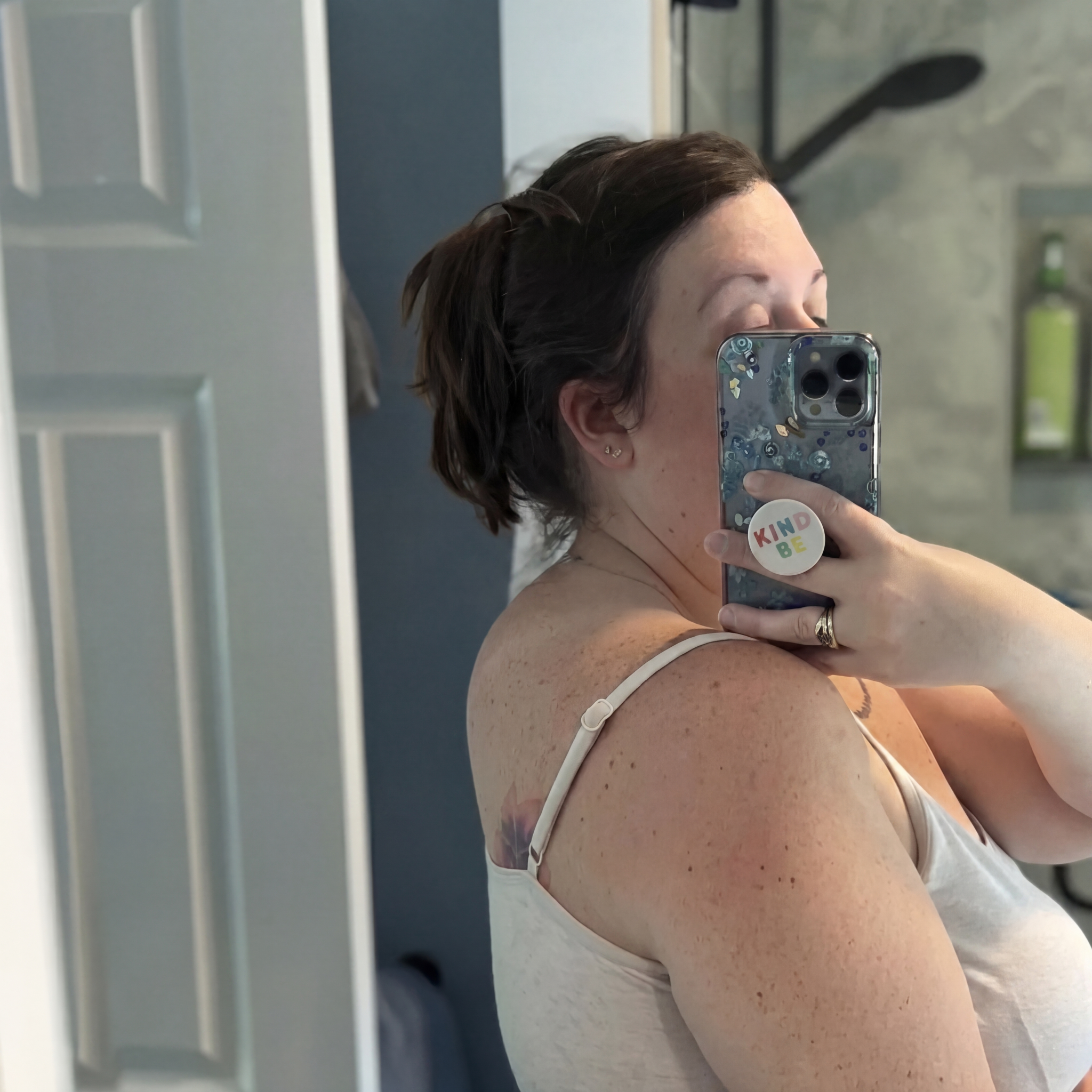
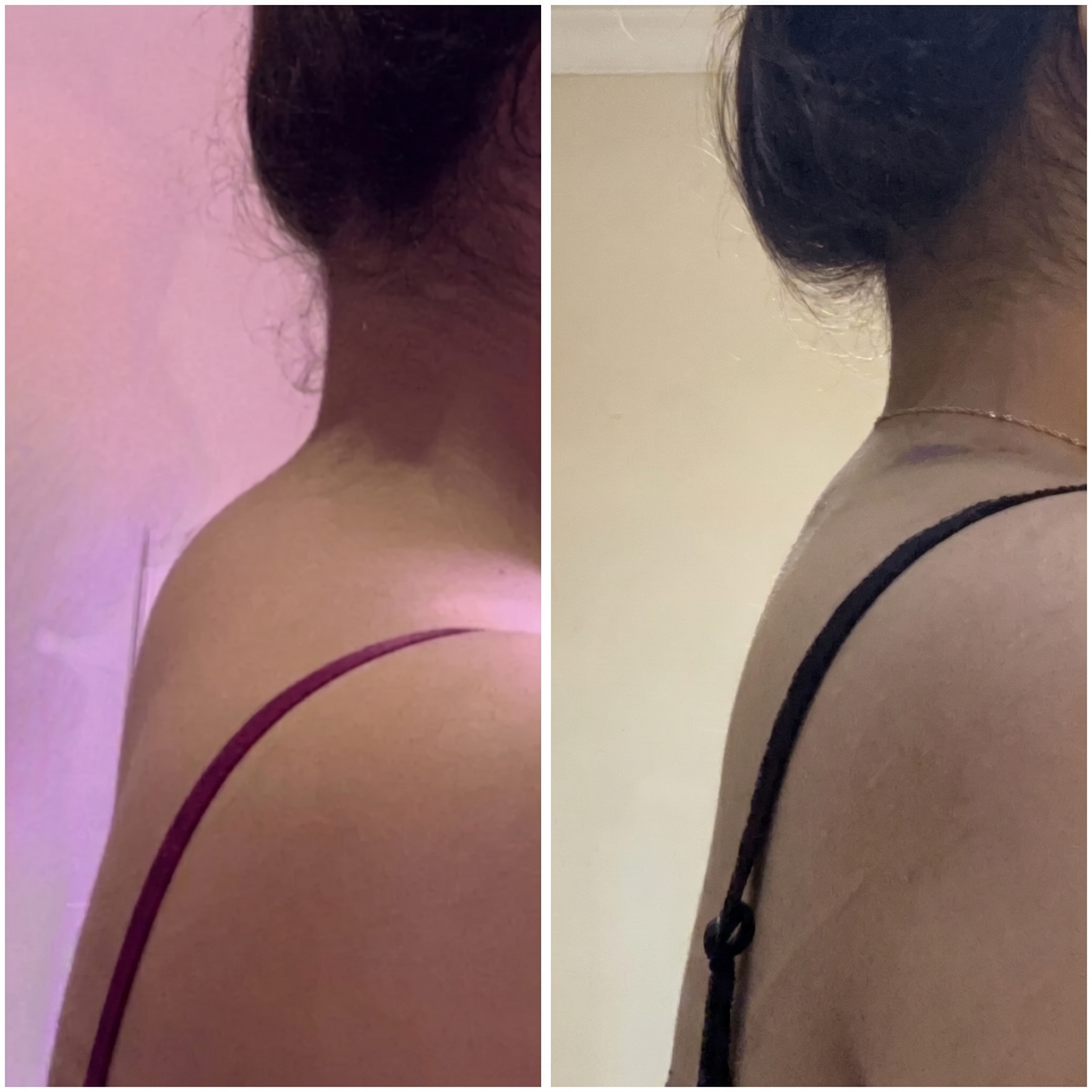
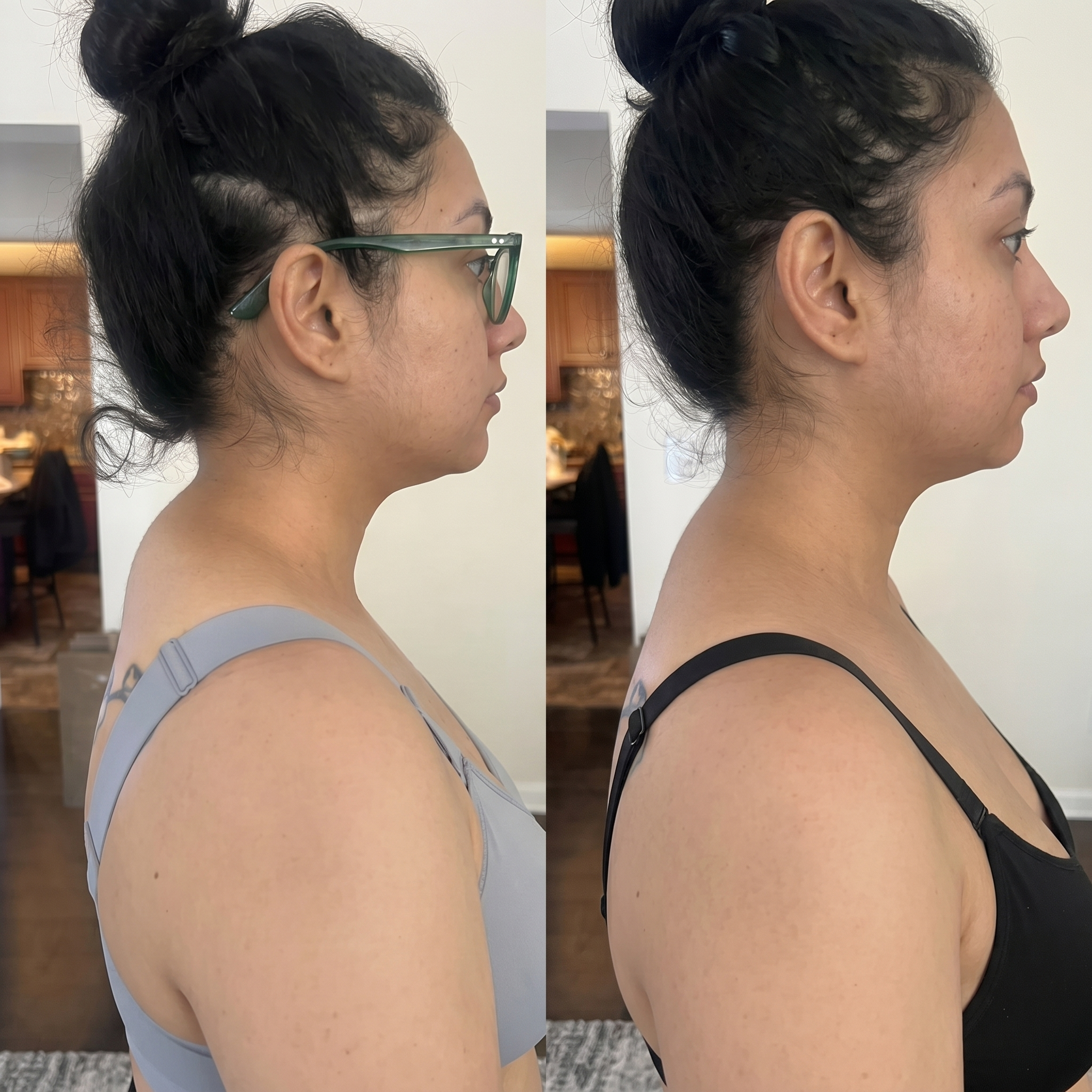
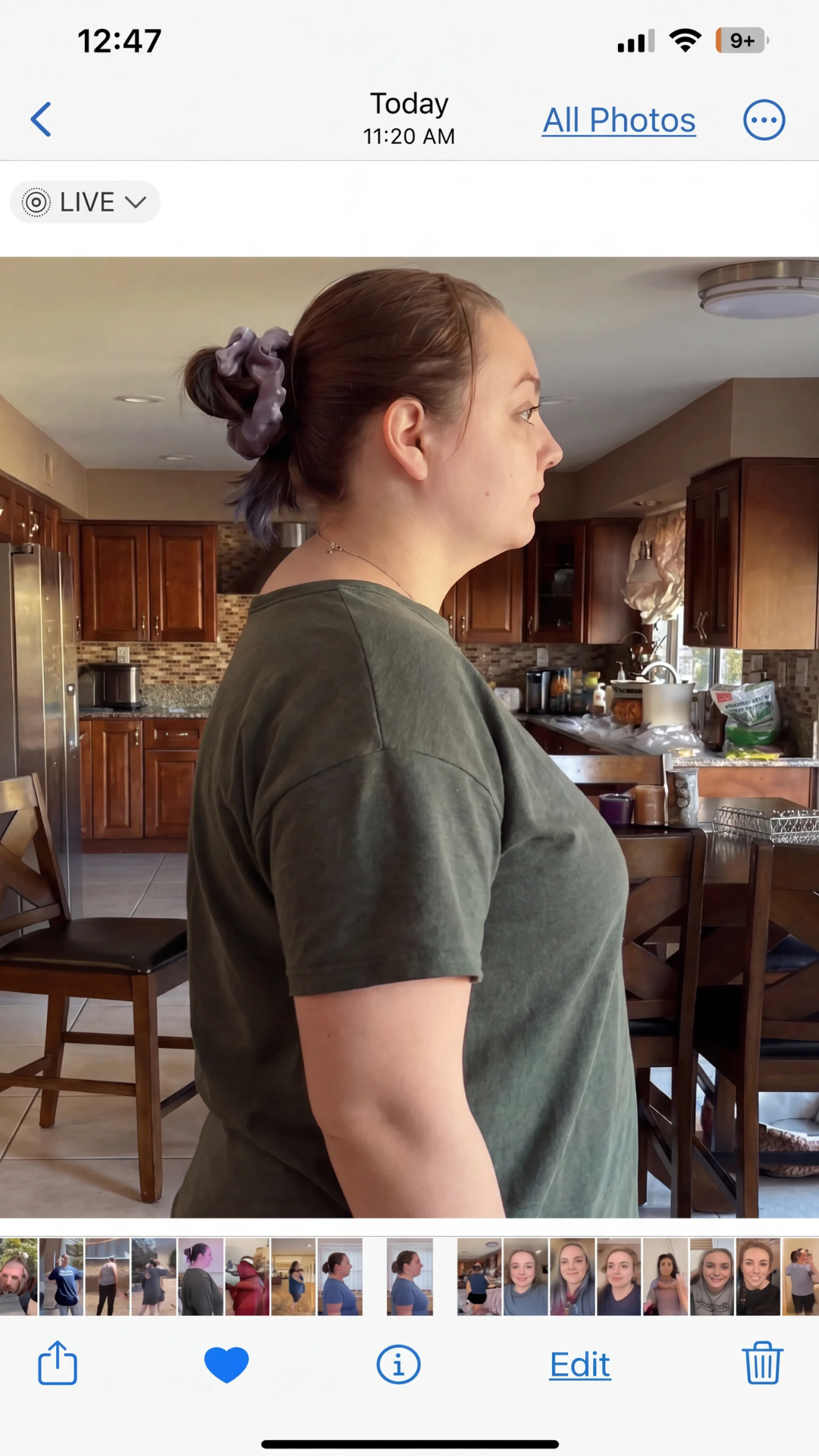
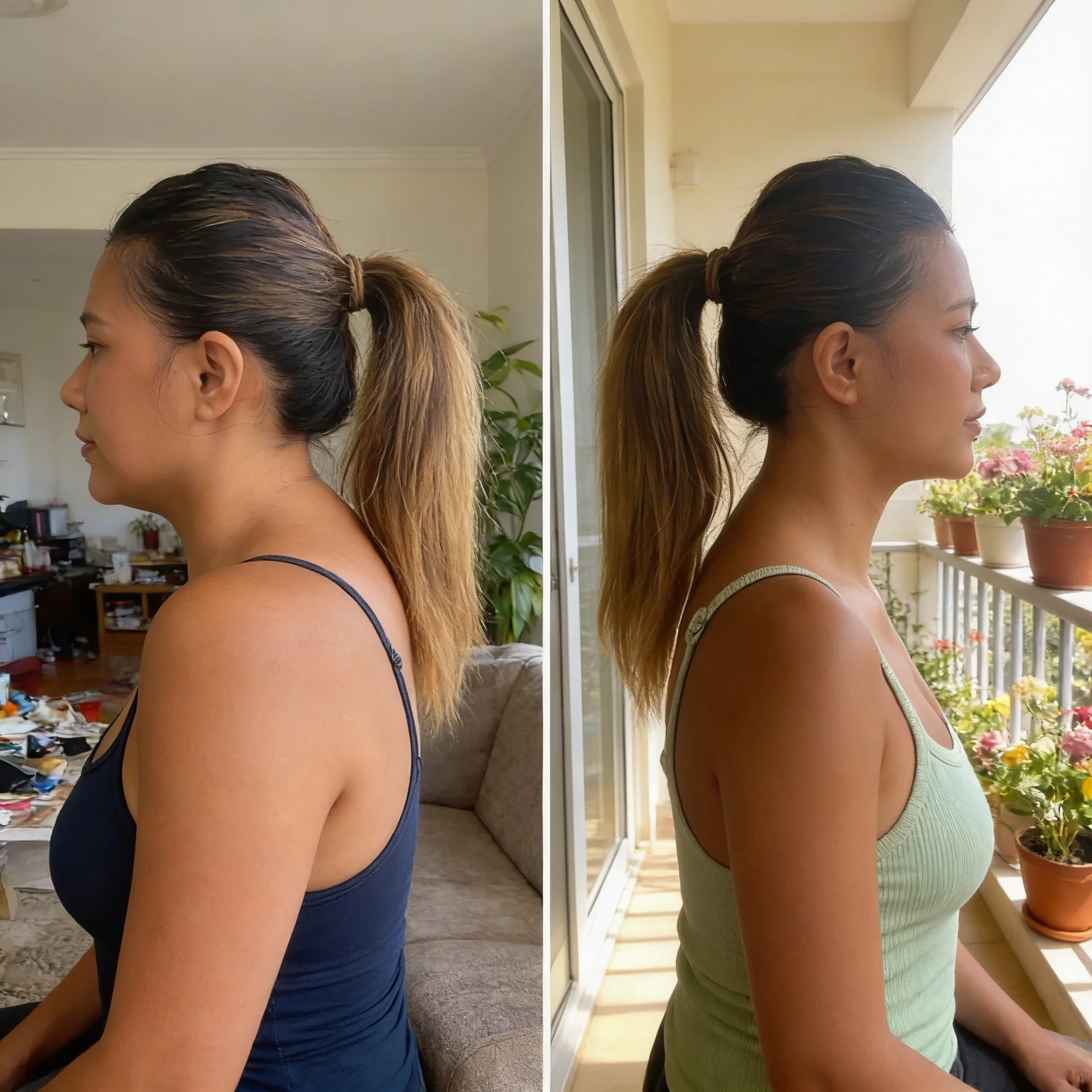
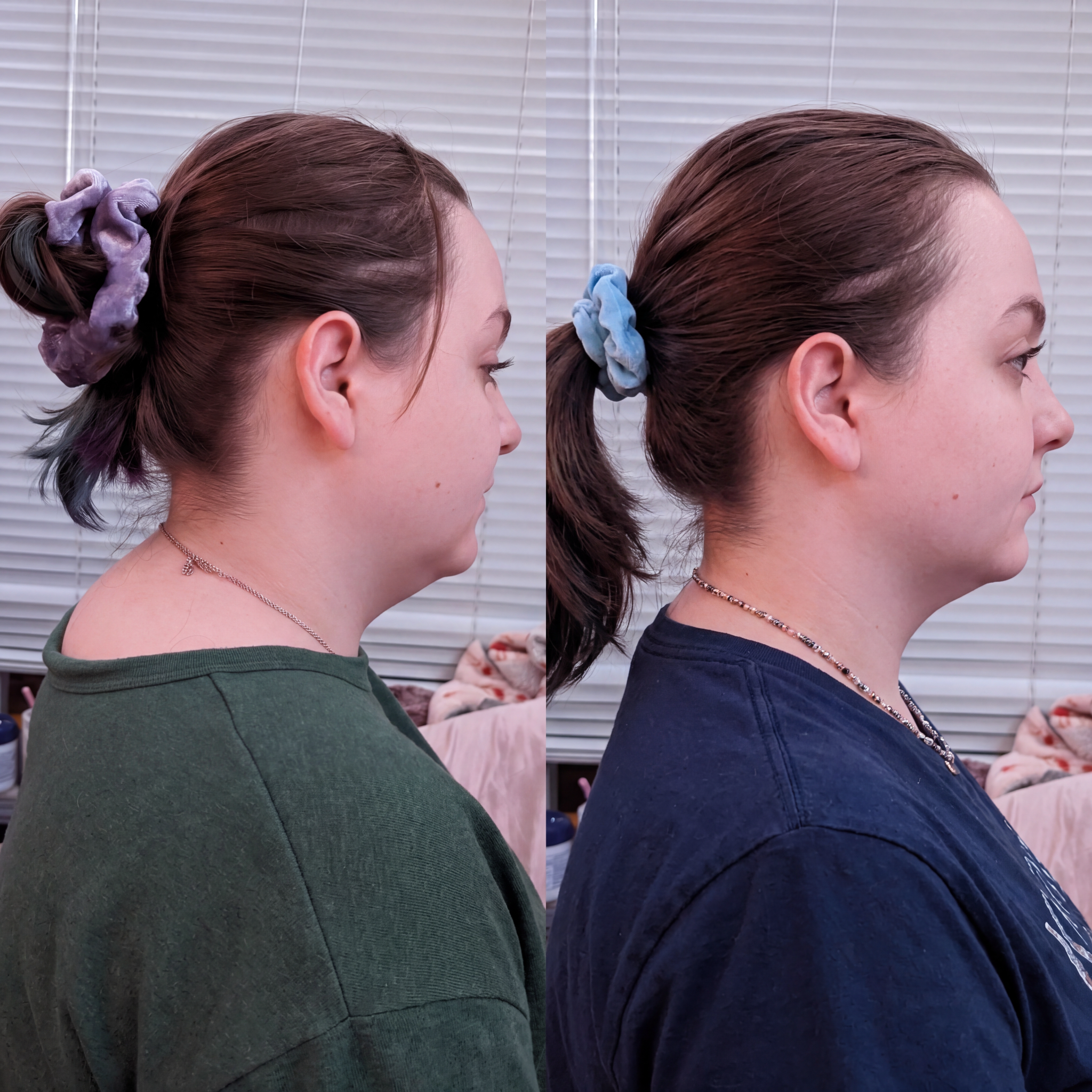
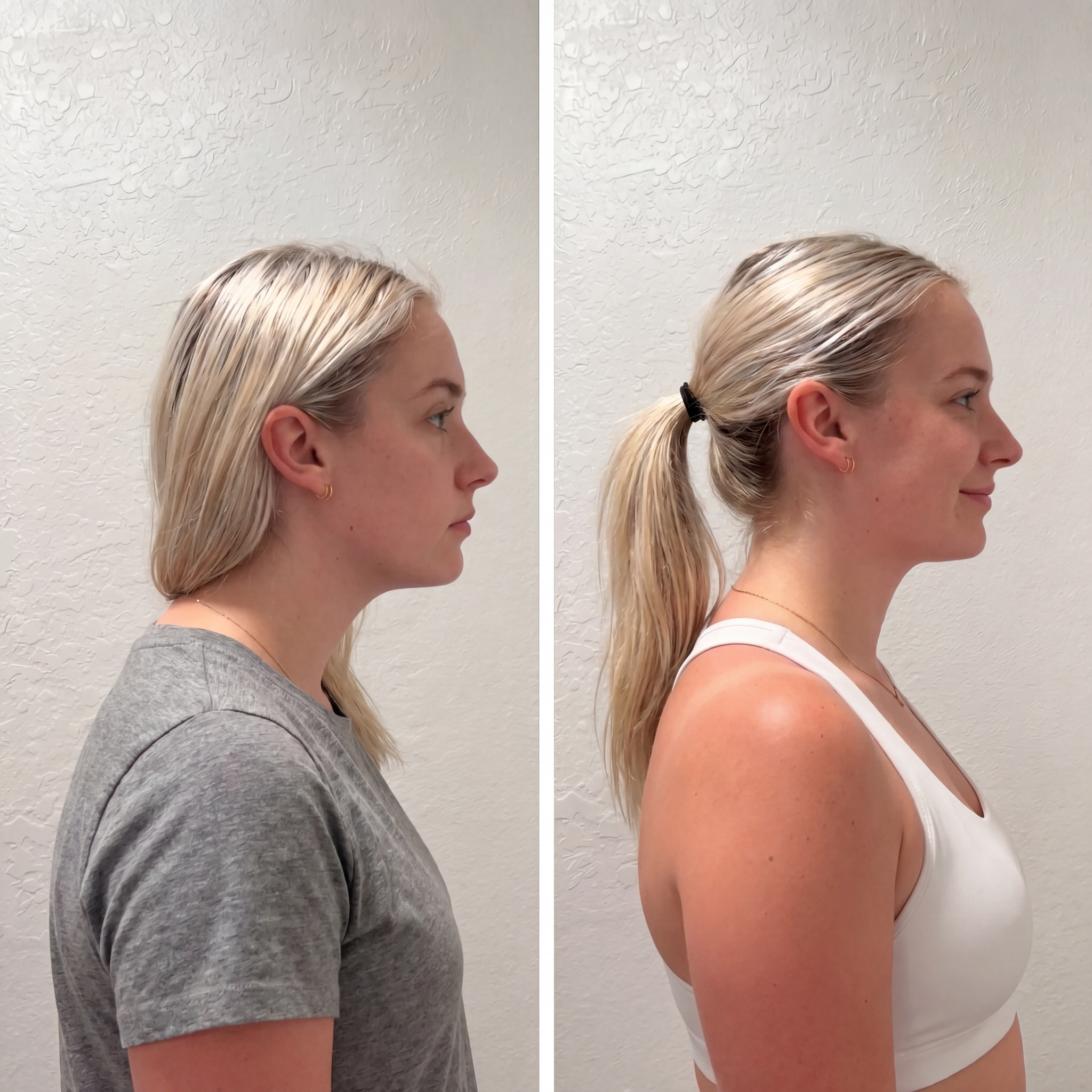
Every chiropractor I know believes a structural Dowager's Hump is permanent. We were all trained the same way. Last year in London, a 68-year-old British osteopath taught me in 40 minutes why we're all wrong — and why American clinical practice is a decade behind Europe. My name is Dr. Sarah Chen. Board-certified cervical spine specialist. Twenty-two years at the Mayo Clinic and Stanford Medical Center. Over 8,000 patients treated. And until last year, I believed exactly what every other American cervical specialist believes: when a woman develops a pronounced Dowager's Hump, it's permanent. It's structural aging. You can manage it, slow it, accept it — but you can't reverse it. We're all trained to think this way. Medical school. Residency. Continuing education. Every textbook, every conference, every protocol says the same thing. Last year in London, I learned we've all been wrong. Not just incomplete. Wrong. --- September 2023. London. 9:47 AM. European Spinal Rehabilitation Conference. Coffee break between presentations. I was standing alone, trying to position myself so my back wasn't visible to the room. Something I'd been doing automatically for four years. Because at 54, my own neck had developed a pronounced Dowager's Hump — and nothing I'd been prescribing to patients for 22 years had worked on me. That's when I saw her. Margaret Holloway. 68 years old. Head perfectly over her shoulders. No visible hump. No forward head position. Posture so straight it was almost jarring. I couldn't help myself. I walked over. "Excuse me — I have to ask. Do you treat cervical kyphosis?" She smiled. The kind of smile that knows something you don't. "Do you mind if I look at your neck first?" --- I hesitated. I'm a cervical spine specialist. I'm supposed to have the answers. But my own neck had been developing a visible hump for four years. I'd been treating it myself — the same protocol I prescribed to my patients. Targeted exercises twice daily. Regular chiropractic adjustments. A medical-grade posture corrector worn for hours at a time. Nineteen months of self-treatment. My neck looked the same. Possibly worse. I pulled my hair back. She looked at the base of my neck for a moment. Then she looked at me — not with judgment, but with recognition. "Dr. Chen, how long have you been treating this?" "About nineteen months." "And nothing has changed structurally." Not a question. A statement. "No." She gestured to an empty table. "May I show you something? It will take forty minutes. But it will change how you understand this completely." --- What she taught me in 40 minutes changed everything. She pulled out a notepad and drew a simple diagram. "The protocols you've been using — exercises, adjustments, bracing — they work for one type of Dowager's Hump. But there are two types. And only one of them responds to what you're prescribing." She drew two columns. "Type 1 — Postural Rounding. The cervical curve has flattened but not reversed. The fascia is tight but still elastic. The deep flexors are weak but responsive. Surface interventions can reach where the problem is. For Type 1, your protocols work. Slowly, imperfectly, but they work." She drew a sharp line collapsing in the second column. "Type 2 — Structural Collapse. Three things have happened simultaneously. The cervical curve has reversed. The anterior fascia has locked down completely — like a rubber band stretched so far for so long it has permanently lost its snap. And the deep cervical flexors have gone dormant. Not weakened. Dormant. Like a switch that turned off." She tapped the diagram. "Your protocols are designed for Type 1. Your patients who improve? Type 1. Your patients who don't? Type 2. And you? Type 2 — which is why nineteen months of Type 1 treatment has produced nothing." I stared at the diagram. Everything she said made complete sense. And contradicted everything I'd been taught. "How long have European practitioners known this?" "We have been publishing on structural cervical collapse and its distinction from postural rounding in British and European journals since 2011. American conferences are largely sponsored by equipment manufacturers — adjustment tables, decompression devices, electrostimulation units. They do not present research that makes their products irrelevant for half the patient population." I felt sick. "So all the patients I treated for Dowager's Hump —" "If they came to you at the beginning of structural collapse and you spent a year or two on Type 1 protocols, the window for optimal reversal has been narrowing. And you didn't know." --- Then she said something that made me want to walk out of the conference entirely. "You have a window from the onset of structural collapse — roughly two to three years — where the reversal is most complete and most rapid. After that window, the fascia becomes more entrenched. The deep flexors become more adapted to their dormant state. The correction is still possible. But it takes longer and the results are less complete." She looked at me directly. "You're at month nineteen. You have time. But your patients who came to you a year ago and are still doing Type 1 treatments — their window is closing. And they don't know it." --- I flew home the next morning. I didn't stay for the rest of the conference. I went straight to my office and pulled every file for patients I'd treated for persistent Dowager's Hump over the past five years. Women with documented structural kyphosis who had been under consistent treatment for more than six months. 47 patients. I looked at what I'd prescribed: targeted exercises, posture correctors, chiropractic referrals, physical therapy programs. I looked at the outcomes: 5 showed meaningful lasting structural improvement. 42 showed no meaningful change in the hump itself. 11 percent. I had an 89 percent failure rate treating structural Dowager's Hump. Because I was using Type 1 protocols for a Type 2 structural failure. Because I was treating posture when the problem was structural collapse. Because in 22 years of American clinical training, nobody taught me what a 68-year-old British osteopath explained in 40 minutes. --- Before I left that table in London, I asked Margaret one more question. "What actually reverses Type 2?" She drew three overlapping circles. "Three things. Simultaneously. At the correct structural depth. Miss one, and the other two don't hold." **Circle 1: Sustained cervical traction at C7.** "Your exercises apply intermittent force for seconds at a time. Your chiropractic applies manual decompression for minutes, twice a week. Neither delivers the sustained load that a reversed cervical curve requires to begin lifting. You need direct, sustained traction applied at C7 — held consistently, every single day — not for twenty seconds, but for long enough that the structural tissue begins to genuinely change." She looked at me. "You've been trying to unbend a bridge by standing differently on it. The cables have collapsed. You need to rebuild tension from the inside, daily, until the structure remembers where it belongs." **Circle 2: Anterior fascial release under sustained pressure at the correct anatomical point.** "The anterior fascia does not release under intermittent load. It does not release under passive bracing. It releases under sustained pressure applied at the cervicothoracic junction — the specific anatomical anchor point of the anterior chain — held consistently over time." "Your posture corrector holds your shoulders back while you wear it. The fascia ignores it entirely. The moment you remove the brace, the fascia walks your head right back to where it was. This is not a compliance problem. This is basic connective tissue mechanics. You need to change what the fascia is doing — not override it for eight hours and let it reset overnight." **Circle 3: Deep cervical flexor reactivation in correct structural alignment.** "You can activate the deep flexors with exercises. But if the cervical curve is reversed and the fascia is pulling the head forward, the deep flexors are being asked to work from the wrong position. They cannot hold the head over the shoulders when the structural context tells them the head is supposed to be forward. Correct the curve first. Release the fascia first. Then the flexors reactivate into the right position — and hold it, because the structure finally supports them." She circled where all three overlapped. "All three. Simultaneously. Sustained. Daily. That is what reverses Type 2. Surface interventions cannot. Not because they are bad science. Because they are aimed at a level where the structural failure does not exist." --- I started the three-component protocol on myself that week. I found the Cervaria — a cervical traction device engineered to deliver all three of Margaret's requirements simultaneously in a single passive daily session. The raised arch applies sustained upward traction directly at C7 — the exact vertebra where the hump forms. The pressure groove targets the cervicothoracic junction where the anterior fascial chain anchors — and under sustained daily traction, the fascia begins to genuinely release. Not held. Not overridden. Actually changing. The base positions the deep cervical flexors in their correct alignment during each session — allowing them to reactivate into the right structural context. Ten minutes lying down. All three components. Every day. Week 1: The first session felt different from anything I had done in nineteen months. Not a dramatic result — just a sensation of my head sitting differently. Like something that had been pulling it forward had momentarily let go. Week 2: A colleague stopped me in the hallway and said my posture looked different. I hadn't told anyone I was trying something new. I hadn't expected anything visible this early. Week 3: I turned sideways in my bathroom mirror. The same angle I had been avoiding for years. The hump was smaller. Not gone — but visibly, measurably smaller. I took the photo three times because I didn't trust the first one. Week 6: I attended a department meeting and forgot to position my back away from the door. For four years I had automatically seated myself so nobody could walk behind me. That Tuesday I sat in the first available chair. I only noticed it on the drive home. Week 10: Full clinical assessment submitted to a colleague who hadn't seen me in six months. She documented the cervical curve, the C7 protrusion, the head position relative to the shoulders. She didn't know what I'd been doing. Her report used the word "significant." Type 2. Nineteen months of failed Type 1 protocols. Reversed in ten weeks — because someone finally addressed all three structural components at the same time. --- I called my patients. I started with the ones I thought about most. The ones I knew were Type 2. The ones whose windows I had been narrowing without knowing it. Patricia, 58. Three years of consistent treatment. $14,000 spent across chiropractic, physical therapy, and posture devices. Hump unchanged. I called and told her the truth. "The protocols I prescribed were designed for Type 1 — postural rounding. What you have is Type 2 — structural collapse. Different mechanism. Different treatment depth. I didn't know. I do now." Week 8: "My hairdresser stopped mid-appointment and asked what I had changed. She's been cutting my hair for nine years. She said my neck looked completely different. I don't know what to say except I'm angry it took this long." Cost of nineteen months of Type 1 protocols that couldn't reach her problem: $14,000. Cost of the ten-week protocol that actually worked: $49. Margaret, 61. I'd had her at the beginning of structural collapse. I spent fourteen months on standard protocols while her window narrowed. By the time I called her, she was well past optimal. Week 9: "I keep running my hand across the back of my neck. It feels different. Like something that was stuck there for years has started to move." Karen, 54. Eleven posture correctors. Every one in a drawer. She'd said to me at her first appointment: "I'm not lazy. Something else is wrong." She was right. Week 11: She walked into a follow-up wearing her hair up. First time I'd seen her without her hair down since she started coming to see me. She didn't mention it. Just sat down and started talking. --- I need to be honest about why I didn't know any of this. American clinical training runs through equipment-sponsored continuing education. The companies that make adjustment tables, decompression machines, and electrostimulation devices fund the conferences, the journals, and the protocols we are taught. These tools work for Type 1. They are legitimate Type 1 treatments. But there is no profit in telling a clinician: "Half your persistent Dowager's Hump patients have a condition your equipment wasn't designed for. They need a $49 home traction device that resolves in ten weeks and never needs to come back." That conversation costs the industry thousands per patient in recurring revenue. So the conversation doesn't happen. And American clinicians keep prescribing Type 1 protocols to Type 2 patients. Not out of malice. Out of training that was never taught the distinction. Margaret Holloway didn't have equipment sponsors shaping what she could recommend. Thirty-five years of osteopathic practice. She could follow the biology wherever it led. That's why she knew more in 40 minutes than I learned in 22 years. --- How to know which type you have. It's one question. The same question Margaret asked me. The same question nobody in American clinical practice is trained to ask. Press on the hump with your thumb. If it feels soft and slightly moveable — you may be Type 1. Standard treatments may reach where your problem is. Talk to your clinician. If it feels firm, bony, and fixed — you are likely Type 2. The reversed cervical curve, the locked anterior fascia, the dormant deep flexors. The treatments designed for Type 1 cannot reach where your structural failure exists. They never could. The Cervaria addresses all three simultaneously. Ten minutes a day. Lying down. Passive. They guarantee it — 30-day full refund if you don't notice your neck sitting differently within the first few weeks. Check availability here. — Dr. Sarah Chen, MD, FAAOS Cervical Spine Specialist, 22 years Mayo Clinic and Stanford Medical Center P.S. — Patricia called me last month. She said: "I spent three years thinking my spine was broken. Turns out the protocol was broken. I was just never the right type for it." She was right. And nobody had ever told her there were types. P.P.S. — Karen told me at her last appointment: "Eleven posture correctors. $14,000 in treatments. All designed for a problem I didn't have. The thing that actually worked cost $49." I didn't have anything to say to that. She was right too. P.P.P.S. — Margaret: "I spent $4,200 on treatments aimed at the wrong structural level. If someone had told me about the two types when I first walked in, I'd have spent $49 and gotten my neck back a year earlier." She was right. And I'm sorry it took London to teach me what I should have already known.
It Is Not Permanent
Spine & Wellness Today ■ Home > Health > Posture & Spine Top Cervical Specialist: "This Is the Fastest Way to Reverse a Neck Hump for Good" Former chronic sufferer exposes the $4.8 billion posture correction industry conspiracy — and the 10-minute trick that reversed 11 years of Do...
LEARN MORELike this ad? Make it yours.
Crush rebuilds this exact creative around your product — your brand, your colors, your offer — in about a minute.