Edema Care Tips
Edema Care Tips Facebook ad: “She Couldn't Fit Her Shoes For 3 Years”
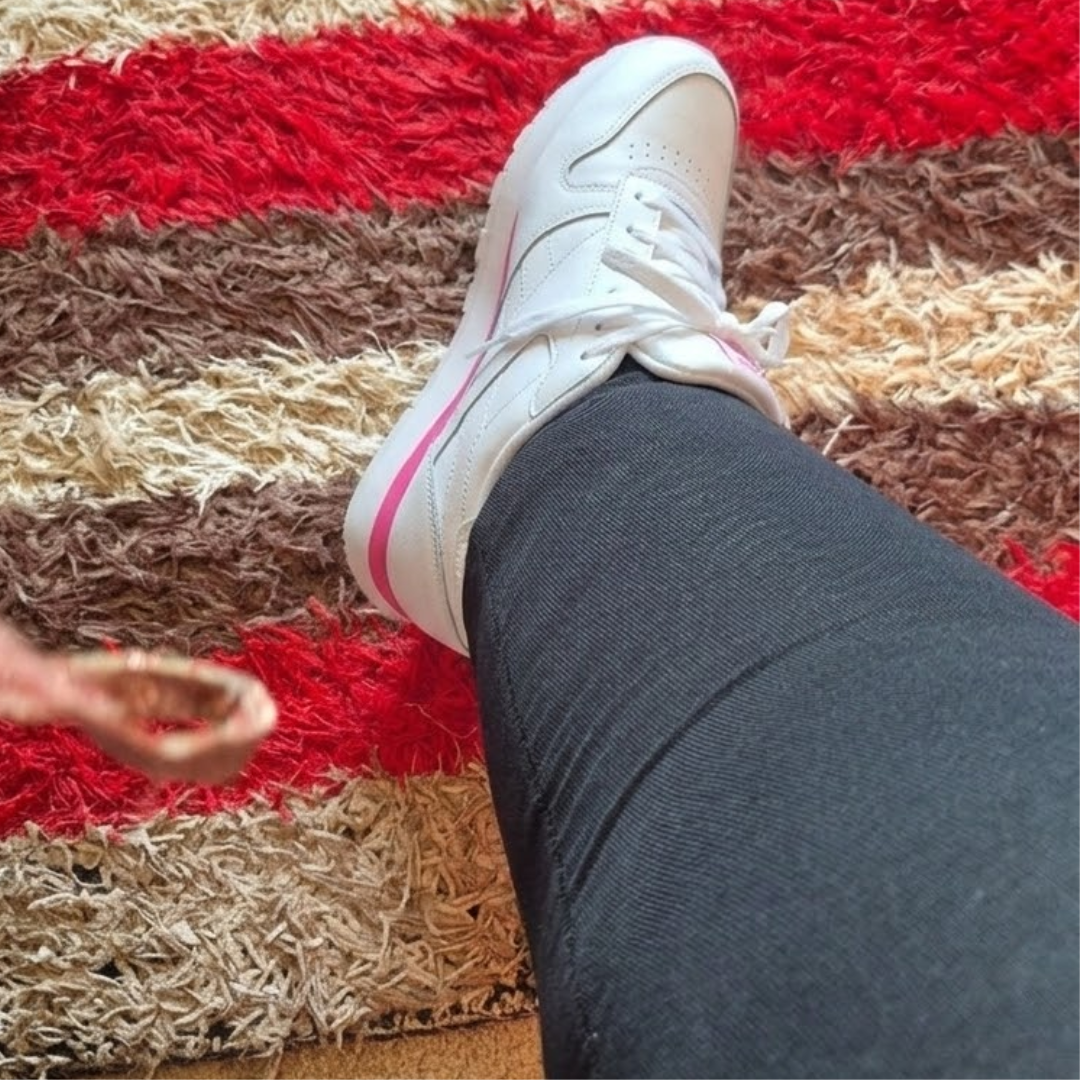
Ran for 29 days, from March 7 to April 5, 2026, the last day Crush saw it.
Run by Edema Care Tips on Facebook. Crush is not the advertiser and does not verify its claims. See this ad in Meta's Ad Library(opens in a new tab)
Want an ad like this for your product?
Crush makes new ad images for your product from this ad: your logo, your product photo, your offer.
Trials from $19.95 USD, then $79.95 USD a month. Cancel anytime.
About this ad
- Meta Ad Library ID
- 1246583510317419
- Platforms
- Facebook, Instagram, Messenger and Threads
- Relaunches
- 0
Ad text
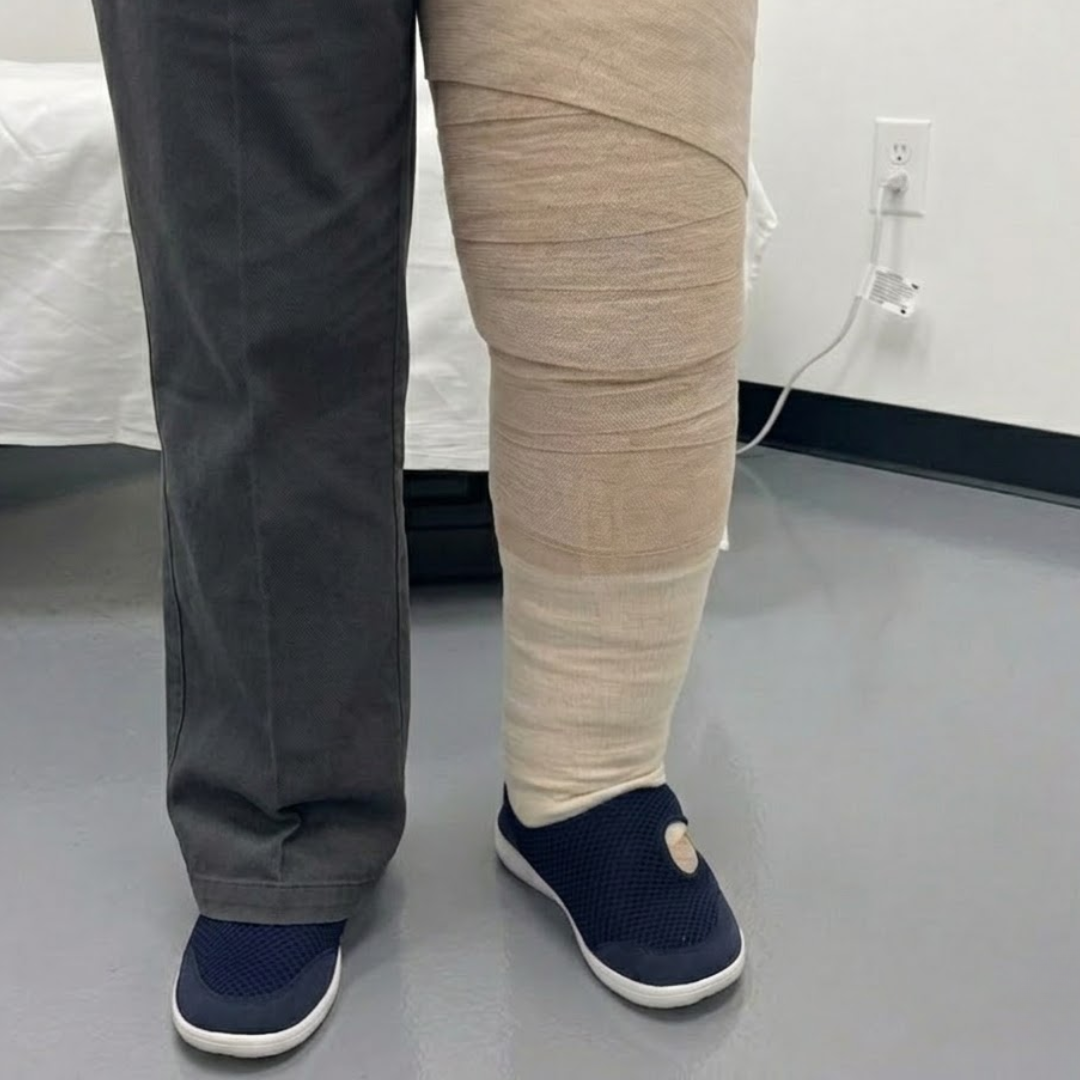
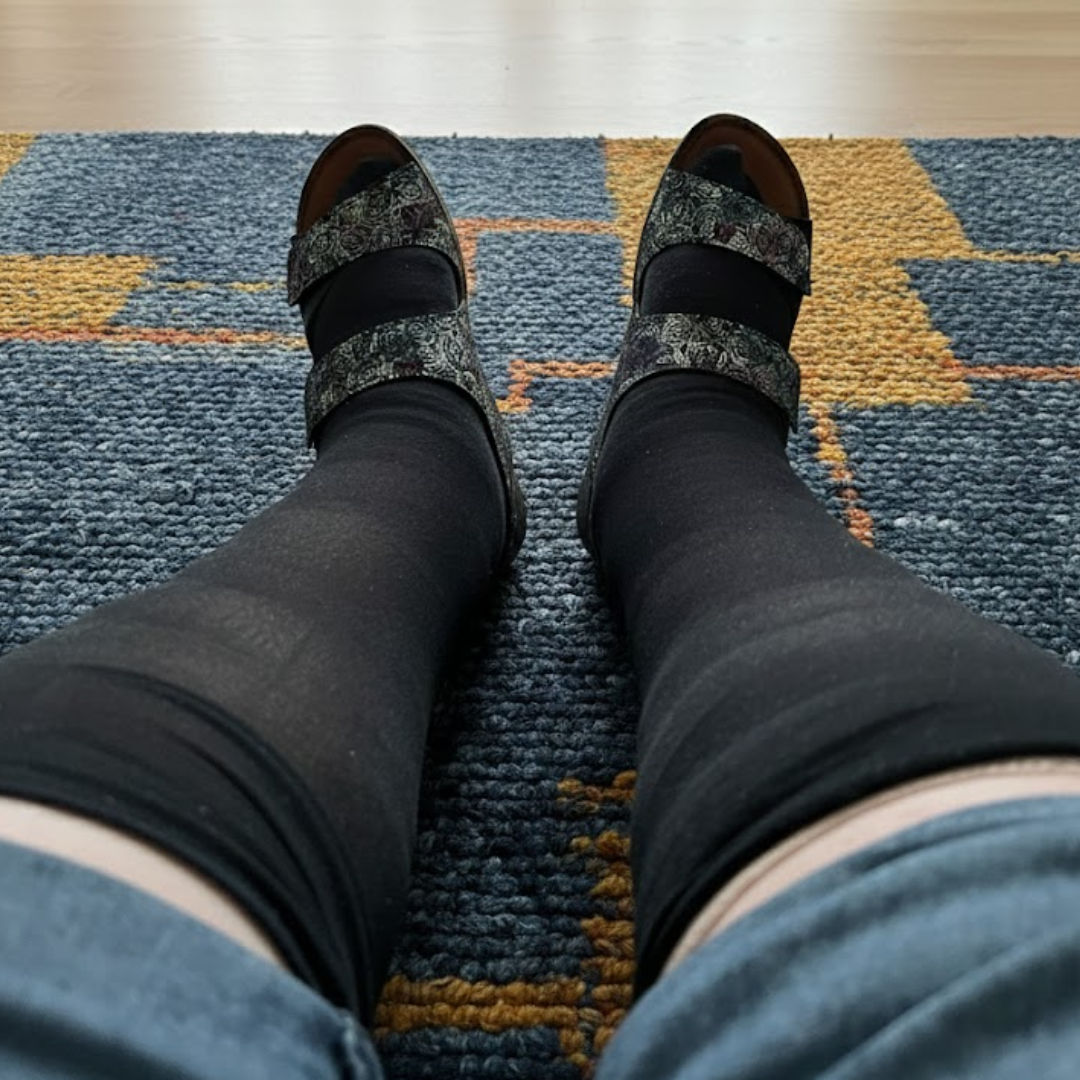
I almost didn't post this. My daughter said, "Mom, other women need to hear this." She's probably right. I cried in a shoe store last April. Sat right down on that little bench, held a pair of white sneakers in my lap, and just... broke. They were a size 8. My size for forty years. And they wouldn't go past my toes. The salesgirl didn't know what to do. My daughter rubbed my back and said, "We'll find something, Mom." But I didn't want wide-width Velcro sandals. I didn't want men's slip-ons two sizes too big. I didn't want shoes that didn't match a single outfit in my closet. I wanted MY shoes. The ones I'd worn my entire adult life. The ones that fit six months ago. My name is Barbara. I'm 67. I'm a retired nurse — 32 years on hospital floors, most of it on my feet. And for the last three years, the swelling in my legs and feet has been slowly stealing things from me. First it stole my comfort. Then my sleep. Then my shoes. That last one broke me in a way I didn't expect. It sounds silly when I say it out loud. "I cried over shoes." But it wasn't about shoes. It was about one more thing my body was taking away. One more thing I had to surrender. One more morning standing in my closet realizing nothing fits and nowhere feels easy anymore. Every woman in my lymphedema support group knows this feeling. Every single one. We talk about the swelling. We talk about the pain. But nobody talks about standing in your closet at 7 AM looking at two dozen pairs of shoes you can't wear. Putting on the same stretched-out slides for the fourth day in a row because they're all that fit. Nobody talks about skipping your granddaughter's recital because you can't find shoes that look appropriate and fit at the same time. Or wearing sneakers to your nephew's wedding because the swelling was so bad that morning you couldn't zip a boot or buckle a strap. I started buying shoes a size and a half bigger. Then two sizes bigger. Then I stopped buying shoes altogether. Because what was the point? Let me back up. I spent my career on hospital floors. Thirty-two years. Twelve-hour shifts. I knew what tired legs felt like. Every nurse does. You finish a shift, put your feet up, and an hour later the puffiness goes down. Normal. That's what I expected when I retired. Rest. Recovery. My body finally catching a break. Instead, my ankles stopped going down. Three years ago. I woke up one morning and pressed my thumb into my shin. The dent stayed for almost a minute. I knew exactly what that meant. I'd pressed a thousand shins in my career. Pitting edema. The kind that doesn't go away with a nap. My doctor diagnosed me with lymphedema. I knew the word. I'd treated lymphedema patients for decades. Wrapped their legs. Measured their limbs. Explained the science in simple language so they wouldn't be scared. Here's the science, if you don't already know it: Your lymphatic system is a drainage network that clears fluid from your tissues. But unlike your heart — which pumps blood automatically — your lymphatic system has no pump at all. None. It depends entirely on your muscles contracting to squeeze lymph fluid through tiny one-way vessels. When you walk, your calf muscles squeeze those vessels. Fluid moves. Swelling goes down. But when your legs hurt too much to walk, the pump stops. Fluid collects. Your ankles swell. Your feet swell. Your shoes don't fit. And the less you move, the worse it gets. And the worse it gets, the less you move. I'd explained that cycle to patients for thirty-two years. Now I was living inside it. And knowing the science doesn't make the shoe store any less humiliating. I did everything I was supposed to. Everything I'd told my own patients to do. Manual lymphatic drainage massage. Twice a week. $175 a session. I drove 35 minutes each way to the only certified therapist near me. Compression stockings every single day from 6 AM to bedtime. Replaced every three months at $200 a pair. Elevation every evening — three pillows under my legs while I watched television. Anti-inflammatory diet. Low sodium. Fish oil. Diosmin. Horse chestnut extract. I followed the exact protocol I'd spent my career teaching others. And after two years and $14,000, my feet were still too swollen to fit into a regular shoe by noon. The massage helped — for about 18 hours. Then the fluid rushed right back in like I'd never gone. The compression held things in place while I wore it, but the second I peeled those stockings off at night, my legs ballooned. Every single time. Like holding a dam with your hands and then letting go. I was managing. Not improving. Just holding the line. And the line kept moving. The worst part wasn't the money. Wasn't even the pain. It was getting dressed every morning. I'd stand in my closet looking at shoes I used to wear. Loafers I wore to church. Walking shoes for the farmers' market. White sneakers for the yard. All sitting there. Useless. Like a museum of the woman I used to be. My daughter invited me to a birthday luncheon last spring. Somewhere nice. I said yes. Then spent two days dreading it. Not because of the restaurant. Because of the shoes. The morning of the lunch, I tried four pairs. Nothing fit. I sat on my bed and called my daughter and told her I wasn't feeling well. I was feeling fine. I just couldn't find shoes. That's when I knew something had to change. Not the management. Not the routine. Something had to actually move the needle. My friend Ruthie — a nurse I worked with for twenty years — called me one evening in October. She'd found a study. Published in the American Journal of Physiology. Stewart et al. New York Medical College. I knew the journal. But I'd never seen this paper. Researchers tested plantar vibration — vibration applied to the soles of the feet — and measured its effects on blood flow and edema resistance. The results stopped me cold. Calf blood flow increased by 30%. Pelvic blood flow increased by 26%. Thoracic blood flow increased by 20%. The pressure threshold for edema formation increased from 25 mmHg to 35 mmHg when standing — a 40% increase in the body's resistance to swelling. From vibration. Applied to the feet. While subjects were completely still. I read it three times. Then Ruthie sent me two more. Wong et al. from Florida State University — whole body vibration increased nitric oxide production, reducing arterial stiffness and blood pressure. Schneider 2020 from Germany — patients who combined vibration with manual lymphatic drainage saw results 99% better than manual lymphatic drainage alone. Three independent research teams. Three countries. Three journals. All finding the same thing: Vibration activates the skeletal muscle pump. The pump my lymphatic system doesn't have. The pump I'd been paying $175 twice a week to rent from a massage therapist for two years. I sat at my kitchen table staring at my phone. Thirty-two years in medicine. Thousands of patients. And I had never once looked at whole body vibration research. Because vibration plates were fitness gadgets. Infomercial things. Something I'd see scrolling past on my phone and roll my eyes at. I dismissed them without reading a single study. That's on me. Ruthie told me she'd already ordered one for herself. A VibratingWell Harmonic Vibration Plate. $189. Thirty-day money-back guarantee. I said, "Ruthie, that's less than one massage session." She said, "I know. That's why I'm calling you." It arrived on a Thursday. Small. Flat. Black platform with a textured surface — shiatsu acupressure nodules across the top. Came with a wireless remote and resistance bands. I set it next to my recliner. Sat down. Slid my feet onto it. Hit the remote to speed 8. The vibration was gentle. A low hum. I could feel it immediately in my calves — not harsh, not jarring. A rhythmic pulse. Tingling. Then warmth spreading upward from my feet to my knees. As a nurse, I knew exactly what I was feeling. Involuntary muscle contractions. The calf muscle pump. The same mechanism as walking — except I wasn't walking. I wasn't moving at all. I was sitting in my recliner watching Wheel of Fortune. I did 10 minutes and turned it off. That night, I looked at my ankles. And I saw bone. Not perfect. Not dramatic. But the outline of my ankle bone — the medial malleolus, if you want the medical term — where there had been nothing but smooth, swollen flesh for three years. I pressed my thumb into my shin. The dent filled back in within seconds. Not a minute. Seconds. I didn't tell my husband. I'd been disappointed too many times. Day 3: I reached for my regular sneakers out of habit. The white ones. Size 8. I wasn't even thinking about it. I slid my right foot in. Then my left. They went on. Snug — but on. I stood in my closet staring at my own feet like they belonged to someone else. Day 5: I used the plate morning and evening. 10 minutes each. By mid-afternoon, my feet felt lighter than they usually felt at 7 AM. Day 7: I wore those sneakers to the grocery store. Walked every aisle. My husband said, "You're not limping." I hadn't even noticed. Day 14: I went to my Thursday massage. My therapist measured my legs and feet. She looked at the tape measure twice. "Barbara, what are you doing differently? These are the best numbers I've seen since you started." I told her about the plate. About the Stewart study. She said, "I've been reading about vibration for my patients. Keep going." Day 21: I skipped my Tuesday massage. First time in two years. Not because of money. Because I didn't need it. My feet were staying down. Day 28: I cancelled both weekly massage appointments. Day 30: I went to the shoe store. The same store. The same bench I'd cried on five months earlier. I picked up a pair of walking shoes. Size 8. Slid them on. Both feet. Left and right. They fit. I bought them. And a pair of loafers. And a pair of slip-on sneakers for the garden. Three pairs. In my actual size. On the same afternoon. The cashier probably thought I was strange, buying three pairs at once with tears rolling down my face. I didn't care. That was four months ago. I use the plate every single day. Morning and evening. 10 minutes each. Sitting in my recliner. Feet on the plate. Remote in my hand. My compression stockings slide on in 5 minutes now — not 20. My shoes — my real shoes — fit at 8 PM, not just at 7 AM. I went to my granddaughter's spring concert in a pair of navy flats I hadn't worn in two years. Wore them all evening. My daughter looked down at my feet and said, "Mom. Those are cute." She has no idea how much those three words meant. My son called last Sunday. "Mom, you sound like yourself again." I said, "I feel like myself." I hadn't realized how much of me had disappeared. Not just under the swelling — under the weight of managing it. Two hours a day of compression rituals, elevation, massage appointments. My whole identity had become "lymphedema patient." The plate didn't cure my lymphedema. I want to be very clear about that. As a nurse, I would never claim a cure. There is no cure. But it gave me back my pump. The one my lymphatic system was born without. The one I'd been paying $175 twice a week to rent from a therapist. And the pump gave me back my shoes. And my shoes gave me back a piece of my life I thought was gone for good. Now I own it. It sits next to my recliner. And it cost less than a single massage appointment. Now. Before you go looking for a vibration plate, I need to warn you. As a nurse, I need to warn you. Most of the ones on Amazon are garbage. I know because after my results, I did what any nurse would do — I researched every plate on the market. Read the specs. Compared the features. Read hundreds of reviews. Here's what I found: Most vibration plates are built for fitness. Designed for young people doing squats in their garage — not for a 67-year-old woman with lymphedema trying to get her shoes to fit again. Flat, featureless surfaces. No acupressure. No pain relief — just raw vibration on plastic. 10-20 speed settings. For lymphedema, you need to start extremely gentle. The VibratingWell has 99 speeds. That's the difference between a dimmer switch and an on/off switch. Remote controls that break within weeks. The number one complaint across every brand on Amazon. They don't include circulation bands for upper body drainage. They don't include a condition-specific usage guide. And nobody behind those brands has ever read the Stewart study, the Wong study, or the Schneider study. I guarantee it. The VibratingWell Harmonic Vibration Plate was built from the clinical research. Not from a fitness trend. Not from a TikTok video. From published, peer-reviewed science. 99 speed settings — gentle enough for day one, strong enough for month six. Shiatsu acupressure surface — dual benefit: vibration for drainage plus pressure point relief for pain. Wireless remote — control everything from your chair. No bending. No reaching. Circulation support bands — engage your upper body for full-body lymphatic activation. 265 lb capacity — built for real bodies. Lymphatic drainage guide included — exact protocols, recommended settings, exercises. That's why it works. And that's why the cheap ones don't. I bought one for myself. Then one for Ruthie's sister — she has edema in both legs from decades of standing as a restaurant server. Three weeks later she sent me a photo. Her feet in a pair of canvas sneakers. The message said: "First time in 14 months." That's what chronic swelling does. It creeps up so slowly you forget what normal feels like. You stop trying shoes on. You shrink your closet and then you shrink your life. The VibratingWell plate sells out constantly. Every time someone shares their results in a support group or a therapist mentions it to a patient, inventory disappears for weeks. A woman in my online group tried to order one last month. Sold out. By the time it came back in stock, she'd developed a skin infection from the fluid buildup and spent four days in the hospital. She messaged me: "I should have ordered it the first time." I don't want that to be you. If you're reading this and it's in stock — get it. Don't think "I'll do it later." Because lymphedema doesn't wait. One month it's your ankles. Then your calves. Then your shoes don't fit. Then the skin starts breaking down. It's progressive. And every day without a pump is a day the fluid wins. I got my second chance. Not everyone does. The VibratingWell Harmonic Vibration Plate comes with a 30-day money-back guarantee. If you don't feel lighter, less swollen legs within 30 days, send it back for a full refund. But I don't think you'll send it back. Because I felt it. Ruthie felt it. Her sister felt it. You deserve to open your closet and have choices. You deserve shoes that match your outfit. You deserve to walk into a store and leave with something you love — not leave in tears. Get it now. While it's in stock. While your feet can still feel the difference. 👉 https://www.vibratingwell.com/lymph-shoes-adv — Barbara M., RN (Retired) 32 years in nursing. 3 years fighting lymphedema. And a woman who wishes she'd found the Stewart study before she spent $14,000 and lost two closets full of shoes she'll never wear again.
Where the ad sends people
vibratingwell.com
She Couldn't Fit Her Shoes For 3 Years
VibratingWell
Learn more: vibratingwell.com(opens in a new tab)