Edema Care Tips
Edema Care Tips Facebook ad: “The Compression Garment Lie Every Lymphedema Sufferer…”
Ran for 29 days, from March 7 to April 5, 2026, the last day Crush saw it.
Run by Edema Care Tips on Facebook. Crush is not the advertiser and does not verify its claims. See this ad in Meta's Ad Library(opens in a new tab)
Want an ad like this for your product?
Crush makes new ad images for your product from this ad: your logo, your product photo, your offer.
Trials from $19.95 USD, then $79.95 USD a month. Cancel anytime.
About this ad
- Meta Ad Library ID
- 2004423487086990
- Platforms
- Facebook, Instagram, Messenger and Threads
- Relaunches
- 0
Ad text
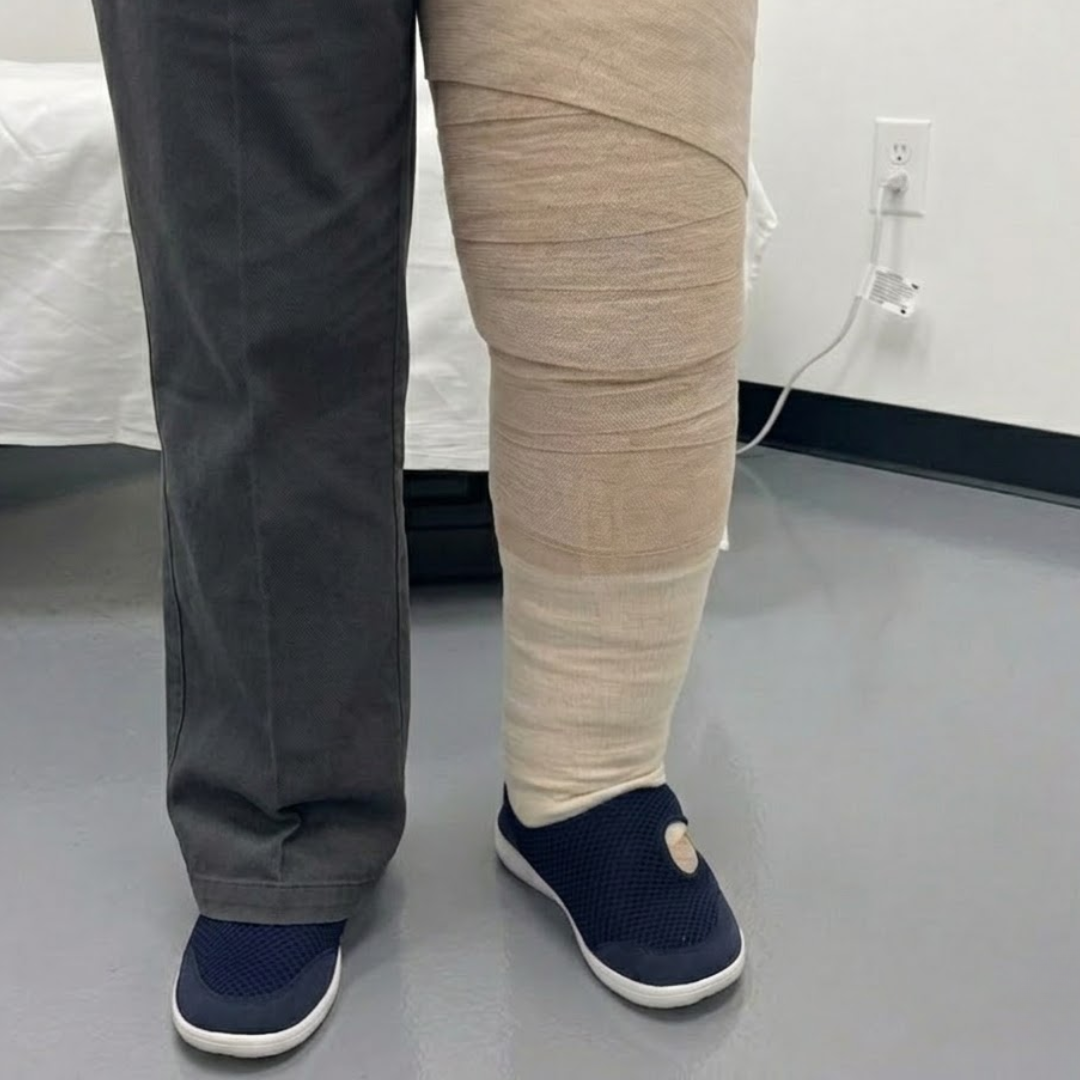
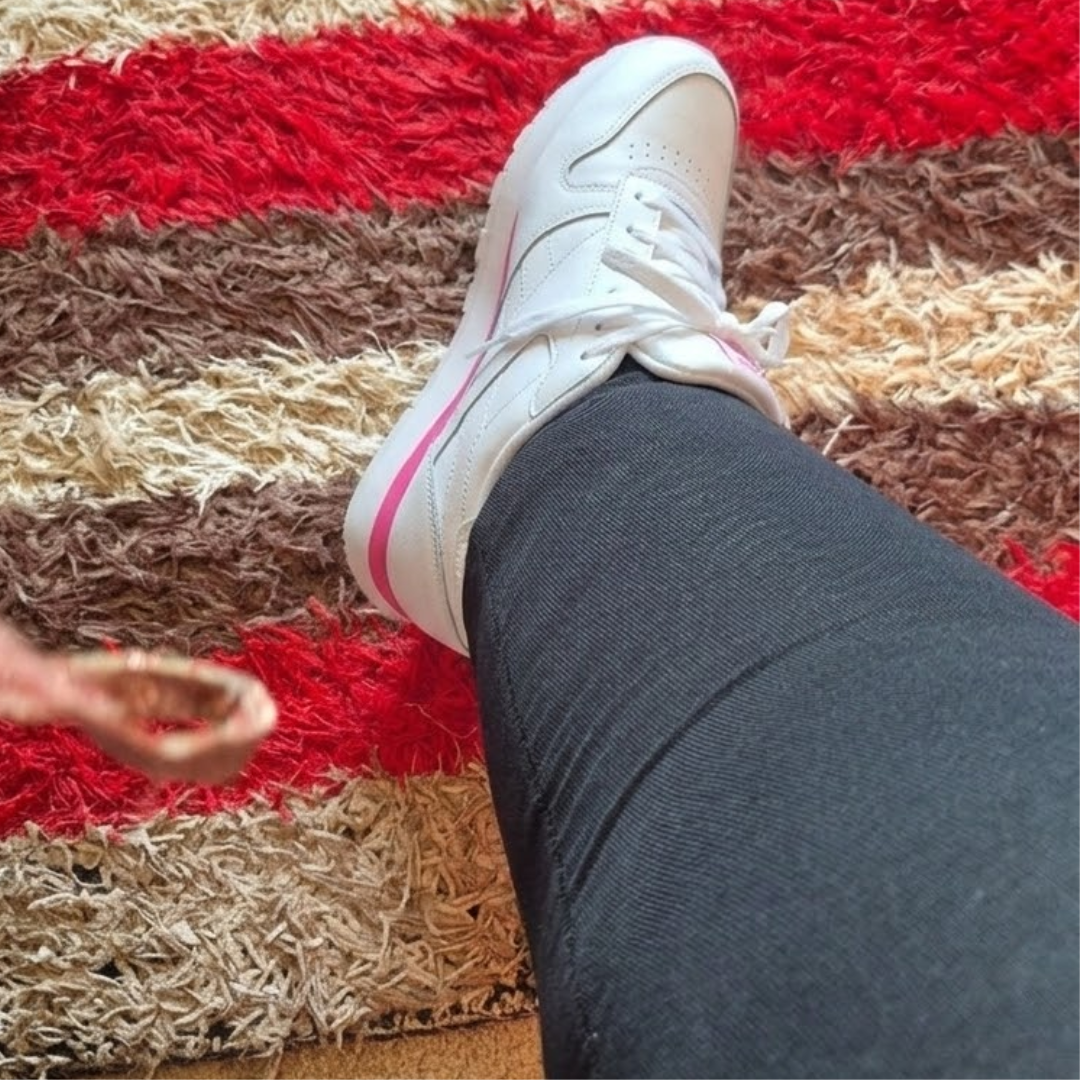
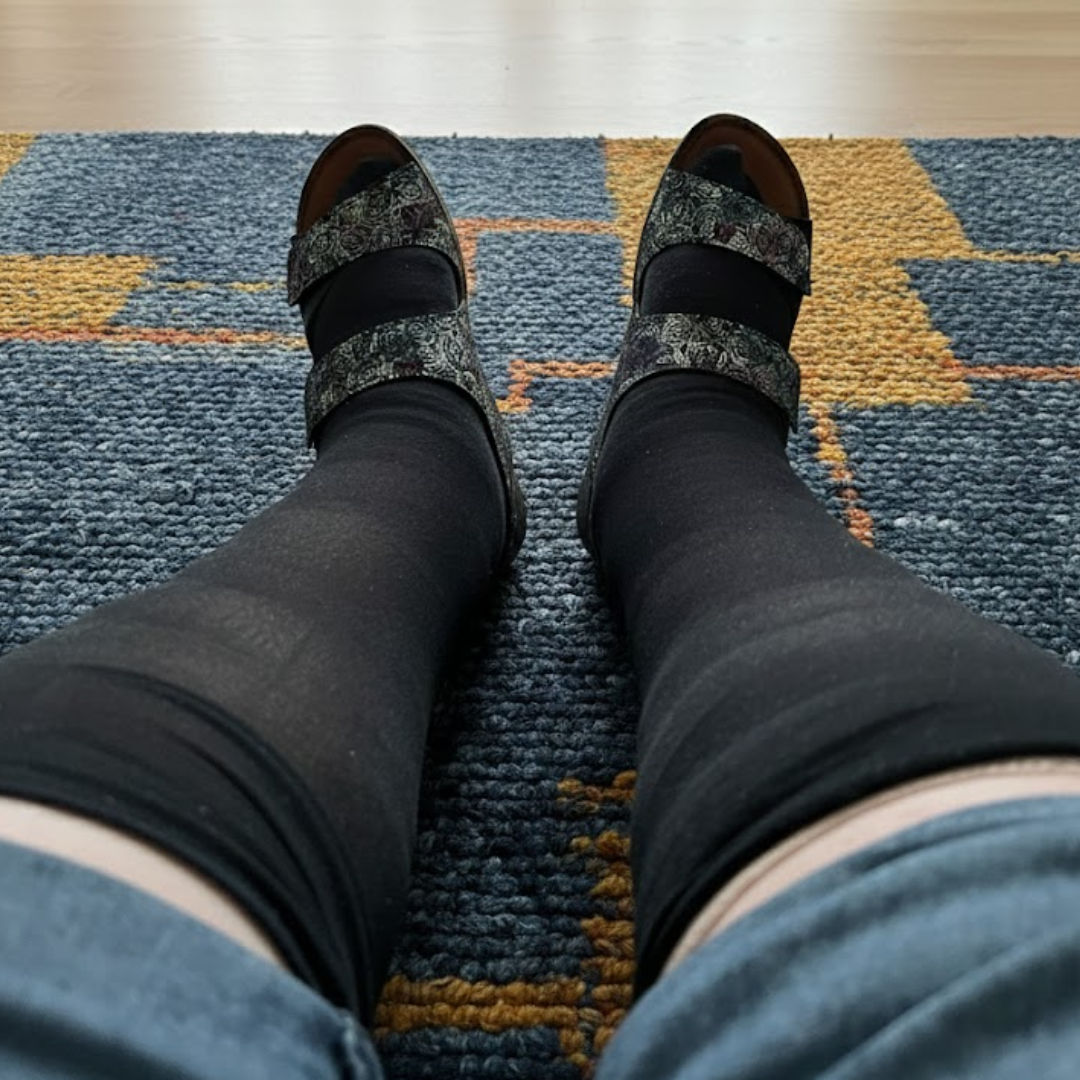
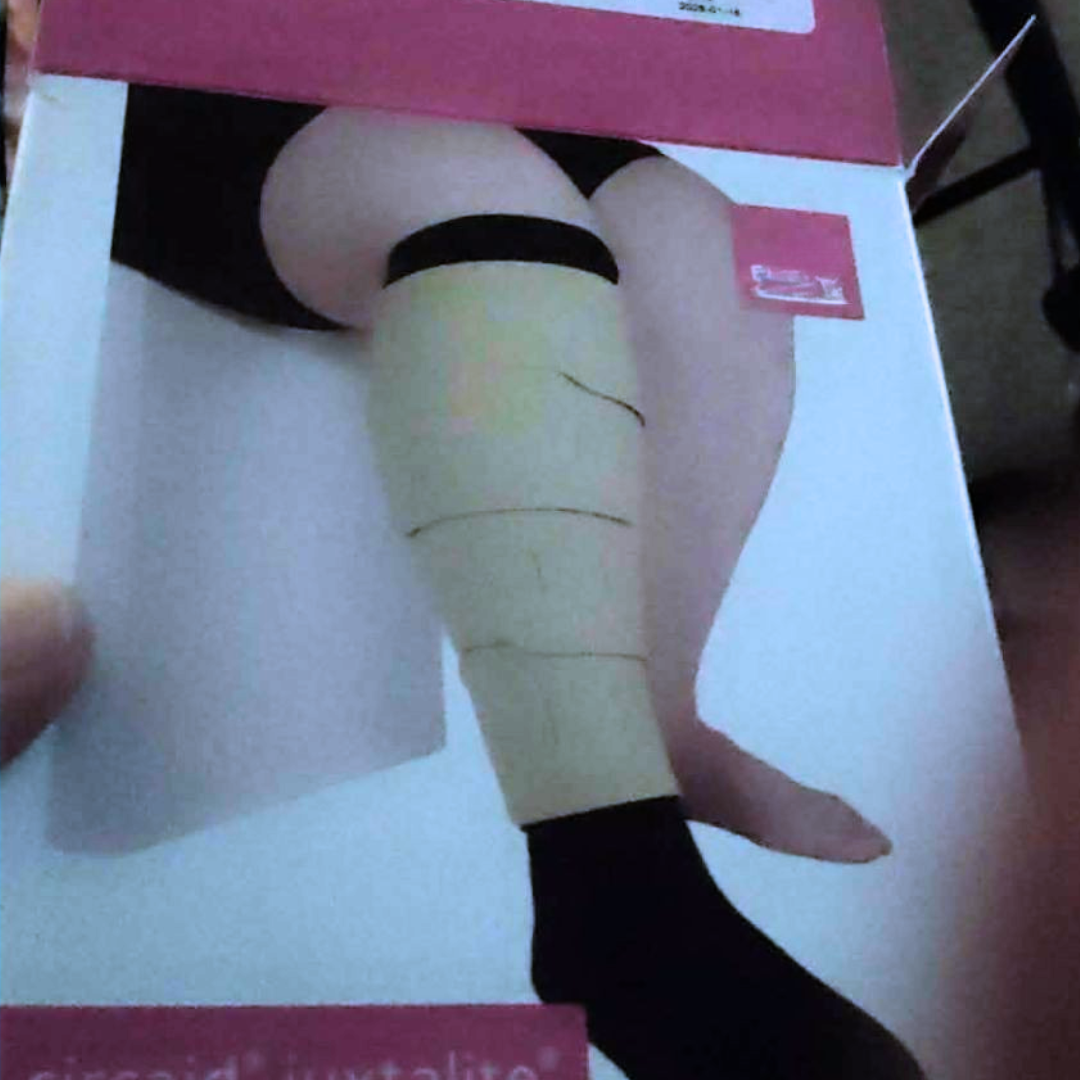
I told my daughter I wasn't going to share this. She said, "Mom, there's a woman out there right now crying in her bathroom trying to get those things on her legs. She needs to hear this." So here I am. I spent 37 years as a registered nurse. I retired at 66. And for the last five years, the thing that has caused me more frustration, more tears, and more loss of dignity than anything else in my life — including three decades of 12-hour hospital shifts — is a pair of compression garments. My name is Barbara. I'm 71. And I have lymphedema in both legs. I was diagnosed six years ago. My doctor pressed his thumb into my shin, watched the dent stay, and said the words I'd said to hundreds of my own patients over the years: "You need compression." I knew exactly what that meant. I'd fitted compression stockings on patients for three decades. I knew the brands. I knew the pressure classes. I knew how to measure and size them properly. What I didn't know — what nobody tells you — is what it feels like when compression garments become your life. Let me tell you what my mornings looked like for the last five years. 5:45 AM. Alarm goes off. Not because I have somewhere to be. I'm retired. The alarm goes off because it takes me 35 to 40 minutes to get my compression garments on, and if I don't start before the swelling gets worse from being upright, it takes even longer. I sit on the edge of the bed. I reach for the stockings on my nightstand. Medical-grade, 30-40 mmHg, knee-high. The kind that cost $185 a pair and need replacing every three to four months because the elastic wears out. I take a breath. Then I begin the wrestling match. If you don't have lymphedema, let me explain what putting on compression stockings feels like when your legs are swollen. Imagine trying to pull a latex glove over a wet balloon. Now imagine that balloon is your calf. And the glove is fighting you every inch of the way. I pull. I tug. I bunch the fabric at my ankle and try to inch it up over the swelling. My fingers cramp. My wrists ache — I have arthritis in both hands now, and gripping that tight elastic fabric at 6 AM with stiff fingers is its own form of torture. Some mornings I'd get the stocking halfway up and it would snap back down. And I'd sit there, 71 years old, out of breath, legs throbbing, wanting to cry. And some mornings I did cry. The worst part was the mornings I couldn't get them on at all. I'd have to call my husband, Richard, in from the kitchen. He'd get down on his knees in front of me and pull those stockings up my calves while I held onto the headboard. A 73-year-old man with a bad back, kneeling on the floor, wrestling medical garments onto his wife's swollen legs before his first cup of coffee. That's not a marriage. That's a medical procedure. There were mornings I saw the look on his face. Not annoyance — Richard would never show that. Worry. Sadness. Helplessness. The look of a man watching his wife lose a piece of herself every single morning and not being able to fix it. I hated needing him for this. I hated that the woman who spent 37 years taking care of other people couldn't take care of herself. I hated that the first thing I felt every morning wasn't the warmth of a new day but the cold, tight squeeze of elastic fabric that I needed just to keep my legs from ballooning. And the garments were just the beginning of the problems. By 10 AM, they'd start sliding down. The elastic would bunch at my ankles, cutting into the swelling. I'd have to pull them up every hour. My daughter bought me one of those donning devices — a metal frame you stretch the stocking over and slide your foot into. It helped getting them on. It did nothing for keeping them up. By noon, my legs were sweating under the compression. In the summer, it was unbearable. I live in Georgia. July and August with compression stockings on both legs felt like wrapping your calves in saran wrap and sitting in a sauna. My skin would get red, irritated, raw. I developed a rash behind my knee from the moisture being trapped under the garment. My dermatologist said it was contact dermatitis. Her solution? "Try a different brand." I tried them all. Jobst. Sigvaris. Juzo. Medi. The flat-knit ones. The circular-knit ones. The ones with the silicone grip bands at the top. The open-toe ones. The closed-toe ones. The "easy-on" ones that weren't easy at all. $185. $210. $265 for the custom-measured pair my therapist ordered. Every three to four months, the elastic wore out and I'd need new ones. That's $800 to $1,200 a year just in garments. And that's if I only had one pair. My therapist said I needed two — one to wear, one to wash. Double the cost. Then there was the Velcro wrap my specialist ordered. Circaid brand. $350. It was supposed to be easier than stockings. And it was — for about two months. Then the Velcro started losing its grip. I called the company. The woman on the phone said Velcro wears out with repeated use and they recommend replacing the wraps every six months. My insurance only covered replacements once a year. So I'd spend the second half of each year wearing wraps that wouldn't stay up, sliding down my legs every time I stood up. I'd be at the grocery store, reaching for something on a shelf, and feel the wrap sliding down my calf under my pants. I'd have to find a bathroom and readjust. Or just go home. Going home became easier than going anywhere. I stopped wearing skirts. Stopped wearing capris. Even in the Georgia heat, I wore long pants to cover the garments. Because the looks — the looks are something nobody prepares you for. People stare. At the grocery store, at church, at my granddaughter's school play. They see the bulky fabric under your clothes, or the Velcro edges poking out at your ankle, and they stare. Some of them look away quickly, like they've seen something they shouldn't have. Some of them ask questions. "What happened to your leg?" "Did you have surgery?" One woman at my church told me I should "try walking more." She meant well. But when you have lymphedema and you've spent $38,000 in five years on compression garments, massage therapy, a pneumatic pump, and specialist copays — hearing "try walking more" from someone who doesn't know the first thing about your lymphatic system feels like a slap. I'd smile. I'd say "thank you." And I'd go home and take those garments off at 8 PM and feel the fluid rush back into my legs like a dam breaking. Every single night. Like clockwork. Because here's the thing nobody told me — the thing that, as a nurse, I should have understood sooner: Compression garments don't drain anything. They hold fluid in place. They squeeze your tissues to prevent MORE fluid from accumulating. But the moment you take them off — and you have to take them off, to sleep, to shower, to give your skin a break from the irritation — the swelling comes right back. I'd explained this mechanism to patients hundreds of times in my career. The lymphatic system has no pump. Unlike your heart, which pushes blood through your veins, your lymphatic system relies entirely on your muscles contracting to squeeze fluid through those tiny one-way vessels. Walking, moving, the mechanical action of muscles compressing lymphatic channels — that's the only pump you have. Compression garments don't activate that pump. They just apply external pressure. It's management. It's containment. It's a tourniquet on a problem that needs a pump. And I wore them every day for five years. Fourteen hours a day. Crying in the morning getting them on. Sweating through the afternoon. Readjusting every hour. Hiding them under pants. Needing my husband's help like a child who can't dress herself. Five years. And my legs were still swelling every single day the moment those garments came off. My daughter lives in Portland. She calls every Saturday. About six months ago, she could hear it in my voice. "Mom. You sound defeated." "I'm just tired, honey." "You're not tired. You're miserable. And you've been miserable for a year and you won't admit it." I told her everything. The mornings with the stockings. The Velcro that wouldn't hold. The looks at church. Richard on his knees every morning. The $800 a year in garments that only worked while I was wearing them. She listened. Then she said something that caught me off guard: "What if you didn't need them every day?" "That's not how this works. I'll need compression for the rest of my life." "What if something else could do what compression is trying to do — but better?" Three days later, she sent me a study. Published in the American Journal of Physiology. Stewart et al. New York Medical College. I knew the journal. I'd referenced studies from it in my nursing career. But I'd never seen this one. Researchers applied plantar vibration — vibration to the soles of the feet — and measured what happened to blood flow, lymphatic flow, and fluid retention. The results hit me like a freight train. Calf blood flow increased by 30%. Pelvic blood flow increased by 26%. Thoracic blood flow increased by 20%. And the body's resistance to edema formation — the pressure threshold at which swelling starts — increased by 40% when standing. From vibration. Applied to the feet. While the subjects were completely still. I read it twice. Then my daughter sent me two more. Wong et al. from Florida State — whole body vibration increased nitric oxide production, which relaxes blood vessels and improves circulation. And Schneider from Germany — patients who combined vibration therapy with manual lymphatic drainage had outcomes 99% better than manual lymphatic drainage alone. Three independent research teams. Three countries. Three peer-reviewed journals. All finding the same thing: Vibration activates the skeletal muscle pump. The pump my compression garments never touched. The pump I'd been paying to rent from a massage therapist at $175 a session, twice a week, for five years. I sat at my kitchen table and stared at my phone. 37 years in nursing. Thousands of patients fitted with compression garments. And I had never once looked at whole body vibration research. Because vibration plates were fitness gadgets. Things I'd see on infomercials and shake my head. I'd dismissed them without reading a single study. My daughter ordered me one. A VibratingWell Harmonic Vibration Plate. It arrived the following Thursday. Small. Flat. A black platform with a textured shiatsu surface — acupressure nodules across the top. Wireless remote. Resistance bands in the box. I set it next to my recliner. Sat down. Put my feet on it. Speed 8. The vibration was gentle. A low, rhythmic pulse through my calves. Tingling. Then warmth spreading upward. I knew exactly what I was feeling — involuntary muscle contractions. The same calf pump mechanism as walking. Except I was sitting in my recliner watching the evening news. 10 minutes. I turned it off. That night I looked at my ankles. I could see bone structure. The medial malleolus — the inner ankle bone. I hadn't seen that bone in three years. I pressed my thumb into my shin. The dent refilled in seconds. Not minutes. Seconds. I didn't tell Richard. I'd been let down too many times. Day 3: I put my shoes on in the morning without using a shoehorn. They just slid on. I stood in my closet staring at my feet like I was seeing a magic trick. Day 5: I used the plate morning and evening. 10 minutes each. My calves felt lighter by lunchtime than they used to feel at 7 AM with compression garments on. Day 7: Richard saw me walking from the bedroom to the kitchen without holding the wall. He looked at my ankles. "Barbara." "I know." We stood there in the kitchen, both of us with tears running down our faces. Day 10: I put my compression stockings on in 5 minutes. Not 35. The swelling was so reduced that the garments slid on like regular socks. I almost didn't believe it. Day 14: My therapist measured my legs during my regular appointment. She looked at the tape measure. Then at me. Then at the tape measure again. "These are the best numbers I've seen in two years. What changed?" I told her about the plate. She didn't dismiss it. She said, "I know the Stewart study. I've been hoping someone would make a product specifically for this. Keep going." Day 21: I skipped my compression garments entirely for one full day. Just to see. I used the plate morning and evening. By 8 PM my ankles looked better than they did after a full day IN compression garments. I sat on the edge of my bed that night and realized I hadn't asked Richard for help getting dressed in three weeks. Day 30: I wore a dress to my granddaughter's dance recital. First dress in over two years. My daughter saw me walk in and started crying before I even sat down. That was five months ago. I still own compression garments. I wear them occasionally — long flights, days when I'm on my feet for hours. But they went from being my prison warden to an occasional accessory. The plate does the actual work. The draining. The pumping. The thing compression was never designed to do. I use the VibratingWell plate every morning and every evening. 10 minutes each time. Sitting in my recliner. Feet on the plate. Remote in my hand. My mornings start at 7 now. Not 5:45. Richard doesn't kneel on the floor anymore. His back thanks him. Our marriage thanks him. I wore sandals to church last month. Nobody stared. Because there was nothing to stare at. Now. Before you search for a vibration plate, I need to tell you something. As a nurse, I have to tell you. Most of the vibration plates on Amazon are junk. After my results, I researched every plate on the market. Read the specs. Compared features. Read hundreds of reviews. Here's the truth: Most vibration plates are built for young people doing squats in their garage. Not for someone with lymphedema trying to activate a lymphatic pump while sitting in a chair. They have flat, smooth surfaces. No therapeutic benefit. No acupressure. No pain relief. They have 10 or 20 speed settings. For lymphedema, you need to start incredibly gentle — especially if your tissue is sensitive or inflamed. The VibratingWell has 99 speeds. That's the difference between a dimmer switch and a light switch. Their remotes break within weeks. It's the number one complaint across every brand. Every single one. They don't include circulation bands for upper body drainage. They don't include a lymphatic drainage guide. And nobody behind those brands has ever read the Stewart study, the Wong study, or the Schneider study. I'd bet my pension on it. The VibratingWell Harmonic Vibration Plate was built from clinical research. Not from a fitness trend. 99 speed settings — gentle enough for your first day, strong enough six months later. Shiatsu acupressure surface — vibration for drainage plus pressure point relief for pain. Wireless remote — adjust everything from your chair. Circulation support bands for upper body. 265 lb capacity. Lymphatic drainage guide included with exact protocols and recommended settings. I bought one for myself. Then one for my sister, Janet. She's had edema in both legs since her hip replacement four years ago. She'd been fighting compression garments just like me. Three weeks later she called me sobbing. "Barbara, I forgot what my ankles looked like. I can see them again." That's what chronic swelling does. It creeps so slowly you forget what normal feels like. You adjust. You compensate. You build your entire morning around getting garments on and your entire evening around taking them off. Until one day you realize that your whole life revolves around a pair of medical stockings that don't even fix the problem. The VibratingWell plate sells out regularly. Every time someone shares their results in a support group or a therapist mentions it, inventory disappears for weeks. Last month my friend Gloria tried to order one. She's 68. Lymphedema in both legs. She's been wearing Circaid wraps that fall down every time she stands up and stockings that take her 45 minutes to put on each morning by herself because she lives alone. It was sold out. Two weeks later it was back in stock, but by then she'd developed a skin breakdown on her shin from the compression garment rubbing the same spot for months. She ordered it from the hospital. Don't be Gloria. If you're reading this and it's in stock — get it. Don't think about it until next month. Lymphedema doesn't pause. It doesn't wait for you to finish researching. Every day without a pump is a day the fluid wins. And compression garments — as hard as you're fighting with them every morning — they were never the pump. The VibratingWell Harmonic Vibration Plate comes with a 30-day money-back guarantee. If you don't feel lighter legs within 30 days, return it for a full refund. But I don't think you'll return it. Because I felt it. My sister felt it. Gloria felt it from her hospital bed. Don't spend another morning at 5:45 AM wrestling with stockings. Don't ask your husband to get on his knees one more time. Don't hide your legs under pants in the Georgia heat because you're embarrassed by the bulky garments underneath. Get your pump. The one your lymphatic system needs. The one compression was never going to be. 👉 https://www.vibratingwell.com/lymph-garm-adv — Barbara T., RN (Retired). 37 years in nursing. 5 years in compression garments. And someone who wishes she'd read the Stewart study before she spent a fortune on stockings that only worked while she was wearing them.
Where the ad sends people
vibratingwell.com
The Compression Garment Lie Every Lymphedema Sufferer Believes
VibratingWell
Learn more: vibratingwell.com(opens in a new tab)