Alopecia Reset
Alopecia Reset Facebook ad: “Feel like yourself again even with thinning hair”

Ran for 26 days, from July 20 to August 15, 2026, the last day Crush saw it.
Run by Alopecia Reset on Facebook. Crush is not the advertiser and does not verify its claims. See this ad in Meta's Ad Library(opens in a new tab)
Want an ad like this for your product?
Crush makes new ad images for your product from this ad: your logo, your product photo, your offer.
Trials from $19.95 USD, then $79.95 USD a month. Cancel anytime.
About this ad
- Meta Ad Library ID
- 1253617576748697
- Platforms
- Facebook, Instagram, Audience Network, Messenger and Threads
- Relaunches
- 0
- Niche
- Hair Care
Ad text
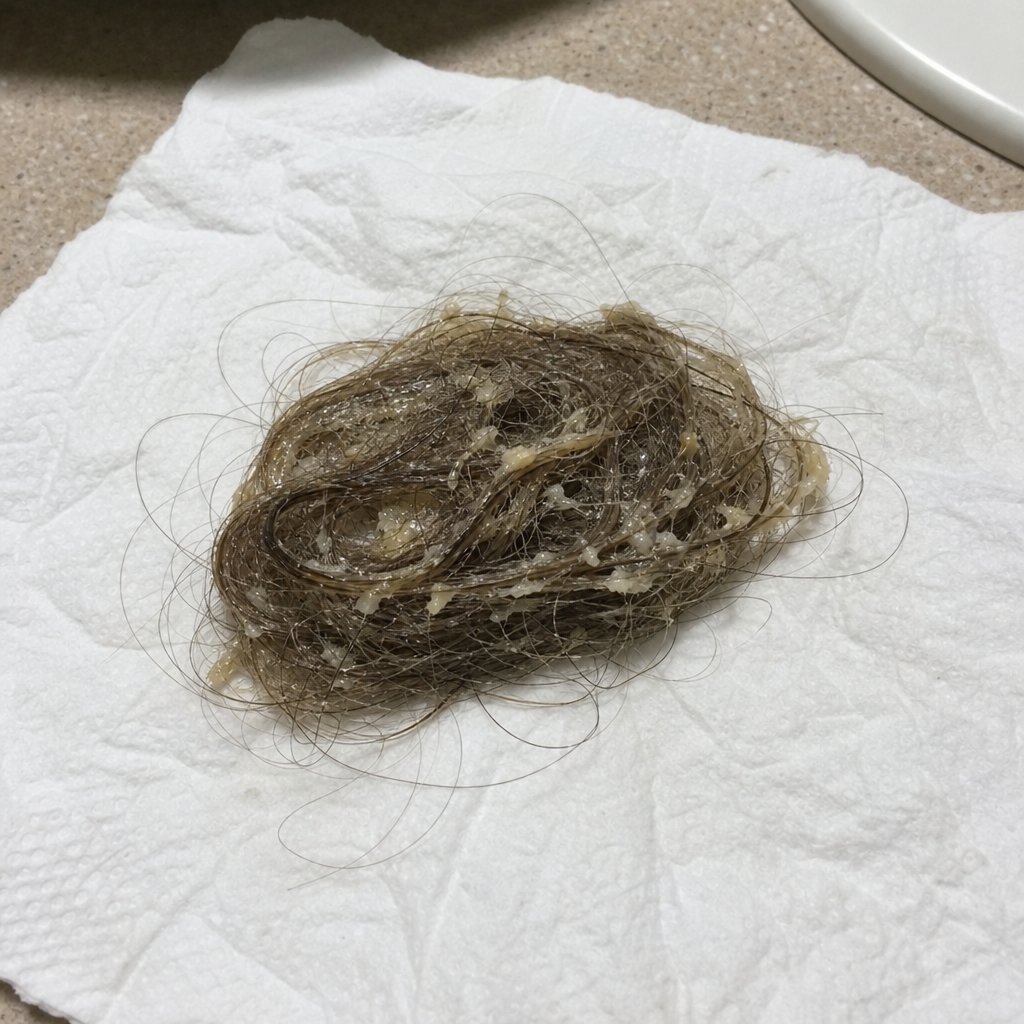
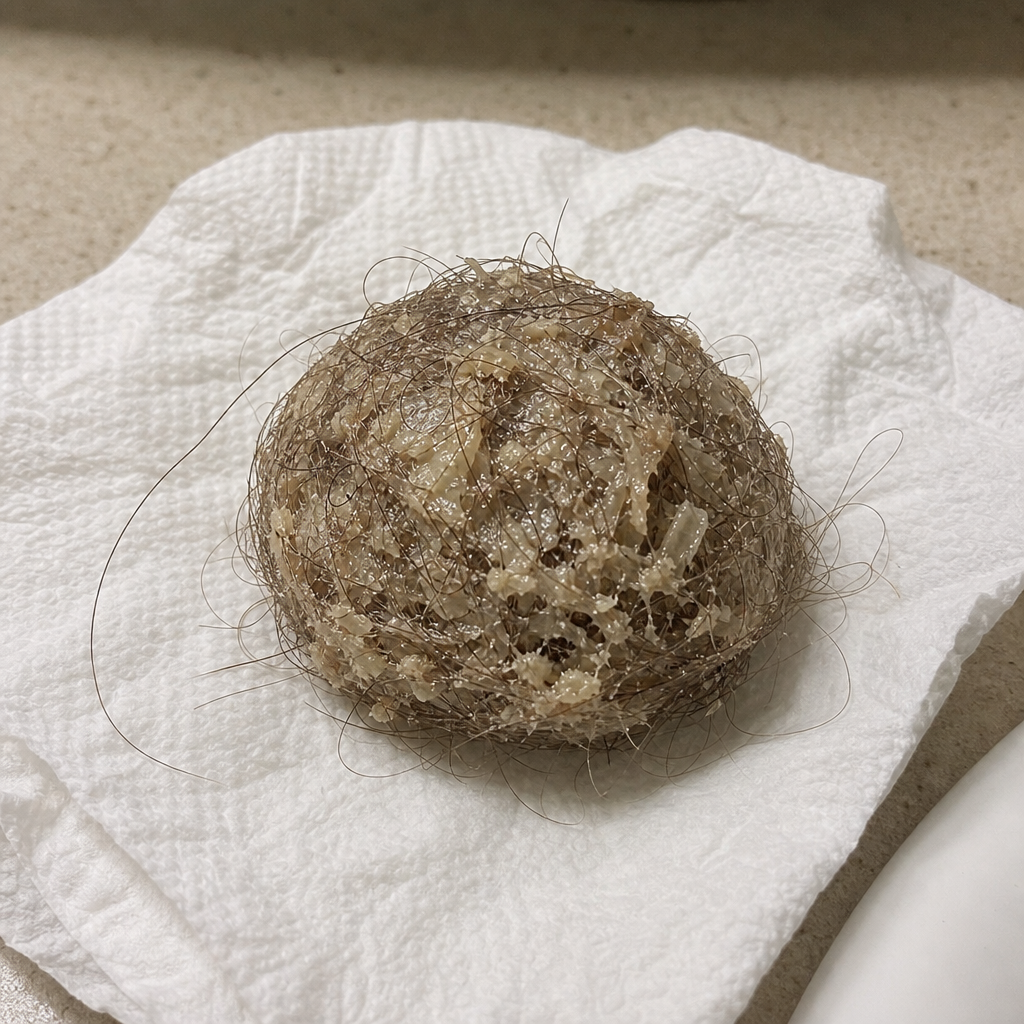
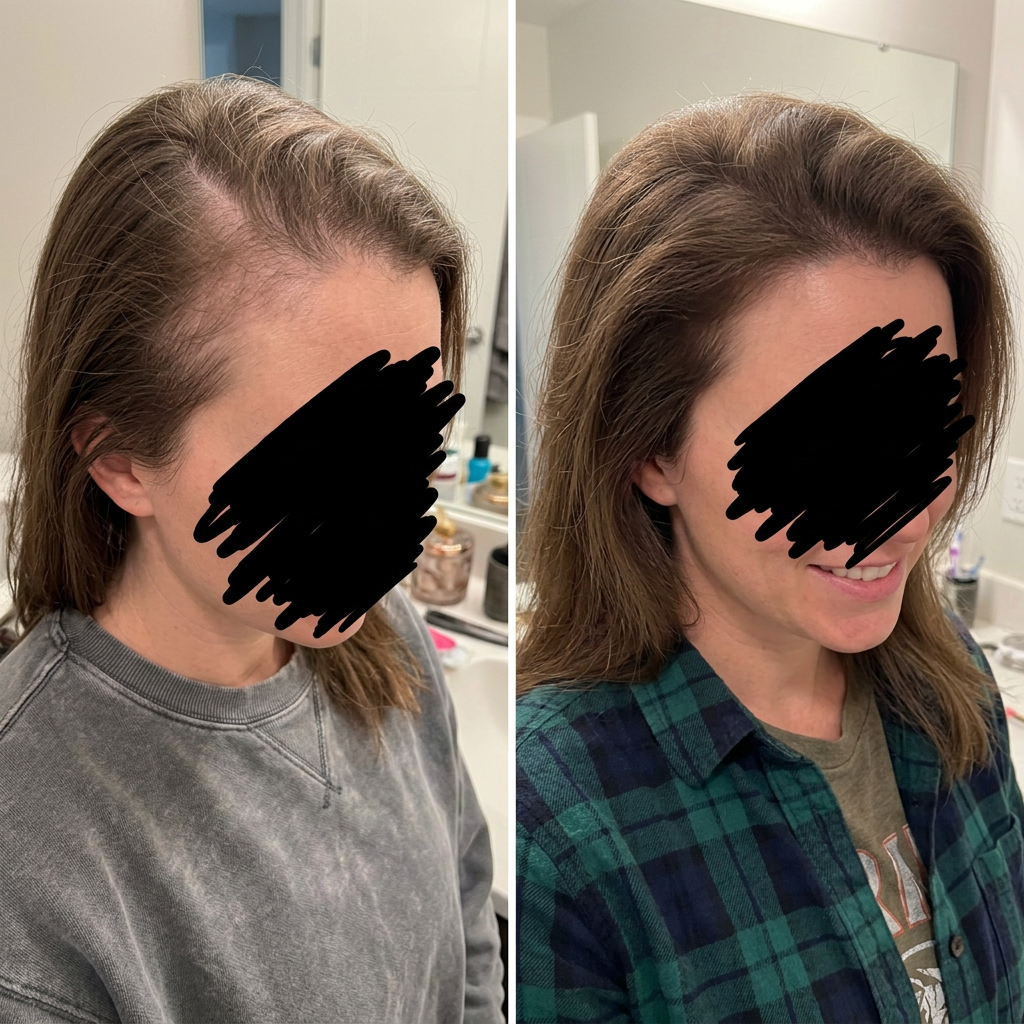
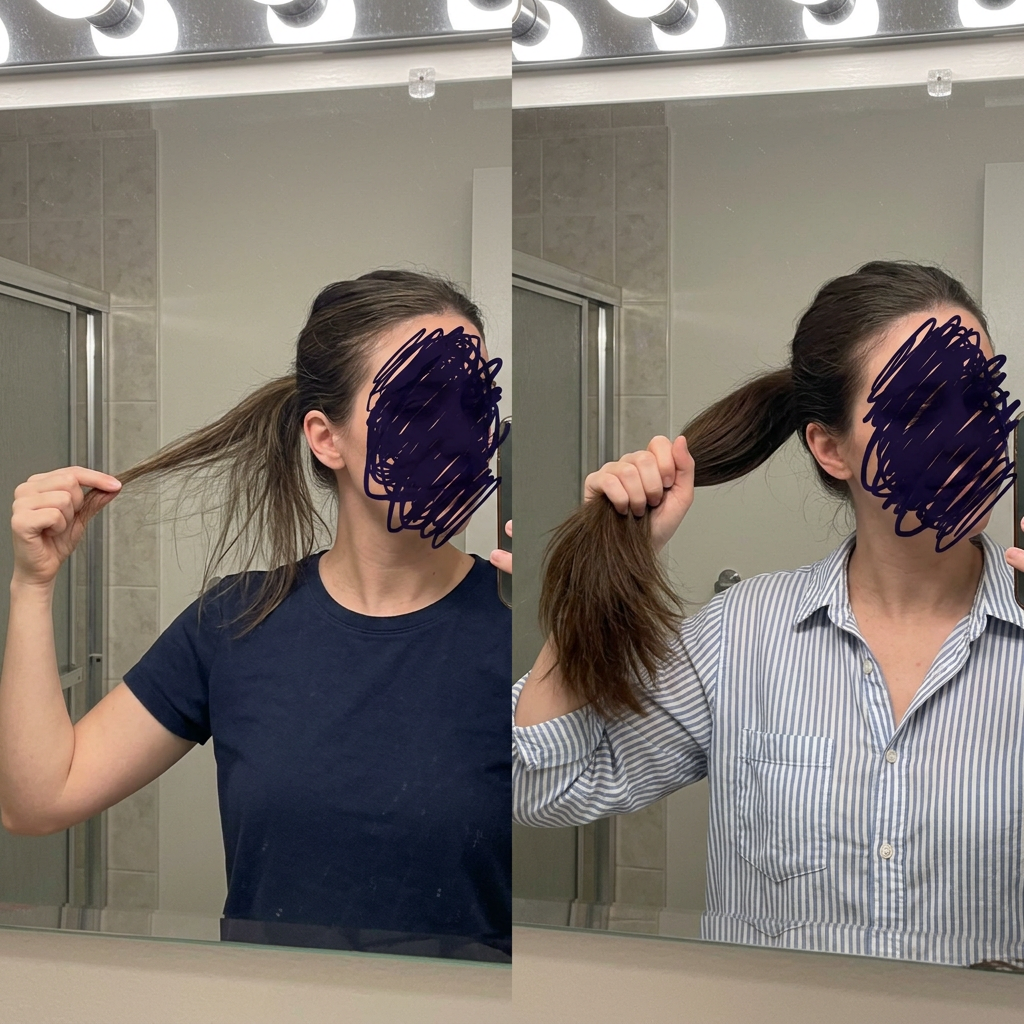
I'm a dermatologist. I've been a dermatologist for twelve years. The first thing you learn in my field is that thinning hair for women is topical. You treat the scalp from the outside. Minoxidil, foams, serums. That is the first thing every hair-loss protocol in America tells you to reach for. Then I went to Italy. The country where women keep thick hair well into their nineties. What I found there broke everything I thought I knew. Let me back up. I work at a hair clinic in the Northeast. Women come to me when their dermatologists have run out of answers. They've been on minoxidil for years. Their scalps look fine but their hair keeps falling. By the time a patient hits my office, I already know what the chart is going to say. Because it always says the same thing. Patient presents with a part that keeps widening. Doctor's notes: menopause-related. Recommend minoxidil. Try it twice a day. Patient returns. Hair all over the shower drain. Doctor's notes: telogen effluvium. Likely stress. Recommend patience. Patient returns. Scalp itching and flaking. Doctor's notes: seborrheic dermatitis. Start a medicated shampoo. Patient returns. Ponytail thin as a pencil. Doctor's notes: female pattern. Likely genetic. Suggest a topper. Patient returns. Burning scalp. Waking at night to feel her thinning crown. Doctor's notes: consider a dermatology referral. Five visits. Five years. Five separate diagnoses. Five separate products. And by the third visit, somebody has handed her another bottle of foam and told her the answer is to rub it in harder. Then someone finally sends her to me. I pull her chart. I look at her scalp. And in less than thirty minutes I find what explains every single one of those visits. It is not her age. It is not just her genes either. It is her scalp environment. Your dermatologist checks the hair shaft. Your doctor checks your bloodwork. The problem sits between them, down in the follicle layer, and nobody is paid to look there. So when I got invited to a dermatology research conference in Florence last spring, I added two extra weeks to the trip. Because something had been bothering me for years. Italian women keep thick hair longer than almost any other women in Europe. Full braids at seventy. Heavy buns at eighty. Grey hair, yes, but a whole head of it. The average Italian woman past sixty has far more hair than the average American woman the same age. In my field, we tell every thinning woman to rub something on the surface first. But Italian women with menopausal thinning are far less likely to go sparse and wispy before 70 than American women with thinning hair the same age. Not a little less. Far less. Italian women hold their hair considerably longer than American women. Less shedding. Calmer scalps. Fuller crowns well past 80. Based on my training, Italian women should be the sparsest population in Europe. They should have more of what is thinning American women like you. Not less. I needed to understand why. After the conference in Florence I drove south, then I caught a ferry to Sardinia. The region is one of the original Blue Zones, the highest concentration of healthy centenarians in the Western world. I arranged a homestay in a small village in the Nuoro region through a longevity research project. The woman I stayed with was named Lucia. She is 87 years old. Lives alone in the same stone house she was born in. Tends her olive trees every morning. Walks to the village square. Cooks all her own meals. She has had a thinning, flaky, itchy scalp on and off for sixty years. I'm sitting at her kitchen table on day three watching her comb out her hair in the morning light. It is grey, and it is thick, and it falls past her shoulders in a full braid she pins up. My dermatologist brain is going haywire. I'm thinking about every patient I've ever handed a bottle of foam. Every patient I've told to rub the serum in twice a day for six months. This woman has had a temperamental scalp for eighty years. Based on everything I know, her hair should be a wispy patch by now. But she is 87. Her part is narrow. Her crown is full. She has more hair than most of my 50-year-old patients back home. I had to ask. Her English was perfect, she had worked as a translator in Florence after the war, and again at the American embassy in Rome in the 1970s. "Lucia, doesn't the itching and flaking thin your hair out?" She stops combing. Looks at me. Starts laughing. "Everyone worries about something. American women worry about the surface. We worry about something different." She wipes her hands and tells me to sit down properly. "You came here because something is telling you. The part that keeps widening. The hair all over the shower. The scalp that burns and flakes. The mirror you cannot look at from above. Yes?" I nodded. She leaned across the table and looked me in the eye. "You are not crazy. You are not vain. Your body is telling you the truth. The doctors have not been listening." She set her hands flat on the table. "I had a sister. Elena. Three years younger than me. We grew up in this house. She left for America when she was twenty-two to marry a man from New York. She forgot what our mother taught us. My mother begged her. Elena said it was old-fashioned. She had the same itchy, thinning scalp as me. She rubbed lotions on top her whole life. She lost nearly all her hair by 64, wore a topper, would not be in a photo. She died a shell of the woman she was. Her doctor told the family she was just getting old." She looked at me. "You are walking my sister's road. Unless you turn now, you will end the same way." She walked to a small wooden cabinet and pulled out a single dark glass bottle with a small wooden dropper resting against it. The bottle was filled with a dark, almost black oil. Bitter. Earthy. Concentrated. "Your foam only touches the top." She placed her hand low on her belly, then swept it up to the crown of her head. "The real work, the body has to finish. The body finishes it deep. Down where the root lives." "After twenty years of a flaring scalp, the ground the root lives in turns hostile. Inflamed. Quiet. Crowded. And when the ground is bad, two things happen. The follicle sits in fire. And the yeast feeds on the oil and keeps it burning. Your roots starve. Your hair sheds. That is why the part widens. That is why the shower fills with hair. That is what is going to leave you sparse. Not your age." She set the bottle down on the table between us. "This medicine calms the fire. And it clears the overgrowth the scalp cannot fight, all from the inside, all in the same bottle. A little before bed, taken by mouth. That is the only road off this road." "My mother taught me this. Her mother taught her. Her mother before her. For seven hundred years the women of this village have taken the same medicine. Every woman in our village who keeps her hair past 90 takes it. Every one of us. We do not fight the surface. We calm the ground. So the surface takes care of itself." I sat there staring at her. I have a medical degree. Twelve years of practice. Hundreds of scalps. And this 87-year-old woman had just described in plain language what I had spent fifteen years confirming in journals. Minoxidil sits on top. The follicle sheds out of an inflamed, yeast-crowded environment a surface liquid never reaches. Calming that inflammation and clearing that overgrowth requires compounds that get down into the sebum-rich follicle layer, which water-based drugstore products bounce right off. Lucia had skipped the journals and gone straight to the answer. I spent the rest of that week talking to every elderly woman in the village. Her 92-year-old neighbor takes the medicine every night. Has since she was eighteen. Her cousin Anna, also in her late eighties, also with a full head of hair. Same practice. Same bottle made by hand from herbs they grow themselves. These women have had temperamental scalps their entire adult lives and hold thicker hair than every American patient I have ever treated. Then I thought about my patients. Five visits. Five wrong diagnoses. Five products. A six-month serum routine that didn't slow the shedding. The part widening every visit. The shower drain filling every morning. Being told it is menopause. Being told it is age. While their scalps have been quietly burning for thirty years and no dermatologist in America has ever once looked past the surface. The Italians rub nothing special on top and keep their hair to 100 because they calm the ground every night. My American patients buy foam, rub in serum, see their doctors every year, and end up wearing a topper at 68. The contrast made me sick. When I got back to the States, everything Lucia taught me lined up with the research. The dark oil she used was two things together. Oregano oil, wild-harvested. And black seed oil, cold-pressed. The oregano the Italians have grown wild on the edges of olive groves for a thousand years, and the black seed the old women call the seed that heals everything but death. But what stopped me was that Lucia's village was not alone. Traditional Chinese medicine named the roots of the hair as fed from within, centuries before the West had a word for follicular inflammation. Ayurvedic practitioners in India prescribed internal oils for the scalp for over 4,000 years. Japanese island grandmothers in Okinawa take the same kind of bitter oil every night before bed. Amish midwives in Pennsylvania keep black seed by the kitchen door. Different cultures. Different continents. No contact with each other. Same understanding. Same medicine. That is not coincidence. In medicine, when independent traditions arrive at the same conclusion without contact, we take that very seriously. Meanwhile, Lucia braids thick grey hair at 87. And American women are wearing toppers at 68. I started taking the medicine every night before bed when I got home from Italy. Week one. The itch on my crown, the one I had learned to ignore for six years, went quiet. I had not noticed how much it burned until it stopped. Week two. Fewer flakes on my dark cardigan for the first time in years. Week three. This is the week that matters. Every drugstore product I have ever recommended to a patient crashes at week three. The scalp flares back. Often worse. Nothing came back. The calm held. The flakes stayed gone. The environment was actually changing. Week four. Far less hair in the shower drain without changing anything else. The clump I used to pull off the wall every morning was a fraction of what it had been. A colleague stopped me in the hallway and said, "Did you do something different? Your hair looks fuller." Week six. The wispy edge along my part had filled in with new short hairs. Scalp calm through every long clinic day. I had not felt this at ease under my own hair since my thirties. Not because I found some new breakthrough. Because I finally listened to an 87-year-old woman who knew more about the scalp-follicle connection than my entire field has been willing to admit. Before you try sourcing the herbs yourself, do not bother. I tried. Ordered bulk oregano oil. Took the capsules from my pharmacy. Tried mixing my own black seed. Disaster. Drugstore capsules contain barely measurable carvacrol. The raw oils at the wrong strength burned my stomach. I gave up after ten days. The brand I use now is a small company called Orgatics. Wild-harvested Mediterranean oregano, not cultivated. Cold-pressed black seed oil, not heat-dried. Clinical-strength carvacrol, not the token doses at the drugstore. Thymoquinone from the black seed and carvacrol from the oregano already blended in lipid softgel form. Oil-based, because oil merges with the sebum layer water-based products bounce off. Third-party tested. Two softgels a night. One bottle. It is the modern version of what Lucia's family has been doing for generations. If you are reading this and your hair is thinning, I need you to hear something before you do anything else. You keep your foam if it helps you. What I added did not replace anything on the surface. The surface product is doing the front half of the job, holding what is already there. The back half, the environment the follicle lives in, the inflammation and the overgrowth, is what had been failing. Orgatics does the back half. Your surface routine does the front half. They work together. You keep your routine. You add two softgels of Orgatics at night. That is it. Try Orgatics for 90 days. Check your part in the mirror every Sunday morning. Watch the shower drain before bed. Look at the flakes on your dark shirt at day 60. If the part isn't narrowing, if the shedding hasn't slowed, if the scalp hasn't calmed, full refund. No questions. Here's what makes me furious. If widening parts and shower drains full of hair paired with a burning, flaking scalp were happening to men with a common condition, there would be national campaigns. Insurance would cover yearly scalp workups. Dermatology guidelines would be updated annually. But it is happening to women. So we get "rub in the foam." We get "try the serum for six months." We get "have you considered a topper." We get "it is just aging." We hand our patients another bottle and tell them to come back in six months while their scalps keep burning. There are six surface products I can rotate to slow a woman's shedding a little. There is zero protocol in mainstream dermatology for what happens in the follicle environment after ten years of surface treatment. Zero. We don't even look. I am done with that. And if you have been told for the last decade that rubbing something on top will fix what is wrong with your hair, and it hasn't, you should be done with that too. If your scalp looks fine but your hair keeps falling. If your part has been widening no matter what you rub in. If you have already tried minoxidil and biotin and seven different serums and still shed. If your crown thins a little more every year. If your scalp burns and flakes where the hair comes out. If you have stopped standing under bright lights because you do not recognize the thinness on top. Listen to me. You are not crazy. You are not vain. The widening part is real. The hair in the drain is real. The burning scalp is real. The wispy ponytail is real. Your surface routine has been holding the front, and the ground your roots live in has not been able to heal, and your hair has been paying the price every single day for years. Rubbing in more foam will not fix it. Switching serums will not fix it. Another medicated shampoo will not fix it. Your dermatologist will not find it. The five-minute visit will not catch it. Drugstore capsules will not finish the job. I have spent twelve years proving that. But an 87-year-old woman in a Sardinian village showed me what actually works. Calm the scalp from the inside. Two softgels a night. Overnight. You are at a crossroads. One path. Keep rubbing in the foam. Keep buying products that were never the problem. Watch the part widen. Add a stronger serum when the shedding worsens. Add a topper when the crown goes sparse. Add another shampoo when the burning breaks you. Spend the next twenty years collecting bottles and surface routines while the real problem never gets touched. End up like Elena. A shell of yourself at 64. Hiding under a topper. Another path. Try what I tried. Calm the ground your roots live in. Let your follicles finally sit in soil that is not on fire for the first time in twenty years. Stand in the bright light again. Feel like yourself again. Get your hair back. Look at yourself from above and not flinch. I chose the second path. Your dermatologist isn't looking past the shaft. Your doctor isn't looking at your scalp. Nobody is looking at the follicle environment. Every night you sleep without this is another night the inflammation flares. Another night the yeast feeds. Another night more roots shed. Another night closer to the topper. Lucia braids thick hair at 87. She is never going to wear a topper at 68. Because she figured out what every grandmother in her village has known for seven hundred years. You can start tonight. But Orgatics is a small company and they sell out constantly. If you click and they are out of stock, sign up for the restock notification. It is worth the wait. Be the woman you were before. P.S. The itch on my crown went quiet within the first week of my first dose. Far less hair in the drain by week four. New short hairs along my part at month two. Your timeline will be different. But you will not know until you try. P.P.S. My patient Patricia started Orgatics four weeks after I did. She is 58, has had a thinning, flaky scalp for sixteen years, was about to buy her first topper. Last visit her part had narrowed and new growth was coming in along the front, and she had put the topper away. She told me, "I am not going to hide under a wig at 64." Neither am I. Neither should you. P.P.P.S. If you have already lost a lot of hair to genetics or scarring, this still helps the ground the remaining roots live in. The inflammation still has to calm, the overgrowth still has to clear, and the scalp environment is still the bottleneck. P.P.P.P.S. If you have a sister, mother, or best friend with a thinning, itchy scalp, not just menopausal thinning, any kind, this helps her too. My own sister takes two softgels every night. The mechanism is the same regardless of what started the thinning. P.P.P.P.P.S. I am 53 years old. I am a dermatologist with twelve years of practice. The hair in the mirror this morning is fuller than it was at 48. If you have spent the last decade rubbing things on top and watching your hair get thinner anyway, I am writing to tell you it was never only the surface.
Where the ad sends people
tryorgatics.com
Feel like yourself again even with thinning hair
⭐️⭐️⭐️⭐️⭐️ Excellent 4.81/5
Learn more: tryorgatics.com(opens in a new tab)