
Active· since Apr 9, 2026
- 157
- days running
- 4
- relaunches
Ad copy
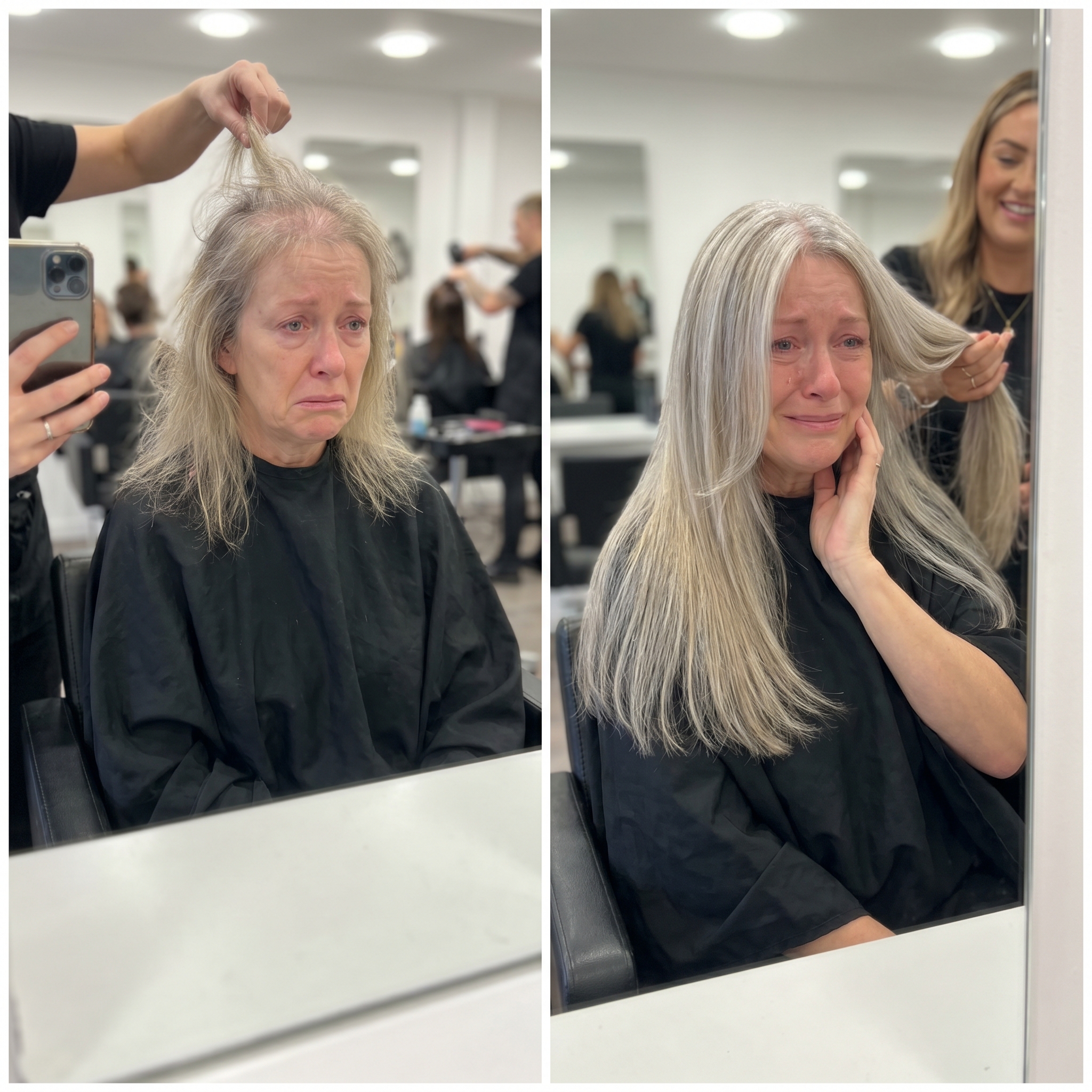
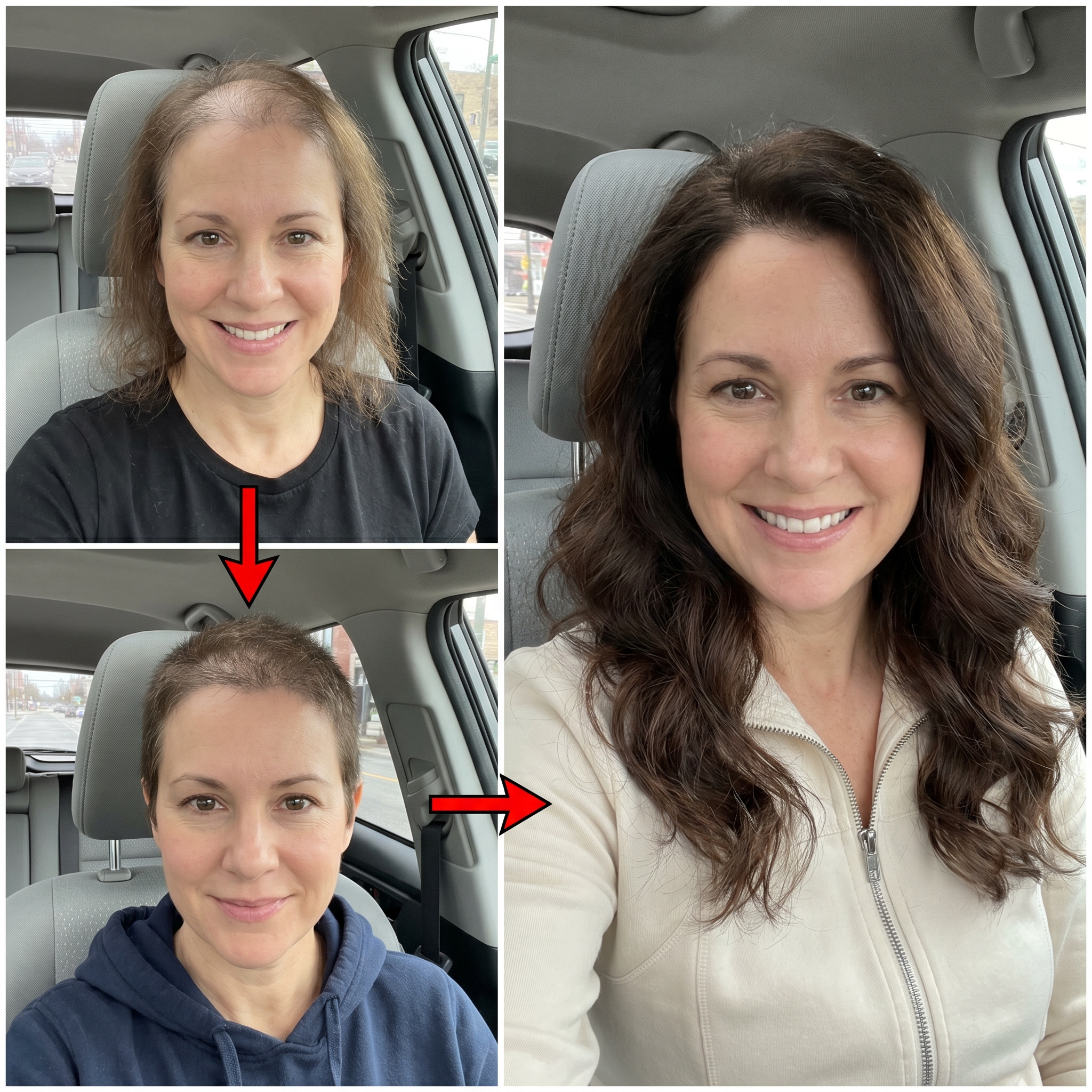
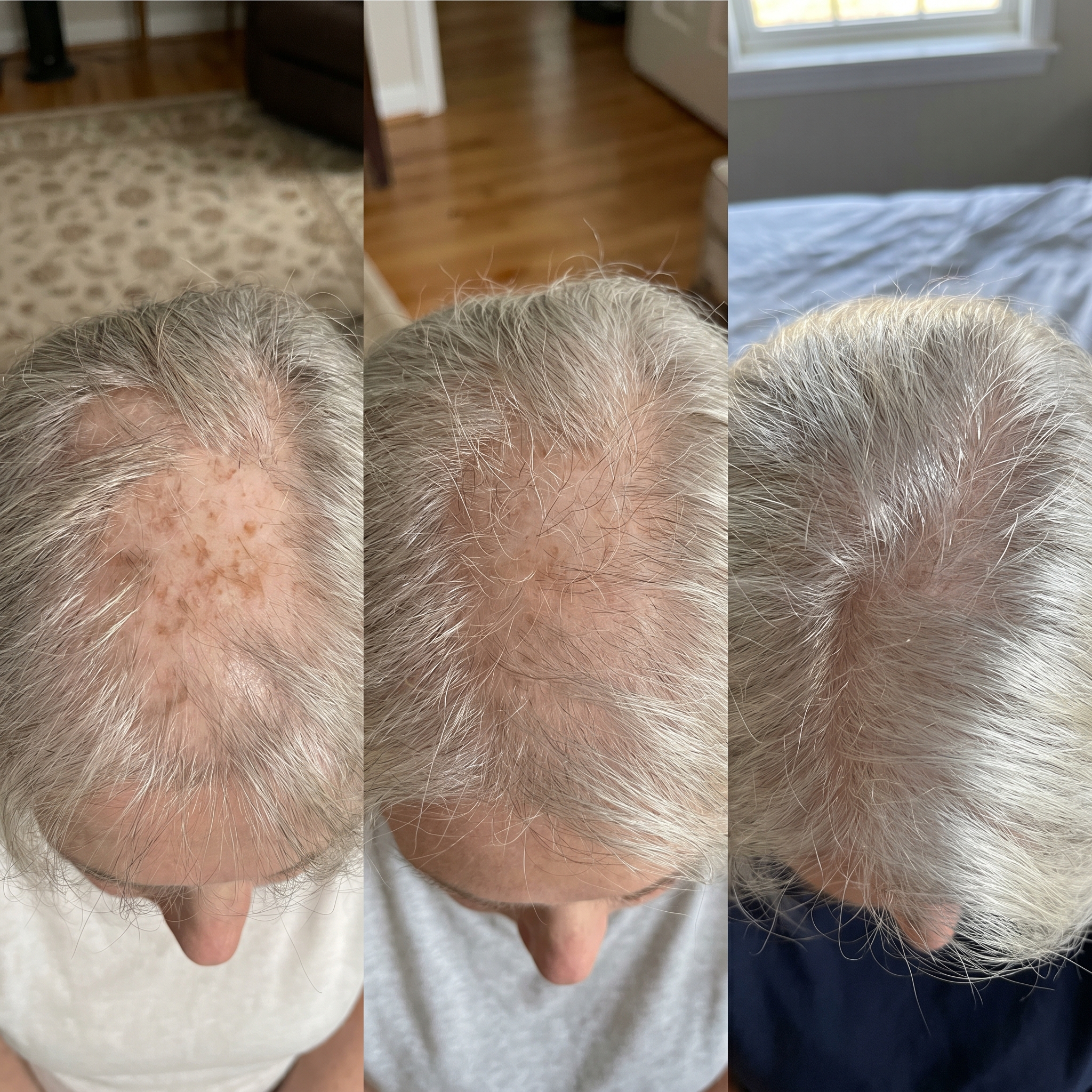
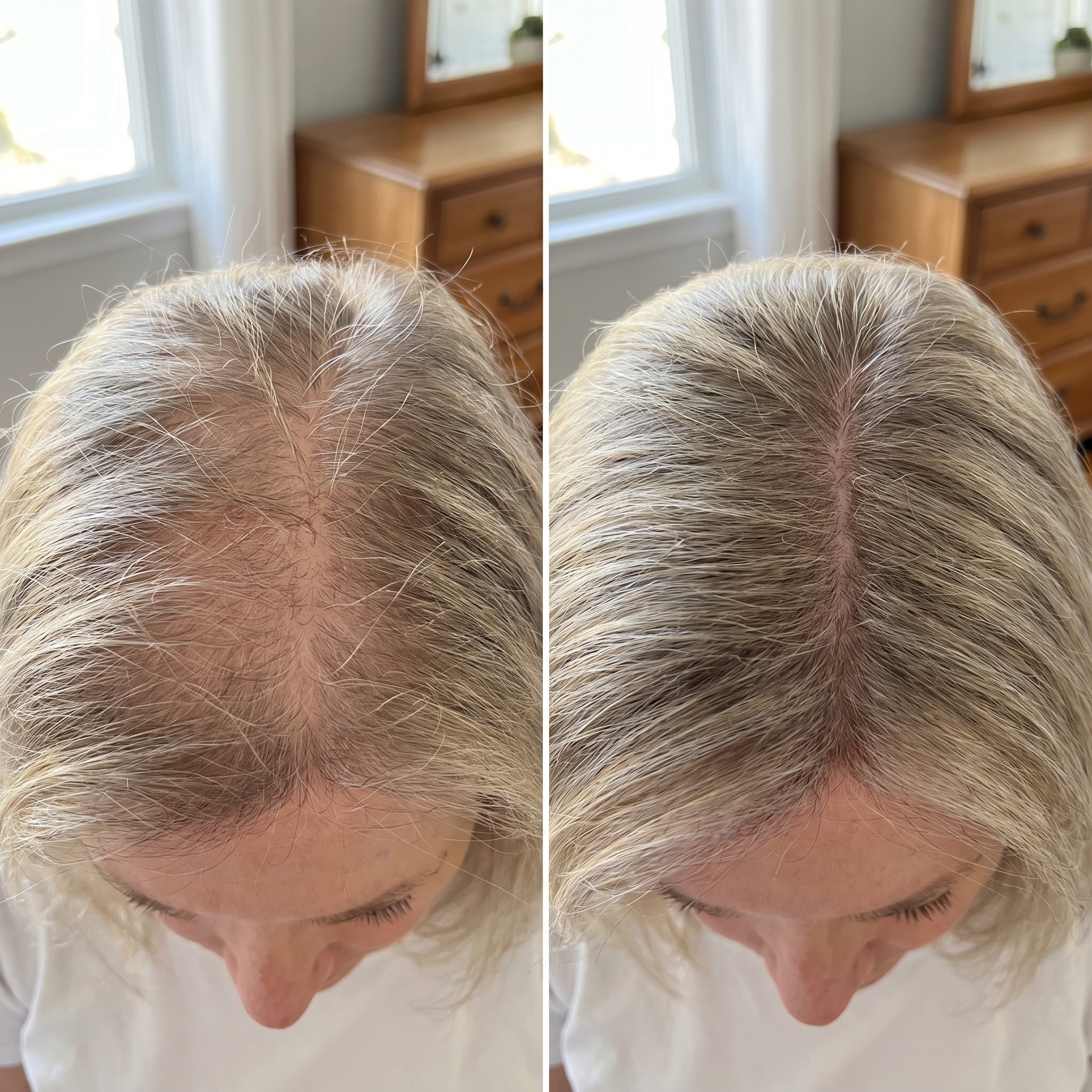
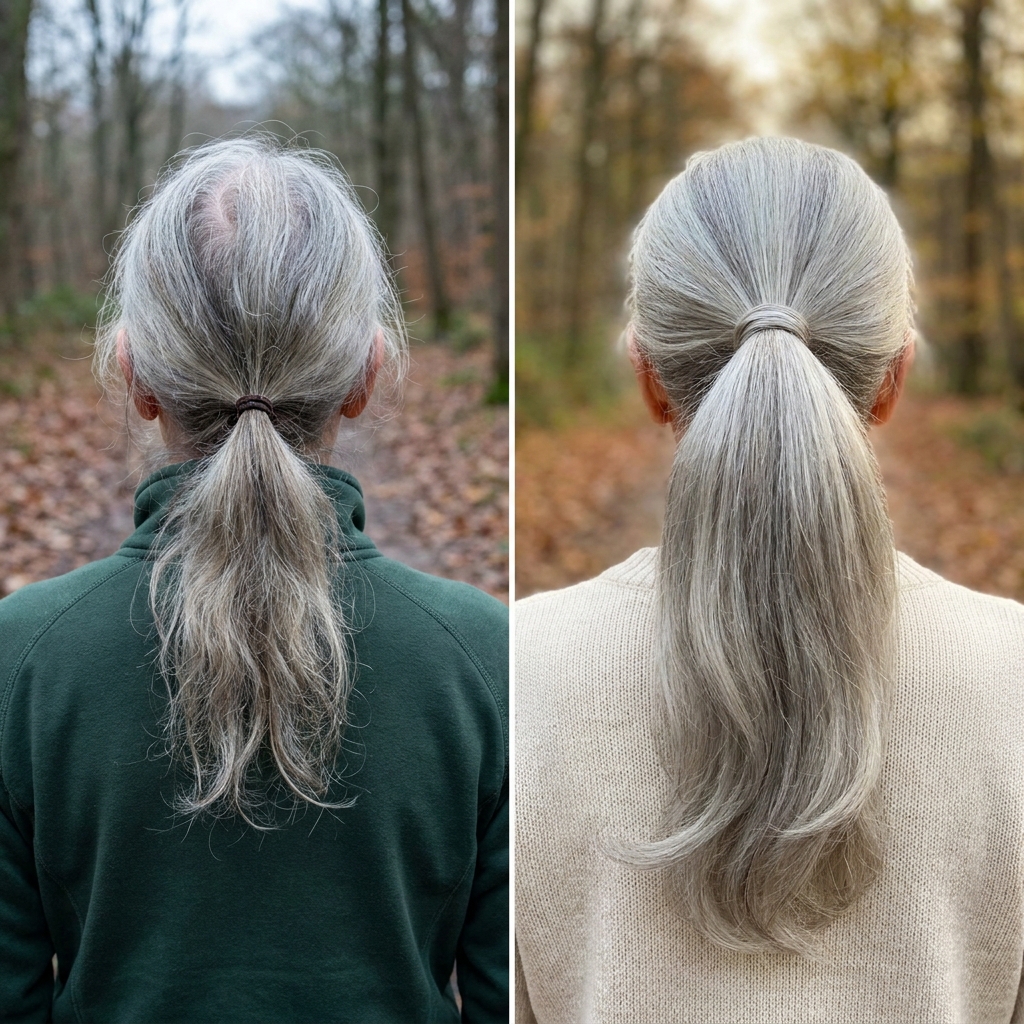
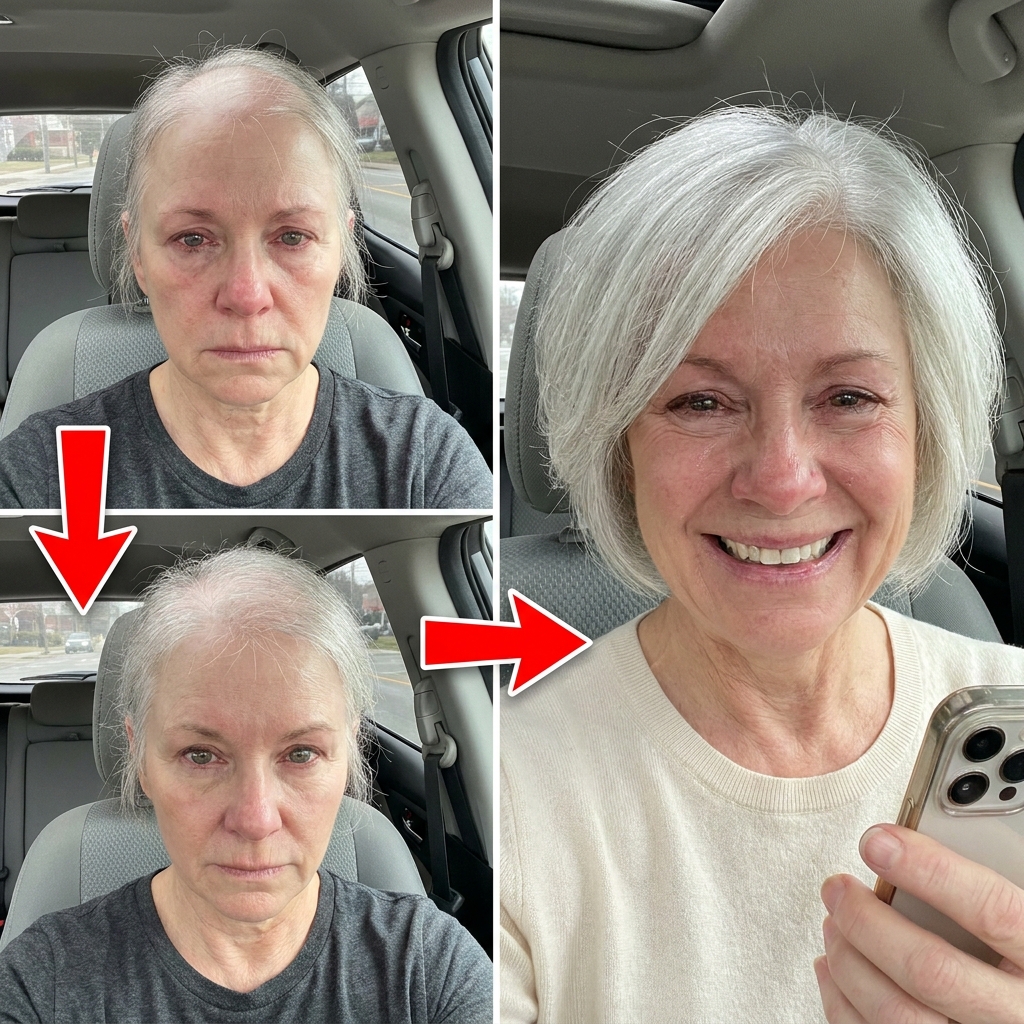
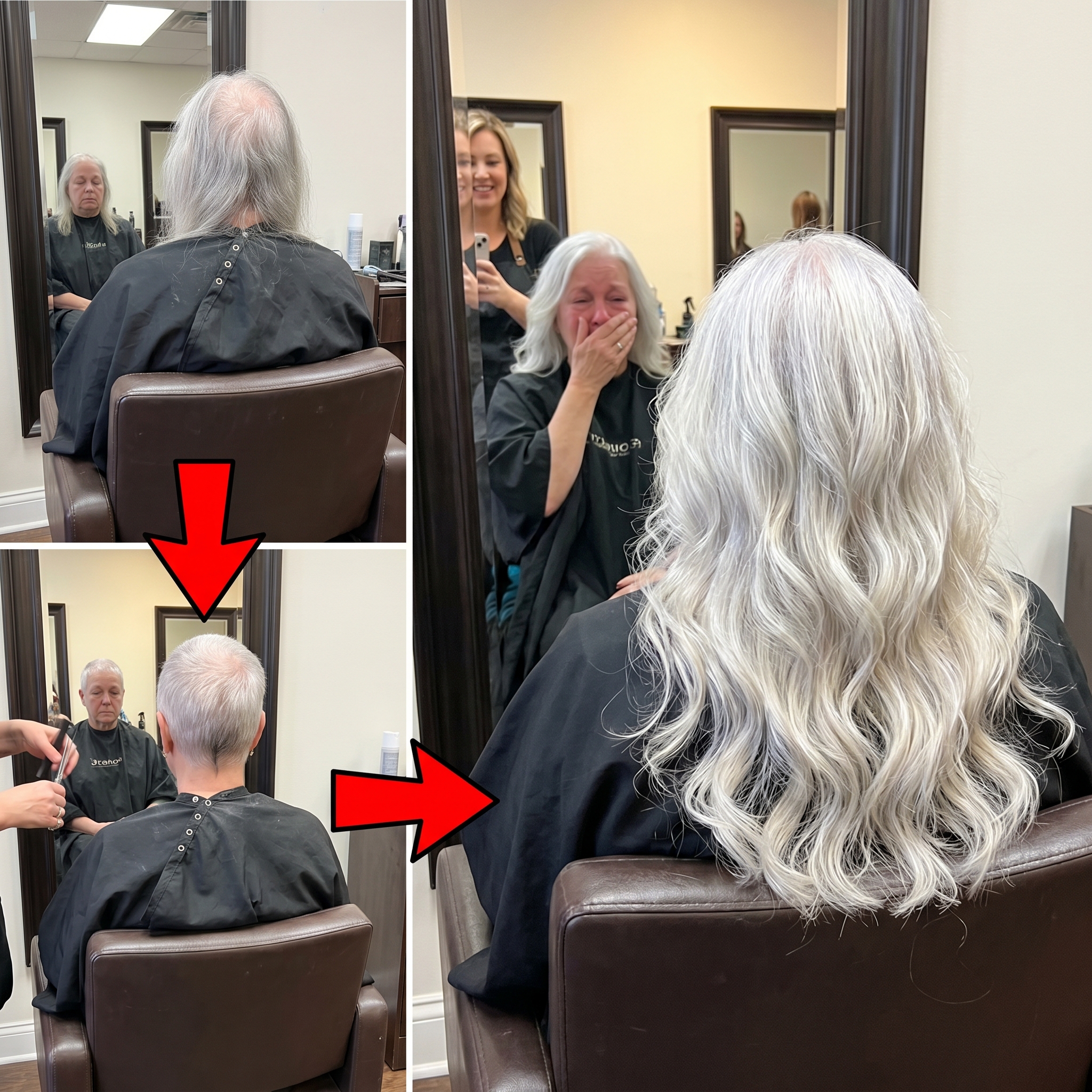
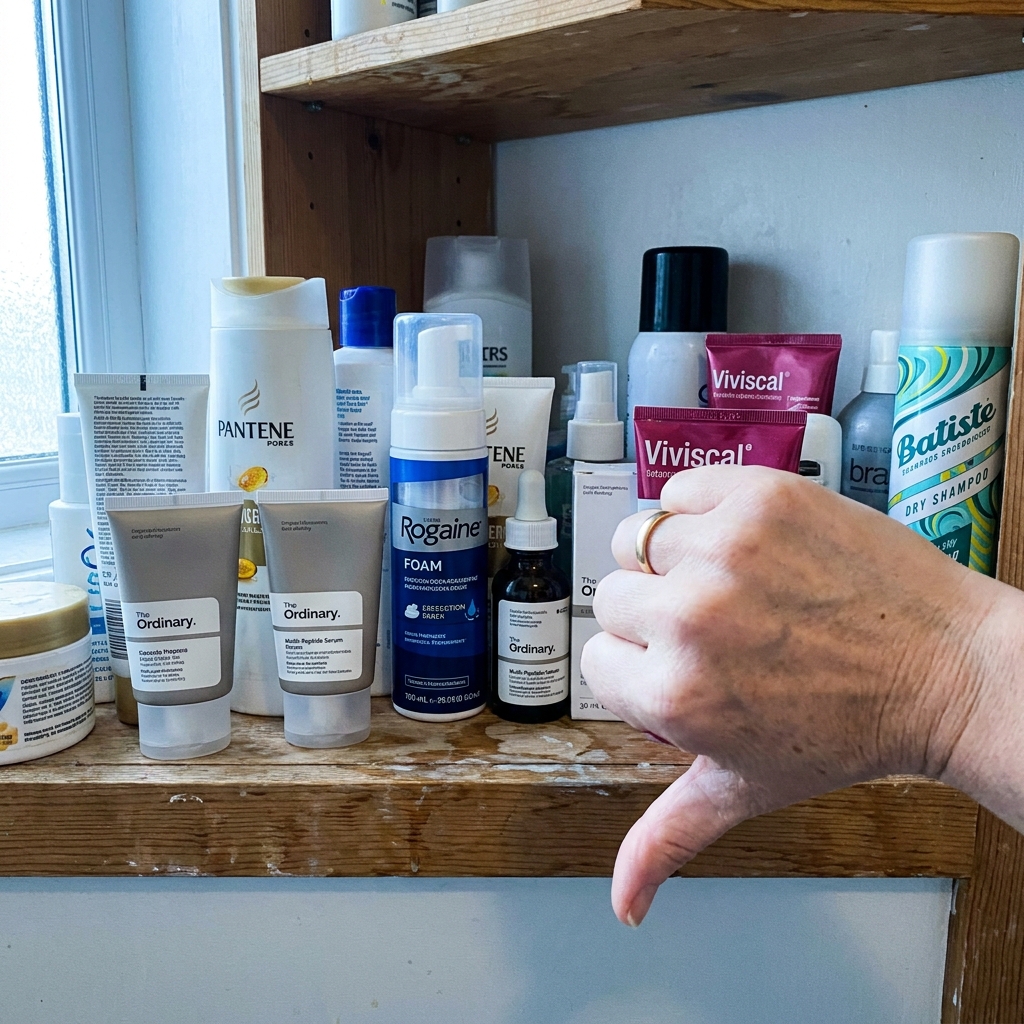
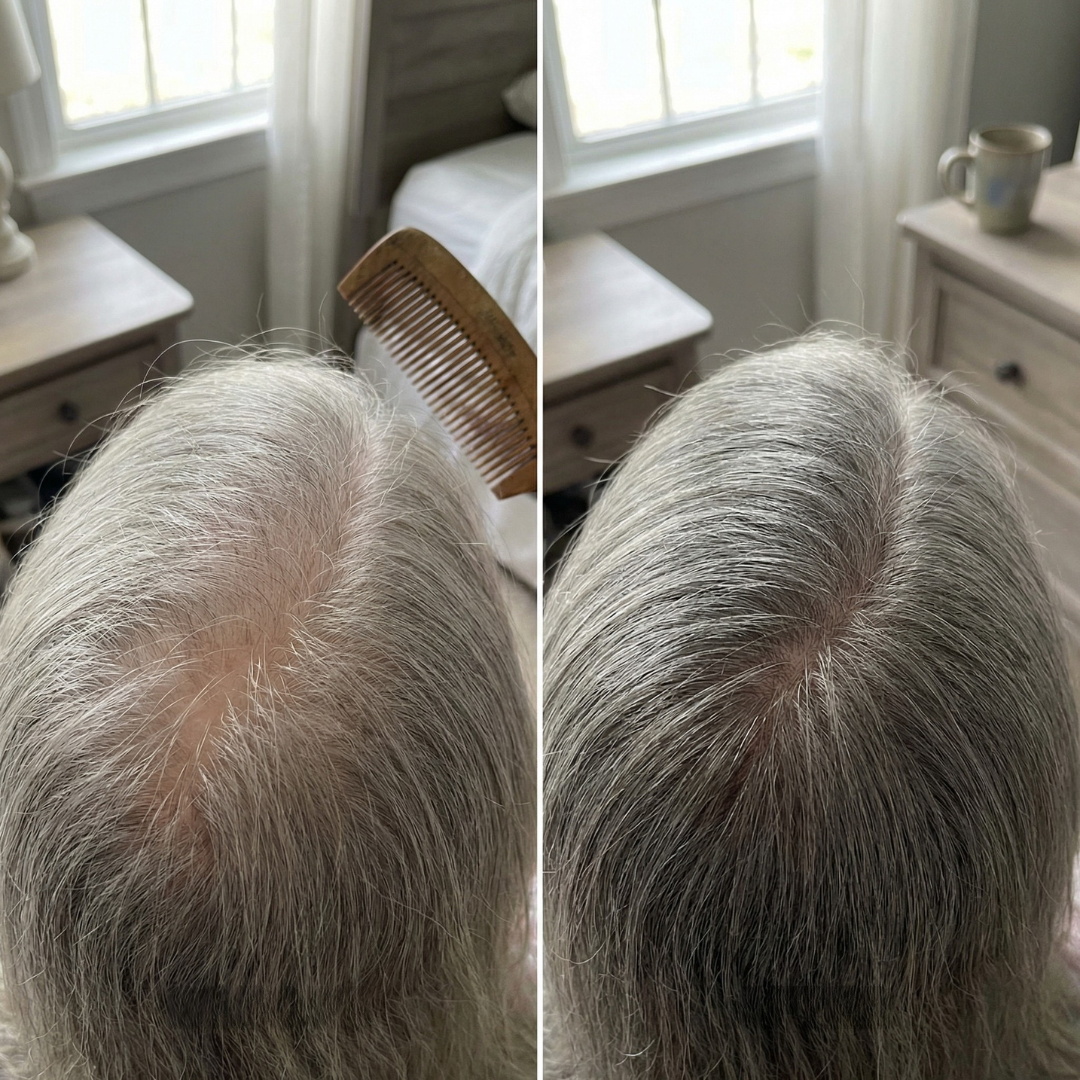
In 1994, a landmark dermatology study quietly changed what researchers understood about female hair loss.For decades, androgenic alopecia — the pattern of thinning that concentrates at the crown and along the part, with progressive scalp visibility at the top of the head — had been categorised as almost exclusively a male condition. When women presented with the same pattern, they were often told it was "stress," or "thyroid-related," or simply part of aging. The standard-of-care response was reassurance, a gentle suggestion to try a volumizing shampoo, and occasionally a minoxidil prescription.What the 1994 study demonstrated, and what follow-up research over the following decade confirmed, was that androgenic alopecia in post-menopausal women operated through precisely the same hormonal mechanism as male pattern baldness: the binding of DHT to androgen receptors concentrated at the crown and vertex of the scalp. The difference was that in women, this mechanism had been suppressed throughout their reproductive years by estrogen and progesterone. Menopause removed that suppression. DHT — which had been present in their bodies all along — was suddenly free to do what it does.The researchers knew this in 1994.Thirty years later, the majority of women experiencing menopausal hair thinning are still being told to try biotin.I know because I was one of them. And I spent two years following the advice before I understood why it wasn't working.My hair started thinning at 50. I noticed it the way most women notice it — a little more in the brush, a slightly different look at the part, until one particular morning when the light in my bathroom caught the top of my head at an angle and I saw my scalp in a way I hadn't before. Not the hairline. The crown. An area that had always, for my entire adult life, been covered by thick, dark hair.I stood there for a moment. Then I picked up my phone and took a photo from above. I needed to understand what I was looking at.The photo confirmed it. The crown was sparse. The part was wide and getting wider. The hair around it was fine and fragile in a way that my hair had never been.I deleted the photo. Then I booked a GP appointment.My thyroid was fine. My iron was "within range." My B12 was normal. I was referred to a dermatologist who spent eight minutes with me, noted the crown thinning pattern, called it androgenetic alopecia, and recommended minoxidil. When I asked what was causing it, she said my hormones were probably a factor. When I asked what to do about that specifically, she said HRT might help.What she did not say — what I have since learned she almost certainly knew, because it has been in the dermatology literature since 1994 — was the specific mechanism. She did not say: "The DHT in your body is now binding to the androgen receptors at your crown because your estrogen has declined and can no longer protect your follicles. The minoxidil I'm recommending will improve blood flow to those follicles but won't address the DHT that's miniaturising them. You will need to use it indefinitely because it treats the symptom, not the cause."Instead I went home with a minoxidil recommendation and a vague suggestion about HRT, having paid £160 for the consultation.Over the next eighteen months, I tried everything that seemed credible.Minoxidil — which helped, partially, but required the dread shed to get there and would require permanent use to maintain. The idea of being dependent on it indefinitely was not something I could make peace with.HRT — which transformed my wellbeing in ways that still astonish me. The sleep, the cognition, the mood, the physical comfort. I am a genuine advocate for HRT. But my crown kept thinning at eight months, at ten months, at a year. Because HRT addresses your systemic hormones. It does not specifically block DHT at the follicle. The dermatology literature that my dermatologist didn't share with me was clear on this.Biotin, Nutrafol, collagen supplements, Nioxin, two different "clinically formulated" salon treatments that cost more than I'd like to admit. None of it targeted DHT. None of it was ever going to.Here is the mechanism, explained the way it should have been explained to me in that consultation room.DHT — dihydrotestosterone — is a byproduct of testosterone, present in every woman's body. Your estrogen and progesterone spent your entire reproductive life keeping it from affecting your scalp. Specifically, they were protecting the androgen receptors in your hair follicles from DHT binding.Menopause removes that protection.DHT binds to follicle receptors at the crown and part — where androgen receptor density is highest. It triggers follicle miniaturisation. The follicle shrinks, produces finer hair, eventually stops. This is gradual but directional. The longer DHT operates unchecked, the more permanent the damage becomes.To interrupt this, you need a compound that inhibits 5-alpha-reductase — the enzyme that converts testosterone into DHT in the first place. This is what prescription spironolactone and finasteride do pharmaceutically. Plant-based versions — saw palmetto, beta-sitosterol, specific pumpkin seed oil extracts — have been studied for the same mechanism and demonstrated meaningful results in peer-reviewed trials on androgenetic alopecia in women.The 1994 researchers knew the mechanism. The compounds that address it have been studied for decades. The gap — the remarkable, frustrating gap — is that almost none of the mainstream hair loss products sold to menopausal women are actually formulated around this knowledge.Mellenza was the first product I found whose formulation reflected it. DHT-blocking botanicals at meaningful concentrations, combined with the nutrient cofactors — ferritin precursors, vitamin D — that menopause depletes and that directly impair follicle function when deficient. Not a shampoo. Not a volumiser. A daily capsule formula built around the actual mechanism.I committed to twelve weeks before forming a judgement.Week 4: Measurably less hair in the shower. I had been counting for months as a baseline — compulsive, probably, but you understand why. The number dropped. Clearly.Week 6: My hair texture began to change. The fragile, fine quality that I'd got used to as my "new normal" — the way it snapped, the way it had no weight to it — started to shift. Something was strengthening.Week 9: I took the photo again. Same bedroom, same morning light, same angle above my head. I looked at it for a long time, then went and found the photo from three months earlier — the one I'd kept as a baseline in a hidden folder because I needed the evidence either way. I held them side by side. The part was narrower. The scalp at the crown was less visible. The hair around the part was denser.I sat on the edge of my bed and felt, for the first time in two years, like the direction had changed.Month 4: My hairdresser — who had been diplomatically choosing her words for eighteen months — held up the mirror at the end of my appointment and said, without any prompting, that she could see real regrowth at the crown.Month 5: I stopped dreading the photo from above. I stopped managing the lighting. I stopped standing on the bed.I want to be careful about what I promise you, because I was promised things that didn't deliver and I won't do that to you. My hair is not what it was at 45. I don't know if it will be. What I know is that it is growing again. The part is the narrowest it's been in three years. The crown is covered. The mechanism — the one my dermatologist knew about and didn't explain — is finally being addressed.The researchers understood what was causing this thirty years ago. You deserve to know it now.The link is below.
Dermatologists Have Known Since The 1990s Why Menopausal Women Lose Hair At The Crown. Most Still Don't Tell Their Patients...
Women's Wellness Today Independent Health Journalism for Women Over 40 Menopause Hormonal Health Hair & Skin Mind & Body Menopause & Hair By Dr. Claire Ashford, Women's Health Contributor · 1 April 2026 · 6 min read Share Tweet Investigation: Menopausal Hair Loss If You've Tried Everyt...
LEARN MORELike this ad? Make it yours.
Crush rebuilds this exact creative around your product — your brand, your colors, your offer — in about a minute.