
Active· since May 5, 2026
- 137
- days running
- 0
- relaunches
Ad copy
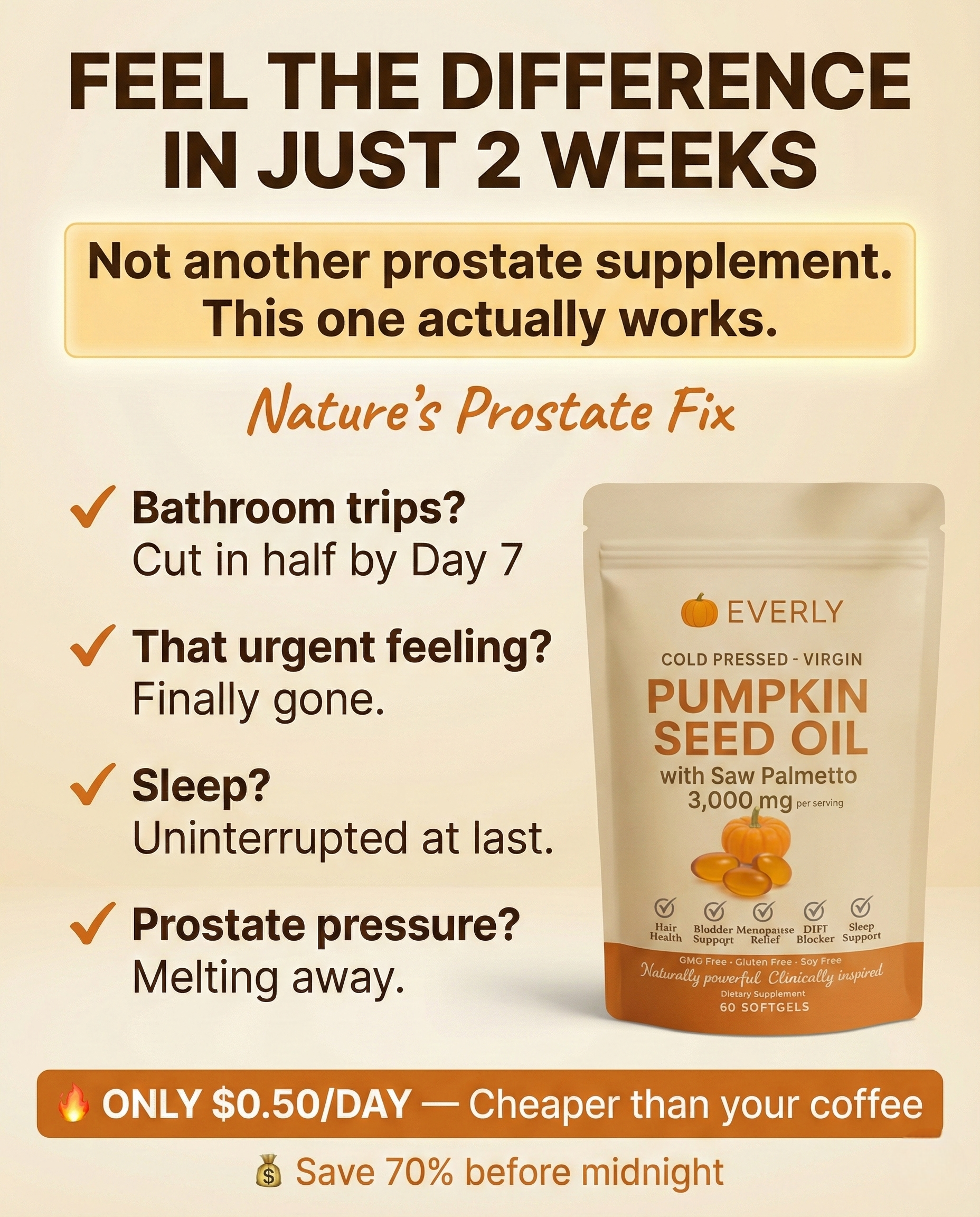
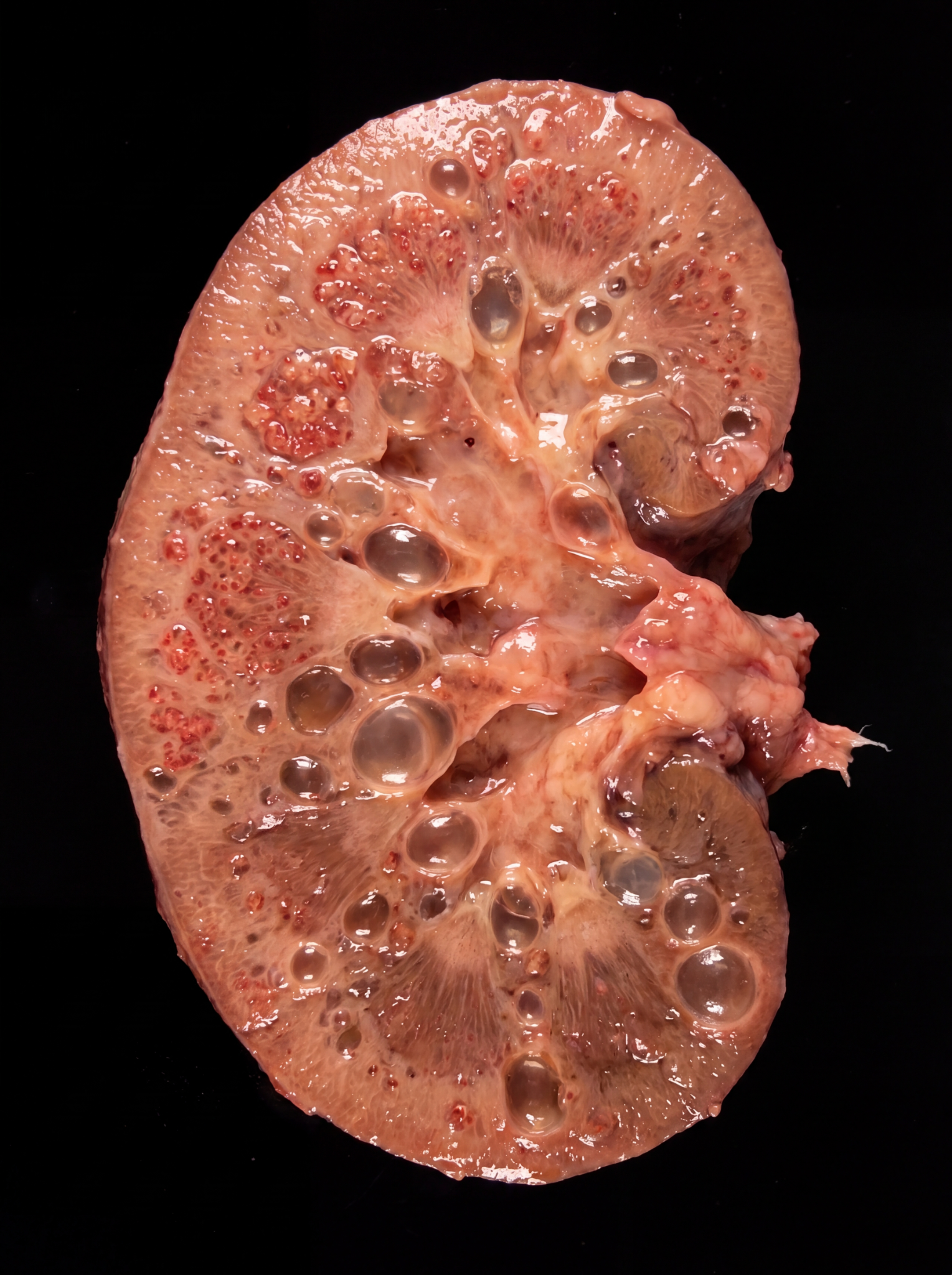
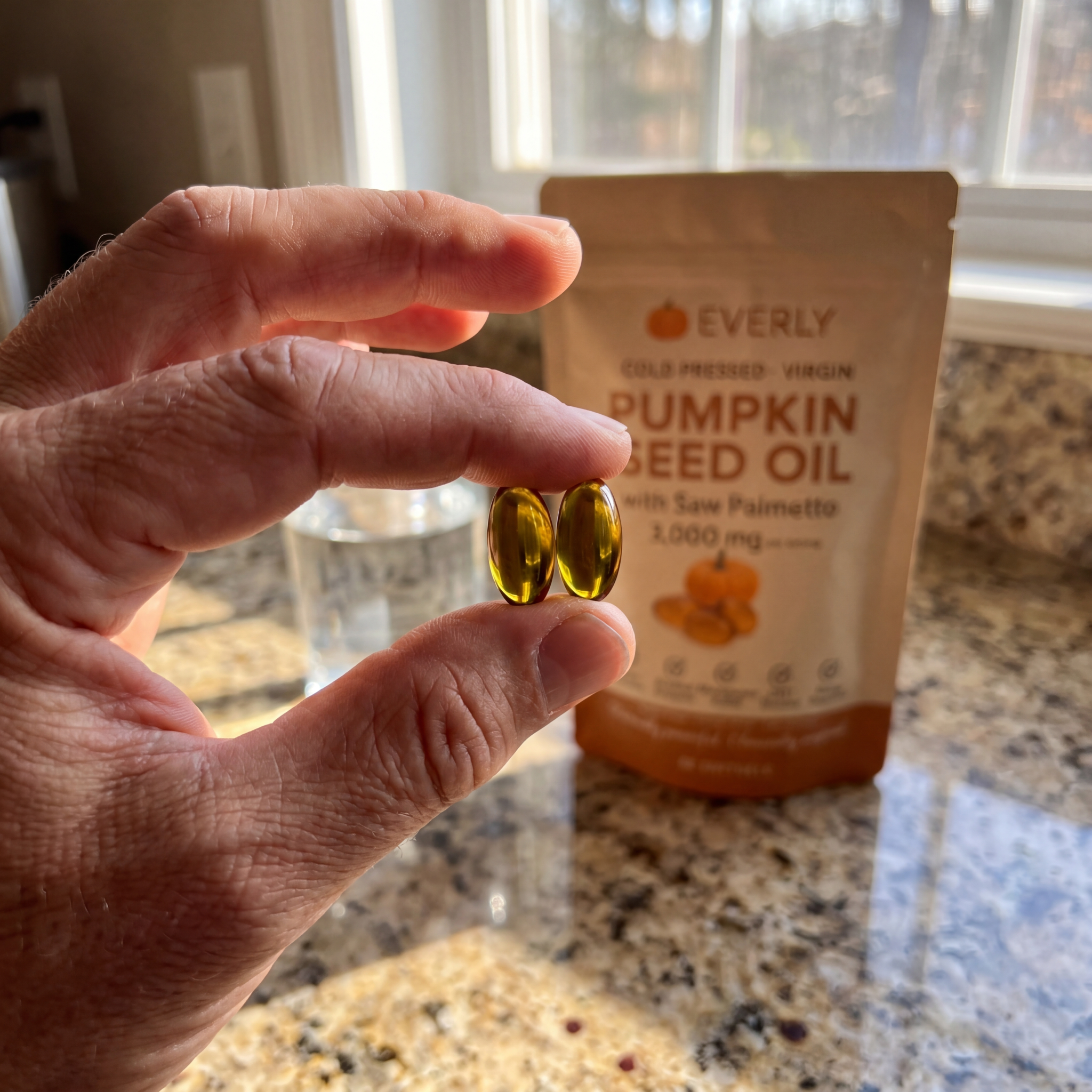
If you've been waking up two, three, four times a night to use the bathroom — dragging yourself out of bed at 1am, again at 3am, again at 5am — and you've watched the foam in your urine get worse over the past year while your doctor tells you to "just drink more water"... Something is quietly breaking down inside your body. Right now. While you sleep. While you go about your day. While you do everything you're supposed to do. And your doctor hasn't connected the dots. I'm about to tell you exactly what it is. What's driving it. And why everything you've been told to do about it has been addressing the wrong part of the problem entirely. By the end of this, you'll understand why your body has been sending you signals you've been trained to ignore — and you'll never look at that foam in the toilet the same way again. Because there are three things happening right now: One — Your kidneys are under a level of silent stress that no amount of water, cranberry juice, or "just waiting it out" is going to fix. And it has NOTHING to do with how much fluid you're drinking. Two — The medical system is dismissing your symptoms as normal aging. "You're over 40, this is just what happens." "Drink more water." "Your labs look fine." Meanwhile the damage is building quietly behind numbers they're not even checking. Three — There's an entire pharmaceutical pipeline that profits from managing your decline — not reversing it. Every specialist visit. Every new prescription. Every "let's monitor this and see." So let me tell you what happened with my uncle Ray, because his story is going to make you realize how broken this really is. For THREE YEARS my uncle Ray watched his body fall apart in ways nobody could explain. It started with the bathroom trips. At 52, he was getting up twice a night. Annoying, but he figured it was just age. His doctor agreed. "Normal for men your age. Prostate's probably just a little enlarged. Nothing to worry about." Within six months? Three times a night. Sometimes four. He stopped drinking anything after 6pm. Didn't matter. His body was producing urine at rates that had nothing to do with fluid intake — because the organs responsible for filtering his blood were under a level of stress that restricting water couldn't fix. By year two? The foam started. Thick, persistent bubbles in the toilet that didn't pop. Not the normal bubbles you get from the stream hitting the water. These sat there. Layered. Like someone squirted dish soap in the bowl. He Googled it. Every result said the same thing — protein in your urine. Possible kidney stress. See a doctor. So he did. His doctor ran a basic metabolic panel. "Your numbers look normal. Creatinine is fine. GFR is within range. You're okay." But he wasn't okay. And here's why those "normal" labs were lying to him. Standard kidney panels don't detect early-stage filtration stress. By the time creatinine rises enough to flag on a basic lab panel, you've already lost significant kidney function. The damage has been building for months — sometimes years — before those numbers move. His kidneys were deteriorating. The foam was proof. The nighttime trips were proof. The labs just hadn't caught up yet. And nobody was looking at WHY. Then the other symptoms started stacking. The puffiness. He woke up every morning looking like he'd been stung by bees. Eyes swollen. Face bloated. Fingers so thick his wedding ring left a permanent indent. By afternoon it would partially drain — only to come back the next morning like clockwork. That's fluid your kidneys are supposed to clear overnight. When they can't filter efficiently, fluid accumulates in soft tissue. You wake up puffy. Every single day. And every doctor tells you it's "water retention" without asking WHY your body is retaining water it should be eliminating. The exhaustion. Not tired. EXHAUSTED. The kind where you sit down at 4pm and physically cannot get back up. Where your body feels like it's running on a battery that only charges to 40%. Where the afternoon crash isn't a crash — it's your baseline now. Your kidneys regulate erythropoietin — the hormone that tells your bone marrow to produce red blood cells. When kidney function declines, EPO production drops. Fewer red blood cells. Less oxygen delivery to every tissue in your body. Chronic fatigue that no amount of sleep, coffee, or B-vitamins will fix — because it's not an energy problem. It's an oxygen delivery problem originating in kidneys nobody is treating. The brain fog. Ray's a contractor. Sharp guy. Started forgetting measurements mid-job. Standing in front of a client trying to explain a quote and losing the numbers. His crew noticed before he did. He'd give instructions, walk away, come back five minutes later and give the same instructions like it never happened. That's not aging. That's reduced cerebral perfusion from kidneys that can't maintain blood pressure regulation, fluid balance, and waste clearance simultaneously. The brain gets foggy because the organs maintaining the environment it operates in are failing. And then the thing that scared him silent. His blood pressure. It had been 128/82. "A little high but manageable." Within eighteen months? 152/94. Two medications. A cardiologist consultation at $400. An echo. A stress test. His cardiologist put him on lisinopril and amlodipine. $85/month combined. And told him to reduce sodium. But nobody connected his blood pressure to his kidneys. Your kidneys regulate blood pressure through the renin-angiotensin system. When kidney function declines, this system dysregulates. Blood pressure rises independent of sodium intake. Independent of stress. Independent of exercise. You can cut every grain of salt from your diet and your blood pressure will still climb — because the organ regulating it is under stress that nobody is addressing. He was treating a blood pressure problem that was actually a kidney problem. With medications targeting blood pressure. While the kidneys driving the elevation stayed broken. His wife didn't say anything for a long time. But he could feel it. The way she'd glance at the bathroom door when he got up for the third time at 2am. The quiet when he said he was too tired to go to their grandson's baseball game. The look when she found him asleep on the couch at 5:30pm on a Saturday. She finally said something one night. "Ray, you're 54. You shouldn't feel like this." And he knew she was right. Because every part of his body was telling him the same thing. So here's what every doctor told him to do. And I need you to pay attention because you've probably tried all of this too: "Drink more water." He increased to 80oz a day. Nighttime trips went from three to four. More water just meant more urine production in kidneys that couldn't handle the filtration load they already had. "Cut sodium." Three months strict. Blood pressure dropped 4 points. Still 148/90. Still on two medications. Sodium wasn't the primary driver. "It's your prostate." His urologist put him on tamsulosin. $45/month. Frequency reduced slightly during the day. Nighttime trips unchanged. Because the nighttime frequency wasn't prostate-driven — it was kidney-driven. His kidneys couldn't concentrate urine properly overnight because the filtration units responsible for concentration were under stress nobody was treating. Blood pressure medications. Two prescriptions. $85/month. Managing the output of dysregulated kidneys while the dysregulation continued unchecked. "Try cranberry supplements." $30/month. Three months. Zero measurable change. Because cranberry supports urinary tract pH — it does nothing for glomerular filtration stress or tubular inflammation driving proteinuria. CoQ10 for energy. B-complex. Magnesium. Iron. "Kidney support" blends with trace amounts of ingredients that couldn't reach renal tissue at meaningful concentrations. Between the medications, the specialist visits, the supplements that promised something and delivered nothing — he spent over $5,800 in three years. Still waking up three times a night. Still foamy. Still puffy. Still exhausted. Still foggy. Still watching his blood pressure climb while his doctors added prescriptions. At this point I'm not frustrated anymore. I'm furious. Because I'm watching my uncle — a man who went to every appointment, took every medication, followed every instruction — deteriorate while four different doctors managed four different symptoms that all originated from the SAME organ system nobody was actually treating. Managing. The. Symptoms. Not fixing it. Not reversing it. Not even trying to figure out WHY his kidneys were under this level of stress in the first place. Just managing his slow decline toward dialysis, permanent kidney damage, and cardiovascular complications that nobody was preventing — because they were all too busy treating the downstream effects. And that's when I started asking the questions nobody wants you to ask: Why do doctors treat nighttime urination as a prostate problem when the kidneys are the ones responsible for urine concentration during sleep? Why do they treat rising blood pressure with medications but never investigate whether failing kidneys are driving the elevation through renin-angiotensin dysregulation? Why does every kidney supplement on the market contain the same trace-amount cranberry and turmeric that clearly don't address glomerular filtration stress — and nobody questions it? And why does NOBODY ever talk about what's actually damaging the filtration units in your kidneys — the glomeruli and tubules — and what it would take to protect and restore them before the damage becomes irreversible? So I went down a rabbit hole. A deep one. I started researching why someone's kidneys would silently deteriorate despite normal-looking lab work. Why foamy urine appears before creatinine rises. Why nighttime frequency accelerates independently of prostate status. Why blood pressure climbs in patterns that don't respond to sodium restriction. And every mainstream medical site gave me the same recycled answers. "Stay hydrated. Reduce sodium. Take your blood pressure medication. Monitor your labs." But then I found a body of research that changed everything. Not a blog. Not a wellness influencer. Peer-reviewed papers in nephrology and urology journals. And they kept pointing to a compound I had never heard anyone connect to kidney restoration in my entire life. Pumpkin seed oil. Not as a "supplement." Not as a trendy wellness ingredient. As a clinically studied compound with specific mechanisms of action on renal tissue, glomerular filtration, prostatic inflammation, and the inflammatory pathways that silently destroy kidney function while your labs still read "normal." Now pause for a second. You know what's insane? Every kidney-related medication on the market either manages blood pressure that the kidneys are dysregulating, or treats downstream symptoms of filtration failure. Every doctor talks about "monitoring" your numbers. Every protocol is about watching the damage accumulate and intervening with more aggressive medications when it reaches a threshold. But nobody — and I mean NOBODY — talks about what's actually destroying the filtration units inside your kidneys. What's driving the inflammatory cascade that damages glomerular membranes. What's causing the tubular cells responsible for urine concentration to lose function. And what would happen if you actually protected and restored those structures before the damage became permanent. And that's not an accident. Because once you understand what oxidative stress and chronic low-grade inflammation do to renal tissue — you realize that everything my uncle tried, and everything YOUR doctor has probably told you, is addressing the downstream effects while the upstream cause runs unopposed. Here's what I learned: Your kidneys contain roughly one million microscopic filtration units called glomeruli. Each one is a tiny filter made of specialized cells and membranes that separate waste from clean blood. Your entire blood supply passes through these filters about 40 times a day. These glomerular membranes are incredibly delicate. And they're under constant assault from two forces nobody is talking about: FIRST — oxidative stress. Free radicals generated by metabolic processes, environmental toxins, medications, and inflammatory responses directly damage glomerular cell membranes. The cells that form your kidney's filtration barrier literally break down at the molecular level. When these membranes become porous, protein leaks through into urine. That's the foam. That's not "nothing to worry about." That's physical evidence that your filtration membranes are being destroyed — and each damaged glomerulus doesn't regenerate. Once it's gone, it's gone. SECOND — chronic inflammation in renal tissue. Inflammatory cytokines — TNF-alpha, IL-6, IL-1beta — directly attack tubular cells. These are the cells responsible for concentrating urine, reabsorbing what your body needs, and regulating fluid balance. When tubular inflammation persists, your kidneys lose the ability to concentrate urine overnight. That's why you're waking up multiple times. Your kidneys are running a dilute, high-volume filtration pattern because the cells responsible for concentration are inflamed and underperforming. No amount of water restriction fixes this. No prostate medication addresses this. The tubular cells need the inflammation reduced so they can function properly. THIRD — and this is the one that connects everything — renal inflammation directly triggers the renin-angiotensin system. Inflamed kidneys misread their own blood flow. They signal for blood pressure elevation in an attempt to increase filtration pressure through damaged glomeruli. Your blood pressure rises not because of sodium. Not because of stress. Because your kidneys are literally calling for higher pressure to push blood through filters that are partially destroyed. And every blood pressure medication that suppresses this signal without fixing the underlying inflammation is just forcing damaged kidneys to filter at lower pressure — which may actually accelerate the damage. Three mechanisms. All happening simultaneously. All originating in the same organ system. All untouched by cranberry supplements, sodium restriction, prostate medications, or blood pressure drugs targeting symptoms downstream of the actual cause. So my uncle was: Running kidneys with filtration membranes being destroyed by oxidative stress — letting protein leak into urine every hour of every day. Operating tubular cells too inflamed to concentrate urine — forcing his body to produce high volumes overnight and drive him to the bathroom three, four times a night. Under continuous blood pressure elevation from inflamed kidneys misreading their own filtration status and calling for pressure increases that no sodium restriction could override. His foamy urine showed damaged filtration membranes. His real problem was kidneys under an inflammatory and oxidative assault that nobody was protecting them from. No amount of water can repair a damaged glomerular membrane. No prostate medication can restore tubular cell function in kidneys under chronic inflammation. No blood pressure drug can fix renal inflammation that's triggering the pressure elevation in the first place. THAT'S why his symptoms kept getting worse despite three years of medications, specialist visits, and every supplement his doctor recommended. His kidneys weren't failing because of his prostate, his sodium intake, or his water consumption. His kidneys were failing because the cells and membranes responsible for filtration were under continuous inflammatory and oxidative damage that nobody was treating while every doctor managed the downstream symptoms and added another prescription. Like mopping a floor while the pipe above it keeps leaking. The mop keeps moving. The floor stays wet. The leak was never fixed. And here's the part that makes my blood boil: The medical system KNOWS about the oxidative damage — inflammatory cascade — kidney function decline connection. It's in the nephrology literature. The relationship between chronic renal inflammation, glomerular membrane damage, and progressive filtration loss has been documented for decades. The role of oxidative stress in tubular cell destruction is published, replicated, and cited in every major renal pathology textbook. But the clinical protocol for "your labs look normal" doesn't include a renal oxidative stress assessment. Doesn't check inflammatory cytokine levels in kidney tissue. Doesn't look at whether chronic low-grade inflammation is silently destroying filtration capacity that won't show up on a basic metabolic panel until 60% of function is already gone. Because there's no blockbuster pharmaceutical drug for "protect the glomeruli before they're destroyed." You can't patent kidney cell protection. There's no money in telling someone their kidneys are under inflammatory assault — and that stopping the assault would let their existing function stabilize and their symptoms resolve. There IS money in monitoring. In specialist visits every six months watching your numbers slowly decline while they adjust medications. In adding a blood pressure drug. Then a second one. In the eventual nephrology referral. In dialysis preparation. In the $90,000-per-year dialysis treatment that becomes necessary when enough glomeruli have been destroyed that the kidneys can't sustain independent function. See how that works? Monitor every stage of the decline. Manage every downstream symptom. Never protect the actual kidney tissue from the damage that would prevent the decline from happening in the first place. So I kept digging. Nephrology journals. Urology research. Studies on renal-protective compounds. Clinical evidence on glomerular membrane preservation and tubular cell restoration. And I kept finding the same compound showing up in study after study. Pumpkin seed oil. Not as a general "health supplement." As a specific, multi-mechanism renal and prostatic protective agent with documented effects on the exact pathways destroying my uncle's kidneys. Here's what the research actually shows: Pumpkin seed oil contains a unique concentration of Delta-7-sterols, zinc, magnesium, and essential fatty acids — specifically a rare ratio of linoleic and oleic acids — that produce measurable effects on three separate kidney-protective pathways simultaneously. FIRST — direct antioxidant protection of renal tissue. The tocopherols and carotenoids in pumpkin seed oil neutralize the free radicals responsible for glomerular membrane damage. Clinical research demonstrates measurable reduction in renal oxidative stress markers — meaning the compound that's destroying your filtration membranes is directly neutralized at the tissue level. The foam reduces because the membranes stop leaking. Not because you're masking a symptom. Because the structures responsible for keeping protein in your blood are actually being protected from the damage that made them porous. SECOND — anti-inflammatory action on renal and prostatic tissue. The essential fatty acid profile in pumpkin seed oil directly suppresses inflammatory cytokine production in kidney tubular cells and prostatic tissue simultaneously. TNF-alpha and IL-6 — the same inflammatory signals destroying your tubular cells' ability to concentrate urine — are measurably reduced. Your kidneys regain the ability to concentrate urine overnight. Nighttime trips reduce not because you stopped drinking water — but because the cells responsible for concentration are no longer inflamed. The prostate inflammation that compounds urinary frequency is addressed through the same anti-inflammatory pathway. THIRD — support for the renin-angiotensin system through restored renal function. When kidney inflammation reduces and filtration function stabilizes, the kidneys stop misreading their own blood flow. The signal calling for elevated blood pressure normalizes. Blood pressure comes down — not because a medication is suppressing the signal, but because the organ sending the signal is no longer under inflammatory distress. Three mechanisms. One compound. Addressing the actual upstream causes — not the downstream symptoms everyone else is treating. My uncle started taking pumpkin seed oil softgels. High-potency. Cold-pressed. The real thing — not a trace amount hidden in a proprietary blend. After the first week? He texted me on a Thursday: "Only got up once last night." Once. He'd been getting up three to four times every night for over two years. The tubular inflammation was beginning to subside. His kidneys were starting to concentrate urine the way they were supposed to during sleep. After two weeks? He looked in the mirror and stopped. The puffiness under his eyes — the swelling that had been there every morning for over a year — was visibly reduced. His ring was loose. His face looked like his face again, not the bloated version he'd gotten used to seeing. Kidney filtration improving. Fluid clearance normalizing. The overnight accumulation that had been bloating him every morning was finally being processed properly. After three weeks? The foam. He checked every time. The thick, persistent bubbles that had been sitting on top of the water for months were thinning. Dissipating. By week three, some mornings there was nothing. Clean. Clear. Glomerular membranes stabilizing. Protein leakage reducing. The filtration barrier that had been porous and damaged was beginning to hold. He texted me three words: "No foam today." I knew exactly what that meant. After four weeks? The energy. He called me on a Saturday afternoon — a time he'd normally be unconscious on the couch. He was at his grandson's baseball game. Standing. Cheering. He'd been there for two hours and hadn't thought about sitting down once. "I feel like myself again," he said. And his voice sounded different. Clearer. Sharper. Present. Kidney function restoring EPO signaling. Red blood cell production normalizing. Oxygen delivery to every tissue in his body improving — including his brain. The fog was lifting because the organ responsible for the environment his brain operates in was finally functioning properly. After six weeks? His wife called me. She was crying. "He slept through the night. The whole night. He hasn't done that in three years." His kidneys concentrated urine through eight hours of sleep without triggering a bathroom trip. The tubular cells were functioning. The inflammation was resolved enough that overnight concentration was finally possible again. After eight weeks? Blood pressure check at his primary care. 134/84. Down from 152/94. Same medications. Same diet. Same everything except his kidneys were no longer sending a distress signal demanding elevated pressure to force blood through damaged filters. His doctor looked at the reading and said: "Whatever you're doing, keep doing it. We might be able to reduce your amlodipine at your next visit." Reduce. Not add. Reduce. After twelve weeks? He went back for bloodwork. His creatinine — which had been "normal" but trending upward for two years in a pattern nobody was watching closely enough — had flatlined. Stopped climbing. His GFR had actually improved by 8 points. His nephrologist — who he'd been referred to three months prior — looked at the results and said: "This is moving in the right direction. Let's continue to monitor." Continue to monitor. Not "prepare for dialysis." Not "we need to discuss more aggressive intervention." The trajectory had reversed. At five months? Blood pressure 126/80. One medication reduced. Sleeping through the night five to six nights a week. Morning puffiness gone. Brain fog gone. Energy that lasted past 7pm for the first time in years. Foam completely gone. Not from a new drug. Not from a more restrictive diet. Not from a specialist who finally figured it out. From protecting the kidney tissue that had been under silent inflammatory and oxidative assault — while every doctor managed the symptoms and added prescriptions that couldn't reach the cause. One compound. Addressing the three upstream mechanisms that had been destroying his kidney function while four specialists treated four downstream symptoms and billed him for the privilege. This is what they don't tell you. Because the second your kidneys stabilize — the second you stop the inflammatory cascade destroying your filtration units — you don't need their escalating blood pressure medications. You don't need their prostate drugs masking a kidney-driven frequency problem. You don't need their $400 specialist visits every six months monitoring a decline they're not preventing. Your glomeruli hold. Your tubular cells function. Your kidneys concentrate urine, clear fluid, regulate pressure, produce EPO, and filter blood the way they were built to. The way they always should have been working — before years of unaddressed oxidative stress and chronic inflammation destroyed the tissue nobody was protecting. Now here's what I need you to understand. Kidney damage doesn't wait for you to figure this out. Every month the oxidative assault continues is another month of glomeruli being permanently destroyed. Another month of protein leaking through membranes that are getting more porous. Another month of tubular cells losing function they won't get back. Another month closer to the threshold where "monitoring" becomes "dialysis preparation." The foam gets worse. The nighttime trips increase. The puffiness spreads. The blood pressure climbs harder. The fatigue deepens. The fog thickens. And every month your doctor says "your labs look fine" while the damage builds in structures too small to show up on a basic metabolic panel — until enough of them are destroyed that the numbers finally move and everyone acts surprised. So if you're dealing with ANY of this — foam in your urine that nobody has properly explained, waking up two or three or four times a night despite limiting fluids, morning puffiness in your face and hands that drains by afternoon and comes back every morning, blood pressure that keeps climbing despite medication and sodium restriction, exhaustion so deep that 4pm feels like midnight, brain fog that makes you feel like you're thinking through wet concrete, the quiet fear every time you see bubbles in the toilet that something serious is happening and nobody is catching it — this is the time. Not next month when more glomeruli have been destroyed. Not six months from now when your creatinine finally starts to rise. Not when you're sitting in a nephrologist's office being told your kidneys have declined to a point where dialysis needs to be discussed — for damage that could have been prevented. Right now. Everly Pumpkin Seed Oil Softgels. Cold-pressed. High-potency. The real compound at the real concentration — not a trace amount dressed up in marketing language. This isn't a kidney "support" supplement that vaguely promises better urinary health. This is the specific, clinically studied compound that addresses the three upstream mechanisms destroying your kidney tissue — oxidative membrane damage, tubular inflammation, and the renal stress response driving your blood pressure, your fatigue, your fog, and every symptom downstream of kidneys nobody is protecting. If your body is screaming at you — the foam, the trips, the puffiness, the exhaustion, the fog — stop ignoring the signals. Your doctor isn't coming to fix this. They profit too much from managing your decline. You have to protect your kidneys yourself. 👉 try.shopeverly.shop/esl
🎃 Natural Support for Your Daily Routine
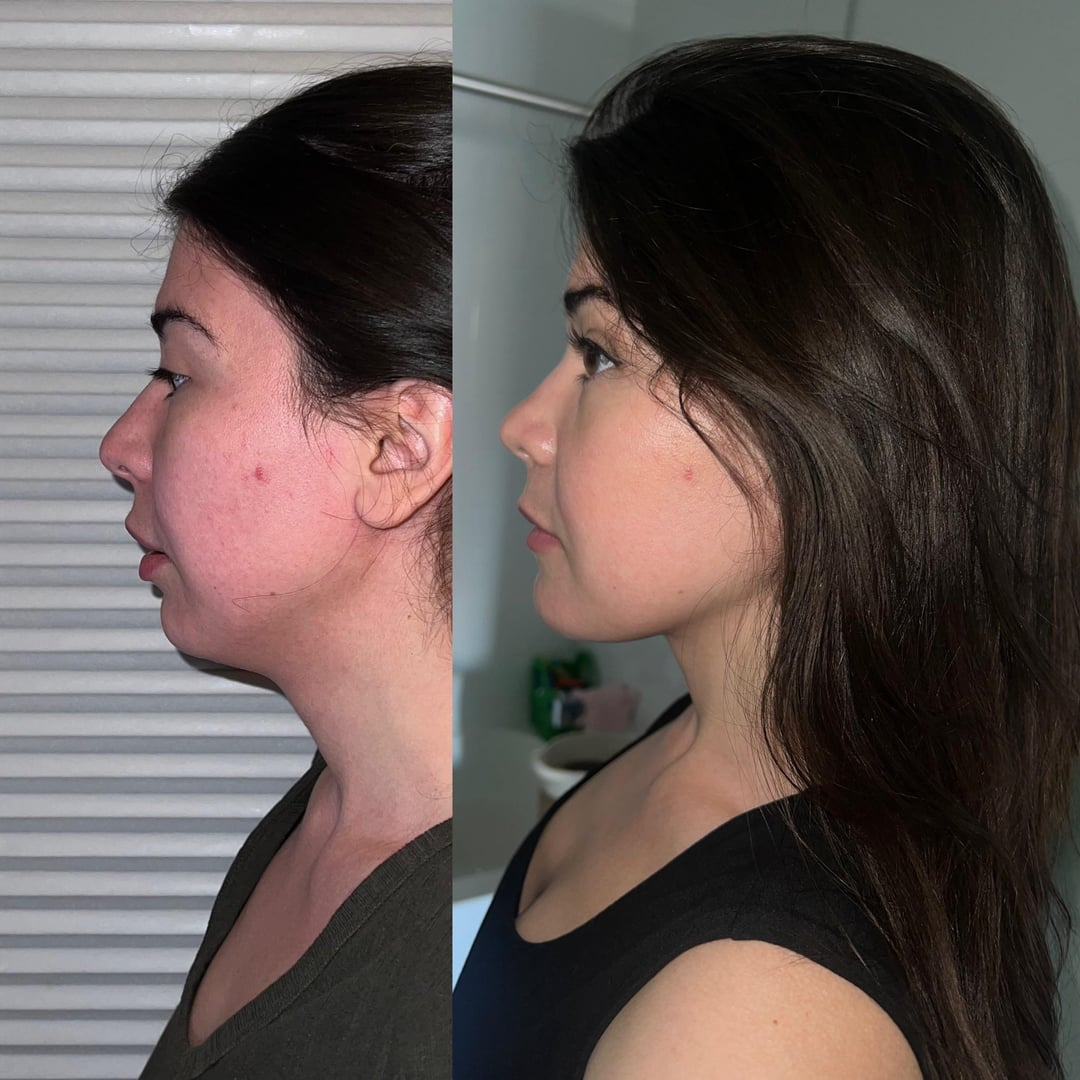
“I’ve been feeling stronger and more balanced since taking Everly Pumpkin Seed Oil. My bladder feels so much calmer, I’m sleeping through the night again, and my hair feels thicker than it has in years. I love how natural it feels — just pure support for my body.”
LEARN MORELike this ad? Make it yours.
Crush rebuilds this exact creative around your product — your brand, your colors, your offer — in about a minute.