
Active· since Apr 6, 2026
- 160
- days running
- 0
- relaunches
Ad copy
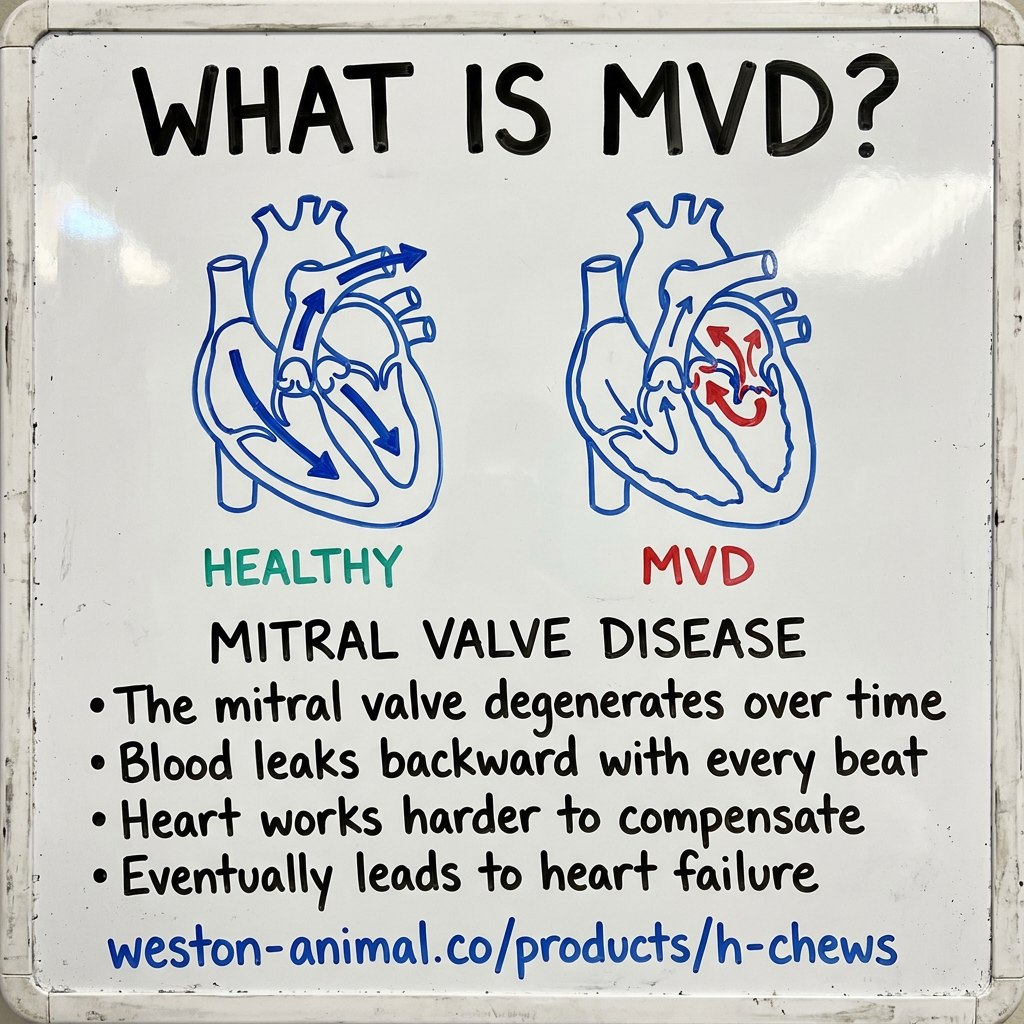
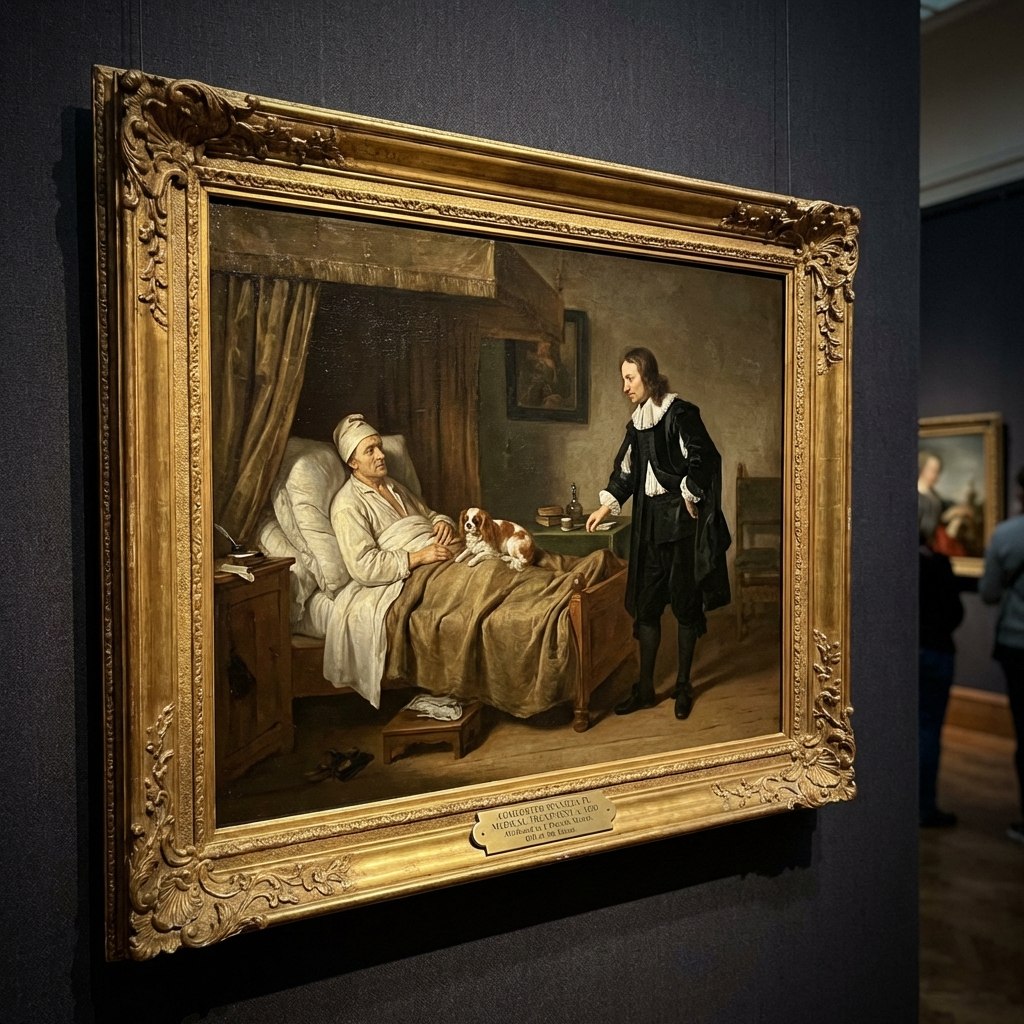
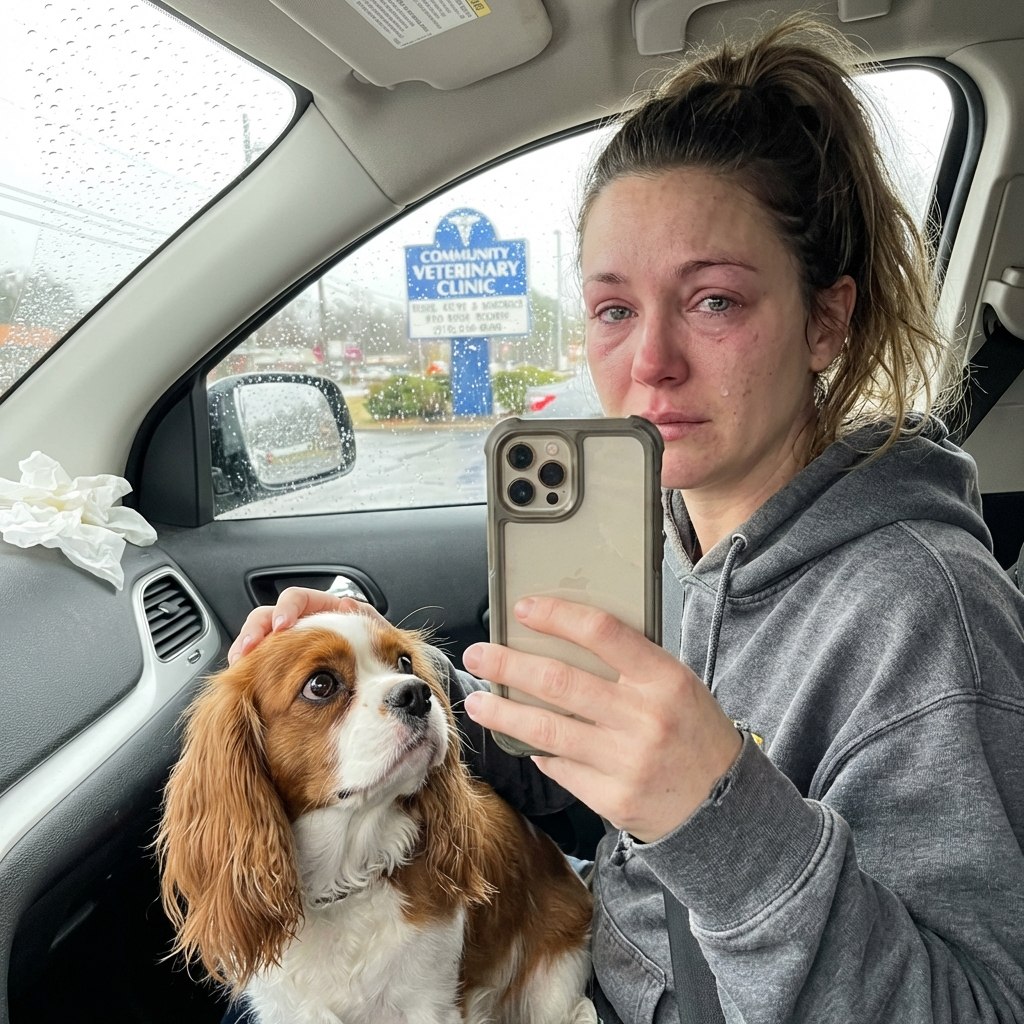
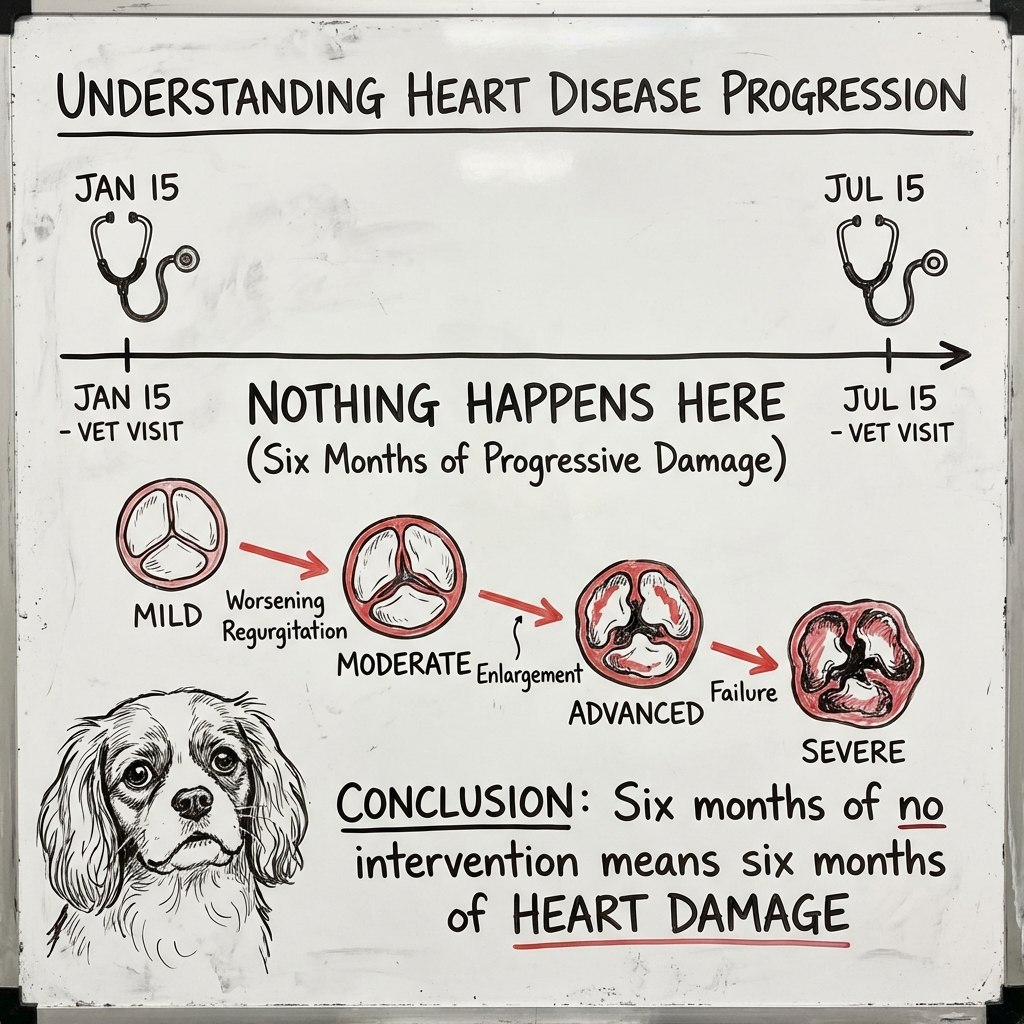
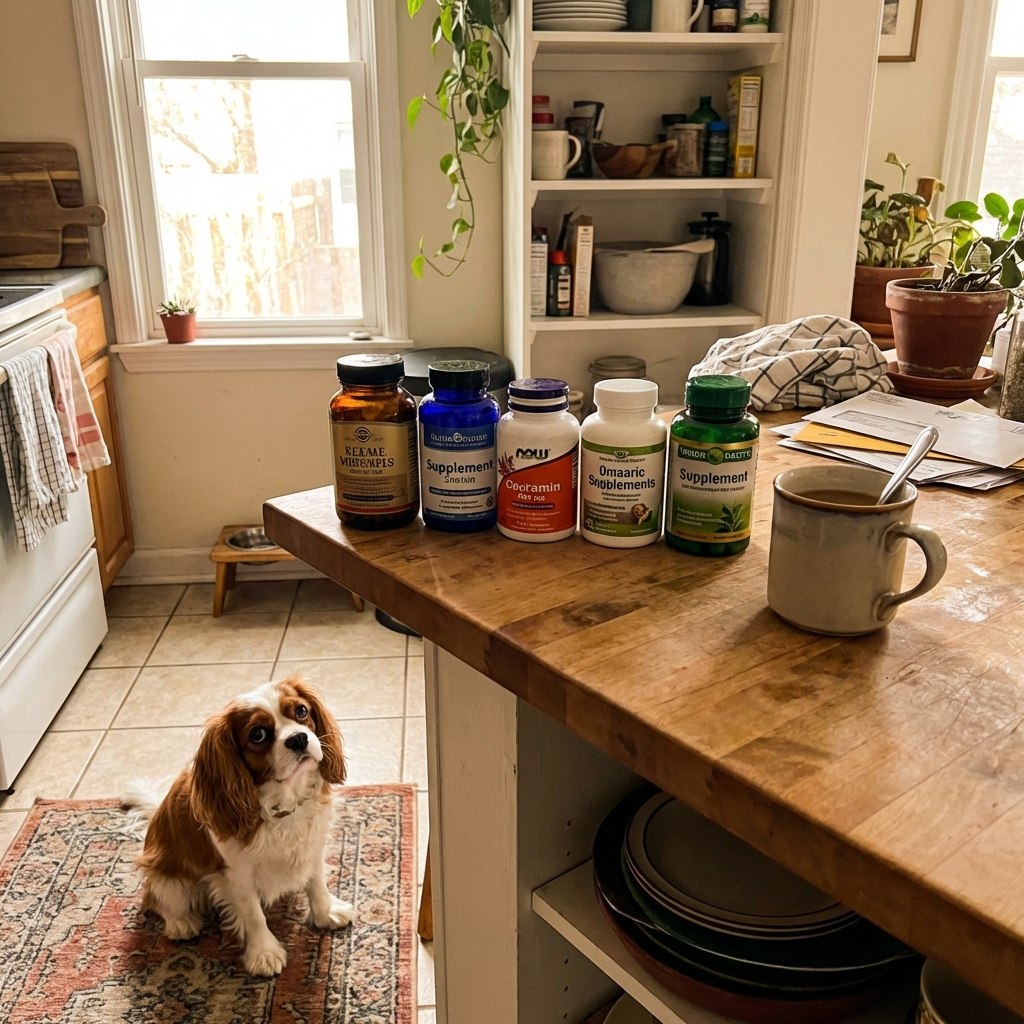
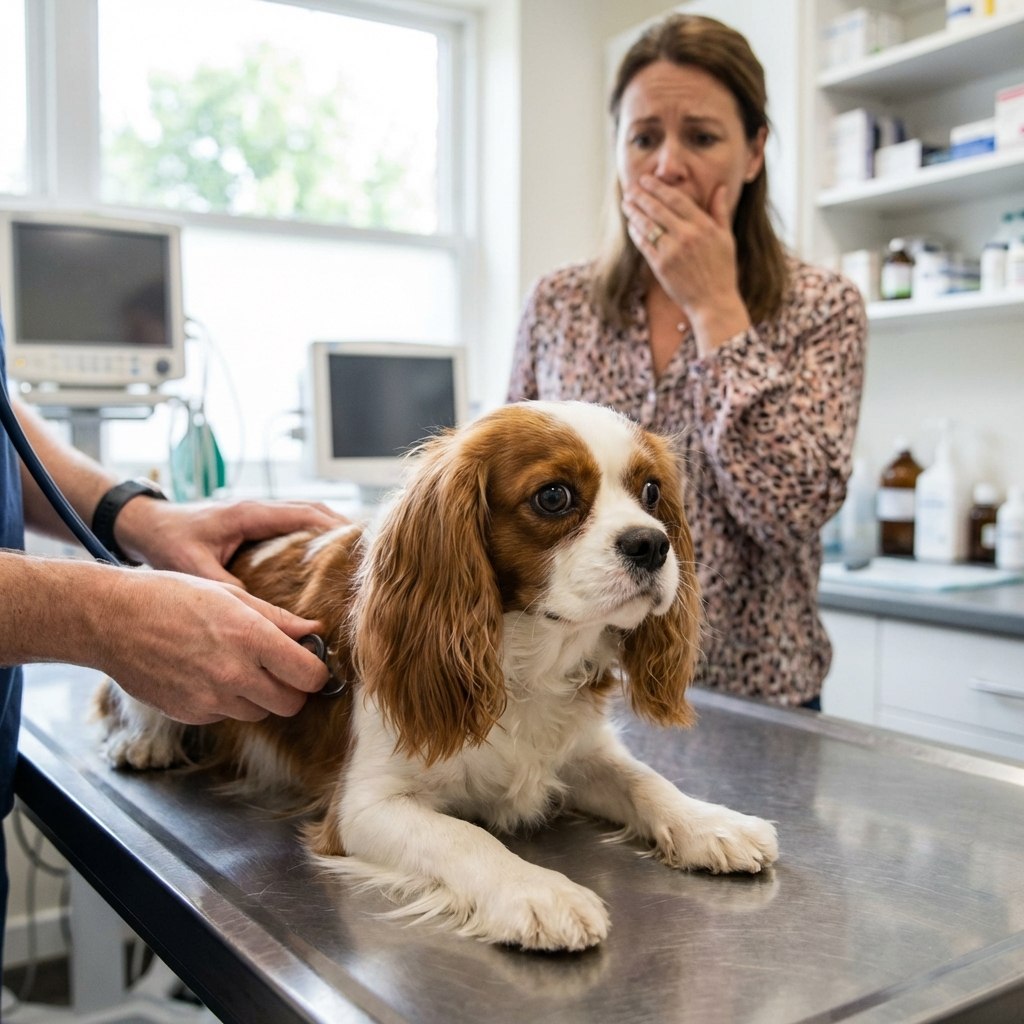
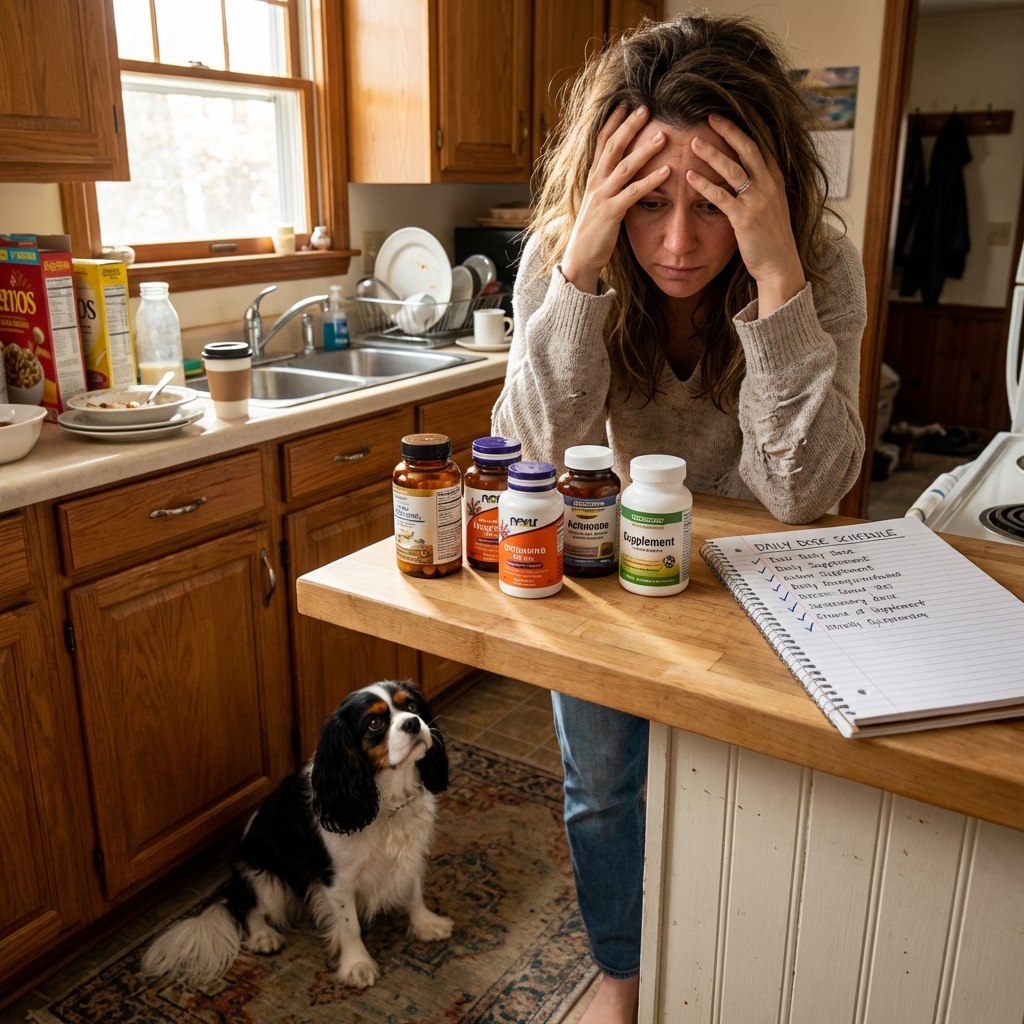
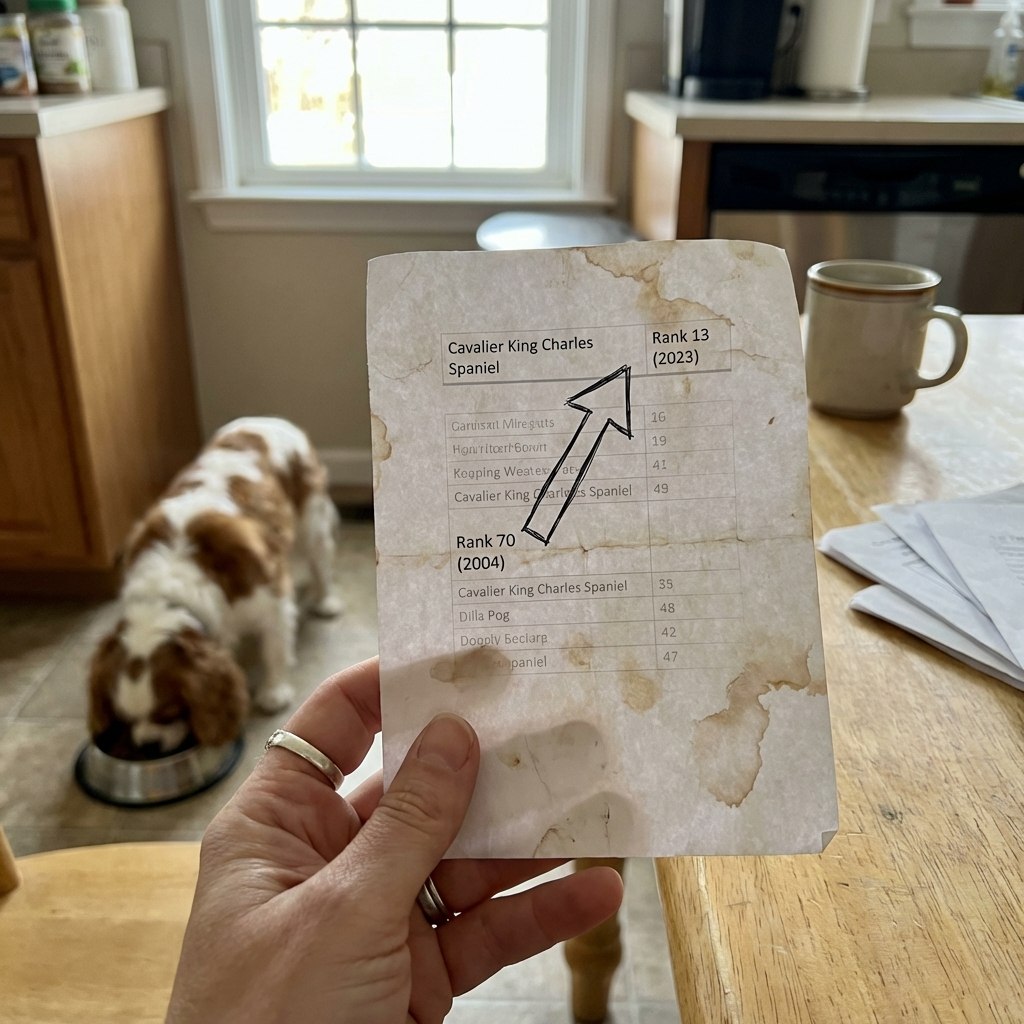
In 1995, the American Kennel Club officially recognized the Cavalier King Charles Spaniel. Within a decade, registrations exploded by 800%. The breed went from the 70th most popular dog in America to the 13th out of 201 breeds. Pet stores could not keep them in stock. Breeders who had never touched the breed started producing litters. Waiting lists formed. Prices doubled. Then tripled. If you own a Cavalier, you already know why. The way they press into your chest when the day has been too much. The head tilt when you talk to them. The weight of them in your lap at the end of a hard week. The look they give you that says everything without a single sound. No other breed does what these dogs do. The world figured that out in 1995. And the consequences of that discovery are still unfolding inside your dog's chest right now. My name is Dr. Emily Sato. I am a heart doctor for animals at a university hospital in Philadelphia. I also studied dog genetics in graduate school. For 14 years I have been treating one breed more than any other. I need to tell you what happened to this breed when demand outpaced biology. Because your vet probably never has. Every Cavalier King Charles Spaniel alive today descends from roughly six dogs. After World War II, the breed had nearly disappeared. Breeding populations collapsed. By the time it was over, six animals remained as the foundation for every Cavalier that would ever be born again. Six dogs. Not sixty. Not six hundred. Six. When you rebuild a breed from that few, you lock in everything those animals carried. The soft eyes. The silky ears. The instinct to find the saddest person in the room and sit on them until they feel better. But you also lock in every flaw. With no outside genes to dilute it, every defect travels forward through every generation. Those six dogs carried a weakness in the part of the heart called the mitral valve. The material holding it together was not as strong as it should have been. For decades, the breed stayed small. A few thousand dogs. The defect was present but contained. Then the AKC recognized them. And everything changed. Here is what 800% growth does to a broken gene pool. More demand meant more breeding. More breeding meant more puppies from the same compromised bloodlines. Puppy mills scaled up overnight. Backyard breeders who had never health-tested a single dog started producing litters of six, eight, ten puppies at a time. Volume breeders sold to pet stores. Pet stores sold to families who had no idea what they were buying. The defective valve gene did not just persist. It multiplied. Every new litter from an untested parent spread it further. Every popular sire who produced 50 or 100 litters amplified it across the entire population. The math was brutal and it was invisible. In the 1980s, before the AKC recognition, Cavaliers regularly lived to 14 or 15 years. Today the documented average is 9.5. That is a 30% drop in life expectancy in one generation of a breed. During a period when veterinary medicine has never been more advanced. The lifespan went down at exactly the same time the popularity went up. That is not bad luck. That is supply and demand crashing into genetics. Over 50% of Cavaliers now have a detectable heart murmur by age 5. Over 90% by age 10. In other small breeds, heart valve disease is an old age problem that affects roughly 10% of dogs, usually after age 10, usually progressing slowly. In Cavaliers it is 20 times more common, starts in middle age, and once it begins it moves 2 to 3 times faster than in any other breed. Here is what is happening in your dog's chest. The mitral valve opens and closes about 100,000 times a day. In a healthy dog, it seals tight every time. In Cavaliers, the material holding it together is weaker from birth. Over time the valve thickens, stiffens, and stops closing all the way. Blood leaks backward with every beat. The heart works harder to keep up. It gets bigger. The bigger it gets, the more the valve stretches. The worse the leak. A cycle that only moves in one direction. Your vet has probably not told you any of this. Not because they do not care. Because the system they work in does not have a plan for before the damage shows up. It has a plan for after. They listen with a stethoscope once a year. If they hear nothing, they say she sounds great. But a stethoscope cannot hear the early stages. The valve has often been getting weaker for a year or two before any vet can pick it up. By the time they hear something, the story is already halfway over. The beginning is where you still have a chance to change it. Sweden figured this out. They made heart testing required for every Cavalier. Owners started supporting the heart early, before symptoms showed up. Swedish Cavaliers became almost half as likely to die before age 10. They did not cure the problem. But they found the window. The quiet period before symptoms appear when you can support the heart while it still works the way it should. That window is open for your dog right now. When most owners start looking for heart support, they make one mistake that costs them everything. The top products on Amazon are loaded with taurine and L-carnitine. Those are the right ingredients for a condition called DCM, where the heart muscle gets weak. That happens to big dogs. Golden Retrievers. Great Danes. Your Cavalier does not have DCM. Your Cavalier has MVD. The valve breaks down, not the muscle. Completely different problem. Completely different needs. CavalierHealth.org, the most trusted breed health resource, says most heart products have too much of what does not help and not enough of what does. What the valve needs: CoQ10 in ubiquinol form, not the cheap version most products use. Omega-3 fatty acids. Hawthorn berry. D-Ribose. Magnesium. These support what is actually happening in a Cavalier heart during the quiet period before any vet can hear a problem. Let me tell you about a Cavalier named Poppy. Poppy's owner, a woman named Jess from Charlotte, is a data analyst. When she bought Poppy from a breeder in 2019, the breeder told her Cavaliers were the healthiest small breed she had ever raised. No genetic testing was mentioned. No heart screening was discussed. Jess paid $3,200 and drove home with a healthy puppy. Two years later, Jess was researching dog breeds for a friend and stumbled on the AKC registration data. She saw the 800% growth curve. Then she found the lifespan data showing the decline from 14 years to 9.5 happening at the exact same time. Then she found the studies on mitral valve disease prevalence. Then she could not sleep for three days. She called her vet. Her vet said Poppy sounded fine. Jess asked if there was anything she should be doing for Poppy's heart. Her vet said no. Jess booked an appointment with me on her own. I ran a heart ultrasound. Poppy was 3 years old. No symptoms. Running, playing, stealing shoes off the bathroom floor every morning. But the valve was already starting to change. Early thickening. Not enough for a stethoscope to catch. But there on the screen. We started Poppy on the healthy heart support chews I give to every Cavalier owner I see. One chew a day. At 12 months, stable. At 24 months, still stable. I am not saying that happens for every dog. This is genetic. It traces back to six dogs and nothing erases that. These are support chews, not medicine. They do not replace your vet or any medication. But Jess told me: "Nobody told me the popularity boom was the thing that broke this breed. I would have started day one if I had known." That is why I am writing this. Because 800% growth sounds like a success story. It was not. It was the event that spread a broken gene through an entire breed and cut their lives short by five years. Your Cavalier did not cause this. The AKC recognition, the demand explosion, the volume breeding, the untested parents, the closed gene pool that was already too small. All of that happened before your dog was born. None of it was your fault. But what happens between now and the first murmur is up to you. Whether your Cavalier has a murmur or not, her valve needs support. That is not a diagnosis. That is the breed. One chew. Every day. Starting now. weston-animal.co/products/h-chews P.S. The AKC recognition was supposed to be a good thing for the breed. Instead it triggered the demand explosion that spread a defective gene through the entire population and cut the average lifespan by nearly five years. The window before the first murmur is the only window you control: weston-animal.co/products/h-chews P.P.S. Before you search Amazon, check the label. If it says taurine and L-carnitine, it was made for DCM, not MVD. Your Cavalier needs ubiquinol CoQ10, omega-3, hawthorn, D-Ribose, and magnesium. The right formula for the right condition: weston-animal.co/products/h-chews
Like this ad? Make it yours.
Crush rebuilds this exact creative around your product — your brand, your colors, your offer — in about a minute.