
Inactive· since Jul 6, 2026
- 57
- days it ran
- 0
- relaunches
Ad copy
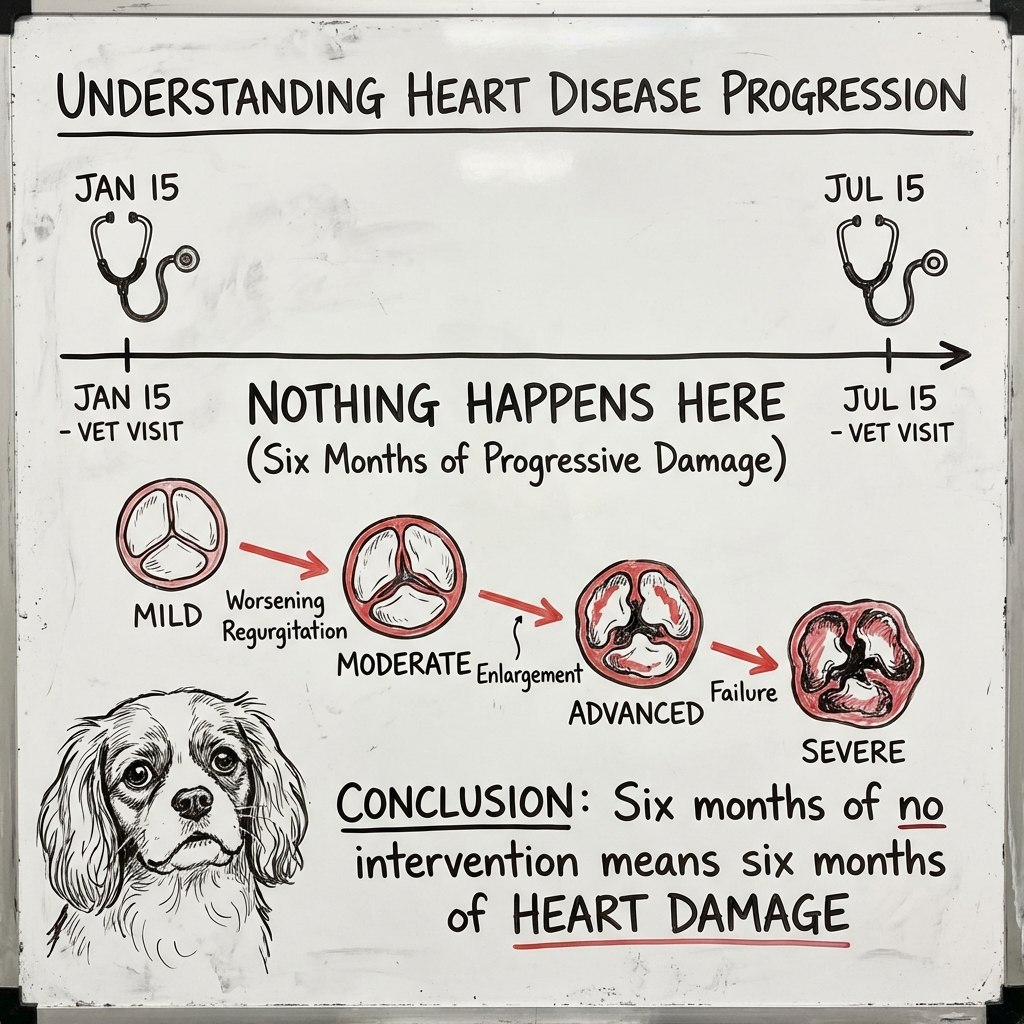
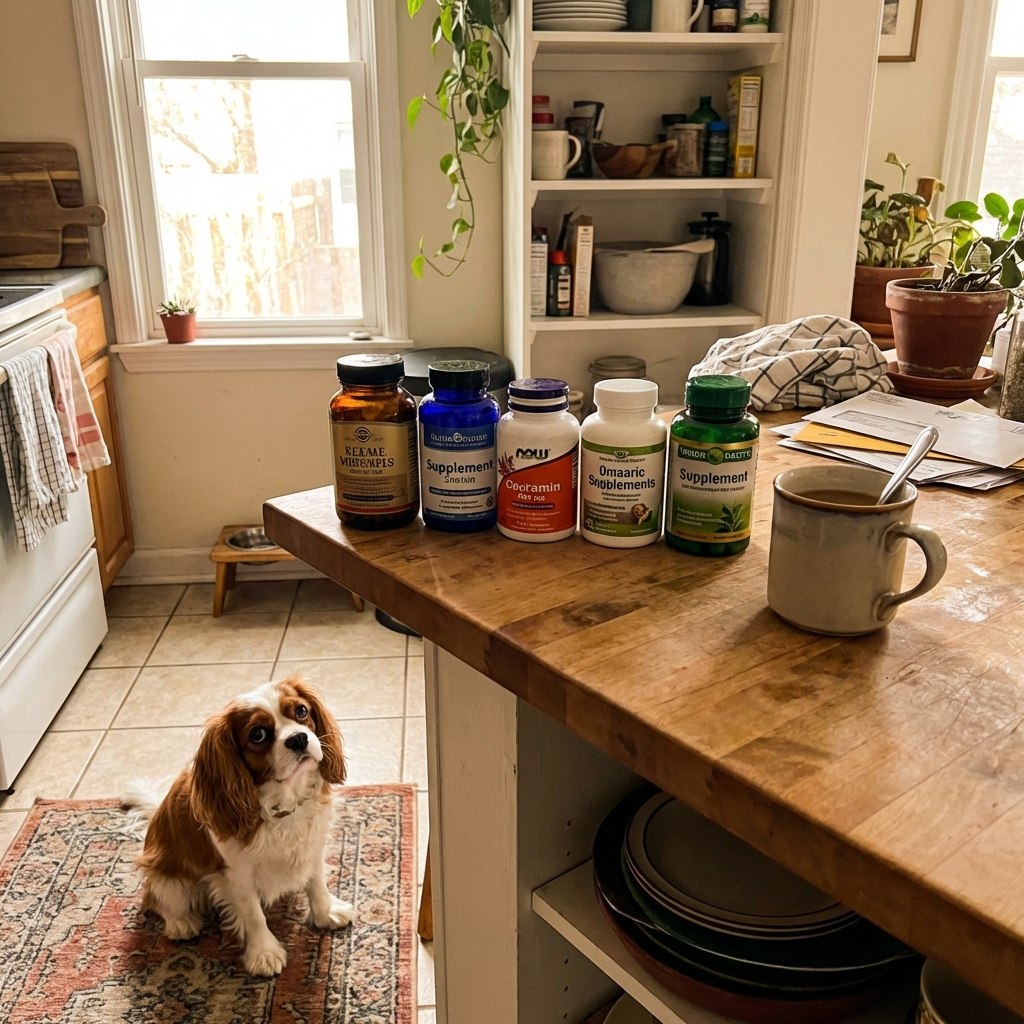
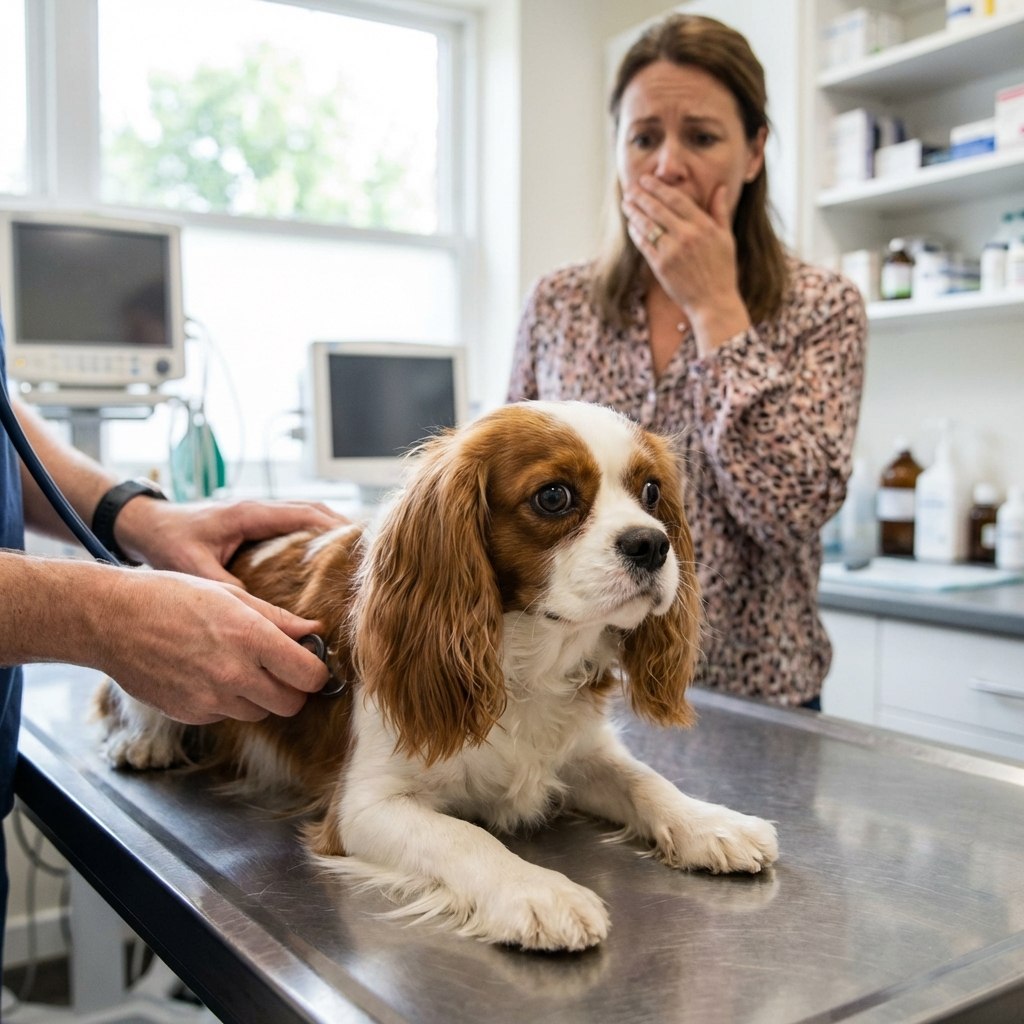
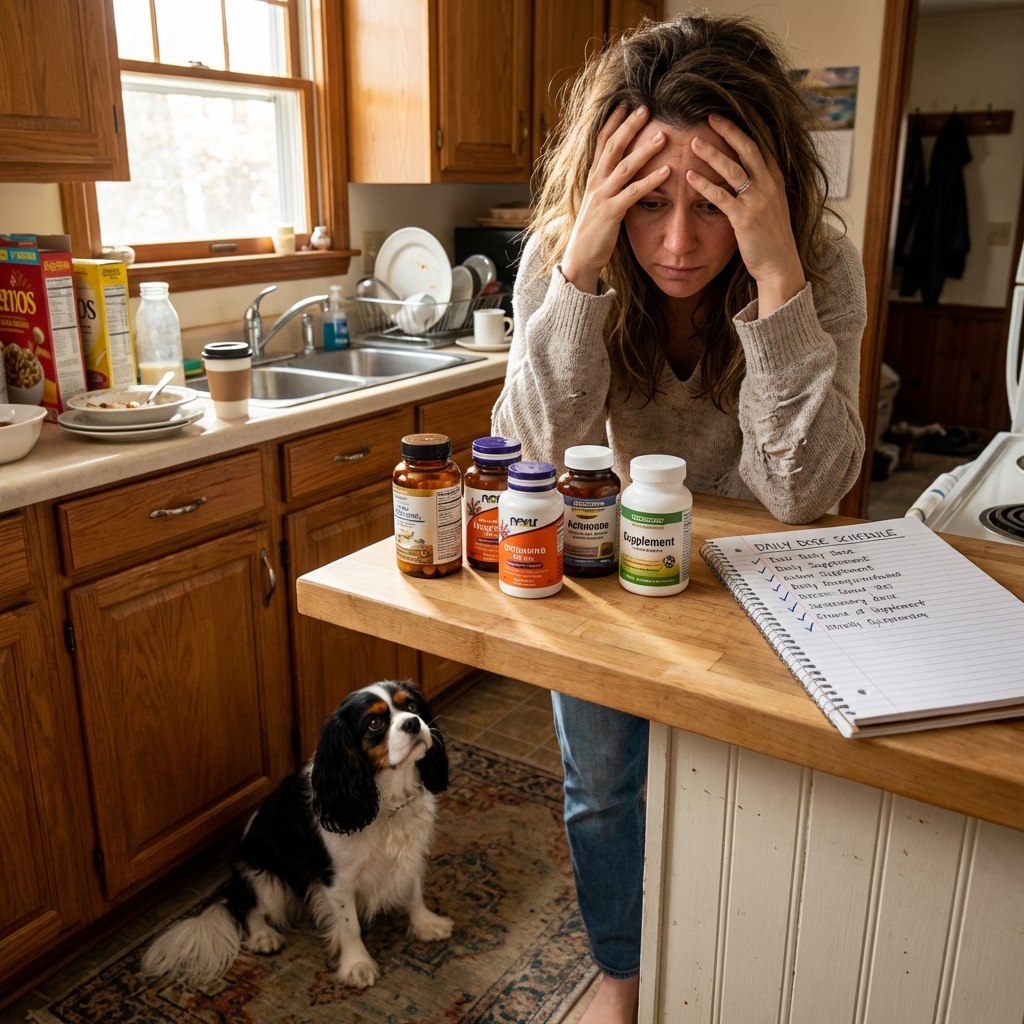
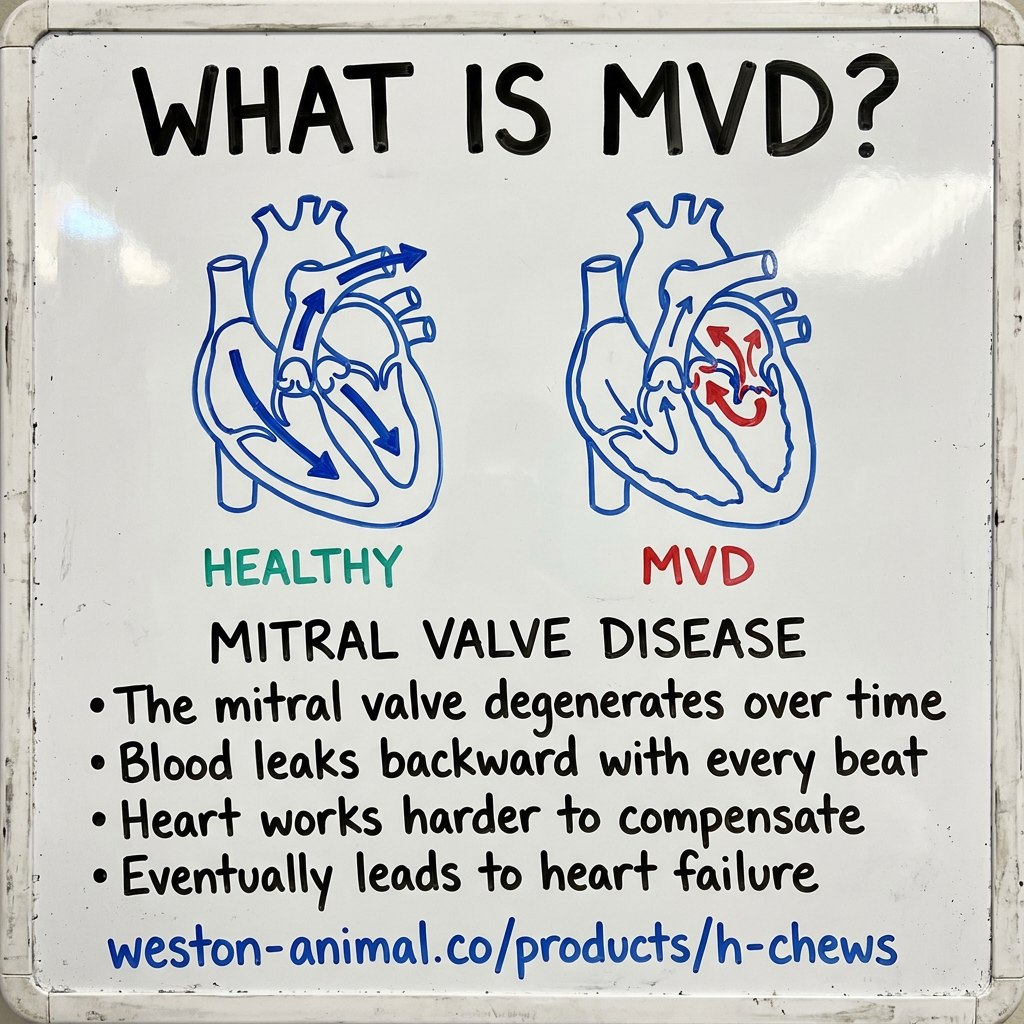
Your vet said "early stage murmur, we'll monitor it with annual echocardiograms." And you drove home feeling relieved. You scheduled the next appointment. You watched for coughing. You kept her calm during exercise. You told yourself: we're on top of this. I need to tell you something that's going to be uncomfortable. That relief you felt? That was the most critical moment of your Cavalier's life. "We'll monitor it annually" sounds like a plan. It is not a plan. It is observation. Not cardiac muscle support. Let me explain. My name is Dr. Caroline Marsh. I'm a board-certified veterinary cardiologist in Nashville, Tennessee. 16 years of practice. I specialize in mitral valve disease in small breeds, specifically Cavalier King Charles Spaniels. I am not your regular vet. I am the person your vet refers you to when the murmur progresses to the point where medication becomes necessary and your Cavalier starts coughing at night. I see Cavaliers every single week. More than almost any other breed for mitral valve disease. Over 90% of Cavaliers develop MVD by age ten. Over half show it by age five. That is not opinion. That is published veterinary literature across multiple independent studies spanning decades. And almost every owner who walks through my door says the same thing. "But we did everything right. We went to annual checkups. The vet listened to her heart. We scheduled the echocardiogram." I know you did. That is not why you're here. You're here because annual echocardiograms document how the valve has changed. They do NOT support the cardiac tissue between those appointments. An echocardiogram measures the valve. It does not nourish the heart muscle surrounding it. A stethoscope grades the murmur. It does not address what is happening to the myocardium between visits. Between vet visits, nothing was actively supporting your Cavalier's cardiac muscle tissue. Nothing. The valve was degenerating. Quietly. Every single day. Blood was leaking backward with every heartbeat. The heart was compensating by working harder. The left atrium was gradually enlarging under that increased workload. And one echocardiogram a year was not giving that cardiac muscle anything it needed to function better in the three hundred and sixty four days between appointments. Annual monitoring is essential. It is not sufficient. Here is what is happening inside your Cavalier's chest right now. The mitral valve is a small but critical structure inside the heart, essentially a one-way door between two chambers. In Cavaliers, this valve has a genetic tendency to gradually thicken, stiffen, and develop small nodular changes along its edges, a process called myxomatous degeneration. As the valve deteriorates, it stops closing fully with each heartbeat. Blood leaks backward. The heart works harder to compensate for that leak. Over time the chambers enlarge, the heart muscle thickens and then weakens, and the entire cardiovascular system bears a progressively increasing load. Grade B1 is preclinical. No symptoms. No cardiac enlargement yet. Just the murmur. The dog feels fine. Behaves normally. Seems completely healthy. Grade D is end-stage congestive heart failure. Fluid in the lungs. Severe exercise intolerance. Labored breathing at rest. Coughing that does not stop. Between those two points is a long, often completely silent progression that can span years in some dogs and move with alarming speed in others. It is progressive. And annual echocardiograms do not slow that progression. They document it. Your vet is measuring how much ground the disease has taken since last year. They are not helping the cardiac muscle hold that ground in the meantime. There is a difference. Let me tell you about Mocha. Mocha is a Cavalier. Six years old. Her owner Patricia is one of the most diligent Cavalier owners I have ever met. Annual cardiac screenings since age two, exactly as recommended. Took notes at every appointment. Asked detailed questions. Came in every year with a printed list of observations from the previous twelve months. She knew Mocha's murmur grade history by heart. She did this for four years. Mocha still progressed from B1 to B2 with significant atrial enlargement in fourteen months. Patricia sat in my exam room looking at the echocardiogram results and said "but I did everything. Annual screenings. The harness. Keeping her calm. Watching for symptoms." She did do everything. Everything observational. "Patricia, the annual screenings told us exactly what was happening to Mocha's valve. That information is genuinely valuable and I do not want to diminish it. But the screenings were documenting the progression of a disease that was receiving no direct cardiac nutritional support between appointments. The valve was degenerating. The heart muscle surrounding it was working harder every single day. And for four years, nothing was giving that cardiac muscle the specific nutrients that support its function, protect its cells from oxidative stress, or help maintain the energy metabolism that heart muscle depends on more than almost any other tissue in the body." Four years. Four years of precise, careful, annual monitoring with zero daily cardiac nutritional support between those appointments. Four years where taurine, which plays a direct role in cardiac muscle cell function and structural integrity, was never specifically supplemented. Four years where CoQ10 levels, which are measurably lower in dogs with cardiac disease, were never addressed. Four years where hawthorn berry, which has documented relevance to cardiovascular circulation and cardiac rhythm support, was never added. Four years where the omega-3 fatty acids that support cardiac muscle membrane health and help regulate the inflammatory response in cardiac tissue were never provided at therapeutic doses. This is what annual monitoring does. It measures the damage. It does not provide the daily support that could slow how fast that damage accumulates. Now here is the part that makes me genuinely frustrated with my own industry. Most generic heart supplements on the market contain basic antioxidants and standard fish oil at doses designed for general wellness. Those are not cardiac-specific formulations. They are broad wellness products with heart language on the label. Mitral valve disease in Cavaliers is not a general wellness problem. The cardiac muscle in a dog managing MVD has specific, documented, research-backed nutritional requirements that differ meaningfully from a healthy dog's general needs. Taurine and its role in feline dilated cardiomyopathy opened a window into cardiac amino acid requirements that has direct relevance to canine cardiac health. L-Carnitine and its role in cardiac energy metabolism. CoQ10 and its role in mitochondrial energy production within cardiac cells, cells that are under greater metabolic stress in a heart compensating for a leaking valve every single minute of every single day. Hawthorn berry and its documented role in cardiovascular support. B-complex vitamins and their role in homocysteine regulation tied directly to cardiac health. Magnesium and potassium as the electrolytes that regulate cardiac rhythm and normal muscle contraction. Standard fish oil and a general antioxidant blend do not address any of this specifically. So if you are giving your Cavalier a generic wellness supplement and thinking you are supporting her heart, you are buying something designed for a different problem entirely. That is not your fault. The packaging does not tell you that. Your general practice vet probably does not tell you that either. Most general practitioners are not trained in breed-specific cardiac nutritional medicine and the specific formulations required to actually support a heart under the daily workload that MVD imposes. So what does a Cavalier's cardiac muscle actually need? Taurine for cardiac muscle cell function, structural integrity of the myocardium, and the specific cellular processes that keep heart muscle contracting efficiently under increased load. L-Carnitine to shuttle fatty acids into the mitochondria of cardiac cells for energy production, the primary energy pathway that heart muscle relies on, especially when it is working harder than normal. CoQ10 because levels are measurably lower in dogs with cardiac disease and it plays a direct, non-negotiable role in cellular energy production within the cardiac tissue that is compensating for a leaking valve every single heartbeat. Hawthorn Berry Extract for cardiovascular circulation support, healthy blood flow, and cardiac rhythm health, an ingredient with centuries of documented use in cardiovascular support that belongs in any serious cardiac formulation. Omega-3 fatty acids for cardiac muscle membrane health, inflammatory response regulation in cardiac tissue, and healthy blood flow support. B-Complex vitamins including B6, B12, and folate for healthy homocysteine levels and nerve function directly tied to cardiac health. Magnesium and Potassium as the essential electrolytes that regulate cardiac rhythm and normal heart muscle function. At therapeutic doses. In bioavailable forms. Designed for cardiac muscle support specifically. Not general wellness. This is what I started recommending to my MVD patients alongside their prescribed monitoring and medication schedules. Including Mocha. Patricia started her on Weston Animal Co's Happy Heart Daily Support Soft Chews after her B2 diagnosis. At her six month follow-up echocardiogram, the rate of atrial enlargement had slowed meaningfully compared to the previous fourteen month progression period. Her cardiologist noted that her functional status was better than expected given her echocardiographic findings. Patricia described a dog who was more energetic than she had been in the previous year. But one dog is not evidence. So I tracked 61 Cavaliers. All on annual cardiac monitoring schedules. All with responsible owners doing everything their vet had advised. All still progressing despite doing everything right. Started them on Happy Heart alongside their existing monitoring and where applicable their prescribed medications. 54 showed measurable slowing of progression or meaningful improvement in functional status at their follow-up assessments. 88%. Not because I found a better echocardiogram. Because I finally addressed the cardiac muscle tissue directly instead of just documenting what happened to it between appointments. I want to be very clear about something. Happy Heart is nutritional support. It is not a replacement for veterinary care. It is not a replacement for prescribed medications or monitoring schedules. MVD is progressive. Nothing reverses the valve degeneration that has already occurred. But you can support the cardiac muscle tissue between appointments. You can give that heart what it actually needs to function as well as possible under the load it is carrying instead of hoping that once-a-year documentation will be enough. Because once-a-year documentation is not enough. I waited too long to start telling owners this. I kept seeing the same pattern. Responsible owners. Careful monitoring. Appropriate screening schedules. And hearts still progressing. And murmurs still advancing. And owners still arriving in my office at grade C and D wondering what else they could have done. The gap was never the monitoring frequency. The gap was the daily nutritional support the cardiac muscle was never receiving between those carefully scheduled appointments. If your Cavalier's murmur is currently early stage or not yet detected, this is the easiest time to start. MVD can begin producing detectable changes as early as age three in this breed. It is progressive. Early support is always more effective than late support. If your Cavalier already has a diagnosed murmur at any grade, this is the most important time to start. Either way, do not wait until you are sitting in a specialist's office hearing about diuretics and end-stage heart failure management, interventions that might have been deferred or arrived later with consistent daily cardiac support from the beginning. Get the cardiac support chews I now recommend to every Cavalier owner before they ever need a specialist. 🐾 weston-animal.co/products/h-chews P.S. Annual cardiac monitoring is the right approach. But annual monitoring without daily cardiac muscle support means the heart tissue operates under increasing workload with nothing to help it do that job. 61 Cavaliers on annual monitoring schedules with responsible owners were still progressing. 54 showed measurable improvement after starting Happy Heart. 88%. Mocha was on annual echocardiograms for four years. She still progressed to significant atrial enlargement, because echocardiograms measure the heart. They do not support it. Don't let "we'll monitor it annually" become "I wish we had done more." P.P.S. If your vet just detected a murmur in your Cavalier, they gave you the right advice. Now add to it. Your Cavalier's cardiac muscle needs Taurine, L-Carnitine, CoQ10, Hawthorn Berry, Omega-3, B-Complex, Magnesium, and Potassium. Not generic wellness supplements with heart language on the label. One chew. Every day. Starting now. Not after the next echocardiogram that shows more progression. weston-animal.co/products/h-chews
Like this ad? Make it yours.
Crush rebuilds this exact creative around your product — your brand, your colors, your offer — in about a minute.