
Active· since Apr 6, 2026
- 160
- days running
- 0
- relaunches
Ad copy
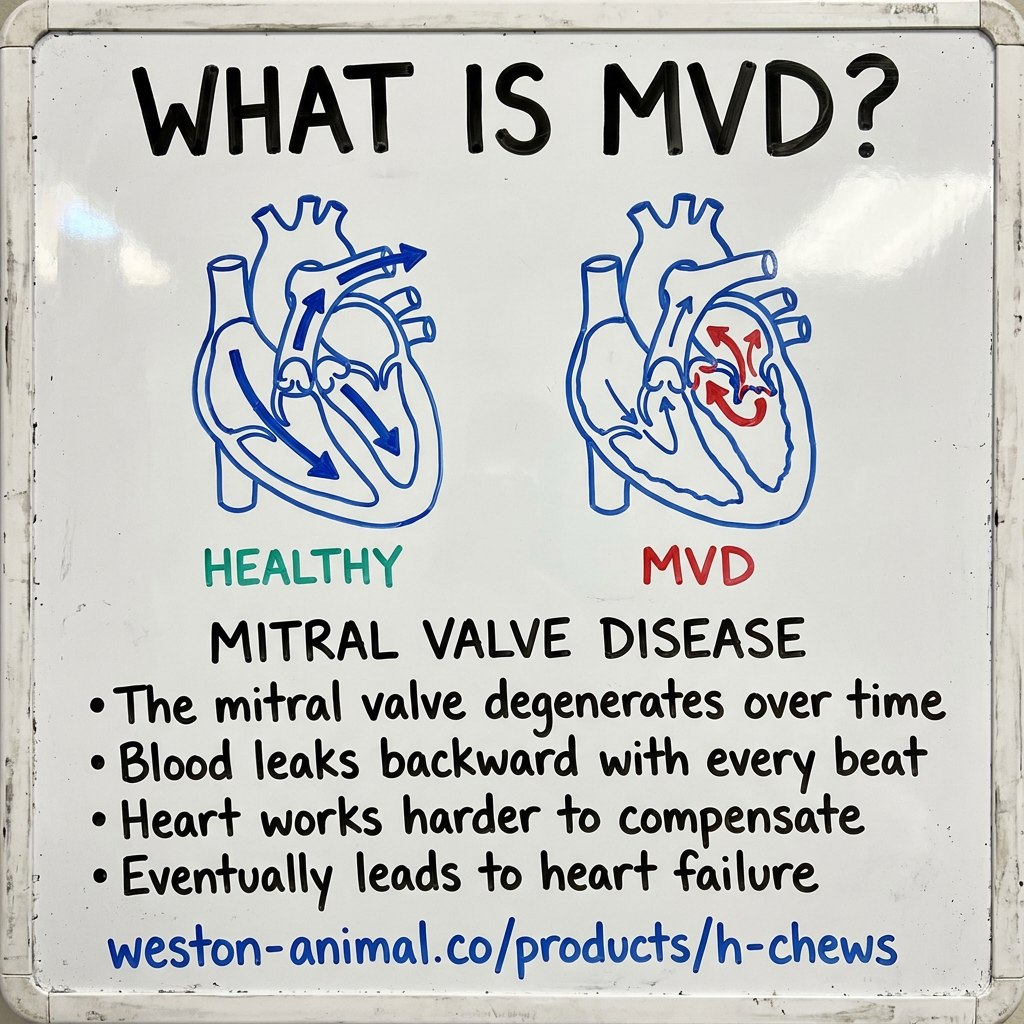
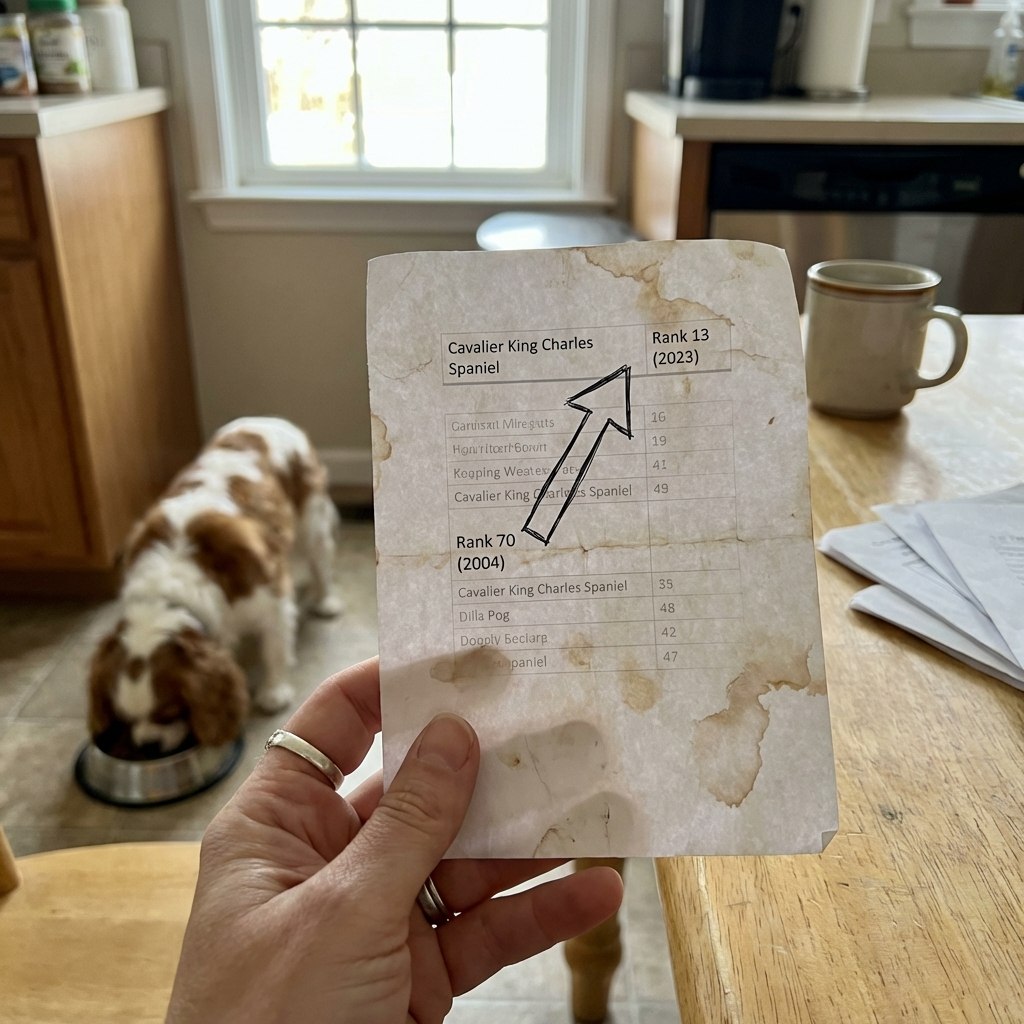
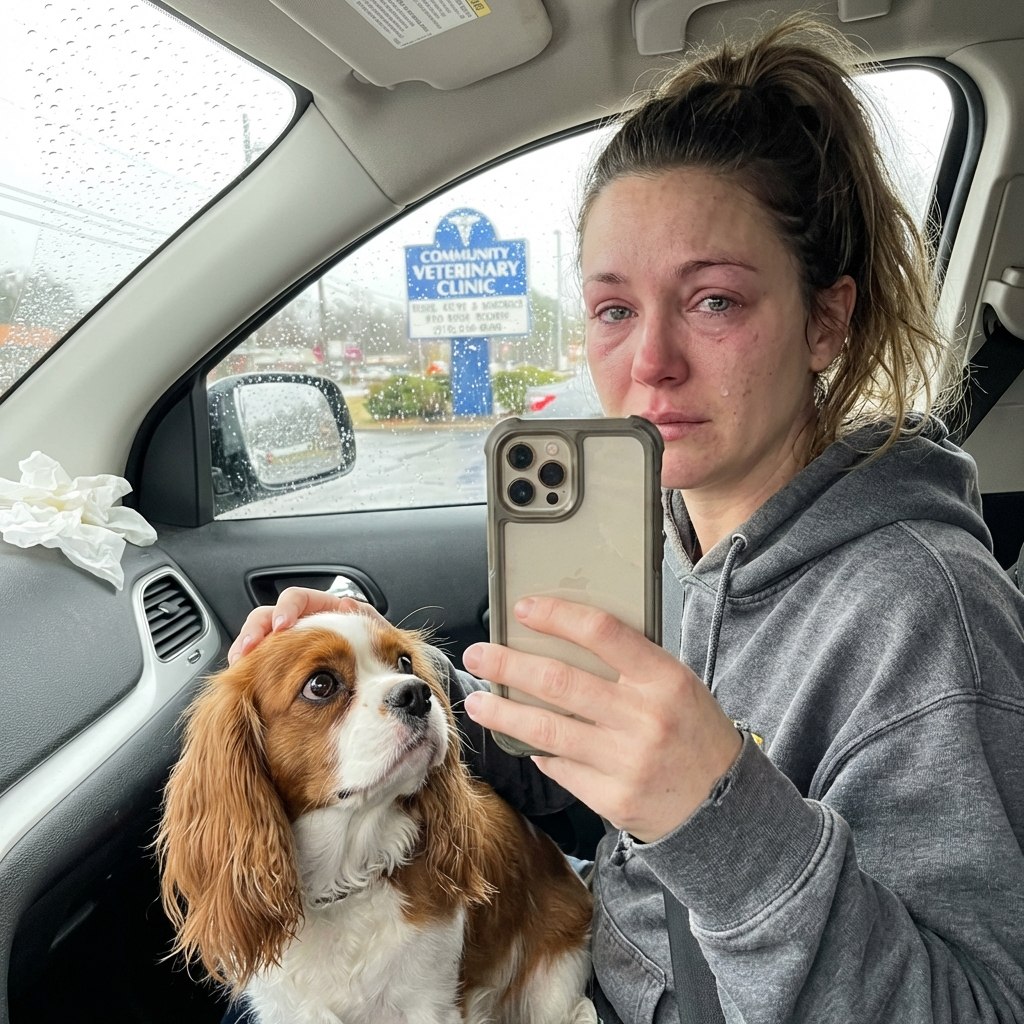
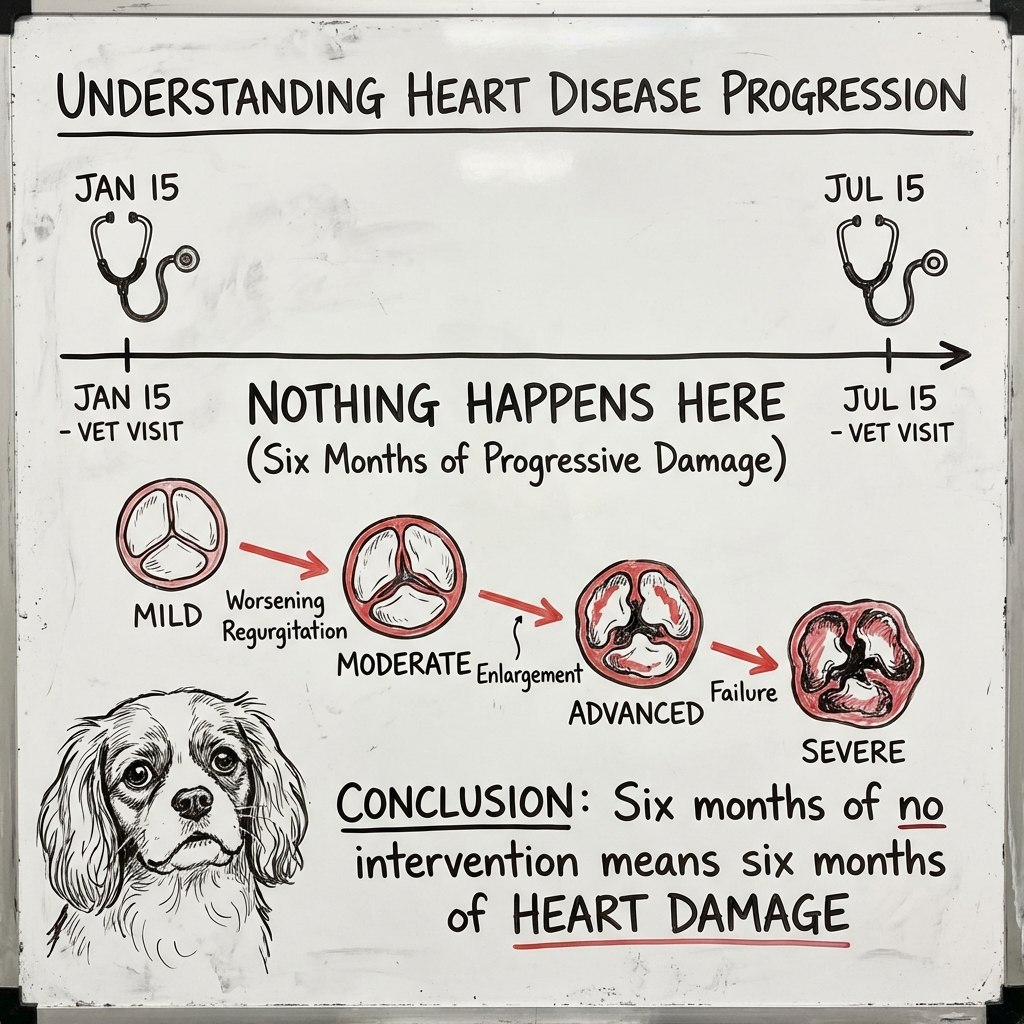
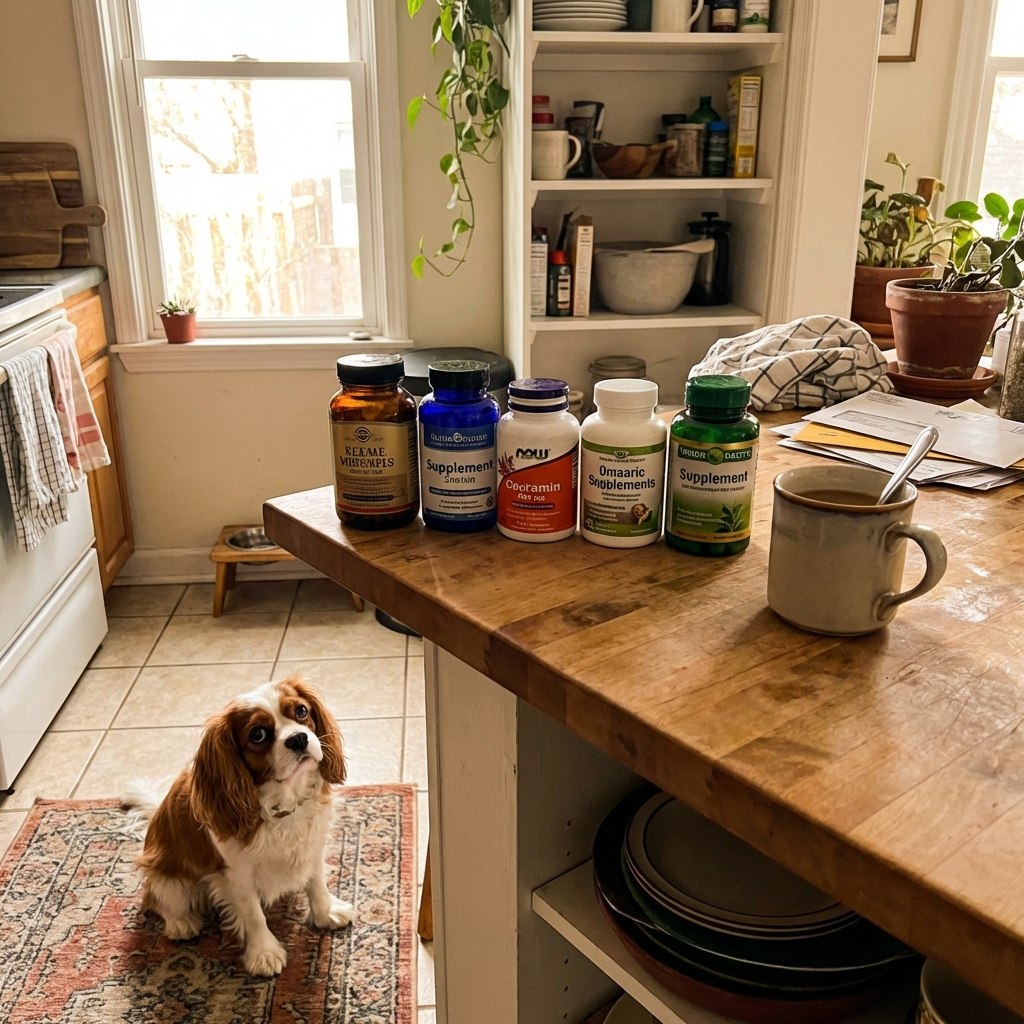
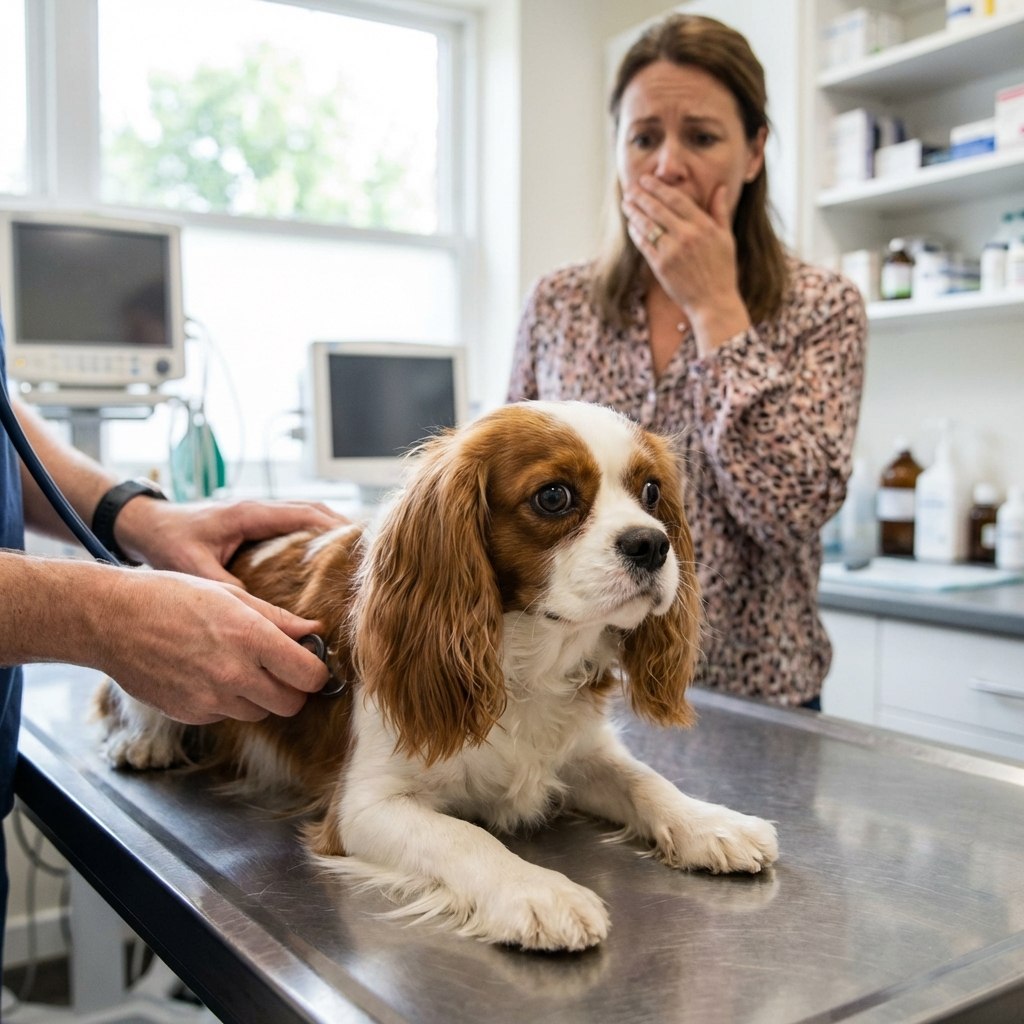
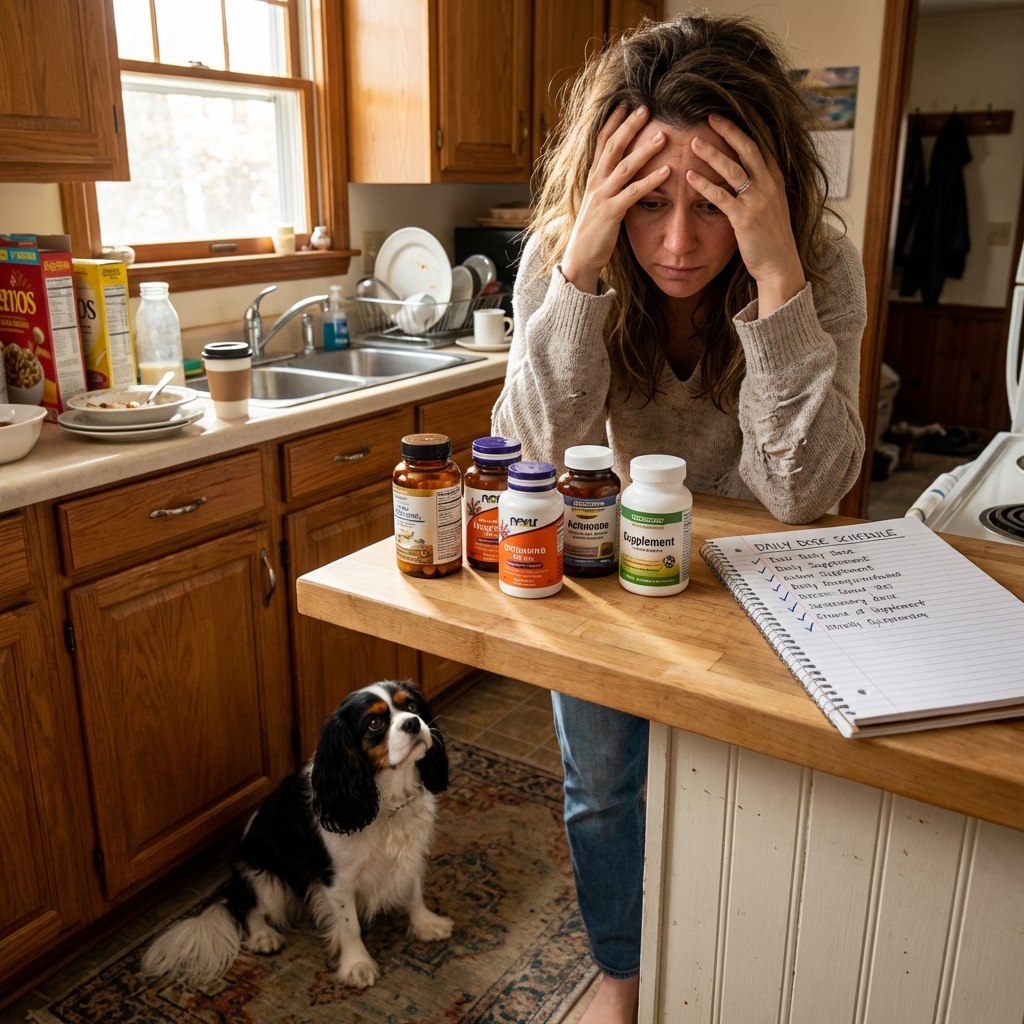
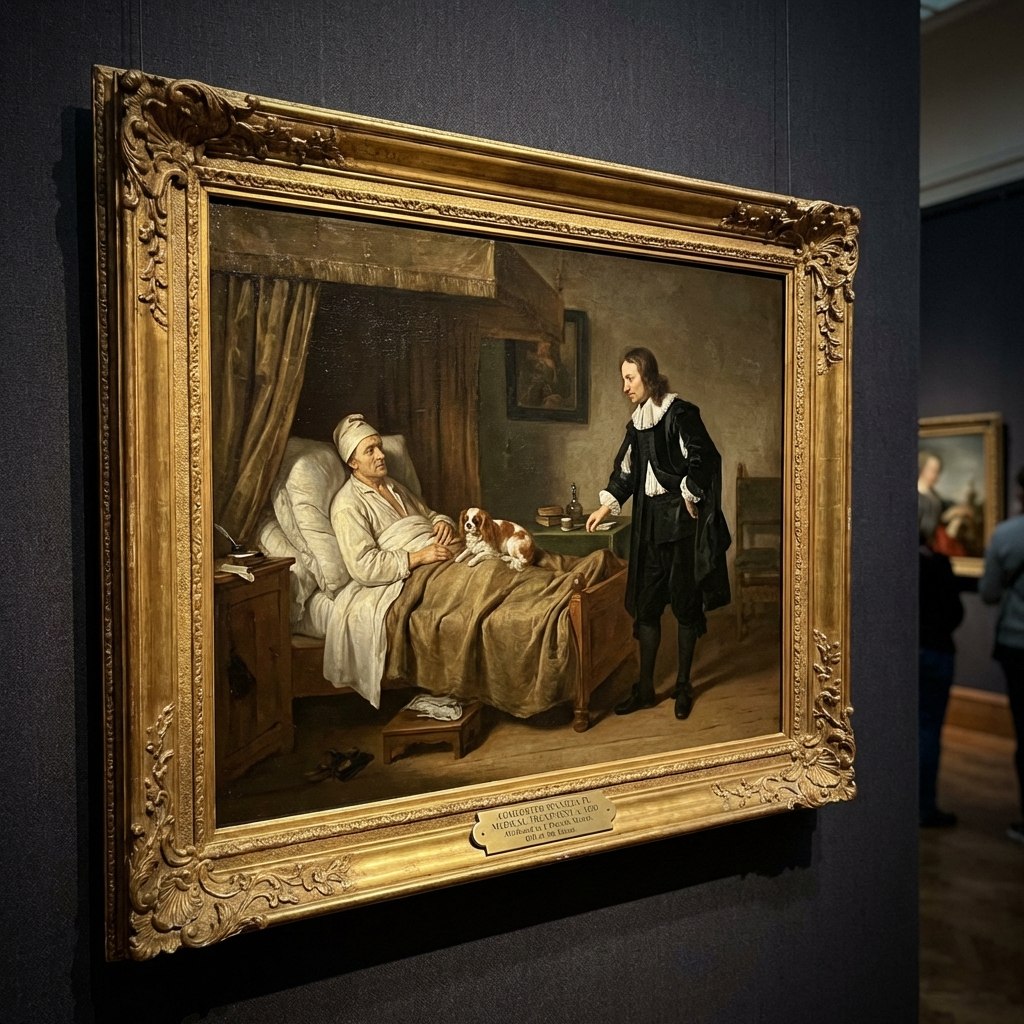
In the 1600s, doctors in England wrote actual prescriptions for lap Cavaliers. Not medicine. Not herbs. Dogs. Physicians believed that placing a small spaniel on the chest or lap of a sick patient could ease pain, calm anxiety, and speed recovery. They called them "comforter spaniels." Wealthy families kept them at the bedside of anyone recovering from illness. Hospitals allowed them in patient rooms. Doctors recorded in medical journals that patients who held a spaniel during recovery showed better outcomes than those who did not. The breed they used most often was the ancestor of the dog sleeping on your couch right now. If you own a Cavalier King Charles Spaniel, none of this surprises you. You already know what these dogs do. The way they press into your chest when you are sad. The way they find you in whatever room you are hiding in when the day has been too much. The way they rest their head on your lap and look up at you like they can feel exactly what you are feeling. Science has a name for it now. They call it oxytocin release, cortisol reduction, parasympathetic nervous system activation. In the 1600s they just called it healing. These dogs have been healing people for over 400 years. And for most of that time, nobody thought to ask what was happening to their hearts. My name is Dr. Emily Sato. I am a heart doctor for animals at a university hospital in Philadelphia. I also studied dog genetics in graduate school. For 14 years I have been treating one breed more than any other. The breed that doctors once prescribed to heal the human heart is now the breed most likely to die of heart failure. That is not a metaphor. That is a fact. Every Cavalier King Charles Spaniel alive today comes from roughly six dogs that survived after World War II. Six animals whose DNA was copied and passed forward to every Cavalier born since. When you rebuild a breed from six dogs, you pass down everything. The sweet eyes. The calm nature. The instinct to press close to people in pain. But also every flaw those dogs carried. Those six dogs had a weakness in the part of the heart called the mitral valve. The material holding it together was not as strong as it should have been. That weakness got passed down to every generation after. And when the breed got popular in the 1990s and breeders rushed to meet demand, that weak gene did not just survive. It spread through the entire population. In the 1980s, Cavaliers lived to 14 or 15 years. Today the average is 9.5. More than half have a heart murmur by age 5. Over 90% by age 10. The dogs that spent centuries healing us are now the ones who need healing. And most of their owners have no idea. Here is what happens inside your dog's chest. The mitral valve opens and closes about 100,000 times a day. In a healthy dog, it shuts tight every time. In Cavaliers, the material holding it together is weaker from birth. Over time the valve gets thick, stiff, and stops closing all the way. Blood leaks backward with every beat. The heart works harder to keep up. It gets bigger. The bigger it gets, the more the valve stretches. The worse the leak. A cycle that never reverses. Your vet has probably not told you this. Not because they do not care. Because the system they work in has a plan for after the damage shows up. Not before. They listen with a stethoscope at your yearly visit. If they hear nothing, they say she sounds great. But a stethoscope cannot hear the early stages. The valve has often been getting weaker for a year or two before any vet can pick it up. By the time they hear it, the story is halfway over. The beginning is where you still have a chance to help. Sweden figured this out years ago. They made heart testing required for every Cavalier. Owners started giving heart support early, before symptoms showed up. Swedish Cavaliers became almost half as likely to die before age 10. They did not cure the problem. But they found the window. The quiet time before symptoms appear when you can support the heart while it still works the way it should. That window is open for your dog right now. Most owners who start looking for heart support make one big mistake. The top products on Amazon are full of taurine and L-carnitine. Those help a condition called DCM, where the heart muscle gets weak. That happens to big dogs. Golden Retrievers. Great Danes. Your Cavalier does not have DCM. Your Cavalier has MVD. The valve breaks down, not the muscle. Completely different problem. Completely different needs. CavalierHealth.org, the most trusted breed health resource, says most heart products have too much of what does not help and not enough of what does. What the valve needs: CoQ10 in ubiquinol form, not the cheap version most products use. Omega-3 fatty acids. Hawthorn berry. D-Ribose. Magnesium. These support what is actually happening in a Cavalier's heart during the quiet period before any vet can hear a problem. Let me tell you about a Cavalier named Biscuit. Biscuit's owner, a woman named Priya from Atlanta, is a therapist. She uses Biscuit in her practice. Biscuit sits on the laps of patients during sessions. Priya says her clients open up faster when Biscuit is in the room. One patient told her that Biscuit did more in 10 minutes than six months of talk therapy alone. Priya came to me because she read that comforter spaniels were prescribed by doctors 400 years ago. She realized her dog was doing the exact same thing those dogs did. Healing people. And she wondered whether anyone was taking care of the healer. Her regular vet had never mentioned heart screening for Cavaliers. I did a heart ultrasound. Biscuit was 4 years old. No symptoms. But the valve was already starting to change. Early thickening. Not enough for a stethoscope to catch. But visible on the screen. We started Biscuit on the healthy heart support chews I give to every Cavalier owner I see. One chew a day. At 12 months, stable. At 24 months, still stable. I am not saying that happens for every dog. This is genetic. These are support chews, not medicine. They do not replace your vet or any medication. But Priya told me something I have never forgotten. She said: "This dog spends every day taking care of other people's hearts. The least I can do is take care of hers." That is the whole script right there. These dogs were prescribed to heal us. They sat on the laps of kings and the beds of the sick and the couches of people who just needed something warm and quiet to hold. For 400 years, they gave us their hearts. Now their hearts are the thing that is failing. And most owners do not find out until the story is already halfway done. Whether your Cavalier has a murmur or not, her valve needs support. That is not a diagnosis. That is the breed. One chew. Every day. Starting now. weston-animal.co/products/h-chews P.S. They spent 400 years healing us. The least we can do is stop ignoring their hearts. The window before the first murmur is the only window you control: weston-animal.co/products/h-chews P.P.S. Check the label before you buy anything on Amazon. If it says taurine and L-carnitine, it was made for DCM, not MVD. Your Cavalier needs ubiquinol CoQ10, omega-3, hawthorn, D-Ribose, and magnesium. The right formula for the right condition: weston-animal.co/products/h-chews
Like this ad? Make it yours.
Crush rebuilds this exact creative around your product — your brand, your colors, your offer — in about a minute.