
Inactive· since May 19, 2026
- 39
- days it ran
- 7
- relaunches
Ad copy
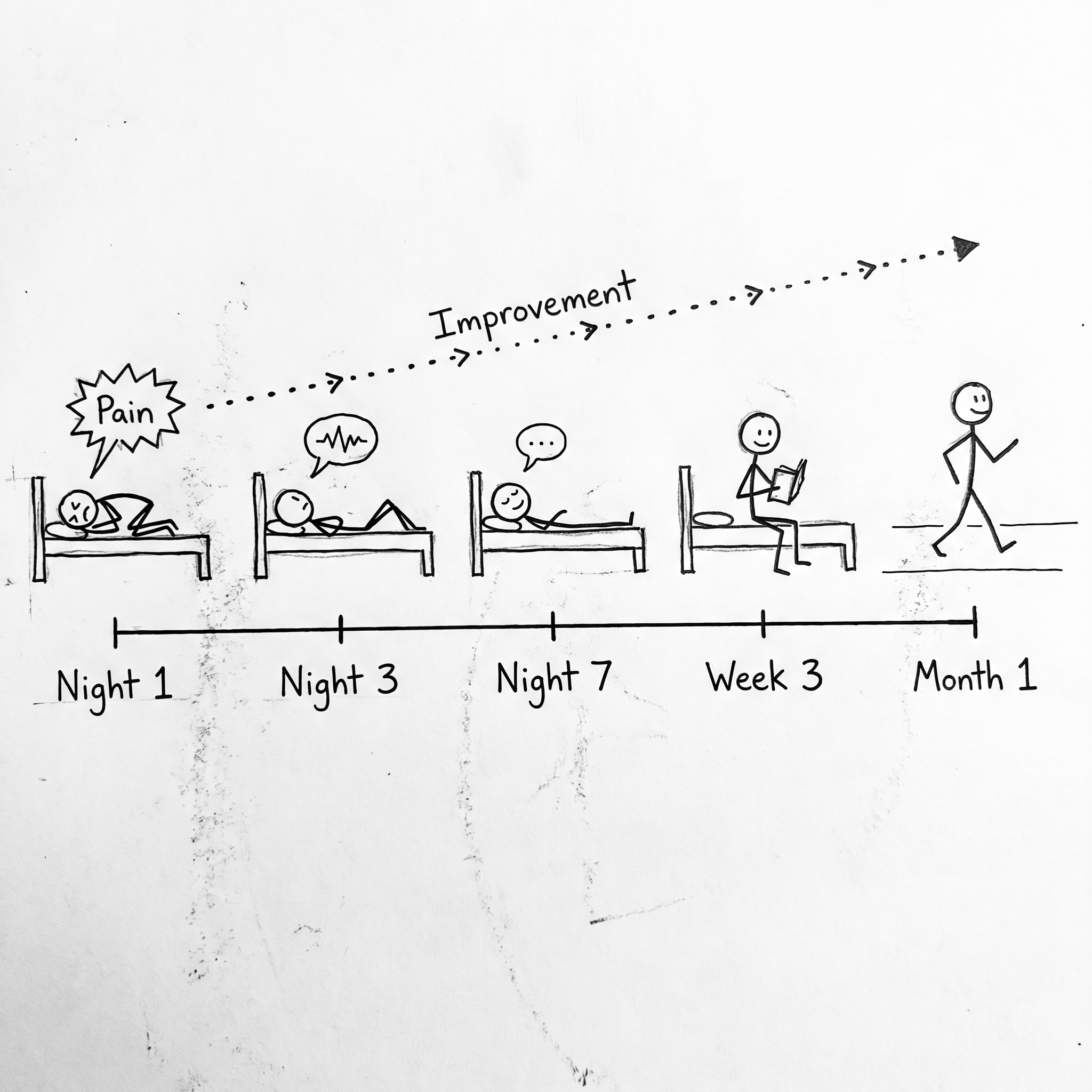
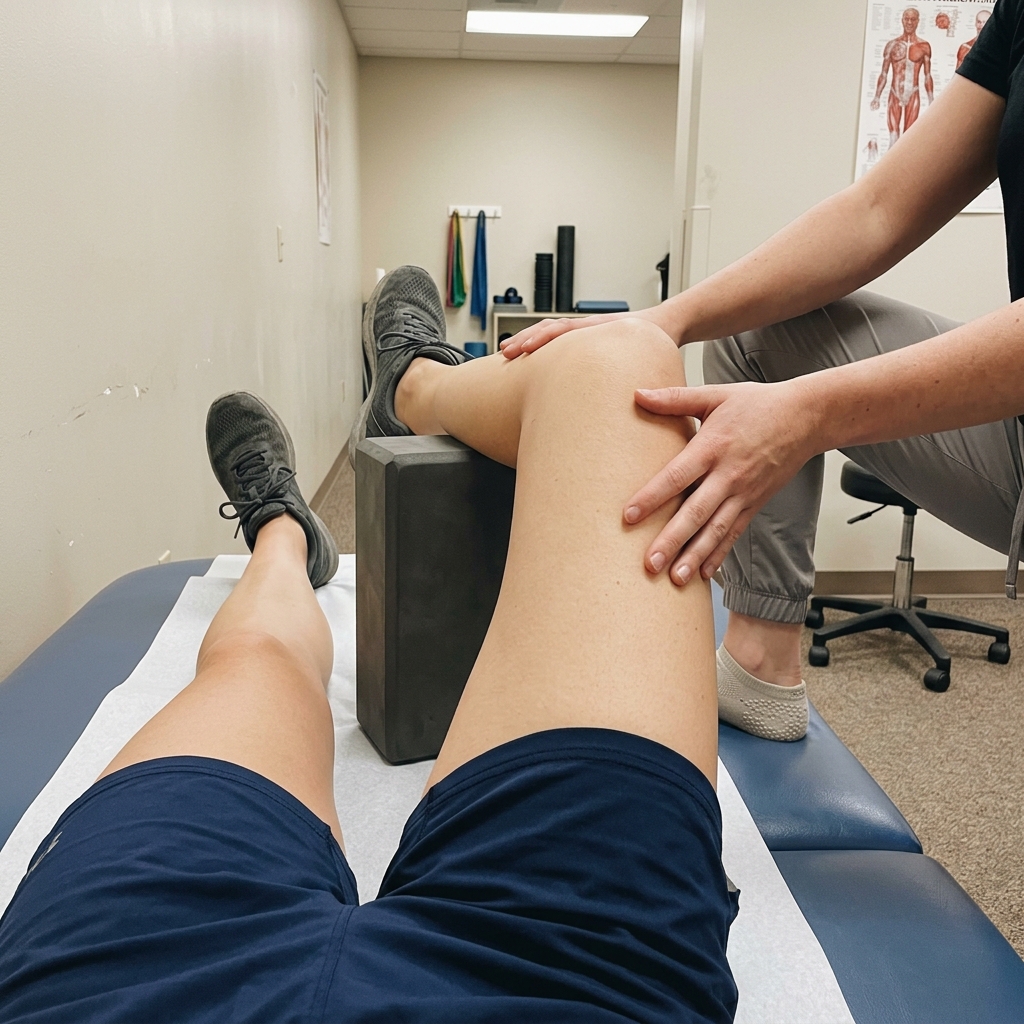
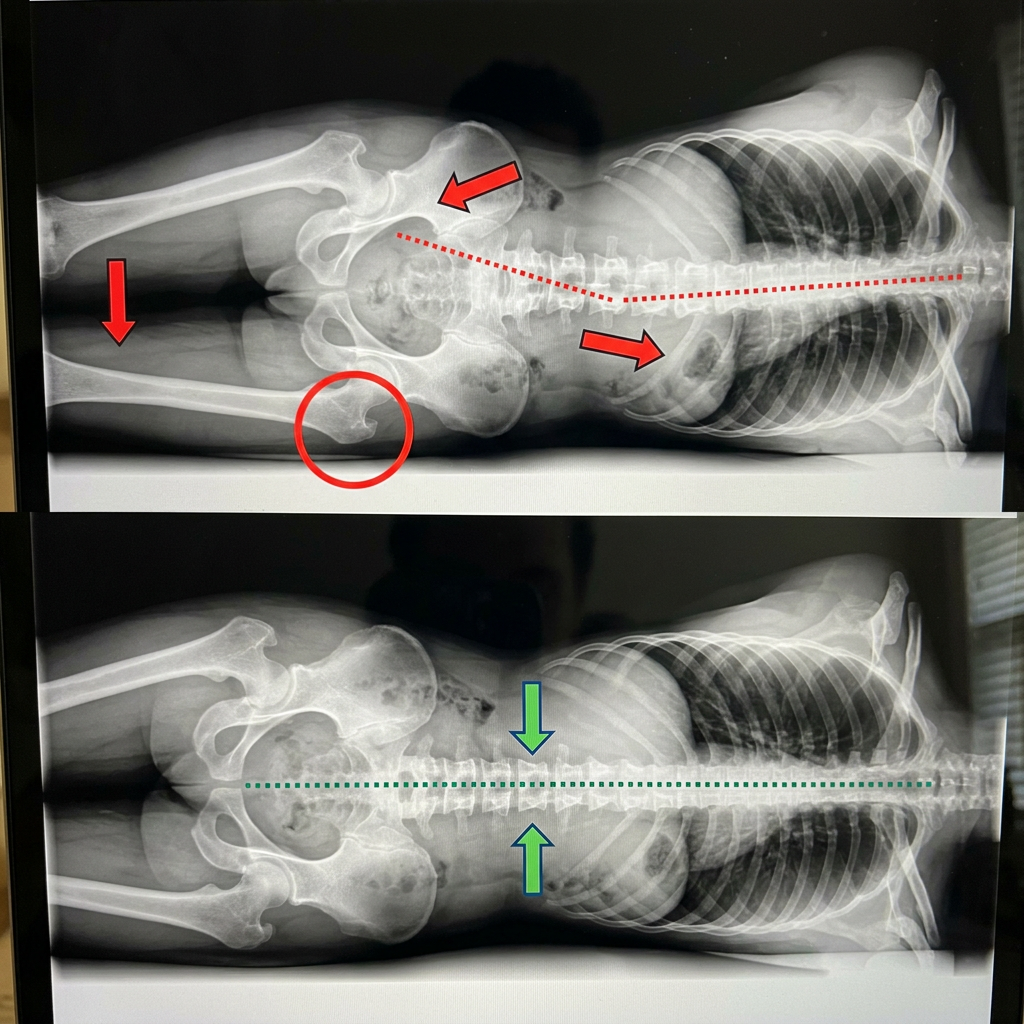
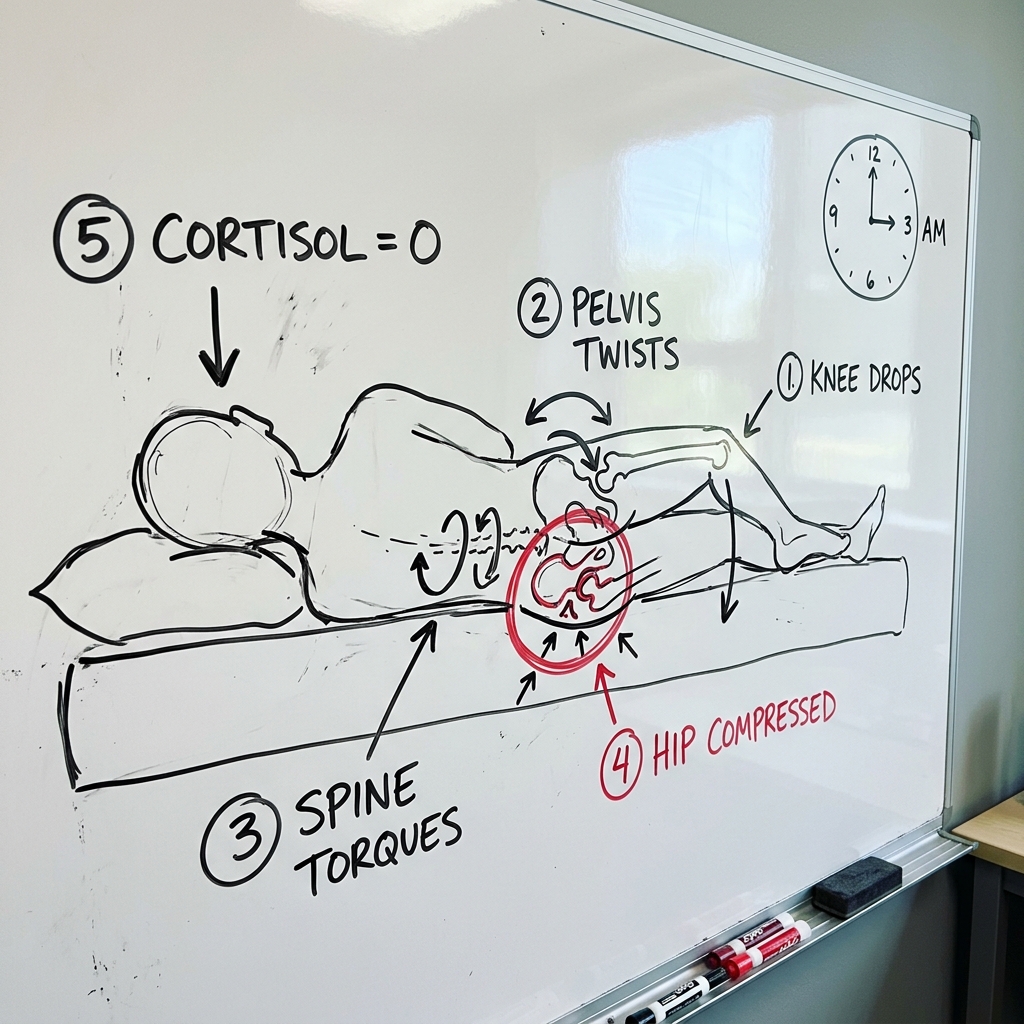
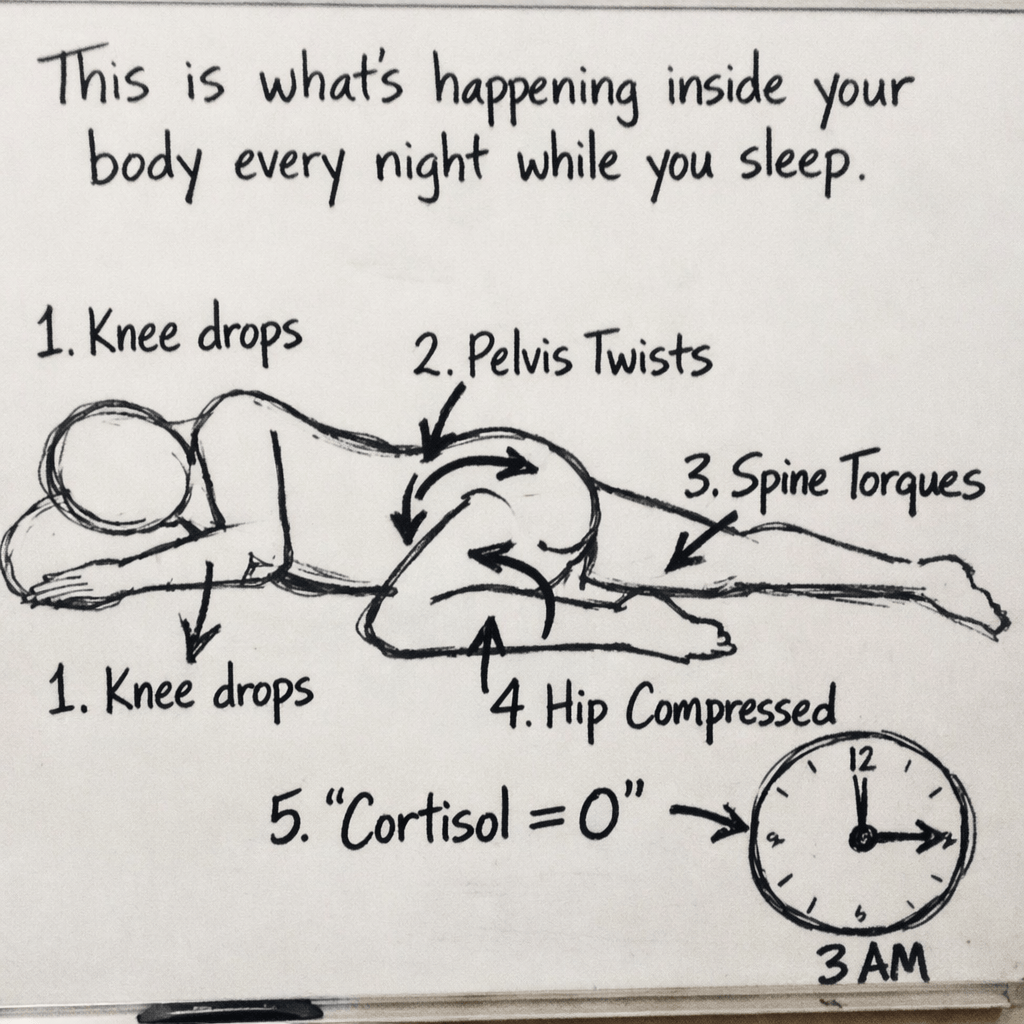
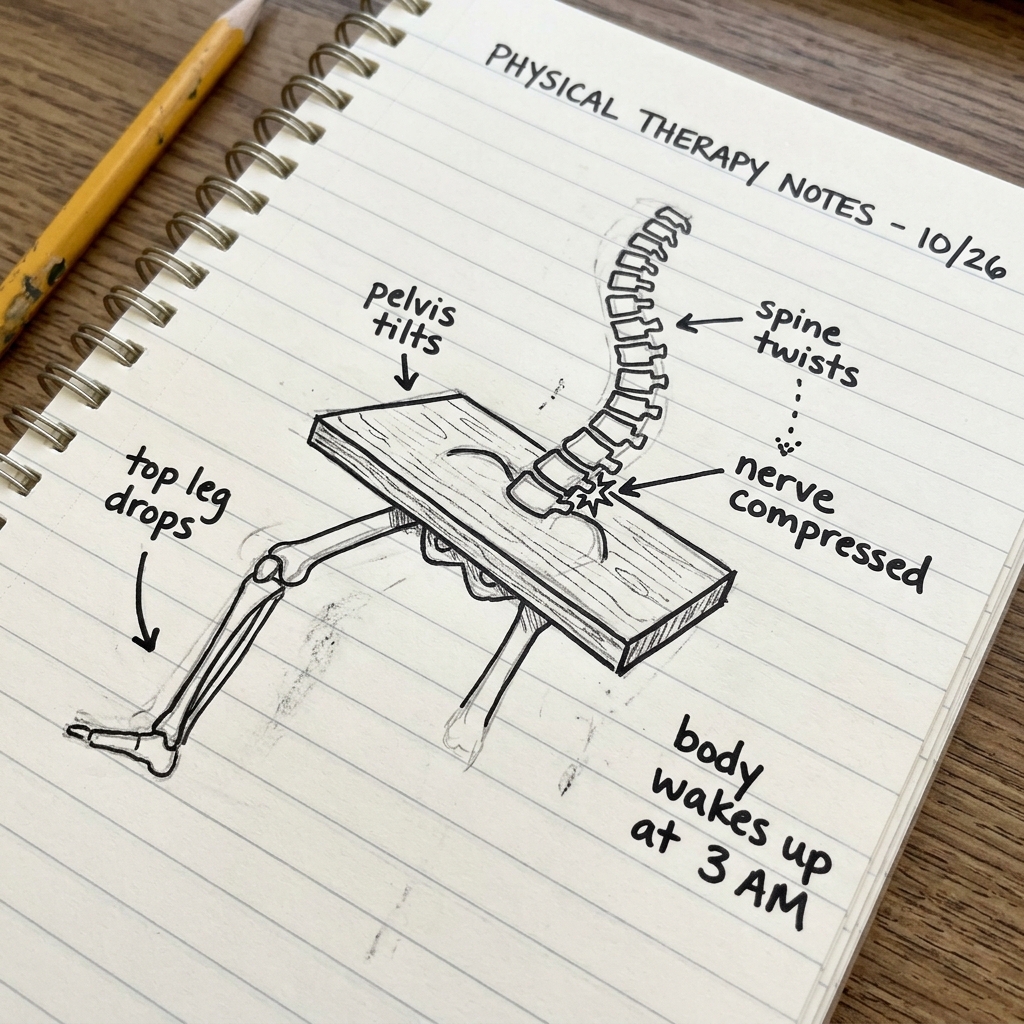
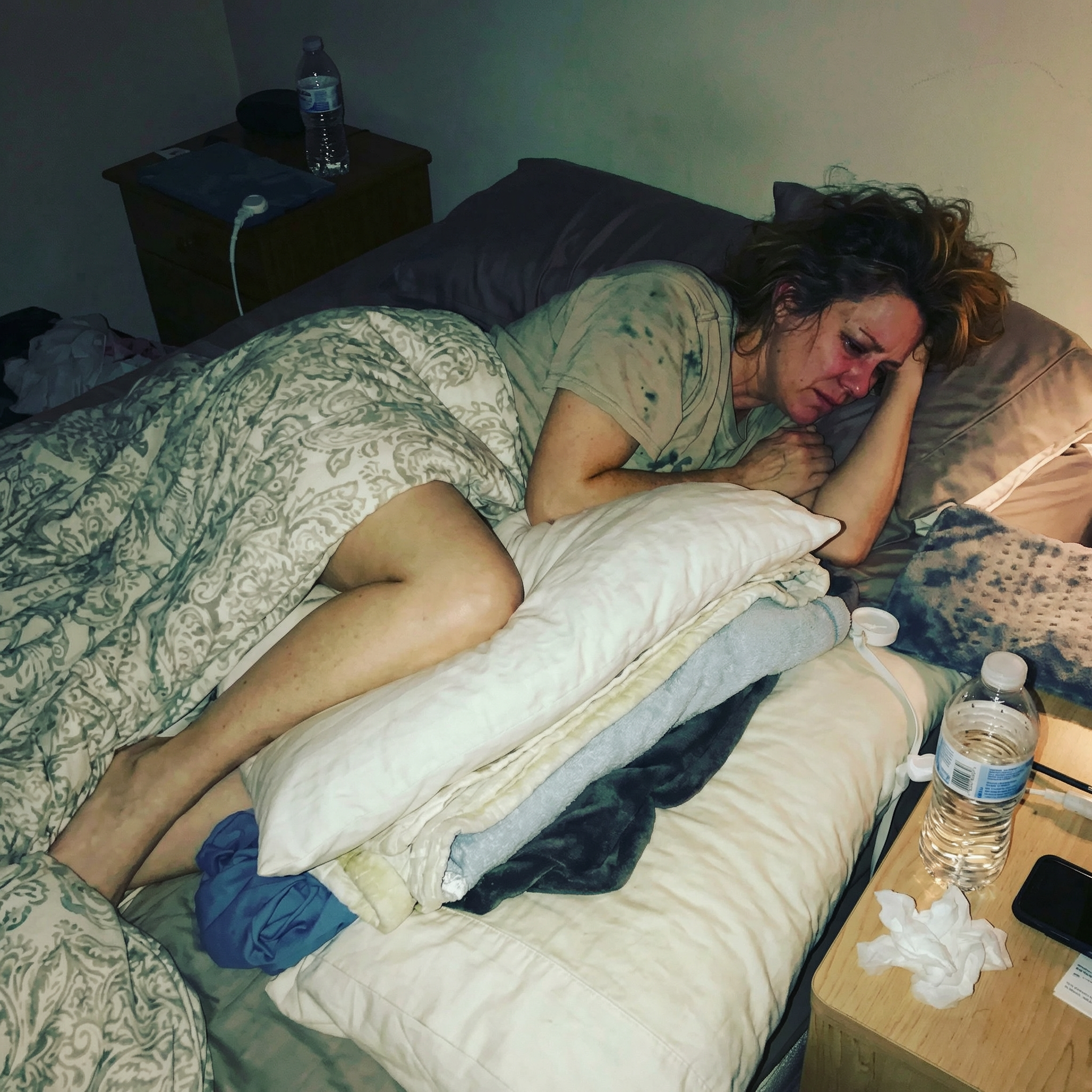
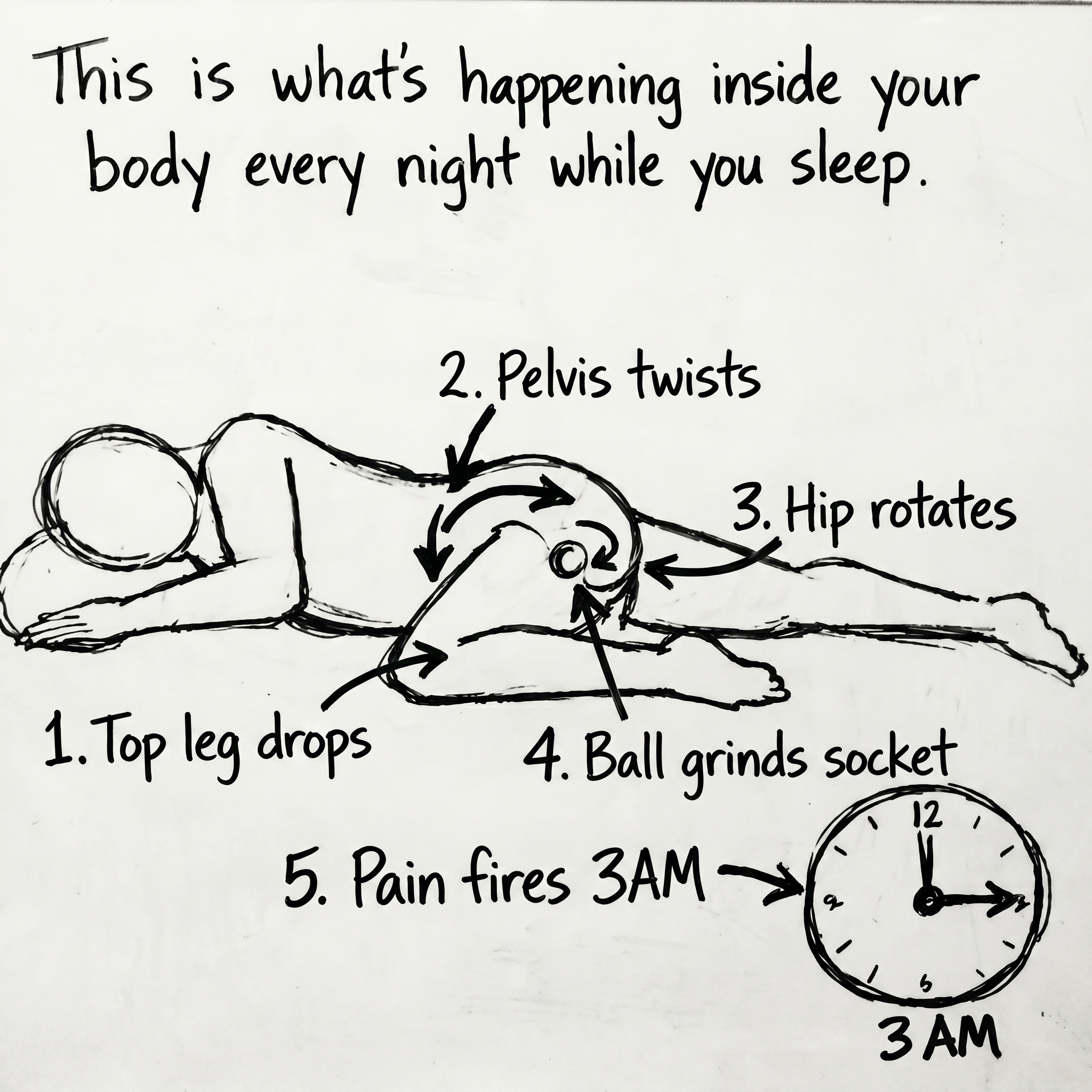
For 22 years I prescribed sleep medication to people whose problem had nothing to do with sleep. I need to tell you what was actually waking them up. I've treated over 4,000 patients with sleep disruption and chronic pain in 22 years as an orthopedic specialist. And when someone tells me they've been waking up at 3 AM for years and nothing helps — I already know what every doctor before me got wrong. They treated it as a sleep problem. I'm Dr. Robert Callahan. Board-certified orthopedic specialist. 22 years in practice. I work with patients who've been through the entire system — GP, sleep specialist, chiropractor — before they reach me. By the time they arrive, most of them have accepted the same diagnosis: "I'm just a bad sleeper." They're not. Not one of them was. And I spent 22 years letting them believe it. I've been treating nighttime wake-ups as a sleep problem for my entire career. I've watched people start melatonin. Magnesium. Sleep trackers. White noise machines. Weighted blankets. Meditation apps. I've watched them feel slightly better for a few weeks and think their problem was being managed. And I've seen what happens 2, 3, 4 years later when they come back and tell me nothing works anymore. The 66-year-old who took melatonin faithfully for four years. Never missed a dose. Added magnesium. Added a complete sleep hygiene routine. Spent $3,200 on a sleep study that found nothing conclusive. Her problem was never sleep. The 72-year-old. Three years of complaining to her GP about 3 AM wake-ups. He prescribed Ambien. Low dose first. Then higher. The Ambien knocked her out, but she woke up groggy, dizzy, and still in pain. She fell in her bathroom at 4 AM. Broke her wrist. She didn't need a sleep pill. She needed her legs stacked. The 61-year-old. Diagnosed with "age-related insomnia." Eight years she lived with that label. She stopped bringing it up with doctors. "I'm just a light sleeper now. That's what happens when you get older." She wasn't a light sleeper. She was a side sleeper with a hip problem no one had looked for. I see these patients in follow-up. They've rearranged their lives around the wake-ups. They go to bed early because they know they'll lose 2 hours. They nap in the afternoon. They've accepted a smaller life. But I know what they lost. They had years to fix this. Years when someone should have asked one simple question. Years when the right diagnosis would have changed everything. Instead, they were treated for insomnia they never had. When my own sleep problems started at 56, I knew something my patients don't. Waking at 3 AM. Lying there for an hour. Falling back asleep at 4. Alarm at 6. Exhausted all day. My colleague said what doctors say: "Could be stress. Could be age. Try melatonin." The melatonin helped me fall asleep faster. It did absolutely nothing for the 3 AM wake-up. One night I lay there at 3:15 AM, frustrated, staring at the ceiling. And I asked myself a question I'd never asked a patient in 22 years of practice. When I wake up — what do I feel FIRST? The answer was immediate. My left hip. Throbbing. Deep inside the joint. I wasn't waking up because I couldn't sleep. I was waking up because something was hurting me. That question changed everything. I started looking at it differently. Not as a sleep problem. As a pain problem that presents at 3 AM. I went through the biomechanics research. Side-sleeper positioning. Pelvic loading during sleep. Hip rotation patterns across a full sleep cycle. What I found made me furious that I'd been diagnosing insomnia for two decades without ever asking that one question. Here's what happens when you sleep on your side. Your top leg has nothing supporting it. It collapses forward. The moment it collapses, it twists your pelvis. Your hip rotates out of alignment. The ball grinds against the socket at an angle it was never designed for. This starts within the first 2 hours of sleep. By hour 3, the compression is severe enough to trigger a pain signal. Your brain receives the signal and wakes you up. But here's the part that fooled me — and every other doctor. The first thing you consciously notice isn't the hip pain. It's the waking up. You think: "I can't sleep." Your doctor thinks: insomnia. Nobody asks about the hip. Because by the time you're fully awake, you've already shifted positions. The pressure briefly releases. The sharp pain fades. All that's left is the frustration of being wide awake at 3 AM. So you tell your doctor you can't sleep. And your doctor treats a sleep problem. While the real problem — 8 hours of hip rotation every single night — keeps getting worse underneath. Melatonin doesn't fix pelvic rotation. Ambien doesn't fix pelvic rotation. No sleep supplement, no sleep tracker, no weighted blanket on earth fixes pelvic rotation. That is not a sleep disorder. That is a mechanical positioning failure that only happens when you're unconscious. October 14th. 11:30 PM. I was lying in bed, awake again. Hip throbbing. Melatonin hadn't worked. I got up. Went to my desk. Started looking at what would happen if the hip simply didn't rotate. If the pelvis stayed neutral. If the legs stayed stacked all night. When the knees are held parallel with a contoured wedge — the right shape, the right density, held in position by an adjustable strap that moves when you roll over — the femur stays aligned. The hip doesn't rotate. The ball stays centered. No compression. No inflammation. No 3 AM pain signal. Orthopedists call this the 6-to-8-hour pelvic lock — your hip rotates further every hour you sleep without correction. No pain signal means no wake-up. The fix was never about sleep. It was about hip position. I sat there looking at research that had been available for years. And I realized that every insomnia diagnosis I'd given to a side-sleeper who woke up at 3 AM was almost certainly wrong. I started that night. Night 1. I woke up at 5:52 AM. Not from pain. From light coming through the window. I lay there and waited for the hip ache. It wasn't there. I had slept almost 6 hours straight. Without melatonin. Without anything. Week 2. I stopped taking melatonin entirely. I wasn't waking up. There was nothing to treat. Month 1. My wife said, "You stopped tossing and turning. I thought something was wrong." Nothing was wrong. I'd stopped trying to fix my sleep and fixed my hip position instead. The sleep fixed itself. I went back to every patient I'd diagnosed with insomnia who was also a side sleeper with hip pain. Sandra. 66. The melatonin patient. Four years. $3,200 sleep study. I told her to try positioning her knees at night instead of taking melatonin. She looked at me like I'd lost my mind. Two weeks later she called. She'd slept through the night for the first time in five years. She was crying on the phone. "Why didn't anyone tell me this before?" I didn't have a good answer. Janet. 72. The Ambien patient. The one who fell and broke her wrist. I worked with her doctor to taper the medication while she tried mechanical positioning. Six weeks later she was off Ambien entirely. Sleeping through the night. Her daughter called to thank me. "My mom stopped being afraid of the bathroom at night." Carol. 61. Eight years of "age-related insomnia." She tried it in January. By March she told her GP what actually fixed her. Her GP sat quietly for a long time and said, "In 30 years I've never asked a patient where they feel the pain when they wake up." I am not telling you this because I'm against melatonin or sleep medication. But neither one stops your top leg from collapsing. Neither one prevents 8 hours of hip rotation. You are treating a symptom of a symptom. Waking up is the symptom. Pain is the cause. Hip rotation is the cause of the pain. Every night you treat this as a sleep problem, your hip is getting worse underneath. And you have two choices. Keep taking melatonin while your hip grinds for 8 hours a night. Or fix the mechanical cause while there is still time. I think about what I almost did. I almost took Ambien. I almost went to a sleep clinic. I almost spent years managing a condition I didn't have while my hip quietly deteriorated toward surgery. Because that's where unaddressed hip rotation leads. Not overnight. Not in a month. But over years of nightly mechanical damage that no one is monitoring because everyone is looking at your sleep. Hip replacement. Six months of recovery. $32,000 to $47,000. A 6-8% chance of needing a second surgery within 10 years. And the quiet loss of independence that comes when you can't get out of bed without help for 3 months. You don't get a warning before that point. Your 3 AM wake-ups are the warning. Use them. The positioning device I found is called the Nourial Knee Alignment Pillow. It costs $39.95. One time. It's the same positioning geometry physical therapists recommend to their own patients. Over 15,000 women have ordered it in the last 12 months. Compare that to $800 a year on melatonin and supplements that mask a problem you don't have. Or $3,200 on a sleep study that finds nothing because there's nothing wrong with your sleep. Or $32,000 to $47,000 for a hip surgery you could have prevented. It comes with a 60-night money-back guarantee. Use it for two full months. If you're still waking up at 3 AM, send it back for a full refund. No sleep doctor has ever guaranteed you'd sleep through the night. No supplement has ever offered your money back. That's how confident I am in what happens when you fix the right problem. Stop treating your sleep. Fix your hip position. Dr. Robert Callahan Board-Certified Orthopedic Specialist, 22 Years in Practice P.S. Try this tonight. When you wake up at 3 AM — before you reach for the melatonin, before you check the clock — ask yourself: where do I feel it first? If the answer is your hip, your back, or your leg — you don't have a sleep problem. You have a positioning problem. And now you know how to fix it. P.P.S. You are not too late. You are still waking up from it — which means the pain is a signal, not permanent damage. But every night you mask it with melatonin instead of fixing the position, your hip rotates a little more. Fix it now, while the signal is still loud enough to save you.
Can't sleep through the night? Read this 👆
Discover the science behind the only pillow engineered for STRUCTURAL ALIGNMENT — not just cushioning. Every week, thousands are replacing their "fluffy" leg pillows with a solution designed to keep the spine neutral all night — and they never go back.
LEARN MORELike this ad? Make it yours.
Crush rebuilds this exact creative around your product — your brand, your colors, your offer — in about a minute.