Luisa Estilo
Luisa Estilo Facebook ad: “The hidden reason skincare stops working after 50…”
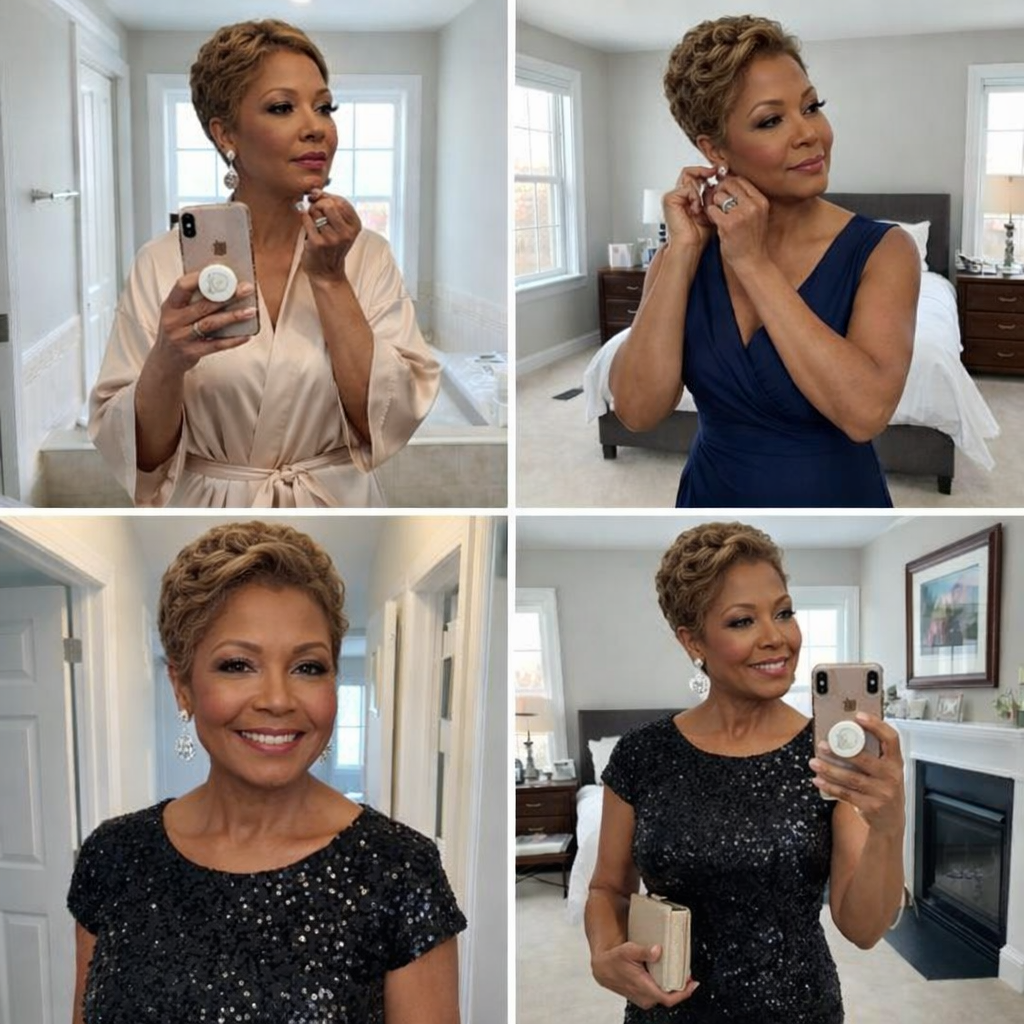
Ran for 6 days, from March 14 to March 20, 2026, the last day Crush saw it.
Run by Luisa Estilo on Facebook. Crush is not the advertiser and does not verify its claims. See this ad in Meta's Ad Library(opens in a new tab)
Want an ad like this for your product?
Crush makes new ad images for your product from this ad: your logo, your product photo, your offer.
Trials from $19.95 USD, then $79.95 USD a month. Cancel anytime.
About this ad
- Meta Ad Library ID
- 1298330885548832
- Platforms
- Facebook, Instagram, Audience Network, Messenger and Threads
- Relaunches
- 3
Ad text
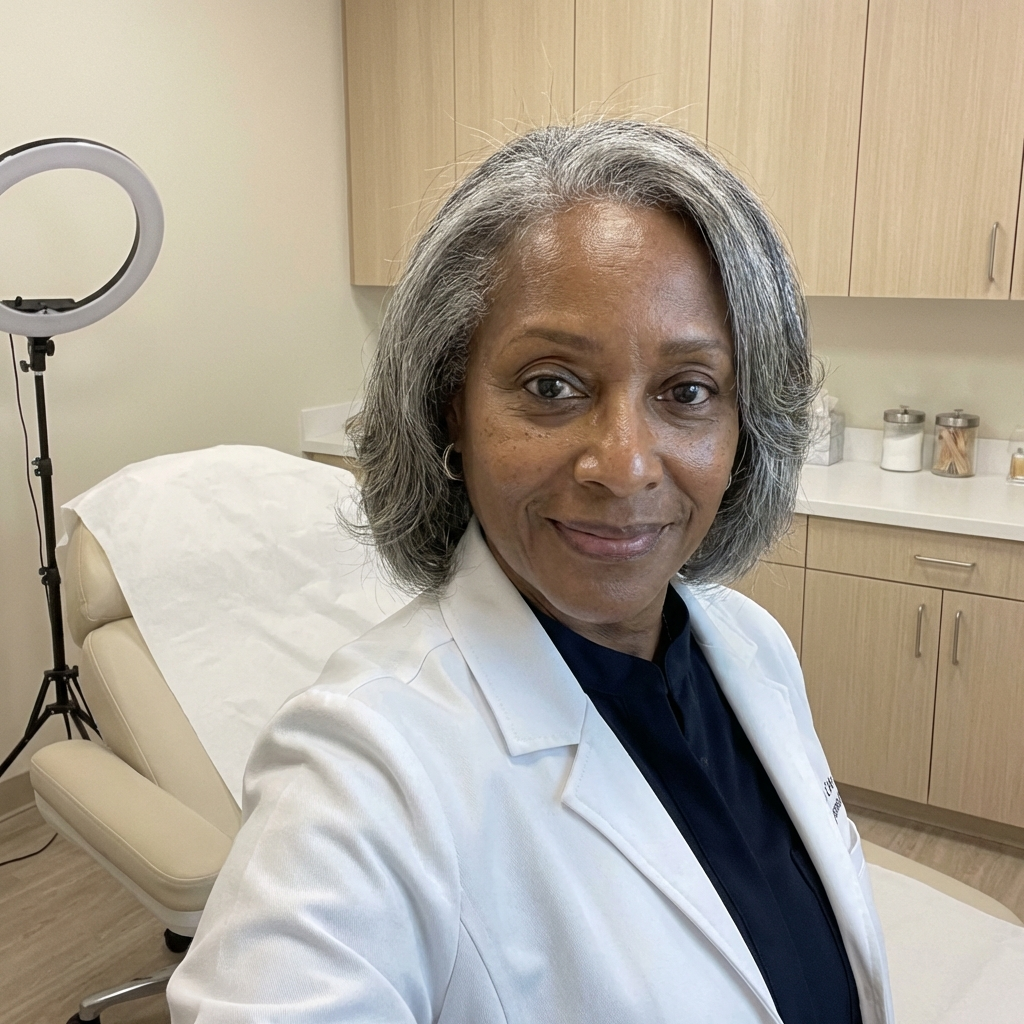
I'm 56. I Stopped Buying Serums Because They Made My Skin Worse. Then I Found This. Estée Lauder Advanced Night Repair was my holy grail for 8 years. $145 a bottle. Worth every penny. Felt luxurious at application. My skin looked smoother the next morning. Made my complexion look like... my complexion. Just better. And then I turned 52. Same bottle. Same application. Same routine I'd perfected over nearly a decade. But by week three, I could see the dark spots getting darker. By month two, every expression line on my forehead looked deeper than before I started. I thought maybe the formula changed. Companies do that, reformulate without telling anyone. So I bought a fresh bottle. Different batch number. Maybe the old one had gone bad. Same thing. Dark spots still spreading. Fine. Maybe Estée Lauder wasn't what it used to be. I switched to CeraVe Skin Renewing Retinol Serum. $20. Recommended by three different dermatologists on YouTube. "The only retinol I trust on mature skin." Week 1: Looked promising. Smoother texture, slight glow. Week 3: My cheeks erupted. New dark patches where the peeling happened. Post-inflammatory hyperpigmentation, except nobody warned me about that part. I tried Olay Regenerist Vitamin C Serum. $28. "Specifically formulated for mature skin." Turned orange in the bottle by week six. Did nothing for my spots. SkinCeuticals C E Ferulic. $182. "The gold standard of Vitamin C serums." $182. And my dark spots didn't budge. Lancôme Génifique. $115. Different approach, prestige brand. "Visibly reduce wrinkles in one week." Nothing by week eight. I tried a 7-step Korean skincare routine too. Toner, essence, ampoule, serum, moisturizer, eye cream, sleeping mask. $240 in products. Guess what happened. By the end of twelve months, I'd spent over $660 on seven different skincare approaches. Drugstore. Prestige. Retinol. Vitamin C. Peptide. Multi-step. "For mature skin." "Brightening." "Clinically tested." Every single one looked promising the first week. Every single one either stopped working or made my dark spots worse by month two. And I came to the same conclusion a lot of Black women my age come to: My skin is just different. Maybe nothing works for me. Maybe you're in the same place right now. Maybe you've tried Estée Lauder. CeraVe. SkinCeuticals. Olay. Lancôme. The "holy grails" that beauty editors and dermatologists recommend for women over 50. Maybe you've spent $300. $600. $1,200. And every single one, regardless of price, regardless of brand, regardless of marketing claims, does the same thing. Looks promising at first. Either stops working or triggers new dark spots within weeks. I know that exhaustion. I know what it feels like to stand in Sephora staring at a wall of serums, knowing you've already tried half of them, and wondering if you're just wasting money testing the other half. I know the creeping thought: "Maybe my skin is just the problem. Maybe nothing was ever going to work for me." Maybe you've had that thought too. I had it. That's why I stopped buying serums entirely for four months. Bare skin with just moisturizer felt better than serums that made my dark spots worse. But here's what I couldn't figure out: Why did seven completely different skincare products all fail the exact same way? Different brands. Different price points ($20 to $182). Different approaches (retinol, vitamin C, peptide, multi-step). But identical results. Either no change, or new dark spots forming within weeks. Every time. That's when I stopped trusting beauty blog recommendations and started reading actual dermatology research on how anti-aging ingredients interact with black skin. And that's when I found out why. Here's what nobody tells you about how most anti-aging products actually work: When you apply a retinol serum or an active treatment, you're not just applying nutrients. You're applying compounds that force rapid cell turnover, essentially making your skin shed its outer layer faster so new skin can replace it. Think about it. The serum makes your skin peel slightly, right? That's the "purging phase" they tell you to push through. Your skin feels sensitive, maybe flaky, for 2-4 weeks. But "new skin coming through" doesn't mean the same thing for every skin tone. When black skin is forced into rapid cell turnover, the inflammation triggers melanocytes, the cells that produce pigment, to go into overdrive. You can verify this right now with any retinol product you own: Apply it. Wait 2-3 weeks. Look at any area where you experienced redness, peeling, or irritation. Is the skin darker there than it was before you started? That darkening is post-inflammatory hyperpigmentation. PIH. The active ingredient created inflammation. The inflammation triggered excess melanin production. And now you have new dark spots caused by the product that was supposed to fix your dark spots. That's the mechanism nobody talks about. And here's what's actually happening when skincare "stops working" after menopause: Your skin doesn't just age. Its entire chemical environment changes. Estrogen decline during menopause triggers a cascade: collagen production drops 30% in the first five years. Skin becomes thinner. The lipid barrier weakens. Sebum production changes. Everything that used to protect your skin from irritation is diminished. This is documented dermatology. It's not about having "sensitive skin." All women's skin becomes more reactive post-menopause. If you started using retinol at 45, your estrogen-supported skin barrier could handle the inflammation. Your melanocytes responded normally. At 55, after menopause, that same retinol concentration hits a thinner, weaker barrier. More inflammation penetrates deeper. Melanocytes that are already destabilized by hormonal changes overreact. You can verify the timing right now: Think about when your trusted products stopped working. Was it around the same time you started noticing other menopause symptoms? That's not coincidence. That's your skin barrier weakening while products kept forcing the same level of inflammation. Now here's the part that made everything make sense: I went to see my dermatologist about it. She pulled up a study on her computer. Showed me a chart. "You went through menopause when?" "52, maybe 53." She nodded. "Look at this." The study tracked how melanocyte behavior changes in post-menopausal women, specifically women with darker skin tones. After menopause, melanocytes become significantly more reactive to inflammation. The threshold for triggering hyperpigmentation drops substantially. Combined with the 30% collagen loss and thinner skin barrier, it means: Products that worked at 45 now cause irritation at 55. That irritation triggers melanocyte overreaction. Melanocyte overreaction creates new dark spots. "The products haven't changed," she said. "Your skin's inflammatory threshold has dropped. Your melanocytes are more reactive now. And every product that forces cell turnover through irritation, retinol, glycolic acid, aggressive Vitamin C, is triggering the exact hyperpigmentation you're trying to treat." That's why Estée Lauder worked from 44 to 52, then suddenly stopped. The formula didn't change. My skin's hormonal environment changed. The inflammatory threshold dropped. And every anti-aging product, regardless of brand or price, still uses the same irritation-based cell turnover pathway that now triggers melanocyte overreaction in my post-menopausal skin. Irritation-based actives + weakened barrier + reactive melanocytes = new dark spots. Not the brand. Not the price. Not your skin being "the problem." Just biology. I sat with that information for a week. Then I found an article from a cosmetic chemist who'd spent 15 years formulating for major skincare brands. She was explaining why most anti-aging products fail on black skin after menopause, and she said something that changed everything: "Traditional anti-aging serums work through a single pathway, forced cell turnover. The actives create controlled inflammation to stimulate new cell growth. But for black skin post-menopause, that inflammatory pathway is the problem. If you want skincare that actually works without triggering hyperpigmentation, you need a multi-pathway approach that bypasses inflammation entirely." Multi-pathway. Bypassing inflammation. Not forcing cell turnover. Not creating controlled irritation. Not hoping your melanocytes don't overreact. Addressing wrinkles, dark spots, and hydration through separate, non-inflammatory pathways simultaneously. Think of it like this: Traditional serums = one aggressive road into the same city. Works fine when the road is smooth (pre-menopause). But when the road develops potholes (weakened barrier), every car (active ingredient) causes damage (inflammation, PIH) on the way in. Multi-pathway approach = three gentle roads into the same city. Peptides address wrinkles through muscle relaxation, no irritation. Niacinamide addresses dark spots through melanin transfer inhibition, no inflammation. Hyaluronic acid addresses hydration through water binding, no cell turnover. The skin barrier is still thinner. But there's no inflammation being generated to trigger melanocyte overreaction. That was the answer. Not better ingredients. Not higher price. Not "for mature skin" marketing. Different pathways. Non-inflammatory instead of irritation-based. That's when I looked back at everything I'd tried. Estée Lauder. CeraVe Retinol. SkinCeuticals. Olay. Lancôme. Seven different products. $20 to $182. Retinol, vitamin C, glycolic acid, multi-step. And they all failed the exact same way. If it was about the brand, at least one should have performed differently. If it was about price, the $182 should have outperformed the $20. If it was about formula type, the vitamin C should have behaved differently than the retinol. But they didn't. They all either stalled or triggered new dark spots. Within weeks. Every time. Because they all do the same thing: force cell turnover through inflammation. It doesn't matter if it's a $20 drugstore retinol or a $182 prestige vitamin C. The actives still work by creating irritation, and that irritation still triggers melanocyte overreaction in post-menopausal black skin. Same pathway. Same inflammation. Same result. And the "for mature skin" marketing? Estée Lauder gave me retinol in a fancier base. CeraVe gave me retinol with ceramides. Olay gave me Vitamin C with peptides, but in concentrations too low to matter. SkinCeuticals gave me a more stable Vitamin C, still inflammatory at effective doses. All of those things sound different. The packaging is different. The ingredients look different on paper. But none of them changed the fundamental pathway. They're still working through irritation. Still triggering melanocyte overreaction. Still creating the exact problem they claim to solve. I wasn't testing seven different solutions. I was testing the same inflammatory pathway seven times with different packaging. I started searching. "Non-inflammatory anti-aging serum." "Peptide serum for black skin." "Serum that doesn't cause hyperpigmentation." Most results: nothing specifically designed for this combination of needs. The industry runs on retinol-based formulas because they work on younger, lighter skin. But then I found Finones. The description said: "5-in-1 vitamin serum using peptide, brightening, and hydration pathways, formulated specifically for black, aging skin." I read that three times. Three separate pathways. Specifically for black skin. Not retinol. Not forced cell turnover. Not hoping my melanocytes don't overreact. Acetyl Hexapeptide-8, a peptide that reduces expression lines by relaxing muscle contractions. Like Botox, but topical. No inflammation involved. Niacinamide at 5%, inhibits melanin transfer to reduce dark spots. No irritation. No peeling. No PIH trigger. Multi-weight Hyaluronic Acid, binds water at multiple skin depths. Plumps and hydrates without forcing any cell turnover. Plus Vitamin C and Vitamin E for brightening and protection, but stabilized within the formula so they don't oxidize and turn useless in two weeks. Your skin still has a thinner post-menopausal barrier. Your melanocytes are still more reactive. But when these actives reach your skin through non-inflammatory pathways? There's no irritation to trigger melanocyte overreaction. The dark spots are being addressed by niacinamide blocking melanin transfer, not by creating inflammation that makes new ones. The wrinkles are being addressed by a peptide relaxing muscle contractions, not by forcing cell turnover that weakens an already thin barrier. I ordered it skeptical. I'd spent $660 on seven different products that all claimed to be "different" in some way. Finones said it was different because it works through non-inflammatory pathways specifically designed for black, aging skin. I'd heard "different" before. But the 30-day guarantee covered return shipping. So I had nothing to lose except another $50. It arrived on a Tuesday. I applied it that night. Lightweight. Absorbed quickly. No stinging, no tingling, no "purging phase" warning on the bottle. Week 1: No irritation. No peeling. No new dark spots forming. That alone was different. Week 2: I noticed my skin felt consistently hydrated. Not greasy-hydrated like some products. Actually hydrated, like the moisture was in my skin, not sitting on top of it. Week 3: I took a progress photo. Compared it to when I started. The dark patch on my left cheek was lighter. Not gone, but visibly lighter. I had to look twice. Then I pulled up the Week 1 photo again to be sure. Lighter. No new spots. No irritation. No peeling. Just... lighter. Week 4: My forehead lines looked softer. Not erased, but softer. Like someone had taken the edge off of them. And the dark spot on my cheek had faded more. I wore less concealer that week than I had in two years. By Week 6, my sister asked me what I was doing differently. Not "you look nice today," the polite version. "What are you DOING? Your skin looks different." That's when I knew it wasn't in my head. The difference was observable, gradual, and exactly what the mechanism predicted: Non-inflammatory pathways = no irritation = no melanocyte overreaction = dark spots fading instead of forming. Here's what happened over the next 90 days: Month 1: Wore it daily. Checked obsessively (still skeptical from seven previous failures). No irritation. No new dark spots. Existing spots visibly fading. Month 2: Tested it under scrutiny. Let my friend take photos of me in natural light at a church cookout, the lighting that makes everything look worse. Looked at the photos later. Didn't untag myself for the first time in years. Month 3: Went to my niece's wedding. Wore a sleeveless dress. Didn't think about my arms until someone complimented my skin. My niece said, "Auntie, your skin is GLOWING." I almost cried in the bathroom. Not because of the compliment. Because I felt like myself again. That's when I realized I'd been asking the wrong question. The question wasn't "Which retinol formula irritates my skin the least?" The question was "Why am I limiting myself to inflammatory pathways at all?" Finones isn't a better retinol formula. It's a different category. The actives don't work through forced cell turnover. They work through three separate non-inflammatory pathways. Your post-menopausal skin barrier is still thinner. Your melanocytes are still more reactive. But there's no inflammation to trigger overreaction. Estée Lauder couldn't do this. The retinol forces cell turnover through irritation. CeraVe couldn't do this. Same retinol pathway, just with ceramides added. SkinCeuticals couldn't do this. Vitamin C at effective concentrations still creates oxidative stress. They're respectable products with respectable ingredients. But they're all fighting the same biology problem: inflammatory pathways + weakened barrier + reactive melanocytes = new dark spots or zero progress. Finones sidesteps that problem entirely by eliminating the inflammatory pathway. No inflammation = nothing to trigger melanocyte overreaction. Your barrier is still thinner from menopause. Your melanocytes are still more reactive from hormonal changes. But the peptides are relaxing expression lines without touching the barrier. The niacinamide is blocking melanin transfer without creating irritation. The hyaluronic acid is hydrating without forcing any turnover. Here's the mechanism breakdown: Traditional serums (Estée Lauder, CeraVe Retinol, SkinCeuticals, Olay): Active ingredients force rapid cell turnover. Cell turnover requires controlled inflammation. Inflammation hits a weakened post-menopausal skin barrier. Weakened barrier allows deeper inflammatory penetration. Reactive post-menopausal melanocytes overrespond. Melanocyte overreaction creates new hyperpigmentation. Result: the product creates the exact dark spots you're trying to treat. Finones: Acetyl Hexapeptide-8 reduces expression lines through muscle relaxation, no cell turnover, no inflammation. Niacinamide (5%) fades dark spots by inhibiting melanin transfer, no irritation, no PIH trigger. Multi-weight Hyaluronic Acid hydrates at multiple depths, no barrier disruption. Stabilized Vitamin C and E provide antioxidant protection without oxidizing in the bottle. Hydrolyzed Collagen smooths surface texture, film-forming, no turnover required. Five functions. One formula. Zero inflammatory pathways. Melanocytes are still reactive, but nothing is triggering them. The dark spots you've been getting aren't your fault. They're not your age. They're not your "difficult skin." They're inflammatory ingredients triggering overreactive melanocytes through a weakened post-menopausal barrier, exactly as biology predicts. The skincare industry was designed for one skin type (lighter, pre-menopausal, less reactive melanocytes). When your skin changed (menopause, thinner barrier, reactive melanocytes), the inflammatory-pathway products couldn't adapt. They kept forcing the same irritation. Your skin kept responding with more pigment. That was never YOUR failure. That was a product category that was never designed for you. You can get Finones right now. One bottle (lasts 30 days): $50 Includes: Finones 5-in-1 Skin Vitamin Serum. Acetyl Hexapeptide-8, Niacinamide (5%), Multi-Weight Hyaluronic Acid, Vitamin C, Vitamin E, Hydrolyzed Collagen. 30-day money-back guarantee. If your dark spots get worse instead of better, full refund. If you see new hyperpigmentation forming, the exact thing every other product caused, full refund. If your skin looks more irritated than it did with just moisturizer, full refund. Why? Because if non-inflammatory pathways actually prevent the melanocyte overreaction that inflammatory products create (and they do, the mechanism is biology, not marketing), you'll see the difference within 30 days. Your dark spots will be fading instead of forming. Your expression lines will be softening instead of deepening. Your skin will be hydrating instead of peeling. And if they don't, if this irritates you like everything else, you shouldn't pay. [Get Finones - 30-Day Money-Back Guarantee] You can keep trying inflammatory-pathway products. Maybe the eighth serum will be different. Maybe there's a $200 retinol out there that's finally solved the irritation problem. Maybe if you just buffer it more, or use it every other night, or layer more moisturizer underneath, the next retinol won't trigger your melanocytes. But you know now: They're all inflammatory-pathway products. They all force cell turnover through controlled irritation. Your post-menopausal barrier is thinner. That's normal hormonal change. When irritation hits a thinner barrier, it penetrates deeper. Deeper irritation triggers more aggressive melanocyte response. More melanocyte response means more dark spots. That's not speculation. That's documented biology and dermatology. The inflammatory-pathway category can't solve a melanocyte-overreaction problem. Or you can try the formula that doesn't use inflammatory pathways. Apply it tonight. Peptides relax expression lines. Niacinamide blocks melanin transfer. Hyaluronic acid hydrates at every depth. No irritation. No forced turnover. No melanocyte trigger. See if your dark spots start fading instead of forming, not worsening from the very product that was supposed to help. $50. 30-day guarantee. If it irritates you like everything else, you pay nothing. But if non-inflammatory pathways work the way biology says they should, you'll finally have skincare that was actually designed for your skin. Skincare that fades dark spots instead of creating new ones. Skincare that softens lines without weakening your barrier. Skincare that was made for YOU, not adapted from someone else's formula and marketed your way. P.S. Zero risk with the 30-day guarantee. Use it for a month. Take a progress photo at Day 1 and Day 30. If you see new dark spots forming, the exact thing every retinol and vitamin C serum has done to you, get every penny back. But if non-inflammatory pathways prevent the melanocyte overreaction the way they should, you'll finally have a serum that works WITH your black skin instead of against it. And you'll wonder, like I did, why you spent 12 months watching 7 inflammatory-pathway products all make your dark spots worse while claiming to make them better.
Where the ad sends people
finonesskin.com
The hidden reason skincare stops working after 50, especially on black skin
"BANNED BY SURGEONS" - New "15-HOUR FACE LIFT SERUM" Erases 99.7% of Dark Spots & Wrinkles So Fast That Plastic Surgeons Are Filing EMERGENCY INJUNCTIONS To STOP BLACK WOMEN From Using It!
Learn more: finonesskin.com(opens in a new tab)