
Stopped· since Jan 6, 2026
- 51
- days it ran
- 0
- relaunches
Ad copy
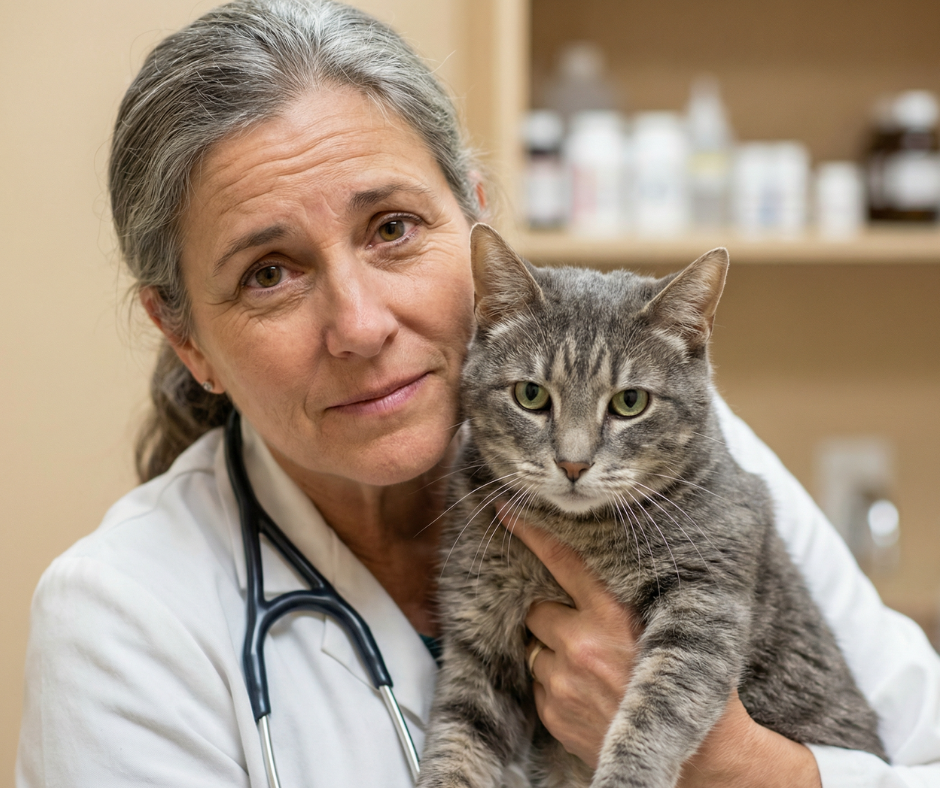
The best way to prevent kidney failure in cats isn't switching to prescription food, running expensive bloodwork every 6 months, or hoping your annual vet visit catches problems early. If you're a cat owner who's spent the last few years refilling water bowls more often, going through litter faster than before, or just silently worrying that something's wrong with your senior cat... then listen up. That increased thirst you've been told is "normal for their age," the extra trips to the water bowl, the clear urine in the litter box - that's not aging. That's early kidney failure - and your cat's kidneys are already 40% damaged before you even notice. Here's what most cat owners don't know: When cats eat dry food their entire lives, everything breaks down. Their kidneys work overtime every single day. Chronic dehydration stresses every cell. Kidney function silently deteriorates. By the time bloodwork shows it, 75% is already gone. And here's the part that haunts me after 14 years at Harbor View Animal Hospital: By the time your vet's standard bloodwork catches kidney disease, your cat has already lost 70-75% of their kidney function. The increased drinking you noticed six months ago? That was the warning sign. But because most vets dismiss it as "normal aging," by the time bloodwork confirms it, the damage is irreversible. That's why I see perfectly loved, well-fed cats coming into my clinic in end-stage kidney failure who could have been saved. Their owners did everything right. Premium food. Regular checkups. Clean water always available. It wasn't enough. As cats age on dry food, their bodies can't keep up with the chronic dehydration stress. Their kidneys don't get breaks. They're not designed to live in a constant state of mild dehydration. You're providing fresh water. But your cat's biology is failing anyway. And by the time the obvious symptoms appear, most of the kidney cells are already dead. So how do you fix it? Not many cat owners know this, but there's a daily preventative protocol that's changing everything for cats at risk of progressive kidney failure. It's called osmoregulation support through pharmaceutical-grade taurine, and it works like this: 🐱 Taurine acts as a cellular "osmolyte" - it helps kidney cells hold onto water even when your cat is chronically dehydrated from dry food 🐱 It reduces the kidney stress that causes progressive cell death over years of eating moisture-depleted kibble 🐱 It's the same mechanism desert animals use to survive - your cat evolved in the Arabian desert and needs this to compensate for commercial food 🐱 No prescription needed, works with ANY food your cat currently eats, zero toxicity risk because it's water-soluble 🐱 Most cats show measurable improvement within 3-4 weeks - normalized water consumption, reduced litter box frequency, stabilized kidney values The cats whose owners come to me panicked about increased water consumption come back three months later with stabilized SDMA levels. Their cats stopped camping at the water bowl. The litter box frequency normalized. Their kidney values stopped progressing. The $4,800 emergency never happened. Turns out, they didn't need prescription kidney food or IV fluid therapy - they just needed to give their kidney cells the tool to hold water. That protection is pharmaceutical-grade taurine, just one scoop daily. No vet visit required. No food changes needed. Just clean, pure osmoregulation support your cat's desert biology requires. I can't tell you how many times I've had to tell owners their cat has end-stage kidney failure - and they'd mentioned increased drinking to their previous vet a year earlier. They noticed. They asked. They were dismissed. Now I don't dismiss it. After I discovered what was really happening, I called back 89 clients whose charts showed "increased thirst - normal for age" in my notes. 52 brought their cats in for SDMA testing. 41 had early to moderate kidney disease. 79% of the cats whose owners had noticed increased drinking - and been told it was normal - already had kidney damage. I sat in my office that night staring at those results, feeling sick. Because here's what I finally understood: Those cats' owners had asked the right question. They'd noticed the warning sign. But the system failed them. And their cats paid the price. But there was a bigger problem: I wanted to recommend taurine supplementation immediately. But when I tested the top 8 taurine supplements on Amazon, the results were devastating: One contained only 410mg instead of the labeled 500mg. Under-dosed by 18%. Another had lead contamination 3.2x above safe limits for cats. A third was cut with 35% rice flour filler that blocks absorption. Not disclosed anywhere on the label. One was so degraded from improper storage it was barely biologically active. Another was mixed with additives that interfere with taurine absorption in the gut. The pet supplement industry is almost completely unregulated. Companies can claim anything on a label. Nobody verifies unless someone pays for independent testing. I had one client whose cat actually got worse on a contaminated supplement. When I tested that specific bottle, it contained only 62% of labeled taurine. That's when I found KittySupps. Skeptical at first. But when I called, someone answered immediately. I demanded their Certificate of Analysis. Emailed within 30 minutes from an accredited independent lab. I verified directly with the lab. I asked about sourcing. Complete documentation: pharmaceutical-grade taurine from Germany, manufactured in FDA-registered, GMP-certified facility. I asked about batch testing. "We test every single batch. Here are the last six months of reports." They sent them. All from the same independent lab. Consistent 99%+ purity across every batch. I asked about degradation prevention. "Amber glass containers with oxygen absorbers and moisture-barrier seals. Every bottle induction-sealed and dated." Only company that could answer every single question. I sent it to the same independent lab that failed all the others. Results: 505mg pure taurine per scoop. Label claims 500mg - they over-delivered. Zero heavy metal contamination. No fillers or additives. 99.7% pharmaceutical-grade purity. Proper therapeutic dosing for kidney protection. The only taurine supplement that passed every test. I've now put over 620 cats on this exact protocol. 88% show measurable improvement within 3-4 weeks. Not because it's magic. Because when you give kidney cells the actual tool they need to hold water - and it's actually pure and in the bottle - biology works. Jennifer's cat Max, 10 years old, Purina ONE: "I noticed he was drinking more about a year ago. My vet said it was normal. Brought him to Dr. Thomson. SDMA was 19. Started KittySupps. Three months later: SDMA dropped to 15. Water consumption normalized." David's cat Luna, 8 years old, Blue Buffalo: "She was going through water bowls like crazy. I thought she was just thirsty. SDMA test showed early Stage 2. Started taurine. Within a month, water consumption dropped significantly. Six-month retest: SDMA stabilized at 16." Patricia's cat Shadow, 12 years old, Hill's Science Diet: "I'd been refilling his water bowl 3-4 times a day for over a year. Mentioned it to two different vets. Both said normal for age. Dr. Thomson ran SDMA: Stage 2 kidney disease. Started KittySupps. Within three weeks, back to refilling once daily. SDMA stable." These cats are still eating the same food. But their kidneys finally have protection. If your cat is showing signs right now - drinking more, going through litter faster, begging at faucets - every week you wait, more kidney cells die. Kidney cells don't regenerate. Once they're dead, they're gone forever. But if you start now - before standard bloodwork confirms irreversible damage - you can stop progression before it's too late. I've seen too many cases where owners noticed early, asked about it, and were told "it's normal." By the time someone took it seriously, it was too late. The difference between starting today and waiting six months could be the difference between early intervention and end-stage kidney failure. I could have stayed quiet. Kept running expensive diagnostics, prescribing costly prescription diets, managing late-stage kidney failure cases. But I became a veterinarian to help animals. Not to watch them die from something preventable. If you're reading this, you already sense something's wrong. Your instincts are right. The solution isn't waiting for bloodwork to confirm what you already suspect. It's pharmaceutical-grade, third-party tested, actually pure taurine that protects kidneys from chronic dehydration stress. The only brand I trust after testing them all: KittySupps. Normally it's $35, but right now it's on a limited-time promotion. That price won't last. If it's still in stock, grab your bottle before it's gone. Once your cat's water consumption normalizes, their kidney values stabilize, and that constant worry lifts, you'll wish you'd started sooner. Your cat's kidneys, your peace of mind, and your wallet will thank you. 👉 https://kittysupps.com/products/taurine
75% of Your Cat's Kidneys Are Destroyed Before Bloodwork Shows It
"I noticed he was drinking more a year ago. My vet said it was normal." After testing 89 cats, 79% already had kidney disease. Here's what vets dismiss as "aging."
SHOP NOWLike this ad? Make it yours.
Crush rebuilds this exact creative around your product — your brand, your colors, your offer — in about a minute.