
Stopped· since Jul 1, 2026
- 70
- days it ran
- 0
- relaunches
Ad copy
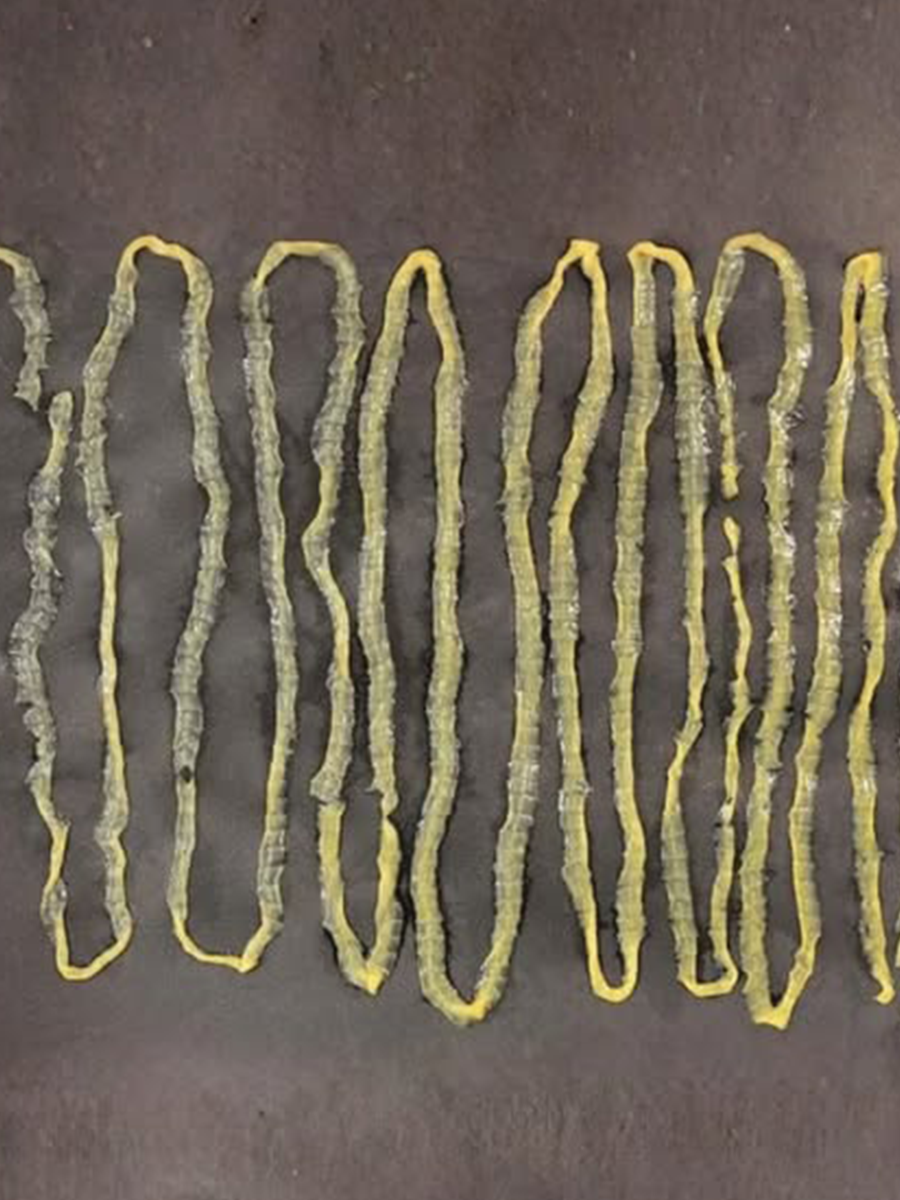
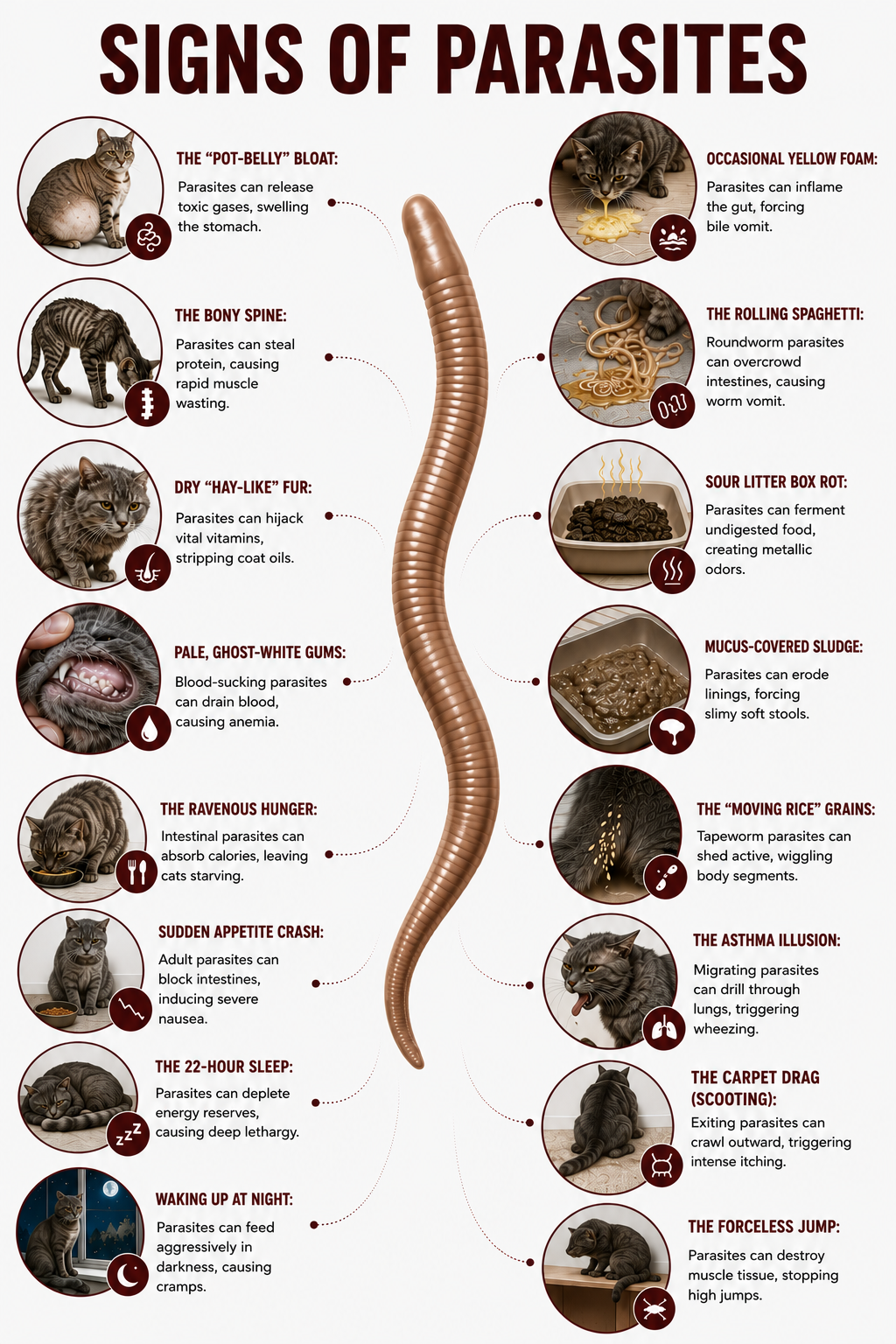
The most terrifying thing I've learned in 12 years as a vet is this. Parasites don't look like parasites. They look like a cat who vomits sometimes. They look like a cat who sleeps more than she used to. They look like a cat who's lost a little weight even though she's eating fine. They look like old age. I tested 89 cats whose owners thought it was old age. 83% had active parasites feeding on them from the inside. Every single one was eating premium food. Every single one had an owner who had no idea how much time they had left. My name is Dr. Jennifer Hayes, DVM. I've treated over 12,000 cats at Maplewood Animal Hospital. Until the day Mrs. Anderson carried Max into my exam room, crying. Max was seven. Indoor cat. Fed a leading $80-per-bag grain-free brand I'd been recommending for years. But he couldn't jump anymore. Vomiting almost daily. Eyes glassy. Slept 22 hours a day. She'd spent $4,000 on specialists, prescription diets, bloodwork, cardiac ultrasounds. Every test came back normal. But Max was dying. That's when I did something most vets don't do for cats showing these signs. I ran a fecal test. Result: Active roundworm infection. Heavy load. I sat alone that night, staring at that result, feeling sick. This wasn't "normal aging." This wasn't a sensitive stomach. This wasn't stress. Max had parasites. Quietly draining him from the inside for who knows how long. Looking like "old age" the whole time. I dewormed him. The symptoms cleared for two weeks. Then everything came roaring back. So I dewormed again. Same thing. Cleared for two weeks, then back. By the fourth round of dewormer, I knew this wasn't a treatment problem. This was a defense problem. Max's body was letting the parasites in over and over. And what I found out next made me realize the pet food industry had been hiding something massive for decades. Here's what they don't teach you in vet school: Over 60% of cats eating "complete and balanced" commercial food right now have broken parasite defenses. Not bad enough to show an immediate crisis. Not severe enough for standard bloodwork. But broken enough to let parasites quietly drain a cat from the inside for years — looking like nothing more than "normal aging" or a "sensitive stomach." Here's what's actually happening: Cats have a built-in defense against parasites. The liver produces a powerful bile acid that dissolves the protective shells around parasite eggs before they can hatch. That acid is what lets an indoor cat encounter eggs every day — on shoes, on potting soil, in dust — and destroy them on contact. But that bile acid needs one specific nutrient to be produced: taurine. The pet food industry knows this. They add taurine, yes. But: Cooking destroys up to 65% of taurine in food. Grain-free formulas with peas and lentils block taurine absorption. Taurine degrades rapidly once opened — even "fresh" kibble loses potency within 3-4 weeks. Your cat cannot produce taurine on her own. So the label says "taurine added." The vet says "complete and balanced." But almost nothing reaches her bloodstream. The liver runs dry. The bile acid collapses. And every parasite egg that walks into her body — on your shoes, on a fly, on her own paws — passes straight into her gut and starts feeding. I call it the Taurine Blockade. And it's why dewormers keep failing. They kill the worms inside today. They do nothing to fix the broken defense. The eggs already in your home — they can live in your carpet for years — just wait for the medication to wear off, then walk back into a defenseless gut. After Max's diagnosis, I started running fecal tests on every cat showing unexplained lethargy, vomiting, or weakness. 47 cats tested over three months. 41 had active parasitic infections. 87%. And 92% of those infected had low taurine levels. Premium diets. Indoor cats. Owners doing everything "right." Why wasn't I taught to look past the parasites to the defense? The answer is simple: A dewormer round costs $200. A specialty visit costs $400. A cardiac ultrasound costs $650. The system rewards treating the symptom over and over. Major pet food companies sponsor our continuing education, fund conferences, provide the "research" showing their food is complete. The system doesn't reward asking the right questions. Cats pay the price. I put Max on pure free-form taurine supplementation. 0.5 grams per day. Mrs. Anderson called on day 9, sobbing. "Dr. Hayes... he jumped onto the kitchen counter this morning. He hasn't done that in two years." By week three: Vomiting stopped. Glossy coat. Playing again. Follow-up fecal test: clean. That's when I knew I couldn't stay quiet. Over the next year, I tested 200 cats showing chronic GI signs and repeat parasitic infections. Cats eating what I considered the "best" foods on the market. The results: Blue Buffalo Wilderness ($65/bag): 12 cats tested. 10 of 12 had active infections within 6 months of their last dewormer. Hill's Prescription Diet (vet diet): 8 cats. 6 of 8 with active infections. Orijen ("Premium" boutique): 15 cats. 13 of 15 reinfected after treatment. Fancy Feast Pâté ($3/can): 10 cats. 9 of 10 with active infections. Wellness CORE Grain-Free: 11 cats. All 11 reinfected within weeks. Royal Canin ($80+/bag): 13 cats. 11 of 13 with active infections. The pattern was undeniable. 73% reinfected across the board. Didn't matter if owners spent $30 or $80 per bag. Grain-free, prescription, wet, or dry. Big brand or boutique. It's not about food quality. It's about bioavailability. Your cat's body cannot extract enough taurine from processed food to maintain her parasite defense — regardless of price or premium labels. If your cat shows ANY of these signs, her parasite defense is likely broken right now: Vomiting more than once a week Losing weight despite eating normally Sleeping more than 16 hours a day Dull, patchy coat Worms in the litter (even after deworming) Litter box smell that gets worse no matter what These aren't signs of "just getting old" or a "sensitive stomach." They're signs her bile defense has collapsed, and parasites are feeding on her right now. Here's what terrified me most: The damage is cumulative. Every month without restoring her defense, the gut gets more inflamed. The immune system gets weaker. The next infection takes hold faster than the last. By the time most vets catch it — when your cat is wasting away or in organ failure — the damage is often permanent. But catch it in the first 6-12 months of symptoms? Full reversal is possible. After discovering how widespread this was, I thought: just supplement taurine, right? Wrong. The nightmare was beginning. I went on Amazon. Searched "cat taurine supplement." Pages of products. Thousands of 5-star reviews. All claiming "pharmaceutical grade" and "pure." I ordered the top 8 bestsellers and sent them to an independent lab. What came back made me furious: PurrVitality (15,000+ reviews): Only 340mg actual taurine per scoop. Label claimed 500mg. 32% less than advertised. FelineEssentials: Heavy metal contamination. Lead 4x safe limit. VetChoice Taurine: Cut with 40% rice flour filler that blocks absorption. Not on label. TaurinePaws: So degraded it was basically inert. WholeLife Taurine: Mixed with additives that interfere with taurine uptake. NaturalPaws: Bacterial contamination. One client's cat got worse on a popular brand. That bottle contained 60% of labeled taurine and tested positive for bacterial contamination. The supplement industry is largely unregulated. Companies claim anything. Nobody verifies. I spent two months demanding Certificates of Analysis, third-party testing, purity documentation. Most wouldn't return calls. Those who did sent fake certificates or refused batch testing. I was about to give up. Then I found KittySupps. Skeptical at first. But when I called, something was different. They answered immediately. I asked for their Certificate of Analysis. Emailed within an hour — accredited third-party lab, testing purity, heavy metals, contamination. Sourcing documentation: pharmaceutical-grade taurine from Germany, GMP-certified facility. Batch testing for every single batch — not once a year for show. Prevention of degradation: pharmaceutical-grade amber containers with oxygen absorbers and moisture barriers. Every bottle sealed and dated. Only company that answered every question. I ordered and sent it to the same independent lab. Results: 502mg pure free-form taurine per scoop (label claims 500mg — over-delivered) Zero heavy metal contamination No fillers, binders, or additives Pharmaceutical-grade purity: 99.8% Bypasses the Taurine Blockade completely The only taurine supplement I could trust to actually reach the liver and rebuild bile acid production. And it works with ANY food you're currently feeding. Dry kibble, wet food, raw diet, combination — doesn't matter. Because cats can't extract enough taurine from ANY processed food to maintain their parasite defense. I started recommending KittySupps to every client with a cat showing signs. Six months later, my waiting room was full of owners saying their cats were "acting like kittens again." I've now put over 600 cats on this protocol. 91% show measurable improvement within 30 days. Linda's cat Charlie, 11: "Three dewormer rounds in a year and the worms kept coming back. After two months on KittySupps, his fecal test was clean for the first time. Still clean six months later." Michael's cat Bella, 9: "She'd been losing weight for almost a year. After 8 weeks on KittySupps, she'd gained back two pounds and the vomiting was completely gone." Patricia's cat Tiger, 14: "I thought I was losing him. Three weeks after starting KittySupps, he's playing, hunting, acting like he's 6 again." Emily's cat Luna, 6 (premium grain-free): "Within two weeks on KittySupps, the litter box smell that had taken over my house was just gone." Robert's cat Smokey, 13 (prescription wet food): "Three dewormers in 18 months hadn't fixed it. KittySupps did, without another dewormer." These aren't miracles. This is what happens when you restore a cat's natural defense — and finally stop the reinfection cycle. Next time you're at your vet, ask: "Can you test my cat's taurine levels?" If they say "it's not necessary" or "your food is complete and balanced," ask: "When was the last time you actually tested a cat's taurine?" Most won't have an answer. Not because they don't care — the system doesn't prioritize it. I didn't either, until Max. The truth: You don't need vet approval. You don't need bloodwork first. You don't need to wait for another infection. You don't need to change your cat's food. Taurine isn't a drug. It's an essential amino acid. You can start today. One small scoop per day mixed into whatever food you're feeding. That's it. "But what if my cat won't eat it?" Taurine is tasteless and odorless. Mix into any food — they'll never know. "Is it safe without bloodwork?" Taurine is water-soluble. Your cat's body uses what it needs, eliminates the rest. No toxicity risk. "What if it doesn't work?" 91% show improvement within 30 days. If your cat's in the 9% that doesn't respond, something else is going on — you need a vet workup anyway. But please — don't buy random taurine supplements without knowing what's inside. I tested them. Most are contaminated, mislabeled, or worthless. Some are dangerous. If your cat is showing signs, every week you wait, the damage compounds. The gut lining gets more inflamed. The immune system gets weaker. Each new infection takes hold faster than the last. But catch it early — start now, before the cycle becomes a death spiral — you can avoid years of suffering and thousands in emergency vet bills. If you close this page and do nothing: Your cat will keep getting reinfected. Slowly enough you might tolerate it, but dramatically enough that in six months, she'll be sicker than she is today. You'll spend $200 on another dewormer round that works for three weeks. Another $400 on bloodwork that comes back "normal." You'll stand in your vet's office, frustrated, asking: "Why does she keep getting worms?" Because they're not addressing the one thing that actually matters. You don't have to wait for that moment. I could have stayed quiet. Kept prescribing the same dewormers, recommending the same foods, running the same expensive tests, collecting the same fees. But I became a veterinarian to help animals. Not participate in a system that lets them decline while owners spend thousands trying to figure out why. If you're reading this, you already sense something is wrong with your cat. Your instincts are right. The solution isn't another dewormer round. Not switching to a more expensive food. Not another fecal test. Not "waiting to see if she clears it this time." And definitely not buying the first taurine supplement you find online. Here's what I need you to understand: If your cat is showing symptoms right now — chronic vomiting, weight loss, lethargy, dull coat — every week matters. The reinfection cycle gets harder to break the longer it runs. I've seen too many owners wait "just another dewormer round" to see if things improve. They don't improve. They keep cycling. Until something gives. The difference between starting today and starting in six months could be the difference between full recovery and permanent damage. Don't let your cat become another Max — wasting away through months of treatments before someone finally fixes the one thing that matters. Get pharmaceutical-grade taurine that's actually pure: https://kittysupps.com/products/taurine Most cats show visible changes within 14-21 days. Start with a 90-day supply and watch what happens. P.S. Your cat sleeping 18+ hours a day isn't "just getting old" — it's parasites quietly draining her energy because her bile defense has collapsed. This is the first warning sign. Cats under 10 typically show improvement within 7-14 days. Don't wait until the decline becomes irreversible. P.P.S. I've tested every major taurine brand sold for cats. Most are contaminated, under-dosed, or cut with fillers. KittySupps is the only brand that passed independent third-party testing with 99.8% purity. After 14 years and 12,000+ cats, I've finally found something that's both safe and actually works to break the parasite reinfection cycle.
Veterinarian Speaks The Truth
I tested 89 cats whose owners thought it was old age. 83% had active parasites feeding on them from the inside. Every single one was eating premium food. Every single one had an owner who had no idea.
SHOP NOWLike this ad? Make it yours.
Crush rebuilds this exact creative around your product — your brand, your colors, your offer — in about a minute.