
Inactive· since Jun 9, 2026
- 35
- days it ran
- 0
- relaunches
Ad copy
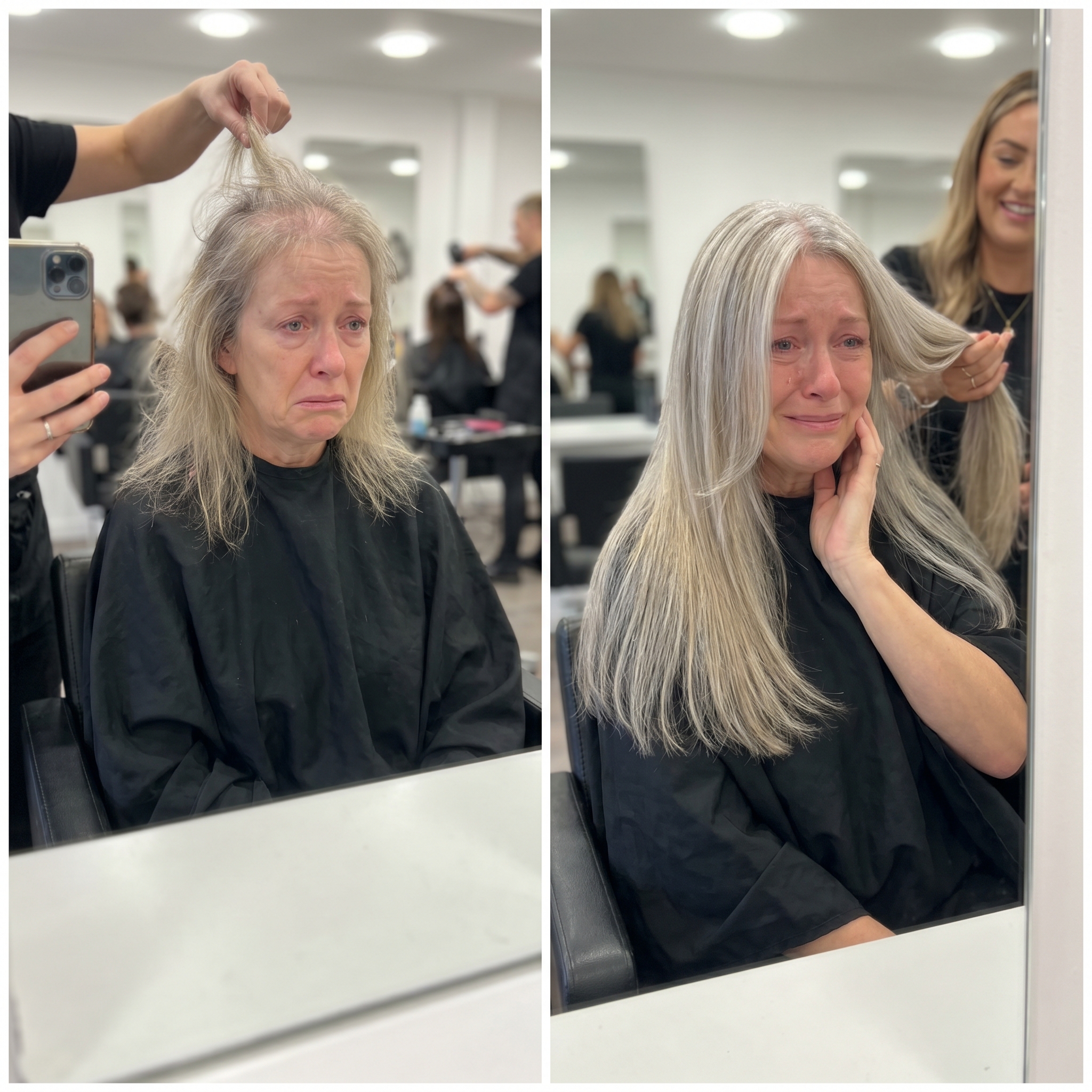
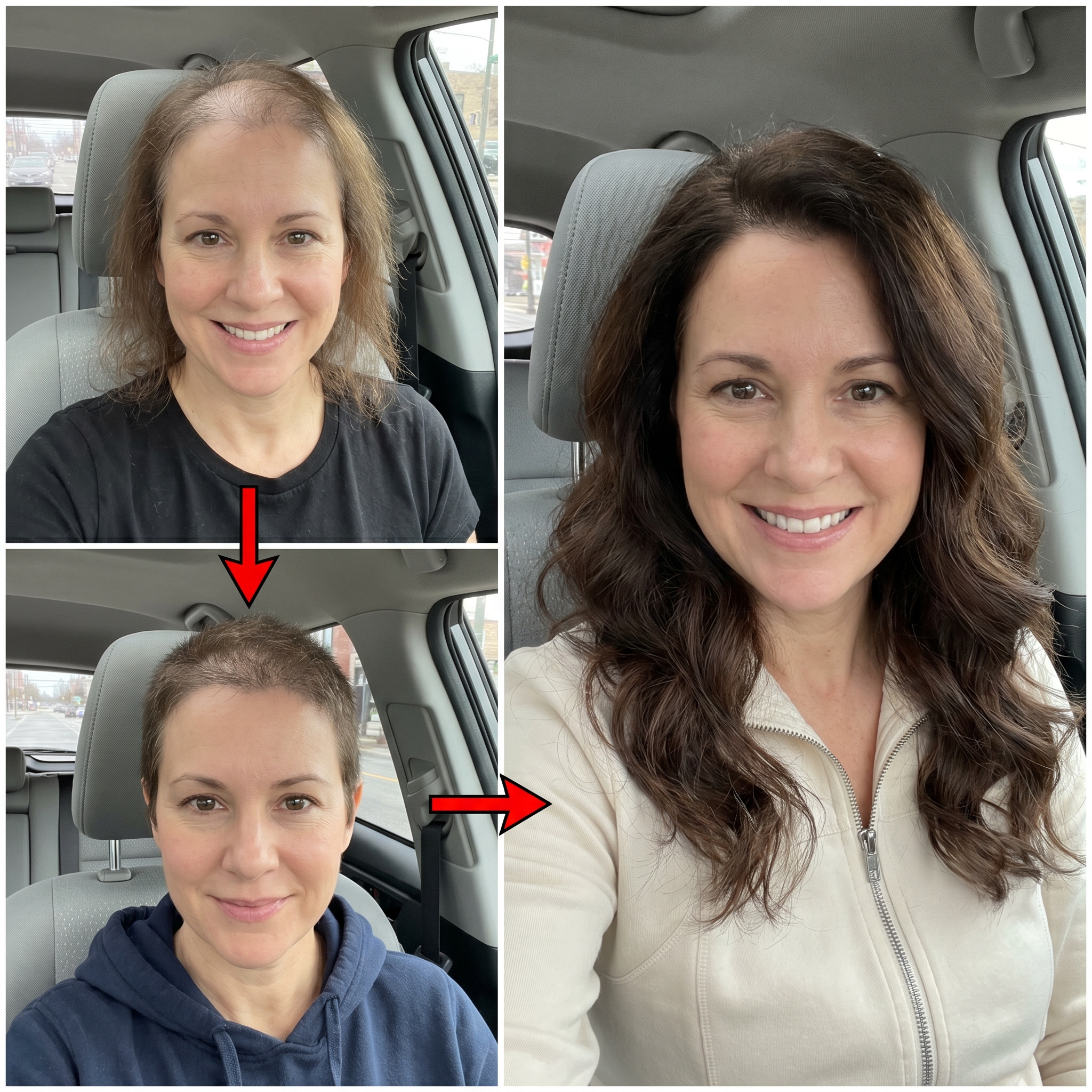
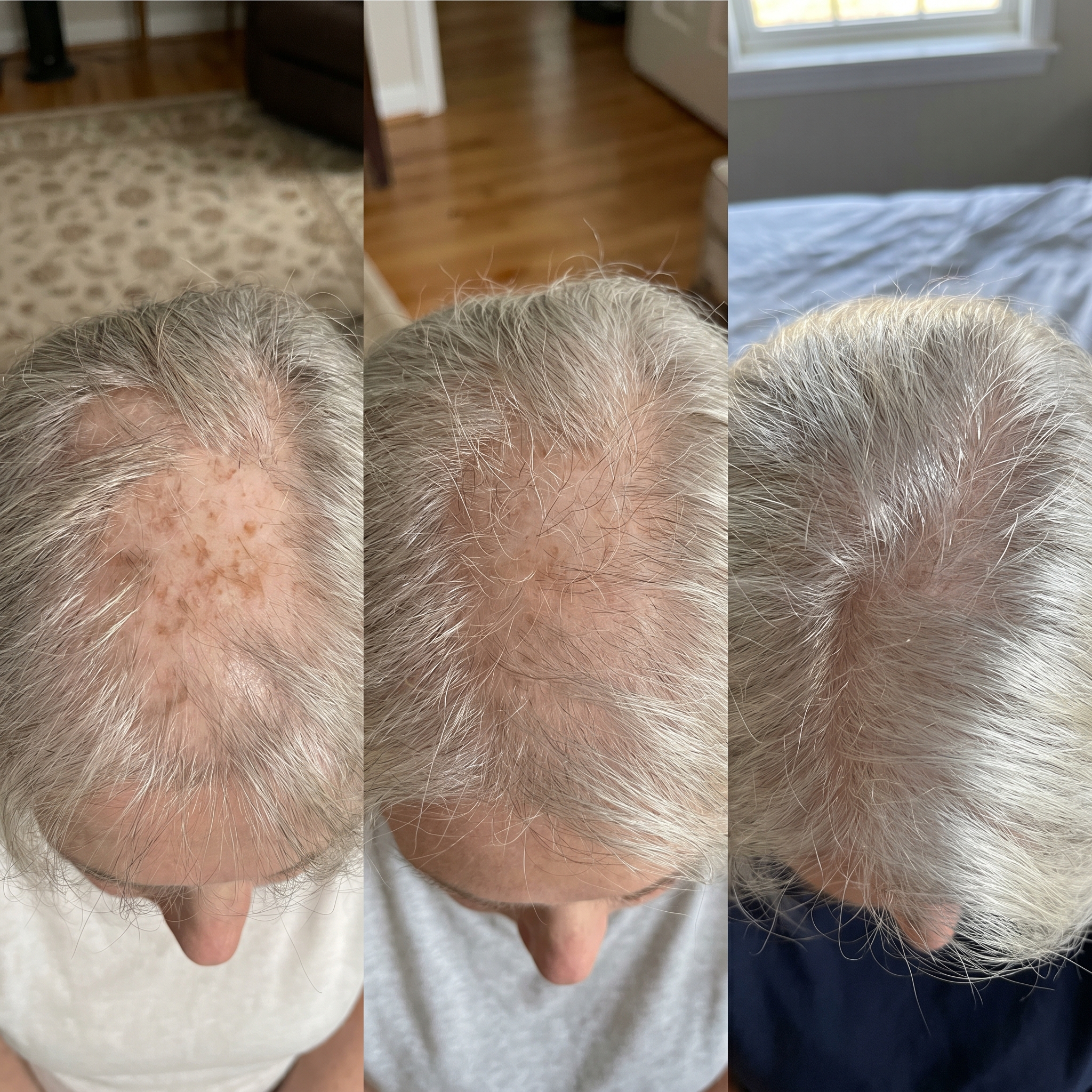
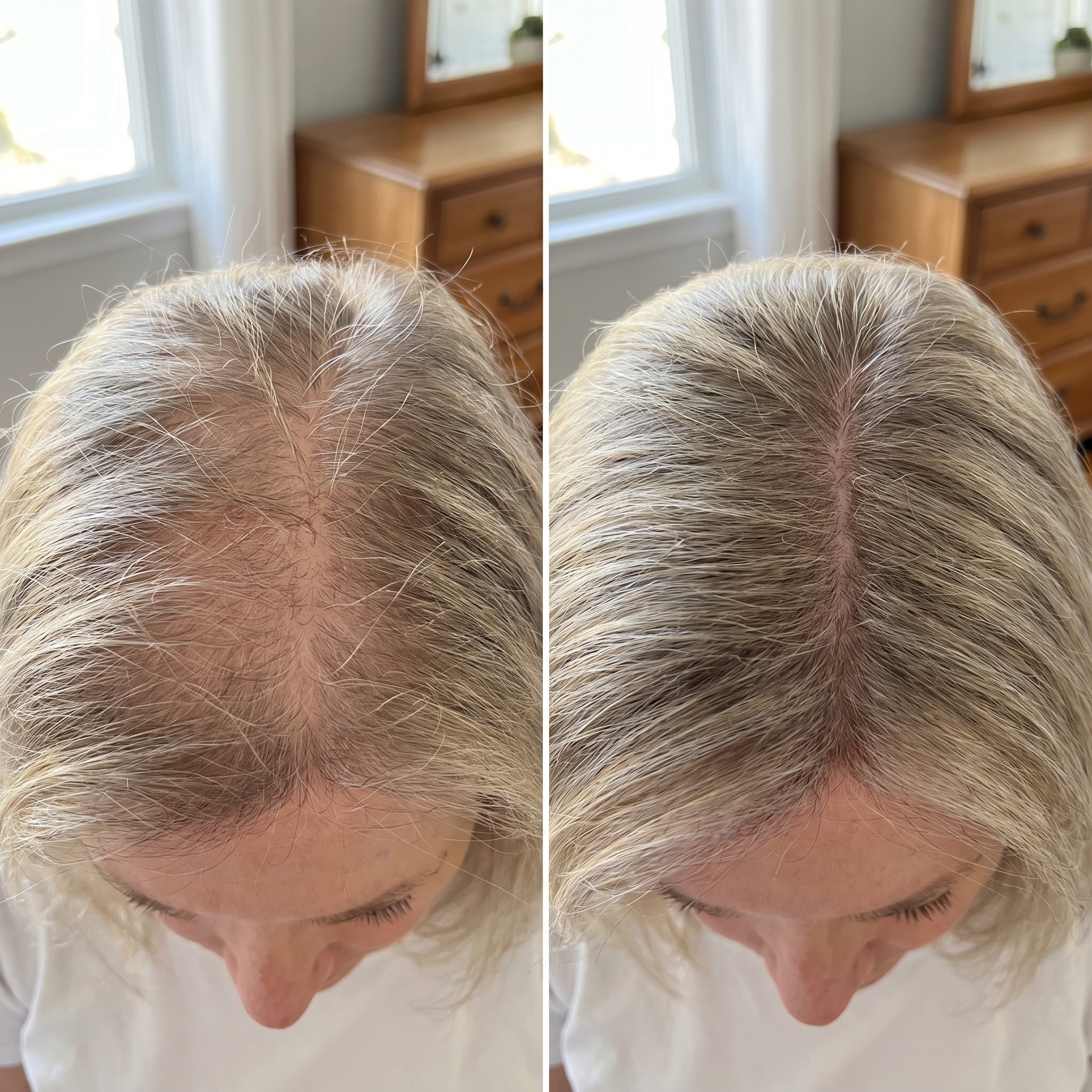
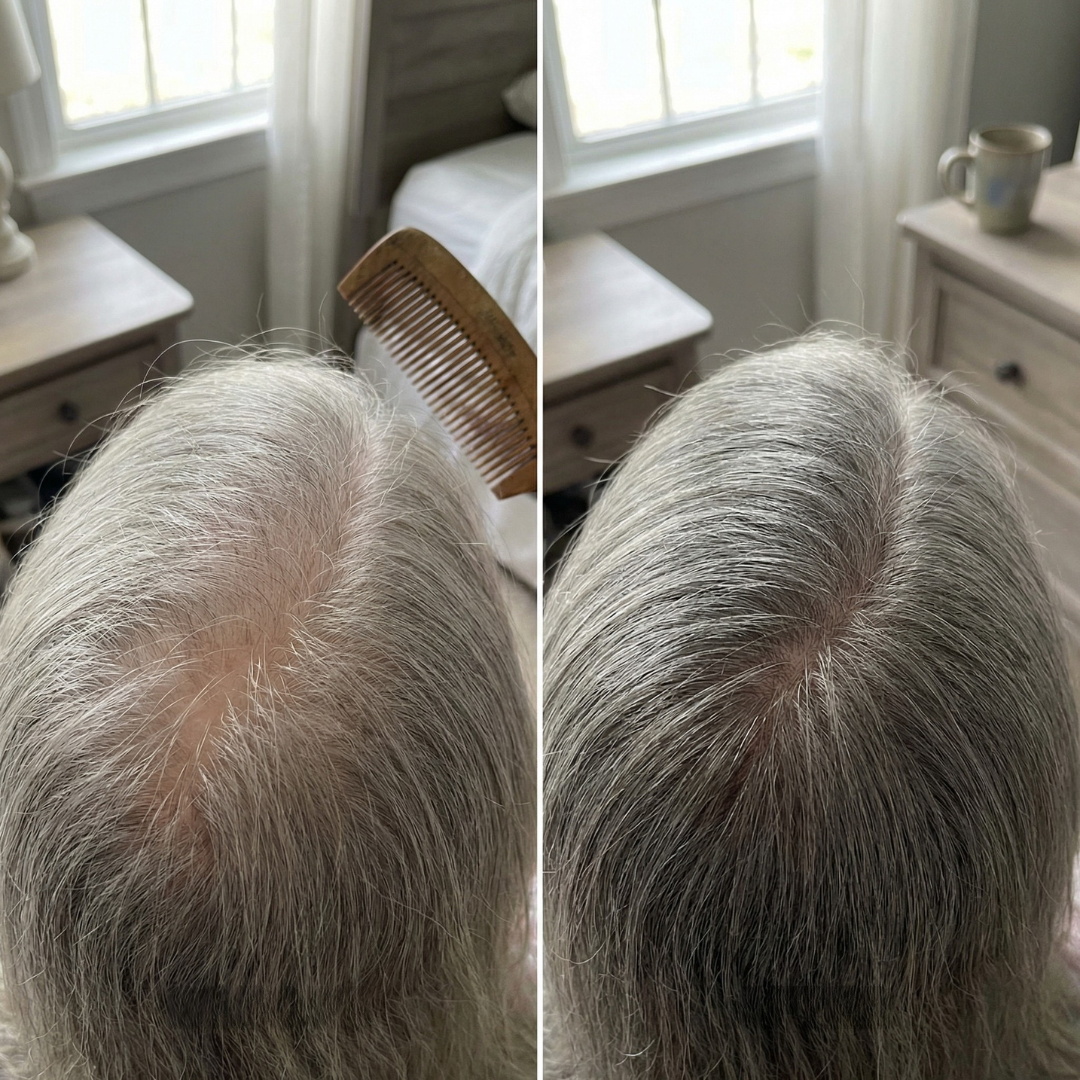
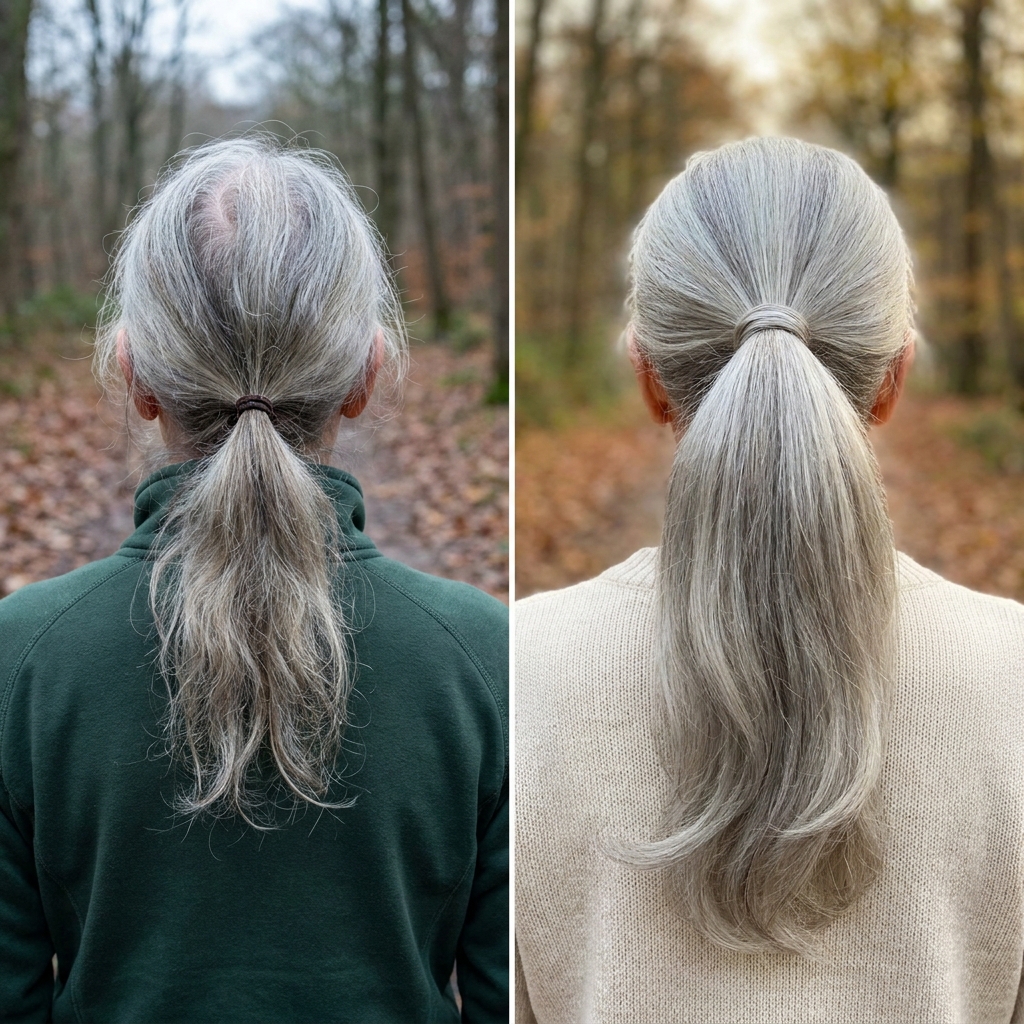
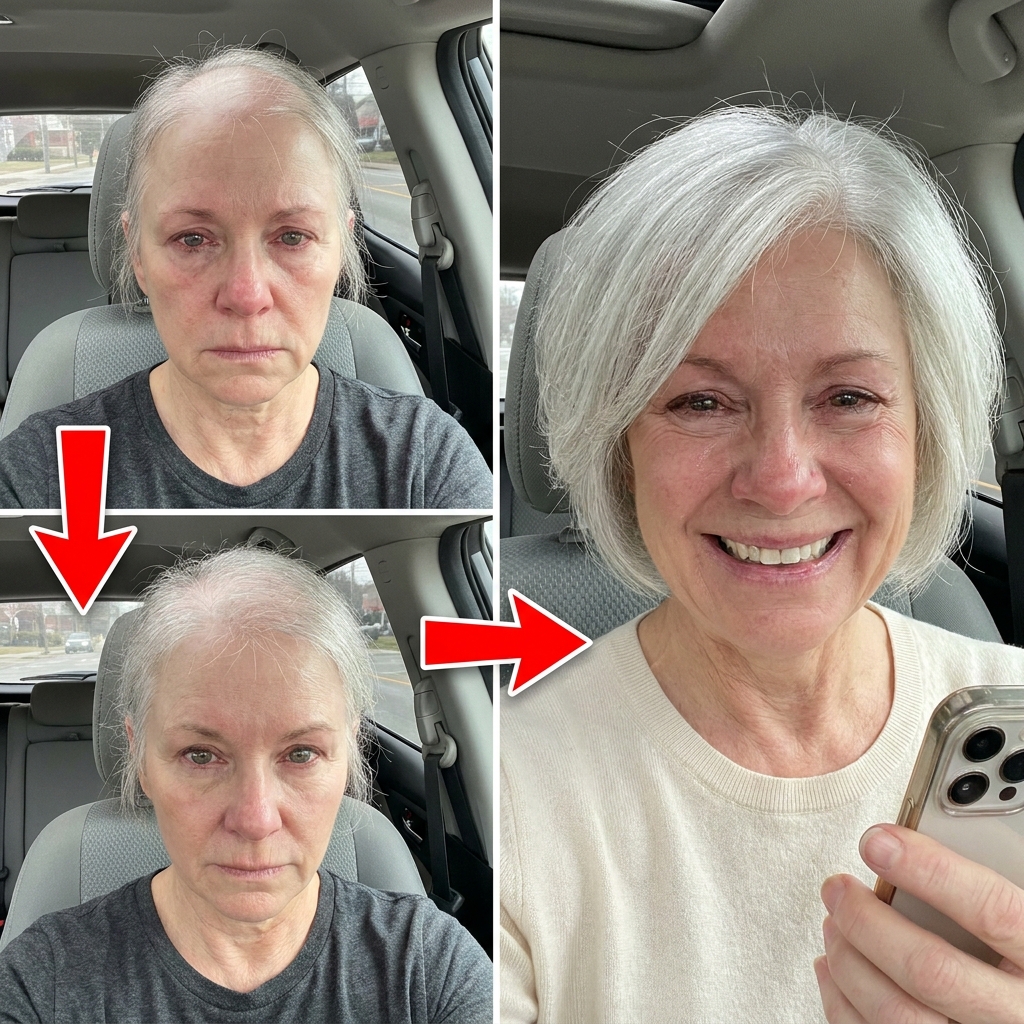
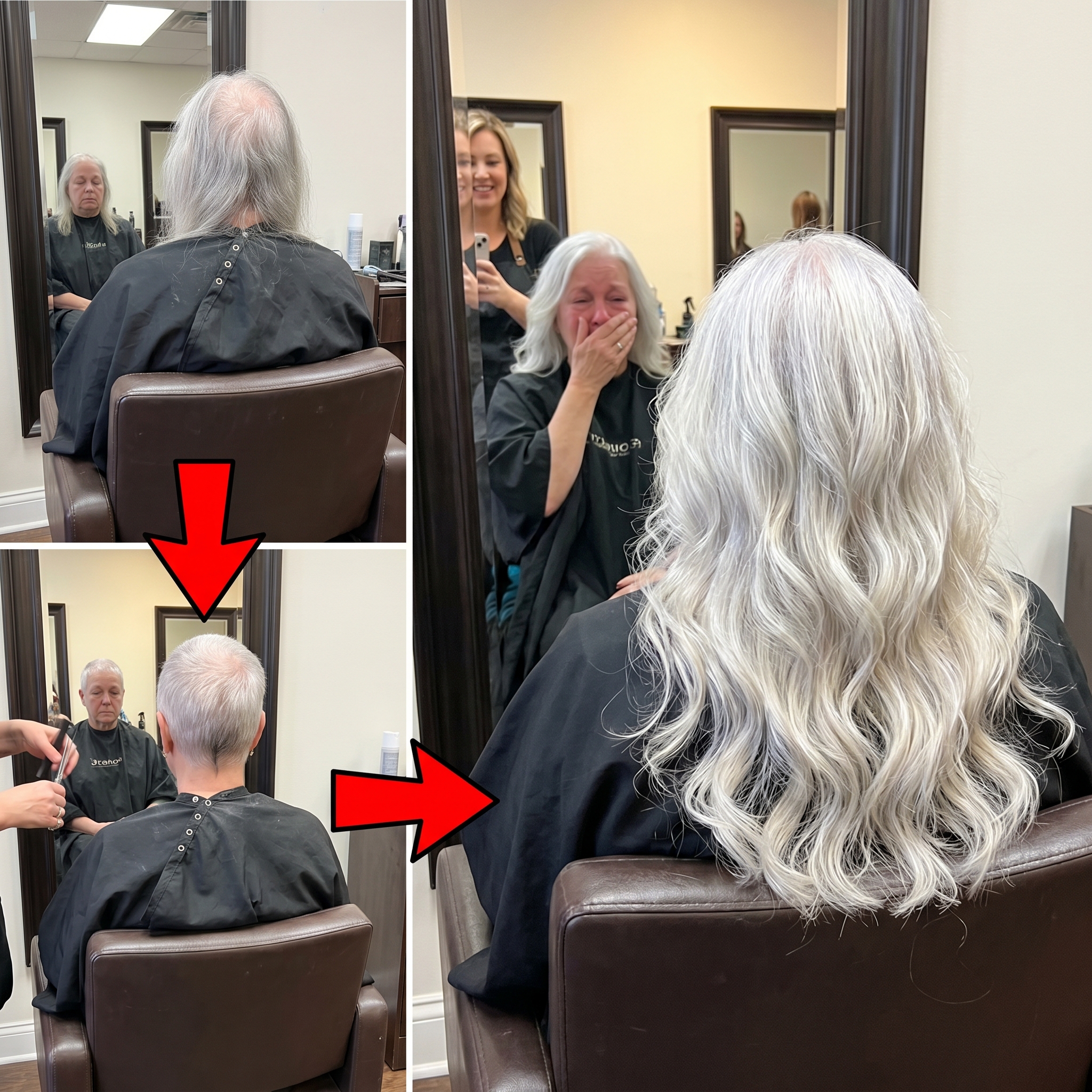
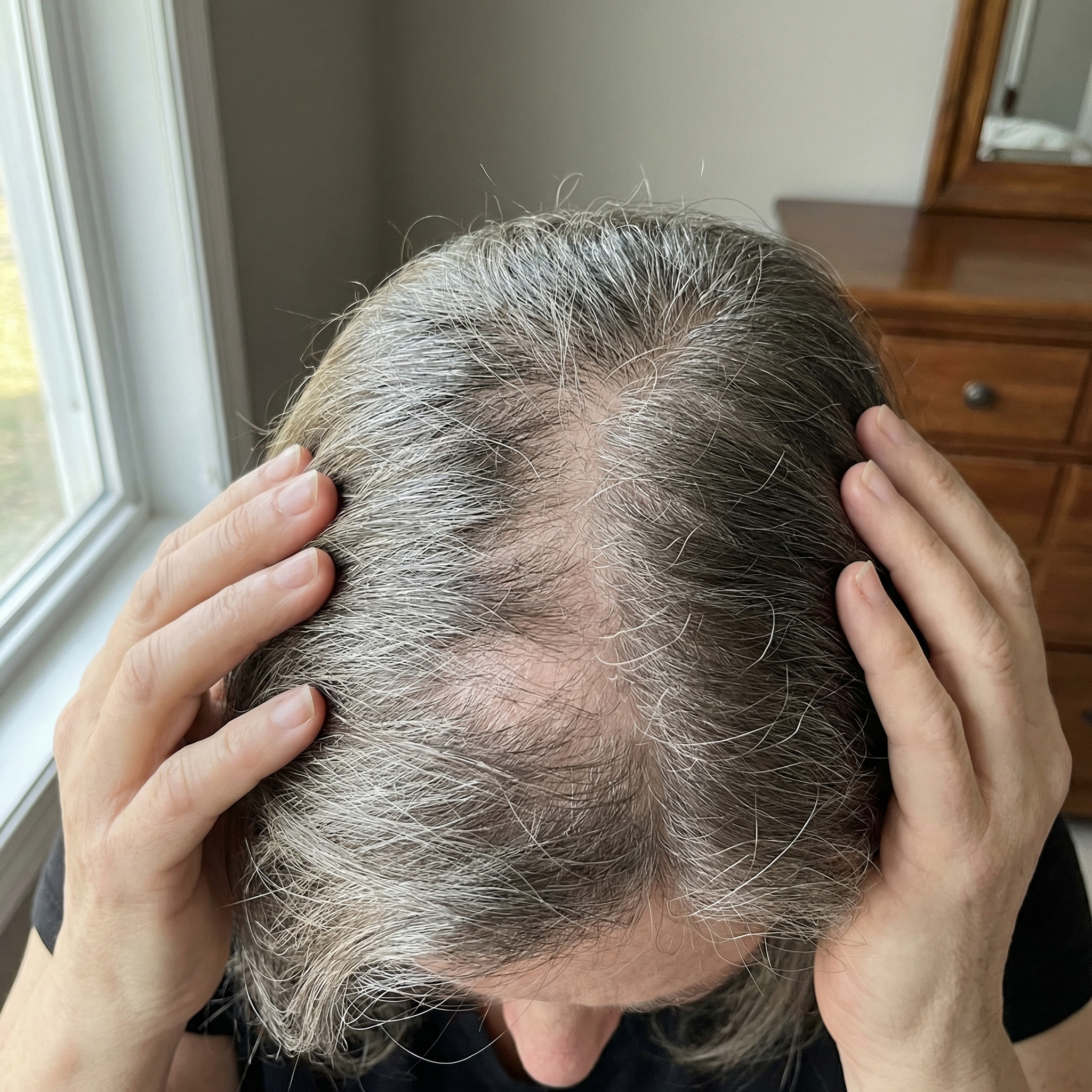
I'm 54 and I have a habit I can't explain to anyone. Several times a day, I press my hands against the sides of my head and run my fingers across my crown. Not to style it. Not to scratch an itch. I'm checking. Feeling for what's there and what isn't. Measuring, somehow, the width of the part I can feel through my fingertips. The thinness of the hair between my palms. The scalp that used to be covered and now isn't. I've been doing this for about two years. My husband has seen me do it. He asked once if my head hurt. I said yes, because I didn't know how to explain what it actually was. What it actually is: I'm grieving. And that motion — hands on head, fingers spread, pressure against the scalp like I can somehow push the hair back into existence — is the physical expression of a grief I can't say out loud to anyone because it is, objectively, just hair. People lose far worse. I know that. But it was mine. It was the one thing about my appearance I had always felt genuinely good about. Thick, dark hair that people mentioned, that hairdressers loved working with, that I took completely for granted for 50 years because it had never, once, been something to worry about. And then perimenopause arrived, and then menopause, and then one morning I was standing at the bathroom mirror and I tilted my head forward slightly and saw my scalp through my hair at the crown in a way I never had before. That was two years ago. I've been pressing my hands against my head ever since. I want to tell you what I tried. All of it. Not to catalogue my failures — though there were plenty — but because I want you to understand the specific thing that was missing from every single attempt, and why none of them worked, and why the thing that finally changed is different. I went to my GP first. Thyroid was fine. Iron was "within normal range" — which, I later learned, is not the same as optimal for hair growth, but we'll get to that. She referred me to a dermatologist. The dermatologist confirmed androgenetic alopecia — the pattern I had at the crown, she said, was "consistent with menopausal hair loss." She recommended minoxidil. I asked what was causing it. She said hormones. I asked what specifically. She said my estrogen levels declining. I started HRT that month, expecting that to be the answer. It wasn't the answer. Six months of HRT. Eight months. A year. My crown kept thinning. I kept pressing my hands against my head and feeling how much was gone. My hairdresser, who has been cutting my hair since I was 38, started saying things like "we could try a different part placement" and "a softer layer might give you more movement." I understood exactly what she was trying to do. I appreciated her kindness and hated that it was necessary. I tried minoxidil, because the dermatologist had recommended it and I'd run out of other ideas. I got through the dread shed — three months of things getting actively worse — and saw some improvement on the other side. But I read about the dependency cycle. That if I stopped, the follicles that minoxidil had been sustaining would shed again. I was 52 years old and being told I'd need to be on a hair loss treatment indefinitely or lose the modest ground I'd gained. I couldn't make peace with that. I tried Nutrafol. Six months, £70 a month. I think it helped marginally with hair texture. It did not touch the thinning at the crown. I tried Plantur. I tried biotin in every dose the internet suggested. I tried a scalp serum from a specialist clinic that cost £95 and came with a leaflet about "optimising your hair washing technique." At some point during all of this I stopped booking hair appointments and started going to a different salon where no one knew me or the history. Here is the thing that was missing. The thing that, once I understood it, made every previous attempt make sense in retrospect — why each one addressed the surface while the actual mechanism kept operating underneath. DHT. Dihydrotestosterone. A hormone derived from testosterone, present in every woman's body, held in check throughout your reproductive years by estrogen and progesterone. When those hormones decline at menopause, DHT is no longer suppressed. It begins binding to androgen receptors in your hair follicles — and the follicles with the highest concentration of those receptors are at the crown and vertex. Exactly where you've been watching your hair disappear. DHT miniaturises the follicle. Smaller follicle, finer hair, eventually no hair. This is the same mechanism as male pattern baldness. The same hormone. The same receptor binding. In women, menopause is the trigger instead of genetics. HRT doesn't specifically block DHT at the follicle. It addresses your systemic hormone balance, which is profoundly valuable — I'm not going to tell you to stop HRT, it changed my life in ways that have nothing to do with hair. But it is not a targeted DHT intervention. The follicle damage can continue even while your general hormone levels improve. Biotin doesn't block DHT. Minoxidil doesn't block DHT — it increases blood flow to the follicle to support it, which is why it works but only for as long as you take it. What blocks DHT is a class of compounds called 5-alpha-reductase inhibitors. They interrupt the enzyme that converts testosterone into DHT before it reaches the follicle. There are pharmaceutical versions. There are also plant-based versions — saw palmetto, beta-sitosterol, pumpkin seed extract — that have been studied specifically for androgenic alopecia in women, with results that caught researchers off guard. I found Mellenza at 1:30 in the morning, during the kind of research spiral that I think you probably understand. It was the first formulation I'd found that was built around this mechanism — DHT blocking at the follicle — combined with the nutrient support that menopause depletes and that the follicle needs to function. I ordered it without much hope. I'd been not hopeful before and been right. I kept pressing my hands against my head. I was looking for a change. Measuring. Week 4: Less hair in the shower. I'd been tracking this as a number — compulsive, probably, but you do what you do. The number dropped. Measurably. Week 6: The texture of my hair started to feel different. Stronger. When I pressed my hands against my crown, the hair between my fingers felt less fragile. Less like it would pull away. Week 9: I ran my hands across the crown slowly, the way I do, and something felt different. Denser. I didn't trust the sensation — I'd wanted to feel that for two years. I went and got the mirror. The part was narrower. The scalp at the crown was less visible. It wasn't dramatic. But it was real. Week 12: My hairdresser held up the mirror at the end of the appointment. "There's definitely more coverage here," she said. "What are you doing?" I told her. Month 4: I still press my hands against my head. The habit is two years old and it won't disappear overnight. But what I feel now is different. Fuller. More like mine. I'm not standing on the bed to take overhead photos anymore. I'm not dreading the hairdresser's mirror. The direction has changed. If you've been pressing your hands against your head — checking, measuring, grieving — and nothing you've tried has addressed what was actually causing it: the link is below.
I Keep Running My Hands Over My Crown Hoping to Something Different
Women's Health · Updated April 2026 Menopause · Hair Routine 7 Mistakes That Make Menopausal Hair Loss Worse, And the 30 Second Ritual 10,000 Women Used to See Regrowth in 8 Weeks Dr. Sarah Mitchell — Women's Health Writer. If you're standing in front of the mirror doing the 3-elastic ponytail t...
SEE DETAILSLike this ad? Make it yours.
Crush rebuilds this exact creative around your product — your brand, your colors, your offer — in about a minute.