
Inactive· since May 19, 2026
- 92
- days it ran
- 1
- relaunches
- 32,573
- EU reach
Ad copy
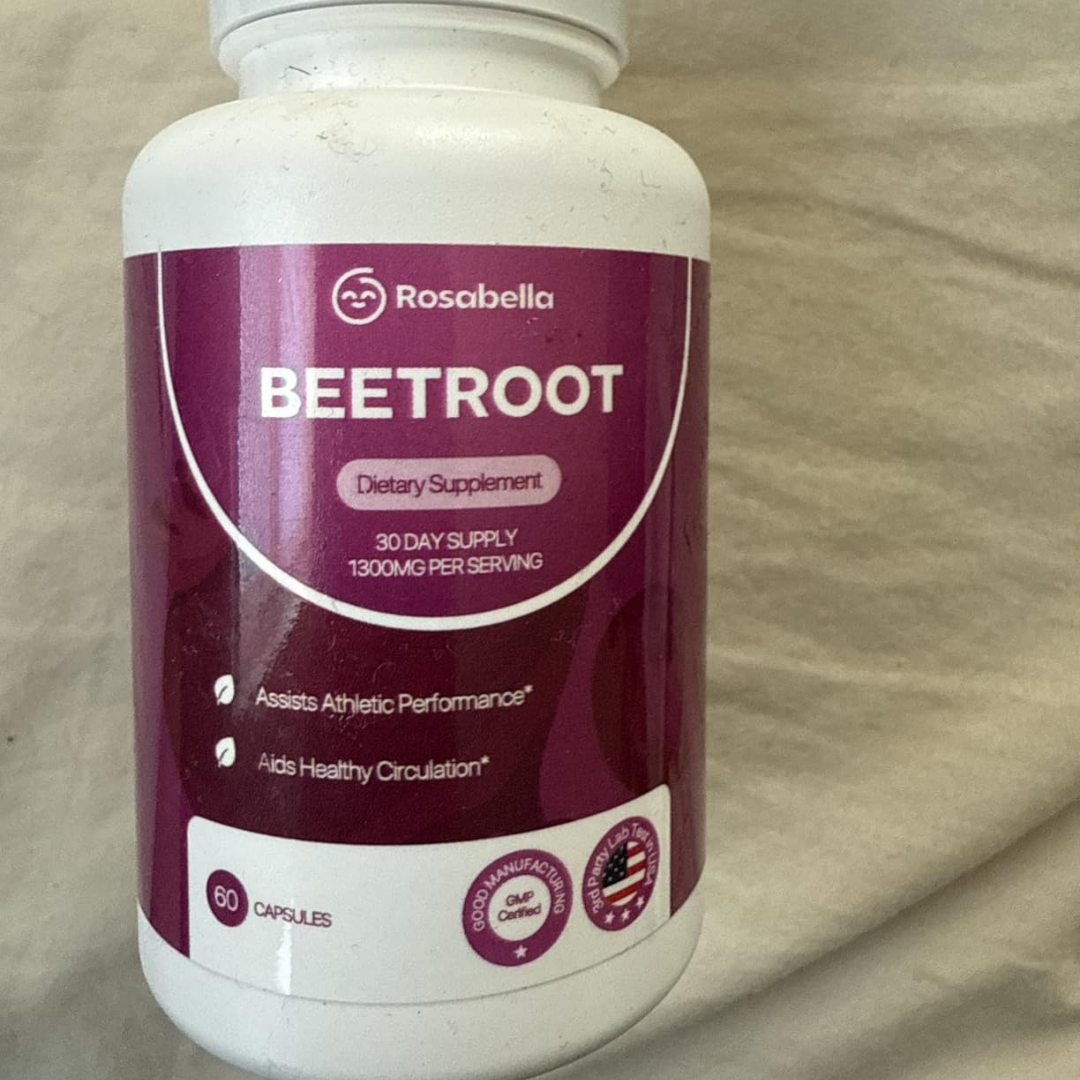
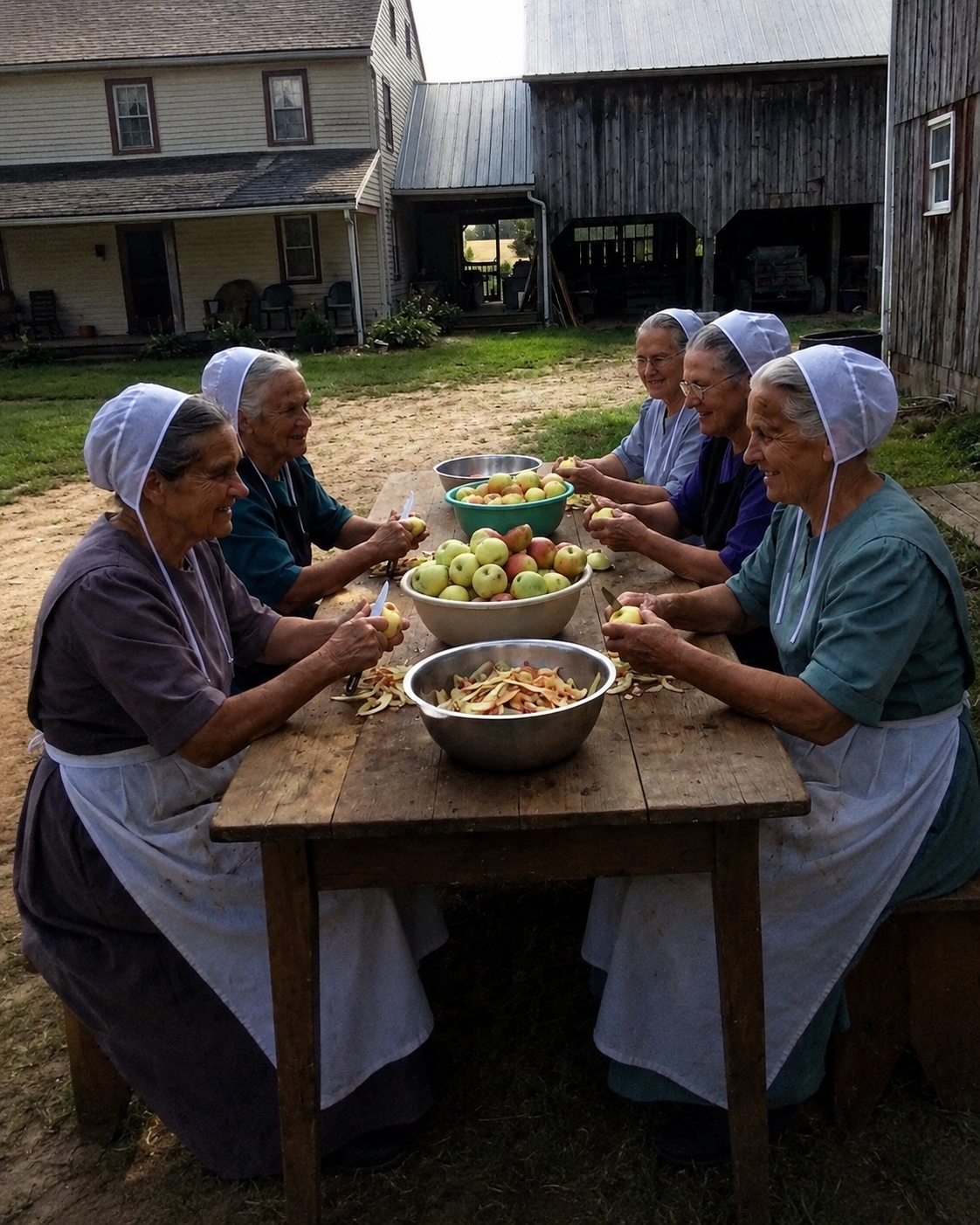
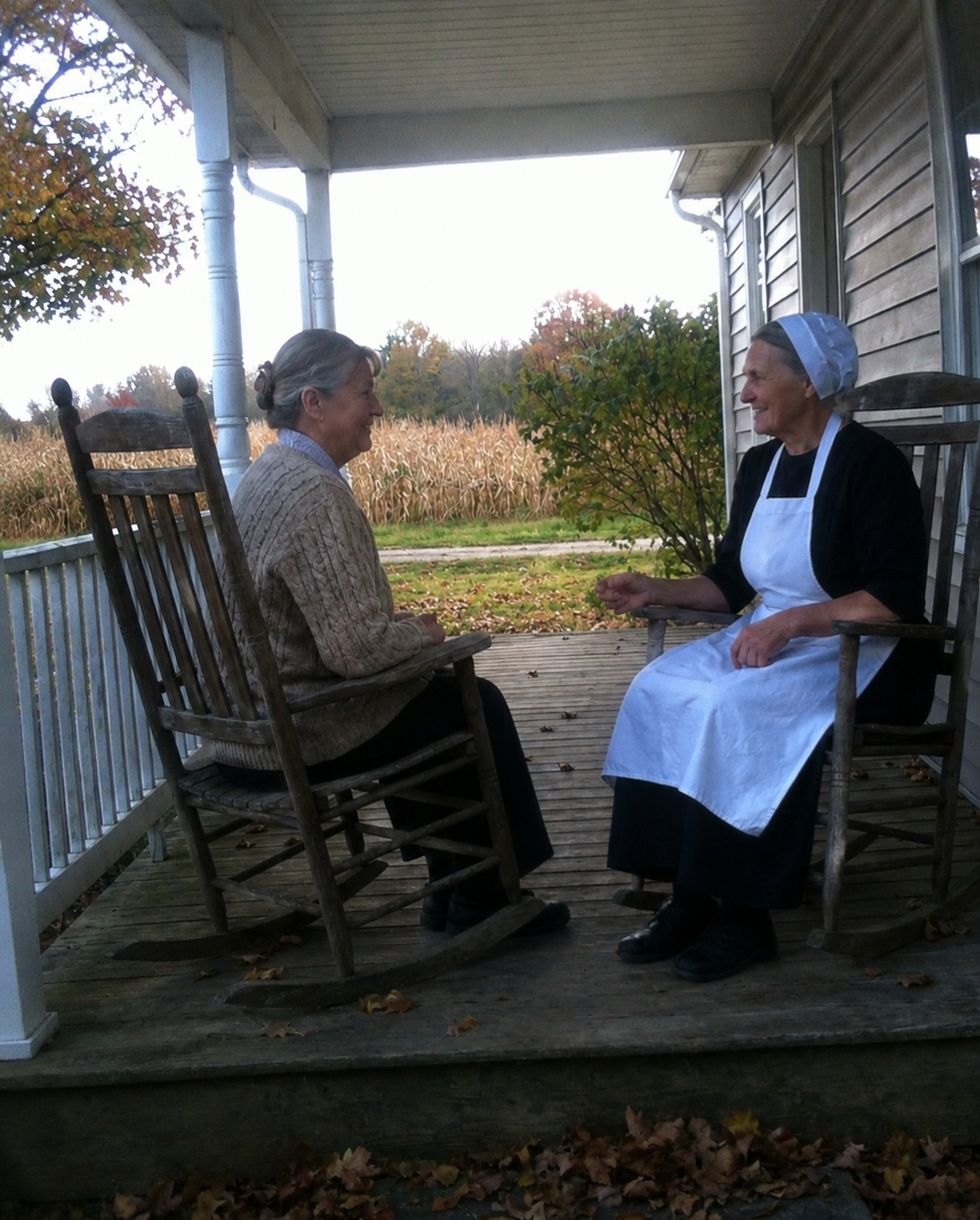
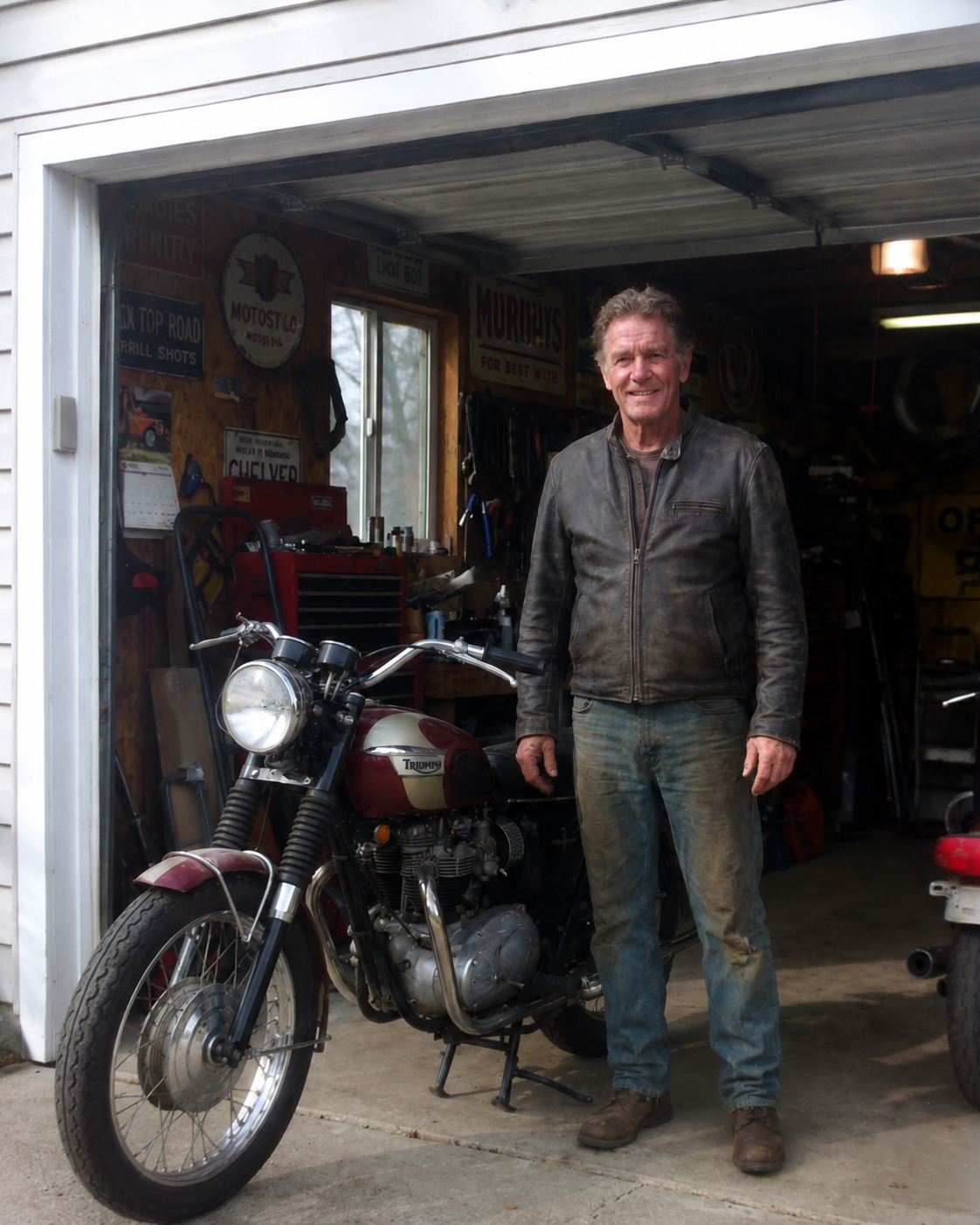
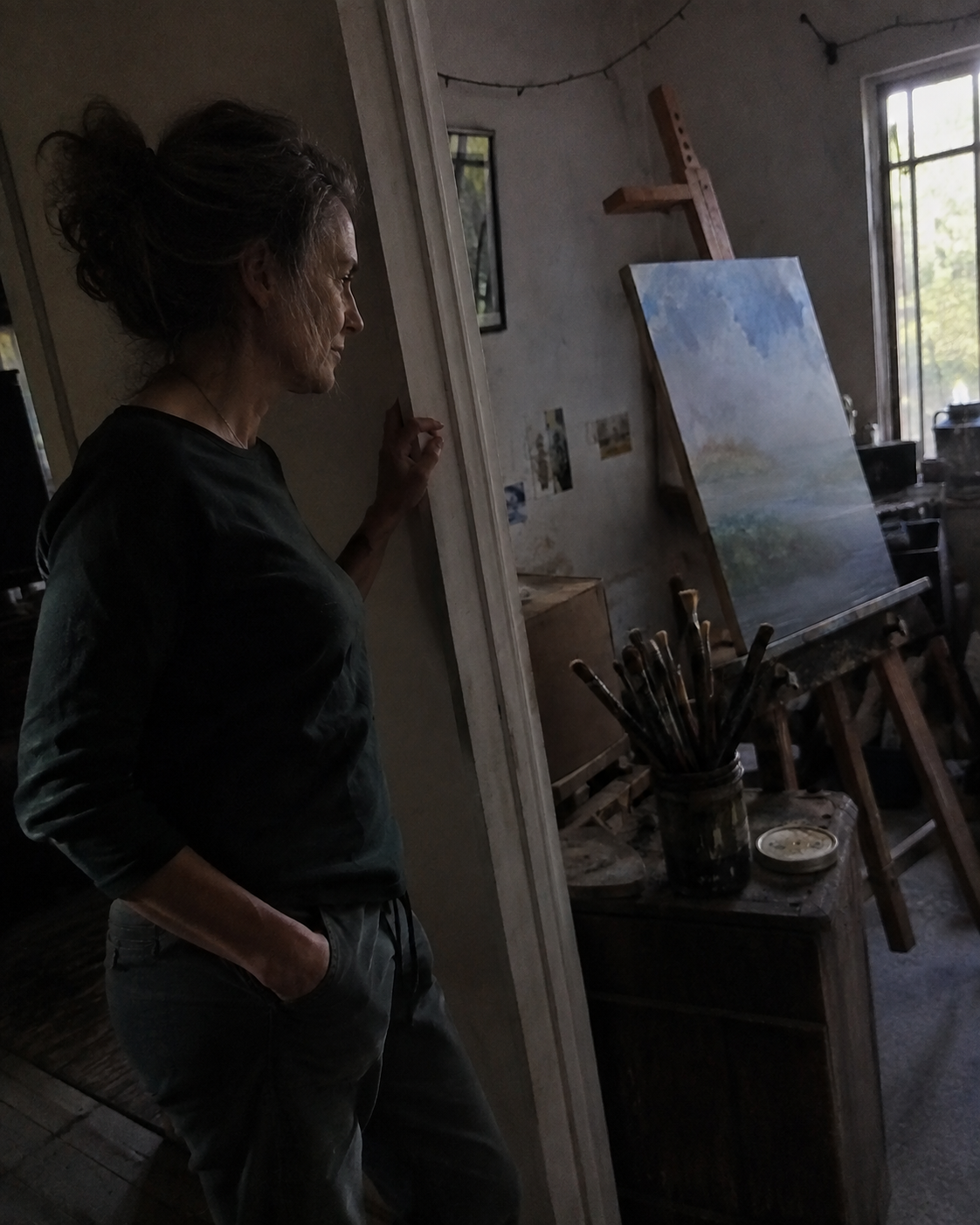
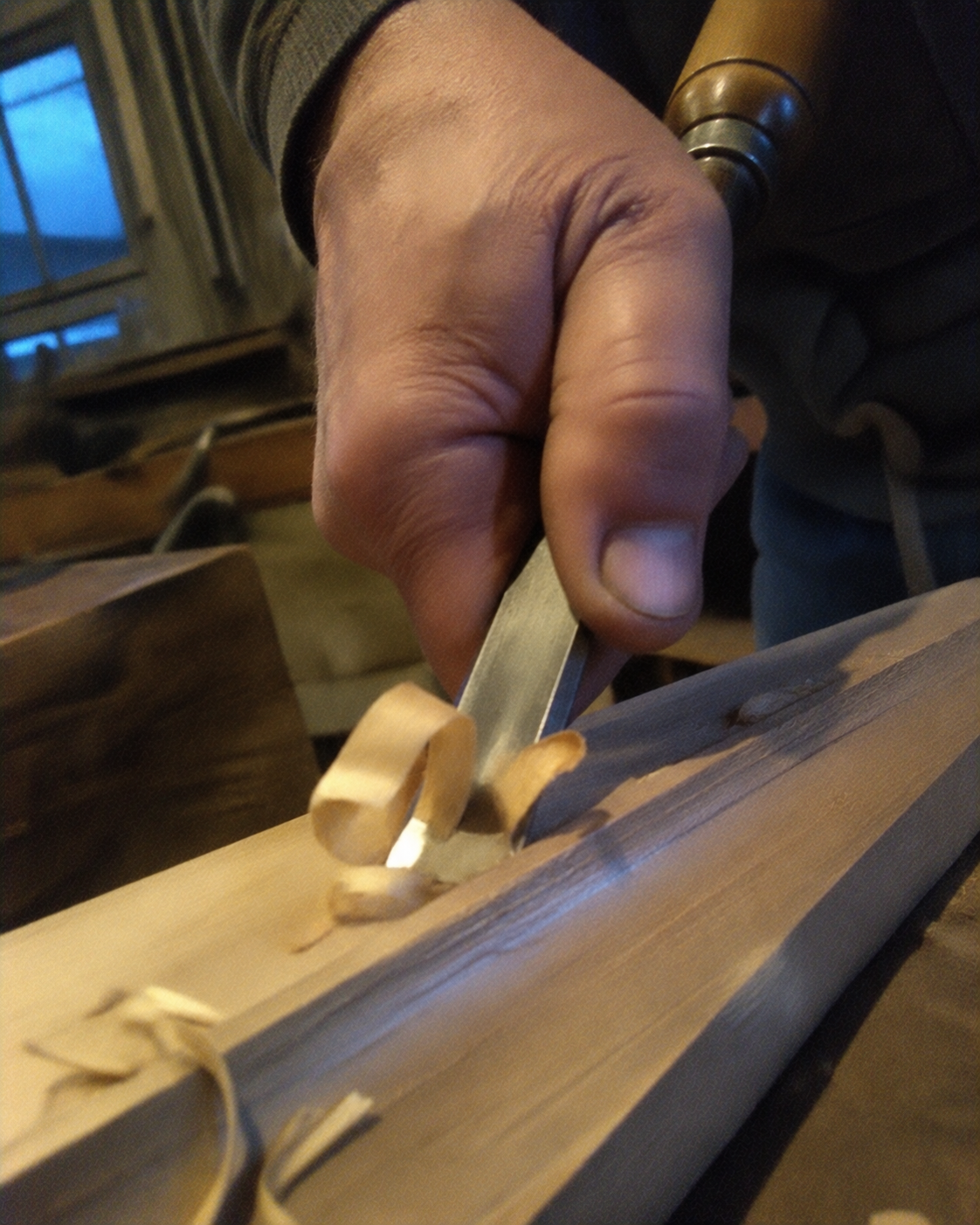
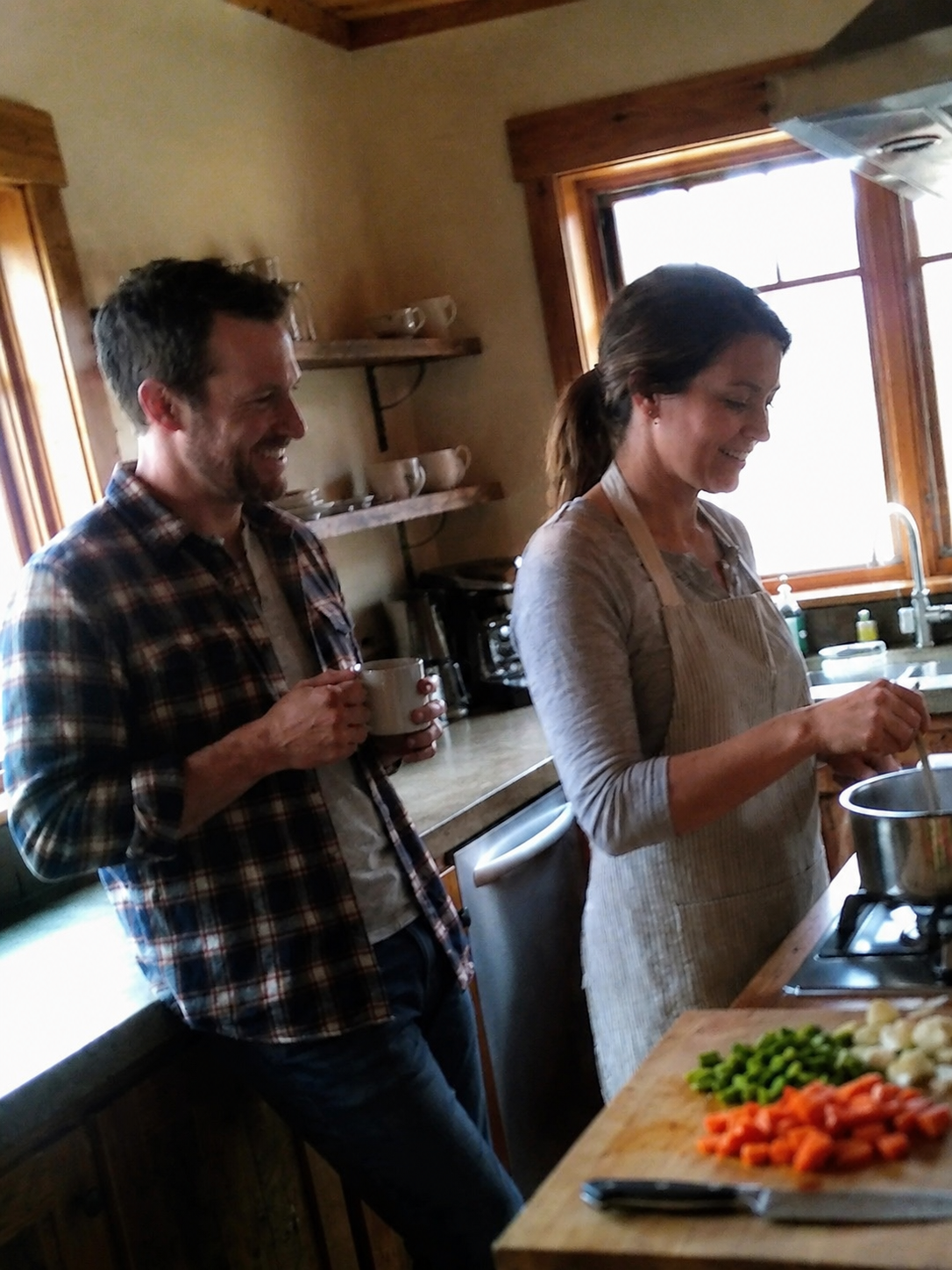
An Amish Furniture Maker Gave My Husband a Small Jar of Dried Beetroot Powder at the End of an Afternoon I'll Be Thinking About for the Rest of My Life. My name is Margaret. I am sixty-five years old. I baked for forty years. I owned a small bakery on Fourth Street in Williamsport for thirty of those years. I sold it five years ago to a young couple who have kept the bread recipe and changed almost everything else. I still bake at home for our church and for our daughter's family. I have been married to Stan for forty-three years. Stan is sixty-eight. He was a pipefitter for forty-one years. He retired five years ago after his back finally told him it was time. Which was about eight years after his back had started telling him it was time. He is on a low-dose cholesterol medication. He has been on it for nine years. His doctor — Dr. Hughes, a careful woman we have both been seeing for the better part of twelve years — tells him at every annual visit that his numbers are in the ranges Dr. Hughes wants them in. He walks our property line with me most evenings. He eats the way a man with his numbers should eat. Which is to say less than he would prefer. And more vegetables than he would choose. He is, by every measure on his chart, a sixty-eight-year-old man in fine shape. That is the part I want you to hold while you read this. The other part I want you to hold is what I had been watching for a year and a half. Stan had not become unwell. He had become slower. I know slower is a word that sounds like it doesn't mean anything. I will try to tell you what I mean. His hands had become cold at the kitchen table in the mornings. Even in summer. Even with his coffee in front of him. He had stopped splitting firewood the way he used to split firewood. He had been a man who could split a cord on a Saturday morning. He had been splitting half a cord, and then stopping for the afternoon, and finishing it on Sunday. He had been needing to sit down twice on the walk from the back porch to the mailbox at the end of our driveway. The driveway is one hundred and twenty paces. He used to walk it without thinking. He had been walking it with his hands in his pockets and his shoulders a little higher. He had been finding reasons to sit on the stone bench halfway down. He had been getting up from his recliner using the armrests. He had not done that the year before. I had watched him do it without realizing I was watching it. His doctor's chart did not show any of that. Because the chart is not a thing that measures a man's hands at the kitchen table in the morning. I had been watching the man, not the chart. And the man's circulation had been telling him something his chart was not telling Dr. Hughes. We pulled into Jonas Stoltzfus's farm at half past nine. The farm was on a small road off the county route. A long lane. A white farmhouse. A barn behind it. A workshop attached to the barn. Two horses in the pasture. Late zinnias still blooming in beds along the lane. Jonas met us at the workshop door. He was somewhere in his mid-seventies. Tall for an Amish man. White beard. Dark hat. Plain dress. The slow steady walk of a man who has spent fifty years on the same hundred and twenty acres and has nowhere he needs to be in a hurry. He shook Stan's hand. He shook mine. He led us into the workshop. The kitchen table was on a pair of sawhorses in the middle of the floor. Cherry. Eight feet long. The grain so deep you wanted to put your hand on it before you said anything. I'm not going to spend this letter describing the table. But I want to say, plainly, that the table was the work of a man who had been doing one thing carefully for fifty years. In a workshop with no electricity. With hand tools he had inherited from his father. Stan ran his hand along the edge. He said, quietly: "It's beautiful, Jonas. Thank you." Jonas nodded once. He said: "We will load it now, you and me. Margaret can sit inside with Sarah while we do it. The truck is too dirty for the table cloths. We will wrap it in the workshop blankets and put it in the truck together." I went inside with Sarah, Jonas's wife. Sarah was about seventy. White prayer kapp. Blue plain dress. A quiet face that had spent a long career watching her husband do careful work and feeding the people who came to pick it up. She had hot coffee and a plate of cinnamon rolls waiting on the kitchen table. Which was a smaller, older version of the one Stan had ordered. We sat at the kitchen table. Through the window I could see the workshop door propped open. I could see Stan and Jonas wrapping the table in heavy gray quilted blankets. I watched Stan lift one end and set it back down. I watched Stan sit on a workshop stool and put his hand on his chest for a moment. I watched Jonas glance at him without making a thing of it. And I watched Jonas continue working, slowly, in a way that gave Stan time to rest without anyone naming the resting. Sarah was watching me watch Stan. She said, quietly: "Your husband is a hard worker." I said: "He used to be." She didn't say anything for a long moment. Then she said: "Margaret. The men in our community do a lot of hard work all their lives. Some of them are still doing that work at eighty. Some of them slow down quietly in their sixties in a way that nobody outside their kitchens can see. We have come, over generations, to pay attention to what the body of a man needs in the years when the body has started to want a little help and the chart doesn't yet show why." She poured me another cup of coffee. She didn't say anything else for a while. We talked about her zinnias. And about my bread. And about her granddaughters and my granddaughter. And about the long peaceful careful business of being married to a man for almost fifty years. It was about an hour later when Jonas and Stan came in. The table was wrapped and loaded in the truck. Stan had a small jar in his hand. It was a half-pint canning jar with a hand-lettered label. The contents were a deep dark crimson powder, almost the color of dried blood. Stan set it on the kitchen table next to his coffee. He looked at me. He looked at Jonas. He said: "Jonas would like to tell you about this." Jonas sat down across from us. He pulled his chair in. He set both his hands flat on the table, palms down. The way a man sets his hands when he is going to say a careful thing to people he has just met. He said: "Stan and I have been talking out in the workshop. He has been telling me about his hands at the kitchen table in the mornings. He has been telling me about the woodpile. He has been telling me about the walk down to the mailbox." He looked at me. He said: "I am not a doctor. I am a furniture maker. I do not know your husband's chart. I do not know your husband's medication. I am not telling you anything about your husband's body that I have any authority to tell you. What I want to tell you is what I have watched for fifty years, in this community, in the bodies of men our age. And what the older men here have grown in their gardens since I was a boy." He nodded at the jar. He said: "Beetroot. The deep red kind. Which is the kind that matters. The men in our community have grown it for generations. They eat it fresh in the summer and they dry it for the winter. They have believed it supports what their bodies are doing. I don't know what the research says about it. I am a man with a beard and a hat in a workshop with no electricity. I just know what I have watched." He looked at Stan. He said: "Stan asked me, while we were loading the table, what I would do for a man who had been telling me what he was telling me. I told him I would not do anything that his doctor had not blessed. I told him I would not stop any medication that was working for him. But I told him that if I were a man with hands that had gone cold at his own kitchen table. And a woodpile that had gotten harder to split. And a driveway that had gotten longer to walk. I would talk to my wife. And I would talk to my doctor. And I would consider whether there was one small thing I might add to my mornings that supported what my circulation was already trying to do." He pushed the jar an inch toward me. He said: "I have given Stan this jar as a gift. It is dried beetroot powder from our community's garden. It is not a medicine. I would not have him use it without his doctor's blessing. And I would not have him use it instead of looking carefully at what is available out in the wider world. Where there are people who have done the research and made the powder in ways more careful than the way our women dry it in their barns." He paused. He said: "Margaret. I am going to tell you what I told Stan. The world outside our community has its own ways of doing careful things. I have heard that there is a small company that takes the same root our older men have been eating for generations and processes it slowly, at low temperatures. Because the red color is heat-sensitive and the slow processing keeps more of what the body uses. I do not know the company personally. I have only heard the name from an English neighbor of ours who has been taking it for his own circulation. The name he gave me was Rosabella. I am giving you the name because you asked Stan, on the drive down, why he was so quiet. He told me you asked. I am giving you the name so that you can do your own careful work with it. And call your own doctor and your own pharmacist. And decide for your own husband." Stan put his hand on top of mine on the kitchen table. I didn't say anything. Sarah brought us a fresh pot of coffee. We sat there in that kitchen for another half an hour. We drove home with the kitchen table wrapped in workshop blankets in the back of the truck. And a small canning jar of dried beetroot powder in my purse. And the name of a company on a piece of paper that I had written down in Sarah's kitchen with a stub pencil Jonas had handed me. Stan was quiet on the drive home too. But he was a different kind of quiet. He was the quiet of a man who had been seen by another man for the first time in a year and a half. And who had been told gently, on the threshold of his own old age, that he was not the first man to have walked through it. And that some of the men who had walked through it had walked through it with their bodies a little supported by something their own grandfathers had grown. About forty miles from home, Stan said: "I'd like to look into the brand he mentioned. With Dr. Hughes's blessing. If you would help me look." I told him I would. I want to be clear about something before I tell you what I did next. I am not a doctor. I am not a nurse. I do not have any medical expertise of any kind. I am a retired baker from Williamsport, Pennsylvania. Married to a retired pipefitter. With a daughter and a granddaughter and a husband whose circulation had been telling me something the chart wasn't telling Dr. Hughes for a year and a half. What follows is one careful woman's experience after one Saturday in a workshop. Nothing more. I read for two weeks before I did anything. I am a careful reader. Forty years of running a small business teaches you that any product that arrives loud is a product to be suspicious of. And that the products that last are the ones built by people who do one thing carefully for a long time without making a fuss about it. What I read confirmed the shape of what Jonas had said in his kitchen. The active compound in beetroot is a family of pigments called betalains. They are one of the more potent antioxidants in the food supply. The research community has been studying them for decades, carefully. In the context of supporting healthy circulation. Supporting cardiovascular wellness. And supporting the body's own cellular energy. In men whose numbers are already in the range their doctors want them in. The careful language. Not "fixes." Not "treats." Not "reverses." Just supports. The betalain pigment is heat-sensitive. That is just the chemistry of the molecule. Most processing methods involve high temperatures, which is the cheaper and faster way. Rosabella cold-presses at low temperatures. It costs them more. It takes longer. They do it anyway, because more of the active compound survives the processing. Sarah had told me, in her kitchen, that the women in their community had been drying their beetroot in slow, cool barns for a long time. And that the older women had passed down the slow drying without anyone explaining to her exactly why. I read that, and I sat at my kitchen table for a minute. And I understood what Jonas had been telling me about the small company that had decided to do it slowly even though no one was making them. I have been a baker for forty years. I have come to believe the small decisions a careful person makes when no one is watching tell you everything. The other thing I liked was the simplicity. Two capsules in the morning with a glass of water. That is the entire protocol. Now I want to tell you the most important part of this letter. Before I added anything to what Stan was already taking, I made two phone calls. Stan is on a low-dose cholesterol medication. He has been on it for nine years. I would not add anything to that medication without checking first whether the addition was sensible. I called Stan's pharmacist on a Tuesday morning. We have been filling his prescription at the small pharmacy four blocks from our house for fifteen years. I gave the pharmacist on duty the brand name and the dosage and Stan's current prescription information. She pulled up his profile. She told me she had no concerns about the addition at the dosage on the label. Given Stan's specific medication and dose. She told me to have Stan take the capsules in the morning with his coffee. Alongside his cholesterol pill. The way the bottle suggested. I called Dr. Hughes's office that afternoon. I left a message with the nurse with the same information. She called me back the next morning to tell me Dr. Hughes had no concerns. And to mention it at Stan's next appointment. Both calls together took me less than ten minutes. I want to say something now, plainly, to every wife reading this letter whose husband is on a cardiovascular medication. Please make the calls before you add anything new. I called Stan's pharmacist. I called Dr. Hughes's office. Those two phone calls are the most important ten minutes of your engagement with any supplement. The people who know what's on his chart will tell you in two sentences whether the addition is sensible for him. I am a retired baker. I am not the person to ask. His pharmacist and his doctor are. Stan started on a Monday in late September. I set two capsules on the saucer next to his coffee that morning. He took them with his first sip. The first two weeks he felt nothing in particular. I had read enough to know not to expect anything dramatic. A supplement is not a drug. It does not switch on the way a drug switches on. It is something the body uses, slowly, in the work the body is already doing. I kept paying attention. What I noticed, I noticed in two specific places. The first one was the kitchen table. It was a Saturday morning in early November. Stan was at the table with his coffee. I came in from the back porch with my own mug. I put my hand on his hand the way I had been putting my hand on his hand most mornings. Which was a small habit I had developed without thinking about it. Which was a small habit that was about checking whether his hands were as cold as they had been the morning before. His hand was warm. Not hot. Not anything dramatic. Just warm. The way Stan's hand had been warm in our first thirty years of marriage and had stopped being warm in our last year and a half. I did not say anything about it. I sat down with my coffee and we read the paper. I checked his hand again the next morning. Still warm. Two weeks later, I had stopped checking. The hand was just his hand again, at the kitchen table in the morning. The way it had been for thirty years before it had quietly stopped being. The second place I noticed was the woodpile. It was a Saturday in mid-November. Stan went out to the woodpile after breakfast. He was out there for two hours. I looked out the kitchen window twice. He was working steadily. The way he had been working in the late nineties. The way he had been working for the entire first forty years of our marriage. He was splitting cleanly. He was stacking carefully. He was not stopping every fifteen minutes to lean on the splitting maul. He came in for lunch. He had a sandwich. He went back out. He worked another two and a half hours. That evening at dinner he said: "I think I did most of a cord today. I'm a little stiff. I'll do the rest in the morning." He had not done most of a cord in a single day in two years. I did not say anything about it at dinner. After Stan went to bed, I stood at the kitchen window and I looked out at the back yard. Where the moonlight was on the new stack of split firewood. And I let myself notice it. I want to be careful with what I am saying here. I am not telling you that Rosabella warmed Stan's hands or split the woodpile. I had been doing things since the workshop too. I had been listening to Stan differently. I had been making more space at the kitchen table for him to take his time. I had been asking him questions I hadn't been asking him for a year and a half. Something had unlocked in Stan in Jonas's kitchen. While he was sitting on a workshop stool with his hand on his chest and another older man was quietly continuing his work to give him time. Something had unlocked in me too. Sitting at Sarah's table watching that quiet kindness happen. There were several things changing at once. The way there are when a wife finally watches another woman watch her husband on a workshop stool. And watches another man choose not to make him explain himself. What I can tell you is that we added one small thing to a list of small things we were newly doing. Alongside the cholesterol medication Dr. Hughes has Stan on. Which we did not change. We kept everything else exactly the same. And the months that followed were qualitatively different from the eighteen months that preceded them. We saw Dr. Hughes for Stan's annual physical in February. Bloodwork the week before. Dr. Hughes studied the results. She looked at Stan. She said: "Stan, your numbers are in the same good place they've been for years. But your color is better than I've seen it in a while. Whatever you've been doing, keep doing it." Stan told her about Lancaster County. About Jonas. About the woodpile. About the beetroot. Dr. Hughes nodded. She said: "That was a sensible thing to add at your dose. The research on antioxidant support for circulation is well-established. Keep walking the property line. Keep splitting the firewood. Come back in a year." She did not change Stan's cholesterol medication. She did not change anything else. We drove home from her office that afternoon. Stan was quiet again. But it was the new quiet. The quiet of a man whose circulation was no longer the thing he was thinking about while he drove his truck. We have been back to Lancaster County twice since September. We had ordered, that first day, a smaller side table to go with the dining table. We picked it up in March. We had ordered a small bench for our back porch in May. We picked it up in July. Each time, Sarah has had coffee waiting on her kitchen table. Each time, Jonas has had a small jar of dried beetroot powder ready for us. He does not ask us how Stan is doing. He just sets the jar on the table. And we sit. And we talk about the zinnias and the bread and the granddaughters and the long peaceful careful business of being married to a man for almost fifty years. The jars are in a row on top of our refrigerator. We use them to color rice on the holidays. Stan still takes two Rosabella capsules with his coffee every morning. He still splits the firewood on Saturdays. His hands are warm at the kitchen table. I am telling you all of this because I think you might be a wife where I was the morning we drove down to Lancaster County last September. In a quiet year and a half. Watching your husband's hands go cold in his own kitchen. Watching the woodpile get harder to split. Watching the small daily things his circulation used to do without thinking quietly become things his circulation has to think about. His chart fine. His medication doing its work. His doctor kind. If that is your year and a half, I want to say a few things plainly. I am not telling you that beetroot will do for your husband what something has done for Stan. I don't know Stan's body and I don't know your husband's body. And bodies are different. Some men notice something within the first month of adding something like this. Some men take much longer. Some men don't notice much at all. What I am telling you is that there is a careful, slow, structure-function corner of the research conversation that talks about beetroot in the language I had been waiting for. Not fixes. Not treats. Just supports. In men whose numbers are already in the range their doctors want them in. If that shape of language interests you for your husband, please make the call before you add anything. Call his pharmacist. Call his doctor's office. If he is on any cardiovascular medication — a cholesterol medication, a blood pressure medication, anything at all — those two phone calls are the most important ten minutes of your engagement with anything you put into his routine. The brand Jonas Stoltzfus heard about from his English neighbor, and the brand we use now, is Rosabella. 1,300 milligrams of organic beetroot per serving. Cold-pressed at low temperatures. Grown by a small farming community in Lancaster County. Two capsules with a glass of water in the morning. Alongside whatever else he is already taking. It is not a fix for anything. It is not a substitute for a cholesterol medication or a blood pressure medication or any other prescription. It is not a treatment for the quiet year and a half a man can have between sixty-six and sixty-eight. It is one small thing some wives add to the long list of things their husbands are already doing for themselves, alongside everything else. P.S. Rosabella has a ninety-day satisfaction guarantee. Any reason at all. If you tried it for your husband and you are not satisfied, you are not satisfied. They refund you. That is the whole policy. P.P.S. They're a small operation working with a farming community in Lancaster County. The cold-pressing process takes longer than the conventional methods. So they sometimes run out between harvests. I keep an extra bottle in our cupboard now. We learned to stay one bottle ahead. P.P.P.S. Stan and I drove down to Lancaster County last weekend just to see Jonas and Sarah. We didn't have a piece of furniture to pick up. We brought banana bread. We sat at Sarah's kitchen table for two hours. Jonas walked Stan out to the back garden afterward and showed him the beetroot bed. Which was already mostly harvested for the year. Stan came back into the kitchen with dirt on his pants knees. He had helped Jonas dig the last row. Sarah and I watched them from the kitchen window. Two men in their sixties and seventies. On their knees in a garden. In a country I did not grow up understanding. Doing the small careful work of men who have decided to keep being men until the body says it is finished. They were both still on their knees, still working, when Sarah refilled my coffee. https://track.tryrosabella.com/cdc16426-3e48-40a7-9fad-21098084f6cf DISCLAIMER Individual experiences vary. These statements have not been evaluated by the FDA. This product is not intended to diagnose, treat, cure, or prevent any disease.
Support stamina and heart health every day
LEARN MORELike this ad? Make it yours.
Crush rebuilds this exact creative around your product — your brand, your colors, your offer — in about a minute.