Chloe Hartwell
Chloe Hartwell Facebook ad: “Reclaim Your Emotional Stability”
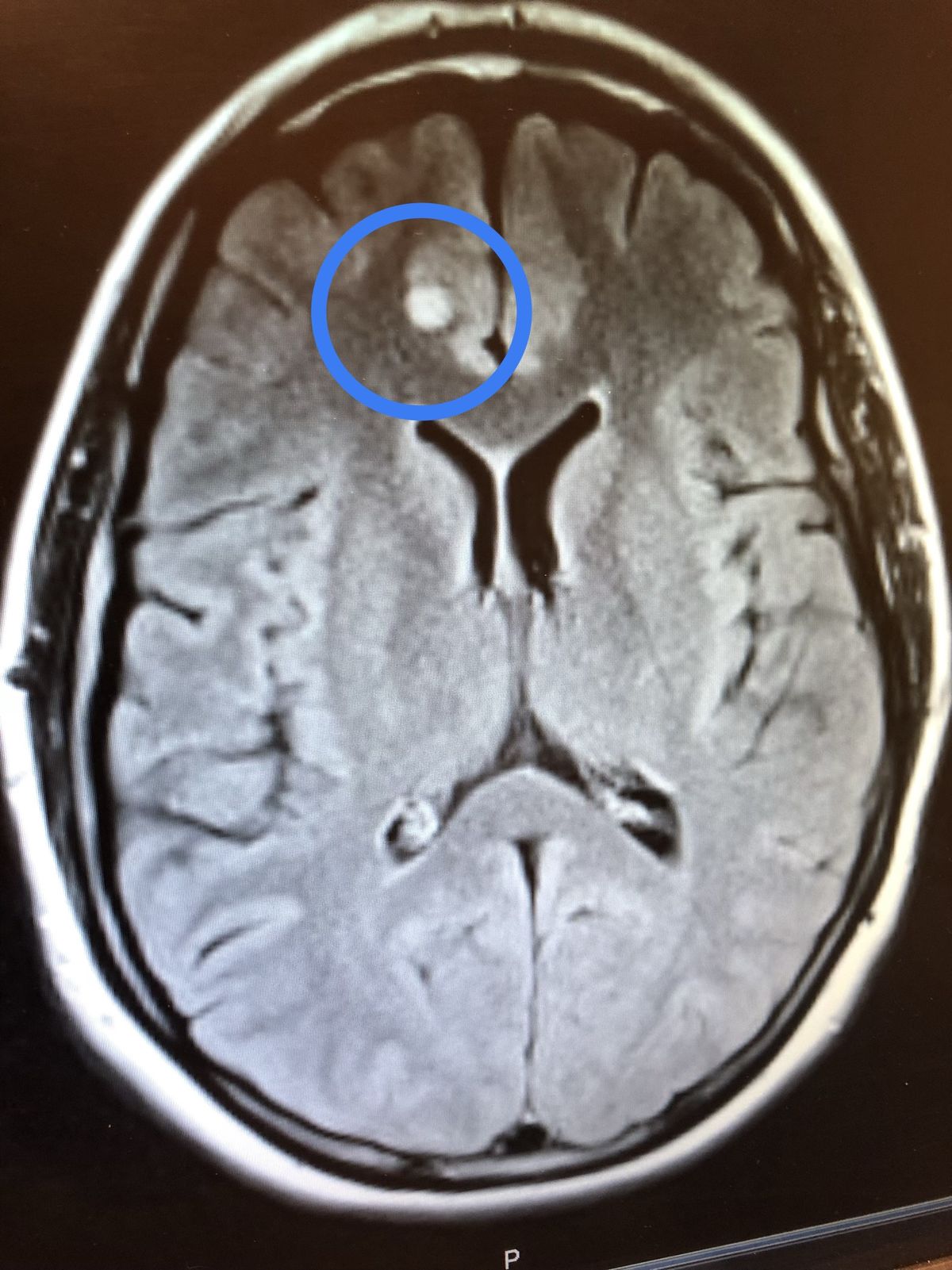
Ran for 4 days, from March 26 to March 30, 2026, the last day Crush saw it.
Run by Chloe Hartwell on Facebook. Crush is not the advertiser and does not verify its claims. See this ad in Meta's Ad Library(opens in a new tab)
Want an ad like this for your product?
Crush makes new ad images for your product from this ad: your logo, your product photo, your offer.
Trials from $19.95 USD, then $79.95 USD a month. Cancel anytime.
About this ad
- Meta Ad Library ID
- 1314118930576116
- Platforms
- Facebook, Instagram, Audience Network, Messenger and Threads
- Relaunches
- 1
Ad text
If your husband got clean from opioids the way the system told him to, went through the program, started Suboxone or methadone, did everything right — and now he can't get off THAT, chained to a clinic schedule, planning every vacation around dosing windows, feeling like he just traded one prison for a slightly cleaner one, waking up every morning still dependent, still numb, still not himself, going through every taper protocol they throw at him and going nowhere... I'm about to tell you exactly what they're hiding from you and why they'll NEVER tell you the truth. And by the end of this, you're gonna be pissed. Because there are three things happening right now: One — His brain is screaming at him that something is neurologically broken Two — The medication-assisted treatment system is gaslighting him into thinking this numbness is what recovery is supposed to feel like And three — There's a billion-dollar pharmaceutical industry that profits every single day he stays dependent on their drugs So let me tell you what happened with my husband, because his story is gonna open your eyes to how fucked up this really is. For YEARS, and I mean like four straight years, my husband was trapped in what I now call the liquid handcuffs - opioid dependency. Not like "oh he takes his dose and moves on with his life" kind of thing. I'm talking it started as the solution. The doctors told him Suboxone was the answer. They said it would stabilize him. They said it was the responsible choice. And within a year he couldn't function without it. Not because he was weak. Because his brain had completely reorganized itself around the drug being there. He was timing his whole morning around getting to the clinic before it closed. Calling ahead if we had plans that might interfere with his window. Turning down work trips because he couldn't figure out the guest dosing logistics. And when a taper came up? He was shaking before they'd even reduced his dose by a single milligram. Anxious for days. Barely sleeping. Hanging on by his fingernails just to prove he could handle a tiny cut. And when he had a bad taper? It was like watching him come apart. Not like a bad mood. I'm talking shaking, sweating, unable to sleep, legs crawling out of his skin at 2am, every muscle in his body screaming at once. For days. Just to get back to baseline. Not good. Not normal. Just the flat, grey, suspended nothing that had become his version of okay. He'd sit across from me at dinner and I could see it. Counting the hours until his next dose. Present on the outside. Completely held hostage inside. And I watched him hate himself for it every single day. Because he'd done the hard thing. He'd gotten off opioids. He was supposed to be free. So obviously, we go get more help, right? MAT specialists. Addiction psychiatrists. Tapering consultants. We're talking months of appointments, dose adjustments, outpatient programs, the whole nine yards. And you know what every single one of them told him? "Suboxone is evidence-based treatment." "You need to stay on the program longer before tapering." "The timeline has to be slower." "Some people need medication-assisted treatment indefinitely." "The risk of relapse off medication is too high right now." "This is a chronic condition. Long-term maintenance is a legitimate outcome." LONG-TERM MAINTENANCE. This man's brain is shut down and they're telling him this flatness is recovery. But here's where it gets worse, and this is the part that made me start digging into what the hell is actually going on. They put him on three different taper protocols over two years. Slower first. Then dose reductions with adjunct medications. Then a bridge to naltrexone. And their logic was "oh, we just need to find the right combination to manage the transition without destabilizing him." Those protocols DESTROYED him. I'm talking fourteen months on Suboxone maintenance where he woke up every morning feeling like his brain was wrapped in wet concrete and called it gratitude. Attempting a taper and relapsing within three weeks because the moment the dose dropped below a certain threshold, every nerve in his body screamed for relief. Sitting through group therapy while the physical flatness felt like a medical condition, not a phase. And the dependency? Still there. Just now it came in a paper cup at a clinic window instead of a pill bottle in a coat pocket. So at this point, I'm fucking furious. Because I'm watching my husband do everything the system tells him to do, show up every morning, take the medication, go to the groups, and get NOWHERE. Not free. Nowhere. And that's when I started asking questions that nobody wants you to ask: Why are MAT providers so quick to call indefinite maintenance a success when he still can't go two days without his dose before his body starts falling apart? Why does he still feel neurologically numb no matter how long he stays on the program? Why does every attempt to reduce feel like his brain is shutting down even though the opioids are gone? And why the fuck does nobody ever talk about what's actually happening to his brain underneath, or how to heal it? So I went down a rabbit hole. And I mean a DEEP rabbit hole. I started researching why someone would still have all these symptoms on medication-assisted treatment. The suspended numbness. The physical agony every time the dose dropped. The inability to taper no matter how slowly they went. And every mainstream addiction site gave me the same bullshit answers. "Suboxone works. Methadone works. Maintenance is valid. Taper slower." But then I found this article from a functional addiction specialist, someone who actually studies ROOT CAUSES instead of just symptoms. And he mentioned something I had literally never heard of in my entire life. Dopamine receptor degeneration. Now pause for a second. You know what's insane? We learned about serotonin in health class. Dopamine. Endorphins. But nobody, and I mean NOBODY, ever taught us that prolonged opioid use physically destroys the dopamine receptor density in your brain's reward circuitry, and that Suboxone and methadone don't rebuild those receptors — they just occupy the same damaged architecture while the neurons underneath keep degenerating, and that those neurons need BDNF, Brain-Derived Neurotrophic Factor, just to survive and rebuild. And that's not an accident. Because once you understand what dopamine receptor degeneration actually does to a brain on long-term MAT, you realize that 90% of the "can't taper, can't feel anything, dependent forever" cases the system can't figure out? It's ALL connected to neuronal breakdown in the reward circuitry that makes a life without opioid-based drugs feel literally neurologically impossible, no matter how long he stays compliant. Here's what your dopamine receptors actually do: They're your brain's reward architecture. The neurons in your reward circuitry that generate pleasure, motivation, and baseline okayness when you're not using a substance. They're what allow a drug-free brain to feel like a drug-free life is worth having. Think of it like this: if your brain is a power grid, dopamine receptors are the infrastructure that delivers the electricity. Opioids are a generator plugged in from the outside. Plug in that generator long enough, and the grid stops maintaining itself. Suboxone and methadone are a slightly smaller generator plugged into the same broken grid. The infrastructure still isn't rebuilding. When your dopamine receptor density is healthy? Your brain generates relief naturally. You feel okay without chemicals. You handle physical discomfort, stress, and the ordinary tedium of a Tuesday without needing something to regulate your nervous system. A drug-free life feels livable. But when your dopamine receptors are damaged? That's when shit hits the fan. Your brain loses the ability to generate any sense of okayness without a chemical trigger. Dropping a dose feels physically agonizing and neurologically impossible — not because he's weak, but because his brain physically cannot produce the signals that make any reduction feel survivable. The inability to taper isn't a commitment problem. It's degenerated reward circuitry screaming for the only signal it can still receive. And here's what nobody tells you: MAT doesn't reverse this degeneration. It occupies the receptor site without rebuilding it. With every month of continued use — opioids, Suboxone, methadone, it doesn't matter — receptor density keeps declining. The neurons that were supposed to rebuild can't get adequate BDNF support to survive. They degenerate. The reward circuitry that would allow him to feel normal without opioid-based drugs just keeps shutting down. So you get: Waking up and counting the hours until his clinic window opens Planning entire vacations around dosing schedules because missing a day isn't an option White-knuckling a tiny dose reduction and then crashing because every cell in his body is screaming That suspended numbness that isn't high and isn't sober, it's just grey and flat and endless Legs that won't stay still at 2am no matter how exhausted he is Watching him sit across from you at dinner, physically present but completely unreachable A drug-free life that feels neurologically impossible no matter how long he stays on the program Completing a taper attempt and collapsing back to his previous dose because nothing they gave him fixed the flatness underneath Feeling like he just swapped one cage for a cage with visiting hours Withdrawals from Suboxone that hit harder and last longer than anything the street drugs ever did Tapering attempts that fail not at the finish line, but on the very first step down The growing, terrifying suspicion that he will never be truly free And here's the CASCADE EFFECT that makes it worse: Damaged dopamine receptors mean his brain's pain regulation system gets locked in the ON position. So physical discomfort that a normal brain handles automatically becomes genuinely unbearable the moment his dose drops even slightly, reinforcing the belief that he actually needs the medication to function. Damaged dopamine receptors mean he can't generate the emotional baseline that makes work, relationships, and basic daily life feel worth engaging with. So every day on a reduced dose feels grey and pointless and not worth surviving for. Damaged dopamine receptors mean he can't sleep through the night without waking up restless and aching. Because the circuitry responsible for natural rest and pain modulation is the same circuitry that years of opioid use — and years of MAT — destroyed. His brain is literally stuck. And it cannot unstick itself without dopamine receptor restoration. And here's the part that made my blood boil: The MAT system KNOWS about this. They know dopamine receptor degeneration is what makes tapering feel neurologically unbearable for long-term maintenance patients. But unless he's in a university research program, they don't give a single fuck about what's happening to his brain's reward architecture. Why? Because there's no program they can bill your insurance for that specifically restores dopamine receptor density. You can't run a $30,000 maintenance program on a mineral that rebuilds neurons. There's no money in telling you that the reason tapering feels impossible is degenerative, not behavioral, and that the degeneration can be reversed. There IS money in keeping him cycling through Suboxone clinics, methadone windows, dose adjustments, and maintenance protocols for the REST OF HIS LIFE, while his dopamine receptors keep declining and the system keeps telling you he just needs more time on the program. See how that works? So I kept researching. I'm reading studies now. Medical journals. Talking to functional medicine doctors... And I found out there's actual RESEARCH on a specific mineral that directly restores dopamine receptor density and stimulates BDNF production in the neurons that reward circuitry depends on to survive and rebuild. The mineral is called Lithium. Now, before you freak out, this is NOT the high-dose prescription lithium they give people with bipolar disorder. When you're choosing a lithium supplement for dopamine receptor restoration, you need to make sure it's in the right form to actually cross the blood-brain barrier and stimulate the BDNF production that damaged reward neurons need to rebuild. And here's what blew my mind when I learned how it actually works. It involves understanding four specific mechanisms, and dopamine receptor restoration is the one nobody in the MAT recovery space ever talks about: Dopamine receptor upregulation: lithium orotate activates the cellular pathways that trigger BDNF release in reward circuitry neurons, giving his brain back the ability to generate pleasure, pain tolerance, and baseline okayness without a chemical trigger Neurotransmitter production support: lithium literally helps his brain produce dopamine and serotonin naturally at the receptor level, not just occupy the damaged receptor sites the way Suboxone does Neuroprotection: protects the reward neurons from the further oxidative damage that continued MAT, failed taper cycles, and chronic stress cause Neuroinflammation reduction: calms the chronic brain inflammation that keeps the reward circuitry locked in a depleted, degenerated state Now here's what's crazy: I found studies, actual peer-reviewed studies, showing that lithium orotate at micro-doses directly increases BDNF levels in the neurons of the reward circuitry, the exact brain region that degenerates under prolonged opioid and MAT use, and that this BDNF restoration is what allows people to finally taper successfully and sustain a drug-free life without it feeling neurologically unbearable. But you'll never hear a MAT provider mention it. So my husband finally finds a functional medicine doctor who actually knows about this stuff. And this man literally gives him the same protocol I'd been researching. He's like: "Your dopamine receptors are in severe degeneration. The reward circuitry that's supposed to make a dose-free life feel survivable has been progressively shutting down for years. Suboxone didn't reverse that. We need to restore BDNF production in those neurons and allow the receptors to rebuild." He writes down lithium orotate and tells my husband to start taking it daily. And for the first time in four years, someone gave him a neurological explanation instead of a compliance checklist. But here's the problem... The functional doctor recommended lithium orotate, but didn't tell us which brand to trust. Because most lithium supplements are either too weak, wrong form, or don't actually stimulate BDNF production in the reward circuitry the way the clinically-studied versions do. My husband had to research brands himself. Different companies. Different doses. Some online, some in stores where the quality was questionable. He's trying to figure out which one actually works because, surprise, there's no standardized information about this. And the good brands were expensive. Over $50 a month for something that might not even be the right formulation. But you know what? He did it. He bought a random bottle of lithium orotate 20mg on Amazon because he was desperate. And after about two weeks? The morning didn't start with a mental calculation of his dosing window. First time in years. After a month? He went through a taper reduction — the kind that used to send him into a collapse within 48 hours — and stayed stable. Didn't feel like a battle. Just got through it. After two months? He looked at his clinic schedule on the calendar. And for the first time, he felt something he hadn't felt in years. Not dread. Not obsession. Just quiet. Like it was a logistics problem, not a life sentence. So we were relieved, right? It worked! But here's what bothered me... When I dug deeper into the research, I found that most lithium orotate supplements have a major problem: they don't optimize for dopamine receptor restoration specifically. The research that showed the most dramatic BDNF restoration in reward circuitry neurons used 10mg of a highly bioavailable form that gets into brain cells efficiently and triggers maximum receptor upregulation. Plus, my husband was taking 20mg, but the research showing the best results for dopamine receptor restoration used 10mg of a specific form that crosses the blood-brain barrier more effectively. He was getting results, but I kept thinking: what if there's a form specifically optimized for dopamine receptor restoration that works even better? What if he's not getting all the benefits because the supplement wasn't designed for maximum brain absorption at the receptor level? That's when I started researching companies that actually understood the neuroscience... I needed to find one that: Used lithium OROTATE 10mg specifically, the clinically studied dose for dopamine receptor restoration and BDNF activation Used pharmaceutical-grade ingredients that actually cross the blood-brain barrier and trigger receptor upregulation at the neuronal level Had actual researchers behind the formulation who understood the reward circuitry mechanisms involved in MAT recovery Was third-party tested for purity Wasn't charging an insane markup And I'm scrolling through a Facebook group about natural MAT recovery one day, literally just looking for answers, and I see someone mention this company called Oratonics. So I go to their website, ready to be disappointed like I had been with the 20 other companies I'd looked at. And I almost fell out of my chair. They had lithium orotate 10mg. The actual pharmaceutical-grade form that crosses the blood-brain barrier and activates BDNF production in the reward circuitry neurons that long-term opioid and MAT use destroys. In the exact clinically-studied dose aligned with the research on dopamine receptor restoration. But that's not even the crazy part. When I dug into WHO was behind the company? They had actual researchers on their team who specialized in neuroplasticity and the BDNF mechanisms that reward circuitry neurons depend on to survive and rebuild. People who understood the science behind lithium's ability to restore dopamine receptor density and allow the brain to generate pain tolerance and emotional baseline naturally again. They weren't just throwing lithium in a bottle. They'd done the work on receptor restoration. They understood the mechanism. They created the exact formulation designed to maximize BDNF production in damaged reward neurons. And here's where my jaw hit the floor: When my husband was trying other brands? $50 to $80 a month for questionable quality. This bottle from Oratonics? $29. Already a fucking steal, right? But THEN, and I swear I'm not making this up, they have bundle deals that make it even cheaper. Go look at the price right now. I'm dead serious. It's insane. And my husband has been taking it for six months now. The clinic dependency? Gone. The taper cycle that made every attempt to reduce his dose feel like his body was shutting down? Gone for four months now. The automatic calculation of his dosing window before his feet hit the floor? Gone. His brain's reward circuitry is rebuilding the receptor density that years of opioids — and years of MAT — destroyed. This is the protocol they don't want you to know about. Because the second you restore dopamine receptor density and give the reward circuitry what it needs to rebuild, he doesn't need their clinic window anymore. He doesn't need their maintenance methadone. His brain starts RESTORING ITS OWN REWARD ARCHITECTURE and generating baseline okayness and pain tolerance the way it's supposed to. Now here's the thing I need you to understand: The longer you wait, the more his dopamine receptor density declines and the harder it becomes to restore BDNF levels in those neurons. Degeneration that's been progressing for years becomes harder to reverse the longer it continues and the more the reward circuitry atrophies. Right now, if your husband is dealing with long-term MAT dependency, the suspended numbness that passes for recovery, taper attempts that collapse every single time — he can reverse this by restoring dopamine receptor density. But if you wait six months? A year? The receptor degeneration continues. BDNF production in reward neurons drops even lower. His brain loses more of its ability to regulate pain and generate baseline okayness without a drug. And then it takes longer to recover. Every month that goes by, his reward circuitry's ability to heal itself decreases. He's been on protocols that don't work, and the answer has been sitting in the research this entire time while the system kept sliding his cup through a window and calling it treatment. So if your husband is dealing with ANY of this — the inability to taper no matter how slowly they go, that suspended numbness that isn't high and isn't sober, the clinic schedule that owns his entire calendar, the creeping fear that Suboxone withdrawal is worse than anything the street drugs ever did, the MAT dependency his provider keeps managing but never fixing — this is literally the time. Not next month when his dopamine receptor density has dropped even lower and freedom feels even more impossible. Right now. I put the link below. And honestly? Even if you're skeptical, grab one bottle. Try it for a month. See if his dopamine receptor restoration responds the way my husband's did. Because the MAT industry isn't coming to free him. They profit too much from the clinic window while his reward circuitry continues to degenerate underneath. You have to free him yourself. Go get it. And use the reward circuitry he gets back — the restored receptor density, the natural pain tolerance, the genuine presence that comes from a brain that can finally feel okay without a drug — to finally let him show up for his life again. https://oratonics.com/products/oratonics-add-cc
Where the ad sends people
oratonics.com
Reclaim Your Emotional Stability
Advanced neuro-support formula for cravings, mood and motivation. Helps quiet cravings at the neurological root, not just the surface urge Supports the brain through withdrawal without the grey, flat emptiness Supports dopamine receptor restoration within the first 7-10 days Promotes the ability to....
Learn more: oratonics.com(opens in a new tab)