
Inactive· since Mar 6, 2026
- 26
- days it ran
- 1
- relaunches
Ad copy
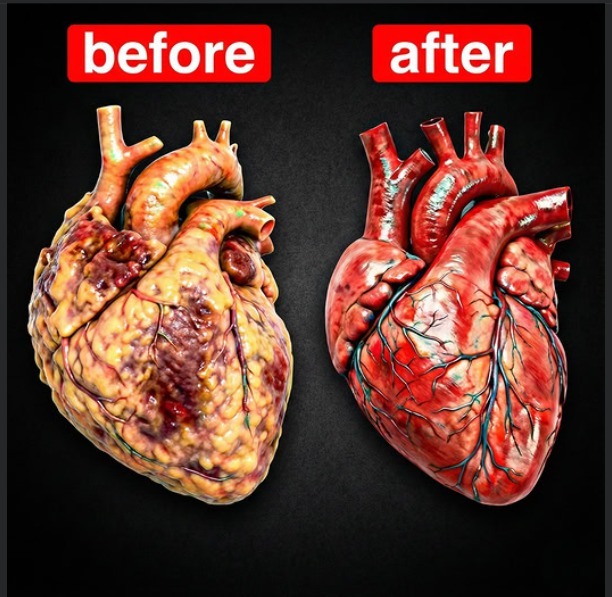
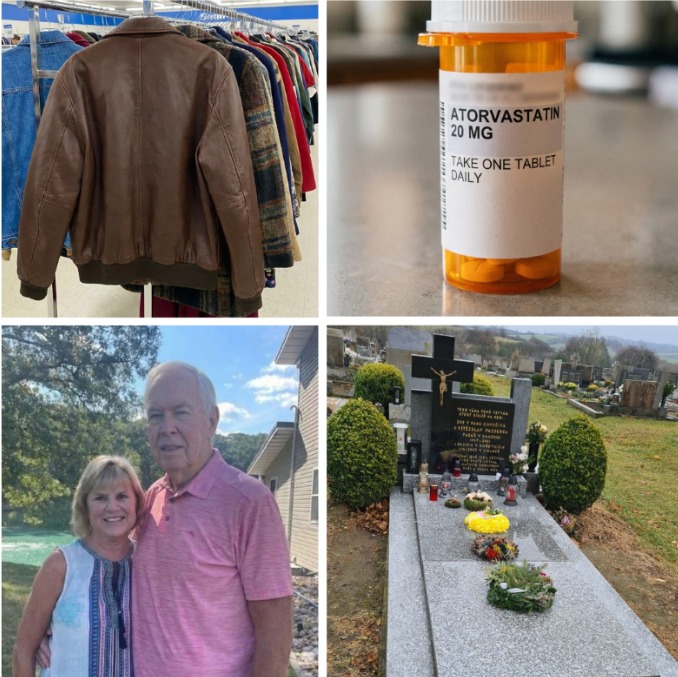
I bought a jacket at Goodwill last Saturday. Ten dollars. Leather. Dark brown. Barely worn — the kind of jacket somebody loved but didn't use up. I was buying it for my husband Robert. His size. His style. The kind of thing he'd never buy himself but would wear every day if I put it in his closet. I got home, checked the pockets before putting it away. You do that with secondhand clothes — make sure there's nothing left behind. There was something left behind. A folded piece of paper in the inside breast pocket. Notebook paper. Lined. Written in pen. The handwriting was shaky — not messy, but careful in a way that looked like it cost the person effort to keep the letters steady. It said: "If you're reading this, I'm probably not around anymore. This was my favorite jacket. I wore it on my first date with my wife. I wore it the day my daughter was born. I wore it to my father's funeral and my 30th anniversary dinner and the last Thanksgiving where I still felt like myself. If you want to know the stories that go with this jacket, call my wife Linda. She remembers the things I can't anymore. Her number is below. — Tom" That was it. Five sentences and a phone number. No explanation. No details about what happened to him. Just a man putting his wife's number in a pocket and trusting that whoever found it would care enough to call. I read it three times. Then I set it on the kitchen counter and stared at it while I made dinner. I debated for two days whether to call. It felt weird. Intrusive. I'm a stranger who bought a dead man's jacket for ten dollars — what am I supposed to say? "Hi, I'm wearing your husband's memories, tell me about him"? Who does that? But the note kept pulling at me. Not the words — the handwriting. The way the letters shook. The way you could see someone fighting to keep the pen steady. Whoever wrote that note was losing control of his hands while he wrote it. And he used what control he had left to write his wife's phone number in a jacket pocket so she wouldn't be forgotten the way he was forgetting her. I called on Tuesday. "Hi, is this Linda?" "Yes, who's this?" "You don't know me. My name is Grace. I bought a leather jacket from Goodwill last Saturday. Your husband Tom — he left a note in the inside pocket." Silence. Long silence. The kind that has weight. "Tom left a note?" "A short one. Just a few lines. He said it was his favorite jacket and if whoever found it wanted to know the stories, to call you. He said you remember the things he can't anymore." I heard her take a breath. Then I heard her crying. Quiet at first. Then not quiet. "I'm sorry," I said. "I didn't mean to upset you. I can —" "No. No, you don't understand." Another breath. "Tom passed away two months ago. I donated his clothes a few weeks after. I thought I checked all the pockets. I didn't know he — oh God." Her voice broke. "That's so Tom. Even at the end. Even when he could barely hold a pen. He was still trying to reach somebody." "I'm so sorry for your loss," I said. "Can you read it to me? Please. Can you read me what he wrote?" I read it to her. Every word. The first date. The daughter being born. The funeral. The anniversary dinner. "She remembers the things I can't anymore." When I finished, she was quiet for a long time. "The last Thanksgiving where he still felt like himself," she repeated. "He wrote that?" "Yes." "That was two years ago. That was the last time he carved the turkey. His hands were shaking so bad the knife slipped and he cut himself. Not deep — just enough to bleed. He put the knife down and didn't pick it back up. Our daughter finished carving. Tom sat at the head of the table and didn't say a word for the rest of the meal." Then she started telling me things I didn't ask for. Not because she was rambling. Because once the door opened, the stories fell out — the way stories do when someone has been carrying them alone in an empty house for two months with nobody to tell. "The hands started three years before he died," she said. "Morning stiffness. He'd run hot water over them at the kitchen sink — ten, fifteen minutes every morning before he could grip a coffee cup. Told me it was arthritis. I believed him because he said it the way Tom said everything — like it wasn't worth fussing about." I felt something cold move through my chest. Robert does that. Hot water over his hands every morning. He says it's nothing. "Then his shop went quiet," she said. "Tom was a shop teacher for 33 years. Built furniture. Built a crib for our daughter before she was born. Built me a jewelry box with dovetail joints on our 25th anniversary. His hands were everything. And they stopped working. The table saw sat untouched. The chisels stayed in the drawer. He'd look at an unfinished project and say 'I'll get to it this weekend.' He never got to it." Robert's tools are in the garage. Untouched. The step stool I asked him to fix in September is still wobbly. It's March. "Then his mind," Linda said. "Forgetting phone numbers he'd known for years. Whether he'd eaten lunch. He'd start a sentence and lose the thread halfway through. The shop teacher who used to calculate board feet in his head couldn't remember if he'd already shampooed his hair." Robert tells me the same story twice in one evening and doesn't realize it until I gently say "you told me that one, baby." "And the tiredness," she said. "God, the tiredness. By 3 PM he was done. Just done. Sitting in his chair. TV on. Not watching it. Just... sitting there like somebody unplugged him. We used to take walks after dinner. Every night. For thirty years. The walks stopped. The friends stopped coming over. Saturdays in the garage stopped. Everything stopped. And it happened so slowly that I didn't see it until one day I looked at him in that chair and thought: that is not the man I married. That is someone else." I was gripping the phone so tight my fingers ached. Because she wasn't describing Tom anymore. She was describing Robert. Every sentence. Every symptom. Every slow, quiet loss — the hands, the fog, the fatigue, the recliner, the projects abandoned, the man sitting in a chair not watching a TV that's on for no reason. She was describing my living room. My husband. My last three years. "His doctor ran bloodwork every six months," Linda continued. "Same answer every time. 'Numbers look great, Tom. Whatever we're doing, let's keep doing it.'" "Robert's doctor says the same thing," I heard myself say. "Every six months. Excellent numbers." The silence on the phone shifted. Something changed in it. The grief moved aside and something sharper took its place. "Grace. Is Robert on a cholesterol medication?" She already knew. She asked because she needed me to say it. "Atorvastatin. Eight years." "Tom was on Lipitor. Nine years. Same drug class. Same mechanism." Her voice was steady now. Controlled. The voice of a woman who'd spent weeks after a funeral turning grief into research. "How old is Robert?" "Sixty-three." "Tom was 58 when the symptoms started. Dead at 61." She paused. "Can I see you? Tomorrow. I want to show you something. And I want you to bring the jacket." "I'll be there." I drove to Linda's house the next afternoon. Small ranch home. Garden out front that used to be kept up but hadn't been touched in weeks. Garage door half open — I could see a workbench inside. Tools on a pegboard. Sawdust still on the floor. Tom's garage. Exactly the way he left it. Linda opened the door. Small. Mid-sixties. Eyes that had been beautiful before two months of grief rearranged them. The first thing I saw inside was the recliner. It sat in the living room facing the TV. Leather. Worn smooth on the armrests. A permanent indent in the seat cushion — the shape of a man who spent his last years pressed into it. TV remote on the right armrest. Coffee mug on the side table next to it, still sitting where he'd left it. The mug had a ring stain on the table underneath. Old. Like it had been there for months. Maybe longer. Linda hadn't moved it. I stared at that recliner and saw Robert's recliner. The same indent. The same remote placement. The same mug going cold on the same side table every afternoon. Two recliners in two different houses. Same man in both of them. One dead. One still breathing. Linda saw me looking at it. "I can't move it yet," she said quietly. "I know I should. But it still smells like him when I lean in close. So I leave it." She took the jacket from me. Held it against her chest. Put her face in the collar. "Wood and coffee and that terrible aftershave I pretended to hate for 36 years." We sat down. She held the jacket in her lap the way you hold a sleeping child. And she told me the stories. The first date — Tom in the leather jacket, her telling him he looked like someone who'd just robbed a bank and was trying to act casual. The hospital at 4 AM in February — the coffee stain on the inside cuff from the cup he spilled when the nurse said it was a girl. His father's funeral. The 30th anniversary dinner. Then she set the jacket aside and leaned forward. "Tom died of a massive heart attack. Saturday morning. In our kitchen. Making the same coffee he made every Saturday for 36 years. His LDL was 102. Total cholesterol under 200. He never missed a dose. Nine years. Perfect compliance. Perfect numbers." She looked at me. "Dead at 61 with a perfect lipid panel and a wife who can't sleep in a bed that's too big." She got up. Came back with a folder. Thick. Papers, printouts, highlighted articles, handwritten notes in the margins. She set it on the coffee table between us. "After Tom died, I didn't function for three weeks. Then I got angry. Because none of it made sense. So I spent every night at this table trying to understand how a man with perfect numbers dies of the thing the numbers were supposed to prevent. And I found what his doctor never told us." She opened the folder. "The LDL cholesterol they test for — it isn't dangerous on its own. Your body makes it on purpose. It's a delivery system. Your brain is about 25% cholesterol. LDL is a transport vehicle, not a toxin. The danger is when LDL gets OXIDIZED — free radicals attack it, change its structure, and your immune system treats it as a threat. White blood cells engulf it, become foam cells, embed in artery walls. That's plaque. That's the blockage. That's what killed Tom." She pulled out a page she'd highlighted. "Not cholesterol. OXIDIZED cholesterol. And the Lipitor Tom took for nine years does nothing to stop oxidation. Nothing. It lowers the total amount. The number drops. The doctor smiles. And the oxidation that actually builds the plaque keeps going unchecked. Nine years. Not once did they test for oxidized LDL. Not once." "Statins also block a pathway that produces Coenzyme Q10 — the molecule every cell needs for energy. Heart. Brain. Muscles. Hands." Her voice cracked on that word. She touched the jacket. "Tom's hands, Grace. Statins can reduce CoQ10 by up to 40%. For nine years. The energy molecule draining out of every cell in his body while his doctor pointed at a number and said 'excellent.'" She closed her eyes for a moment. Then continued. "And it cycles. The oxidative stress keeps going — the body produces MORE cholesterol as defense — more cholesterol gets oxidized — more plaque builds. A vicious cycle. The statin pushes one number down while the root cause spins the whole thing faster underneath." She closed the folder. "Tom died inside that cycle. Perfect numbers on the outside. Fire on the inside." I was gripping the arm of her couch. Every word had Robert's face on it. "One more thing. 75% of Americans are magnesium deficient. Magnesium controls over 300 processes — including cholesterol metabolism, muscle function, nerve signaling. Nobody checked Tom's magnesium. Nine years. The mineral his body needed to regulate cholesterol — nobody looked." "What would have helped?" I said. Linda went to the kitchen. Came back with a bottle. "I found this three weeks after the funeral." PrimeCell. Made by Amala Health. "Molecular hydrogen. A selective antioxidant — it only targets the exact free radicals that oxidize LDL. Neutralizes them. Converts them to water. Leaves the beneficial ones alone. And it's the smallest molecule that exists. It crosses the blood-brain barrier. Gets into the mitochondria. Reaches the places where the damage actually happens — where the statin can't reach, where fish oil can't reach, where nothing on any shelf can reach." She turned the bottle. "Every tablet reacts with elemental magnesium. So each dose delivers the hydrogen AND 80mg of bioavailable magnesium. Both problems. One tablet. One glass of water. A 24-week clinical trial showed it reduced total cholesterol by 18.5 milligrams per deciliter and improved the cholesterol-to-HDL ratio by over 7%. Not by suppressing production. By addressing the oxidation at the source." She set the bottle on the table. Next to the folder. Next to the jacket. "Tom would have taken this. He was a shop teacher — he understood how things work. If someone had shown him the mechanism, he would have tried it." She stopped. Looked at the ceiling. "He would have been alive." She pushed the bottle toward me. "Take it. Give it to Robert. I bought it for a man who was already gone. Your husband is still here. He's still in his recliner. He's still running his hands under hot water every morning. He's still breathing. Don't be three weeks too late the way I was." I drove home with the jacket on the passenger seat and the bottle in my purse and Linda's voice in my head. Robert was in his recliner. TV on. Hands in his lap. The same posture as Tom's indent in Tom's chair. The same mug going cold on the same side table. I turned off the TV. Put a glass of water on the table next to him. Dropped the tablet in. Watched it fizz. "What's this?" "I need to tell you something. And I need you to listen to all of it." I told him everything. The jacket. The note. The phone call. Linda. Tom. The folder. The oxidized cholesterol. The CoQ10. The cycle. The magnesium. The clinical trial. I talked for 45 minutes. Then I showed him Tom's note. Robert took it from me. He held it up to read. And his hand trembled. The paper shook the same way the handwriting on it shook. His hand doing exactly what Tom's hand had done writing those five sentences — fighting for control that wasn't there anymore. He saw it. He looked at the shaky letters on the page. Then he looked at his own shaky hand holding it. And I watched him make the connection in real time — his hand mirroring the handwriting of a dead man. He tried to set the note on the table. It took him two tries. The paper slipped the first time because his fingers couldn't grip the edge. "How old was Tom?" he said quietly. "Sixty-one when he died. On the same drug you've been taking for eight years. Perfect numbers. Perfect compliance. Dead in his kitchen on a Saturday morning." Robert looked at the fizzing water. Looked at the note on the table. Looked at his own hands. "Mine are going too, Grace." It was the first time he'd said it. Eight years of "I'm fine" and "it's nothing" and "just a little stiffness." Eight years of hiding it from me. From himself. And sitting there holding a dead man's trembling handwriting — watching his own hand tremble the same way — he finally said the thing out loud. "I know," I said. "I've known for a long time. And I am not going to lose you the way Linda lost Tom. Not when we found this today. Not when he didn't find it in time and we still can." He picked up the glass and drank it. We called his doctor the next morning. Started a tapering schedule. Monthly bloodwork. I noticed the first change before he did. Day three. He poured coffee without the hot water ritual. No running his hands under the faucet. No flexing and stretching. He just reached for the pot and poured. Steady grip. I was at the counter pretending to check my phone. He didn't notice. I noticed. End of week one — he told me a story at dinner. A real one. Specific. A customer at the hardware store trying to fix a deck railing with the wrong screws. Robert told him which ones to use, explained why, drew a diagram on receipt paper. He told me the customer's name, the type of wood, the screw gauge. Details. The kind that had been disappearing from his stories for two years. Week two — Saturday morning. A sound from the garage I hadn't heard in over a year. The table saw. Robert was out there at 7 AM cutting wood for the step stool he'd been "getting to" for six months. Sawdust in his hair. Measuring tape on his hip. Pencil behind his ear. I stood in the doorway and thought about Tom's garage. The tools on the pegboard. The sawdust still on the floor. The workbench that would never be used again. Tom's hands stopped. Robert's hands started again. Same drug. Same timeline. Different ending. Because of a note in a pocket. Week four — we took a walk after dinner. First one in over a year. Past the church. Past the Goodwill where I found the jacket. Robert reached for my hand. His grip was firm and warm and sure. I held on and didn't let go. Bloodwork at twelve weeks. Fully off Atorvastatin for four weeks. Total cholesterol: 206. On Atorvastatin it had been 211. LOWER without the drug. LDL: 121. On Atorvastatin his best had been 116. Slightly higher but well within range — no pharmaceutical suppression. HDL: 54. On Atorvastatin it had been 38. Up SIXTEEN points. The protective cholesterol — the one that actually removes oxidized LDL from artery walls. The one the statin never moved in eight years. Triglycerides: 132. Down from 194. I called Linda that evening. Read her the numbers. Told her about the coffee grip on Day Three. The table saw on Saturday morning. The walk past the Goodwill. His hand reaching for mine. She was quiet for a long time. Then she said: "Did he fix the step stool?" "Rebuilt it from scratch." She laughed. A real laugh — the kind that breaks through grief because the joy underneath is too strong to hold down. "Tom would have loved Robert. Two men and their projects." She paused. "Grace, that note — Tom wrote it because he knew he was losing everything. He couldn't save himself. So he put my number in a pocket hoping whoever found it would call. Hoping it would matter. It mattered." "You saved him, Linda. Not me. Your folder. Your research. The bottle you pushed across the table." "Then it meant something," she said quietly. "All those nights after the funeral reading papers I could barely understand. If Robert is alive and building step stools and holding your hand on walks — then losing Tom meant something." "It meant everything." I'm wearing the jacket right now. Not Robert. Me. I kept it. He said I should. He said the jacket found the right person — not the person who'd wear it, but the person who'd read a dead man's note and sit with it for two days and make the call and drive to a stranger's house and bring the answer home in her purse. I wear it to the grocery store. To church. To the Goodwill where I found it. I went back last Saturday and walked through the racks and ran my hands along the jackets and wondered how many of them have someone's whole life folded up in a pocket nobody checks. Robert fixed the step stool. And the gutter. And the bathroom door. And the loose railing on the deck. He's in the garage Saturday mornings again. Sawdust in his hair. Coffee in a steady hand. Building things because his hands work and his mind works and he's here. Tom's note said: "She remembers the things I can't anymore." Robert remembers now. All of it. Every name. Every story. Every detail. A ten-dollar jacket at Goodwill. A five-sentence note. A phone number at the bottom. And a widow who turned her grief into the research that saved my husband's life. shop.getamalahealth.com/pch/sp P.S. — I visit Linda every other Thursday now. We drink coffee in her living room — me on the couch, her in the chair next to Tom's recliner that she still hasn't moved. Last week I told her Robert rebuilt the step stool from scratch and she laughed so hard she spilled her coffee on the jacket, which I was wearing. She tried to apologize and I said "Linda, Tom spilled coffee on this jacket in a hospital in 1998 waiting for his daughter to be born. This is just another story for the pocket." She went quiet. Then she said: "You know what Tom would say right now? He'd say the jacket finally ended up with someone who understands what it's for." That's what Thursdays are. A widow and a wife. One who lost her husband to the drug. One who almost did. Sitting in a living room that still smells like wood and aftershave, adding new stories to an old jacket. I don't know how long Linda needs these Thursdays. I know I'll keep showing up as long as she does. P.P.S. — The product Linda gave me is PrimeCell. Made by Amala Health. 12 parts per million of molecular hydrogen — up to eight times most products on the market. 80mg of bioavailable magnesium per tablet. One tablet in a glass of water. I didn't find it on a website. A widow put it in my hand across a coffee table next to her dead husband's jacket and said don't be three weeks too late. I'm telling you the same thing. If your husband is on a statin and he's declining — the hands, the fog, the fatigue, the projects that stopped, the stories that got shorter — go to the link below and order it today. Not because I'm selling something. Because a man named Tom left a note in a jacket pocket hoping it would reach someone in time. It reached me. This is me passing it forward. P.P.P.S. — PrimeCell has a 90-day money-back guarantee. If his numbers don't improve, every penny back. Tom didn't get 90 days. Tom didn't get a guarantee. Tom got nine years of a drug that lowered a number while the fire burned underneath. Your husband still has time. The guarantee means you risk nothing. The only risk is waiting. P.P.P.P.S. — PrimeCell is a small company. They sell out. Linda warned me — she had trouble reordering after giving me her bottle. If your husband has a blood draw in 30 to 60 days, check if they have stock now. Every day you wait is another day inside the cycle Tom died in. You found this today. Tom didn't find it in time. That's the only difference between his story and yours. P.P.P.P.P.S. — Tom's note said: "She remembers the things I can't anymore." You're reading this because your husband still can remember. Because there's still time. Don't forget their 90-day money-back guarantee. shop.getamalahealth.com/pch/sp
PrimeCell H2
PrimeCell H2 is a next-generation molecular hydrogen tablet designed to selectively neutralize the most damaging free radicals in your body - at the cellular level, right where aging actually happens.
LEARN MORELike this ad? Make it yours.
Crush rebuilds this exact creative around your product — your brand, your colors, your offer — in about a minute.