
Inactive· since May 20, 2026
- 39
- days it ran
- 6
- relaunches
Ad copy
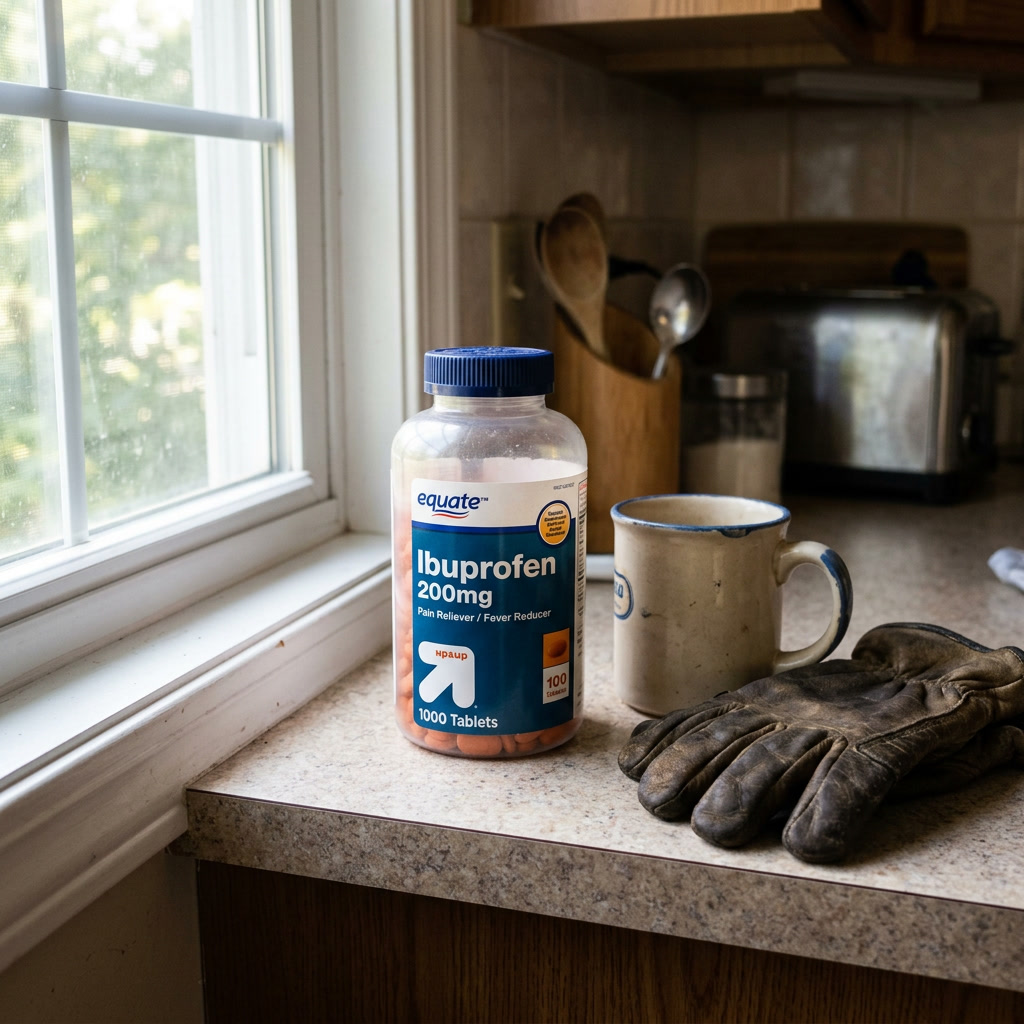
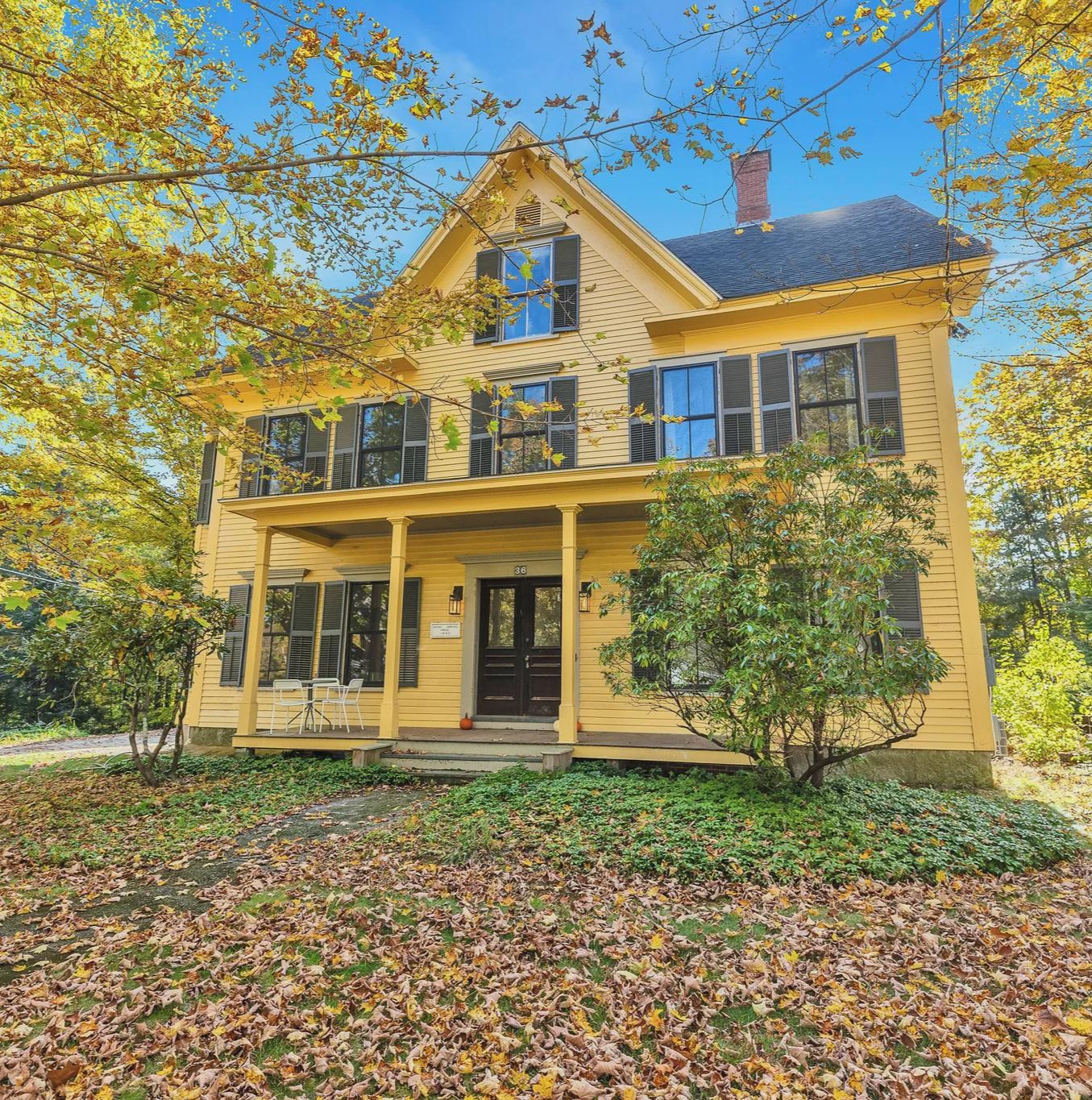
I told my students I was "taking a sabbatical." That's the word I used. Sabbatical. Like I was a college professor flying off to research medieval pottery in Italy. Like there was anywhere to fly to from Burlington, Vermont in February. The truth is I couldn't play anymore. My hands had finally quit on me, and I couldn't bring myself to look 11 children in the face and explain that the woman who had been teaching them piano for the last 18 years could no longer play her own recital piece. So I lied. I told their parents I needed some time. I told them I'd be back in the spring. I told my husband, Paul, that I was just tired and needed a break from the schedule. And then I sat at the bench in our front room and I cried for 6 days in a row. I'm 63 years old. My name is Margaret, but everyone has called me Maggie since I was little. I live in Burlington with my husband of 38 years. Paul is a retired math teacher from Burlington High. He spends most days in the garage doing something with old radios I don't fully understand. We have one son, Andrew, who lives in Portland, Maine with his wife and our two grandkids. I have been teaching piano in my home since 1996. The same yellow house on Loomis Street. Three afternoons a week and Saturday mornings. I have taught some of these children's parents. I have taught their aunts and uncles. I taught the woman who works at the post office and the man who fixes our roof. Burlington is a small town when you've been in it long enough. And I taught myself, in the years after my own mother died, that the piano was the one place where I was completely, fully, only me. Not someone's wife. Not someone's mother. Not somebody's piano teacher. Just me and a keyboard and whatever was inside me that day. I started losing it slowly. That's the cruel thing. If your hands had just stopped working one Tuesday morning, you could have a moment with it. You could grieve it and move on. But mine left in pieces, over years, so quietly that I kept telling myself it wasn't happening. It started in my right thumb. The base of it. A dull ache after long practice sessions. I was 56 at the time and I figured I'd been at the bench too many hours that week. I rubbed it. I iced it. I kept going. Then it was both thumbs. Then it was the joint in my left index finger that bent slightly inward and never straightened all the way again. Then my right wrist would lock up when I tried to do a long arpeggio across the keys. I went to my doctor. He took x-rays. He said it was normal wear in the hands of someone who'd been playing piano for 50 years. He said it was osteoarthritis. He said I was lucky it wasn't worse and that the best thing I could do was take ibuprofen and modify my activity. Modify my activity. I sat in his office and nodded politely. I drove home and parked in the driveway and sat in the car and cried for 25 minutes before I went inside. How do you modify your activity when your activity is the only thing that has ever made you feel like a whole person? That was 6 years ago. I kept playing through it. I started taking ibuprofen before every lesson. I switched to easier pieces for my own playing. I told my students to practice the slow movements while I demonstrated the fast ones at half tempo. Most of them didn't notice. The ones who did were too kind to say anything. But the lying got harder. I'd come home from running errands and Paul would ask me to open a jar and I couldn't. I'd be standing in the kitchen with a jar of pickles in one hand and a tea towel in the other and I'd just hand it to him without saying anything, and he'd open it without saying anything, and we'd pretend that was a normal thing for me. I stopped knitting. I stopped doing the gardening I used to love. I stopped writing Christmas cards by hand and started typing them on the computer and printing labels. And the piano, slowly, slowly, became something I dreaded. The thing I had loved more than anything in my adult life had become a place where I went to feel my own decline. The recital was supposed to be in May. We do one every year. The kids prepare for months. The parents bring flowers. I always close the program with something of my own. A piece I love. Something I've worked on all year. It's my one indulgence as the teacher. I had chosen the Chopin Nocturne in E flat. Opus 9. The famous one. The one that sounds like a candle in a dark room. I'd been working on it since September. In late January, I sat down at the bench on a Wednesday afternoon to practice it before my 4:00 PM student arrived. I got 14 measures in and my right hand seized. Not a normal stiffness. A real seize. My fingers locked up and I couldn't extend them flat against the keys. I sat there and I tried to massage them out for 9 minutes and they wouldn't release. When my student rang the doorbell, I sent her home. I told her I had a migraine. I sat at that bench for another hour after she left. I tried to play the opening of the Nocturne with just my left hand. I tried to think through the right hand part without playing it. I tried to imagine teaching the kids the recital without playing in it myself. And I broke. Not loud. Quiet. The way you break when you're alone in a house and there's no one to hear you. That's when I told myself the word sabbatical. That's when I started writing the emails. Paul came in from the garage around 8:00 PM and found me at the kitchen table with my laptop and 11 unsent drafts. He read one over my shoulder. He didn't say anything. He just put his hand on my shoulder and stood there for a long time. He said, "Maggie, are you sure?" I said, "I can't pretend anymore, Paul. I can't sit there and play 60 percent of the music and have them all see what I've become." He said, "Honey. They love you. They don't care if you can play the Chopin." I said, "I care." He went back to the garage and I sent the emails. For 5 weeks I didn't touch the piano. I closed the lid. I put the bench against the wall. Paul covered the whole thing with a quilt my mother had made me. I walked past it every day and pretended it wasn't there. I started sleeping until 9:30 in the morning. I'd never done that in my whole life. I'd wake up and I wouldn't know what to do with myself. I'd make coffee and stand at the kitchen window looking at the cardinals on the bird feeder and I'd feel like a ghost in my own house. This is the part where my sister enters the story. My sister Eleanor lives in Asheville, North Carolina. She's 4 years younger than me. She's a retired nurse. She used to work in oncology. She has the kind of personality that fills a room from across a parking lot. She is, in the kindest possible way, the opposite of me. She called me at the end of March and I let it go to voicemail. She called again the next day. I let that go too. She called Paul on his cell phone. Two days later she was standing in my front hallway with a duffel bag. She didn't ask permission. She didn't ask if it was a good time. She just showed up. Paul had told her something was wrong. She'd looked at flights and decided it would be cheaper to drive. She'd driven 14 hours from Asheville to Burlington with a thermos of coffee and a bag of homemade cookies for Paul. She walked into our front room and saw the piano covered in the quilt and she stopped. She didn't say anything for a long moment. Then she pulled the quilt off and folded it and laid it on the bench. She said, "Maggie. Come sit." I sat. Not on the bench. On the chair by the window where my students' parents wait sometimes. She sat on the bench. She didn't touch the keys. She turned to face me. She said, "Tell me what's going on." And I did. I told her about my thumb 6 years ago. I told her about the doctor. I told her about the Chopin. I told her about the 11 emails. I told her about the quilt. She listened the whole time. She didn't interrupt. She didn't try to fix anything. When I was done she sat there for a minute, looking at the ceiling. Then she said, "Mags. I know you. You're not done. You think you're done. You're not done." I said, "I can't play, Eleanor. My hands won't let me." She said, "Tell me what you've tried." And I went through the list. Ibuprofen. Modified activity. Glucosamine. Turmeric capsules from the health food store. A hand brace at night for 3 months. Hot wax treatments. Acupuncture once. Physical therapy for 6 weeks that ended when I cried halfway through a session and the therapist gently suggested I might benefit from talking to someone instead. When I was done she nodded slowly. She said, "Okay. I want you to listen to me about something. And I want you to not make a face." I told her I would try. She said she had a patient years ago. An older woman in her late 60s. Severe joint issues. The woman had been a violist with a symphony orchestra her whole adult life and had been forced to stop playing 4 years before. Then one day Eleanor saw her at a follow up appointment and the woman was playing again. Not at the symphony, but at home. For hours a day. Pain free. Eleanor had asked her what changed. The woman told her about amla. The Indian gooseberry. Her daughter in law was Indian and had been making her drink amla juice every morning, and after some pushing the daughter in law had switched her to a high quality amla supplement instead. The woman said she'd been on it for 9 months and her hands had slowly come back to her. Eleanor had been a nurse for 36 years at that point. She knew better than most that one anecdote isn't science. But it stuck with her. She started reading about it after work that week. She kept reading for years. She tried it herself for her own knees that had been giving her trouble since she turned 55. She told me, sitting on my piano bench with the late afternoon sun coming through the window, that she'd been taking it for 4 years and she'd forgotten what it felt like to have her knees hurt going down stairs. I made a face anyway. I couldn't help it. She laughed. She said, "I told you not to make a face." I said, "Eleanor. I have tried so many things. So many things. I cannot do another false hope." She said, "Maggie. I am not going to tell you this is going to fix everything. I am telling you it is one thing. And it is a thing I know about, because I am your sister, and I am a nurse, and I am not in the business of selling you anything." She pulled a small dark glass bottle out of her duffel bag. She set it on the piano bench next to her. She said, "I brought you one. It's called Alevia Amla. It's the brand I take. I want you to try it for 90 days. Just 90 days. They have a 90 day money back guarantee, so if it doesn't help, you send it back and you don't lose a thing except 90 days of being curious." I looked at the bottle. I looked at her. I looked at the piano. I said, "What does it actually do? Explain it to me like I'm one of my students." So she did. She told me that amla, the Indian gooseberry, is one of the most concentrated sources of polyphenols and natural vitamin C in the world. She told me it's been used in traditional medicine for thousands of years for inflammation, joint discomfort, and what they called "general resilience." She told me that the way joint discomfort actually works isn't just about wear and tear, no matter what my doctor said. The cartilage in our joints is constantly being broken down and rebuilt. As we age, the breakdown starts to outpace the rebuild. And what drives a lot of that breakdown is oxidative stress, the same thing that ages our skin and our organs. Free radicals chewing through tissue faster than the body can replace it. Amla, she said, is a powerful antioxidant. It has been associated with supporting the body's natural ability to manage that oxidative stress. It contains compounds that have been shown to help maintain healthy joint comfort and flexibility, especially in people whose joints have been through a lot of use over the years. She said, "Maggie. Your hands have played piano for 50 years. They are not broken. They are tired. They have been working at a high level for half a century and they need support. Most things you've tried have been about masking the pain. This is about giving your joints what they need to keep doing what they were built to do." She said the ibuprofen was the equivalent of putting a piece of duct tape over a check engine light. The amla was about looking at what was actually going on under the hood. I sat in that chair for a long time after she said all that. I asked her how long it took to feel anything. She said it was different for everyone. Some people noticed in a few weeks. For her, it took about 6 weeks before she really felt it. For her patient, it had been 9 months before the woman was playing the viola again. She said the deeper the issue, the longer the support needed to do its work. I said, "9 months." She said, "Maggie. 9 months from now you can either be 9 months further into having quit, or you can be 9 months into trying something. The clock is going to move either way." That landed in a place I didn't know was open. I took the first dose that night. Paul made a big show of it. He put two glasses of water on the kitchen table and said, "To Eleanor showing up." We all clinked glasses. Eleanor stayed for 5 days. She made me sit at the piano every morning. Not to play. Just to sit. She said I needed to stop being scared of the room. She'd sit on the floor next to the bench and we'd talk. About mom. About her own retirement. About Andrew's kids. About a man she'd met at her church who she might or might not be interested in. The day she left she made me promise two things. Take the amla every morning, no matter what. And sit at the bench for at least 10 minutes every day. Not to play. Just to sit. I promised. She drove back to Asheville on a Tuesday. I cried in the driveway when she pulled away. Then I went inside and I sat at the bench for 10 minutes. The first week, nothing. I sat at the bench. I took the amla. I felt nothing. The second week, I noticed I could open the pickle jar. It was small. I almost didn't register it. I came back from the grocery store and Paul was outside and I was making myself a sandwich and I reached for a jar of dill spears and I opened it without thinking. I stood there in the kitchen with the open jar in my hand and I stared at it. I called Eleanor that night. She said, "Don't make a big thing of it yet. Just notice it. Keep going." The third week, I started playing for myself again. Just simple things. Scales. The first 8 measures of a Bach prelude. My hands were still sore but the seizing wasn't happening. The locking up was gone. The fourth week, I played the opening of the Chopin Nocturne. I sobbed at the bench. Paul came in from the garage and found me there with my hands still on the keys and my face wet. He said, "Maggie?" I said, "Paul. I played the first page." He didn't know what to say. He pulled up the chair from the corner and sat next to me and held my hand on top of the bench and we sat there for a long time. By week 8, I was playing the entire Nocturne again. Slowly. Sometimes I had to stop and rest my hands. But I could play it. By week 12, I was playing it at tempo. I emailed all 11 students in May. I told them my sabbatical was ending early. I asked them if they wanted to do a small recital in June, just for fun, no pressure, in our front room with cookies after. 8 of them said yes. The other 3 had moved on, which was fair. I had told them I was gone. The recital was on a Saturday in June. The 8 kids played. The parents brought flowers. And at the end, I sat down at the bench and I told them I had a piece I had been working on for almost a year and I would like to play it for them. I played the Chopin Nocturne in E flat. All of it. Every measure. The way I had been hearing it in my head for 9 months. When I finished there was a silence. Then the youngest student in the room, a 7 year old boy named Owen with two missing front teeth, said, very loudly, "That was the best song I ever heard." The room laughed. Then they clapped. The mothers were crying. I was crying. Paul was standing in the doorway to the kitchen. He gave me a small nod. I am now 64. I have been taking Alevia Amla every morning for 14 months. My hands aren't 25 years old. They never will be. They still get tired. They still ache after a long day. But they work. They show up. They do the thing they were made to do. I teach 13 students now. I added two new ones in September. The new piece I'm learning is a Debussy that I never thought I'd be able to play. I haven't told my doctor about the amla. Honestly, I'm a little scared he'd dismiss it the same way he dismissed everything else. Eleanor says I should mention it. I might, at my next appointment. Or I might just keep playing and let him wonder. If you're reading this and you've quit something you love because your body wouldn't let you do it anymore, I want you to do me a favor. Don't quit. Pause. Pause is different from quitting. Look into Alevia Amla. They have the 90 day money back guarantee. If you take it for 90 days and you don't feel a difference, you send the bottle back, you get your money back, and you've lost nothing but a few months of being curious. The bottle is small. Two capsules a day. You take it with breakfast. That's the whole thing. I sat at a piano bench last winter and thought my life as a musician was over. I was wrong. I needed my body to be supported the way my hands had supported me for 50 years. Eleanor was right. The clock was going to move either way. I'm so glad I let it move in this direction. P.S. Eleanor is coming back to visit next week. I'm going to play the Debussy for her. She doesn't know yet. She's going to cry and pretend she's not crying and tell me I look tired and that I need to drink more water. That is who she is. P.P.S. If you're not sure whether it'll work for you, the 90 day guarantee is the whole point. I almost didn't try it because I was so tired of being disappointed. Eleanor was the only reason I started. If you're reading this and you don't have a sister like Eleanor, let this be your Eleanor showing up at your front door with a duffel bag. P.P.P.S. To the parents of my 11 original students who got my "sabbatical" email last winter, I'm sorry I lied. I wasn't on sabbatical. I was scared. I'm back. Bring your kids by on Saturday mornings. I have room. 👉 alevia.com/amla/33
Like this ad? Make it yours.
Crush rebuilds this exact creative around your product — your brand, your colors, your offer — in about a minute.