
Inactive· since May 21, 2026
- 26
- days it ran
- 2
- relaunches
- 12,516
- EU reach
Ad copy
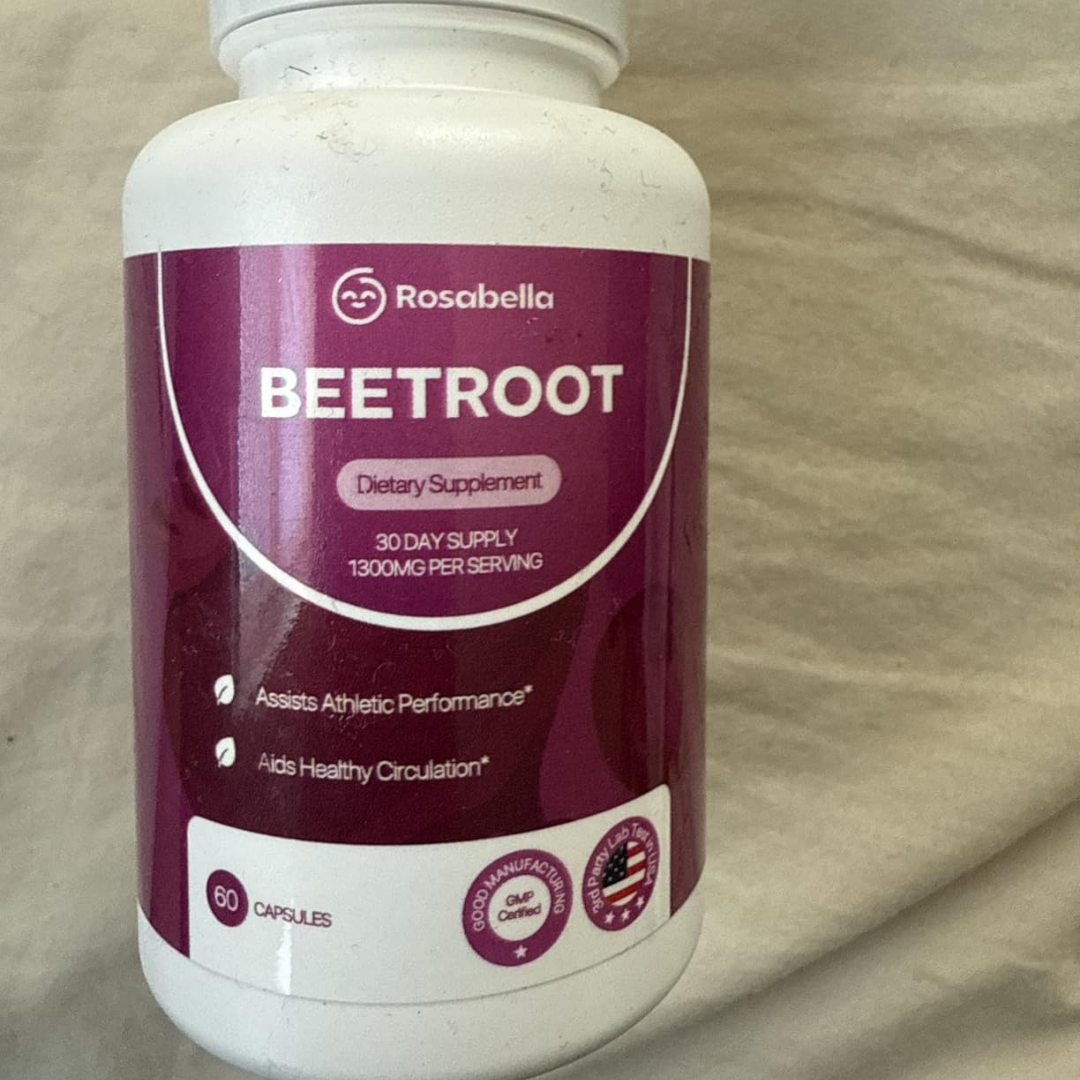
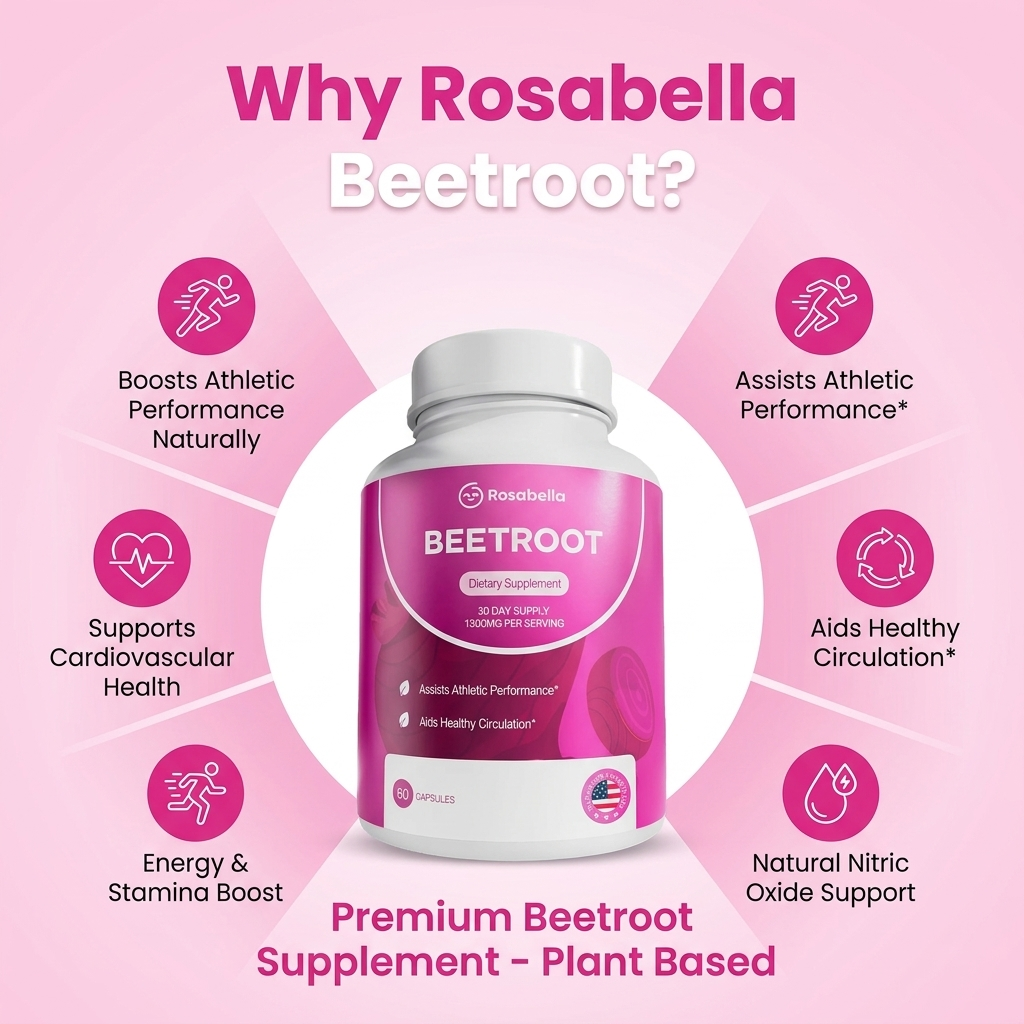
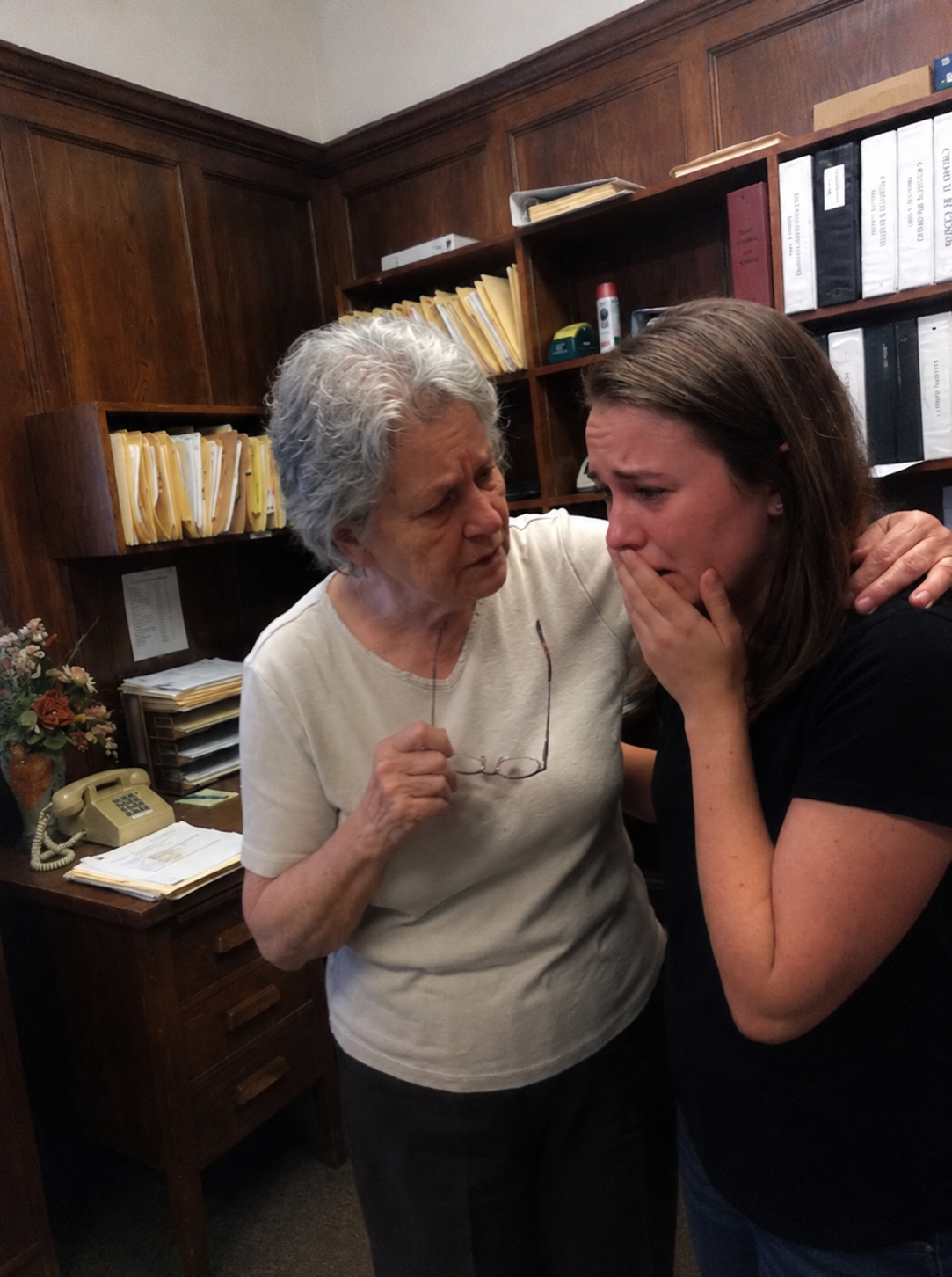
The Church Secretary Pulled Me Aside After Sunday Services. What She Said About My Mom Took the Air Out of My Chest. My mother Carol is 64 years old. She lives alone in the house I grew up in. She has lived alone in that house for two years and three months — since my father died in February of the year before last. I drive out to see her every Sunday. It's about 45 minutes from my house to hers. I bring her groceries. I help her with anything that needs doing around the house. We have lunch. I drive home. That's the rhythm. That's been the rhythm for two years. Once a month or so, Mom and I go to the late service at the church she's belonged to for 35 years. It's a small Methodist church. White clapboard. Steeple. Maple trees out front that turn red in October. She's been going there since before I was born. She and my father were married in that church. I was baptized in that church. My father's funeral was in that church. It is, for better and for worse, the building that has held the most important days of our family. A few weeks back, I went with her to the late service on a Sunday. After the service, there was coffee and cake in the fellowship hall. Mom went off to find her friend Bev. I went to the church office to return a casserole dish from the previous month's potluck. The church secretary is a woman named Doris. Doris is 67 years old. She has been the secretary of that church for 31 years. She knew my mother when my mother was 29. She made the coffee at my father's funeral. She runs the church office out of a small wood-paneled room behind the sanctuary with a window that looks out over the cemetery. I came in with the casserole dish and she was at her desk, writing out name tags for the next week's new-members class. She looked up. Smiled at me. Took the dish. "How are you, honey?" "I'm okay, Doris. Thanks for asking." She didn't go back to her name tags. She just sat there looking at me. I started to leave. "Wait a minute," she said. I waited. She set her pen down. She took her reading glasses off. She let them dangle on a chain around her neck. And she said something she had never said to me in 35 years. "Honey, can I ask you something about your mom?" I didn't say yes. I just nodded. Doris looked at the door of the office. It was open but no one was nearby. She lowered her voice anyway. "How is she doing? Really?" I gave her the answer I'd been giving everyone. "She's doing okay. It's been a hard couple of years. But she's doing okay." Doris nodded. But she didn't pick her pen back up. She kept looking at me. "Honey, I've been the secretary of this church for 31 years," she said. "I knew your mother when she was your age. I knew her in her fifties. I knew her when she sang in the choir. I knew her when she ran the Sunday school program for nine years." "I made the coffee at your father's funeral. I sat with her in this office after, when everyone had gone home and she didn't want to go back to the empty house yet. I have known your mother through more days than you have been alive." "And I'm going to tell you something I have no business telling you, because I am not a doctor and it isn't my place." She paused. "Your mother is fading." I felt my chest tighten. Because it was the word I had been hearing in my own head for months. Fading. I had never said it out loud. I had told myself she was grieving. I had told myself she was adjusting to widowhood. I had told myself this is what happens when a woman who built her whole life around a marriage finds herself alone in the house at 64. I had told myself a lot of things. Doris saw all of it on my face. "I see her on Sundays," she said. "She used to sit in the third pew on the left. She'd sing. She'd raise her hand during the hymns. She'd come into this office afterward and talk to me about what you and your brother were up to. She had stories." "Now she sits in the back. She doesn't sing. She comes through the line for coffee and she leaves before the cake." "She's lost color, honey. Not just from grief. There's a difference. I know what grief looks like — I have buried my husband and my mother and my older sister in this church. Grief makes a person sad. This is different. Your mother looks like someone whose lamp is running low." "And the women I have watched in this church, over 31 years, who get to her age and start to fade like this — I've seen a lot of them. After the change, after the kids are grown, after the husband is gone or sick — something can go quiet in a woman that doesn't get talked about." "I'm not saying anything is medically wrong with her. I have no idea about any of that. I'm saying the woman is fading. That's a separate thing. And nobody else is going to tell you. Not the doctor. Not your mother. Not anyone." She put her glasses back on. "That's all I wanted to say. I'm sorry if I overstepped." I told her she didn't overstep. I told her thank you. I left the casserole dish on her desk. I walked out through the sanctuary, found my mother in the fellowship hall, hugged her, told her I was tired and needed to get on the road. I drove out to the parking lot and I sat in my car and I cried for a long time. I cried because Doris had said something my brother and I hadn't been able to say to each other. I cried because somewhere deep down I'd known it for a year and I'd been doing the Sunday-grocery-trip routine and pretending the Sunday-grocery-trip routine was enough. I cried because I didn't know what to do. When I got home, I called my brother. He lives in Denver. He flies in twice a year. I told him about Doris. About what she'd said. About what I'd been seeing on Sundays. He was quiet for a long time on the phone. Then he said, "I noticed at Christmas. I didn't want to say anything because you see her every week and I see her twice a year and I didn't know if I was reading it wrong." "You weren't reading it wrong," I said. We talked for an hour. We didn't reach any conclusions. That night, I sat with my laptop and started reading. I am not a medical person. I want to say that before I say anything else. I work in marketing. I read a lot. I research things. That's what I'm good at. But I'm not in healthcare and nothing I'm going to say next is medical advice. What I read about, over the next several nights, was the way a woman's body changes after menopause. How vitality and cellular energy and general cardiovascular wellness can shift in ways that don't always show up cleanly on standard bloodwork. How the numbers can look fine while the woman herself doesn't feel fine. How some women report feeling like the lights have been turned down even though every test their doctor runs comes back in range. I read for hours. Eventually I came across beetroot. I'd heard of beetroot before in a vague superfood way. What I hadn't known was how the processing matters. The deep red pigments in beets — called betalains — are what carry most of the activity. They support the body's natural antioxidant balance. They support cellular energy. They support general cardiovascular wellness. But they're sensitive to heat. Most beetroot supplements are processed with high heat — spray-dried, fast, cheap — and a lot of the betalain activity gets damaged in the process. Which is why a lot of people try beetroot products and feel nothing. They're taking heat-damaged powder. I came across a company called Rosabella. Small operation. They source small-farm beets and cold-press them at low temperatures. The whole point of their processing is to preserve the betalains intact. I read their site twice. Then a third time. I read the reviews. I read the things written about it on women's health forums — not in a sponsored way, in a I tried this and here's what I noticed way. A lot of the reviews were from women in their 60s. Post-menopausal women. Widows. Women who had been told by their doctors that everything was fine while not feeling fine. I'm not going to tell you they all said it changed their lives. A lot of them said it was one of several things they were doing. But the pattern was consistent enough that I picked up my phone. I called my mother's doctor's office the next morning. I told the nurse who answered exactly what I was thinking about. A beetroot supplement. Cold-pressed. For general antioxidant and cellular energy support. I asked whether — given Mom's blood pressure pill, given her cholesterol medication, given her age and her bloodwork — there was any reason she shouldn't add it to what she was already taking. The nurse put me on hold. She came back a few minutes later and said the doctor had no concerns at all. She said the doctor often suggests general antioxidant support to patients in Mom's age range. She said to make sure Mom keeps taking her current medications exactly as prescribed and to come in for her regular check-up in May. I want to stop and say this clearly. That phone call was the most important step of the whole thing. Not the supplement. The phone call. If you take one thing away from what I'm saying, take that. You call the doctor's office before you add anything to what someone you love is already taking. Always. I ordered a bottle. The next Sunday, I brought it with the groceries. I sat at her kitchen table with her — the same table I sat at when I was eight years old eating Cheerios before school — and I told her about Doris. I told her everything Doris had said. I told her I was scared. I told her my brother was scared. I told her I'd called Dr. Hyde's office and the nurse said the supplement was fine to add. I asked her to try it for 60 days. She was quiet for a long time. Then she said, "You and your brother have been worried about me." "Yes." "I didn't know how worried." "We didn't either." She reached across the table and put her hand on mine. "I'll take it," she said. The first two weeks were just two weeks. I went out on Sunday. We had lunch. She took her pills with breakfast — including the new one now. I went home. Nothing visible. Nothing I could name. The third week, she called me. She had not called me, just to call me, in over a year. She'd answer when I called. She'd talk for a few minutes. But she didn't initiate. That Wednesday afternoon, she called me at 3 p.m. "I was just thinking about you," she said. "How are the kids?" We talked for 25 minutes. I sat in my office with the phone against my ear and I almost couldn't follow what she was saying because I was too busy listening to her — to the timbre of her voice, to the fact that she was the one who had picked up the phone. That was the third week. By the second month, she had joined a Tuesday morning walking group at the church. She had cleaned out my father's closet — a thing she had not been able to bring herself to do for two years. She started cooking again. Not just heating things. Cooking. The Sunday lunches got longer. She told me a story about something my father had done in 1987 that I had never heard before, and we laughed about it for a long time, and afterward I sat in her driveway with the car running and cried for a while before I pulled out. She's still on her medications. She has not changed anything Dr. Hyde told her to take. Her bloodwork in May was, in Dr. Hyde's words, "in good shape — about where we'd hope for someone your mom's age." The doctor didn't tell us why my mother seemed lighter. The doctor didn't notice, because the doctor sees my mother for fifteen minutes twice a year and reads numbers. I see my mother for four hours every Sunday. I see her. A few weeks ago I went back to the church with Mom for the late service. After, I stopped by the office. Doris was at her desk. She looked up. "How is she?" Not the way you ask out of politeness. The way you ask when you actually want the answer. "She's better, Doris. She called me on a Wednesday. She joined the Tuesday walking group." Doris took her glasses off. She didn't say anything. But her eyes got wet. She got up from her desk. She came around. She hugged me — the kind of hug that smells like coffee and pencils and old paper. "Good," she said, into the side of my head. "Good." I walked back through the sanctuary and I thought about how much we owe to the people who notice us. The church secretary who has been watching your mother for 31 years and watching her dim. The barber. The longtime neighbor. The friend at book club. The cashier at the small grocery. The people who see us in the small, regular increments that family can't always see in. P.S. If you've been watching your mother fade — or your father, or anyone you love — the first thing I'd say is: tell someone. Tell your sibling. Tell your spouse. Say it out loud. Because the not-saying is part of how it goes on for so long. Then talk to her doctor. Not about supplements. About her. Tell the doctor what you're seeing. Don't let anyone wave it off as grief, or as aging, or as "she's been through a lot." Some of it might be. Some of it might not. You won't know until someone who can actually look at her bloodwork hears what you're seeing. P.P.S. If you decide to try Rosabella, call her doctor's office before you start it. Like I did. Just to confirm there's no reason not to add it given whatever else she's taking. It takes one phone call. Most nurses will get you an answer in a few minutes. That phone call is the most important part. Then put the bottle next to wherever she takes her morning pills. Two capsules with water. Don't change anything else she's doing. Just add this one thing. Give it 60 days before you decide anything. Some women notice something within the first two or three weeks. Others take longer. Bodies are different. Be patient with her. P.P.P.S. Rosabella has a 90-day money-back guarantee. If you're not satisfied for any reason, every penny back. No questions asked. That's a sensible policy for a supplement — it gives you long enough to actually see whether it helps before you decide. P.P.P.P.S. Rosabella is a small operation. They harvest and bottle on their own schedule, so I keep an extra bottle in the cupboard for Mom now. They currently offer a multi-bottle option that I went with myself. Worth a look. P.P.P.P.P.S. Last Sunday at lunch, Mom asked me if I wanted to take a trip with her in the fall. Just the two of us. She'd been thinking about Charleston. We've never taken a trip, just the two of us. Not in 38 years. I said yes before she finished the sentence. https://track.tryrosabella.com/cdc16426-3e48-40a7-9fad-21098084f6cf DISCLAIMER Individual experiences vary. These statements have not been evaluated by the FDA. This product is not intended to diagnose, treat, cure, or prevent any disease
Support stamina and heart health every day
LEARN MORELike this ad? Make it yours.
Crush rebuilds this exact creative around your product — your brand, your colors, your offer — in about a minute.