Health Insider
Health Insider Facebook ad: “Veterinarian Speaks The Truth.”
Ran for 3 days, from August 12 to August 15, 2026, the last day Crush saw it.
Run by Health Insider on Facebook. Crush is not the advertiser and does not verify its claims. See this ad in Meta's Ad Library(opens in a new tab)
Want an ad like this for your product?
Crush makes new ad images for your product from this ad: your logo, your product photo, your offer.
Trials from $19.95 USD, then $79.95 USD a month. Cancel anytime.
About this ad
- Meta Ad Library ID
- 1331769945399839
- Platforms
- Facebook, Instagram, Audience Network, Messenger and Threads
- Relaunches
- 0
- Niche
- Pets
Ad text
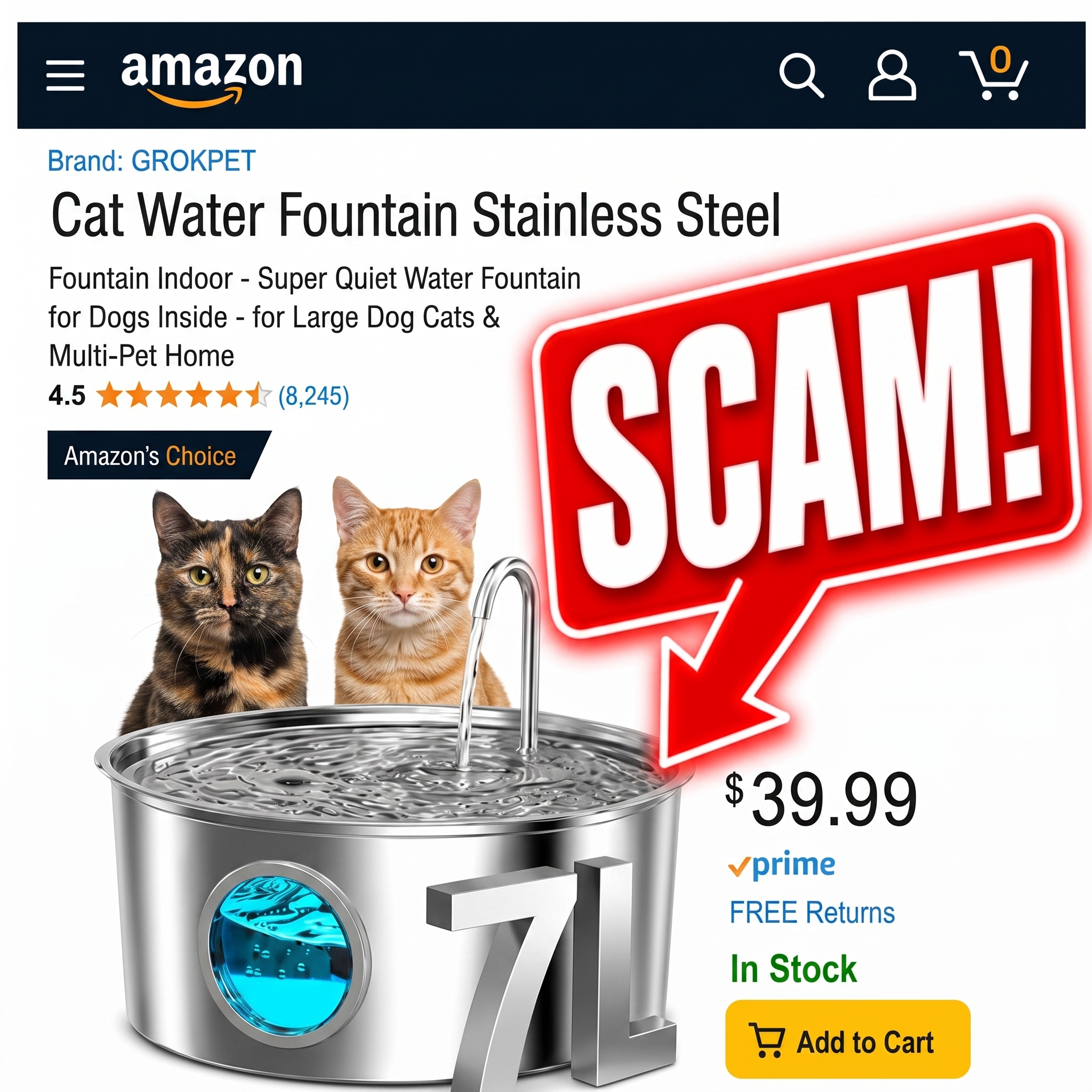
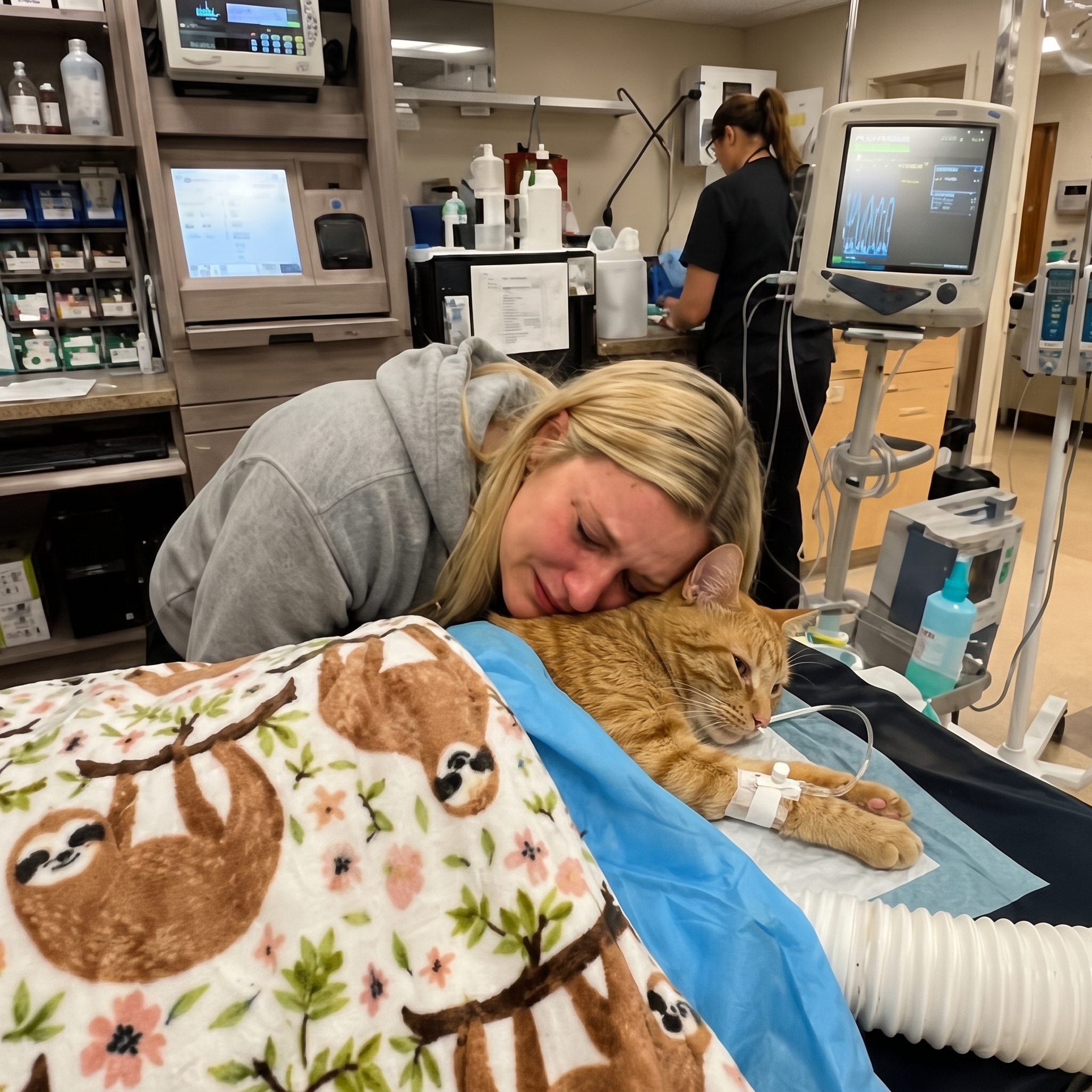
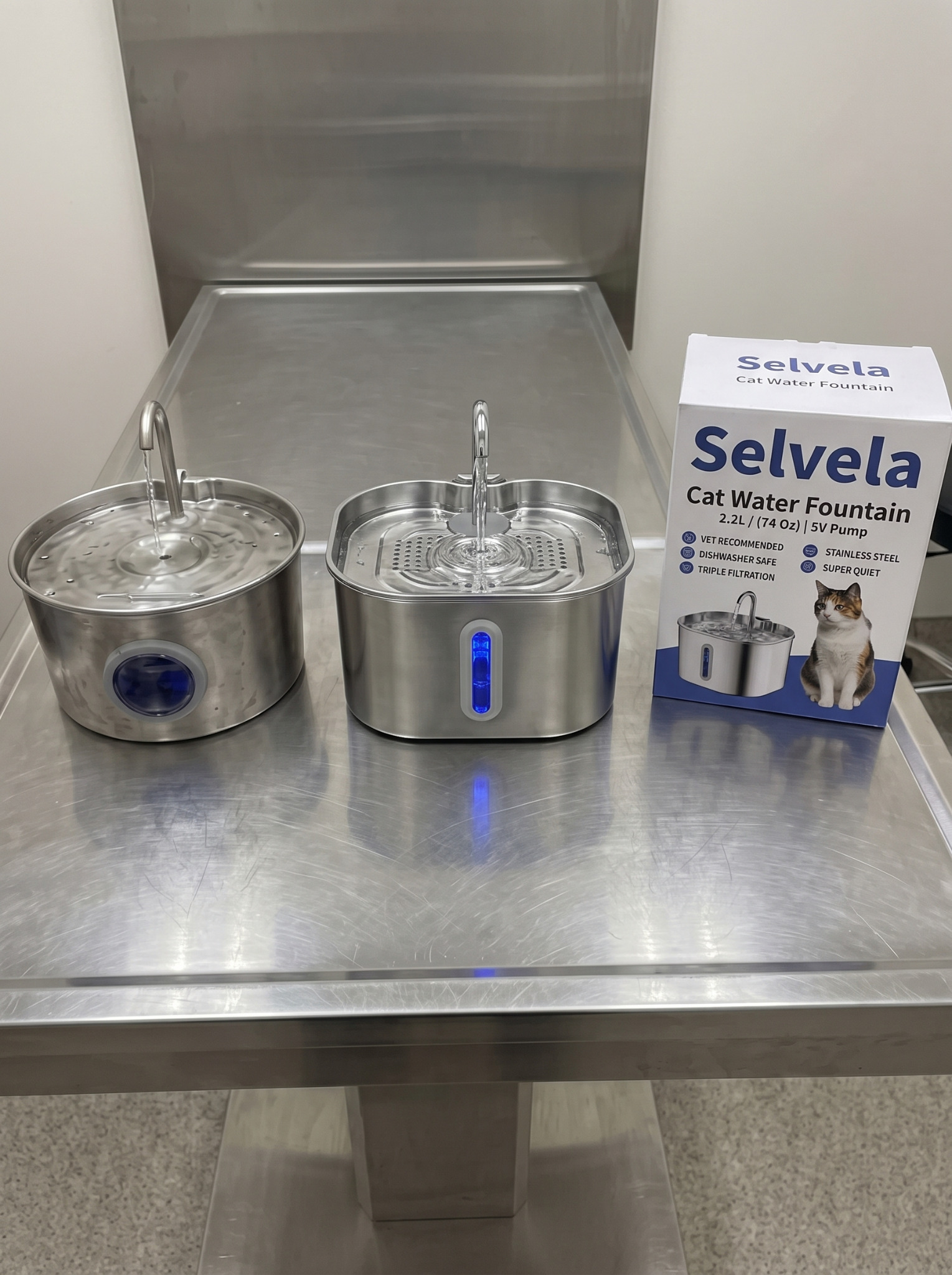
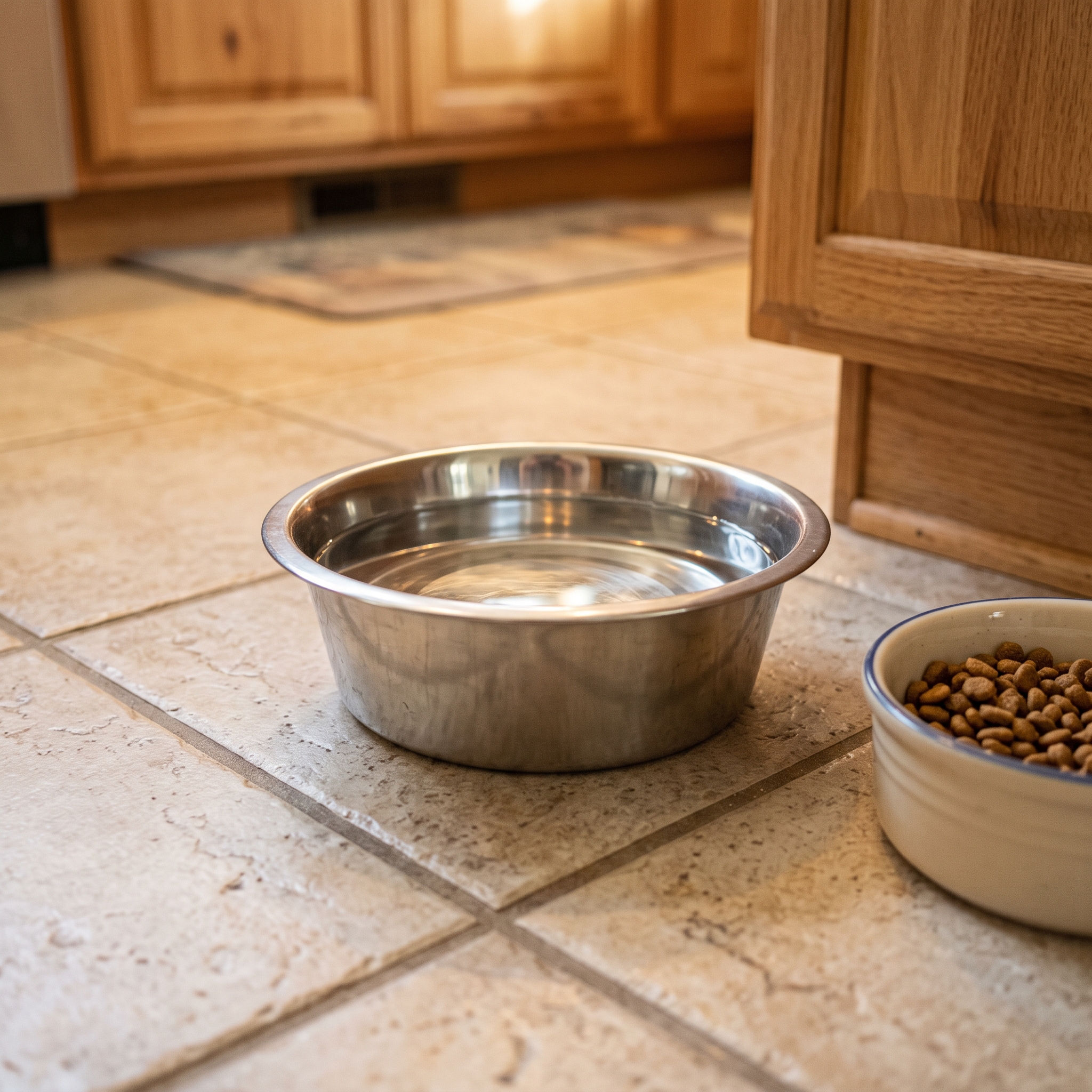
After 19 years as a shelter vet, I can tell you the number on your cat's bloodwork will look perfectly normal until the moment it doesn't. That moment comes when she has already lost 75% of her kidney function. Not 10%. Not 25%. Three quarters. By then, the conversation we are having is no longer about prevention. It is about how much time is left. My name is Dr. Sarah Callahan. I'm a retired veterinarian. I spent 19 years as the head vet at North Valley Animal Rescue. In that time, I have sat across from a lot of owners in an exam room. And I have heard the same sentence more times than I can count. "But she had her checkup six months ago. Everything was fine." I understand why they say it. They are not in denial. They are confused. They followed the rules. They took the cat in every year. They got the bloodwork done. They heard "everything looks great." They went home feeling like good owners. And now they are sitting across from me and their cat is in Stage 3 kidney disease. I want to explain what is happening in that gap — between "everything looks great" and Stage 3 — because understanding it is the difference between catching this early and finding out the way most owners find out. Creatinine is the standard kidney marker on a routine blood panel. What most owners — and even some general practice vets — do not fully communicate is that creatinine does not rise until a cat has lost approximately 75% of kidney function. Not a slight elevation. Not "a little bit off." Three quarters of the kidney already gone before a single number on the panel moves. When the vet says "clean bloodwork," what they mean is: the damage hasn't crossed the threshold yet. They do not mean the kidneys are healthy. They mean the kidneys are compensating well enough that the test cannot see the problem. By the time the test can see it, there is very little to reverse. I am not telling you this to frighten you. I am telling you because I have watched this pattern play out hundreds of times — in cats whose owners were doing everything they thought they were supposed to do. Premium food. Annual checkups. Water bowl with filtered water. Let me talk about the bowl. I know why you feel confident about it. You fill it every morning. You scrub it every few days. Maybe you use filtered water from a Brita pitcher. When she walks over and drinks, the problem feels solved. Here is the biology they do not put on the bowl. Cats evolved as desert predators. Their thirst drive is suppressed by design. For millions of years, every drop of water they needed came from inside their prey. A mouse is roughly 70% water. A cat's brain never evolved the thirst signals that would drive it to drink enough from an outside source to close that gap. Their bodies were built to get moisture from food — not from a bowl next to it. But the suppressed thirst drive is only half the reason your cat under-drinks. The other half is what is growing inside the bowl. Within hours of filling any bowl — any material, any brand, any price — bacteria begins forming a layer called biofilm on the surface. It embeds into microscopic scratches in the material. Stainless steel has them. Ceramic has them. Plastic is the worst. You scrub it. You kill the surface layer. The colonies in those grooves survive. They repopulate within hours. And scrubbing makes it worse. Every scrub carves new grooves into the surface. New hiding places. New permanent homes for bacterial colonies. Your cat has roughly 200 million scent receptors. She can smell the contamination that is invisible to you. When she sniffs the bowl and walks away, she is not being picky. She is detecting bacteria that your eyes, nose, and fingers will never find. So she barely drinks. Just enough to survive. Never enough to properly hydrate. And what chronic under-drinking does to the kidney is not immediate. It is slow. Her urine becomes more concentrated. Concentrated urine sits against the cells lining the kidney tubules — the structures that do the actual filtering work. Those cells are under constant low-grade osmotic stress. They begin to die. Not all at once. A few here, a few there. The remaining cells compensate. They work harder. They mask the loss. The bloodwork looks clean. The cat seems fine. Until one day someone runs the panel and the number has moved. Now I want to address something directly, because this is where the conversation usually goes wrong. The standard advice when a cat is not drinking enough is: "Try a fountain." I understand why vets say it. Moving water triggers a cat's instinct that the water is safe. The reasoning is biologically sound. But I have sat with too many owners who look at me and say, "I tried. She used it for a week and stopped." And they are not being dramatic. Owners have told me they spent two hundred dollars going through three or four fountains. Plastic. Ceramic. "Stainless steel" with a hidden plastic reservoir underneath. Each one worked for three to five days. Then the cat sniffed it and walked away. Same pattern every time. The reason is not the cat. It is the fountain. Every plastic fountain I have tested grows biofilm within 72 hours. Inside the pump housing. In the silicone tubing. In the reservoir. The parts you cannot see and cannot scrub. Ceramic fountains develop hairline cracks in the glaze. Biofilm colonizes the cracks. Most "stainless steel" fountains use cheap 304-grade steel for the top bowl and plastic for the reservoir where the water actually sits all day. The water is contaminated before it reaches the steel surface. The cat uses it for a few days while the water is genuinely fresh. Then her 200 million scent receptors detect the buildup. She stops. The owner thinks fountains don't work. They go back to the bowl. The cat dehydrates. The kidneys pay the price. The fountain was not the wrong idea. It was the wrong fountain. This is where I want to tell you what I recommend instead. Not instead of wet food if your cat will accept it. Not instead of regular vet visits. In addition to everything you are already doing. The right water source. A water source where biofilm physically cannot form. Where the material is non-porous at a molecular level. Where the filtration actually removes contaminants. Where bacteria in the water itself is killed before your cat's nose can detect it. There are three specific requirements that have to be met simultaneously. One: 316 surgical-grade stainless steel with an antibacterial coating across every surface the water touches. Not the top bowl. The entire water path. Reservoir. Basin. Everything. This is the grade used in medical implants. Non-porous. Bacteria cannot embed in the surface because there are no microscopic scratches for it to grip. Two: Triple-stage hospital-grade filtration. Not a thin carbon pad that saturates in a week. Actual filtration that removes chlorine, heavy metals, and pharmaceutical residue. The invisible chemical load your cat's kidneys have been filtering every day for years on top of the dehydration. Three: Built-in UV sterilization. Even on perfect steel, bacteria lives in the water itself. Floating. Circulating. Settling. UV destroys it continuously before colonies can form. Without it, your cat's nose will still detect contamination in the water — even when the surface is clean. Material. Filtration. Sterilization. All three. Simultaneously. Without interruption. The one I specifically use and recommend is Selvela. 316 surgical-grade stainless steel with antibacterial coating. Built-in UV sterilization. Triple-stage hospital-grade filtration. Faucet-style continuous flow. Whisper-quiet. Dishwasher-safe. I tested it in my clinic before I recommended it to a single owner. Bacterial counts at 72 hours: undetectable. At one week: undetectable. At 30 days: still clean. In 19 years of practice, I had never seen a consumer pet product pass a contamination test at 30 days. Not a generic Amazon fountain. Not a plastic flower with a carbon pad. Not a "stainless steel" label hiding a plastic reservoir underneath. I have looked at those products. I have had several of them tested. The biofilm starts within days. The pumps grow slime in sealed housings. The filters saturate and stop working. And the cat stops drinking within a week — which gives you the worst possible outcome: false confidence that "she has a fountain" while the dehydration continues. One more thing, because I know how this conversation goes. Someone reads this and thinks: my cat won't use a fountain. She rejected three of them. She rejected three contaminated fountains. That is not the same thing as rejecting clean water. A cat that walks away from a biofilm-coated fountain and sits at the bathroom faucet instead is a cat who is telling you exactly what she needs — water that is actually clean. Not water that looks clean to you. The cats I have seen switch to Selvela — including cats that rejected every other fountain their owners tried — drink from it consistently. Day after day. Week after week. Because there is nothing in it for their nose to reject. The practical difference is this: a cat that actually drinks enough water produces dilute urine. Dilute urine means less osmotic stress on the kidney tubule cells. Less cell death. Less compensation. Less silent damage accumulating behind bloodwork that still looks clean. I would rather you set up the right water source now — while the bloodwork still looks clean, while she still seems perfectly fine — than sit across from me in an exam room hearing the words "Stage 3." That is exactly when it matters most. 👉 https://selvela.com/products/selvela-cat-water-fountain $89.99. Starter filters included. 30-day money-back guarantee — cat doesn't drink more, full refund. If your cat is on dry food. If she has a bowl you refill every morning and you feel like that problem is handled. If she has a cheap fountain she stopped using weeks ago. If her last checkup came back clean and everything seems fine. I am asking you to understand that "clean bloodwork" and "healthy kidneys" are not the same statement. The damage accumulates quietly. The test does not catch it early. The bowl grows contamination within hours. The cheap fountain grows it in hidden places within days. And your cat's nose catches it long before your next vet visit. Give her water she will actually drink. Every day. Consistently. While the bloodwork still looks clean. 👉 https://selvela.com/products/selvela-cat-water-fountain P.S. Selvela is the only fountain I have tested where bacterial counts stayed undetectable past 30 days. Not one week. Not two. Thirty days. Every other fountain I tested — every brand, every price point, every material — was contaminated within the first week. Your cat knew it before the lab confirmed it. That is why she stopped drinking from it. That is why she sits at the faucet. She is not picky. She is right. Give her the water source that proves it.
Where the ad sends people
selvela.com
Veterinarian Speaks The Truth..
Keep your cat healthy and hydrated with Selvela
Shop now: selvela.com(opens in a new tab)