Health Insider
Health Insider Facebook ad: “I Lost Maple, my cat. I Won't Lose Another Cat.”
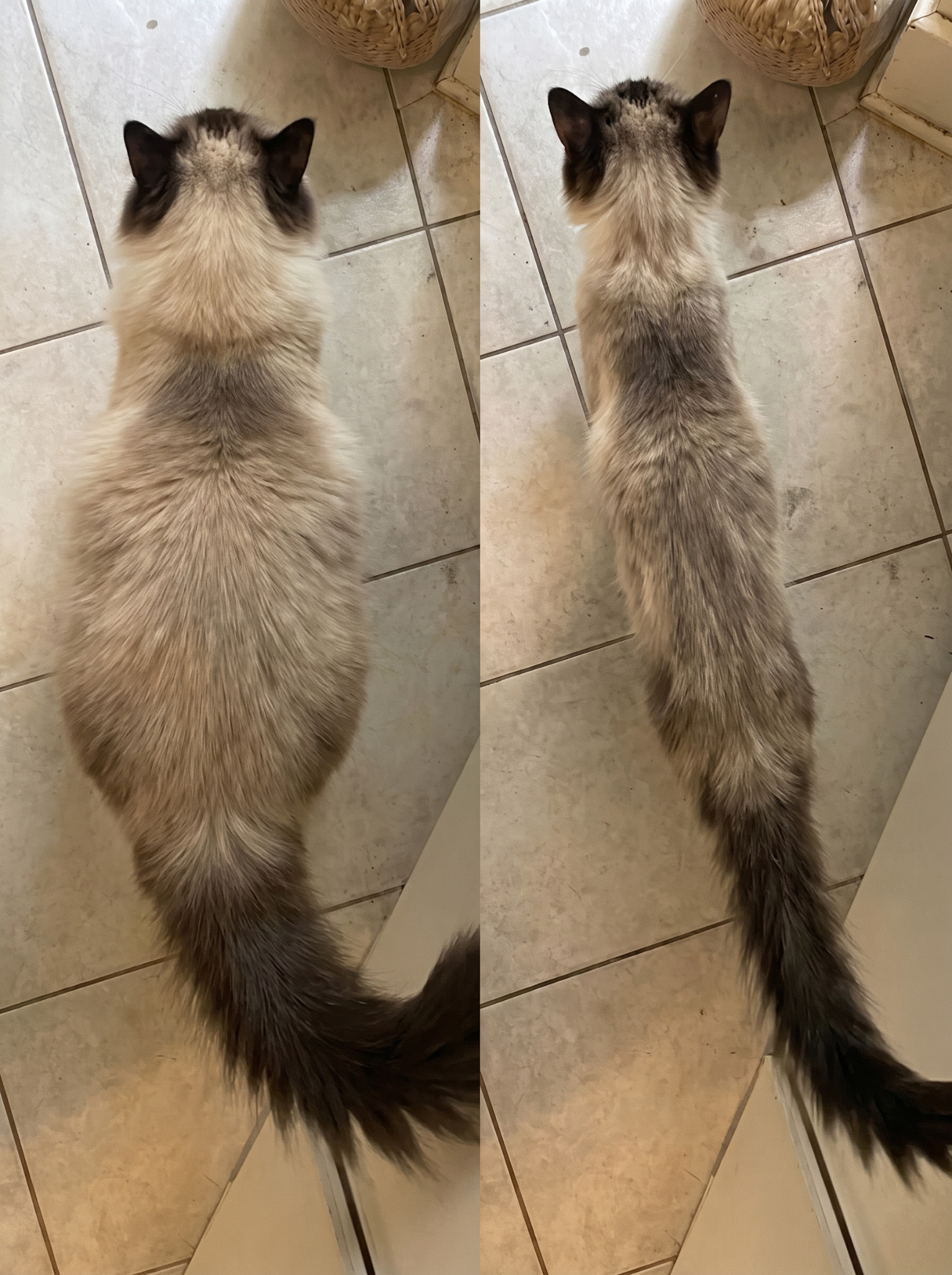
Ran for 6 days, from August 9 to August 15, 2026, the last day Crush saw it.
Run by Health Insider on Facebook. Crush is not the advertiser and does not verify its claims. See this ad in Meta's Ad Library(opens in a new tab)
Want an ad like this for your product?
Crush makes new ad images for your product from this ad: your logo, your product photo, your offer.
Trials from $19.95 USD, then $79.95 USD a month. Cancel anytime.
About this ad
- Meta Ad Library ID
- 1786529702359357
- Platforms
- Facebook, Instagram, Audience Network, Messenger and Threads
- Relaunches
- 1
- Niche
- Pets
Ad text
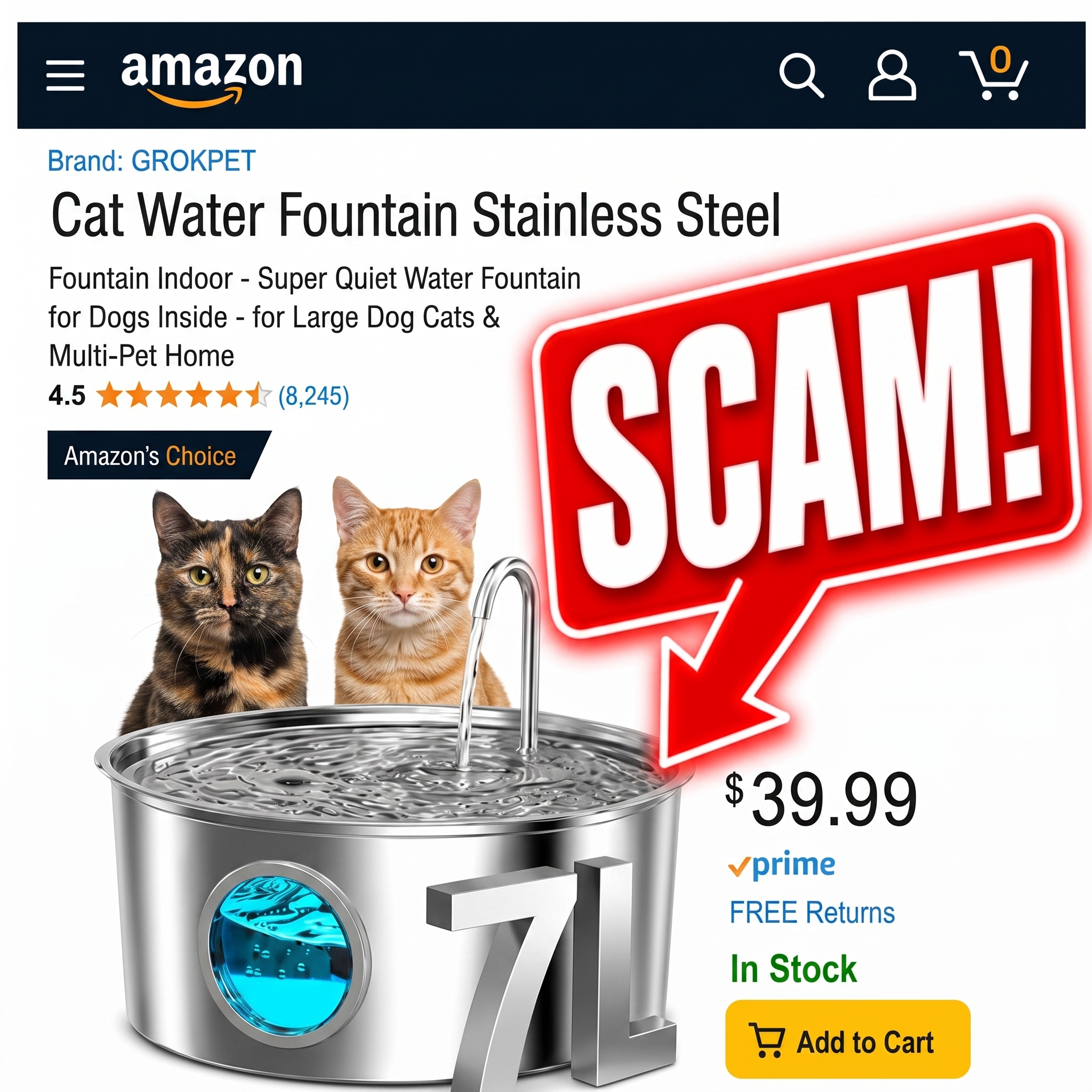
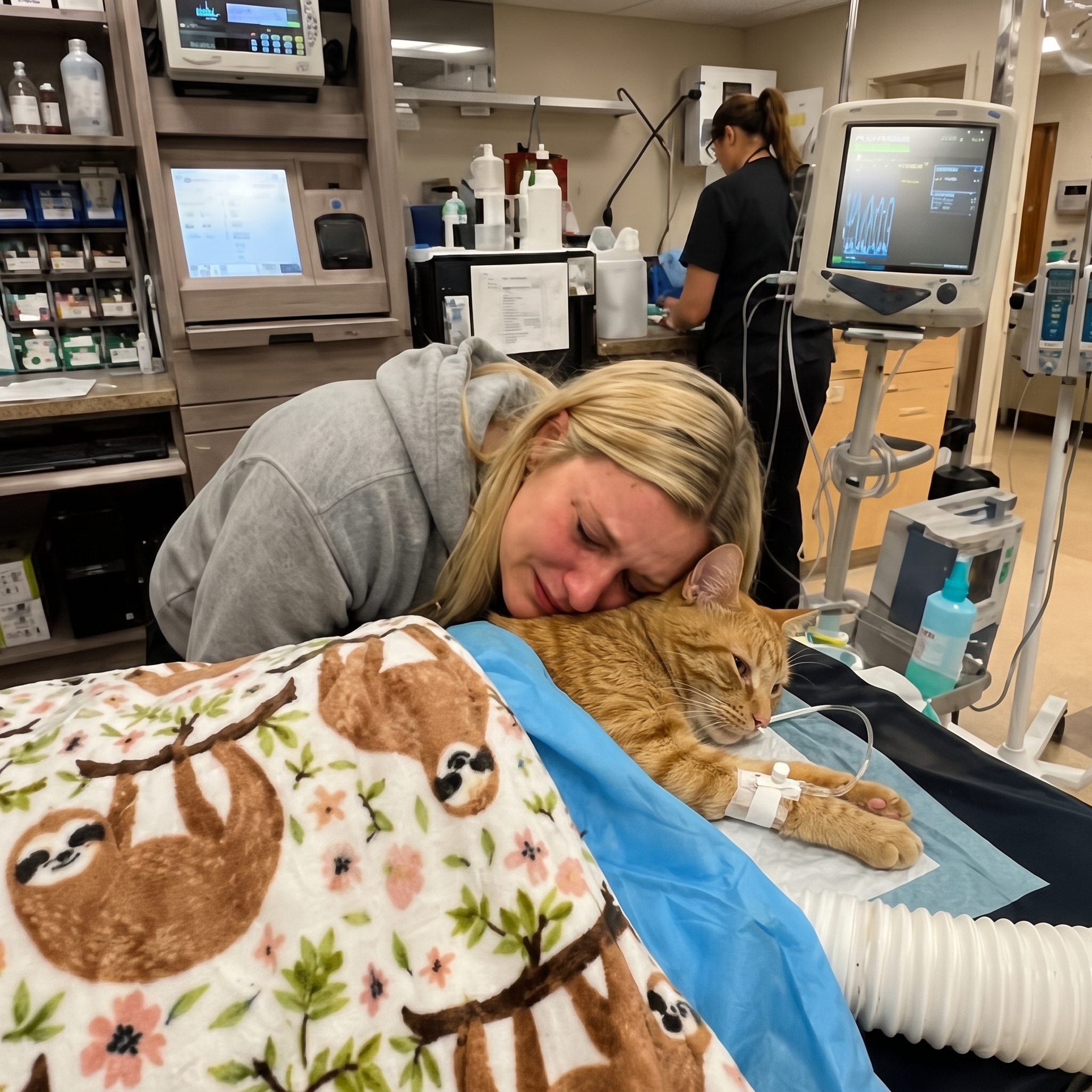
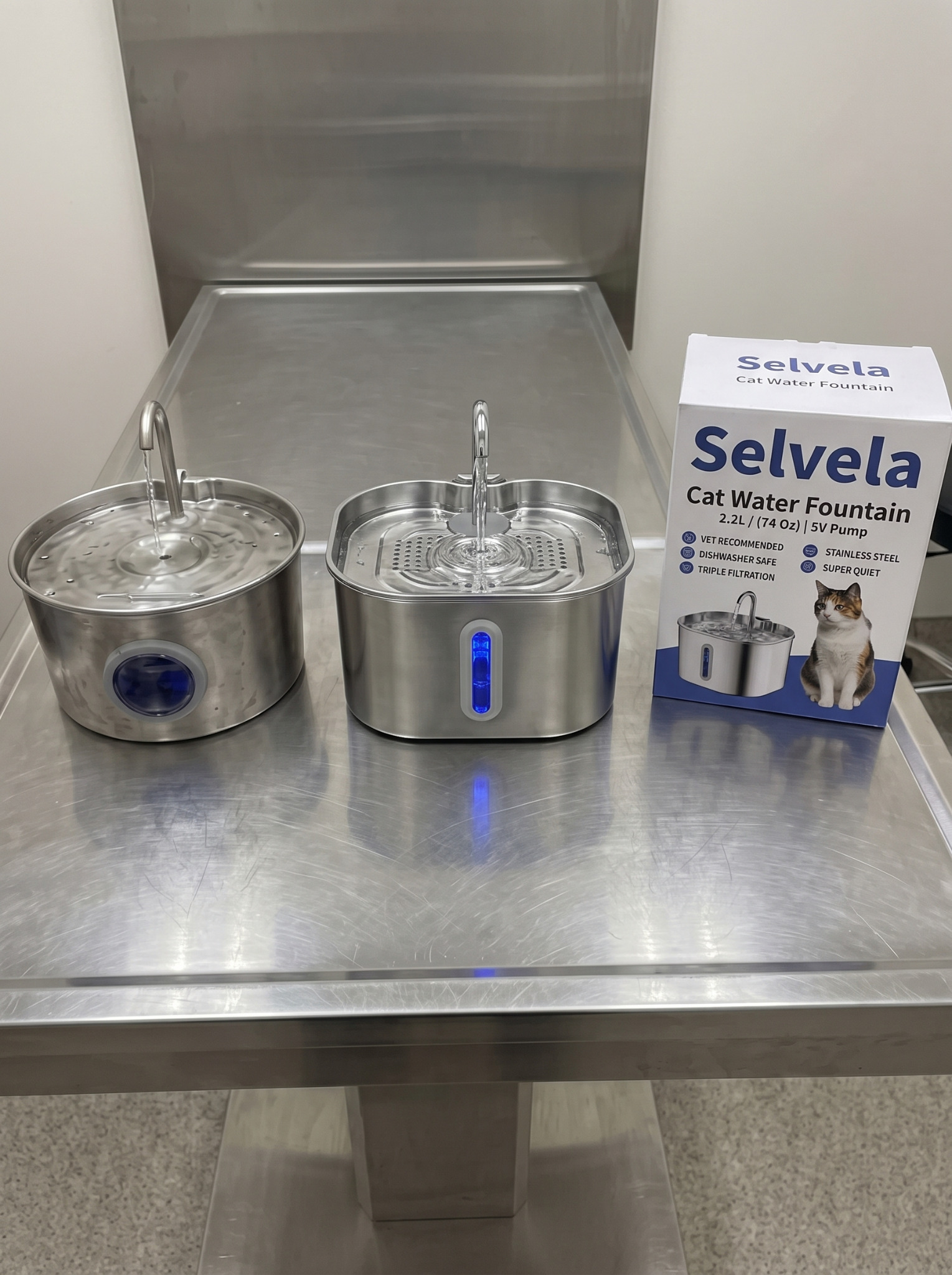
I am going to say something that every cat owner watching their senior cat slowly decline needs to hear. Your cat is not dying of old age. She is dehydrating. While her bowl sits full. And I know this because I am a retired veterinarian who spent 40 years watching cats die. And then I watched my own cat die. The same way. What I found after she passed still gives me nightmares. Read every word of this. Before you accept what your vet tells you is "just old age." My name is Susan Davis. I am 74 years old. I retired three years ago after 41 years as a shelter veterinarian at Crestwood Animal Rescue in rural Tennessee. In those 41 years, I processed over 19,000 cats. I have seven cats of my own right now. All rescues. The oldest is 18. I know what a dying cat looks like. I have held thousands of them. I thought I knew why they died. I was wrong. I want to tell you about Maple. Maple was my 14-year-old Maine Coon. Enormous, heavy, muscular — the kind of cat you could feel coming when she jumped on the bed. Two years before I retired, Maple started slowing down. Not dramatically. Not overnight. Just... less of her every month. Less energy. Less play. Sleeping more. Coat getting dull and dry. The kind of slow fade you watch happen and tell yourself it is just age. I ran every test on her that I would have run on any patient. Full bloodwork. Thyroid panel. Kidney values. Ultrasound. Her kidney values were slightly elevated. Not alarming. Just enough to flag. The vet I consulted said the same thing I had told cat owners every single week for 40 years. "She's a senior cat. This is normal. Keep her hydrated and monitor." Keep her hydrated. I had a clean stainless steel bowl that I refilled every morning with filtered water. I added a second bowl in the bedroom. I mixed water into her wet food. I did everything the textbook says. But Maple kept declining. She would walk up to her bowl. Sniff it. Stand there. Walk away. Come back twenty minutes later. Sniff again. Maybe take a few quick laps. Walk away. I started noticing her at the bathroom faucet. Sitting. Waiting. If I turned it on, she drank. If I pointed to the bowl, she stared at me. I told myself she was just getting particular. Older cats are particular. I bought a fountain from PetSmart. The plastic one with the flower on top. $39. She used it for four days. Then she stopped. I bought a ceramic fountain. $67. She used it for a week. Then she stopped. I bought a "stainless steel" fountain from Amazon. $54. She used it for eight days. Then she stopped. I had spent over $160 on fountains and my own cat still was not drinking enough. Her kidney values kept climbing. Slowly. Appointment after appointment. I doubled down on the wet food. Added more water. Tried tuna water. Tried bone broth. She drank a little more. Then stopped responding to each trick after a few days. I called a colleague. A feline internal medicine specialist I had known for 20 years. She examined Maple. Ran her own panel. "Susan," she said, "her kidneys are deteriorating. But it is slow. It might be another year. Or it might be six months. At this point, we manage. There is not much more we can do." She paused. "Some cats just do not drink enough. You know that." I drove home and sat in my kitchen for a long time. Maple sat in my lap. Her coat was thin. Her body was lighter than it should have been. She purred. I kept managing. For eight more months. Maple passed on a Tuesday morning in October. Kidney failure. The slow kind. The kind that takes years to finish what it started. I held her until she went still. And then I did something I should have done years ago. Something that no one had told me to do. Something that shattered everything I thought I understood. I went home that evening. The house was quiet in a way I was not prepared for. I walked into the kitchen. Maple's water bowl was sitting on the floor next to the refrigerator. The premium stainless steel one. The expensive one from the pet store. I picked it up. Looked at it. It looked clean. Then I ran my finger along the inside. Slimy. Not visible. Not the pink stuff you sometimes see after a few days. Just that slight film you feel when you touch it. The kind you would never notice if you only looked. I set it down. Walked to the bathroom. Picked up the fountain — the "stainless steel" one she had used last. The one I had scrubbed every week. I unscrewed the bottom. The reservoir where the water sat before circulating up to the bowl was plastic. Coated in a layer of grey-green slime I had never seen because it was sealed inside the housing. I pulled the pump out. The silicone tubes connecting the pump to the basin were lined with bacterial growth. I took the bowl, the fountain reservoir, and the pump housing to the clinic the next morning. I asked the lab to run a full microbial analysis. The results came back three days later. I sat in my office and read them and I could not move. Massive bacterial contamination. Multiple strains of gram-negative bacteria. Pseudomonas. Serratia. Enterobacter. The kind of organisms you find in stagnant water systems. In the bowl. In the fountain reservoir. In the pump tubes. The bowl I had been refilling every morning with clean filtered water. The fountain I had been scrubbing every week. Both crawling with bacteria I could not see, could not smell, and could not scrub away. But Maple could smell it. And that is the part that destroyed me. I stood in my office and I understood, for the first time in 41 years, exactly what had been happening. The sniffing and walking away. The faucet sitting. The rejection of every fountain after a few days. The barely-touched bowl. Those were not signs of a picky cat. Those were not signs of old age. Those were signs of a cat whose 200 million scent receptors were telling her, every single day, that the water was contaminated. And she was right. Every bowl I filled was contaminated within hours. Biofilm — a living layer of bacteria — forms in the microscopic scratches and pores of any material within 24 to 48 hours. Stainless steel has them. Ceramic has them. Plastic is the worst. You scrub it. You kill the surface layer. The colonies buried in those microscopic grooves survive. They repopulate the entire surface within hours. Scrubbing actually makes it worse. It creates MORE scratches. More hiding places. More permanent homes for bacterial colonies that reform faster than you can remove them. But the surface is only half the problem. Even if you solved the material — even if the bowl were perfect, non-porous, impossible for bacteria to colonize — bacteria still lives in the water itself. Floating. Circulating. Settling on surfaces and beginning new colonies within days. That is why even good stainless steel fountains fail after a week or two. The surface is better. But the water flowing through it is still carrying live bacteria. Your cat's nose picks that up. Every time. And here is the part I should have known. The part that was hiding in plain sight for my entire career. Cats are desert animals. Their thirst drive is suppressed by design. For millions of years, their ancestors got moisture from prey, not from standing water. A cat does not feel thirst the way you do. It does not feel thirst the way a dog does. It will sit next to a full bowl of water and quietly dehydrate rather than drink from a source its nose tells it is contaminated. The bowl is full. The owner feels reassured. The cat barely drinks. The kidneys pay the price. Year after year. Silently. By the time the bloodwork flags it, 65 to 75 percent of kidney function is already gone. Permanent. Irreversible. And the system's answer is "manage it." Kidney diet. More wet food. Fluids. Monitoring. Nobody looks at the bowl. Nobody tests the water. Nobody asks why the cat was barely drinking in the first place. Because the answer — that every bowl and every cheap fountain on the market grows invisible bacterial contamination that the cat can smell and the owner cannot — is not something anyone profits from telling you. There is no prescription for a better water source. No vet visit required. No one makes money from telling you the bowl is the problem. That is why no one told me. I found out the night Maple died. After that, I spent two months researching every cat fountain on the market. I bought twelve of them. Every price point. Every material. Every brand with good reviews. I ran each one for 14 days. Then I dismantled every single one and sent the water-contact surfaces to the same independent lab. The results were consistent and devastating. Every plastic fountain: heavy biofilm within 72 hours. In places I could not reach with any brush. Every ceramic fountain: hairline cracks in the glaze within weeks. Biofilm colonizing the cracks. Every "stainless steel" fountain: the bowl on top was steel. The reservoir underneath — where the water actually sits all day — was plastic. Contaminated. The pumps: submerged in the water, growing slime inside sealed housings. The filters: thin carbon pads that improved taste for a few days, then saturated. They did not remove chlorine. They did not remove heavy metals. They did not remove pharmaceutical residue. They just made the water taste slightly better so the cat would drink initially. Then the cat's nose caught up and the rejection started. None of them had any mechanism to kill bacteria in the water itself. Not one. They moved water through contaminated materials and called it clean. The bestselling fountain on Amazon. The one with 8,000 reviews. "Vet recommended." "BPA free." I pulled the pump housing apart at day 14. Black slime. Coating every internal surface. Being circulated into the water. Every hour. Every day. And the owner would never know. Because the top of the fountain looked crystal clear. I sat at my kitchen table that night with twelve dismantled fountains spread across the floor and I understood why Maple rejected every single one. She was smarter than the entire product category. Her nose knew what the lab confirmed. None of them were clean. Only one design passed every test I ran across multiple inspection periods. I did not find it on Amazon. I did not find it at PetSmart. I found it through a colleague who had been running the same tests I was running, independently, because his own cat had the same pattern. He had identified three specific requirements that had to be met simultaneously for a fountain to stay genuinely clean. One: the material. Not just "stainless steel." 316 surgical-grade stainless steel — the grade used in medical implants. Non-porous at the molecular level. Bacteria cannot embed in the surface because there are no microscopic scratches for it to grip. With an antibacterial coating applied on top. The surface actively resists colonization. And not just the bowl. The entire water path. The reservoir. The basin. Every surface the water touches. If any part of the water path is plastic — even if you cannot see it — biofilm forms there and the water carries the contamination to the drinking surface. Two: the filtration. Not a thin carbon pad that saturates in a week. Triple-stage hospital-grade filtration that actually removes chlorine, heavy metals, and pharmaceutical residue from the water. The invisible chemical contamination that your cat's kidneys and liver have been filtering every single day for years. Three: UV sterilization. This is the part no other fountain has. Built-in ultraviolet sterilization that kills bacteria in the water itself before colonies can ever form. You can have the best steel in the world. If bacteria is floating in the water, circulating through the system, your cat's nose will still detect it. The UV destroys it. Continuously. Before it ever reaches the drinking surface. A fountain that solves the material but not the water is two-thirds of a solution. A fountain that solves the filtration but not the surface is two-thirds of a solution. A fountain without UV sterilization lets bacteria survive in the one place you cannot scrub — the water itself. All three barriers have to come down at the same time. The fountain that met all three was called Selvela. I ordered it that night. 👉 https://selvela.com/products/selvela-cat-water-fountain When it arrived, the first thing I did was take it apart. I checked the reservoir. 316 surgical-grade stainless steel with an antibacterial coating. Not a plastic reservoir hiding beneath a steel bowl. The entire water path was steel. The filtration cartridge sat inside. Hospital-grade. Triple-stage. Nothing like the thin carbon pads in every other fountain I had tested. The UV sterilization unit glowed faint blue the moment I plugged it in. The faucet-style stream moved water continuously. Whisper-quiet. I ran it for 14 days. Dismantled it. Sent the surfaces to the lab. No biofilm. No bacterial colonization. No contamination. I ran it for 30 days. Tested again. Clean. In 41 years of veterinary practice, I had never seen a consumer pet product pass an independent lab test for bacterial contamination at 30 days. Not once. I started giving it to my seven cats at home. I also started placing them with every senior cat coming into my shelter in those final months before I retired. What I watched over the next 8 weeks changed everything I believed about feline hydration. Cats who had been barely drinking for months started using the fountain consistently. Not desperately. Casually. Multiple times a day. The way a cat drinks when it trusts the water source. The faucet sitting stopped. The bowl sniffing and walking away stopped. Cats who had been lethargic started moving around again. Coats changed. Filled out. Started to shine. By week four, I pulled bloodwork on a 15-year-old shelter cat whose kidney values had been climbing for two years. They had stabilized. I pulled bloodwork on my own 16-year-old at home. A cat whose creatinine had been creeping up at every appointment for the past year. It dropped. The vet I consulted looked at the numbers. Looked at me. "What did you change?" "Her water source." "That is it?" "That is it." I now know what to tell owners when their senior cat is declining despite eating well and getting regular vet care. I know what I would tell myself if I could go back. I see the posts every week. "She walks up to her bowl, sniffs it, and walks away. I refill it constantly." "My 14-year-old sits at the faucet every morning crying. Vet says push fluids but nothing works." "His kidney values keep climbing. I've tried everything. Vet says just monitor." "She used a fountain for a week and then stopped. Tried three different ones. Same thing every time." "I can hear her crying at the bathroom sink at 2am. She has three full bowls in the house." You did not fail her. You tried everything the system told you to try. The clean bowl. The filtered water. The fountain from PetSmart. The prescription kidney diet. The wet food. All of it. But the system never told you about the one thing that actually matters. The water source itself. The material it is made of. What the filter actually removes. Whether anything is killing the bacteria living in the water itself. Whether the water your cat is smelling all day is genuinely clean or just looks clean to you. Because there is no prescription for a better water source. No vet visit required. No one makes money from telling you the bowl is the problem. That is why no one told you. I am telling you now. One fountain. Plugged in. Filled with tap water. The steel, the filtration, and the UV do the rest. That is it. That is the entire change. Give it two weeks. Watch for the drinking pattern first. That changes before the bloodwork does. When she goes to the fountain and drinks without sniffing and walking away — when she stops sitting at the faucet — that is the moment you know her body is finally getting the water it needs. I am not promising you forever. I am promising you a chance. A real one. Before you accept that your cat is "just getting old." If you are reading this and your cat walks up to the bowl, sniffs it, and walks away. If she sits at the faucet. If she barely drinks despite multiple bowls and fresh water every day. If her kidney values are climbing and your vet says just monitor. Please try this before you accept the slow decline as inevitable. Get the only fountain that passed independent lab testing for bacterial contamination at 30 days: 👉 https://selvela.com/products/selvela-cat-water-fountain Do not buy a cheap fountain from Amazon or PetSmart. I tested twelve of them. I know what is inside them. You will believe you are helping your cat while the contamination continues. Only from their website. Here is the link: 👉 https://selvela.com/products/selvela-cat-water-fountain $89.99. Starter filters included. 30-day money-back guarantee. Cat doesn't drink more, full refund. It is your cat's kidneys. Try this first. EDIT: Several people have messaged asking whether switching the water source is safe alongside kidney medication, thyroid medication, or anything else their cat is already on. I want to answer that directly. I am a veterinarian. I spent 41 years in clinical practice. I would not be writing this if I had any doubt about safety. Selvela is not a drug. It is not a supplement. It is clean water. In a material bacteria cannot colonize. Through filtration that actually removes contaminants. With UV sterilization that kills bacteria in the water itself. You are not adding something foreign. You are removing something that should never have been there. There are no interactions with any medication. Thyroid protocols. Kidney support. Steroids. Appetite stimulants. None of them conflict with clean water. If anything, cats already on kidney or thyroid medication need proper hydration most. Those conditions put additional stress on kidneys already working to filter what they can. If you want to confirm with your own vet first, do it. Tell them you want to switch to a surgical-grade stainless steel fountain with hospital-grade filtration and UV sterilization. Every vet I know would have no concerns. The only place to get the fountain I tested and verified: 👉 https://selvela.com/products/selvela-cat-water-fountain P.S. I want to come back to that Amazon fountain for a moment. The bestselling one. 8,000 reviews. "Vet recommended." I pulled the pump housing apart at day 14. I want you to really sit with that. Black slime. Coating every internal surface. Being circulated into the water your cat is supposed to be drinking. The top of the fountain looked crystal clear. The water was moving. The filter was in place. And underneath, hidden inside the pump housing, inside the plastic reservoir, inside the silicone tubes — a bacterial fortress growing stronger every hour. No UV sterilization to kill what was floating in the water. No surgical-grade steel to prevent colonization. No hospital-grade filter to catch what the carbon pad missed. The cat sees a clean fountain. The owner sees a clean fountain. The lab sees contamination levels that would fail a hospital water safety inspection. That is how it works. The design hides the contamination in the places you will never look. The pump you cannot open. The reservoir you cannot see. The tubes you cannot reach. The water itself, carrying bacteria no surface can stop without UV. And while you believe you are solving the problem, the problem continues. The cat's nose finds it. Within days. Every time. And she stops drinking. Again. Every week spent on a cheap fountain is a week the dehydration deepens. A week the kidneys absorb the damage. Your cat does not have weeks to spare on something that cannot do what its listing claims. Get the one that passed: 👉 https://selvela.com/products/selvela-cat-water-fountain P.P.S. Maple declined for two years. I want you to sit with that. Two years. I refilled her bowl every morning. I scrubbed it every week. I bought three fountains that all failed. I watched her kidney values climb appointment after appointment and I could not stop it. I tried the wet food. The prescription diet. The specialist. The second opinion. And I kept telling myself what I had told owners for 41 years. She's just getting older. I was a veterinarian. I had processed 19,000 cats. I had more clinical knowledge than most people will ever have access to. And I did not know. Not because I was negligent. Not because I didn't love her enough. Not because I didn't try. I did not know because no one in 41 years ever told me to look at the water source as the cause instead of the solution. I looked at the bloodwork. I looked at the diet. I looked at the medication. I never looked at the bowl. I never ran my finger along the inside. I never tested what was growing in the places I could not see. I never asked whether anything was killing the bacteria in the water itself. The system I had been part of for four decades did not teach me to look for it. I found out too late for Maple. But your cat is still here. She is still in the house. Still in the chair she sleeps in. Still making the sound she makes when she hears your voice. You have not run out of time yet. I am not asking you to believe everything I have written here on faith. I am asking you to try one thing. One fountain. Clean water. The steel, the filtration, and the UV do the rest. Watch the drinking pattern first. That changes before the bloodwork does. When she goes to the fountain and drinks without hesitation — without sniffing and walking away, without sitting at the faucet, without crying at the sink — you will know. Give her that chance before you accept the decline as inevitable. Do not give up on her one day too soon: 👉 https://selvela.com/products/selvela-cat-water-fountain P.P.P.S. I retired three years ago. I do not have a practice to protect. I do not have a pharmaceutical relationship to maintain. I am not paid by Selvela. I do not receive a commission. I am 74 years old and I am writing this because I refilled Maple's bowl every morning for two years while she slowly dehydrated three feet away from it. I could have known sooner. I should have known sooner. The information was there. The mechanism was understood in the research literature. I simply never thought to look at the bowl. If what I have written here gives your cat even a few more years — a few more mornings where she jumps on the bed, a few more evenings where she sits in your lap and purrs — then this was worth writing. That is the whole reason. One fountain. Plugged in. Filled with tap water. Here is the only place to buy the one I tested: 👉 https://selvela.com/products/selvela-cat-water-fountain Not Amazon. Not PetSmart. I tested what is on Amazon. I know what is inside them. Only from their website. Your cat is still here. That is everything. — Susan Davis, DVM (Ret.)
Where the ad sends people
selvela.com
I Lost Maple, my cat. I Won't Lose Another Cat.😢
Keep your cat healthy and hydrated with Selvela
Shop now: selvela.com(opens in a new tab)