Health Insider
Health Insider Facebook ad: “Read If Your Senior Cat Is Slowing Down”
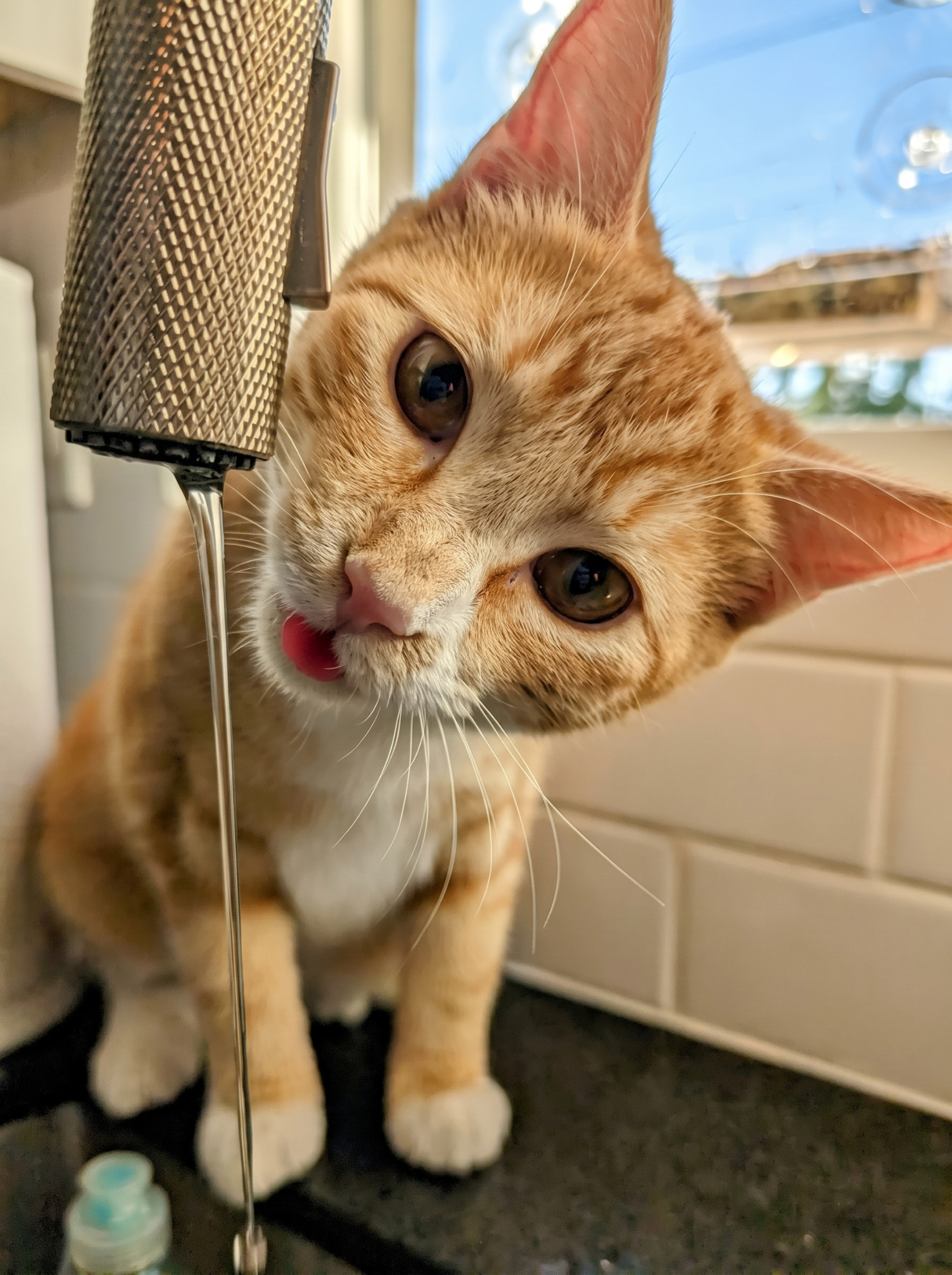
Ran for 6 days, from August 9 to August 15, 2026, the last day Crush saw it.
Run by Health Insider on Facebook. Crush is not the advertiser and does not verify its claims. See this ad in Meta's Ad Library(opens in a new tab)
Want an ad like this for your product?
Crush makes new ad images for your product from this ad: your logo, your product photo, your offer.
Trials from $19.95 USD, then $79.95 USD a month. Cancel anytime.
About this ad
- Meta Ad Library ID
- 1541500724394143
- Platforms
- Facebook, Instagram, Audience Network, Messenger and Threads
- Relaunches
- 1
- Niche
- Pets
Ad text
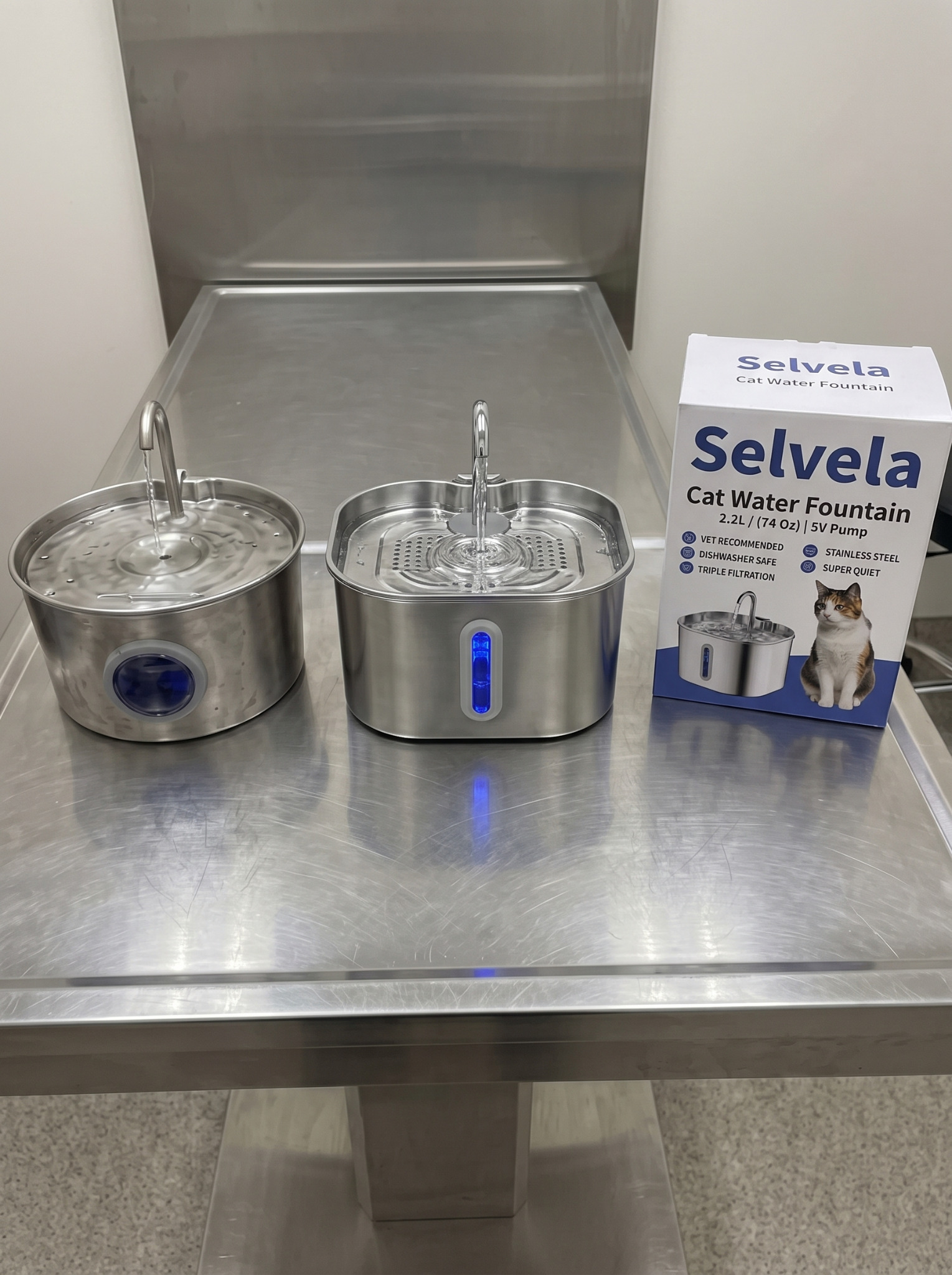
I run the kitchen faucet for my cat 4 times a day like her personal butler. 6:15 AM. Before coffee. Because she's screaming at the sink. 10 PM. Half asleep. Because she won't stop crying. Sometimes at 2 AM. Because the meowing wakes me up and I'm too tired to fight it. My daughter says I'm pathetic. She's probably right. My friend says her cat does the same thing. So I figured it was normal. My vet said some cats just prefer running water. Three years of this. Three years of running the faucet for Rosie in the quiet kitchen since Jim passed. Our little routine. Last month her bloodwork came back wrong. Creatinine 2.6. SDMA 22. Stage 2. "How much water is she actually getting per day? Not from food." I didn't know. "Two to three ounces from the faucet. She needs seven to nine." My stomach dropped. "The faucet drinking isn't a preference. It's a distress signal. She's been chronically dehydrated for years." Three years of being her personal butler. And she was getting a third of what she needed. She wasn't spoiled. She wasn't picky. She was begging. And I ran the faucet for 30 seconds and walked away feeling like a good cat mom. That was five months ago. Rosie's kidneys are stable now. Her coat is different. She plays again. She hasn't cried at the faucet once. What fixed it took me $153 in failed fountains and $1,800 in vet bills to figure out. And one conversation with a shelter worker who knew what nobody else did. After the vet appointment, I went straight to PetSmart. Bought a plastic fountain. The one with the flower on top. The one with 12,000 reviews. $32. Rosie sniffed it. Drank from it for two days. Day three: nothing. Day four: back at the faucet. Crying. I cleaned the fountain. Scrubbed it with dish soap. Refilled it. Put it back. She sniffed. Walked away. I got down on my knees and looked at it. It looked clean to me. The water was clear. The filter was new. But Rosie wouldn't touch it. I bought a ceramic fountain next. $67. Heavier. Nicer looking. The reviews said cats love the whisper-quiet motor. Rosie used it for four days. Then stopped. I noticed a hairline crack in the glaze on day six. Ran my finger over it. Felt smooth. Looked fine. But Rosie was done. Third fountain. This one said "stainless steel" on the box. $54. I thought this was the answer. Rosie used it for a week. Then she slowed down. By week two, back at the faucet. I flipped the fountain upside down. The bowl on top was stainless. But the reservoir underneath. The part that held the water. The part with the pump. Plastic. The water sat in plastic before it reached the stainless bowl. I wanted to throw it through the window. Three fountains. $153. And my cat was still crying at the kitchen sink. I joined a Facebook group for cats with kidney disease. Searched "my cat won't drink from fountain." Hundreds of posts. The exact same story. Over and over. "Bought the flower fountain. Cat used it for a week. Now she ignores it." "Tried ceramic. Same thing." "The stainless steel one has a plastic base. So what's the point." "My cat only drinks from the bathtub faucet." "Vet says push fluids. HOW." Every single one of these people did what I did. Bought a fountain. Cat rejected it. Tried another. Same result. Nobody could explain why. Two weeks later I went to the shelter where I'd adopted Rosie twelve years ago. Needed to update some paperwork for their records. The shelter had changed since I'd been there last. New wing. More cats. Everything looked better. One thing caught my eye. Every room had a water fountain. Stainless steel. A faint blue glow coming from each one. I watched a 14-year-old tabby walk to one and drink. Just casually. No hesitation. Like it was the most natural thing in the world. I found the adoption counselor. "Those fountains. What are they?" She looked at where I was pointing. "Oh. We put them everywhere. Started about a year ago." "Why do the cats just drink from them? No hesitation?" She gave me a look. Not judgmental. But like she was about to tell me something I should already know. "Most fountains only solve half the problem. They give cats moving water. But moving water through contaminated surfaces is still contaminated water." She crossed her arms. "Plastic is a disaster. Under a microscope, even brand-new plastic is covered in tiny scratches and holes. Bacteria gets inside those pores within hours. Forms a film. You can't see it. Can't scrub it out." "But your cat can smell it." "Biofilm." I'd seen the word in the Facebook group. "Cats have a sense of smell roughly 14 times stronger than ours. They detect bacterial contamination that's completely invisible to us." She pointed at the fountain. "You buy a plastic fountain. Clean it. Looks perfect. But your cat sniffs it and smells a bacterial colony living in the scratches." "That's why she walks away. And goes to the faucet. Because running tap water doesn't have biofilm." I couldn't breathe for a second. "But I bought a stainless steel fountain. She still stopped using it." "Was it surgical-grade? Or the standard kind?" I didn't know. She walked me over to one of the fountains. Picked it up. Turned it around. "This is 316 surgical-grade stainless steel. The kind used in medical implants. Non-porous. Bacteria can't colonize the surface. Plus an antibacterial coating on top." She ran her finger across it. Completely smooth. Like touching glass. "Most stainless steel fountains use 304 grade. The cheap stuff. It looks the same to you. But under a microscope, 304 develops micro-corrosion over time. Tiny pits. Bacteria grips the surface." She paused. "But here's the thing most people don't know." She pointed to the faint blue light near the base of the fountain. "Even on the best steel surface, bacteria still lives in the water itself. It floats. It circulates. It settles on the drinking surface and starts forming colonies." "Every stainless steel fountain on the market still fails after a week or two. The surface is better. But the water itself is still contaminated." "So what's different about these?" She tapped the blue light. "UV sterilization. Built into the fountain. It kills bacteria in the water before colonies can ever form." I stared at it. "This is the only consumer fountain with UV sterilization built in. The water circulates past the UV light continuously. Bacteria is destroyed before it ever reaches the drinking surface." She lowered her voice. "You can have the best steel in the world. If the water circulating through it is carrying bacteria, your cat will still smell it. Still reject it." "UV changes the equation entirely. The water itself is clean. The surface is clean. There's nothing for your cat's nose to detect." "That's why our cats just walk up and drink. No hesitation." "Remove both barriers and the cat just drinks. Like a clean stream in the wild." I was shaking. "What brand is this?" She turned it over. Selvela. "Can I buy this at PetSmart?" "No. Only sold through their website." She shrugged. "Pet stores carry plastic fountains because the margins are higher. Replacement filters generate recurring revenue. Surgical-grade steel with UV sterilization isn't profitable enough for big box retail." That hit different. Every fountain PetSmart had sold me was designed to sell me more filters. Not to actually solve the problem. "How much?" "$89.99. Comes with a cleaning kit and starter filters." I ordered one from my phone in the shelter parking lot. Solid. Heavy for its size. The basin and tank were all 316 surgical-grade stainless steel. An antibacterial coating across the entire surface. The UV sterilization unit glowed faint blue the moment I plugged it in. I set it up. Filled the reservoir. The triple-stage filtration sat inside, hospital-grade. Removes chlorine, heavy metals, pharmaceutical residue. Not just taste like the cheap carbon filters in every other fountain I'd tried. First hour: Rosie walked past it. Sniffed. Kept walking. I didn't panic. The shelter counselor told me to give it 24 to 48 hours. Hour three: Rosie approached again. Sniffed longer. Dipped her nose to the water. Walked away. Hour six: I heard it. Lapping. Quiet, steady lapping from across the room. I tiptoed around the corner and looked. Rosie was drinking. Actually drinking. Not the quick desperate laps from the faucet. Long, slow, relaxed drinking. Like she'd found something she'd been looking for. I stood there watching her with tears running down my face. Not because the fountain worked. Because for three years I thought she was being cute at the faucet. And she was just trying to survive. Day three: Rosie didn't cry at the kitchen faucet. Not once. First time in three years. Day seven: Her water intake was visibly higher. The fountain reservoir needed refilling more often. Day fourteen: Her coat looked different. I know that sounds stupid. But it was shinier. Fuller. Like she'd been dry from the inside and was finally hydrating. Week six: Follow-up bloodwork. Creatinine 2.3. Down from 2.6. SDMA 18. Down from 22. The vet looked at the numbers. Looked at me. "What did you change?" "I got a surgical-grade stainless steel fountain with UV sterilization." She was quiet for a moment. "The UV sterilization would make a significant difference. Eliminates the bacterial contamination that causes rejection." She paused. "Most fountains don't have it. The ones in stores certainly don't." "Why doesn't anyone tell us this?" She didn't answer that. But I knew. Because there's no money in telling people their $32 fountain is growing bacteria. There's money in bloodwork panels and prescription kidney diets and $200 follow-up visits. That was five months ago. Rosie's numbers are stable. She drinks from the Selvela multiple times a day. I can hear her from the living room at night. Quiet lapping. Steady. She hasn't cried at the kitchen faucet once. I cleaned the fountain for the first time after two weeks. Took 90 seconds. No slime. No film. Just a quick rinse and wipe. The steel surface was as smooth as the day it arrived. I threw the plastic flower fountain in the trash. And the ceramic one. And the fake stainless steel one with the plastic reservoir. $153 in the garbage. Three fountains that never had a chance of working. I think about all the time I wasted. The three years of running the faucet. The months of watching Rosie's kidneys quietly fail while I thought she was just being a picky cat. She wasn't picky. She was smart. Smarter than me. Smarter than the vet. Smarter than PetSmart. She knew the water was contaminated. She tried to tell me every day by going to the faucet. And I didn't listen. I'm listening now. If your cat drinks from the faucet but ignores the bowl. If your cat sniffs the fountain and walks away. If your cat used a fountain for a week and then stopped. If your vet says "push fluids" but nothing you've tried works. It's probably not a picky cat. It's not a preference. It's not a quirk. It's a cat whose nose is telling them the water is contaminated. Two problems. Cheap materials grow invisible biofilm that cats can smell. And without UV sterilization, even the best surface can't stop bacteria from living in the water itself. You can't fix one without the other. A stainless bowl without UV sterilization will still have bacteria circulating in the water. A UV light inside a plastic fountain still has biofilm growing in the material. Both barriers have to be removed at the same time. The only fountain that does both: 316 surgical-grade stainless steel with antibacterial coating so the surface can't be colonized, and built-in UV sterilization so the water itself stays clean. That's what Selvela is. 👉 https://selvela.com/products/selvela-cat-water-fountain $89.99 today. Cleaning kit and starter filters included. 30-day money-back guarantee. Cat doesn't drink more, full refund. 316 surgical-grade stainless steel. Antibacterial coating. Built-in UV sterilization. Triple-stage hospital-grade filtration. Whisper-quiet. Dishwasher-safe. Rosie is 13. She's sleeping on my lap right now. Her coat is soft. Her eyes are bright. Her kidneys are holding. Five months ago I was sitting in the vet's office preparing for the worst. Now I just hear quiet lapping at midnight. And I know she's okay. I wish someone had told me about material and sterilization three years ago. Before the faucet ritual. Before the failed fountains. Before the bloodwork scare. I'm telling you now. Don't wait for the bloodwork to tell you what your cat has been trying to say all along. 👉 https://selvela.com/products/selvela-cat-water-fountain P.S. Cats are desert animals. Their thirst drive is suppressed. They won't show you they're dehydrated until their kidneys are already damaged. The faucet crying is the closest thing to a warning you'll ever get. Don't ignore it like I did.
Where the ad sends people
selvela.com
Read If Your Senior Cat Is Slowing Down 👆
Selvela
Shop now: selvela.com(opens in a new tab)