Health Insider
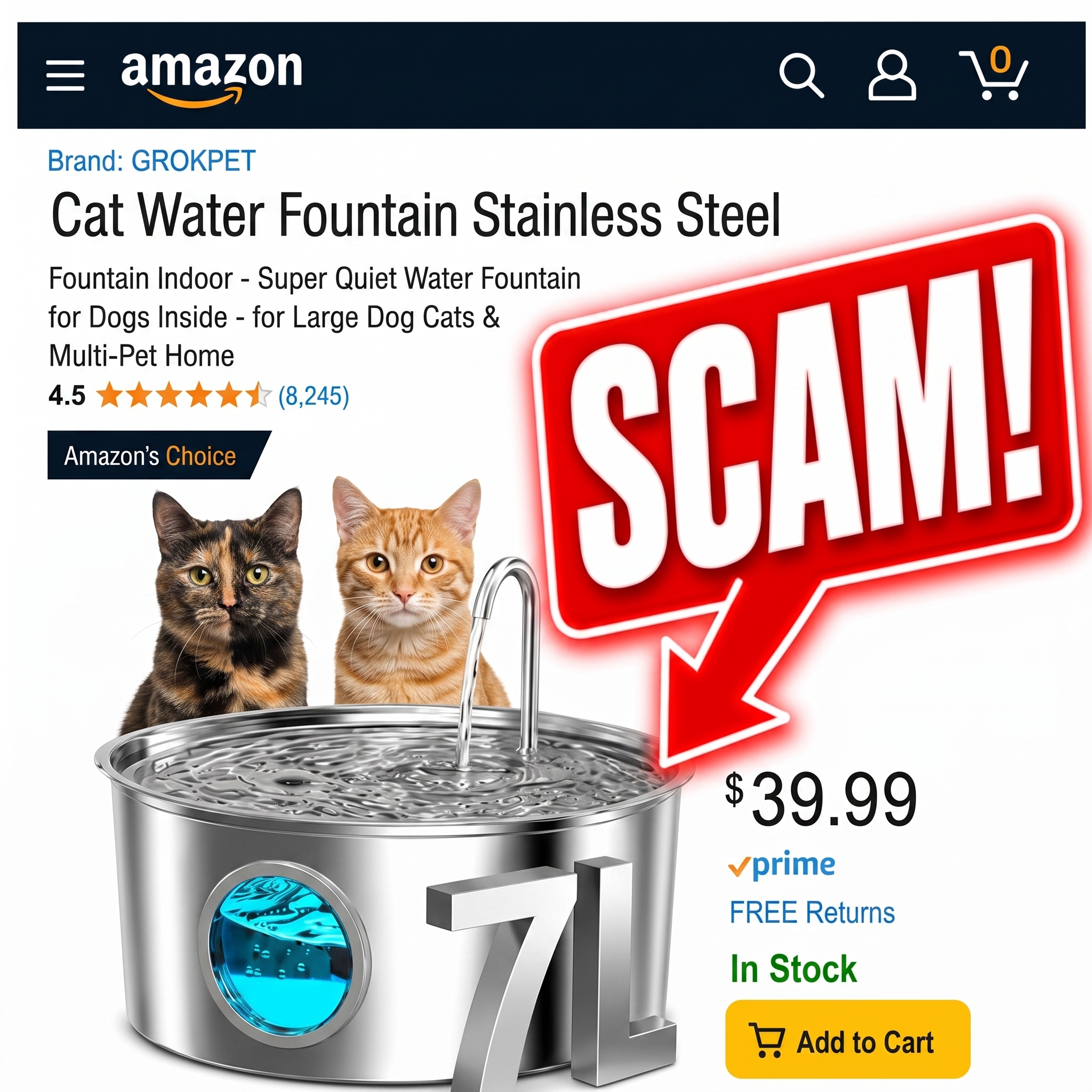
Health Insider Facebook ad: “STOP scrubbing your cat's water bowl!”
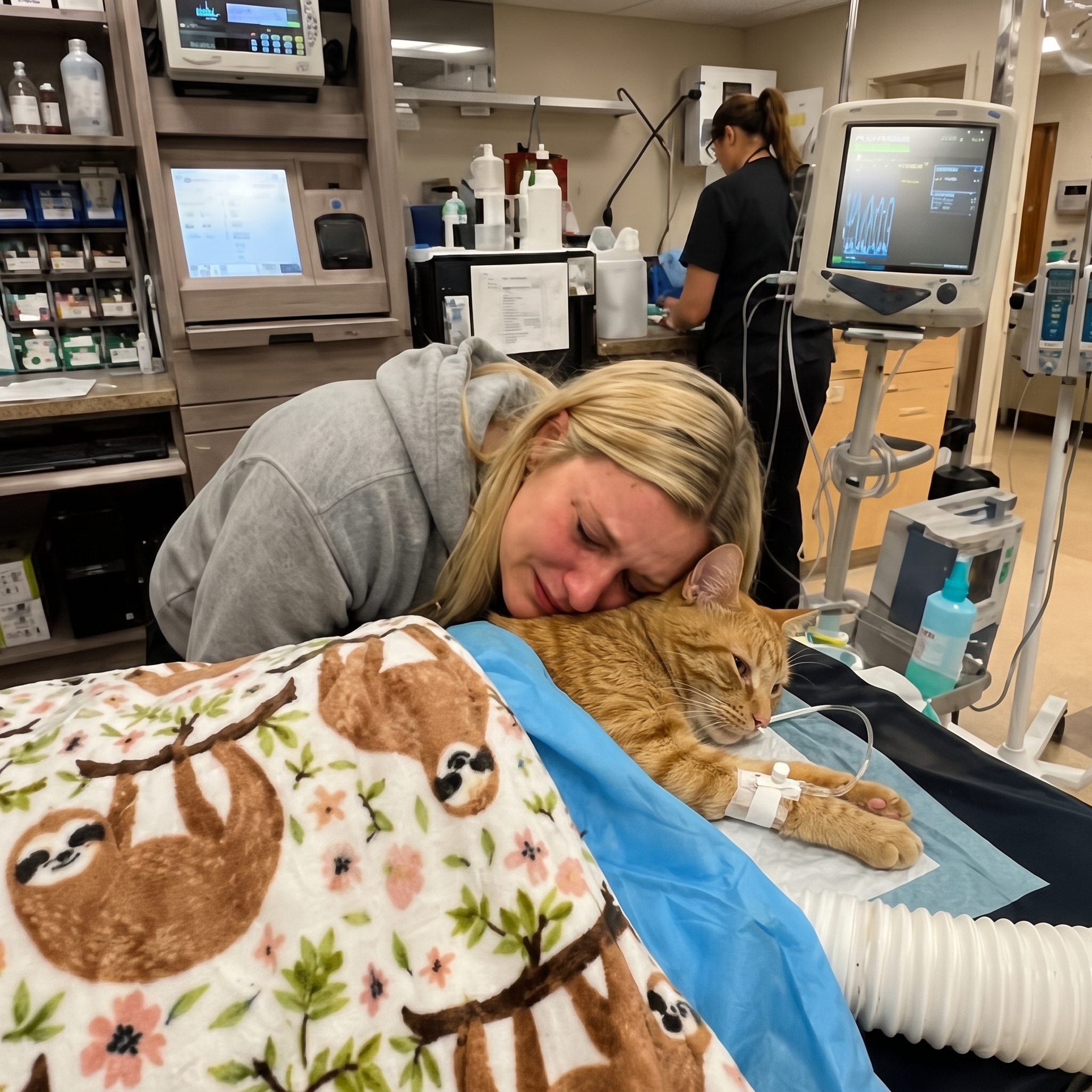
Ran for 8 days, from August 9 to August 17, 2026, the last day Crush saw it.
Run by Health Insider on Facebook. Crush is not the advertiser and does not verify its claims. See this ad in Meta's Ad Library(opens in a new tab)
Want an ad like this for your product?
Crush makes new ad images for your product from this ad: your logo, your product photo, your offer.
Trials from $19.95 USD, then $79.95 USD a month. Cancel anytime.
About this ad
- Meta Ad Library ID
- 2140760290148473
- Platforms
- Facebook, Instagram, Audience Network, Messenger and Threads
- Relaunches
- 1
- Niche
- Pets
Ad text
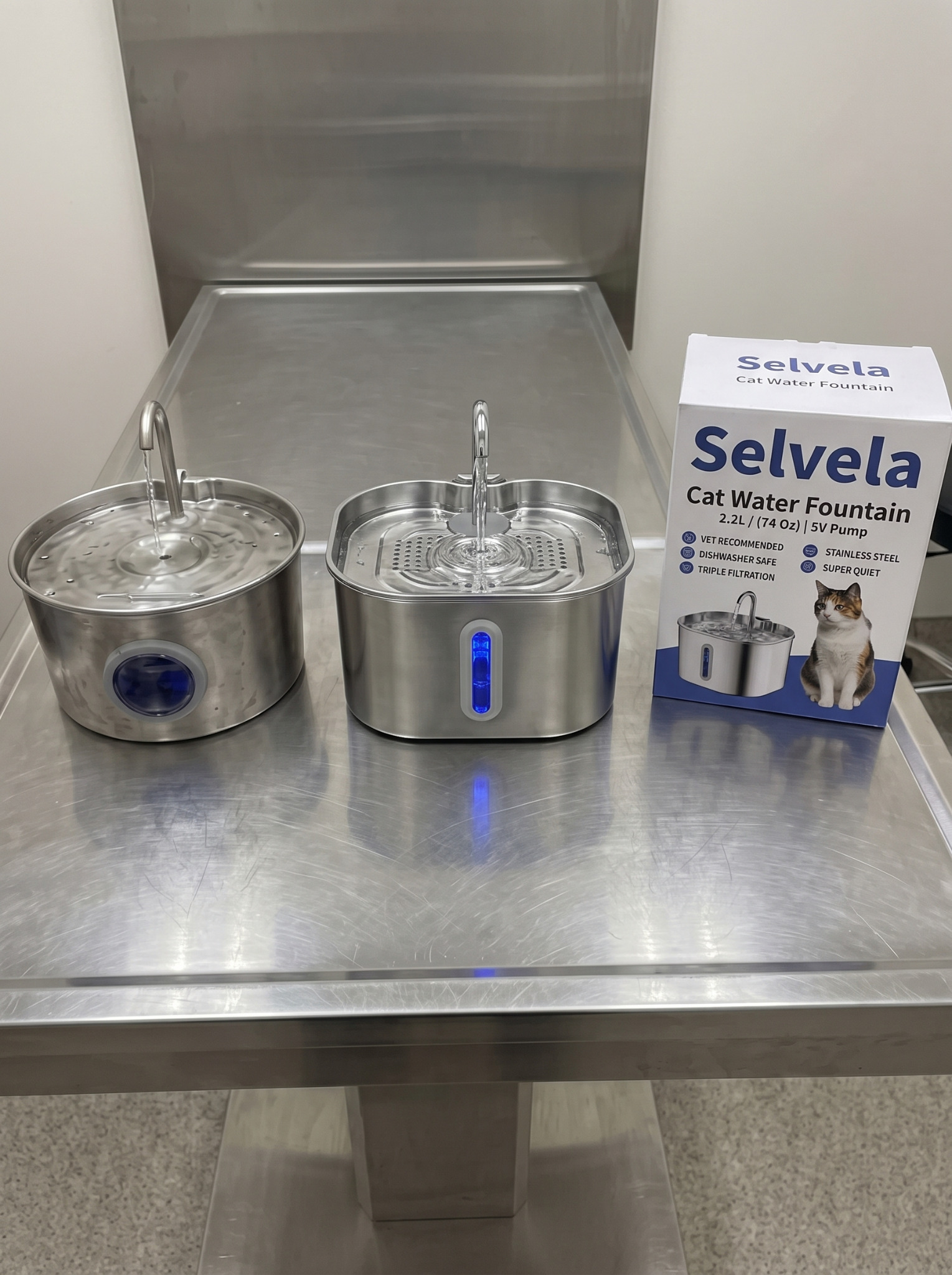
STOP refilling your cat's water bowl. If your cat's water bowl feels slimy, even a little bit, I need you to read every word of this. Because that slime might be slowly poisoning them. Let me tell you about a cat named Biscuit. Orange tabby. 8 years old. Sweetest face you've ever seen. His owner Diane brought him in for what she thought was just him "slowing down a little." "He's just slowing down," she said, scratching behind his ears. "Sleeping more. Doesn't play like he used to. I figured it's just age, you know?" I nodded and ran my hands along Biscuit's spine. He pushed his head into my hand the way he always did, trusting and warm. "Let's run some bloodwork," I said. "Probably nothing. Maybe early arthritis." Diane smiled. "That's what I was thinking." 40 minutes later, I was staring at results that made my stomach drop. I walked back into the exam room and sat down across from her. "Diane, Biscuit's kidneys are functioning at 22%." She blinked. "What?" "He's in stage 3 kidney failure." "That's... no. That's not possible." She looked at Biscuit, then back at me. "He was fine yesterday. He was completely FINE. He just had bloodwork 6 months ago and everything was normal." "I know. That's how kidney disease works. Cats don't show symptoms until 65 to 75% of the damage is already done." She shook her head slowly, like she was trying to wake up from something. "I don't understand. I do everything right. I feed him the good food. I take him to the vet every year. I wash his water bowl every single day." I leaned forward. "Diane, can I ask you something?" "Of course." "Has Biscuit been drinking less water lately? Or acting picky about his water?" Her face changed. "Actually... yeah. For the past few months he'd walk up to his bowl, sniff it, and just walk away. I thought he was being weird. I started adding tuna water to get him to drink more." I nodded slowly. I've heard this exact story so many times I could recite it from memory. "Do you have his water bowl with you?" She looked confused. "I... yeah, actually. I brought it to show you how much water he wasn't drinking." She reached into her bag and pulled out a stainless steel bowl. Nice one. The expensive kind from the pet store. From across the room, it looked perfectly clean. I took it from her and ran my finger along the inside. Slimy. Not visible slime. Not the pink stuff you sometimes see after a few days. Just that slight film you feel when you touch it. I held up my finger. "Do you see this?" She squinted. "I don't see anything." "You can't see it. But you can feel it. And more importantly, Biscuit can smell it." "What is it?" "It's called biofilm. It's a layer of bacteria that forms on any surface in contact with water. Starts forming within 24 to 48 hours." Diane stared at the bowl in my hands. "But I wash it every morning." "I know you do. That's the problem." I put the bowl down on the exam table. "Here's what nobody tells cat owners. Biofilm doesn't just sit on the surface. It embeds into microscopic scratches in the material. Stainless steel has them. Ceramic has them. Plastic is the worst." "So when I scrub it..." "You kill the surface layer. But the bacteria in those tiny grooves survive. And they repopulate the entire bowl within hours." Diane put her hand over her mouth. "So every time I gave him fresh water..." "It was contaminated again by the time you went to bed. And his kidneys have been filtering that bacterial load. Every single day. For years." She started crying. "But I didn't know. I had no idea." I handed her a tissue. "Nobody knows. That's the problem." After Diane left, I sat in my office for a long time. This case wasn't unusual. I see this exact pattern every single week. Cat stops drinking as much. Owner thinks they're picky. Adds tuna water. Refills more often. Scrubs the bowl harder. Months go by. Sometimes years. Then the cat stops eating. Or hides for days. Or can't jump up to their usual spot one morning. Bloodwork comes back. Kidney failure. And the owner sits across from me saying the exact same words. "I had no idea." I've heard it hundreds of times. Maybe thousands. And I'm tired of it. About 2 years ago, I started doing something different. Every owner who came in with kidney issues, I asked them to bring their cat's water bowl. Bowl after bowl after bowl. Every single one had that film. And every single owner said the same thing. "But I wash it every day." So I started digging into the research. What I found changed everything. A study published in the Journal of Applied Microbiology found that biofilm begins forming in standing water within 24 to 48 hours. Sometimes faster in warm environments. And here's the part that made my stomach drop. Scrubbing doesn't eliminate it. Biofilm embeds into microscopic scratches in the surface material. You can kill the top layer, but the colonies in those grooves survive. They repopulate the entire surface within hours. Bowls are designed for standing water. Standing water is designed for biofilm. That's when I started recommending fountains. It made biological sense. Cats instinctively prefer moving water. It's closer to a stream than a stagnant puddle. That's why they sit at faucets. That's why they lick the shower floor. Their instincts read still water as suspect and moving water as safe. And here's the key thing I learned from the research. Biofilm needs stillness to form. Bacteria needs the water to sit still so it can anchor to the surface and start colonizing. When water never stops moving, biofilm doesn't get the chance to develop. Constant circulation prevents bacteria from anchoring in the first place. "Get a fountain," I'd tell them. "Your cat will drink more." And for a few weeks, it worked. Then the follow up appointments started telling a different story. "Dr. Mitchell, we tried the fountain. He used it for three days and then completely stopped." "I bought two different fountains. Same thing. Loves it at first, then won't go near it." "The fountain grew mold inside. I took apart the pump and almost threw up." Owner after owner. Same pattern. Their cats would love the fountain at first. Fresh moving water. Finally drinking again. Then around day three or four, they'd sniff it and walk away. Back to barely drinking. Back to the same problem. I started asking them to bring the fountains in. What I found made me sick. Plastic reservoirs with microscopic scratches. Bacteria embedded everywhere. Pump housings you couldn't open, with black slime growing inside. Ceramic pieces with hairline cracks in the glaze. Biofilm colonizing places no brush could reach. Even the "stainless steel" fountains were growing bacteria. Because they weren't real stainless steel. They were cheap steel with a coating that scratched and pitted within weeks. And here's what I realized. The water was moving on the surface. But inside the reservoir? Inside the pump housing? Inside all those hidden chambers? The water was sitting still. Stagnant. Perfect conditions for biofilm. The cats knew. Their 200 million scent receptors could smell the contamination building in the places we couldn't see. That's why they stopped drinking after a few days. The fountains weren't solving the problem. They were just hiding it. I felt defeated. Bowls don't work. Fountains don't work. What was I supposed to tell these owners? I started researching obsessively. Veterinary journals. Water quality studies. Anything I could find. Then one night I found a Facebook group for owners of cats with kidney disease. Over 12,000 members. All dealing with the same thing. I scrolled through the posts. "My cat stopped drinking from his fountain after a week." "I've tried 4 different fountains. Same thing every time." "Is it just me or do all these fountains grow mold?" Hundreds of comments. Thousands. All saying the same thing. Then I found a thread that stopped me cold. A woman named Patricia had posted about her 11-year-old Maine Coon who was diagnosed with kidney disease three years earlier. The vet had given him 6 months. He was still alive. Still healthy. Still jumping to his favorite perch every morning. Everyone was asking what she did differently. Her answer: "I stopped buying cheap fountains from Amazon. They all grow biofilm because they use cheap materials. The steel scratches. The plastic holds bacteria. The pumps grow mold inside. And most of them only circulate water on the surface while it sits stagnant in the reservoir." Someone asked what she used instead. "There's only one fountain I've found that actually stays clean. It's called Selvela. Uses 316 surgical-grade stainless steel with an antibacterial coating. Same grade they use in medical implants. Non-porous at the molecular level so bacteria literally can't grip the surface. And it has UV sterilization built in. Kills bacteria in the water itself before colonies can ever form. That's the part nobody else has." I searched for other mentions of Selvela in the group. Post after post after post. "Finally found a fountain my cat will actually use long term." "Three months in, still no biofilm. I check every week because I'm paranoid." "My cat's kidney values stabilized after I switched. Vet was shocked." "I wasted $200 on Amazon fountains before finding this. Wish I'd known sooner." A vet tech had commented on one thread: "We recommend Selvela at our clinic now. It's the only fountain we've seen that actually prevents biofilm instead of just delaying it." I ordered one that night. When it arrived, the first thing I noticed was the weight. Heavy. Solid. Nothing like the flimsy plastic fountains I'd been seeing in my office. I ran my finger along the inside. Smooth. Really smooth. Not the rough texture of cheap steel. 316 surgical-grade with an antibacterial coating across the entire water-contact surface. The UV sterilization unit glowed faint blue the moment I plugged it in. The triple-stage hospital-grade filtration sat inside. Removes chlorine, heavy metals, pharmaceutical residue. Not just taste like the cheap carbon filters in every other fountain. I set it up in my kitchen. I have two cats. Charlie is an 11-year-old tabby who barely drinks. I'm always trying to get more water into him. Penny is a 7-year-old calico who's fine, but I wanted to test how they'd both respond. Day one, they sniffed it and walked away. Day two, Penny took a few laps. Day three, Charlie drank. Really drank. I stood there watching him drink for a solid 30 seconds without stopping. I hadn't seen him do that in years. By day five, they were both using it multiple times a day. Here's what I was waiting for. Day seven. Day ten. Day fourteen. The point where every other fountain failed. I ran my finger along the inside. Smooth. Clean. No film. Week two, I noticed Charlie had more energy. He was following me around the house again. Jumping up to his windowsill instead of sleeping on the floor all day. Week three, his coat started looking different. Shinier. Softer. The dull, dry texture he'd had for years was going away. Week four, I ran my finger along the inside again. Nothing. The steel surface stayed clean. The UV kept the water sterile. Biofilm never had a chance to form. For the first time in my career, I had something I could actually recommend with confidence. I started recommending it to my kidney patients first. The cats like Biscuit. Not all of them trusted it immediately. Cats who've learned to avoid contaminated water are suspicious of anything new. But within a week or two, they all came around. And then the same pattern I saw with Charlie started showing up everywhere. Week one, owners would tell me their cat was finally drinking. Actually going to the fountain multiple times a day instead of avoiding it. Week two, the energy came back. Cats that had been sleeping all day were following their owners around again. Wanting to play. Jumping to their favorite spots again. Week three, the coats improved. Shinier. Softer. One owner told me she thought her cat was "aging backwards." Week four and beyond, the bloodwork started telling a different story. Kidney values that had been climbing for months started stabilizing. Some actually improved. One owner called me crying after a recheck. "Dr. Mitchell, his creatinine dropped. You said that almost never happens." "It almost never does." "So what changed?" "You stopped making his kidneys filter bacteria every day. You gave them a chance to recover. And when a cat is properly hydrated, everything works better. Energy. Coat. Digestion. Kidneys. All of it." She was quiet for a moment. "That's it? Just the water?" "That's it." Now I recommend Selvela to every client. Not just the kidney patients. Every single cat owner who walks into my practice. Because by the time kidneys show damage on bloodwork, most of the loss has already happened. Prevention is the only thing that actually works. Here's what I tell every owner who sits across from me. "Go home tonight. Pick up your cat's water bowl. Don't look at it. Touch it. Run your finger along the inside." "If it feels even slightly slimy, that's biofilm." "Your cat has been smelling it for days. Maybe weeks. That's why they're drinking less. That's why they walk up to the bowl and walk away." "They're not picky. They're trying to tell you something is wrong." If your cat has been avoiding their water bowl... If you've been adding tuna water just to get them to drink... If you've tried fountains that worked for a few days and then got rejected... If they've been sleeping more and you thought it was just age... Please don't ignore it. Here's where I got the water fountain: 👉 https://selvela.com/products/selvela-cat-water-fountain It's what I use for my own cats. It's what I've been recommending for over a year now. $89.99. Cleaning kit and starter filters included. 30-day money-back guarantee. Cat doesn't drink more, full refund. 316 surgical-grade stainless steel. Antibacterial coating. Built-in UV sterilization. Triple-stage hospital-grade filtration. Whisper-quiet. Dishwasher-safe. I've held too many cats in their final moments while their owners cried and said "I had no idea." I've seen too many bowls with that slimy film. I've had too many conversations that started with "but I washed it every day." I don't want to have that conversation with you. If this reaches one person before their cat's bloodwork tells them what they could have prevented, then writing it was worth it. Please don't wait for the emergency vet visit to find out. Dr. Sarah Mitchell, DVM 14 years in veterinary practice P.S. I wasted months recommending cheap fountains before I understood why they all failed. The water moved on the surface but sat stagnant in the reservoir. Biofilm formed in the hidden places. Your cat's nose found it before you ever could. The problem isn't fountains. The problem is fountains built with cheap materials and no way to kill the bacteria living in the water itself. Selvela solves both. Surgical-grade steel the surface can't colonize. UV sterilization the water can't hide from. Your cat knows the difference. Their nose doesn't lie.
Where the ad sends people
selvela.com
STOP scrubbing your cat's water bowl!
Selvela
Shop now: selvela.com(opens in a new tab)